The Real Reason Carpenter Bees Are Choosing Virginia Porches
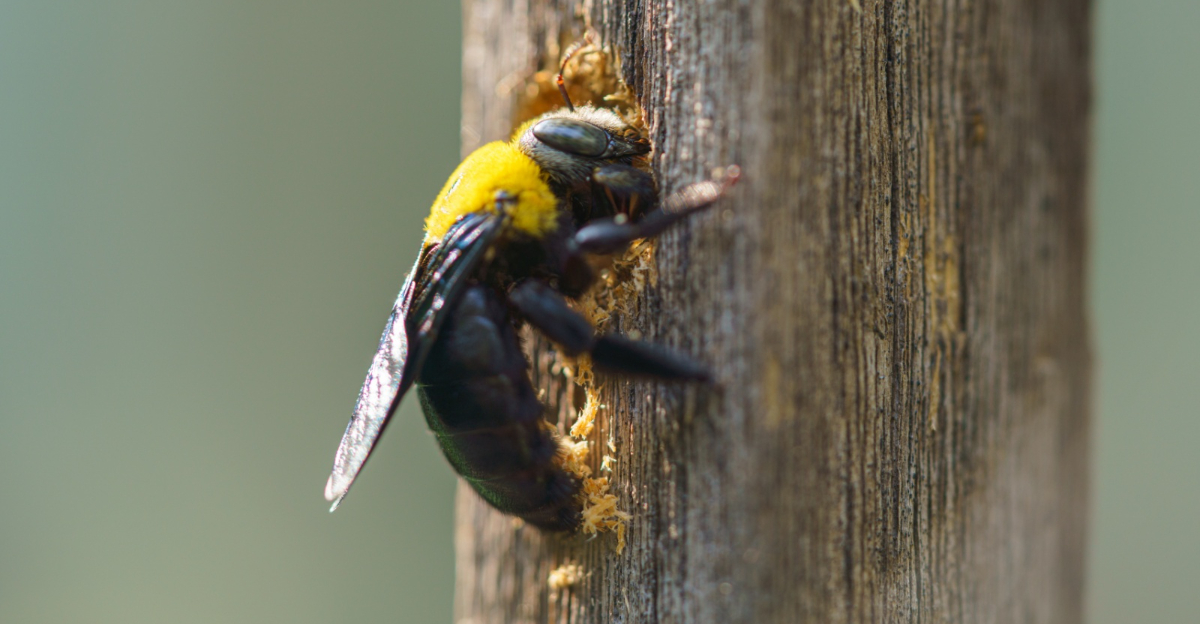
Bees have claimed your porch, and they chose it on purpose. Fat, fuzzy, and completely unbothered, a carpenter bee hovers right at eye level.
Perfectly round holes in the wood give the secret away. Virginia porches across the state keep landing on their radar, season after season.
Why does yours keep making the list? Soft, unpainted wood pulls them in like a broadcast signal.
Warm spring air accelerates their timeline. Exposed surfaces might as well be an open invitation.
Untreated lumber seals the deal even faster. Your outdoor space checks every box without you realizing it.
Beneath the surface, tunnels stretch further than you would expect. Carpenter bees in Virginia are more strategic than most people assume.
What draws them in is already surrounding you. They picked your porch for a reason, and that reason is hiding in plain sight.
Bare, Unpainted Wood Is Their Top Target
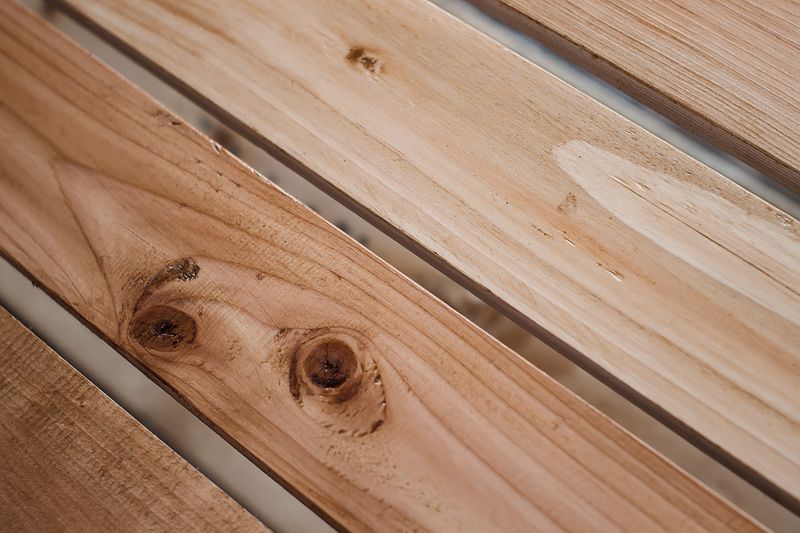
Unfinished wood is an ideal nesting environment for carpenter bees. If your porch has raw, exposed lumber, you have created an open invitation for these bees to move in.
Carpenter bees have a strong preference for soft, untreated wood. Pine, cedar, and redwood are among their favorites because the grain is easy to tunnel through.
Paint and sealant act as a barrier that bees find unappealing. A smooth, sealed surface gives them nothing to grip and nowhere to start chewing.
Many Virginia homeowners skip finishing the undersides of railings or the backs of boards. Those hidden, bare spots are exactly where carpenter bees go to work first.
Even a small patch of exposed wood can attract attention from a scouting bee. Once one finds an entry point, others follow quickly.
Staining or painting every surface, including the parts you rarely see, makes a big difference.
A thorough coat of exterior paint is one of the simplest defenses you have against carpenter bees choosing your Virginia porch as their new home base.
They Tunnel In To Lay Eggs, Not To Eat
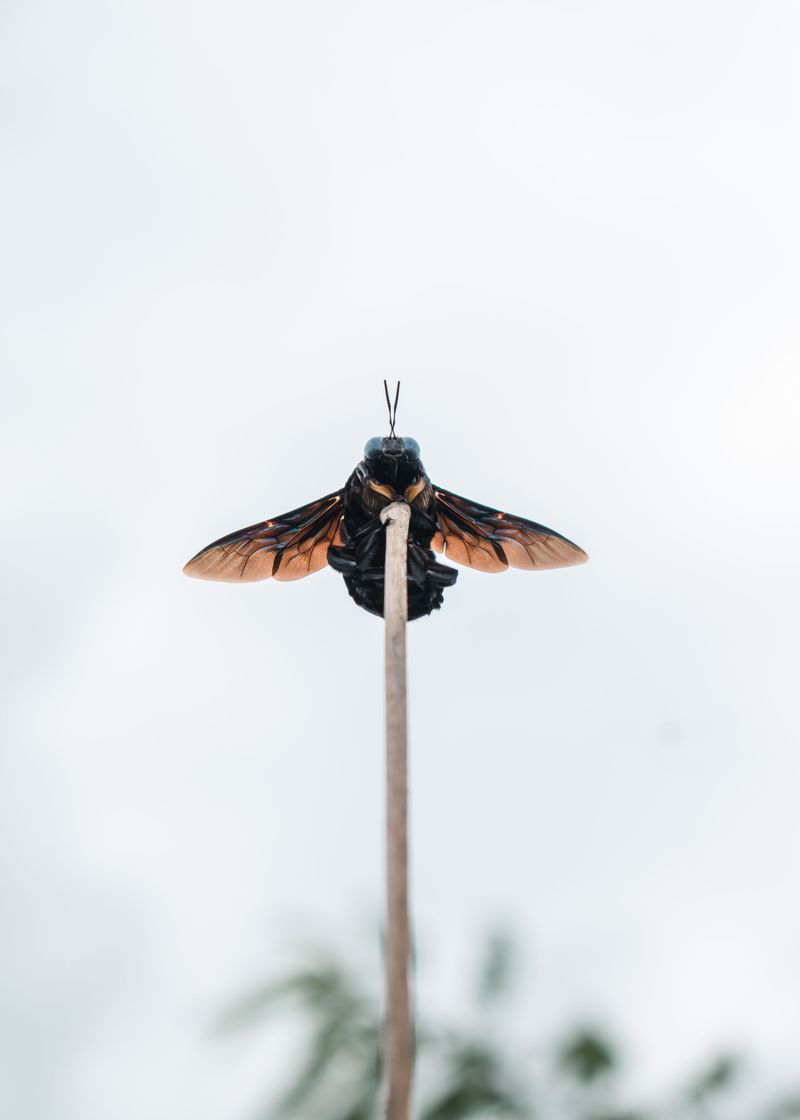
Here is something that surprises most people: carpenter bees do not eat wood. They chew through it to build nurseries for their young.
A female carpenter bee drills a round entry hole, then turns and tunnels horizontally along the wood grain. The tunnel can stretch six inches or longer inside a single board.
She fills each chamber with a mixture of pollen and nectar, then lays one egg on top. After that, she seals the chamber with chewed wood pulp and moves on to the next one.
The larvae hatch, feed on the stored food, and grow through the summer. By late summer, the new adults chew their way out, leaving fresh exit holes behind.
This nesting process weakens structural wood over time. What starts as a single small hole can become a series of connected tunnels after just a few seasons. Knowing their purpose helps you understand why sealing entry holes matters so much.
Spring is when nesting peaks, and early action is your best defense. Seal entry points before the season starts and carpenter bees will move on.
Your Virginia Garden Changes Every Week. Your Plan Should Too.
Gardening in Virginia changes quickly throughout the season. Every Friday you’ll receive a simple weekly plan showing exactly what to plant, prune, fertilize, harvest, and protect so you never miss the right timing.
Pheromones Left Behind Lure More Bees Back
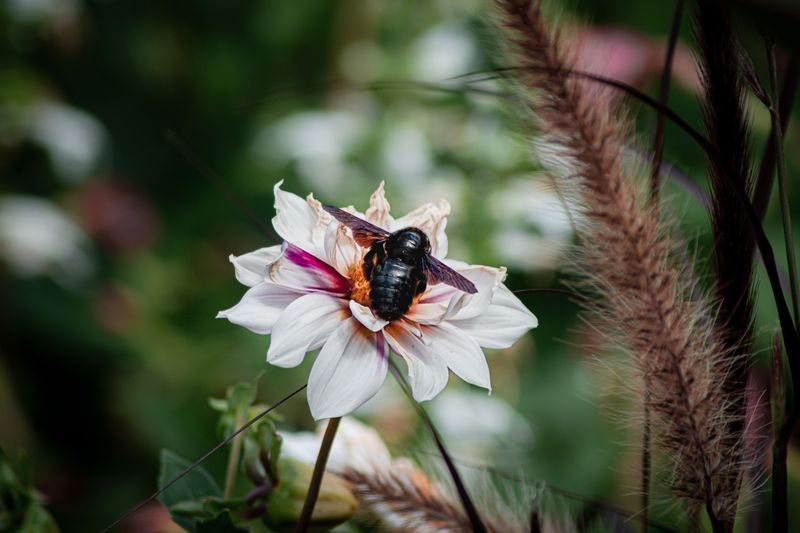
Old holes are not just wear on the wood. They are chemical advertisements that say, this spot is great, come on in.
Carpenter bees leave pheromone trails inside and around their tunnels. These invisible scent signals act like a beacon for other bees looking for a good nesting location.
Even if you remove the original bee, the scent lingers in the wood. New bees, sometimes from the same colony, pick up on that signal and return to the same spot the following spring.
This is why homeowners are often baffled when bees keep coming back after they thought the problem was solved. The wood itself is still sending out an invitation.
Cleaning out old tunnels and sealing them with caulk or wood filler helps eliminate the scent trail. Painting over the repaired area adds another layer of protection against future scouts.
Some pest control experts also recommend replacing heavily tunneled boards entirely. Fresh wood with no chemical history gives bees no reason to land there in the first place.
Breaking the pheromone cycle is one of the most overlooked steps in keeping carpenter bees away from your Virginia porch for good, season after season.
We Built Our Lives Around Wood And So Did They
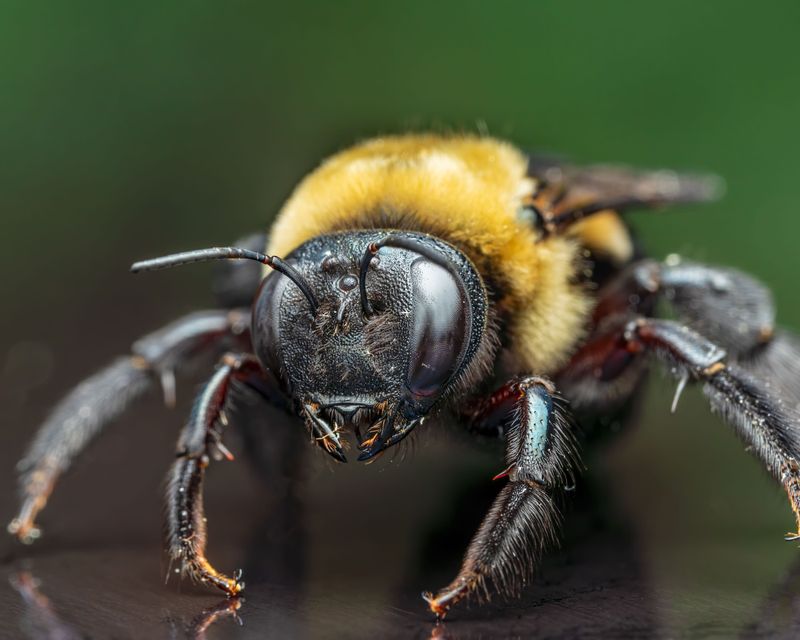
Carpenter bees have been nesting in decaying trees and fallen logs for thousands of years. Then humans started building homes out of wood, and suddenly the options got a whole lot better.
Porches, decks, sheds, barns, and fences all mimic the kind of structures bees find in nature. From a bee’s perspective, your porch is just a very convenient, pre-assembled log.
Virginia has a long tradition of wood-frame construction. That history means there is a lot of aging, weathered lumber spread across the state for bees to explore.
Older homes often have decades of untreated wood that has softened slightly with age. Softer wood is easier to tunnel, which makes it even more attractive to a nesting female.
Newer construction is not off the hook either. Builders sometimes leave raw wood exposed in eaves, soffits, and structural beams that never get sealed properly.
The overlap between where humans live and where carpenter bees thrive is not a coincidence. Both species gravitated toward the same material for shelter, comfort, and safety.
That connection explains why carpenter bees show up on Virginia porches each spring, and why the right response is practical rather than reactive.
Nearby Wooden Debris Signals A Welcome Habitat
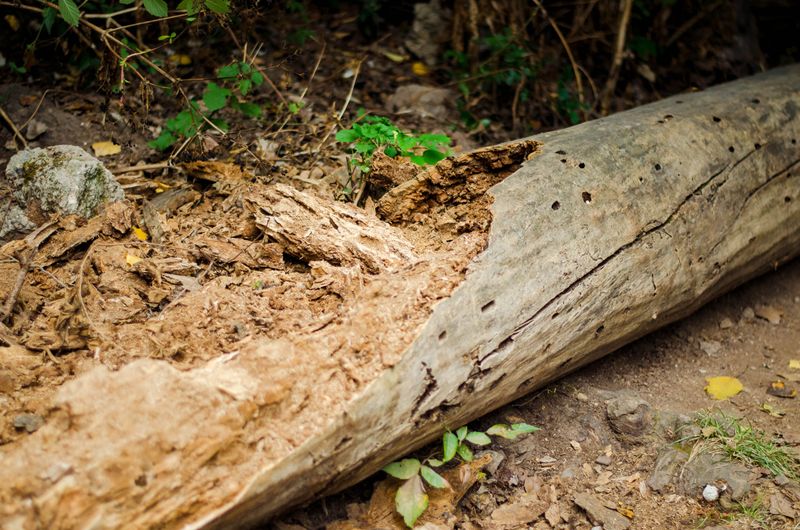
That pile of scrap lumber behind the shed? Carpenter bees spotted it before you did. Stacked wood, old fence posts, and rotting timber all signal that a neighborhood is bee-friendly.
Bees scout for habitat before they commit to a nesting spot. If your yard has multiple wood sources nearby, your porch becomes part of a larger attractive zone.
Firewood stacks are a classic attractant. Logs with exposed ends and soft grain are easy targets for a bee looking to start a nest quickly.
Old garden furniture, wooden planters, and untreated trellises also make the list. Any outdoor wood item that sits in place for months without being moved or sealed can become a nesting site.
Clearing away unused wooden debris reduces the overall appeal of your outdoor space to carpenter bees. Fewer options nearby means fewer scouts cruising your porch.
Storing firewood away from the house and off the ground also helps. Elevating wood reduces moisture and makes it less soft, which lowers its appeal as a nesting material.
Think of your yard as a whole ecosystem when managing carpenter bee pressure. Reducing wooden clutter around your Virginia porch gives bees fewer reasons to linger and explore.
Males Return And Guard The Same Spot Each Season
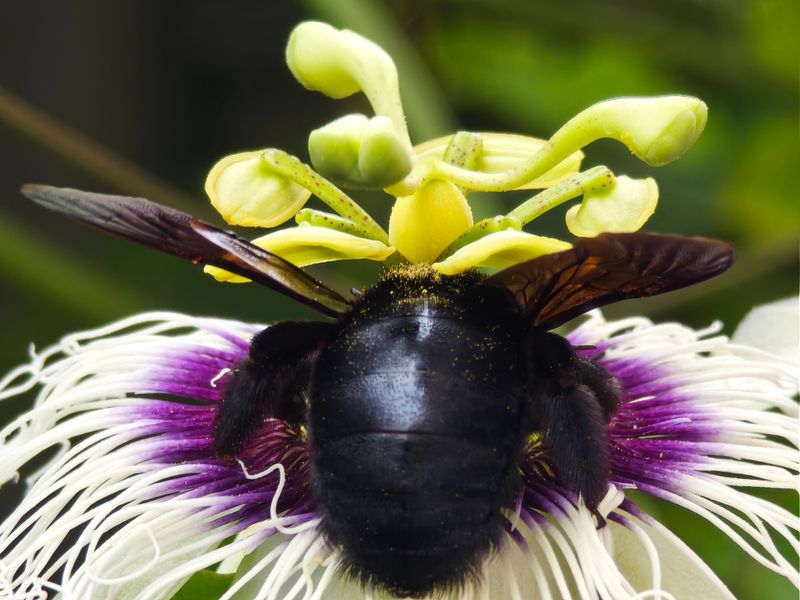
That bee hovering aggressively near you every time you step outside? That is a male carpenter bee, and he is defending the area as his territory. He is not being aggressive so much as territorial.
Male carpenter bees do not have stingers, so they cannot actually harm you. But they are relentless about patrolling a territory they consider their own.
Males tend to return to the same location year after year. They emerge in spring, claim a spot near where they hatched, and spend their days hovering and chasing off rivals.
This behavior is tied to mating. Males guard prime nesting areas to attract females and to keep competing males away from the best spots.
Because males are so loyal to a location, your porch can feel like it has been claimed permanently. Even if you treat the area, a new male may show up the following spring to reclaim it.
Disrupting the site by sealing holes and changing the surface texture helps break the cycle. Males looking for a familiar spot will move on if the location no longer looks or feels right.
Staying consistent with porch maintenance every spring is the key to convincing returning males that your Virginia porch is no longer worth the effort.
Porches Offer Eaves, Rafters, And Railings All At Once
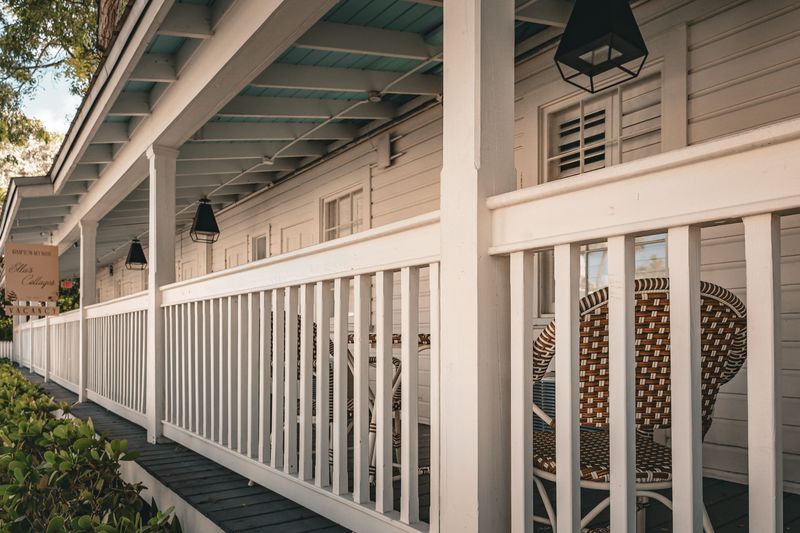
A porch is not just one piece of wood. It is a collection of exposed beams, horizontal rails, overhead boards, and sheltered corners, all in one compact space.
Carpenter bees love variety, and porches deliver it. Eaves provide shelter from rain. Rafters offer thick, horizontal wood that is easy to tunnel into from below.
Railings give bees a low, accessible entry point at exactly the right height for nesting. The flat top surface of a railing is one of the most common spots where bore holes appear.
Overhead boards on a porch ceiling are another favorite. They are protected from weather, rarely touched by humans, and often left unpainted on the underside.
All of these features together create a layered habitat that suits carpenter bees perfectly. A single porch can support multiple nesting females working in different sections at the same time.
This is why porches attract more activity than a plain fence or a garden shed. The structural complexity gives bees more options and more shelter in one convenient location.
Treating your porch as a whole system, sealing exposed surfaces and inspecting vulnerable areas, is the most effective way to protect it. Carpenter bees will keep choosing your Virginia porch until every attractive surface is off the table.