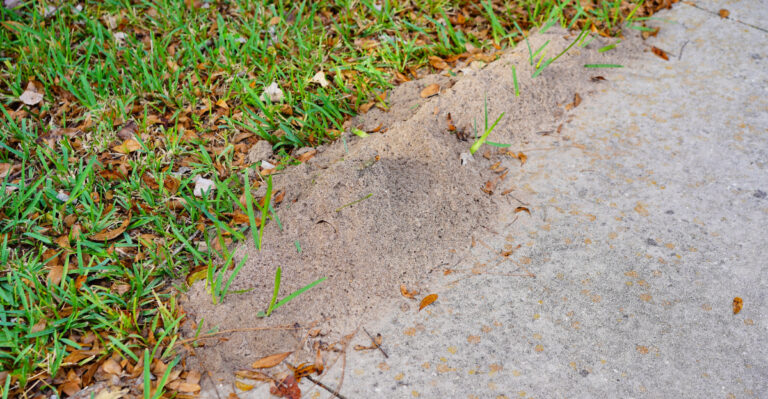
How Georgia Homeowners Can Knock Back Fire Ants Before Spring Mounds Appear
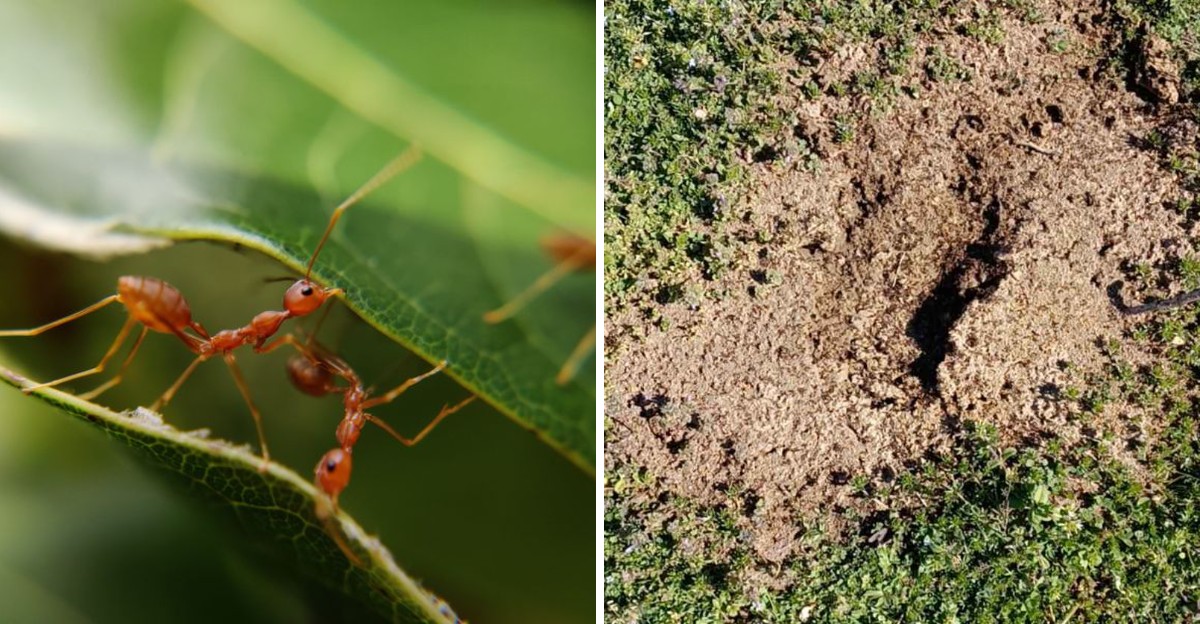
A single queen in a backyard colony can lay around 1,500 eggs a day. That busy mother hides underground all winter, often right under the grass you mow every week.
I find that fact a little unsettling. The pile of fluffy dirt you spot in April is only the roof of a nest that may hold well over 100,000 workers.
Here in Georgia, our mild winters give these tiny invaders a long head start. They slow down when the soil turns cold, but they rarely stop working for long.
You need to know that the mound is the last thing to show up, not the first.
I believe most of us fight this battle a few weeks too late. Taking action before those spring mounds appear could give you a valuable head start against the colonies hiding beneath your lawn.
1. That Calm Winter Lawn Is Hiding Busy Fire Ant Colonies
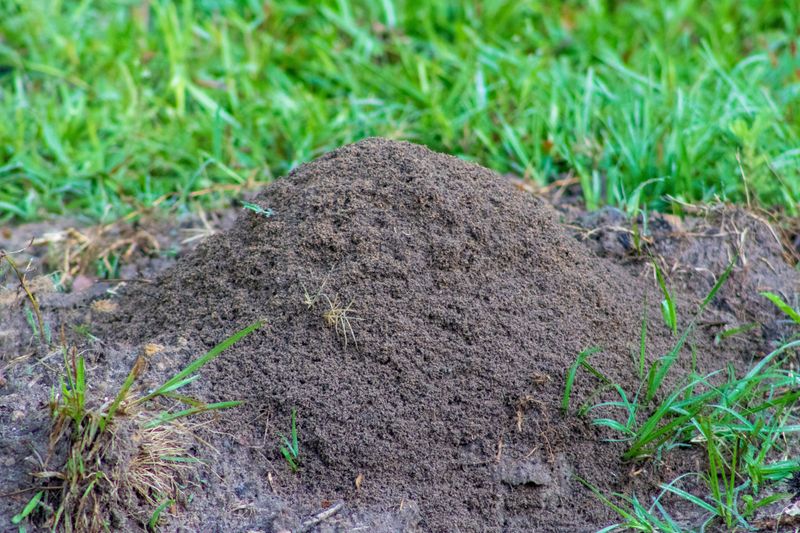
Cold weather fools a lot of us. Your lawn looks sleepy in January, yet red imported fire ant colonies are still alive a few inches below the surface.
When the soil chills, the ants simply move deeper. On sunny winter afternoons, they often shift brood up near the warm top layer of soil.
That is why you may notice small, flat mounds after a rain, even in the middle of winter.
As soil temperatures climb in late February and March, the colony speeds up again. Workers start foraging, the queen lays more eggs, and the nest grows fast.
By the time a tall, fluffy mound appears, that colony has usually been settled in for months.
Fire ants love open, sunny ground. Lawns, garden edges, sidewalk cracks, and pasture spots are favorite building sites.
Shady woods are less appealing to them.
Fun fact for you. These ants arrived at the port of Mobile, Alabama, in the 1930s, likely in ship soil from South America.
They spread across the Southeast from there and have called Georgia home for decades.
Knowing the colony is already there changes your whole plan. You are not waiting for an invasion.
You are getting ahead of a crowd that never left.
2. Fire Ant Bait Works Best When the Soil Hits About 70 Degrees
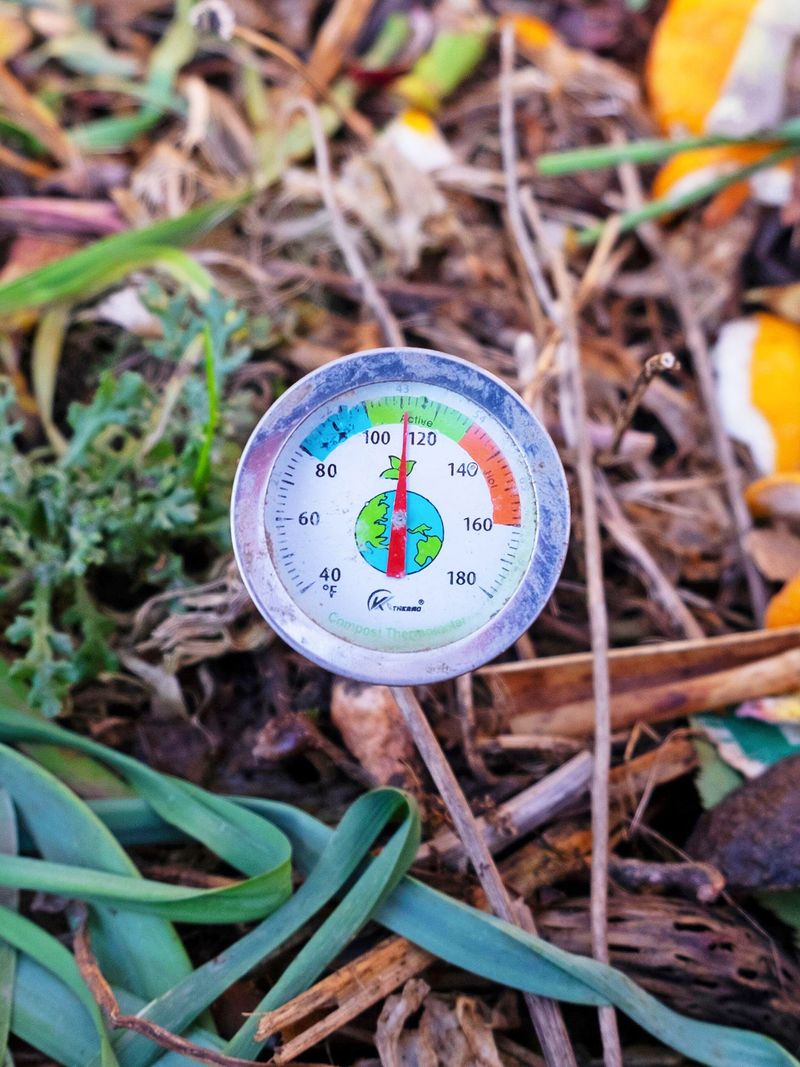
Timing is the secret weapon. Fire ants only pick up bait when they are actively hunting for food, and that mostly happens when the soil is roughly 65 to 90 degrees Fahrenheit.
For most of Georgia, that comfortable window opens in March or April. South Georgia often warms up a few weeks before the mountain counties in the north.
A cheap soil thermometer pushed two or three inches deep takes the guesswork out of it.
University of Georgia Extension experts also point to fall as a great time to bait. Autumn treatments reach young colonies before they grow into big spring mounds.
Pair a fall treatment with a spring treatment, and you hit the ants at two weak points in their year.
I like to check my lawn on a warm afternoon after a few mild days. If the air feels like light sweater weather and the grass is greening, the ants are probably out.
Skip baiting in the heat of a summer midday. Workers stay underground when the surface gets too hot, so bait sits untouched.
Early morning or late afternoon works better during warm spells.
A little patience with timing saves you money and wasted product.
3. Spreading Granular Bait Across the Whole Yard Reaches Hidden Nests
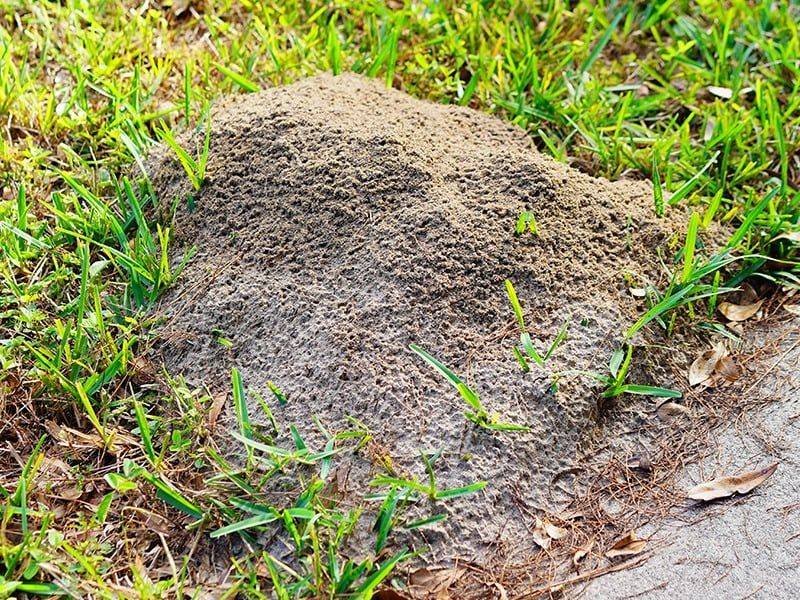
Broadcasting bait over your entire lawn is the move most extension specialists recommend first. It reaches big mounds, tiny new colonies, and the ones you have not spotted yet.
The method is simple. Worker ants carry the bait granules home and share the food with the colony, including the queen.
Once the queen stops producing eggs or is removed, the colony gradually fades out.
Bait products come in two main styles. Some, like hydramethylnon or indoxacarb products, act within days to a couple of weeks.
Insect growth regulators, such as methoprene or pyriproxyfen, are slower but can keep colonies down for months.
Many homeowners use a blend that contains both types. You get quicker results plus longer staying power.
Application rates vary by product, so follow the label instructions for the correct amount of bait per acre. A handheld spreader makes this easy for a typical yard.
Read the label closely, since every product lists its own rate and approved sites.
Expect results in about two to six weeks, depending on the product. The two-step approach popularized by Texas A&M and Georgia extension pairs broadcast bait with spot treatments later, which leads nicely into the next tip.
4. A Potato Chip Test Tells You If the Ants Are Hungry
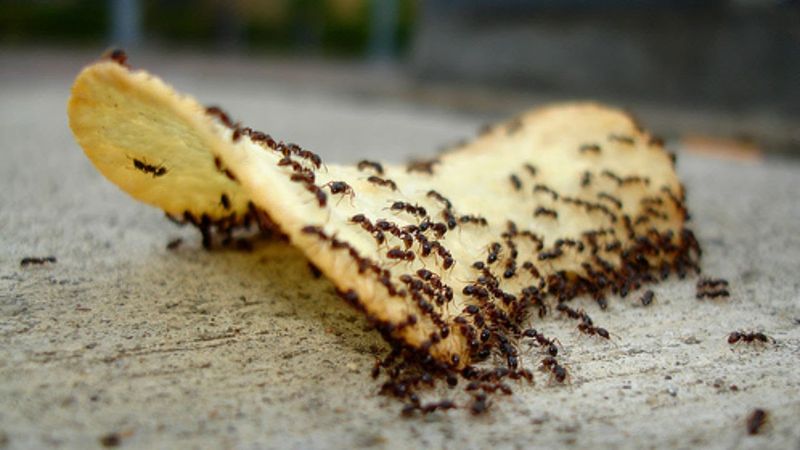
Here comes my favorite low-tech trick. Drop a potato chip or a dab of peanut butter near a suspected ant spot and wait about 15 to 30 minutes.
Are ants swarming it? Great, they are foraging and ready to take bait.
If nothing shows up, wait for a warmer day and try again.
Moisture is the next big deal. Bait is usually made of corn grit soaked in soybean oil, and water ruins it fast.
Apply only when the grass is dry and no rain is expected for at least 24 hours.
Heavy morning dew can soak bait too. Wait until the lawn dries a bit before you start spreading.
Freshness matters as well. Old bait turns rancid, and ants simply ignore it.
Buy only what you plan to use within a season, and store it sealed in a cool spot.
One more sneaky problem involves your spreader. Fertilizer or weed control product residue can make ants avoid the bait.
Keep a separate spreader just for ant bait if you can.
These small details sound fussy. Still, they often decide whether your treatment works or flops.
5. Stubborn Mounds Near Patios and Play Areas Need Spot Treatment
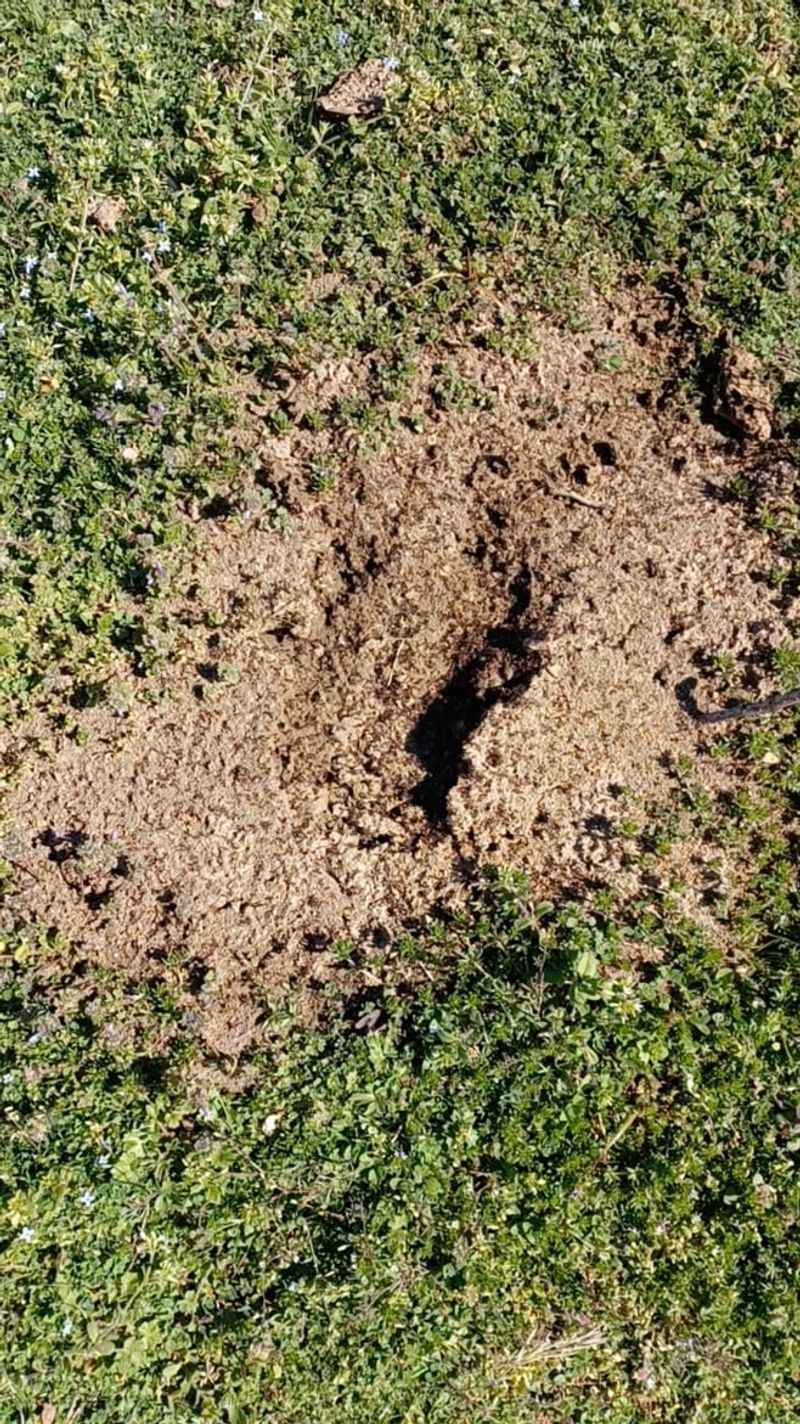
Some mounds demand faster action. A colony next to the swing set, the garden gate, or the dog’s water bowl is not something you want to wait six weeks on.
Individual mound treatments help here. Labeled liquid drenches, dusts, and granules work on the spot.
Drenches should soak the whole mound, so use plenty of water and pour gently from the outside edge inward.
Disturbing the mound before treating is a common mistake. Ants grab the queen and move her to safety, often popping up a few feet away.
Approach quietly and treat without kicking or poking first.
Spot treatments shine as the second step after broadcast baiting. Used alone across a large yard, they turn into an endless chase, since small hidden colonies keep growing nearby.
Fire ants also love electrical boxes, air conditioner units, and pump housings. Those spots can be risky to treat with liquids.
Call a licensed pest professional or electrician instead of pouring products inside equipment.
Hot water poured on a mound can work sometimes, but it often misses the queen. It can also scorch your grass and is a burn risk for you.
6. Vegetable Gardens Call for Gentler Fire Ant Options
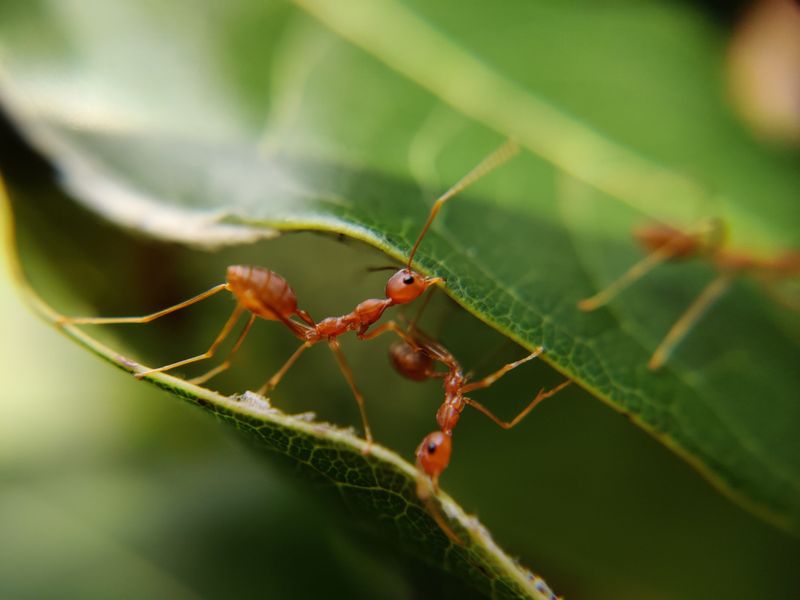
Tomatoes and fire ants share a love of sunny beds, and that makes things tricky. Many lawn baits are not labeled for food gardens, so reading the label is a must.
Gardeners who want lower-impact choices have a few options. Baits made with spinosad, which comes from a soil bacterium, are labeled for some vegetable gardens and organic use.
Some boric acid baits work in certain sites too.
A d-limonene drench, made from citrus peel oil, is another organic choice for single mounds. It acts on contact and can be handy near edible plants when the label allows it.
Do you have pets or kids helping in the garden? Keep everyone off the treated area until the label says it is safe.
Store products high and sealed.
I also like to rake out old mulch piles and fallen fruit near beds. Ants appreciate easy shelter and snacks just as much as we do.
Native ants actually compete with fire ants for space and food. Avoid spraying broad insect sprays everywhere, since a healthy mix of native ants can help slow newcomers moving in.
7. Potted Plants and Mulch Bags Can Carry Fire Ant Hitchhikers
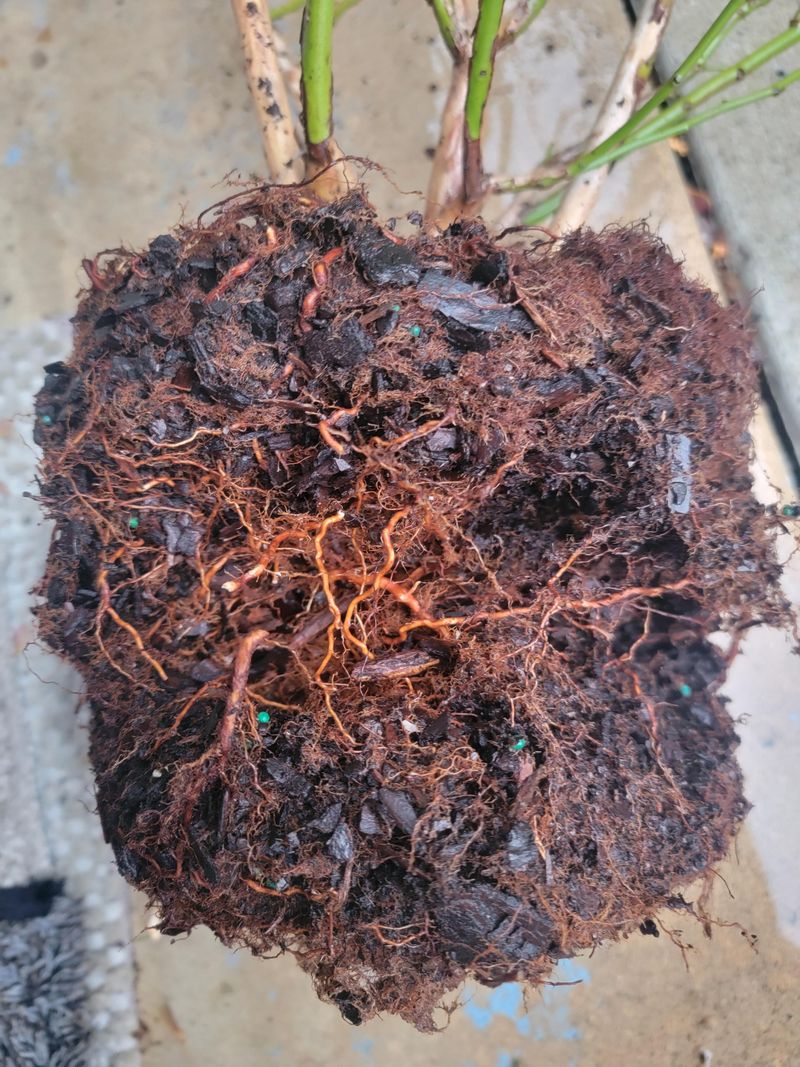
Sneaky little travelers, these ants. Colonies often ride home in nursery pots, sod, hay bales, and piles of soil or mulch.
Georgia sits inside the federal imported fire ant quarantine zone. That rule mostly governs moving soil, sod, and nursery stock out of infested areas, but the lesson works at home too.
Moving dirt means moving ants.
Before you set new plants in a bed, check the pot. Lift it, look at the drainage holes, and watch for workers boiling out of the soil.
Set suspicious pots on a hard surface for a day or two.
Fresh sod deserves a quick look as well. Inspect the rolls before laying them across your lawn.
Neighbor yards matter too. Winged queens fly out on mating flights, often on warm days after rain, and can land a good distance from home.
Each mated queen tries to start a fresh colony.
So staying alert after spring storms pays off. Walk your yard a day or two after a soaking rain and look for small new mounds.
Catching a baby colony early takes only a tiny dab of bait or a quick spot treatment.
8. Mark Your Calendar for Fall and Spring Fire Ant Baiting
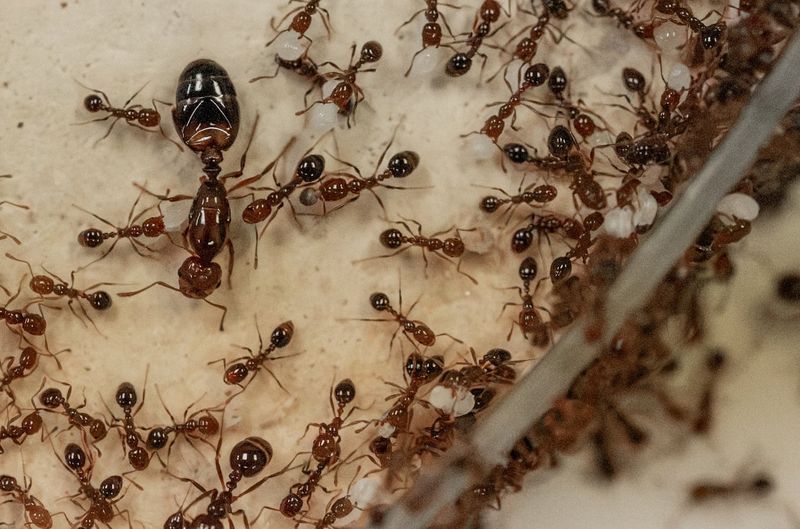
Patience wins this one. Fire ants are not a one-and-done pest in our warm Southern climate, so a yearly routine beats a frantic spring scramble.
A simple plan works for most yards. Broadcast bait in the fall, roughly September or October, and again in spring when soil warms.
Follow up with spot treatments on any mound that pops up in a busy area.
Write those dates on a calendar or set a phone reminder. I find that a written schedule keeps me from forgetting until a sting reminds me.
Big properties or repeat problems may need extra help. A licensed pest control company can set up a seasonal program.
Some neighborhoods even coordinate baiting, which slows ants from drifting across property lines.
Got questions about products or local timing? Your county UGA Extension office is a terrific free resource.
Agents can share current research and help you identify ants correctly.
Stings deserve care as well. Wash the spot, avoid popping the white pustules, and watch for swelling.
Anyone with trouble breathing after stings needs emergency medical help right away.
Stay consistent, and your barefoot spring walks get a whole lot nicer.