Your Faded Arizona Mums Aren’t Trash Yet, Here’s What To Do Instead
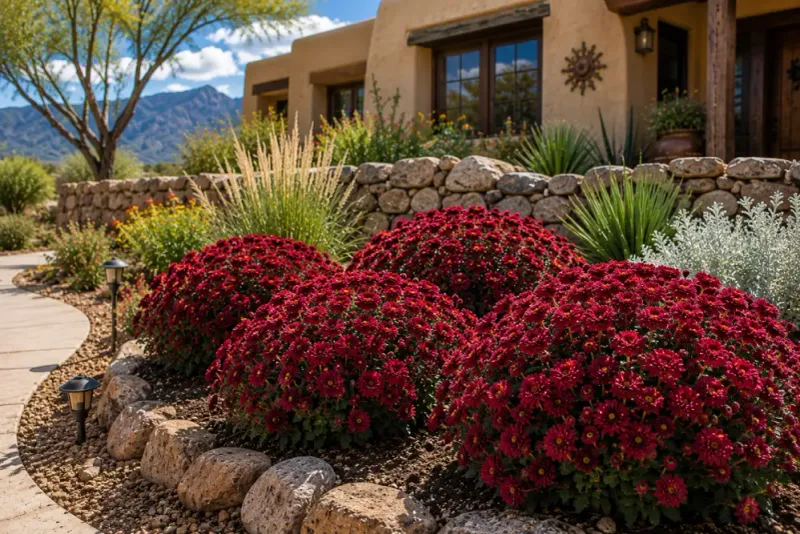
Those droopy, brown-tipped mums on your porch may have more fight left than you think. Many of us toss them the moment the blooms fade.
Before you do, a little experiment might be worth your time. Arizona gardens vary a lot, so we will go step by step, with honest notes about what is uncertain.
Can A Florist Mum Survive Outdoors?
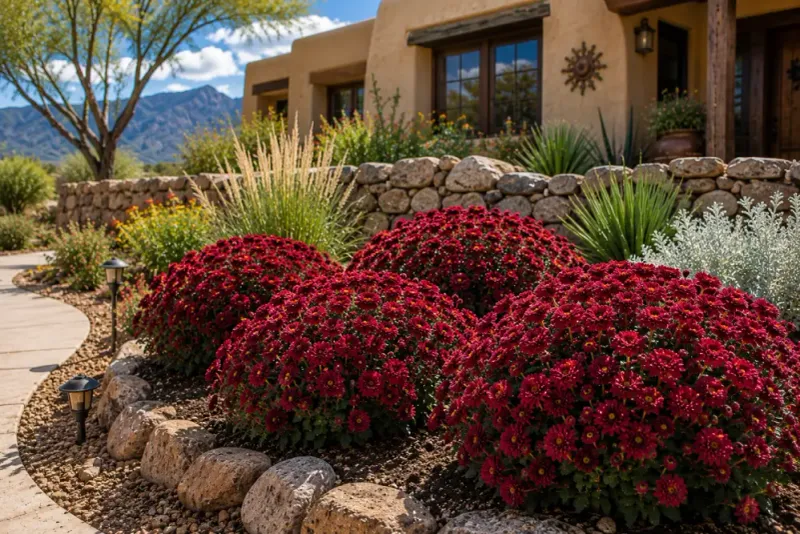
Some faded mums may survive outdoors in mild parts of Arizona, but nobody can promise it. One Arizona Ask Extension reply says florist mums might make it in the Sonoran Desert with light, regular watering.
The same answer admits the advice is uncertain, so think of this as a trial.
Florist or greenhouse mums are bred for a short burst of color in a pot. Garden mums are generally hardier outdoors.
Iowa State Extension notes that florist mums often struggle outside, and survivors may not bloom again.
You cannot reliably tell the type just by looking at the plant. Check the tag, or ask the seller if you still can.
If there is no label, plant it anyway as a low-cost experiment and keep your expectations modest.
Arizona Frost Risk Changes With Elevation
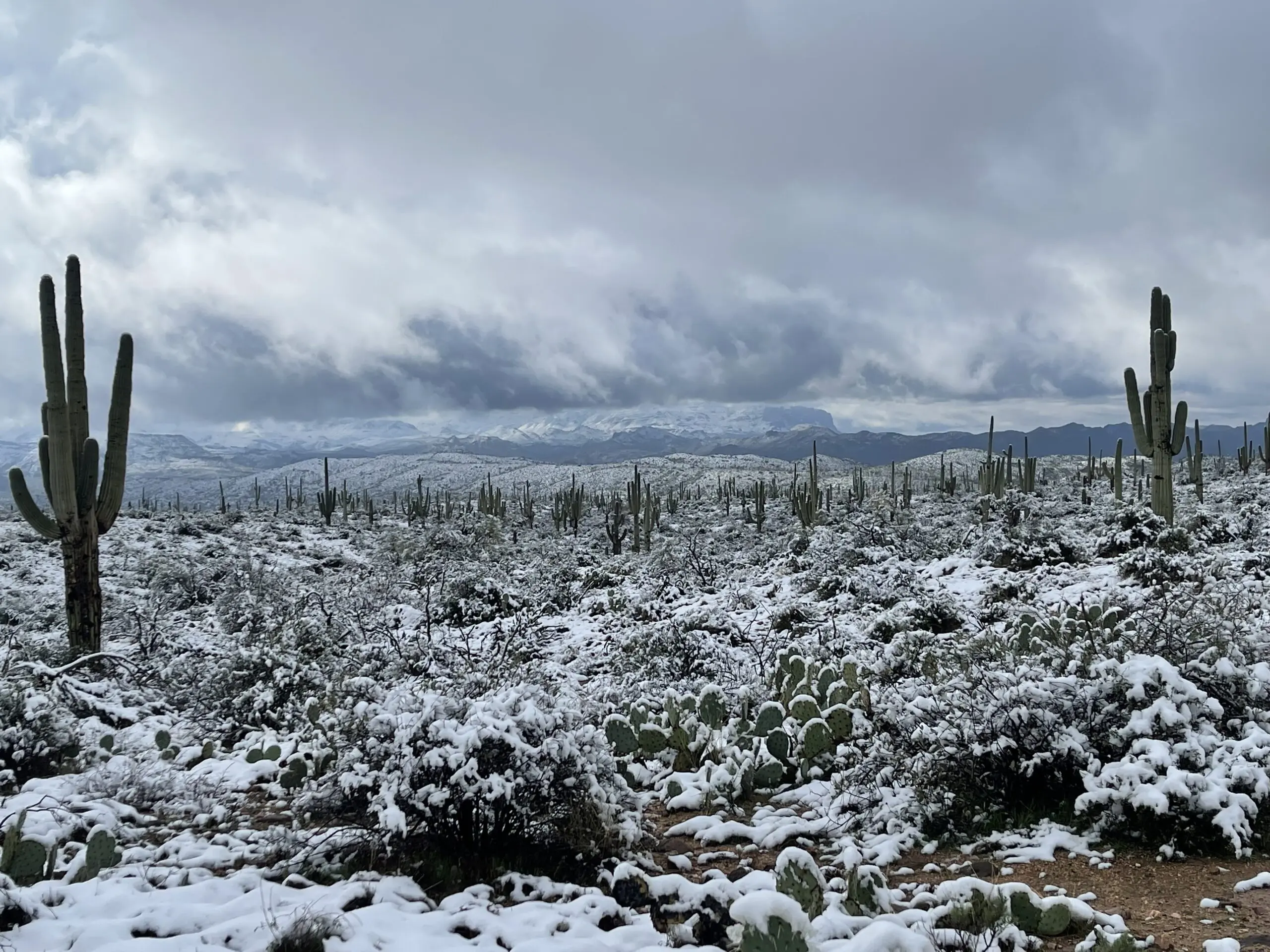
Your own location matters more than any statewide rule. University of Arizona Extension describes the low desert as having some freezing nights, while high-desert and mountain areas get many more and much colder lows.
Even within one county, timing shifts. In Maricopa County, average first frost runs from November 21 in Buckeye to December 12 in central Phoenix, according to Arizona Extension frost guidance.
Those are local averages, not predictions or guarantees.
Look up your spot on the USDA hardiness zone map. A zone reflects average yearly extreme winter lows.
It will not tell you about summer heat, drainage, sun exposure, or cold pockets in your yard.
Spent Blooms Do Not Set The Pruning Date
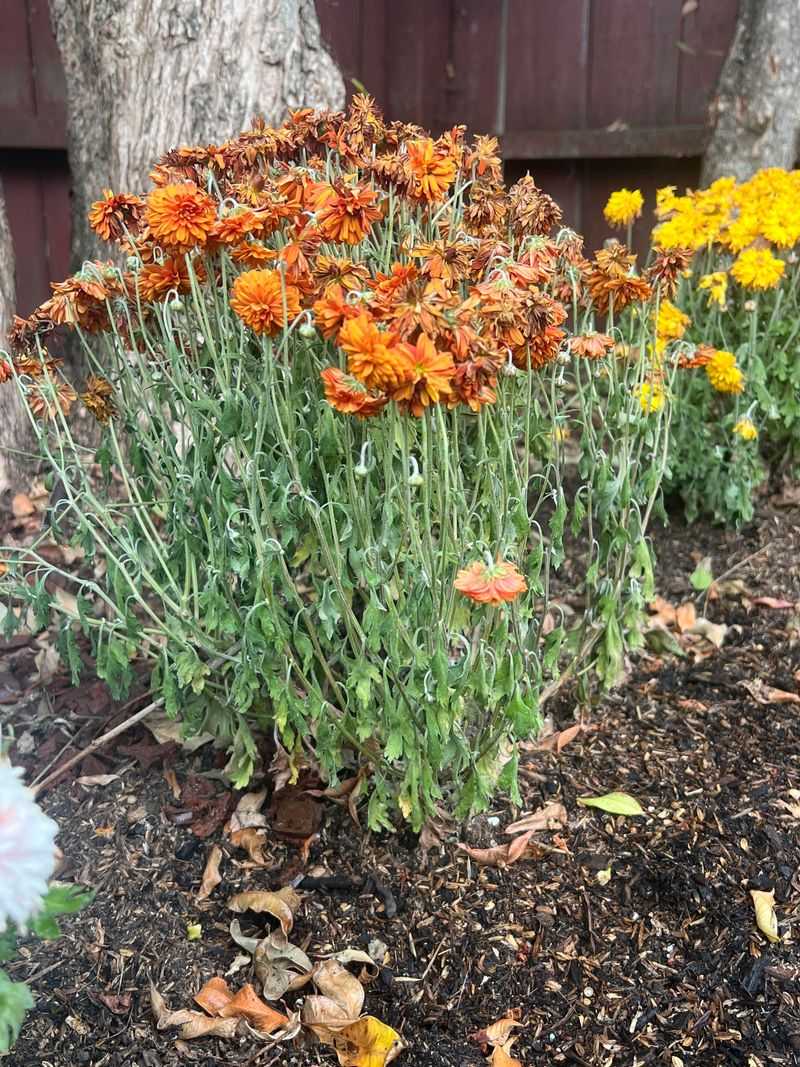
Tidying up and cutting back are two different jobs. Start by snipping off spent flower heads and any brown, mushy, or clearly unhealthy material.
Keep the green growth, since those leaves are still working for the plant.
A big chop right away can backfire if cold hits. Arizona frost guidance suggests waiting to prune frost-damaged plants until spring growth begins.
If your local winter feels unpredictable, hold off on major pruning.
The Arizona Ask Extension response did suggest cutting florist mums back to 3 to 4 inches. The author called it uncertain, so treat it as one possible experiment, not a rule for every garden.
Fall Planting Leaves Roots Little Time
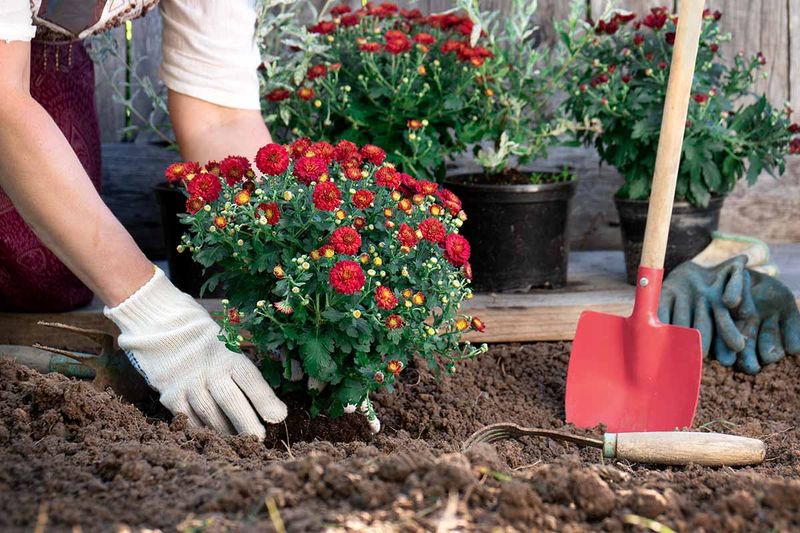
Roots need time to settle in before cold weather arrives. Extension advice from outside Arizona, such as Nebraska Extension, suggests planting early enough to allow roughly six weeks of root growth.
That is a general guideline, not a proven Arizona deadline.
Mums that are still flowering late in the season may have an even harder time establishing. Utah State Extension offers similar fall planting advice.
Compare the six weeks with your local first-frost average.
Desert guidance from University of Arizona calls late fall a favorable planting time, except for frost-sensitive species. Some mums may fit that caveat, so late fall will not suit every site or plant.
Choose Sun And Soil That Drains

Pick a spot that gets plenty of sun and drains well. Mums have fairly shallow roots, and Nebraska Extension notes they suffer when water collects around the crown.
Test drainage before you plant. Dig a hole, fill it with water, and see how quickly it empties.
Standing water long after the hole should have drained means you should pick a different spot or build up the bed.
Desert planting advice from University of Arizona also stresses checking drainage. It covers broad landscape practices, not mum-specific testing, so use it as a sensible starting point.
Water As The Plant Establishes
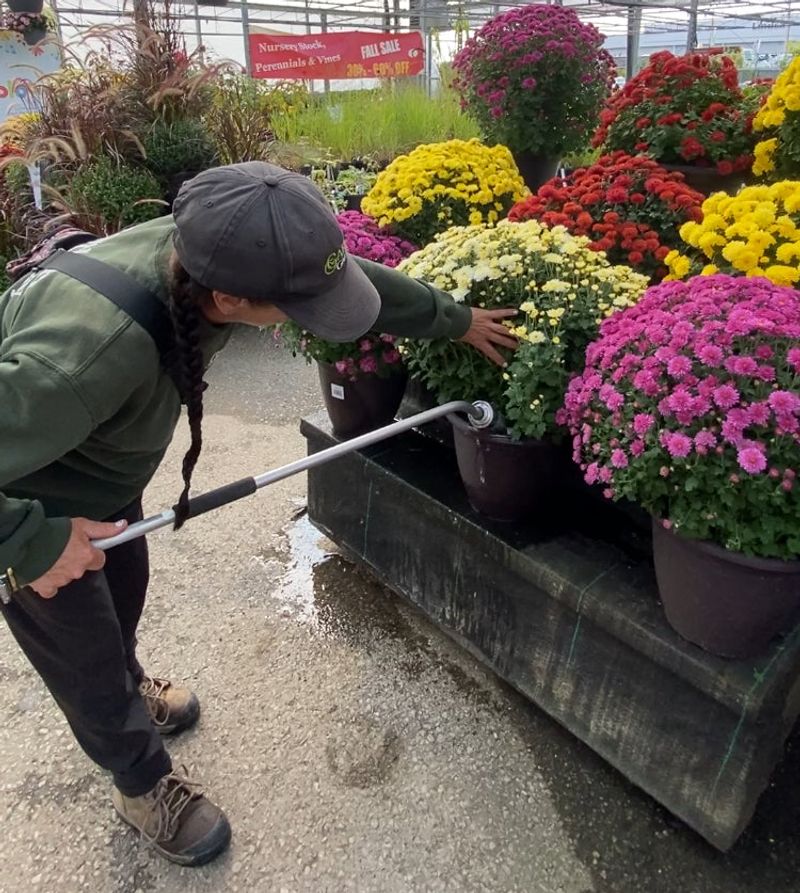
Give the plant a thorough soak right after planting. Then keep watering as it settles in, adjusting for heat and sandy soil that dries fast.
Nebraska Extension gives this kind of advice for establishment.
More water is not better protection. Skip frequent irrigation and never leave water pooling around the crown, since soggy soil invites root trouble.
Let the top layer dry a bit between drinks.
One safety note for pet owners: the ASPCA lists chrysanthemums as toxic to dogs, cats, and horses. Possible signs include vomiting, diarrhea, hypersalivation, incoordination, and dermatitis, though not every exposure is severe.
Use Covers During A Frost Warning
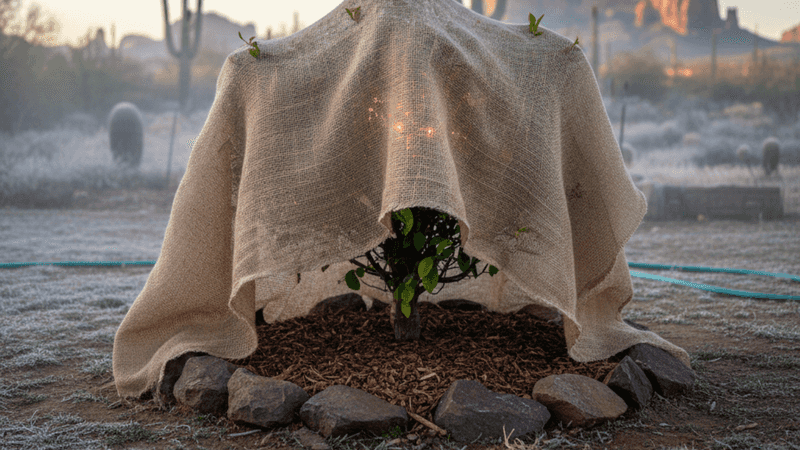
When a frost warning pops up, act that evening. Arizona Extension suggests moving frost-sensitive plants to a sheltered spot and covering them with cloth or frost fabric down to the ground.
Potted mums are easy to shift near a wall or under an eave.
Covers are for the cold night only. Ordinary sheets or blankets should come off in the morning, and they should not stay on plants all winter in southern Arizona.
This is broad landscape guidance, not a tested mum protocol. It is still a simple, low-cost way to give a rescued plant a fair shot.
Treat The Rescue As An Experiment

Check your local frost risk, keep the healthy growth, and give a suitable plant a reasonable chance. The Arizona advice we have is one cautious Ask Extension reply, so hold your hopes lightly.
If your mum fades anyway, you lost a few minutes and learned something about your yard. If it pushes out new leaves, enjoy the surprise.