What Georgia Hydrangeas Need Right Now To Bloom Bigger Next Year
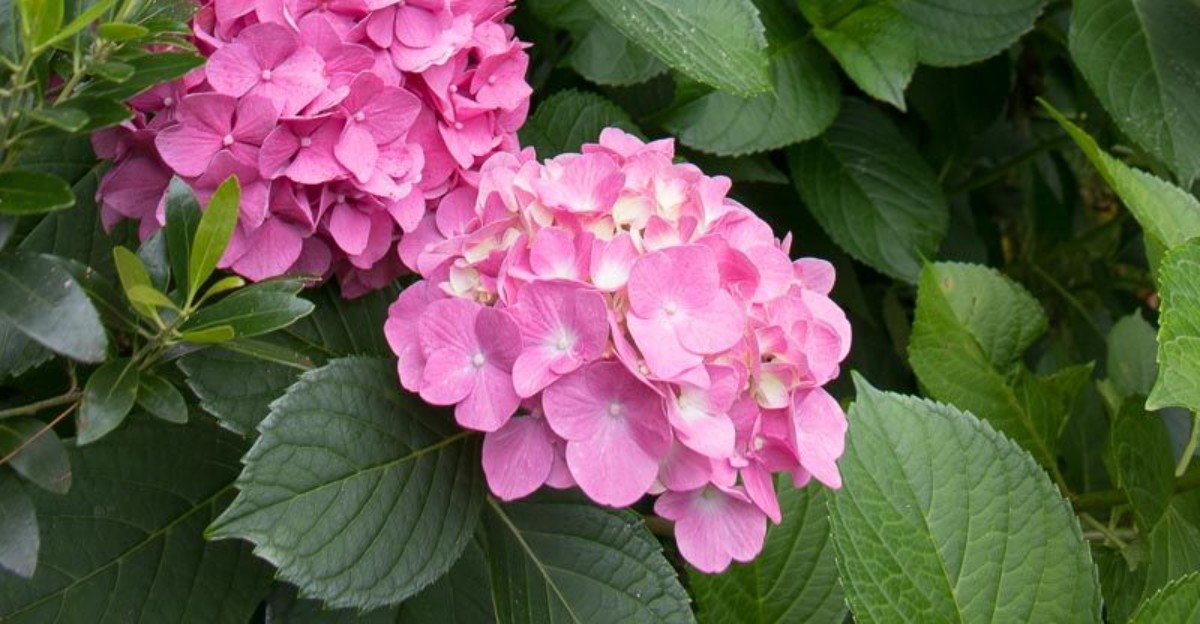
Those bare, scruffy stems in your yard are already holding next summer’s flowers. The buds formed months ago, back when the late summer heat still had us hiding indoors.
I find that wild. A shrub that looks half asleep in late November has quietly packed its suitcase for June, and one careless snip could send those blooms nowhere.
Here in Georgia, our winters keep us guessing. One week brings a warm spell that coaxes out tender growth, and the next brings a hard freeze that browns it overnight.
Dry autumn spells sneak up on us too, and thirsty roots head into winter stressed.
I used to treat fall as the season to tidy up and walk away. Then I learned how much a few small choices now can change the size of those flower heads later.
What you do for this resting shrub in November could shape the blooms you’ll see next summer.
1. Those Bare Hydrangea Stems Are Hiding Next Summer’s Flowers
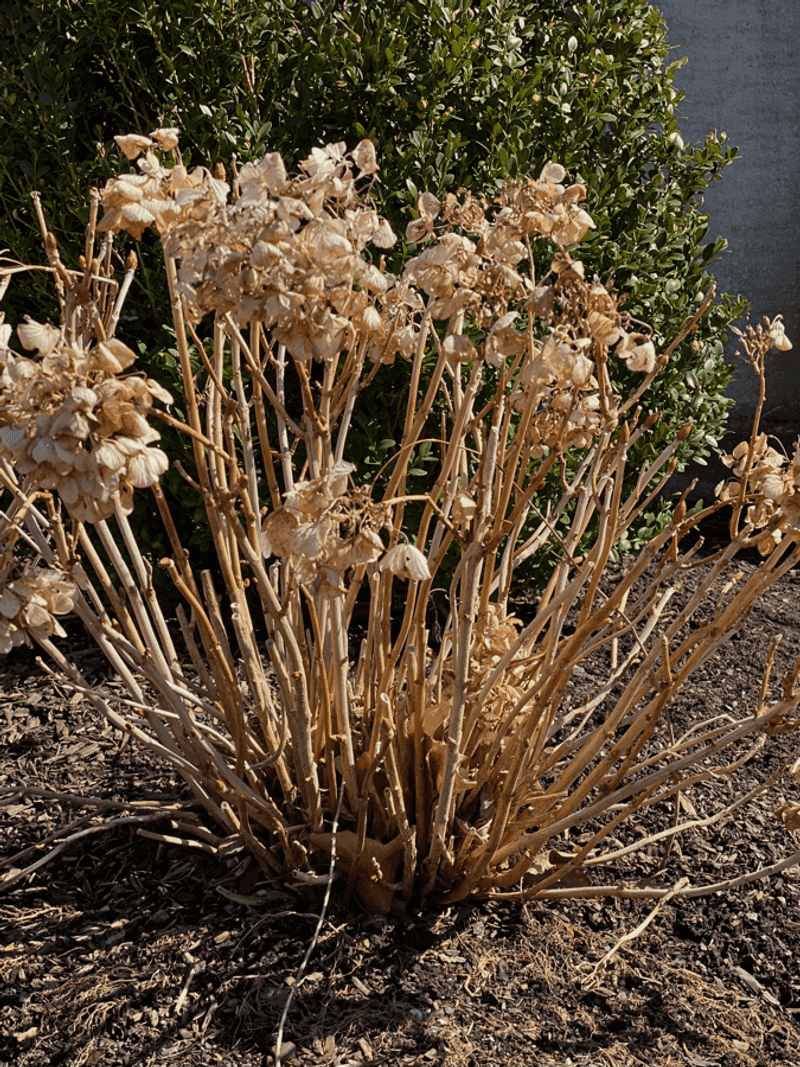
Run your fingers along a bigleaf hydrangea stem this month and you will feel little swollen bumps near the tips. Those plump buds are the flowers you are hoping to see next June.
Bigleaf hydrangeas (Hydrangea macrophylla) and our native oakleaf hydrangeas (Hydrangea quercifolia) set their flower buds in late summer and early fall. Gardeners call this blooming on old wood.
The buds then sit on the stems all winter, waiting for spring warmth.
That timing explains a lot of the disappointment I hear about. A shrub that grows lush green leaves but few flowers was often pruned in fall or early spring, or its buds were hit by cold.
The plant looks healthy, yet the blossoms were removed before they had a chance.
So the most helpful thing you can do right now is mostly to admire those stems and leave them alone. Snip off a faded flower head just above the first set of buds if it bothers you, but skip the hard cuts.
Fun fact for the curious. The old brown blooms can stay on all winter, and many gardeners believe they offer a bit of shelter to the buds below them.
2. Put Down The Pruners Until You Know Your Hydrangea Type
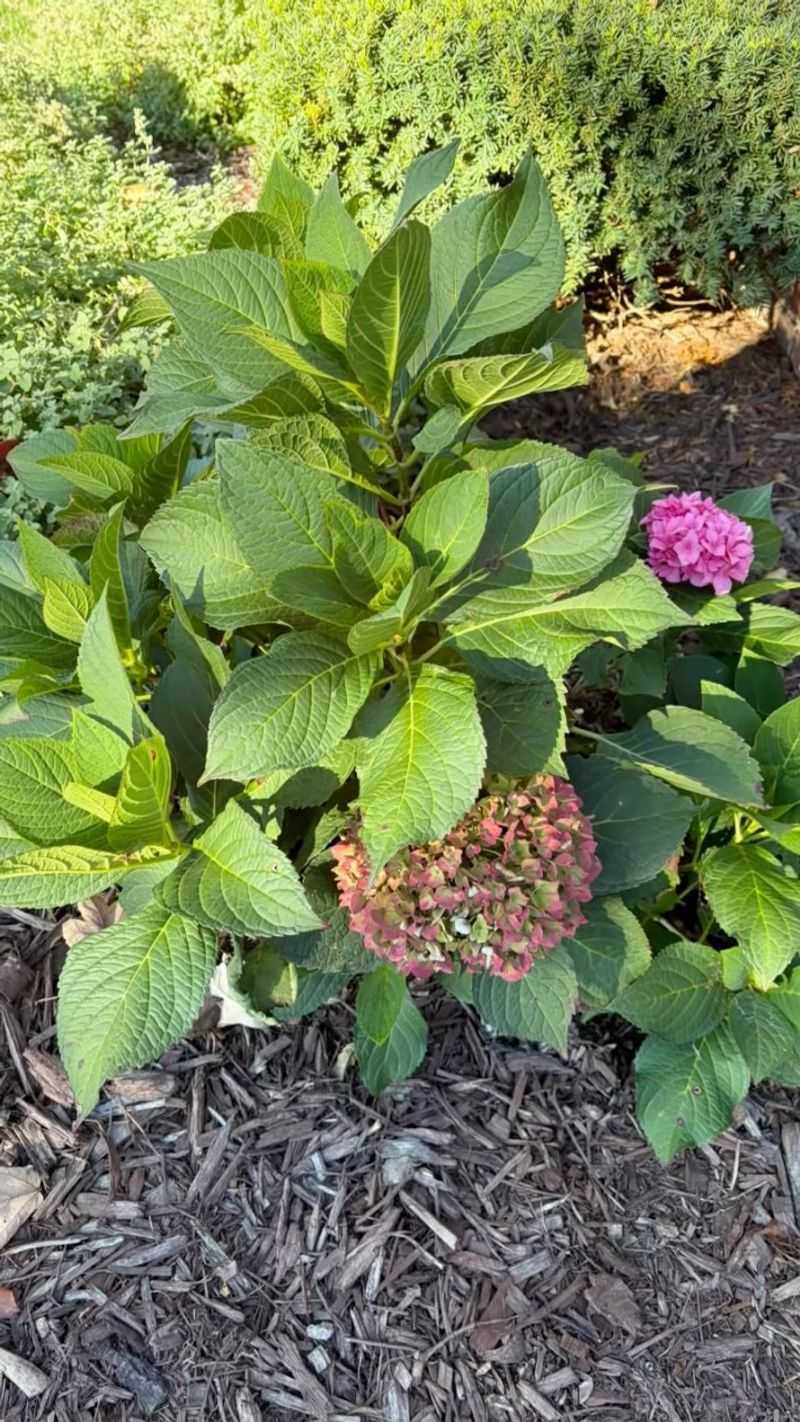
Pruning shears are the biggest threat to next year’s flowers, and the fix is simple. Learn which hydrangea you are growing before you cut anything.
Bigleaf and oakleaf types bloom on old wood, so cuts made now remove buds. Bigleaf hydrangeas have big round mophead or flat lacecap flowers.
Oakleaf hydrangeas are easy to spot by their lobed leaves, which turn deep red and burgundy in fall, plus their peeling cinnamon bark.
Panicle hydrangeas (Hydrangea paniculata) and smooth hydrangeas (Hydrangea arborescens) play by different rules. They bloom on new wood that grows in spring.
Panicles have cone-shaped flower clusters, while smooth types like ‘Annabelle’ carry white snowball heads. You can trim these in late winter without losing blooms.
Reblooming bigleaf varieties, such as the Endless Summer series, form buds on both old and new wood. They are more forgiving, but a light touch still gives you the best early show.
Not sure what you have? I like snapping a photo and sending it to my local UGA Extension office.
They help gardeners identify plants, and a quick answer saves a whole season of flowers.
3. A Slow, Deep Soak Keeps Hydrangea Roots Ready For Spring
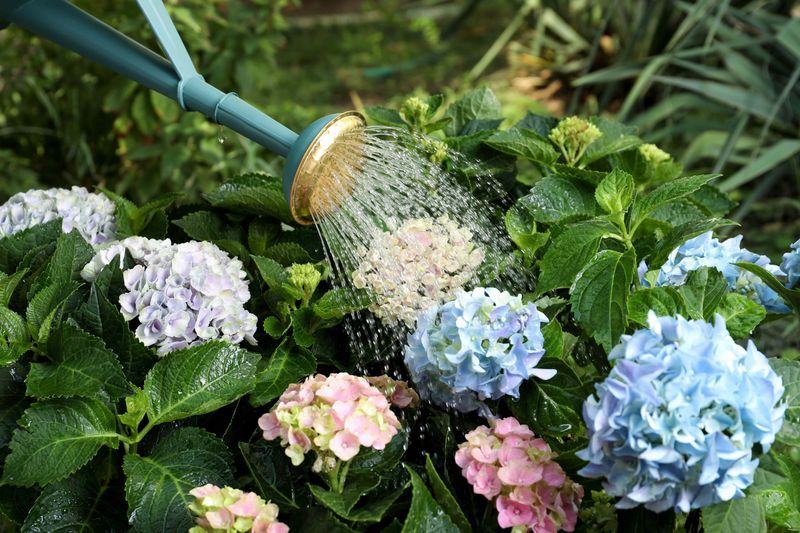
Hydrangeas got their name from the Greek words for water and vessel, and that thirst does not end in fall. Roots keep working through the cool months, even after the leaves drop.
Georgia often sees dry stretches in autumn, and drought monitors have shown parts of the state running short on rain in recent falls. A shrub that enters winter parched is more likely to suffer twig and bud damage.
Those weakened buds can mean smaller or fewer flowers next summer.
Check the soil a few inches down with your finger. If it feels dry, give the plant a deep, slow soak about every 10 to 14 days during dry spells.
A soaker hose or a garden hose on a gentle trickle works well because water sinks in instead of running off.
Water in the morning on a mild day, and skip it when a hard freeze is in the forecast for that night. Soggy soil is not the goal either, since hydrangeas dislike sitting in wet clay.
Give extra attention to shrubs planted this year. Their small root systems dry out faster than older plants and need steadier moisture while they settle in.
4. Pine Straw Mulch Gives Hydrangea Roots A Winter Blanket
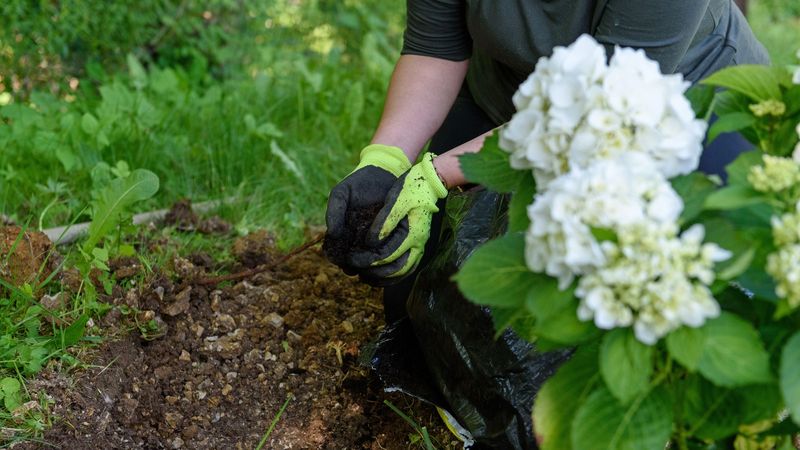
Pine straw might be the most Southern thing you can tuck around a shrub, and your hydrangeas will thank you for it. Shredded bark and chopped leaves work nicely too.
Mulch acts like insulation for the soil. It softens those wild swings between a 70 degree afternoon and a frosty night, which our winters love to throw at us.
It also holds moisture and helps prevent frost heave, when freezing and thawing soil pushes shallow roots upward.
Aim for a layer about 2 to 4 inches deep, spread out toward the edge of the branches. Keep it pulled back a few inches from the stems, though.
Mulch piled against the bark can trap moisture and invite rot or nibbling rodents.
Timing is flexible in most of the state. Many gardeners add a fresh layer after the first few hard frosts, often in December for north Georgia.
In warmer southern areas, you can top off mulch whenever it looks thin.
As the mulch breaks down over the years, it adds organic matter to the soil. That slow improvement helps roots grow stronger, and stronger roots support bigger flower heads.
5. Skip The Fertilizer Bag Until Hydrangea Leaves Return
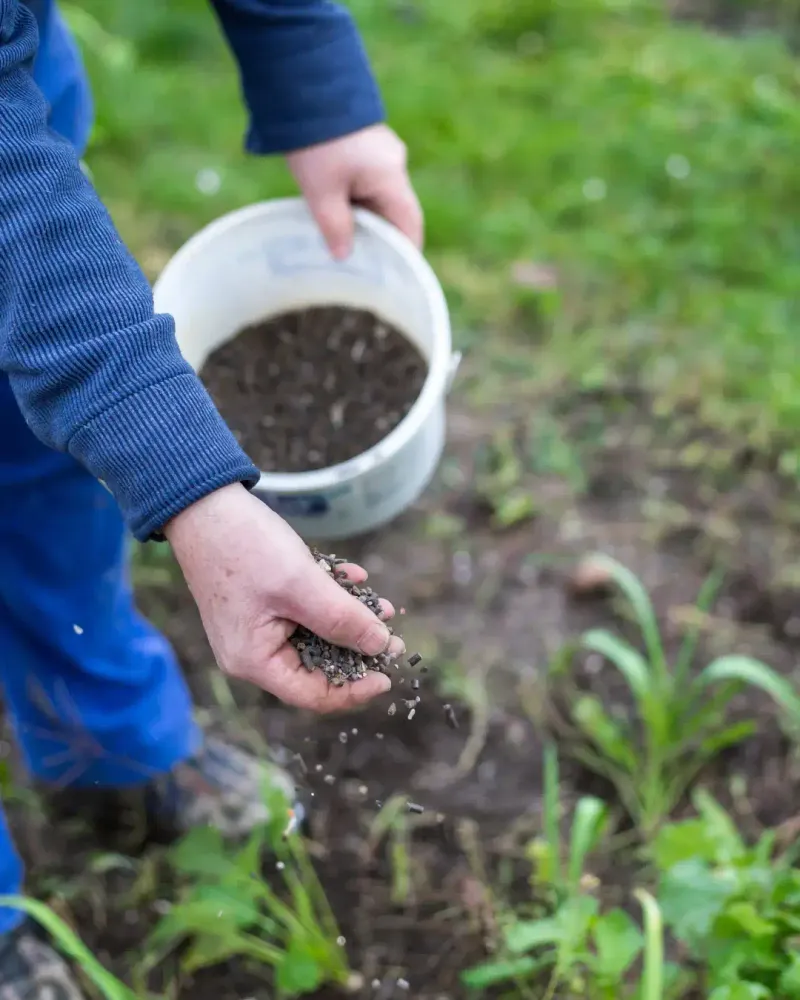
Feeding a hungry plant feels kind, but fertilizer in late fall can backfire on hydrangeas. Extra nitrogen now may push out soft new shoots right before cold weather arrives.
That tender growth has no time to toughen up. One sharp freeze can brown it, and the plant wastes energy it should be saving for spring.
For bigleaf types, damaged stems can also mean lost flower buds.
UGA Extension guidance generally points to feeding hydrangeas in spring, when new leaves are emerging. A light application then, and sometimes another in early summer, is plenty for most plants.
Too much nitrogen, at any time, tends to produce big leaves and fewer blooms.
What can you do now instead? A thin layer of well-aged compost spread over the root zone is a gentle option.
It feeds soil life and releases nutrients slowly, without the sudden boost that sparks fresh growth.
I keep my fertilizer bag on the shelf until I see those first green leaves unfold. It is a small bit of patience that pays off.
A soil test this winter can also tell you exactly what your beds need before spring.
6. Burlap Wraps Can Rescue Bigleaf Hydrangea Buds From A Hard Freeze
A surprise late freeze is the classic heartbreaker for bigleaf hydrangeas in the South. Mild weather wakes up the buds, then an arctic blast browns them in a single night.
Panicle, smooth, and oakleaf hydrangeas usually shrug off Georgia winters. Bigleaf types are touchier, especially once buds begin to swell in late winter or early spring.
That is when your watchful eye matters most.
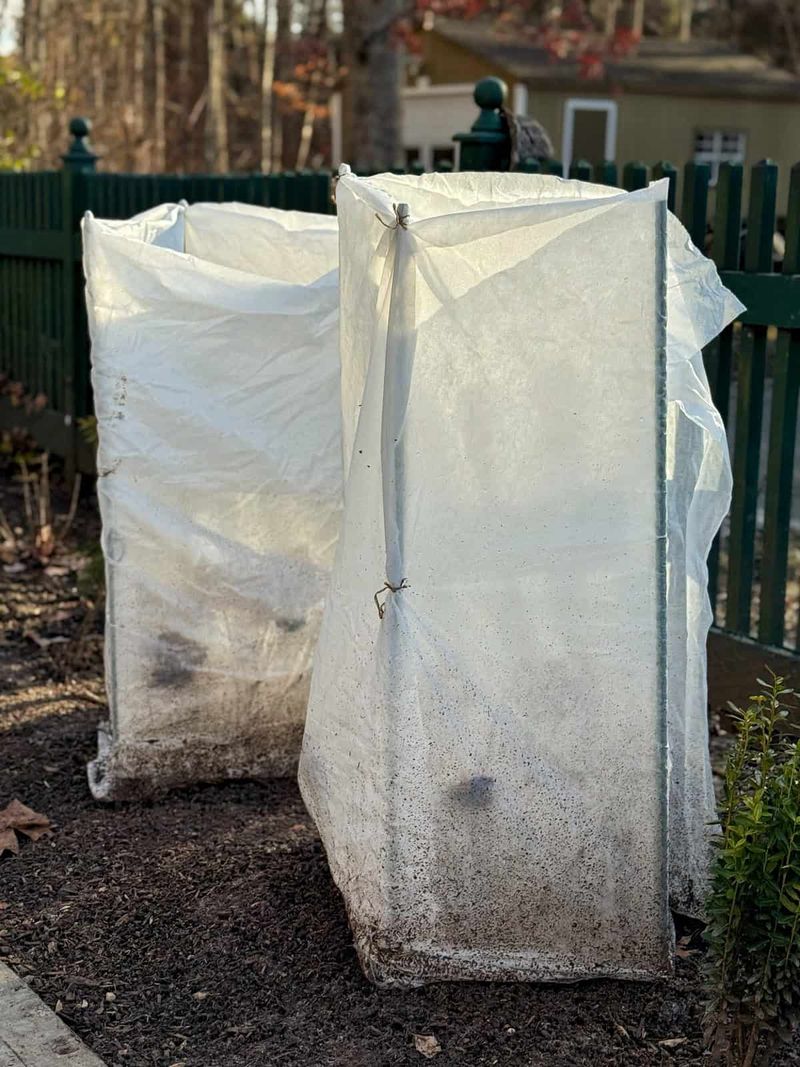
When forecasters call for temperatures in the low 20s or colder, cover your bigleaf shrubs. Old bedsheets, frost cloth, or burlap work well.
Drape the fabric over stakes so it does not crush the stems, and let it reach the ground to trap warmth from the soil.
Plastic sheeting is risky because it touches stems and holds no heat. If you use it, put a cloth layer underneath.
Remove covers once temperatures climb the next day so the plant does not overheat.
Container hydrangeas need extra care because their roots sit above ground. Roll pots into a garage or unheated shed during hard freezes, then bring them back outside.
A little scramble on a cold evening can save an entire season of mophead blooms.
7. Blue Or Pink Hydrangea Blooms Start With Soil Testing This Winter
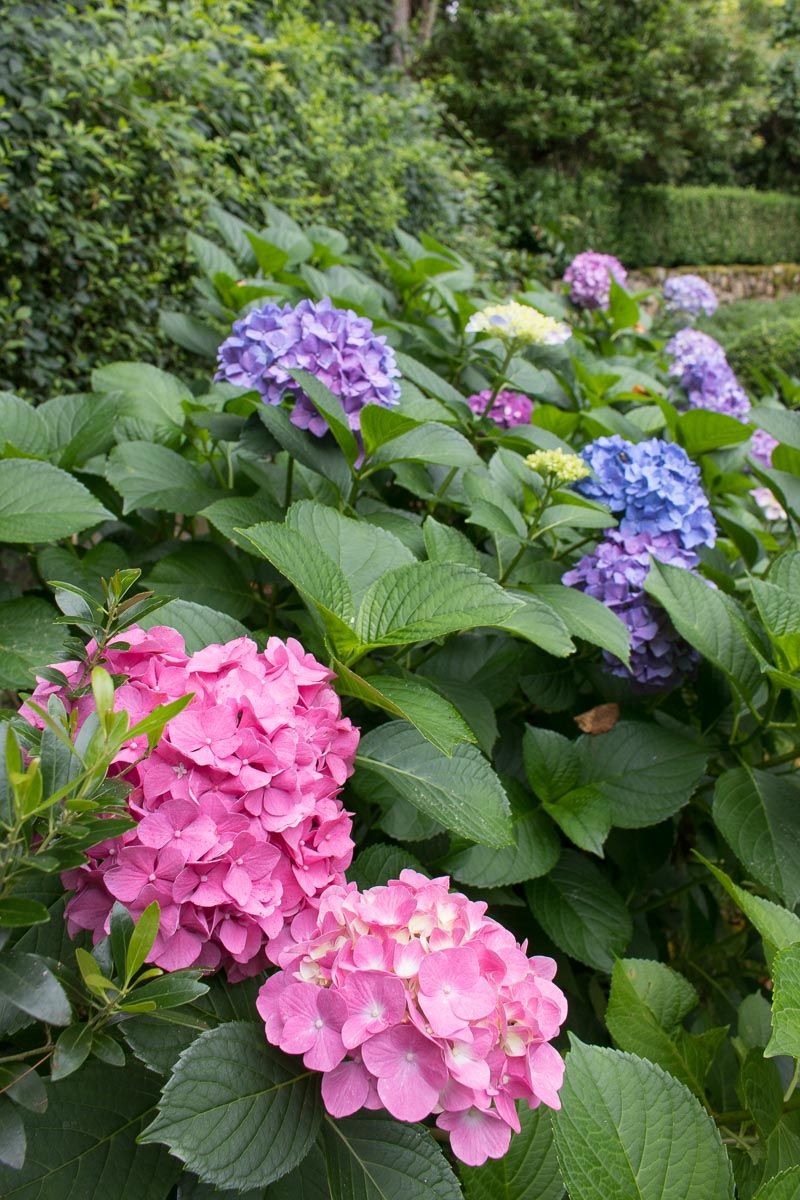
Bigleaf hydrangeas are nature’s mood rings. In acidic soil, aluminum becomes available to the roots and the flowers turn blue, while more alkaline soil brings pinks.
Much of Georgia has naturally acidic soil, which helps explain all those gorgeous blue mopheads around older homes. White hydrangeas, though, stay white no matter what you add.
Oakleaf, panicle, and smooth types do not change color with soil either.
Winter is a smart time to run a soil test through your county UGA Extension office. The cost is low, and the report shows your pH and nutrient levels.
That way you change color with facts instead of guesses.
For bluer blooms, gardeners often use elemental sulfur or aluminum sulfate to lower pH. For pinker blooms, garden lime raises it.
Changes happen slowly, sometimes over a season or more, so small steady amounts work better than big doses.
Keep in mind that pH affects color, not flower size. Healthy roots, careful pruning, and steady moisture do more for big blossoms.
Still, I love that a little soil science lets you paint your own garden. Follow product labels and test results closely, since too much aluminum sulfate can burn roots.
8. Your Hydrangea Game Plan From Now Until The First Blooms
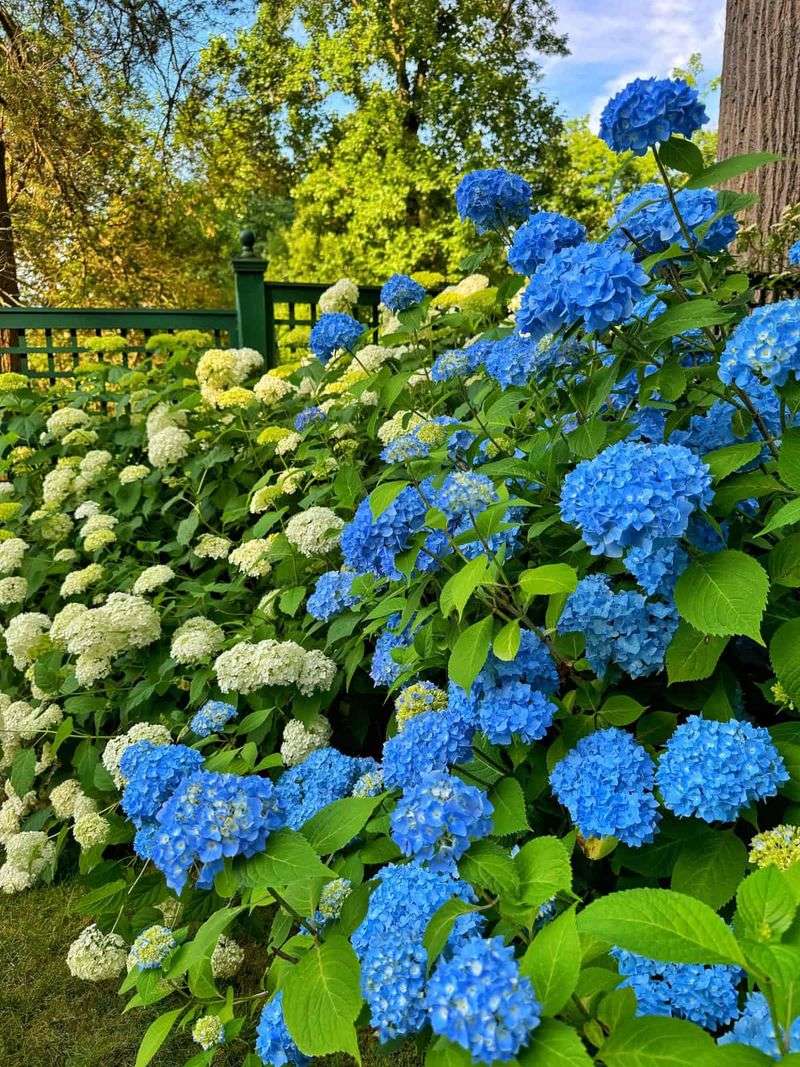
Big hydrangea blooms are mostly the reward for small, well-timed habits. Laying them out on a calendar makes everything feel easier.
Right now through December, water during dry spells, freshen your mulch, and leave old-wood bloomers unpruned. January and February are good months for a soil test and for trimming panicle and smooth hydrangeas if they need shaping.
Keep frost covers handy, since Georgia’s late cold snaps often arrive just as buds swell.
Once spring leaves unfold, apply a light feeding and look for brown, brittle stems. Cut away only the wood that shows no green under the bark and no swelling buds.
Patience helps here, because some stems leaf out later than others.
Location matters too. Most bigleaf and oakleaf hydrangeas in the state prefer morning sun and afternoon shade.
If yours wilts every hot afternoon, consider moving it next fall to a cooler spot.
I keep a little garden notebook with notes on freezes, rain, and bloom size each year. Over time, patterns pop out that no guidebook could teach me.
Your yard has its own story, and paying attention is the secret that turns good hydrangeas into great ones.