How To Prune Raspberries In Georgia This Fall Without Sacrificing Next Year’s Harvest
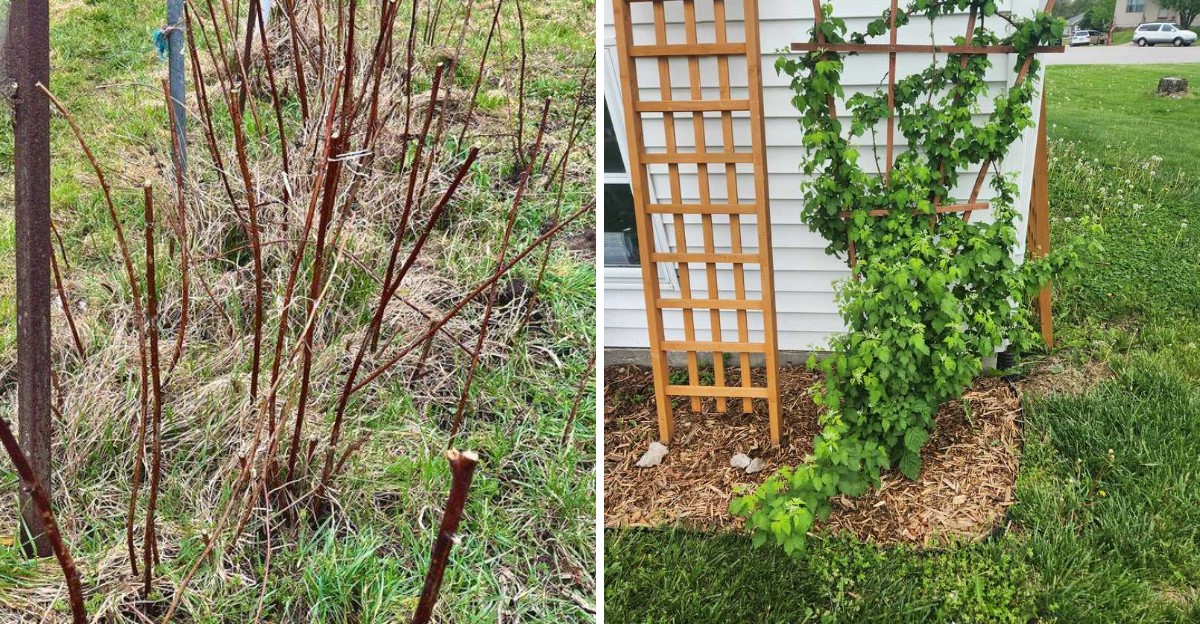
Berry canes often follow a two-year cycle, producing fruit before making way for younger stems while their roots keep going for years. I find that oddly charming.
The plant is basically a relay team, passing the job from old stems to young ones every season.
That relay is why fall pruning makes some gardeners nervous. One wrong snip in October can remove every flower bud you were counting on for July.
I have done it myself, and the empty summer that followed was humbling.
In Georgia, where fall temperatures vary across the state, the patch can keep sending mixed signals well into November. Some stems look tired, some look fresh, and a few look like both at once.
You need a way to read them before the shears come out.
Knowing which stems will produce next year’s berries and which have finished fruiting can save you from a disappointing harvest.
1. Those Raspberry Canes Are Not All The Same Age
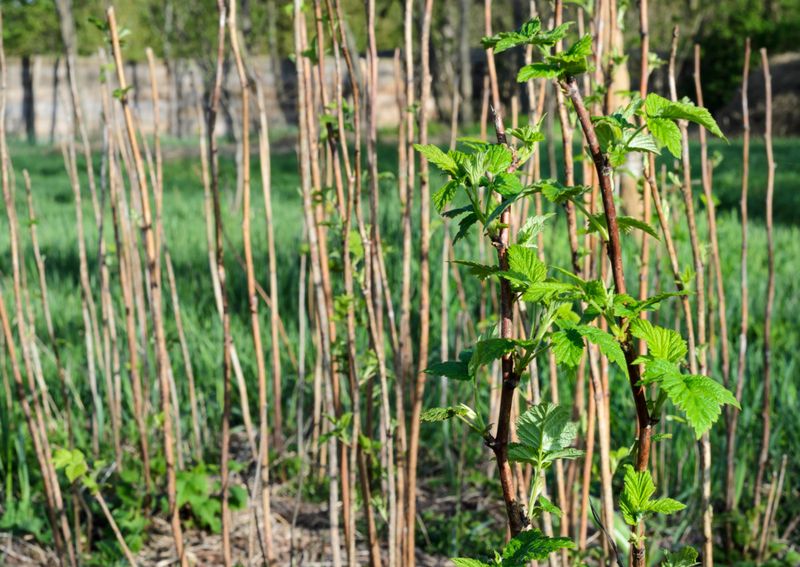
Walk into any raspberry row in Georgia in October and you will spot two kinds of stems. Some are green, bendy, and smooth.
Others are brown, woody, and peeling a bit at the base.
Those green stems are called primocanes, and they are in their first year. The brown ones are floricanes, which are the same canes one year later.
Raspberry roots and crowns are perennial, but each cane above ground lives only two growing seasons.
Fall pruning gets tricky because the right cut depends on which canes carry next year’s fruit. On summer-bearing types, the green primocanes are your future harvest.
On everbearing types, the story changes, and the green canes may have already fruited at their tips.
I like to tie a scrap of bright yarn on a few canes each spring. By fall, I know exactly which ones are older.
It sounds fussy, but it saves a lot of guessing later.
Before you cut anything, stand back and look. Count how many green canes you have and how many brown ones.
That quick check tells you whether your patch is healthy and crowded, sparse, or somewhere in between, which shapes every snip that follows.
2. Summer-Bearing Raspberries Want Only The Spent Brown Canes Gone
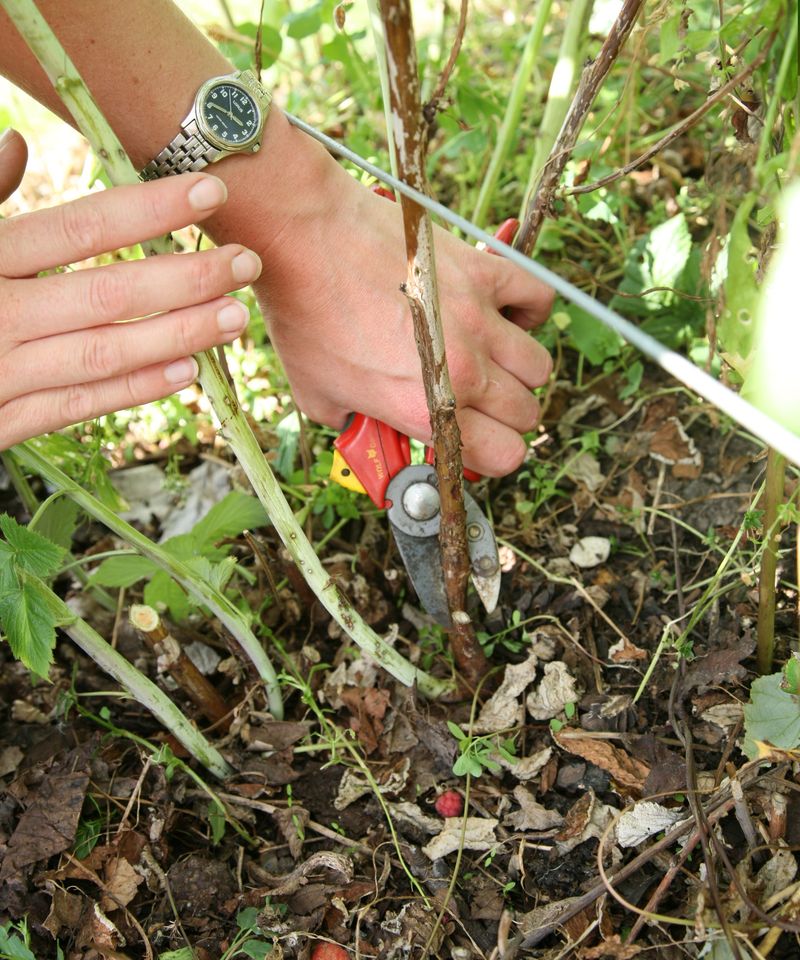
Summer-bearing raspberries play by a simple rule. They fruit on second-year canes, so the stems that grew this year hold every berry for next July.
After harvest, the canes that just fruited begin to fade. University of Minnesota Extension and other experts recommend cutting these spent floricanes right at soil level.
You can do this soon after picking ends, or any time through fall and winter. Leaving short stubs invites disease and gives pests a hiding place.
Spotting them is easy once you know what to look for. Spent canes have gray or brown bark, dried fruit stems, and often some peeling.
Fresh primocanes stay greener and more flexible.
Here is where people get burned. They see a messy patch and cut everything to the ground.
With summer-bearing varieties, that move removes next year’s entire crop in one afternoon.
Keep the healthy green canes standing tall. If you want, you can trim very long tips back by a few inches in late winter, though many gardeners skip it.
Popular summer-bearers include Willamette, Meeker, and Boyne, so check your plant tag if you still have it tucked away somewhere.
3. Mowing Everbearing Raspberries To The Ground Can Pay Off Big
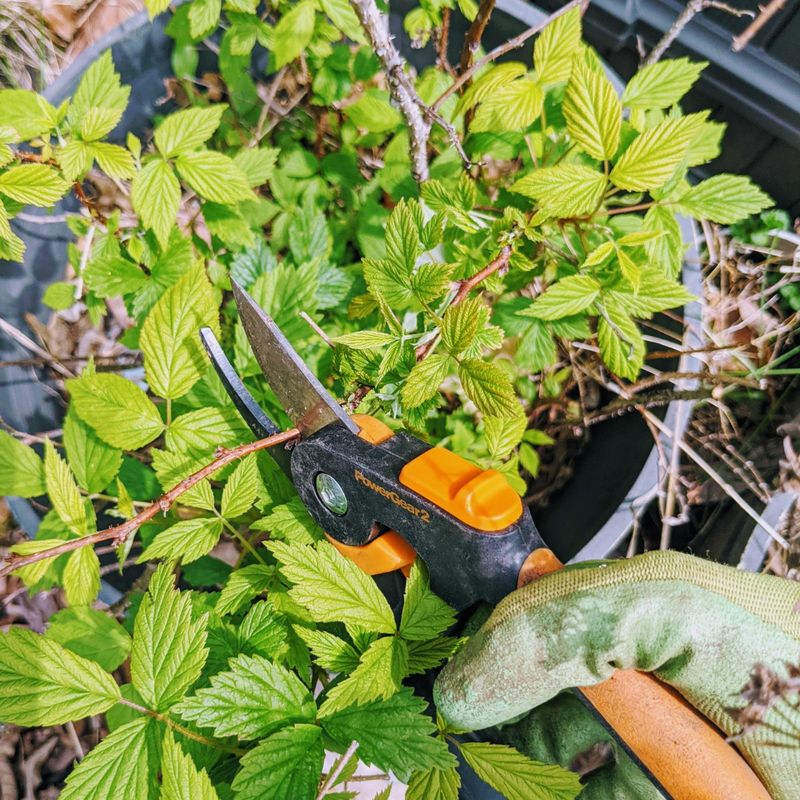
Everbearing raspberries, also called fall-bearing or primocane types, are wonderfully forgiving. They bloom and fruit on brand-new canes in late summer and fall.
That habit opens a surprisingly easy pruning option. Once the plants go dormant in late fall, or before growth starts in early spring, you can cut every cane down to the ground.
Yes, all of them. Some gardeners even use a mower on large rows.
Fresh canes sprout from the crown in spring and produce one big crop in late summer and fall. Many extension services note this method often gives larger berries and fewer pest and disease issues.
It also skips the headache of sorting old canes from new.
I find this the most relaxing pruning job in the garden. No squinting at bark colors, no second-guessing.
In cold regions, waiting until late winter or early spring has a perk. Standing canes catch snow and protect the crowns a little.
In Georgia, waiting until the canes are fully dormant before cutting them back is a safer approach. Varieties like Heritage, Caroline, and Autumn Bliss respond well to this approach, and the harvest usually arrives right around the time other garden crops are winding down.
4. Two Berry Crops From Everbearing Canes Takes A Gentler Snip
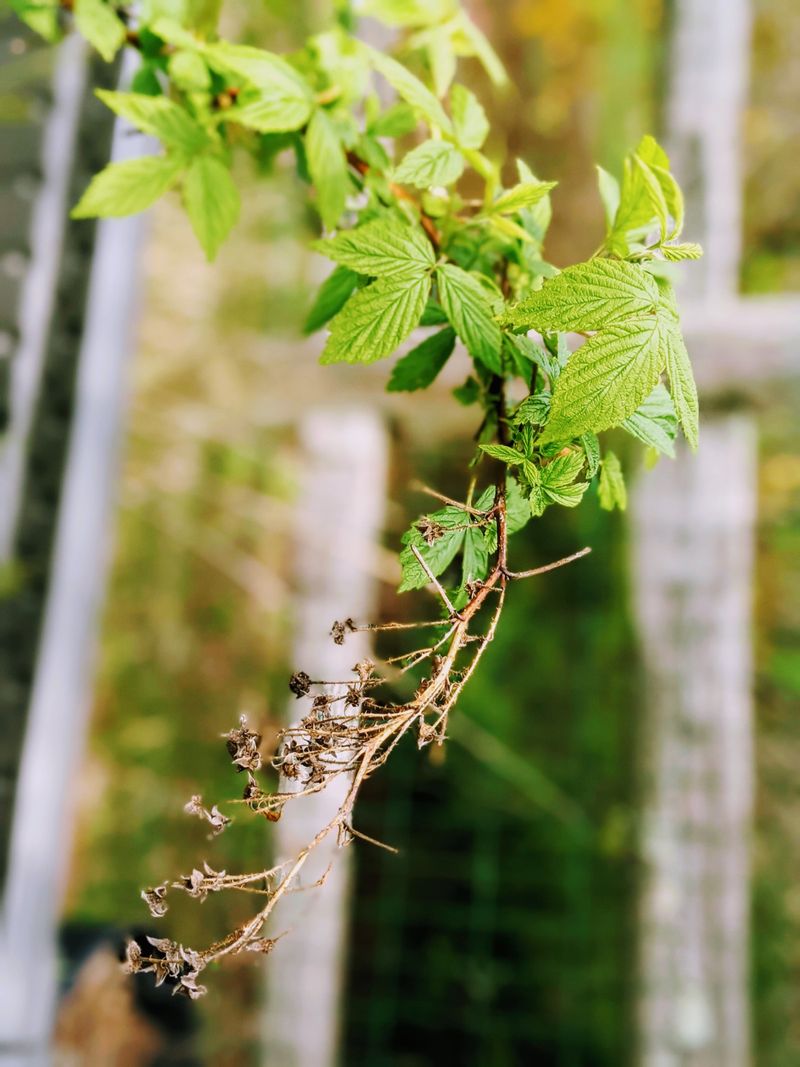
Greedy for berries twice a year? I get it, and everbearing raspberries can deliver with a little extra care.
These canes fruit on their upper portion during their first fall. The lower section stays loaded with dormant buds.
If you leave that lower part alone, it will bloom and fruit again the next summer as a floricane.
So instead of mowing everything, trim off only the top part that already fruited. You can usually see the old fruit clusters and dried stems marking where to cut.
Make the cut just below that spent section.
After the early summer crop finishes, remove those two-year canes completely at ground level. Meanwhile, new primocanes will be growing up to give you the fall crop.
A quick reality check helps here. The double-crop method takes more time, and research from several extension programs shows the summer crop is often small.
It can also slightly reduce or delay the fall harvest because old and new canes compete.
For a small backyard patch in Georgia, though, those bonus early summer berries feel like a treat. I would try it on half the row first and compare results before committing the whole patch.
5. Crowded Raspberry Rows Need Thinning Before Winter Sets In
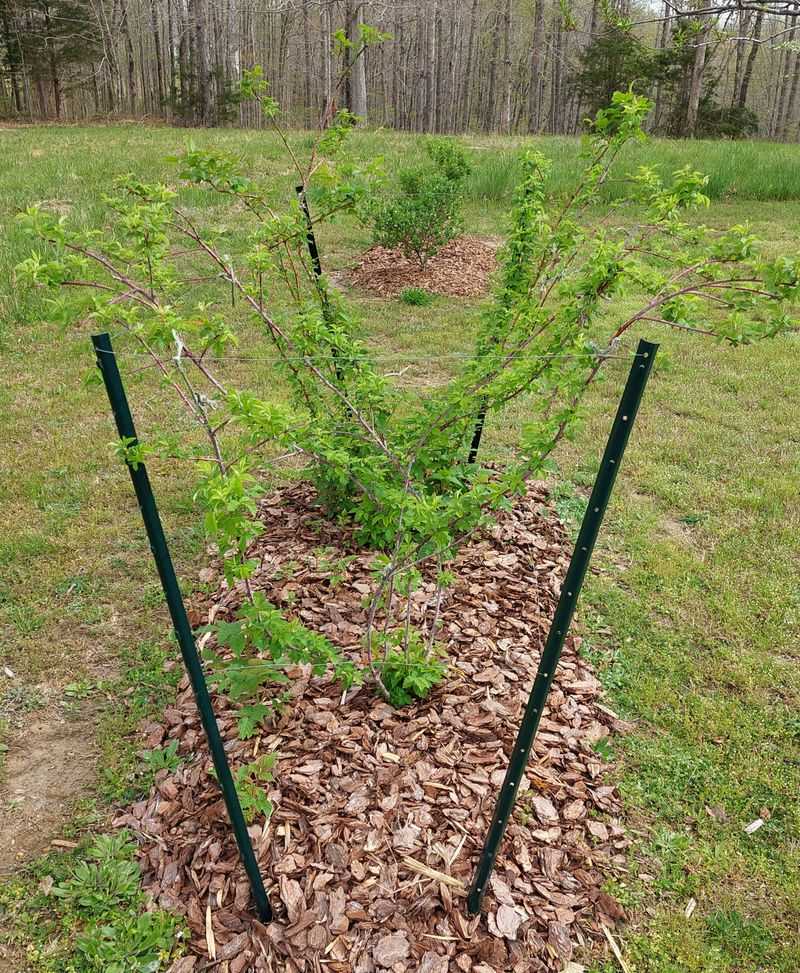
A raspberry patch left alone turns into a thicket fast. The plants send up suckers from their roots, and they do not respect your carefully planned rows.
Thinning fixes that. After removing spent canes on summer-bearers, look at the green primocanes left behind.
Keep the thickest, healthiest ones and cut the skinny, short, or bent ones at ground level.
Many extension guides suggest spacing canes about 6 inches apart. Exact recommendations vary by raspberry type, but the goal is to leave enough room for healthy growth and airflow.
Aim to keep the row itself narrow, often 12 to 18 inches wide at the base.
Why bother? Better airflow dries leaves faster after rain, which lowers the risk of fungal problems like cane blight and anthracnose.
Sunlight also reaches more buds, which helps fruit quality.
Wandering suckers popping up in the walkway should go too. Dig or cut them out so the patch stays manageable.
I used to feel guilty tossing healthy-looking canes. Then I noticed my thinned rows in Georgia gave bigger, sweeter berries than my crowded ones.
Fewer canes, better fruit. That trade still surprises friends who see my wheelbarrow full of cuttings.
6. Sick Or Broken Raspberry Stems Should Leave The Garden
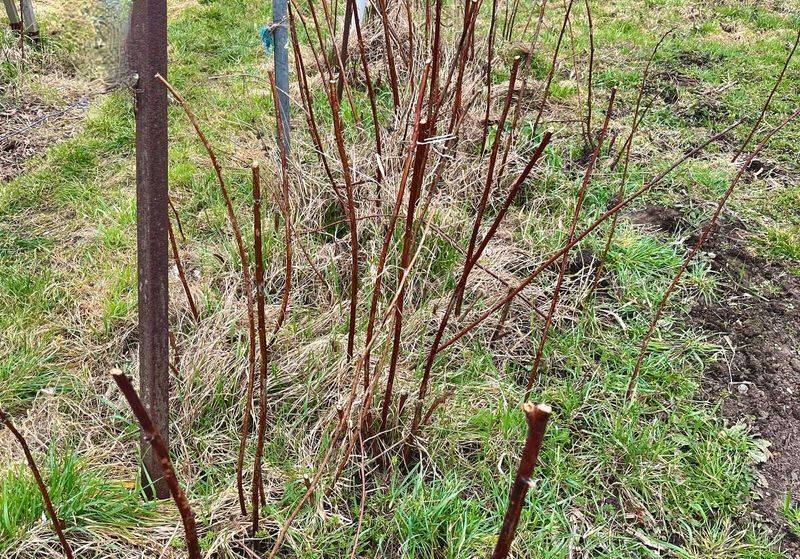
Strange purple blotches, cracked bark, or swollen bumps on a cane deserve a second look. Raspberries can host several cane diseases and pests that ride through winter on old stems.
Spur blight and cane blight often show up as purplish or brown patches near buds or wounds. Anthracnose leaves small sunken spots with gray centers.
Galls or swollen areas may point to cane borers or crown gall.
When you see these signs, cut the affected canes at soil level. Bag or remove the pieces rather than leaving them on the ground or tossing them in a home compost pile.
Most backyard piles do not get hot enough to break down disease spores reliably.
Clean your pruners between plants with a disinfectant labeled for garden tools, following the product’s directions. This helps keep problems from spreading down the row.
Snapped or badly bent canes are worth removing too. They rarely bounce back well, and broken tissue gives fungi an easy entry point.
I’ve noticed that this part of fall pruning feels like detective work. A careful hour now can save Georgia gardeners from a disappointing patch next summer and fewer headaches with sprays later.
7. A Sturdy Trellis Keeps Raspberry Canes Upright Through Winter Storms
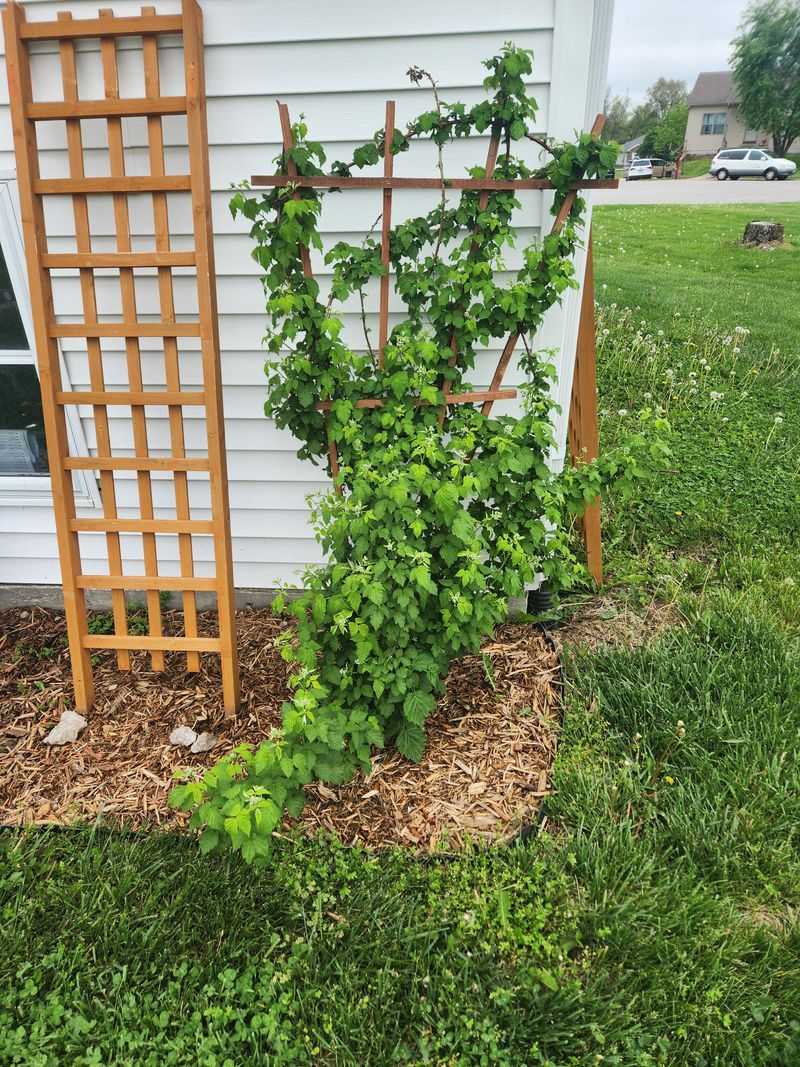
Wind, heavy rain, and wet snow can flatten tall raspberry canes. Once they bend over and crack, those buds you protected all fall may not make it.
A simple trellis solves most of this. A T-trellis with two wires on each side works well for summer-bearers.
A basic post-and-wire setup along the row also does the job.
After pruning, loosely tie the remaining canes to the wires with soft twine or garden tape. Keep ties snug but not tight, since canes need room to sway a little.
Avoid wire ties that can cut into bark.
In Georgia, where humid conditions and rainy periods can encourage fungal diseases, trellised canes dry off faster too. That helps reduce disease pressure during wet weather.
Did you know some old-time growers bent canes in arches and tied them together? That trick, sometimes called arching, still pops up in home gardens and can boost the number of fruiting shoots.
I check my ties after every big storm. A loose cane flopping in the wind can rub against wire and get scraped.
Two minutes of fixing beats losing a whole stem worth of July berries.
8. Mulch And Patience Around Raspberry Crowns Set Up A Sweeter Summer
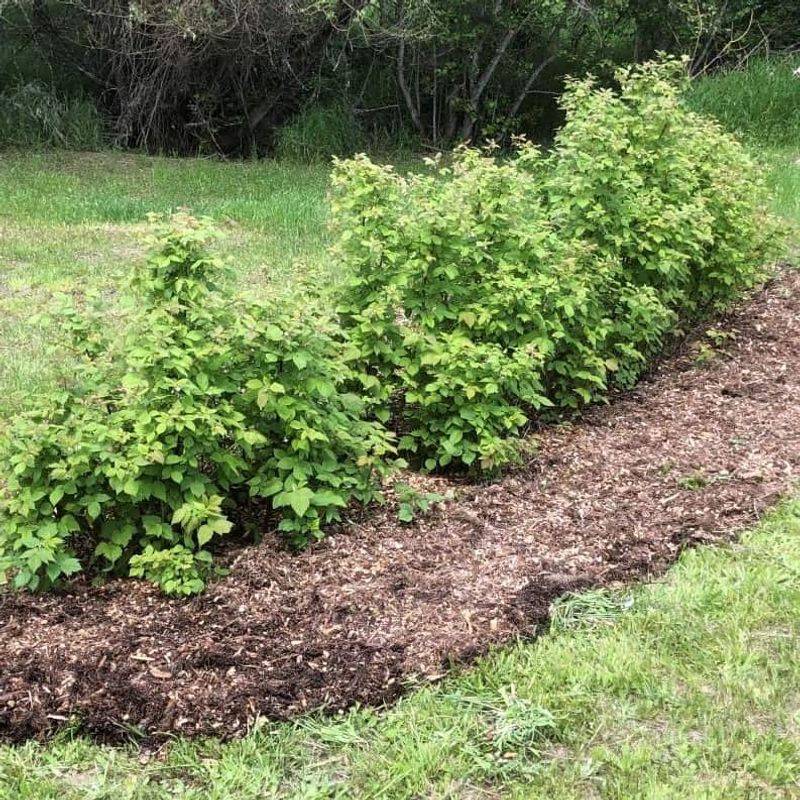
Once the shears go back in the shed, your patch still needs a little love. The final steps are quiet ones, but they matter.
Pull weeds from the row, especially grasses that compete for water and nutrients. Then spread 2 to 4 inches of mulch, like shredded leaves, straw, or wood chips.
Mulch keeps soil moisture steady and protects shallow roots from freeze and thaw swings.
Keep watering during extended dry spells when the soil needs moisture, but avoid keeping raspberry roots constantly wet during Georgia’s cooler months. Canes that go into winter thirsty are more prone to injury.
Skip fertilizer now. Feeding in late summer or fall can push soft new growth that does not harden off in time for cold weather.
Most extension sources suggest fertilizing in early spring instead.
Patience is the last ingredient. If you are unsure whether a cane is old or new, leave it until late winter.
Buds and bark are easier to read before growth starts, and an extra few weeks costs nothing.
Fall pruning really comes down to knowing your variety and cutting with purpose. Do that, and next year’s bowl of berries will feel well earned and taste even better.