This Backyard Animal May Be Helping Your Michigan Yard More Than You Realize
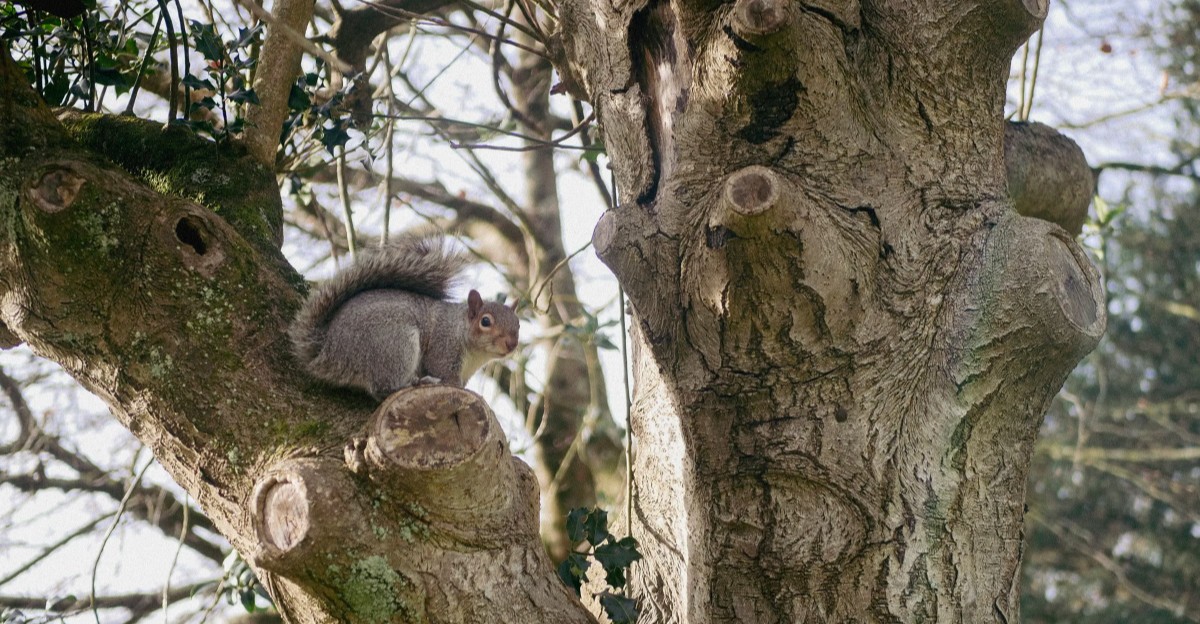
Many of the oak trees shading Michigan streets started as snacks that a furry gardener buried and then forgot. Researchers studying acorn caching have found that a fair share of those buried nuts are left behind to sprout.
Those same busy diggers also carry tiny mushroom spores through the woods and help feed hungry hawks overhead. They even remember where thousands of their hidden treats are stashed, which beats my record with car keys.
I’ll admit that I have chased a few of them away from my tomato plants with an old broom. Still, the more I learned about their habits, the more I wondered whether removing them makes much sense.
Michigan homeowners spend real money on traps and repellents every year, yet many of those efforts backfire. So what do these bushy-tailed neighbors actually do for your yard, and when does removal truly make sense?
1. Forgotten Acorns Grow Into Mighty Oak Trees
Every fall, a single gray squirrel may bury thousands of acorns and walnuts, one nut per tiny hole. Scientists call this habit scatter hoarding, and it turns your lawn into a sneaky little tree nursery.
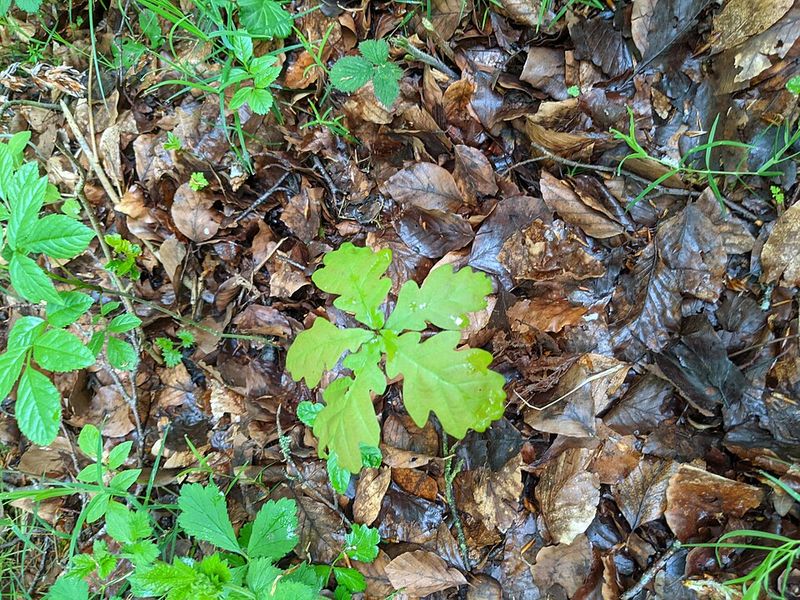
Not every buried nut gets dug back up before spring arrives with warm rain and longer days. Those leftover acorns can sprout far from the parent tree, where seedlings face less competition for sunlight.
Oaks matter a great deal in Michigan, because they feed hundreds of native caterpillar species and many birds. Jays help spread acorns too, but squirrels handle much of the planting work in neighborhood woodlots.
I love finding a tiny oak seedling poking up through my hosta bed in late spring. It feels like a thank-you note from the fuzzy tenant who tore up my mulch last October.
You can keep the seedlings you like and gently pull the rest while their roots are still small. Young oaks transplant best when they are only a year or two old, before their taproots dig deep.
Removing every squirrel from your block would slow this quiet planting process in parks and shady backyards. Black walnuts and hickories also travel this way across the mixed hardwood forests found throughout the region.
Think of each mystery seedling as a future shade tree you did not have to buy or plant. Your grandkids might someday relax beneath a towering oak that your backyard squirrel planted for free.
2. Squirrels Spread Truffle Spores That Feed Tree Roots
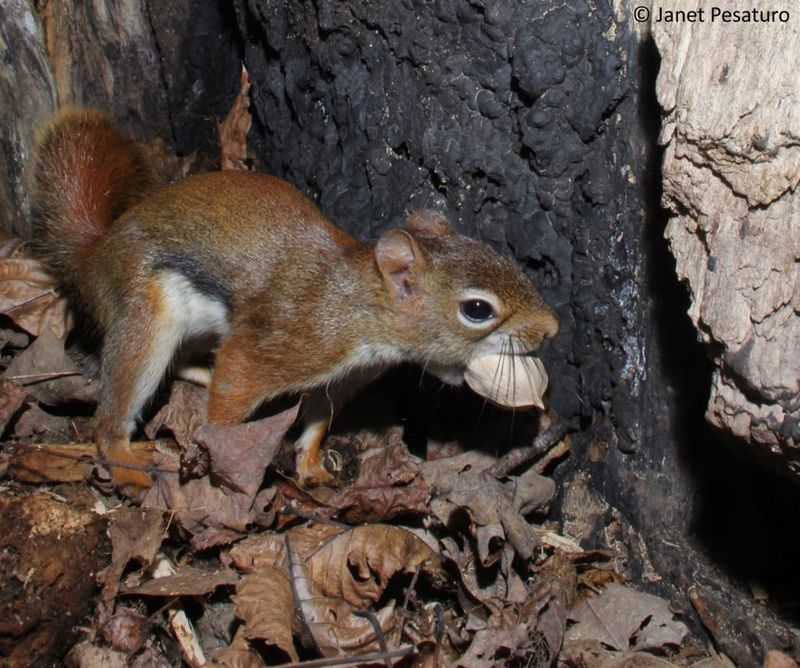
Underground truffles may sound like fancy restaurant food, but squirrels in Michigan woods eat them for lunch. Flying squirrels and red squirrels sniff out these hidden fungi and gobble them up with real gusto.
The spores pass through their bodies unharmed and land in fresh droppings scattered across the forest floor. That simple trip carries the fungus to new spots where young tree roots are waiting for helpful partners.
These fungi are called mycorrhizal fungi, and they wrap around tree roots like a fuzzy underground glove. They help trees soak up water and minerals, while the trees pay them back with sugars from leaves.
Many conifers and oaks rely heavily on these fungal partnerships to grow strong in poor or sandy soil. Research in North American forests has shown small mammals play a major role in moving those spores around.
I find it amazing that a creature famous for raiding bird feeders also helps keep forests healthy. Most of this work happens at night, thanks to the shy flying squirrels gliding between your trees.
You may rarely spot a flying squirrel, yet many wooded suburbs host more of them than people realize. Leaving some leaf litter and fallen logs gives these helpers natural cover and keeps fungi happy too.
A tidy yard is nice, but a slightly wild corner supports the hidden network beneath your feet. Your trees cannot thank the squirrels directly, but their healthy green canopies tell the story quite well.
3. Red-Tailed Hawks Hunt Backyard Squirrels For Dinner
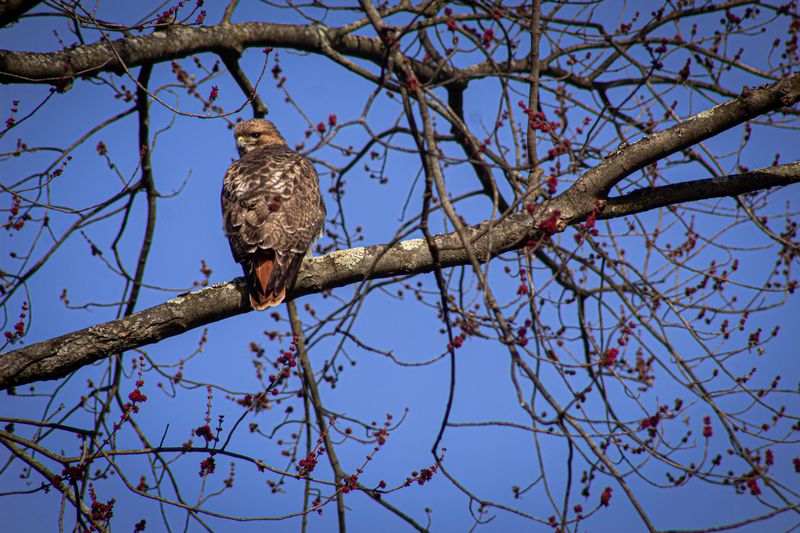
That loud, raspy scream you hear in movies usually belongs to a red-tailed hawk, a skilled squirrel hunter. These big raptors perch on light poles and tall trees, scanning lawns for a careless bushy tail.
Squirrels make up an important part of the diet for many predators living near people across the state. Great horned owls hunt them around dusk, and red foxes snatch them on the ground near fences.
When you remove squirrels from your yard, you also remove a reliable food source for those visitors. Predators may simply move on to other neighborhoods where meals are easier to find and catch.
I once watched a red-tail drop from an oak and miss a squirrel by inches behind my garage. The squirrel scolded it for ten straight minutes, and I stood there with my coffee cup frozen midair.
Moments like that remind me how much drama plays out in an ordinary suburban backyard each day. Hawks and owls also eat plenty of mice and voles, which are pests most gardeners gladly lose.
Keeping a healthy prey base helps attract these raptors, and their presence can help control rodents naturally. Skip rodent poisons outdoors, because hawks and owls can be harmed after eating animals that swallowed bait.
A few tall trees and some wildlife-friendly habits can turn your yard into a raptor viewing spot. Keep very tiny pets supervised outdoors, just to be safe around these powerful hunters with sharp talons.
4. Trapped Squirrels Get Replaced By Newcomers Fast
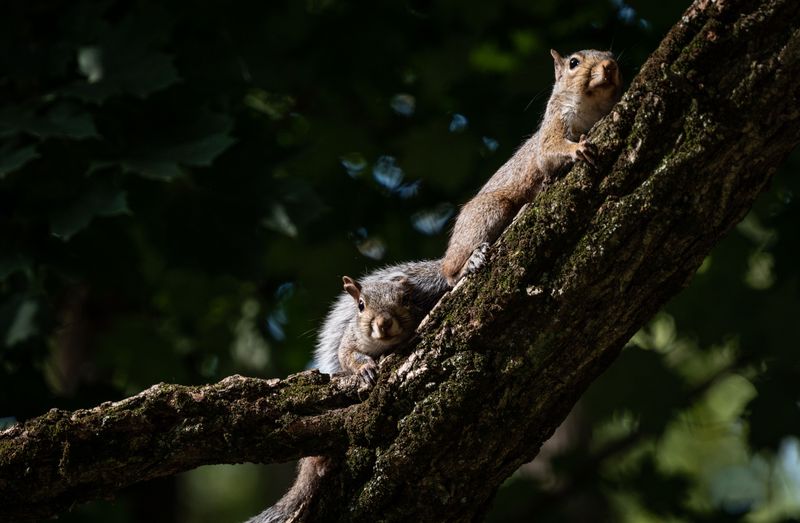
Trapping the squirrel that raids your sunflowers feels like victory, until a brand new one shows up next week. Wildlife experts often describe this as a vacuum effect, and it frustrates countless homeowners every single year.
Squirrels settle wherever food and good nesting trees are easy to find in a quiet neighborhood. Remove one resident, and a young squirrel from nearby yards will happily claim that empty territory.
Young gray squirrels leave their mothers in summer and fall, searching for their own home ranges. Your yard, with its oak trees and bird feeder, looks like prime real estate to those wanderers.
I learned this lesson after trapping three squirrels one spring, only to count four the following month. My bird feeder was the real magnet, and the squirrels were simply responding to an open invitation.
Trapping costs time and money, and live traps need checking often so animals are not stressed or harmed. Michigan has hunting seasons and rules for fox and gray squirrels, so check DNR regulations before acting.
Long-term fixes work better when they change what draws squirrels to your yard in the first place. Clean up spilled seed regularly and store birdseed in sturdy metal bins with tight lids inside the garage.
Once the buffet closes, your local squirrels may visit less often and cause fewer headaches overall. Living with a few familiar squirrels often beats an endless parade of hungry newcomers testing your defenses.
5. Baby Squirrels Could Be Nesting In Your Attic
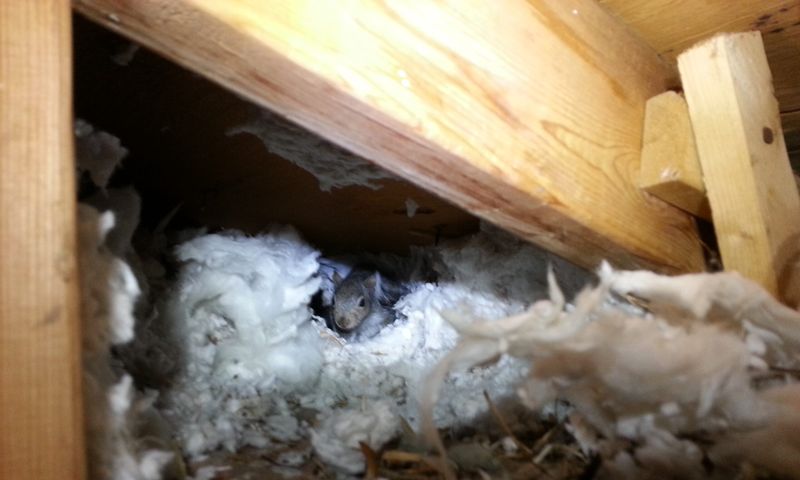
Those faint squeaks coming from your attic ceiling might belong to a litter of tiny, hairless baby squirrels. Gray squirrels often raise babies in late winter and again in midsummer, sometimes choosing cozy attics.
Newborn squirrels cannot leave the nest for many weeks, so mom must return often to nurse them. If you trap or exclude the mother too early, the babies are left alone and helpless.
A frantic mother squirrel may chew brand new holes through your roof boards to reach her trapped young. That desperate effort can cause more damage than the original nest, which nobody wants to pay for.
Before any repairs, I suggest listening closely at dawn and dusk, when squirrels come and go most. Peeking into the attic with a flashlight can reveal leafy nests tucked near the eaves or insulation.
Many wildlife professionals wait until the young are old enough to follow their mother out of the attic. Then they install a one-way door, which lets squirrels exit but blocks them from coming back inside.
Some mothers will even move their babies to a backup outdoor nest if you gently disturb the attic. A bright light and a radio playing near the nest can encourage her to relocate on her own.
Patience here protects your house and spares you the awful smell of abandoned babies inside the walls. Waiting a few extra weeks feels slow, but it usually saves money and plenty of unnecessary heartbreak.
6. Relocated Squirrels Struggle In Unfamiliar Woods
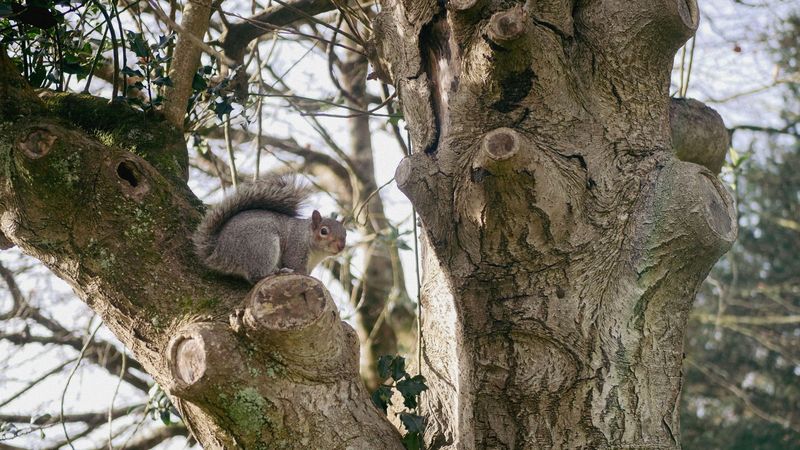
Driving a trapped squirrel out to a quiet county park sounds kind, but the reality is often harsh. Research on moved gray squirrels suggests many struggle badly once they are dropped into unfamiliar territory.
A squirrel depends heavily on memory, knowing exactly where its escape trees and buried food caches sit. Dropped somewhere new, it has no stored food and no safe nest waiting for it when night falls.
Resident squirrels in that park may chase the newcomer away, since they already claimed the best spots. Hawks and foxes quickly notice an animal that seems lost and nervous in strange new surroundings.
Moving a mother also risks leaving behind babies, which creates a sad situation back at your house. Michigan wildlife officials generally discourage relocating nuisance animals and encourage homeowners to focus on prevention instead.
Releasing animals on land you do not own also requires the landowner’s permission, so check the rules first. Some cities and public parks do not allow wildlife releases at all, even for common species.
I used to think a car ride to the woods was a generous gift for a squirrel. Now I see it more like dropping a kid in a strange city without a map or a phone.
Prevention and exclusion keep squirrels out of trouble without tearing them away from everything they know. That approach feels kinder, and it usually works better for your home in the long run too.
7. Sealing Roofline Gaps Works Better Than Trapping
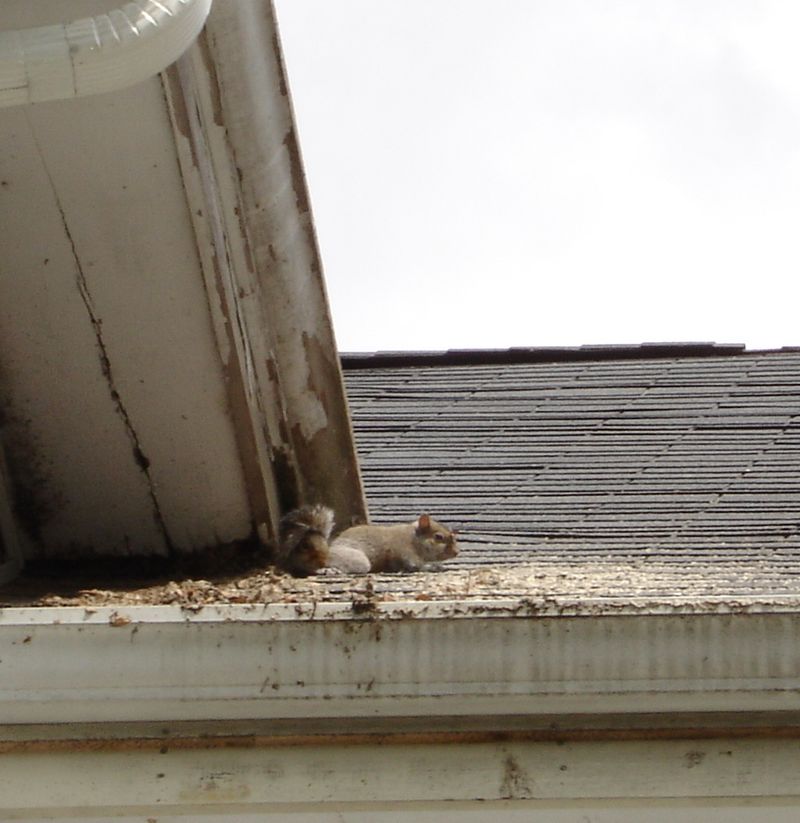
A squirrel can squeeze through a hole roughly the size of a golf ball, which surprises most homeowners. That tiny gap near your gutter or soffit might be the front door to an attic apartment.
Walk around your house with binoculars and look for chewed edges near the roofline or loose vent covers. Squirrels love corners where two roof sections meet, since those spots often hide small openings and weak boards.
Galvanized hardware cloth or sheet metal holds up far better than plastic screens or spray foam patches. Squirrel teeth grow continuously, so they can gnaw through soft materials surprisingly fast when motivated by a warm attic.
Before sealing anything, make sure no squirrels are inside, especially during spring and summer baby seasons. A one-way exclusion door lets animals leave safely, and you can seal the final hole after several days.
Trimming tree branches back several feet from the roof removes the squirrel highway to your shingles. Many experts suggest keeping limbs about six to eight feet away, since squirrels are impressive jumpers.
In my experience, fall is a smart time to check for gaps, before squirrels hunt for warm winter nests. Cold Michigan nights send them looking for shelter, so tight repairs now save frustration later in winter.
Exclusion work costs more upfront than a trap, but it solves the problem instead of just pausing it. Your attic stays squirrel-free, and the squirrels keep their outdoor jobs planting trees around the neighborhood.
8. Squirrel Baffles Protect Your Backyard Bird Feeders
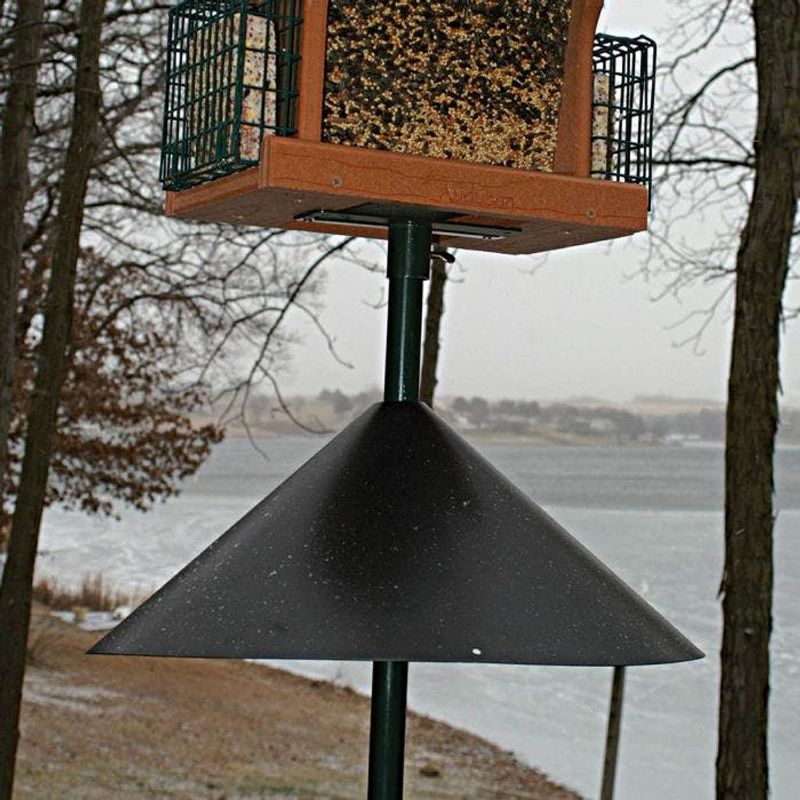
Watching a gray squirrel figure out a bird feeder is like watching a furry engineer solve a puzzle. They hang upside down by their back feet and stretch impossibly far to reach a seed tray.
Rather than fighting them, try outsmarting them with a few simple tricks that birds will appreciate too. A cone-shaped or cylinder baffle on a smooth metal pole stops most squirrels from climbing up.
Place the pole roughly ten feet from trees and fences, since squirrels can jump surprisingly long distances. Mount the baffle about four to five feet high so they cannot hop over it from the ground.
Safflower seed is another clever option, because many squirrels find it bitter while cardinals happily eat it. Hot pepper treated birdseed works well too, since birds do not taste capsaicin the way mammals do.
I set out a separate corn feeder on the far side of my yard, and it worked nicely. The squirrels mostly stayed busy over there, leaving my chickadees and nuthatches alone at their feeder.
Weight-activated feeders close their ports when a heavy squirrel climbs aboard, which is pretty fun to watch. These feeders cost more, but they last for years and save plenty of wasted seed over time.
Sharing your yard with squirrels does not mean giving up on feeding the songbirds you love most. A little planning lets everyone eat, and your feeder becomes a front-row seat for backyard comedy.
9. Black And Gray Squirrels Put On A Free Backyard Show
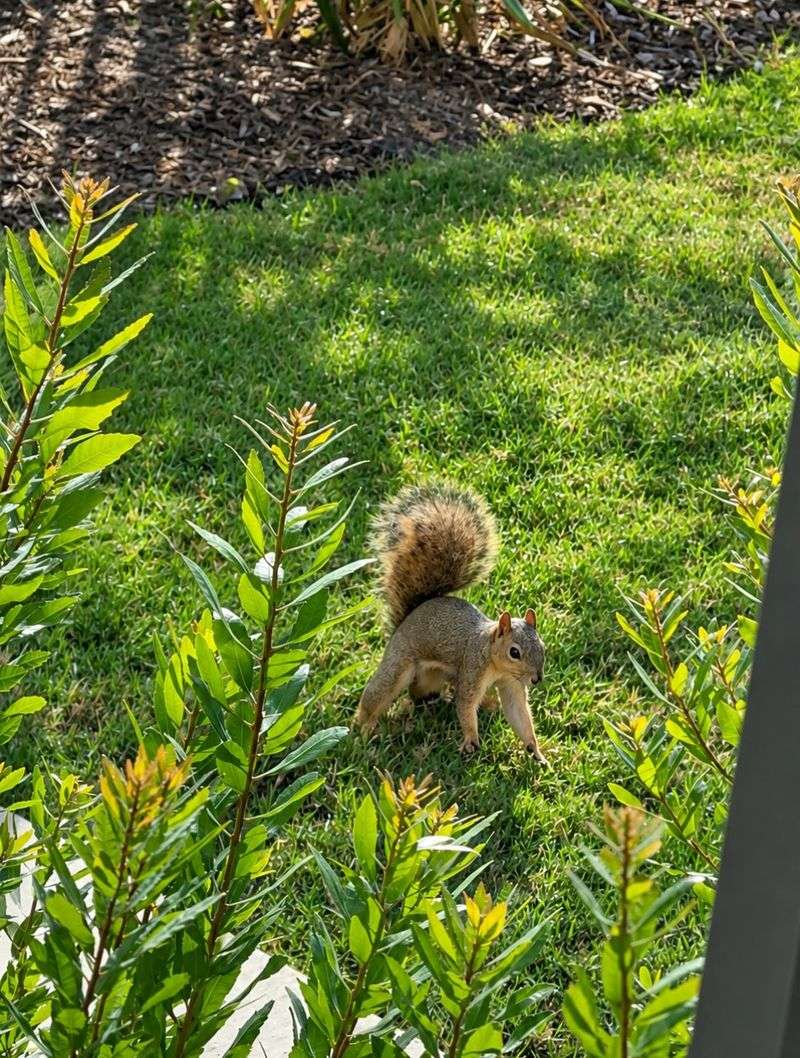
Spotting a jet-black squirrel bounding across the snow feels a bit like seeing a rare celebrity. Those black squirrels are simply eastern gray squirrels with a dark color variation, and they’re common in Michigan.
Big rusty fox squirrels and feisty little red squirrels also live here, each with its own personality. Red squirrels loudly scold anyone who wanders near their pine cone piles, which naturalists call middens.
During courtship chases in late winter, males race after females through treetops in wild spiraling loops. I love watching these chases from my kitchen window while the coffee brews on frosty mornings.
Kids especially enjoy keeping a squirrel journal, jotting down colors and funny behaviors they notice each week. It’s a simple way to build curiosity about wildlife without leaving home or buying fancy equipment.
Squirrels also flick their tails to communicate, signaling alarm when a hawk or cat appears nearby. Once you learn those warning flicks, you’ll start noticing predators you might have overlooked in the treetops.
For many people in towns and suburbs, squirrels are the wild animals they see most often. That everyday connection to nature has real value, especially during long gray winters spent mostly indoors.
So before calling for traps, give your squirrels a week of honest observation from the porch. You may find that the entertainment they provide outweighs the occasional dug-up tulip bulb in spring.