How To Overwinter Tropical Hibiscus Indoors During A Michigan Winter
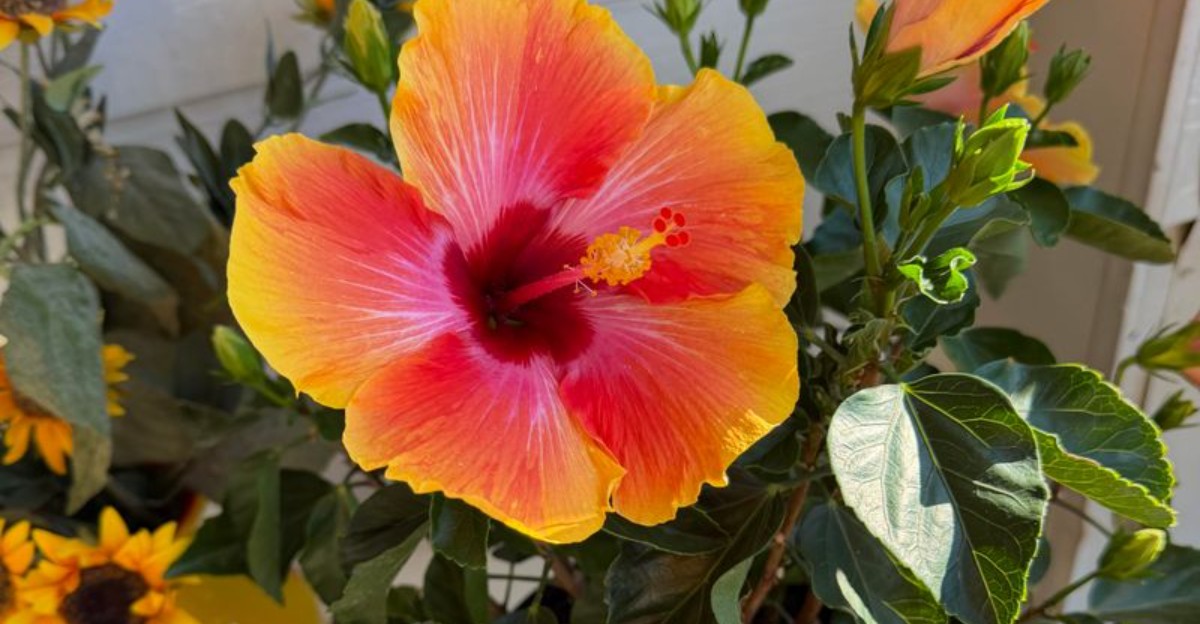
A single bloom on this plant often lasts just one day before it closes up for good. Somehow, that only makes me love it more.
The flowers can stretch wider than your hand, in shades of coral, lemon, and hot pink. They come from warm tropical places where frost is a stranger. One chilly Michigan night in the low 30s can scorch the leaves and stall the whole plant.
I know how frustrating it can be to watch a summer superstar sulk by the window. Leaves turn yellow and drop, and you start to wonder if you did something wrong. Most of the time, the plant is just adjusting to a big change in light and air.
The real question is how to help it rest without losing its spark. A few simple habits can carry it through the gray months. Could a flower that lives for one day really keep going for years?
1. That Hibiscus On Your Patio Is On Borrowed Time
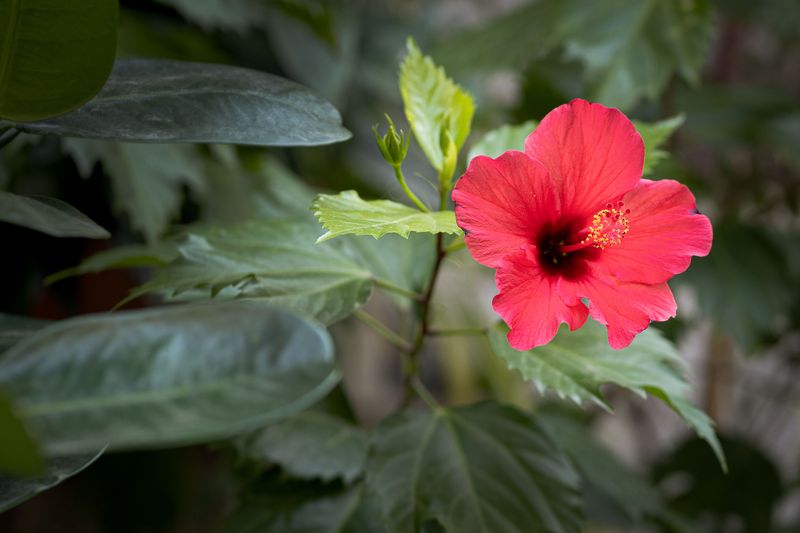
Tropical hibiscus, or Hibiscus rosa-sinensis, starts to struggle well before frost shows up. Cold damage can begin when nights drop into the 40s, even if your thermometer never hits freezing.
For most of Michigan, the safe move is bringing your plant indoors once nights dip below 50 degrees.
That usually happens in September, though southern areas near Detroit may get a few extra weeks. Up in the Upper Peninsula, you might need to act in late August.
I like to keep an eye on the ten-day forecast starting around Labor Day. Waiting for a frost warning is risky because a surprise cold snap can arrive faster than you expect. Leaves that get chilled often turn bronze or blotchy and drop within days.
A plant brought in early also has an easier time adjusting. Indoor light is much weaker than summer sun, so a gradual change helps. Some gardeners roll the pot into a garage on cool nights for a week or two first.
Watch for signs like curling leaves or buds falling off on chilly mornings. Those are signals your hibiscus wants a warmer home. Moving it a little early beats rescuing it a little late.
2. A Sunny South Window Becomes Your Hibiscus Hideout
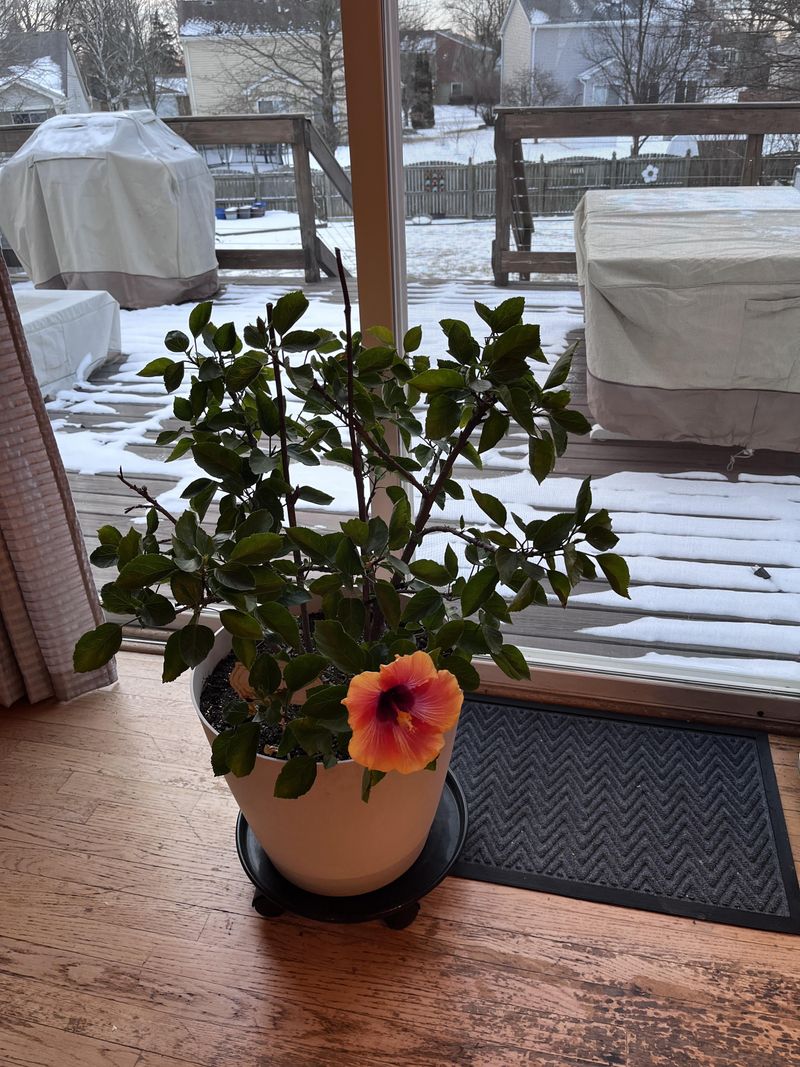
Light is the biggest thing your plant will miss once summer ends. Michigan winter days can shrink to around nine hours, and many are cloudy.
Give your hibiscus the brightest spot you have, ideally a south- or west-facing window. A few hours of direct sun each day helps it hold onto leaves and may even bring a surprise bloom.
If your windows face north, a simple LED grow light running 12 to 14 hours a day can fill the gap.
Temperature matters just as much. Aim for a steady 60 to 75 degrees during the day, with nights no colder than about 55. Most homes already sit in that range, which makes things easier.
Here comes the tricky part. Cold drafts from doors and the blast of a heating vent can both cause trouble. Keep the pot a foot or so away from chilly glass on frigid nights, too.
I tend to rotate my pot a quarter turn every week or two. That keeps the plant from leaning toward the window and growing lopsided. It is a tiny habit that pays off by spring.
3. Your Hibiscus Wants Less Water Once It Moves Inside
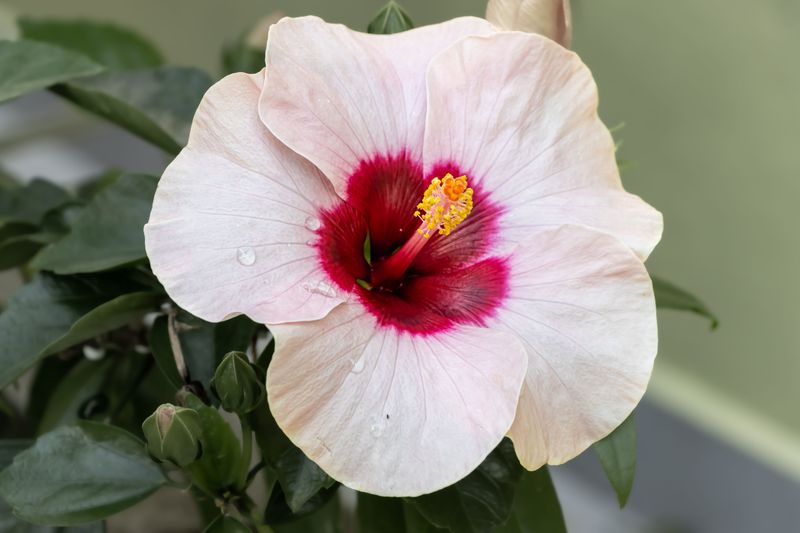
Overwatering sinks more indoor hibiscus than cold ever does. With less light and slower growth, the roots simply drink less.
Before you water, push a finger into the soil about an inch or two deep. If it feels dry, give the pot a good soak until water runs out the bottom. If it still feels damp, wait a few more days and check again.
Many homes end up watering about once a week, but your schedule may differ. Pot size, room warmth, and sunlight all change how fast the soil dries. Clay pots dry quicker than plastic ones.
Never let the pot sit in a saucer full of water. Soggy roots can rot, and the first sign is often yellow leaves that look like thirst. That confusion leads many folks to water even more, which makes it worse.
Fertilizer can take a break, too. Feed lightly once a month or skip it until late winter when days grow longer. Pushing growth in dim light mostly creates weak, floppy stems.
Think of winter as a slow season for your plant. A little patience with the watering can goes a long way.
4. Rinse Those Hibiscus Leaves Before Pests Hitch A Ride
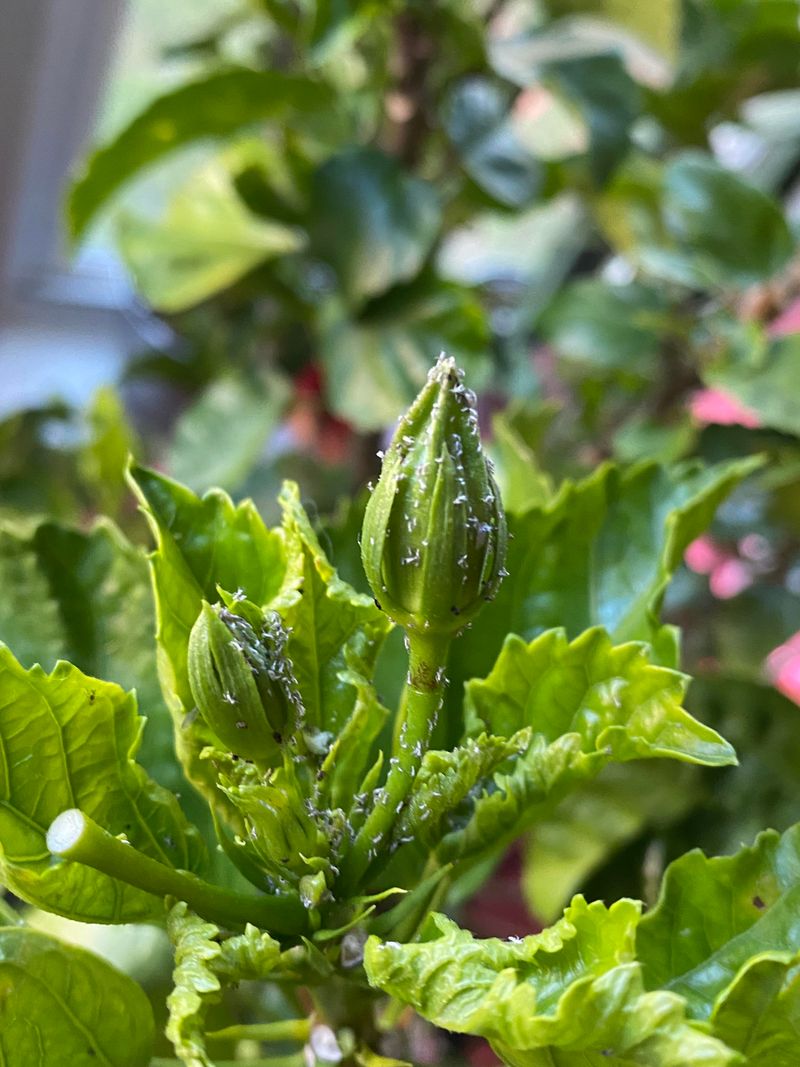
Tiny bugs love a free trip indoors. Aphids, whiteflies, mealybugs, and spider mites often hide on hibiscus leaves all summer long.
A week or two before moving day, give your plant a strong spray with the hose. Hit the tops and undersides of the leaves, plus the stems and branch joints. Doing this a few times knocks off many pests before they settle in.
On the final rinse, many gardeners use insecticidal soap or horticultural oil. Follow the label closely and spray in the shade, since sun can scorch treated leaves. Test a small area first if you are unsure.
Do not forget the soil. Pests and their eggs can hide in the top layer or under the pot. Some folks scrape off the top inch and add fresh potting mix.
Take a slow look with a flashlight before carrying the pot inside. Sticky leaves, cottony clumps, or tiny moving dots are all clues something is living there.
It may feel like extra fuss on a busy fall weekend. Yet a clean plant protects your other houseplants, and that alone makes the effort worthwhile.
5. A Quick Hibiscus Trim Makes Moving Day Easier
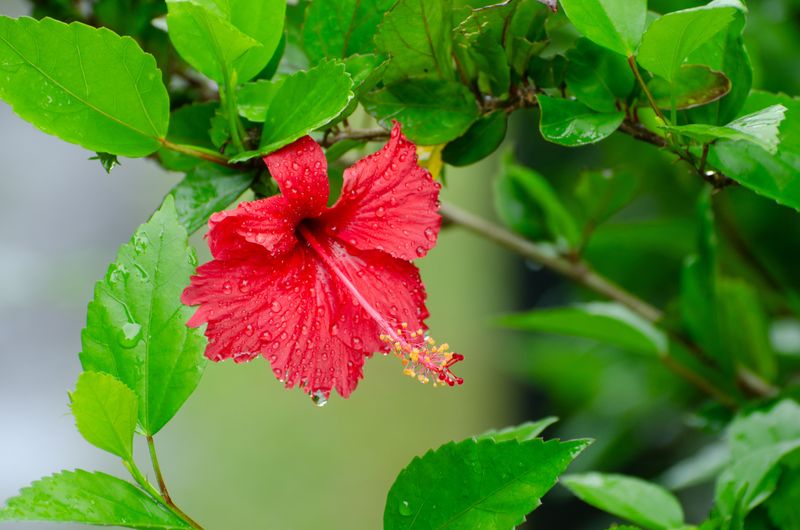
A light haircut can work wonders for a plant heading inside. Your hibiscus may have doubled in size over a warm summer, and your living room probably did not.
Cut back about a quarter to a third of the growth with clean, sharp pruners. Snip just above a leaf node, which is the spot where a leaf meets the stem. New shoots often sprout from those spots later.
Fewer leaves means less demand on the roots while light is low. That can reduce some of the heavy leaf drop that happens after the move. Keep plenty of healthy leaves, though, since the plant still needs them to make food.
Remove any branches that cross, rub, or look weak and spindly. Clearing the center lets air move through, which discourages pests.
Fun fact for you. Tropical hibiscus blooms on new growth, so a trim now does not cost you flowers next summer. Many gardeners do a second, harder prune in late winter to shape the plant.
Wipe your pruner blades with rubbing alcohol between plants. It takes seconds and helps keep problems from spreading.
6. Yellow Hibiscus Leaves Dropping Indoors Are Usually Normal
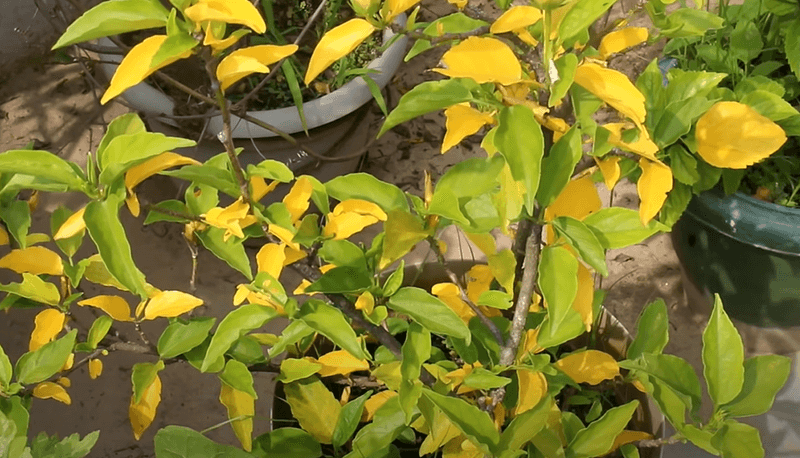
Nearly every gardener panics the first time this happens. A week after moving in, yellow leaves start piling up on the floor.
Relax for a moment, because this is mostly normal. Your plant is adjusting to dimmer light, drier air, and steadier temperatures. It drops leaves it can no longer support and grows new ones suited to indoor life.
Keep watering carefully and resist the urge to fuss. Moving the pot around a lot can trigger even more leaf drop. Give it two or three weeks in one bright spot.
Some yellowing points to other issues, though. Leaves that yellow while the soil stays wet often mean overwatering. Pale, speckled leaves may hint at spider mites.
Dry heated air plays a role, too. Michigan homes can drop below 30 percent humidity when the furnace runs. A pebble tray with water or a small humidifier nearby helps the plant feel more at home.
I have learned to see this stage as the plant catching its breath. Fresh green leaves usually appear within a month or so. That first new shoot feels like a small win in the middle of winter.
7. Spider Mites Love Hibiscus In Dry Winter Air
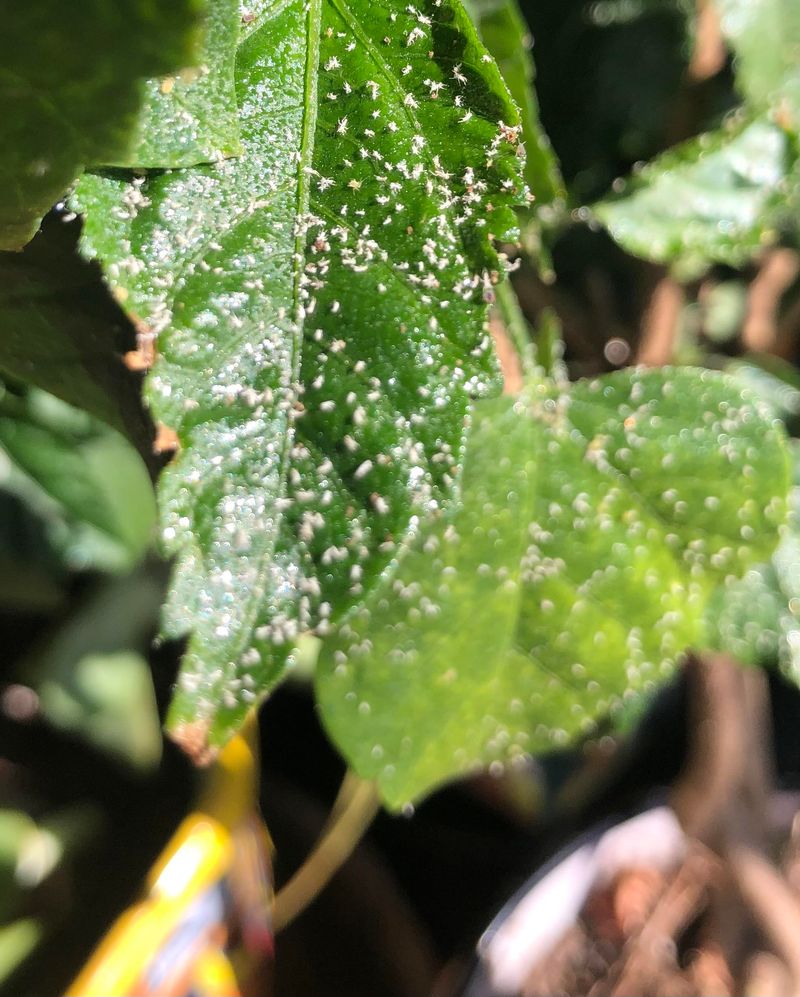
Spider mites are the sneakiest winter guests around. They are smaller than a pinhead and thrive in the warm, dry air of a heated home.
Check the undersides of leaves every week or so. Look for tiny pale speckles, fine webbing, or leaves that look dusty and dull. Tapping a leaf over white paper can reveal little moving dots.
Aphids and mealybugs may show up on soft new shoots. Whiteflies tend to flutter up when you brush the plant. Sticky residue on leaves or furniture is another clue.
Catching problems early keeps them easy to manage. Take the plant to a shower or sink and rinse the leaves with lukewarm water. Repeat every few days to break the pest cycle.
For stubborn cases, insecticidal soap or horticultural oil can help. Spray every five to seven days for a few weeks, covering both leaf sides. Read the label first, since some hibiscus varieties are sensitive.
Raising humidity helps, too, because mites dislike moist air. Grouping houseplants together creates a little humid pocket. Your hibiscus and your skin will both appreciate it.
8. Ease Your Hibiscus Back Outdoors When Spring Warms Up
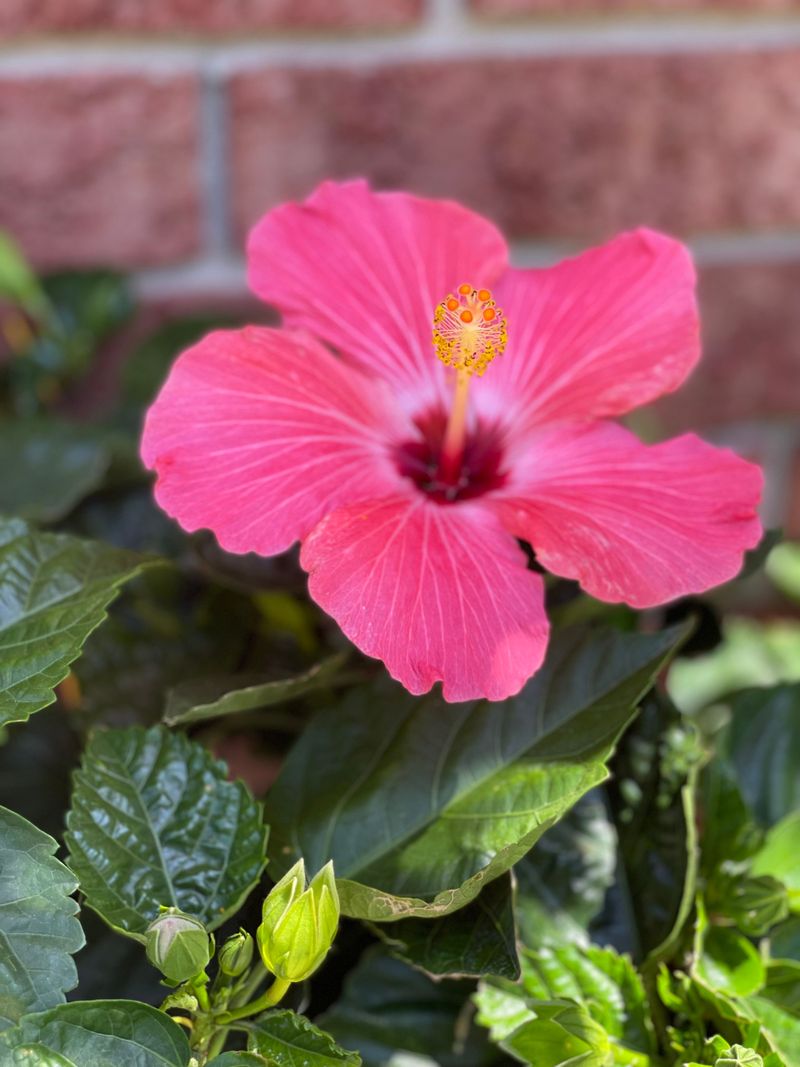
Spring fever hits hard after a long Michigan winter. Still, rushing your hibiscus outside too soon can undo months of care.
Wait until frost danger has passed and nights stay above 50 degrees. In southern Michigan, that is often late May or early June. Northern areas may need to wait a bit longer.
Late winter is a fine time to prep. Prune leggy stems, start feeding again with a balanced fertilizer, and repot if roots circle the pot. Go up just one or two inches in pot size.
Harden off the plant slowly. Start with a shady, sheltered spot for about a week, then add more sun bit by bit over two or three weeks. Strong sun straight away can bleach and scorch leaves that grew indoors.
Bring the pot back in if a chilly night sneaks into the forecast. Spring weather here can swing wildly.
Once settled, your hibiscus should push out buds and fresh growth. Those first huge blooms feel like a reward for every careful watering. Keep notes on what worked this year, and next winter will feel even easier.