Who Is Responsible When A Neighbor’s Tree Falls Into Your Yard In California
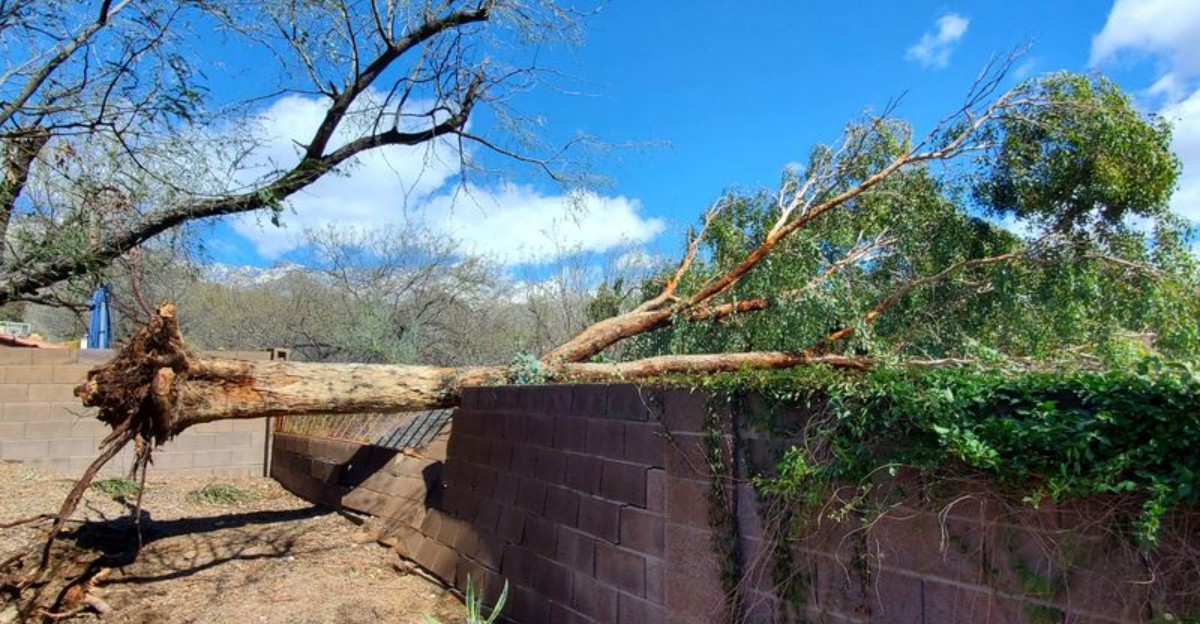
A tree can stand on your neighbor’s land, crush your fence, and still leave you calling your own insurance company. That twist surprises almost everyone I talk to.
In California, ownership follows the trunk, not the branches. So the oak shading your patio legally belongs to whoever has the base on their side of the line.
Personally, I find that rule both fair and a little maddening. You water your roses, prune your hedges, and mind your own business. Then a winter storm rolls through, and a giant limb lands where your tomatoes used to be.
The real question is not whose tree it was. Courts and insurers care far more about what the owner knew before it came down. A mushroom at the base, a long crack, or a polite letter can change everything.
So who really ends up paying for that mess in your yard?
That Fallen Oak Belongs To Your Neighbor, But The Bill Might Not
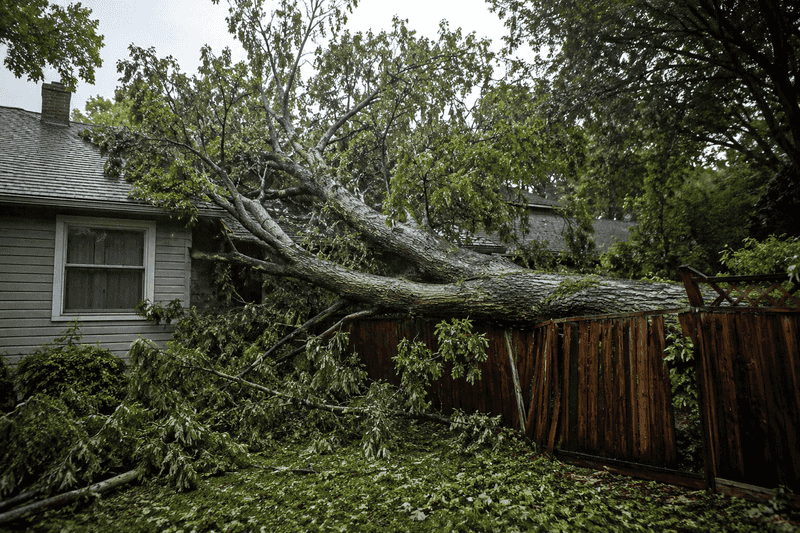
Your first instinct after a crash is probably simple. Their tree, their problem, right? California law starts somewhere a little different.
Under Civil Code section 833, a tree belongs to the person whose land holds the trunk. Branches and roots can wander over the fence, but ownership stays with the base. So yes, your neighbor owns that toppled tree.
Owning a tree is not the same as being at fault for its fall. When a healthy tree drops because of a sudden windstorm or soaked winter soil, insurers often call it an act of nature. In those cases, each homeowner usually turns to their own policy for damage on their own property.
That means you may file the claim even though you never planted, watered, or trimmed that tree. Your policy typically covers your house, garage, or fence, minus your deductible. Many policies also pay a limited amount for debris removal when the tree hits a covered structure.
Keep calm before marching next door. Snap photos, check for hazards like downed power lines, and call your insurer first. The friendliest neighbors often stay friendly because both sides understand this baseline rule from the start.
A Rotten Trunk Can Shift The Blame Next Door
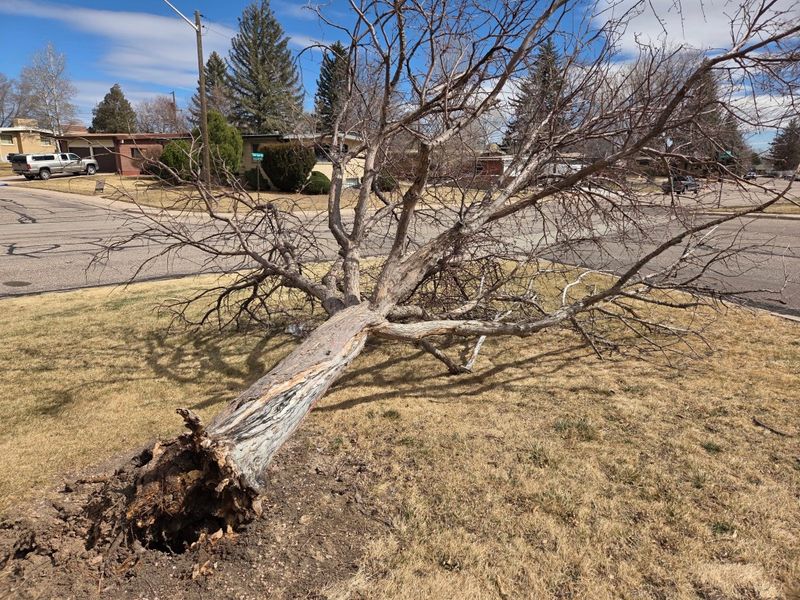
Everything changes when a tree was already in trouble. California follows a general duty of ordinary care for property owners, found in Civil Code section 1714. Owners must manage their land so it does not cause unreasonable harm to others.
Courts look at whether your neighbor knew, or reasonably should have known, that the tree was hazardous. A trunk riddled with decay, a steep new lean, or a crown with mostly bare limbs can count as warning signs. Ignoring those signs may be considered negligence.
If negligence is proven, the owner can be held responsible for damage to your property. That includes repairs and cleanup costs, and sometimes more if people were hurt. The key word is foreseeable.
I like to think of it as the difference between bad luck and bad choices. A perfectly sound pine snapped by a freak gust is bad luck. A hollow eucalyptus everyone grumbled about for years is a choice left unmade.
Visible fungal conks on the bark, deep cracks, and loose soil heaving near the roots are common clues. An arborist can confirm whether those problems likely played a role in the failure.
An Arborist Report And Certified Letter Make Your Case Stronger
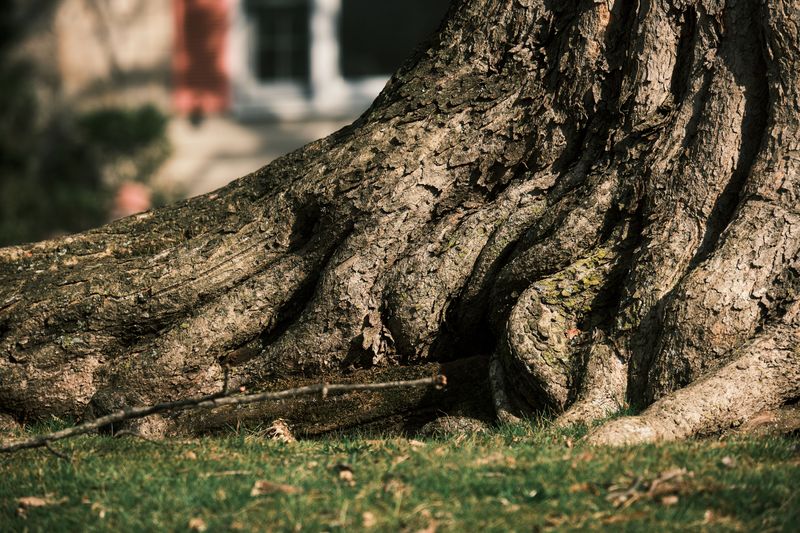
Paperwork is not glamorous, yet it can be your strongest ally in a tree dispute. Proof of what your neighbor knew carries real weight with insurers and courts.
Start with a written report from an ISA certified arborist. A good report notes decay, root problems, cracks, and the overall risk level. Photos with dates help even more.
Next, share that information in writing. Many attorneys suggest a polite certified letter with a copy of the report, asking your neighbor to address the hazard. Once they sign for it, they cannot easily claim the danger came as a surprise.
Keep your tone friendly and factual. Something like, “Our arborist found serious decay near the base, and I wanted you to see the report,” works far better than threats. Neighbors often act quickly once they see a professional opinion.
Save copies of everything, including emails and texts. If the tree later falls, this record supports a negligence claim. It may also help your insurer recover costs from your neighbor’s insurer through a process called subrogation.
A few hundred dollars for a report can be money well spent.
Your Homeowners Insurance Usually Gets The First Phone Call
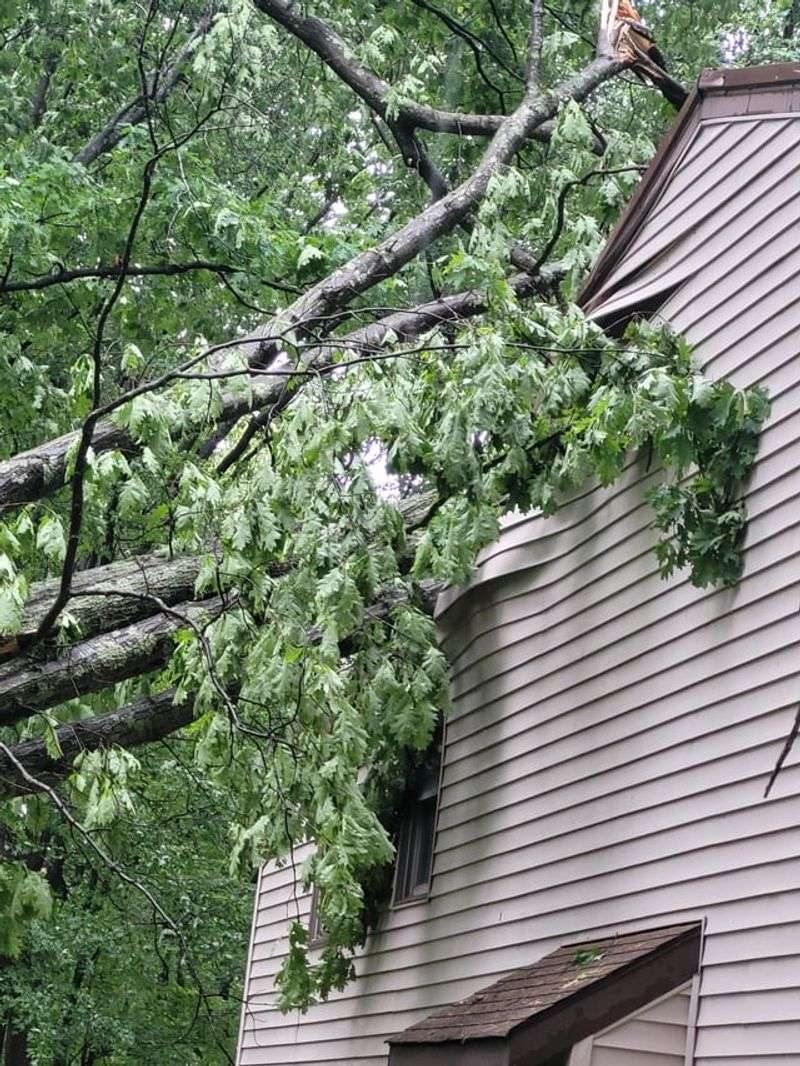
Ring, ring, it is your insurance company you will likely be talking to first. In most fallen tree cases, the policy covering the damaged property responds before anyone argues about blame.
Standard homeowners policies usually cover a tree that hits your house, garage, or fence after wind, lightning, or similar perils. Debris removal is often covered too, though many policies cap it at a set amount per tree. A tree that lands only on open lawn may not qualify for removal coverage at all.
File quickly and document everything. Take wide shots and close-ups, keep receipts for emergency tarps, and avoid tossing debris before the adjuster sees it. Mitigating further damage is part of your duty as a policyholder.
When evidence points to neighbor negligence, mention it to your adjuster. Your insurer may pursue subrogation against the neighbor or their carrier. If that effort succeeds, you may get some or all of your deductible back.
Read your policy before storm season arrives. Check your deductible, debris limits, and whether tree damage to fences or landscaping has its own cap. Knowing those numbers now beats a nasty surprise later.
Trim Those Overhanging Branches Carefully Or Pay Up To Triple
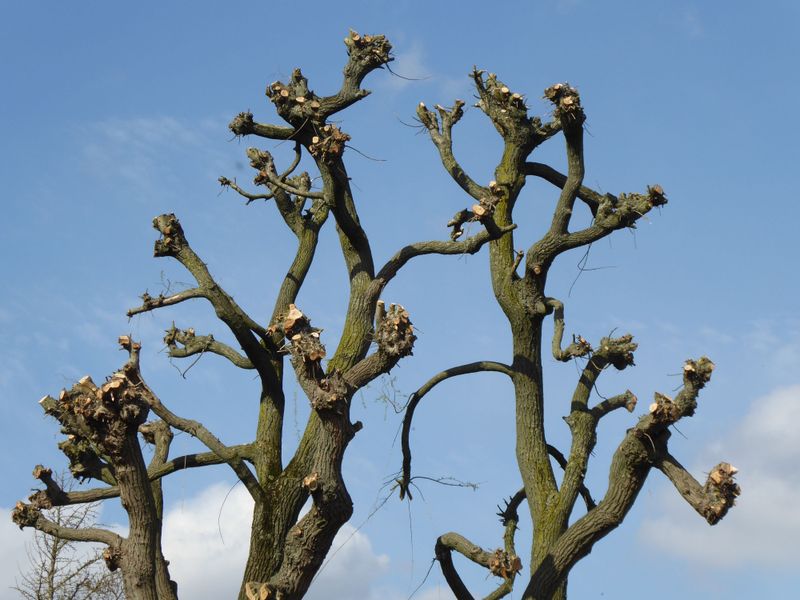
Here is a fun bit of California history. Courts have long allowed homeowners to cut back branches and roots crossing onto their property, at their own expense. Gardeners call it self-help, and it can feel very satisfying.
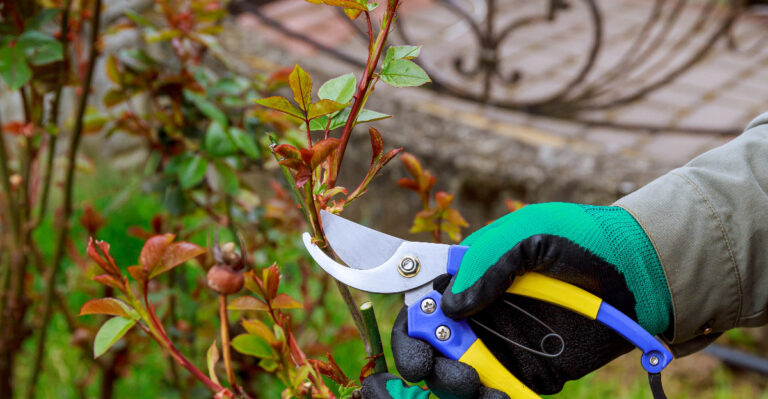
That right comes with limits, though. You may trim only up to the property line, and you cannot step onto your neighbor’s land without permission. Leaning a ladder against their fence without asking can cause problems.
The bigger risk is cutting too much. If heavy pruning or root cutting weakens the tree so it declines or falls, you could be the one held liable. Civil Code section 3346 allows damages up to triple the value of trees wrongfully injured, and double in some cases where the harm was not willful.
Roots deserve special caution. Slicing major roots near the trunk can destabilize a large tree fast, and that is a classic way a good fence turns into a lawsuit.
Hire a certified arborist for anything beyond light trimming. Talk to your neighbor first, too. A quick chat over the fence often prevents months of expensive frustration.
A Boundary Line Tree Belongs To Both Of You
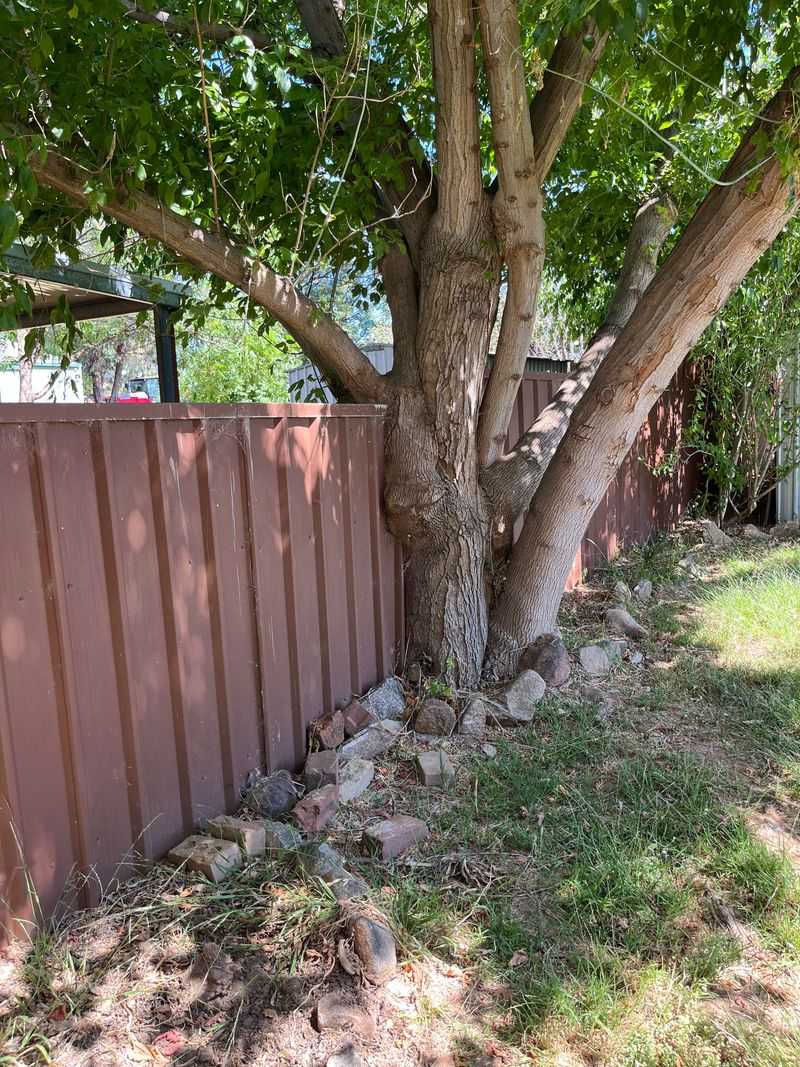
Some trees refuse to pick a side. When a trunk stands right on the boundary, Civil Code section 834 says it belongs to both neighbors in common.
Shared ownership means shared decisions. Neither owner can cut it down or seriously damage it without the other’s consent. Courts have held that removing a line tree on your own can lead to liability.
Responsibility for care is often shared, too. If a jointly owned tree shows obvious decay and both neighbors ignore it, sorting out blame after a fall can get messy. Insurance claims may still begin with each person’s own policy.
Not sure where your line actually sits? Fences are not always accurate markers. A licensed land surveyor can locate the true boundary, which matters a lot when a trunk sits close to it.
My advice is simple. Treat a line tree like a shared garden bed and plan together. Split the cost of an arborist checkup, agree on pruning in writing, and keep a copy of that agreement.
Friendly teamwork now beats a tug of war later.
Wet Winter Soil And Gusty Santa Ana Winds Topple More Trees
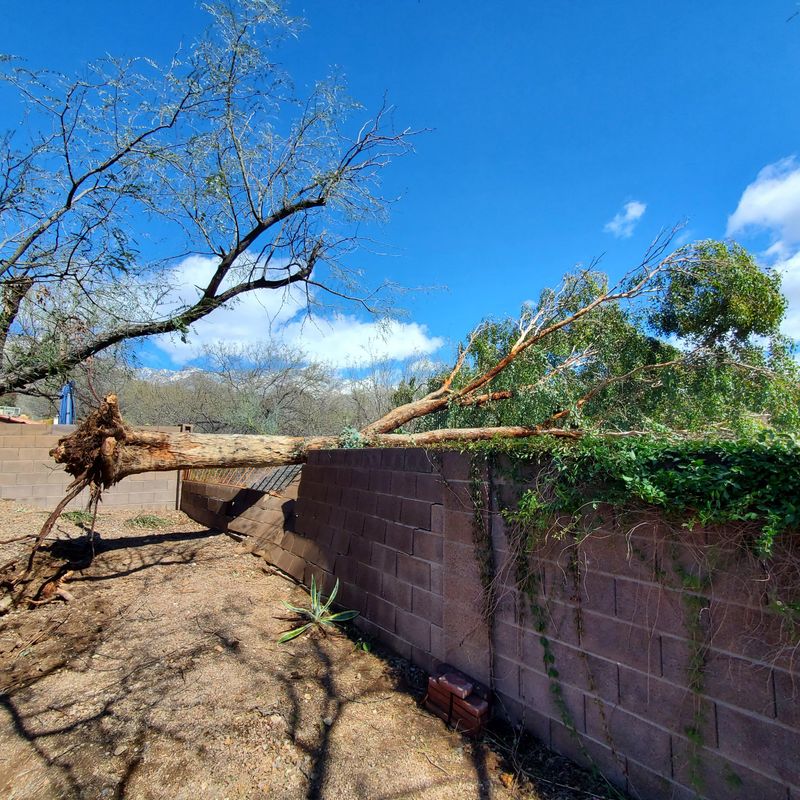
Atmospheric rivers have a way of turning sturdy yards into mud pies. When soil gets saturated, roots lose their grip, and tall trees can tip over with surprisingly little wind.
Across much of the state, winter storms bring that one two punch of soggy ground and strong gusts. Southern regions also face Santa Ana winds, mostly from fall into spring, which can snap limbs on dry, stressed trees.
Drought plays a role, too. Years of low rainfall can weaken roots and invite pests and decay. Then a sudden heavy storm arrives, and trees that looked fine in summer start to fail.
Eucalyptus, Monterey pine, and large shallow rooted trees show up often in storm damage reports. Any species can fail when roots are cut, soil is compacted, or decay goes unnoticed.
Watch your neighborhood trees after big storms. Fresh cracks in the soil near the trunk, a new lean, or lifted roots are serious warning signs. Report those right away to the owner, and call your utility company if branches touch power lines.
A Friendly Tree Walk With Your Neighbor Prevents Future Headaches
Some of the best tree advice I ever got came over a garden fence with a cup of coffee. Talking early is cheaper than any lawyer or deductible.
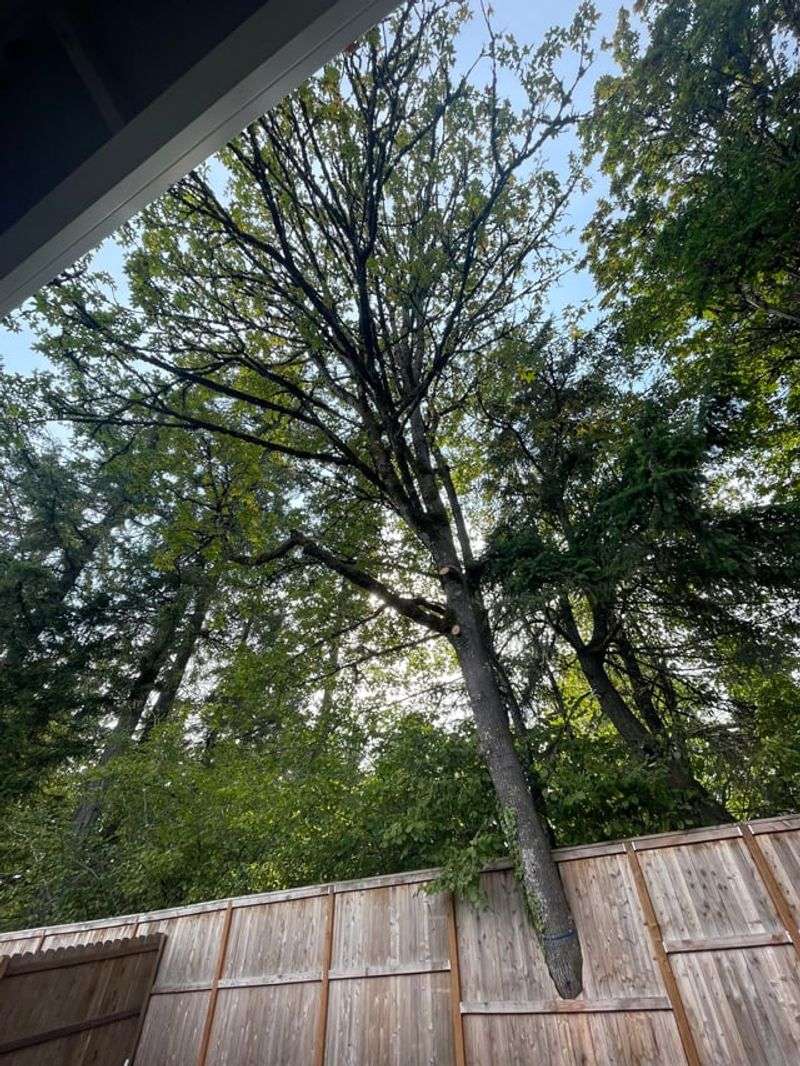
Take a slow walk around your yard twice a year, especially before the rainy season. Look up and down. Mushrooms at the base, hollow spots, peeling bark on a section, cracked limbs, and bare branches in the canopy all deserve a closer look.
Spot trouble on your neighbor’s tree? Mention it kindly and early. Offering to split the cost of an arborist visit can turn a tense topic into teamwork.
Keep your own trees healthy too, since liability works both ways. Water deeply during dry spells, avoid piling soil or mulch against trunks, and keep heavy equipment off root zones.
Check with your city before removing large trees. Many California cities protect certain species, such as native oaks, and require permits.
Finally, store photos, reports, and messages in one folder. If a storm ever brings a trunk crashing down, you will be ready, calm, and well prepared for whatever comes next.