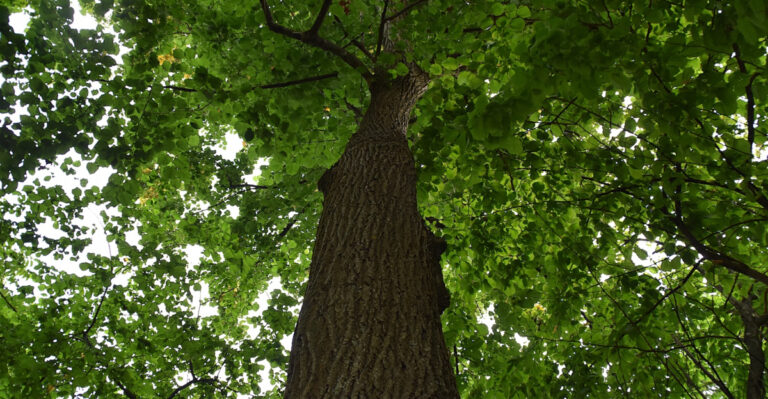
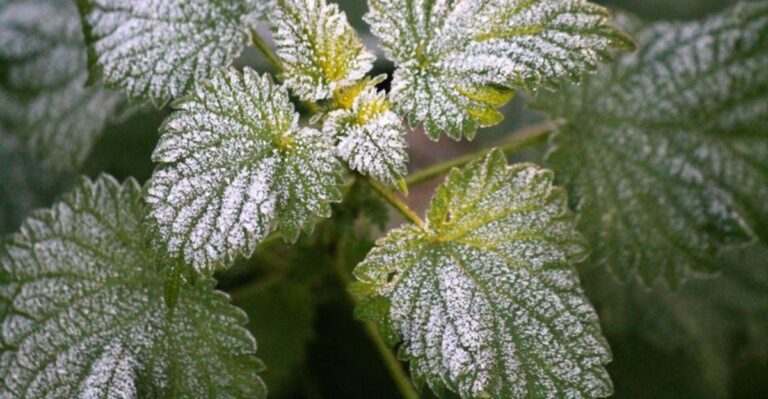
Why Nothing Will Grow Near the Black Walnut Tree in Your Virginia Yard
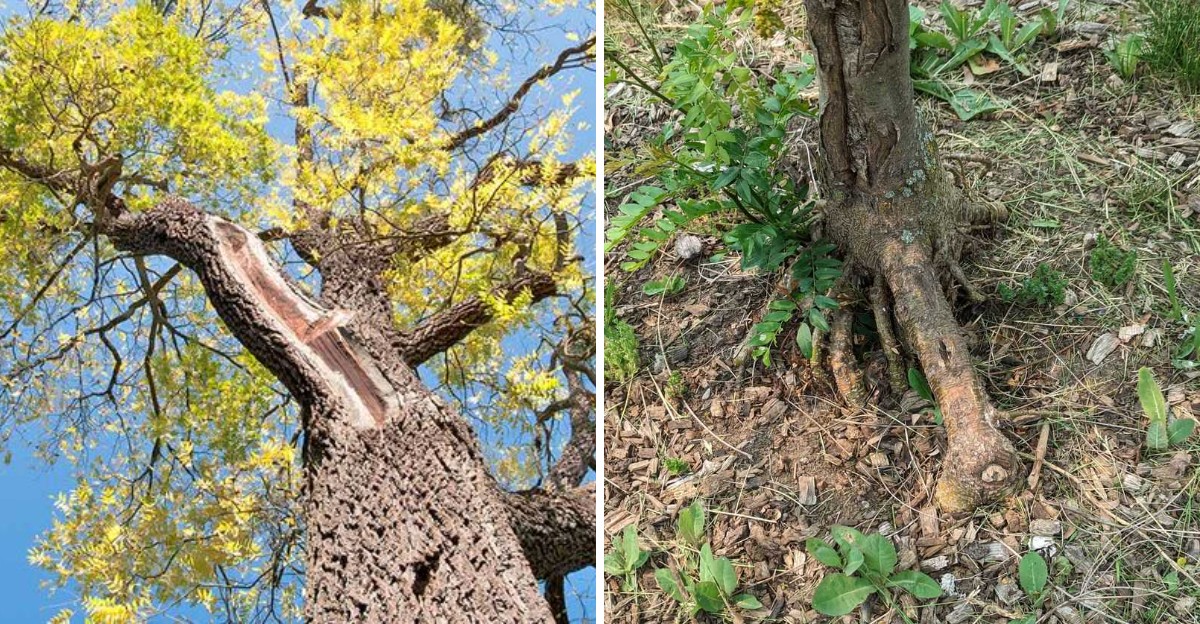
A single tree in your yard can quietly leak a natural chemical that makes tomatoes wilt in a matter of days. The soil can look rich, the sun can be perfect, and your watering can be spot on, yet the plants still sulk.
I find it fascinating that scientists noticed this odd effect thousands of years ago. The Roman writer Pliny the Elder described how some trees seemed to sicken the plants growing beneath them.
Here in Virginia, plenty of gardeners blame bad seeds, pests, or their own brown thumbs.
You might be surprised to learn the real trouble often sits overhead, dropping leaves, husks, and nuts every fall while its roots wander far under the lawn.
So what is that tree doing underground, and how far does its reach go? Better yet, which plants have learned to shrug it off?
1. That Towering Nut Tree Is Sending a Chemical Message Underground
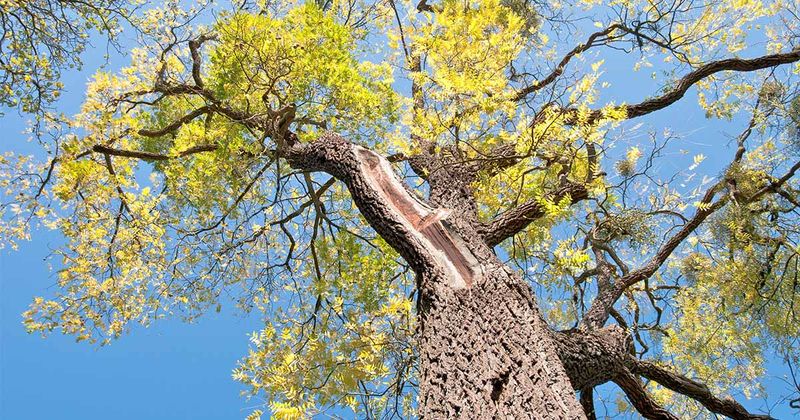
Plants talk to each other, in a way, and black walnut has one of the loudest voices in the backyard. Botanists call it allelopathy, which means one plant releases chemicals that affect its neighbors.
The black walnut, known as Juglans nigra, produces a colorless compound called hydrojuglone. Once it meets air or soil, it changes into juglone, the chemical that causes the real trouble.
Juglone shows up in the roots, leaves, stems, buds, and especially the green nut hulls.
What I find interesting is how sneaky the whole process feels. Nothing looks unusual on the surface.
Your soil can test fine for nutrients and pH, yet sensitive plants still flop.
Penn State Extension and other university programs describe juglone as a respiration inhibitor. In plain words, it blocks the way some plants turn food into energy.
Without that energy, they struggle to grow roots, take up water, and build new leaves.
Not every plant reacts, though. That detail matters a lot, because it explains why your daylilies might look great while your tomatoes collapse a few feet away.
So the title is a bit of an exaggeration. Plenty can grow near a walnut.
The trick is knowing which plants are sensitive and which ones simply ignore the chemical.
2. Wilting Tomato Plants Under a Black Walnut Are a Classic Warning Sign
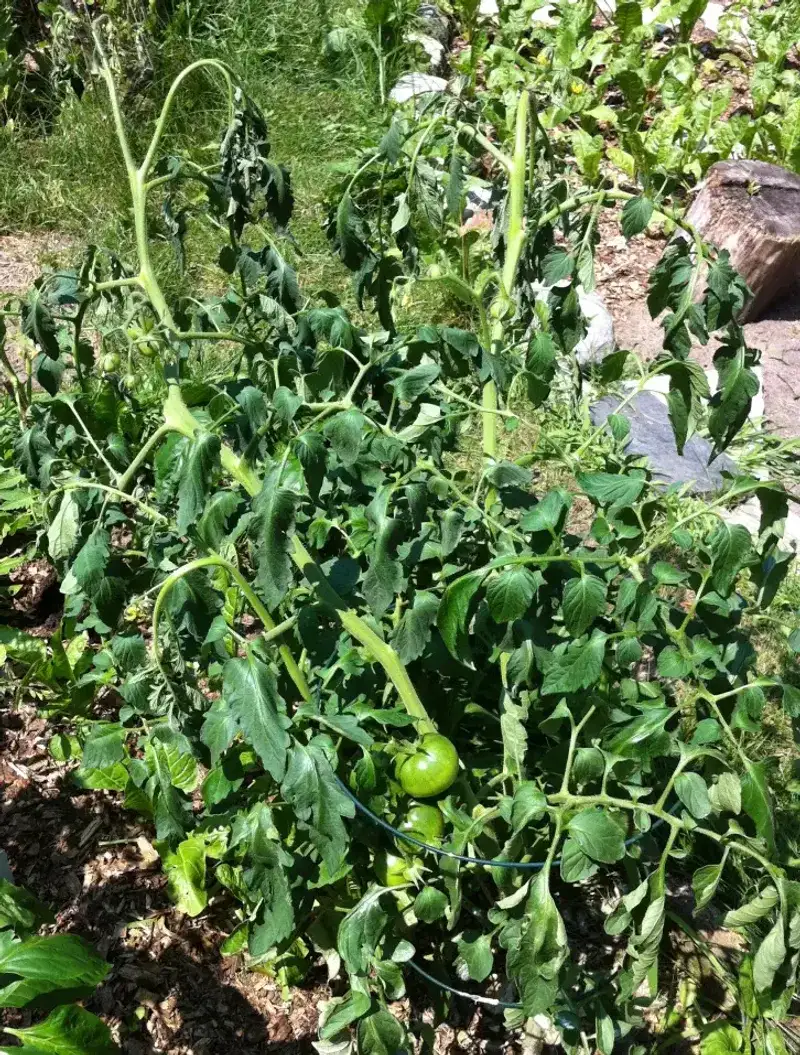
Tomatoes are the poster child for walnut trouble. Gardeners often report healthy transplants that suddenly droop in midsummer, even when the soil is still damp from yesterday’s watering.
That quick, odd wilt is the clue. Drought stress usually improves after a good soak, but juglone injury often does not bounce back.
Leaves may turn yellow, curl, and brown along the edges, and the stems can show dark streaks inside.
Other vegetables in the sensitive group include potatoes, peppers, eggplant, cabbage, and asparagus. Blueberries, blackberries, and apples also tend to struggle.
In the flower bed, azaleas, rhododendrons, mountain laurel, lilacs, and peonies often fare poorly.
Here’s something worth knowing before you jump to conclusions. Fusarium wilt, verticillium wilt, and bacterial wilt can look very similar on tomatoes.
Walnut injury is a strong suspect when the plants sit within the root zone of the tree and the problem repeats year after year.
A simple test helps. Grow the same variety in a container with fresh potting mix nearby.
If the potted plant thrives while the in-ground one sulks, the walnut is a likely culprit, and you can plan your next season with a lot more confidence.
3. Black Walnut Roots Reach Much Farther Than the Branches Above
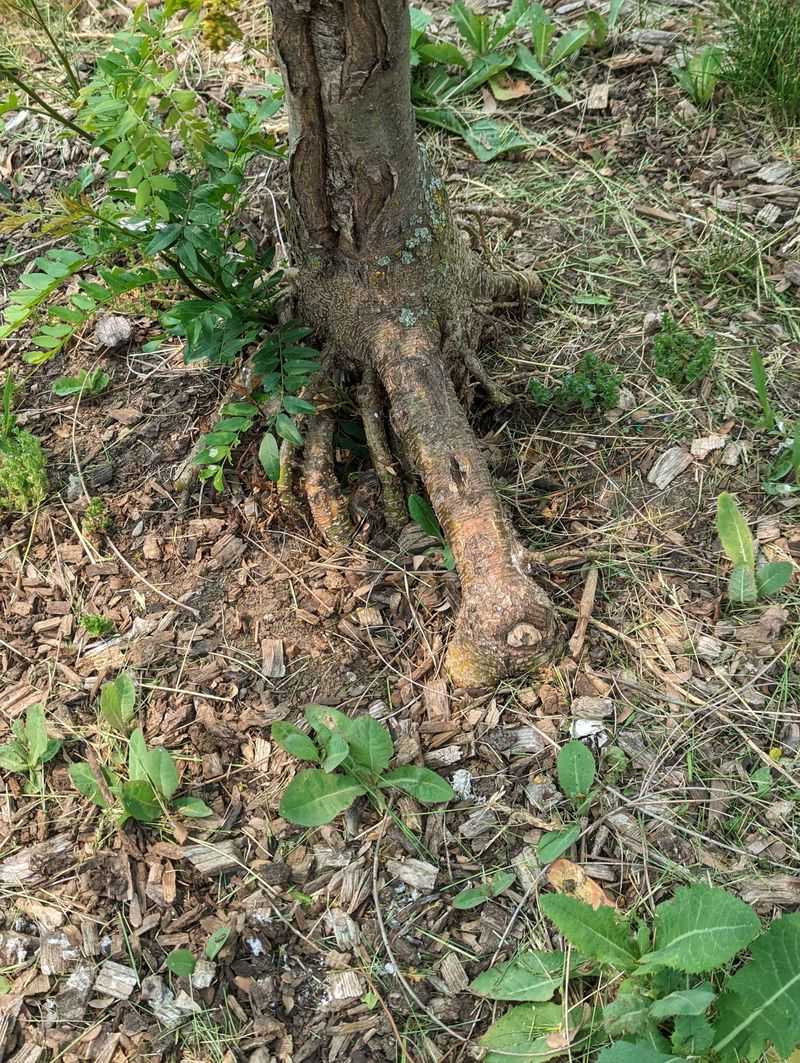
Grab a tape measure, because the answer might surprise you. Black walnut roots can spread well beyond the edge of the branches.
Most extension guides say the strongest effect sits under the canopy, out to the drip line. That is the spot where leaves and husks pile up and where feeder roots crowd together.
Still, roots of a big, mature tree can wander 50 to 60 feet from the trunk, and some sources report effects as far as 80 feet.
Young trees cause fewer problems. A walnut planted a few years ago has a modest root system, while a towering 60-year-old giant can influence a huge part of the yard.
The impact grows as the tree grows.
Removing the tree does not instantly fix the soil, either. Roots left behind keep releasing juglone as they break down, sometimes for several years.
Many Virginia gardeners learn that the hard way after a tree service hauls off the trunk.
My advice is to sketch your yard and mark the trunk, the drip line, and a wider ring around it. Treat that outer zone with caution.
Save your fussiest vegetables and shrubs for beds that sit comfortably outside the reach of those roots.
4. Hostas, Daylilies, and Bee Balm Shrug Off Walnut Chemistry
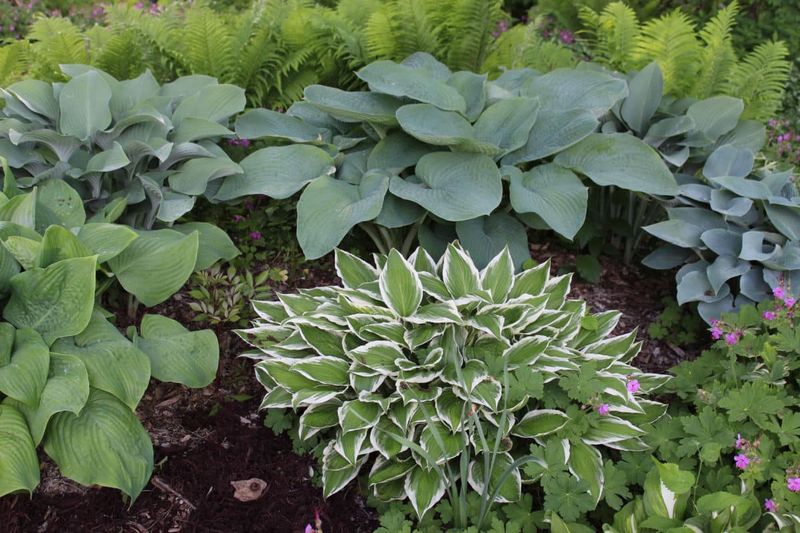
Plenty of tough, pretty plants laugh in the face of juglone. Once you know the list, gardening under a walnut feels a lot less like a guessing game.
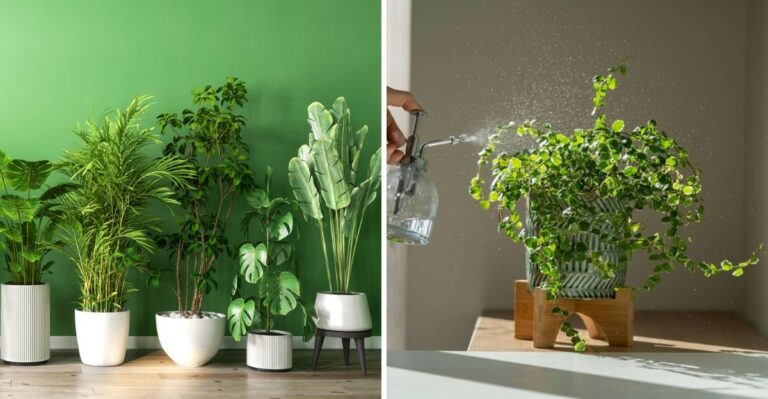
For perennials, hostas, daylilies, bee balm, asters, phlox, columbine, and Virginia bluebells have good track records. Ferns such as lady fern and wood fern add soft texture in shady corners.
Wild ginger creates a lovely native groundcover, and Jack-in-the-pulpit brings a fun, quirky look in spring.
Shrubs and trees offer options too. Flowering dogwood, redbud, red maple, sugar maple, river birch, hawthorn, ninebark, and elderberry generally tolerate walnut roots.
Many of these are native to Virginia and feed bees, birds, and butterflies.
Vegetable growers have a few choices as well. Squash, melons, beans, onions, carrots, corn, and beets tend to grow fine near walnuts.
That makes a summer bed of beans and squash a smart swap for tomatoes.
Tolerance lists from different universities vary a little, so trial a plant or two before buying a whole flat. I love that a shady walnut corner can turn into a native woodland garden full of color.
Sometimes the tree pushes you toward plants you might have overlooked.
5. Raised Garden Beds Can Rescue Your Vegetables Near a Walnut
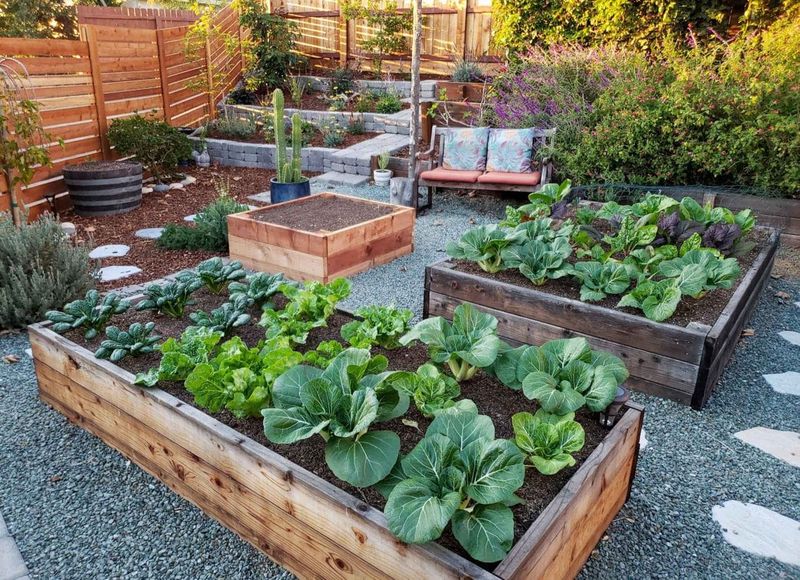
Really want tomatoes in that walnut-shadowed yard? Raised beds are your best friend.
The idea is simple. You build a bed above ground and fill it with fresh soil and compost, so your plants grow roots in clean material instead of walnut-tainted ground.
Make the bed at least 10 to 12 inches deep for most vegetables, and deeper if you can manage it.
Many extension sources suggest lining the bottom with water-permeable landscape fabric. Water still drains, but it slows walnut roots that try to creep upward into your rich new soil.
Over time those roots may still find a way in, so check every few years.
Placement matters too. Set the bed as far from the trunk as your space allows, and keep it out of the leaf drop zone.
A bed sitting under the canopy will collect leaves and husks all autumn.
Containers work in the same way and offer even more flexibility. A large pot of peppers on a sunny patio skips the walnut problem entirely.
I think a few big pots are one of the easiest ways for renters or beginners to enjoy fresh vegetables without fighting the tree.
6. Raking Up Fallen Walnut Leaves and Green Husks Keeps Beds Cleaner
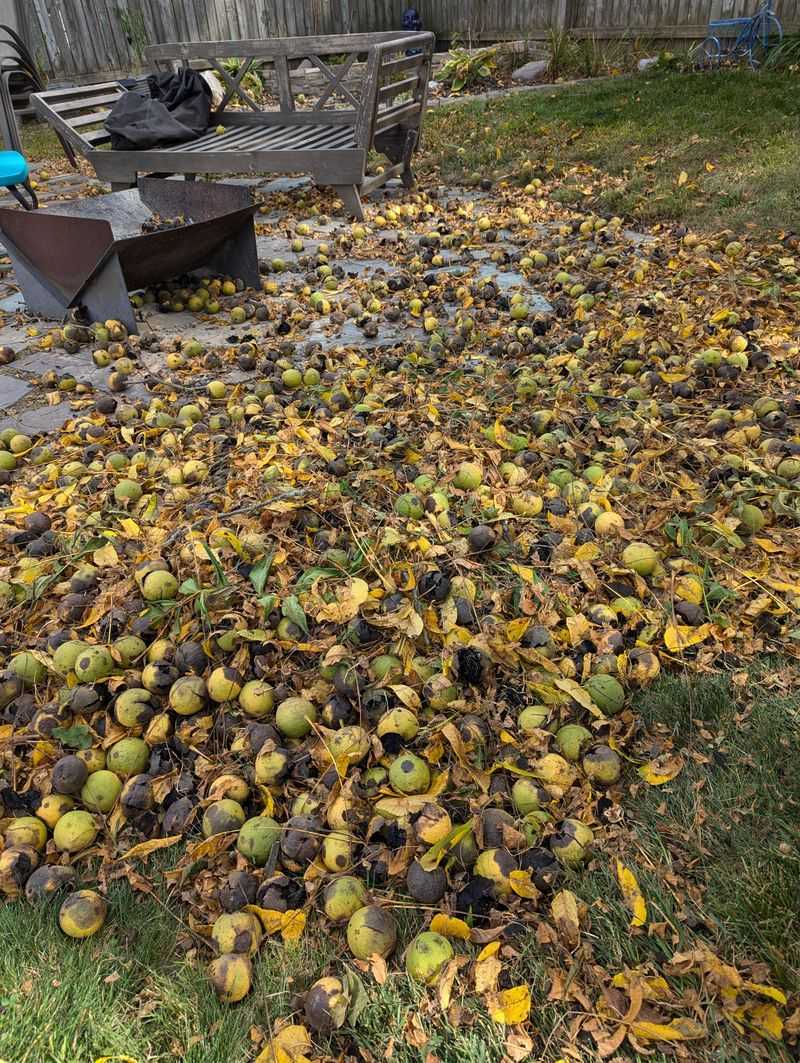
Autumn in Virginia brings a steady rain of tennis-ball-sized green husks. They stain your hands, roll under your feet, and squirrels go wild for them.
Those husks, along with the leaves, carry juglone. When they sit on garden beds and break down, they add more of the chemical to the soil.
Regular cleanup is one of the easiest ways to reduce the load.
Rake beds often during leaf drop, and gather nuts before they rot in place. Wear gloves, because the husk juice leaves brown stains that can last for days.
Pioneers once used that same juice to dye cloth and wool.
Composting walnut debris takes some care. Leaves usually break down within a few weeks in an active pile, and studies show juglone fades as microbes work on it.
Bark, wood chips, and sawdust take far longer, often around six months or more.
A smart rule is to keep fresh walnut wood chips out of vegetable gardens and flower beds. Give compost made with walnut parts plenty of time and good heat.
When in doubt, test a little finished compost with a few tomato seedlings before spreading it across your whole garden.
7. Loose, Well-Drained Soil Helps Break Down Juglone Faster
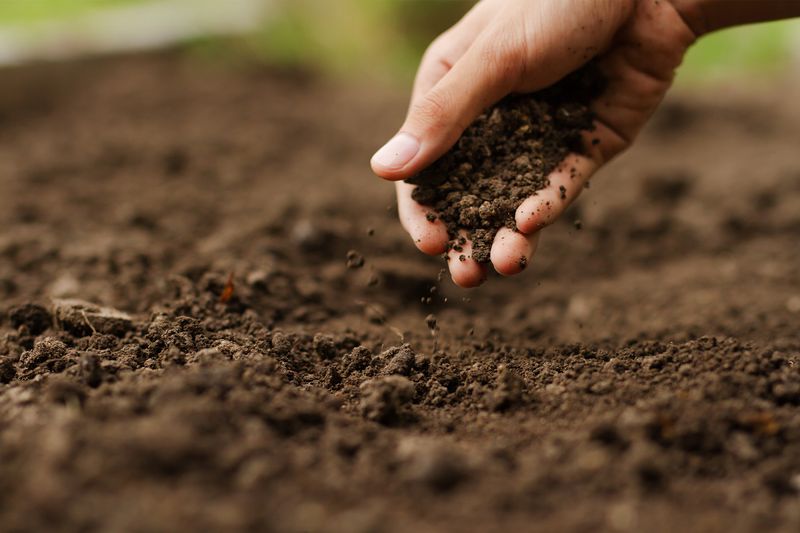
Soil microbes are the unsung heroes of this story. Many bacteria and fungi can break juglone down, and they do their best work in healthy, airy ground.
Research summarized by several extension services shows juglone tends to linger in heavy, soggy, or compacted soil. Low oxygen slows the microbes, so the chemical sticks around longer.
Well-drained soil rich in organic matter helps it fade faster.
That matters in Virginia, where clay soils are common across the Piedmont. Red clay can pack down hard and hold water after storms.
Adding compost each year and avoiding foot traffic on wet beds helps the soil breathe.
Mulching with shredded leaves from other trees, or with pine straw, adds organic matter over time. Just keep fresh walnut chips out of the mix.
Planting cover crops in empty beds can also feed soil life.
I wouldn’t call better soil a cure. A big walnut keeps producing juglone, and sensitive plants may still complain.
Still, healthy soil gives borderline plants a much better shot, and it improves nearly everything else you grow too. Think of it as a bonus that pays off all over the yard.
8. Your Black Walnut Tree Might Be Worth Keeping After All
Before you call a tree crew, pause and look at what that walnut gives back. Black walnut is a native species across Virginia, and it supports a remarkable amount of wildlife.
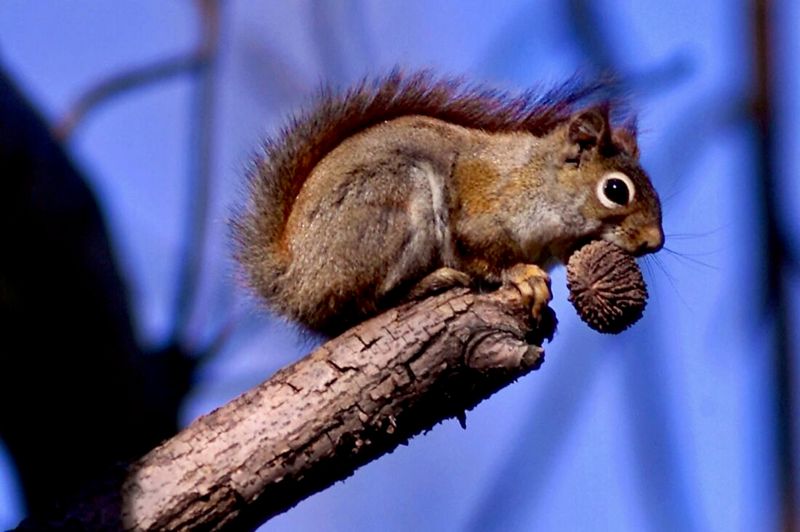
Squirrels, chipmunks, and other mammals feast on the rich nuts. Native caterpillars feed on the leaves, which helps feed songbirds raising their young.
The shade cools your house in summer, and the dark, heavy wood is prized by furniture makers.
The nuts themselves are delicious, with a bold, smoky flavor that differs from store-bought English walnuts. Cracking them takes patience and a sturdy tool, but many families still gather them each fall.
Your best next step is a simple plan. Map the root zone, move sensitive vegetables into raised beds or containers, and fill the shady areas with tolerant natives like ferns, bluebells, and wild ginger.
Clean up husks and leaves on a regular schedule.
If the tree is unsafe or truly in the way, a certified arborist can help you decide. Your local Virginia Cooperative Extension office also offers free advice through its Master Gardener volunteers.
With a little planning, the walnut can become a centerpiece of the garden instead of a problem.