What California Hydrangeas Need This Month To Bloom Bigger Next Spring
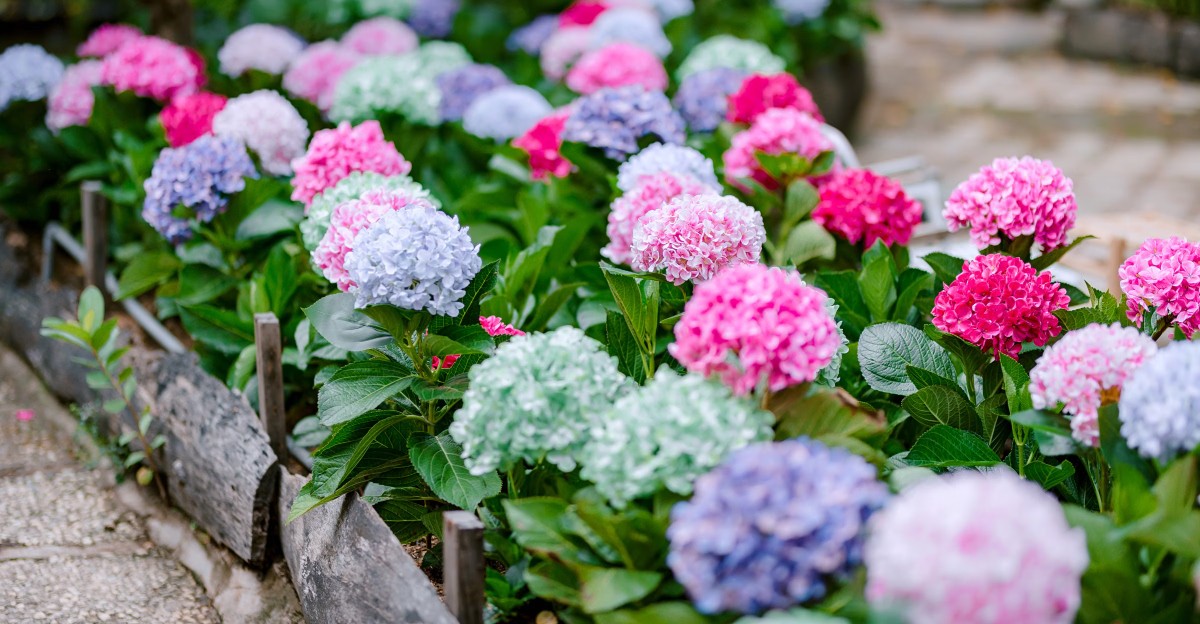
Sulfur worked into garden soil this month needs several months of help from soil bacteria before a pink shrub can start shifting toward blue. I love how this quiet chemistry turns late fall into the real starting line for next year’s color.
Many California yards lean neutral to alkaline, and hard tap water slowly nudges that pH even higher. Mild, damp weeks between autumn storms also give roots a calm stretch to settle in before spring growth begins.
Here’s my two cents: this is the easiest month all year to set a shrub up for success. A simple soil test, a fresh layer of mulch, and a little restraint with the pruners go a long way.
One easy habit protects tender buds on frosty nights, and another keeps you from feeding at the wrong time. Which shady corner of your yard deserves the fullest flower heads next season?
Keep Watering Hydrangeas Until Winter Rains Arrive
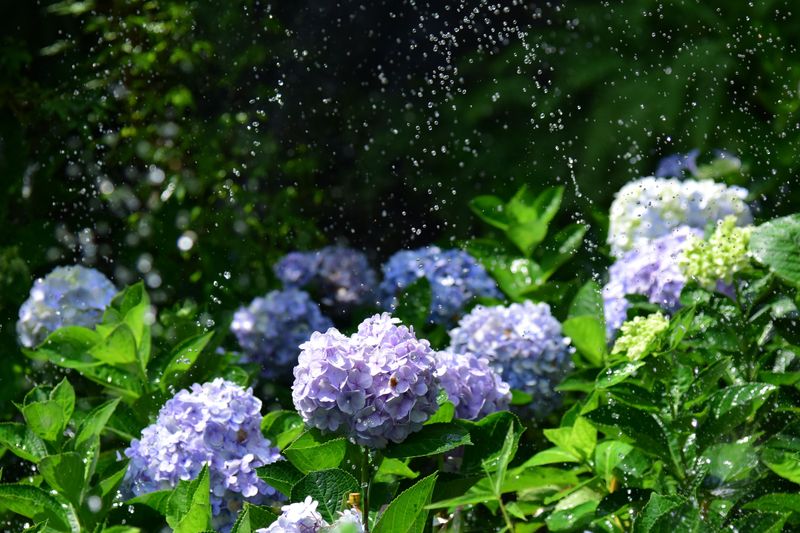
Bigleaf hydrangeas got their genus name from Greek words meaning water vessel, and the name fits perfectly. I have watched a thirsty shrub droop by lunchtime, even on a cool and breezy autumn afternoon in October.
Many California gardeners coil up the hose in fall, but our rainy season often starts slowly and unevenly. Some years bring soaking storms by now, while other years leave flower beds bone dry and dusty well into December.
Push a finger gently into the soil near the base, and check the moisture about two inches down. If it feels dry at that depth, your shallow-rooted shrub is ready for a slow, deep drink.
Flower buds for next spring are already forming on old stems, and dry roots can stress them. Steady moisture now helps those tiny buds stay plump instead of shriveling before winter even settles in.
Southern gardeners should watch for dry Santa Ana winds, which can pull moisture from stems surprisingly fast. After a windy spell, I check my shrubs the next morning and water any that look limp.
A soaker hose or drip line works beautifully because it soaks the root zone without wetting leaves. Dry foliage helps reduce leaf spot problems, which tend to show up when cool, damp weather lingers.
Once real rain soaks your garden regularly, you can ease back and let the clouds handle the job. Soggy soil causes its own trouble, so skip watering whenever the ground still feels cool and damp.
Spare The Plump Buds On Bigleaf Hydrangea Stems
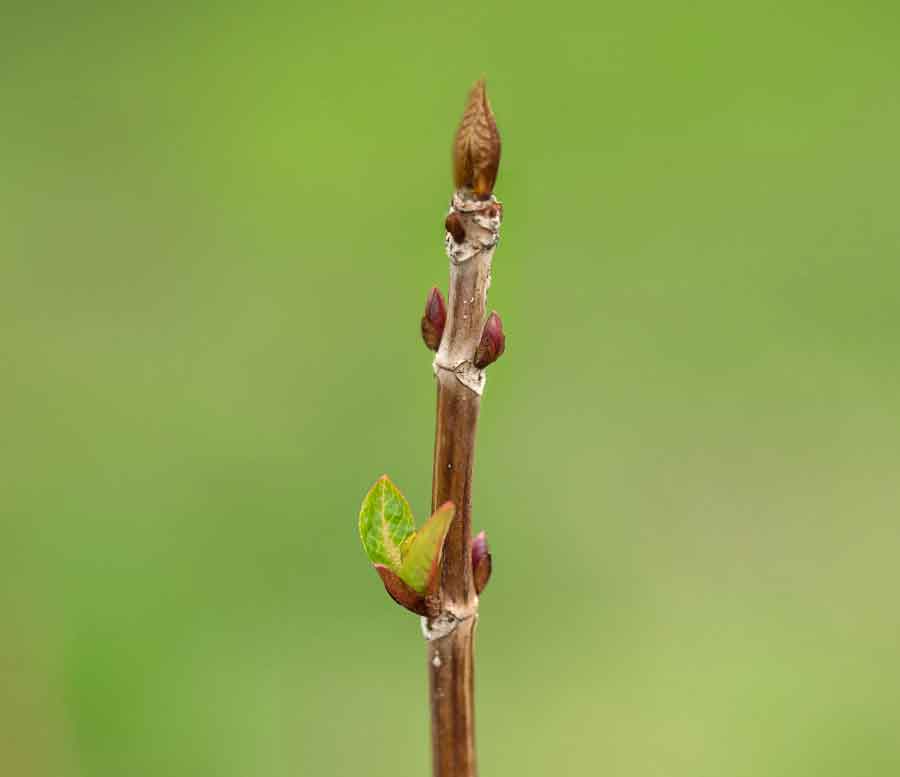
Those fat, green buds sitting at the tips of bigleaf hydrangea stems hold next spring’s flowers right now. I have to admit that I once trimmed every stem neatly and enjoyed a summer of leaves only.
Bigleaf and mountain hydrangeas bloom on old wood, so their buds form on stems grown during this season. Oakleaf hydrangeas follow the same pattern, so hard cuts in fall remove flowers you have not seen yet.
In mild coastal gardens, light winter cleanup is fine if you understand which stems carry the buds. Stems that flowered this year can be cut back to the first pair of fat, healthy buds.
Stems that skipped flowering usually carry a big bud at the tip, so leave those stems alone this winter. That tip bud is often the one that produces the biggest flower head on the whole plant.
Panicle and smooth hydrangeas play by different rules because they bloom on fresh growth each spring and summer. You can shape those types in late winter without losing flowers, which feels wonderfully forgiving to me.
If you are unsure which kind you own, look closely at the leaves and the flower shape. Bigleaf types have broad, glossy leaves, while panicle types carry cone-shaped clusters that often fade to soft pink.
Whatever the type, removing broken or crossing stems now is safe and improves airflow through the shrub. When in doubt, keep your pruners in the shed and let the plant show you its buds.
Hold Off On Feeding Hydrangeas Until Spring Growth
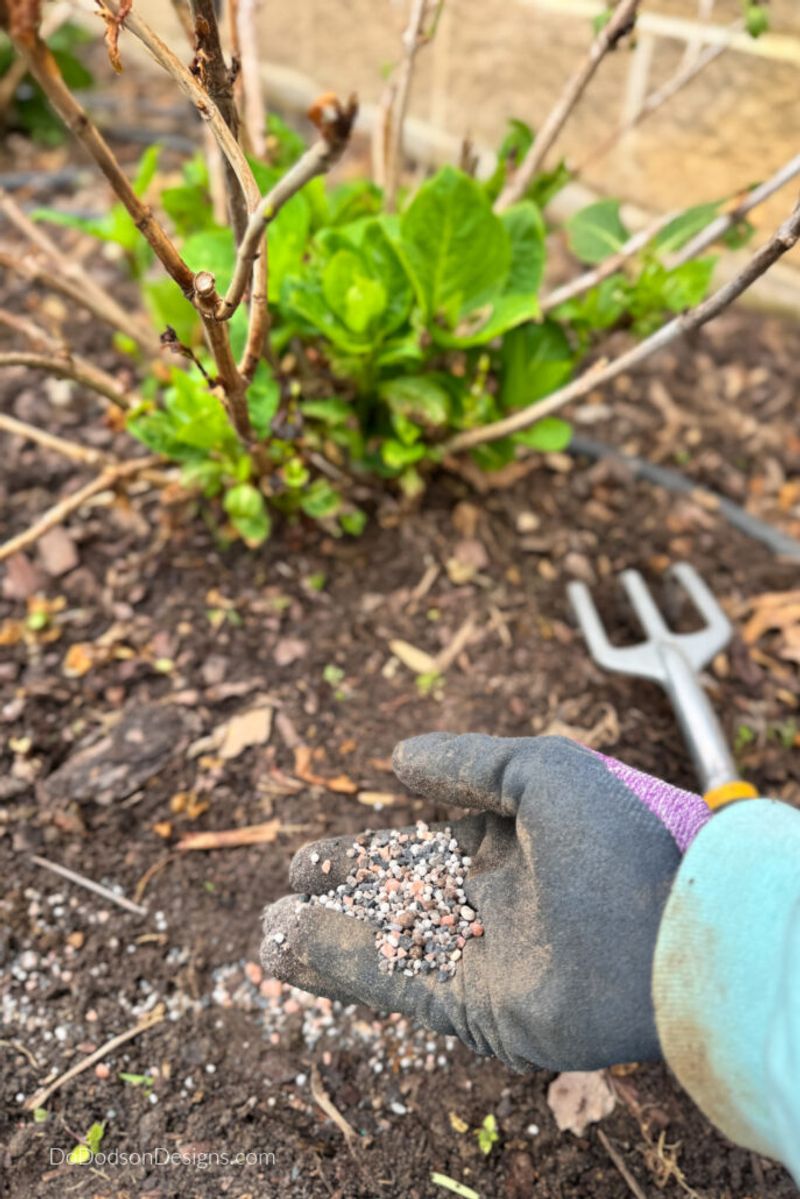
Feeding a sleepy shrub in late fall is a bit like handing a toddler candy right before bedtime. Personally, I find this rule the hardest to follow, because a bag of fertilizer feels like pure kindness.
Hydrangeas slow down as days shorten, and they cannot use a big dose of nutrients very well. Extra nitrogen now can push soft new shoots that frost easily damages on the first chilly night.
Inland valleys and foothill towns see regular frost, so tender growth there often turns brown and mushy. Even along the coast, too much nitrogen tends to create big leafy plants with fewer flower heads.
Save your slow-release fertilizer for early spring, when fresh green leaves unfold and roots wake up hungry. A balanced product applied at label rates then gives the plant energy right when it needs it most.
One gentle exception is a thin layer of well-aged compost spread over the root zone this month. Compost releases nutrients slowly through winter, and it feeds helpful soil life without forcing quick, weak growth.
I like how compost also improves heavy clay, which is common in many neighborhoods around the state. Better soil structure lets roots breathe and drink more easily once spring growth kicks into gear.
Mark a reminder on your calendar for late February or March, depending on when your shrubs leaf out. Patience now pays off later, and your plants will put that spring meal straight into bigger blooms.
Tuck A Blanket Of Mulch Around Hydrangea Roots
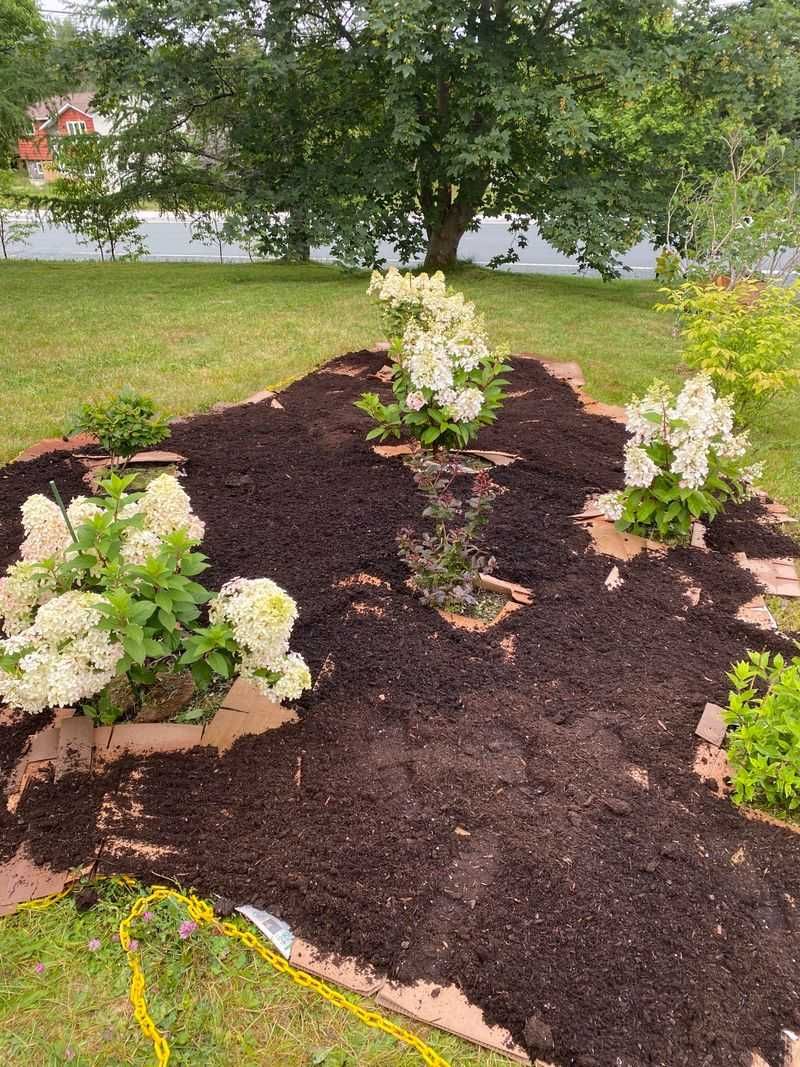
Hydrangea roots stay mostly in the upper foot of soil, so they feel every swing in temperature. I love how a fluffy layer of mulch works like a cozy quilt for those hardworking roots.
Spread two to four inches of organic mulch across the root zone, reaching out toward the drip line. Keep the mulch a few inches away from the main stems so the crown stays dry and healthy.
Shredded leaves make a free and wonderful choice, especially when you run them over with a mower first. Whole leaves tend to mat into a soggy layer that blocks rain from soaking down to the roots.
Arborist wood chips are another solid option, and many tree services in California give them away for free. Chips break down slowly over time, adding organic matter while keeping weeds from stealing water and nutrients.
Mulch also slows evaporation, which matters a lot during those warm, breezy stretches between autumn storms. Your watering chores shrink, and the soil stays evenly damp instead of bouncing between dusty and soggy.
Pine needles break down into slightly acidic organic matter, though their effect on soil pH stays fairly small. Still, I enjoy using them under blue bigleaf shrubs because they look tidy and rarely blow away.
Top up thin spots each fall, since old mulch slowly melts into the soil as worms pull it down. That slow breakdown quietly improves your soil, which means healthier roots and stronger stems by spring.
Adjust Soil For Blue Or Pink Hydrangea Flowers
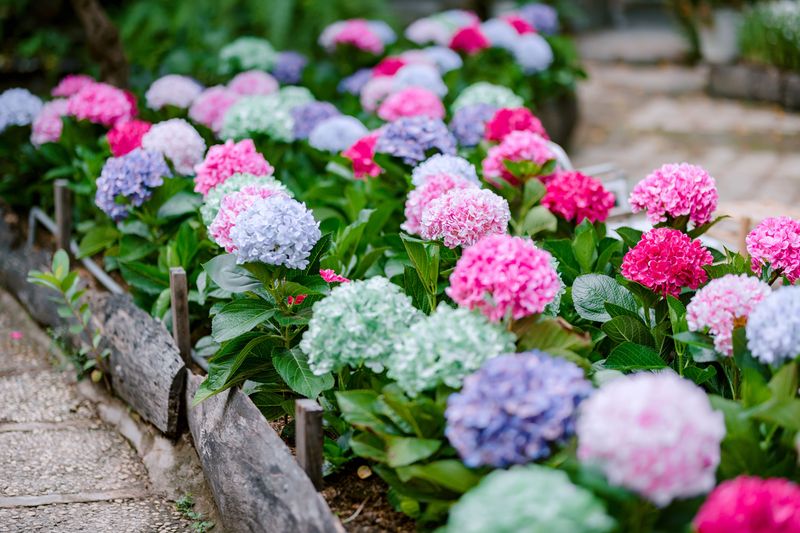
Blue bigleaf flowers get their color from aluminum, which the roots only absorb easily in acidic soil. You’re in for a big surprise if you move a blue shrub into chalky ground and watch it blush pink.
Many soils across California lean neutral to alkaline, and hard tap water can nudge the pH even higher. That explains why so many local bigleaf shrubs drift toward pink or muddy purple over a few years.
Start with a simple soil test, since guessing often leads to adding the wrong amendment in the wrong amount. Blue flowers usually show up around pH 5.2 to 5.5, while pink shades appear above roughly 6.0.
To lower pH, work in garden sulfur this month, because soil bacteria need several months to convert it. Follow label rates carefully, since too much sulfur at once can burn shallow roots and stress the plant.
Gardeners who prefer pink can spread garden lime instead, which slowly raises pH and limits aluminum uptake. I believe pink is the easier goal in most local yards, simply because the soil already leans that way.
Container growing makes blue blooms much easier, since you control the potting mix from the very start. Collected rainwater helps too, because it lacks the minerals that slowly push pot soil toward alkaline.
White hydrangeas stay white no matter what you add, so skip the amendments and enjoy their crisp look. Color changes take time, and you might notice a mix of shades on one shrub during the shift.
Leave Faded Hydrangea Blooms To Shield Tender Buds
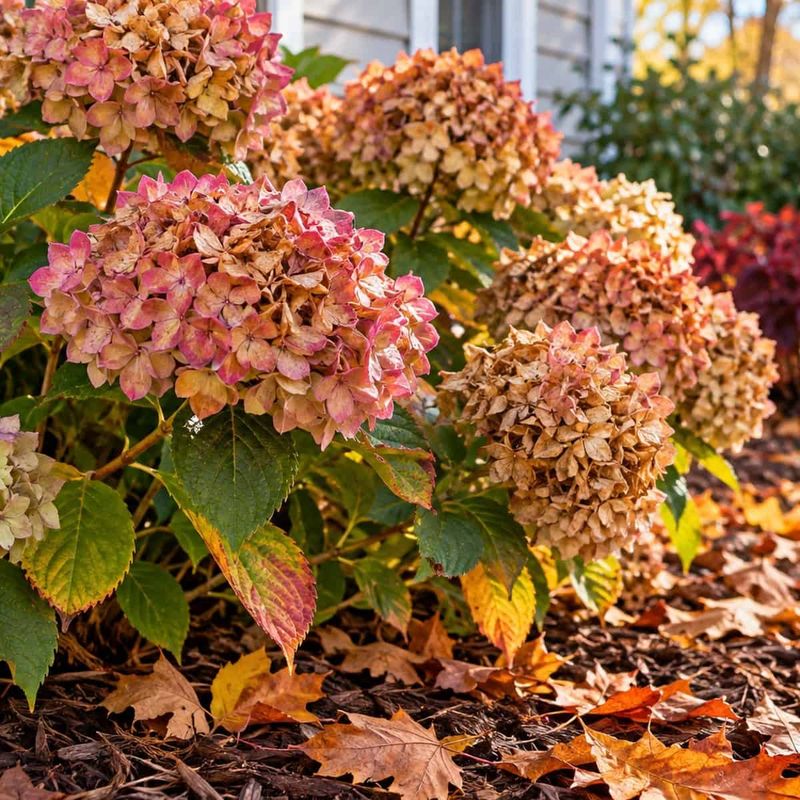
Those papery, antique-looking flower heads hanging on your shrub right now are more useful than they appear. I like how they fade into dusty rose and soft green, almost like pressed flowers in an old book.
Many gardeners leave spent blooms in place through winter, since they offer a little cover for buds below. That small shield matters most in inland valleys and foothill towns where frosty mornings show up regularly.
Along the mild coast, you can snip faded heads if you cut just above the first healthy bud pair. Cutting lower than that removes next spring’s flowers, so slow down and look closely before every snip.
When forecasts call for a hard frost, drape frost cloth or an old bedsheet over young shrubs overnight. Let the fabric reach the ground, since it traps warmth rising from the soil like a little tent.
Skip plastic sheeting touching the plant, because cold passes through easily and trapped moisture invites fungal trouble. Pull covers off the next morning once temperatures climb, so the shrub can breathe and soak up sunlight.
Fallen leaves around the base can hide leaf spot spores, so rake up spotted foliage and bag it. Keeping that area tidy gives fresh spring leaves a cleaner start once the weather finally warms back up.
I can’t imagine a more rewarding sight than plump buds swelling green on stems I protected all winter. A few minutes of care on chilly evenings can mean a shrub packed with big blooms next spring.