This Native Tree Has the Best Fall Red in North Carolina, Yet Most Yards Never Plant It
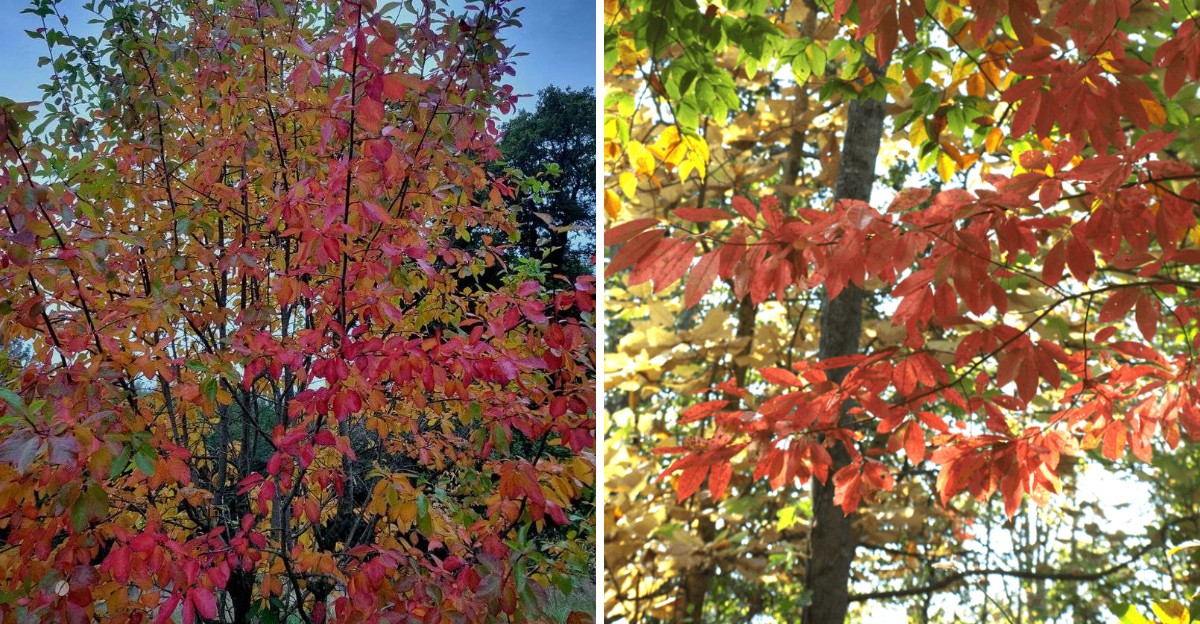
One tree in our woods can turn scarlet while August heat still hangs in the air. Its leaves often flip to red before most maples even start thinking about autumn.
That early show is no fluke. Foresters across North Carolina know this tree well, and bees know its spring flowers even better. Its nectar helps make the famous tupelo honey sold at roadside stands.
I can’t help but think that something this beautiful deserves a spot in more yards. Yet you rarely see it at big box garden centers, and many homeowners have never heard its name.
There’s actually a good reason it gets passed over, and it has nothing to do with looks. The real question is whether that reason should stop you. I tend to think it shouldn’t, once you learn what this glossy-leaved native can do.
1. Those Glossy Blackgum Leaves Turn Scarlet Before Anything Else
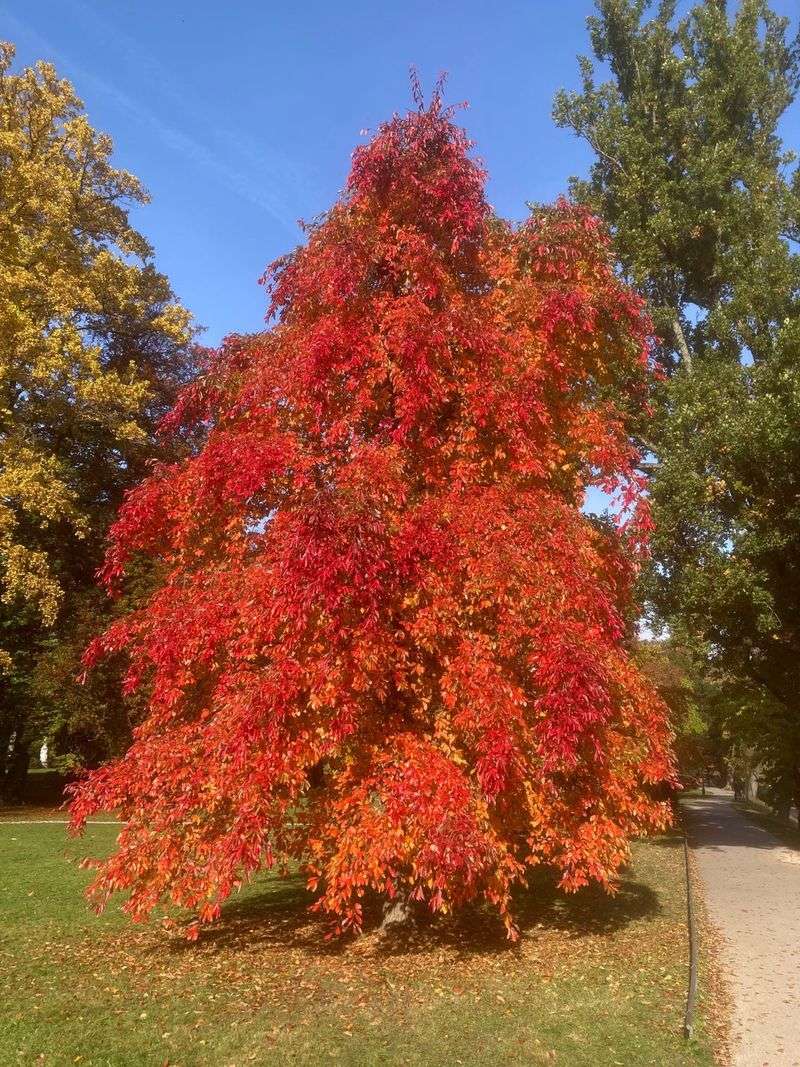
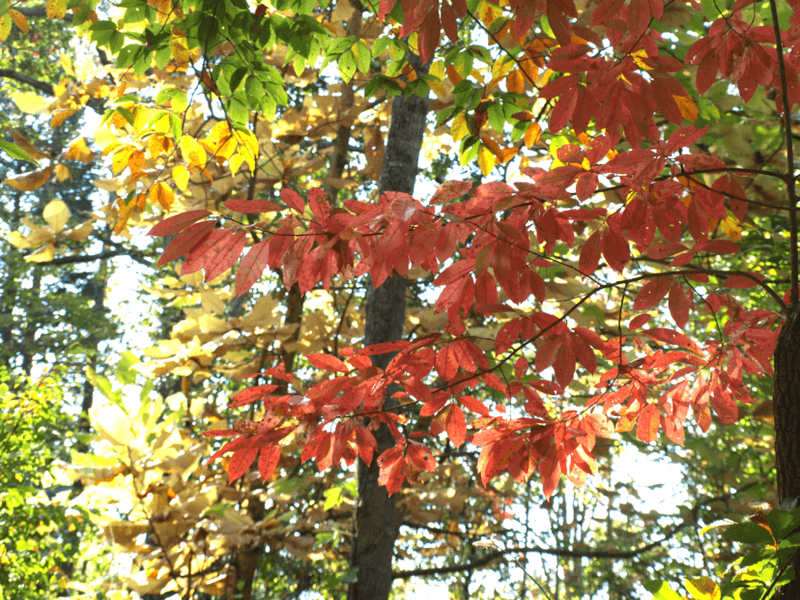
Blackgum, also called black tupelo or Nyssa sylvatica, often starts its color change in late August or September. That head start makes it one of the first native trees to light up North Carolina roadsides.
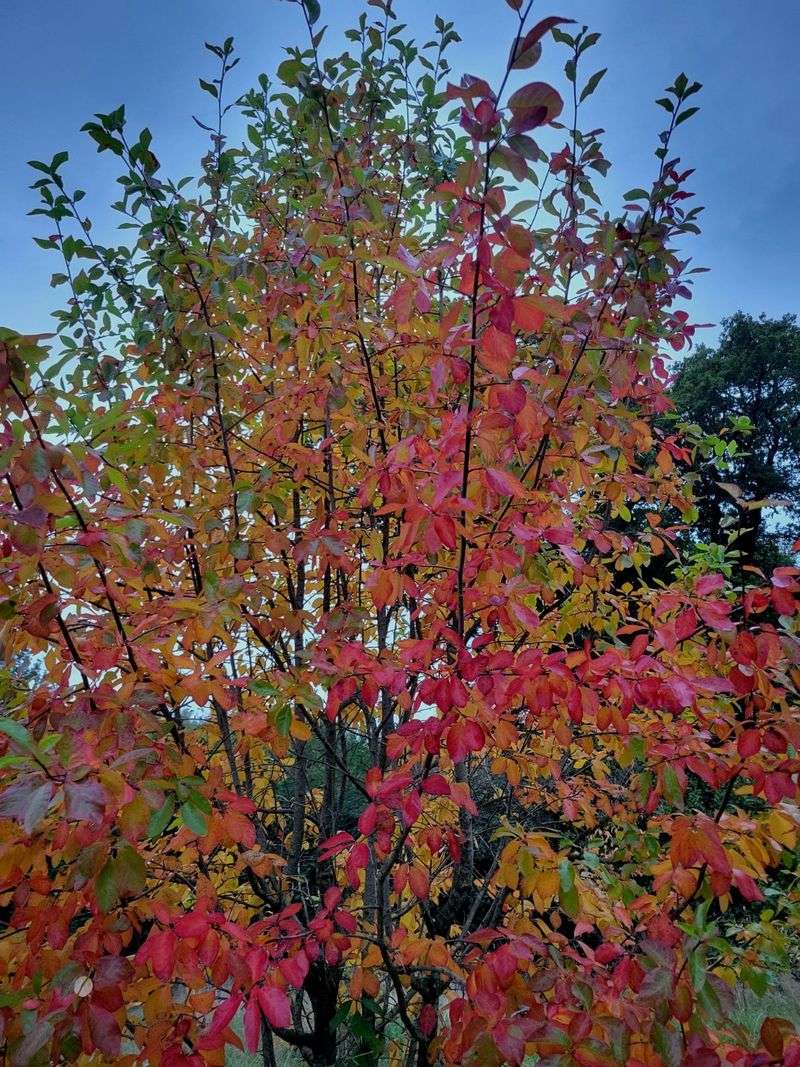
The leaves are glossy and smooth, so the color almost seems to shine. Shades run from fire-engine red to deep burgundy, sometimes with orange and purple mixed on the same branch. A single tree can hold that show for several weeks.
What makes the red so strong? As days shorten, the tree stops making green chlorophyll. It then builds red pigments called anthocyanins, especially when days are sunny and nights turn cool.
That explains why blackgums in open fields often outshine those in deep shade. More sun means more sugar in the leaves, and more sugar helps feed that rich red color.
Many tree experts rank blackgum alongside red maple and sourwood as top fall color natives in the Southeast. Unlike some maples, its color is fairly reliable from year to year.
If you want a front-row seat, plant one where morning or afternoon sun hits it. A spot you can see from a kitchen window works beautifully.
2. A Deep Blackgum Taproot Explains Why Nurseries Skip It
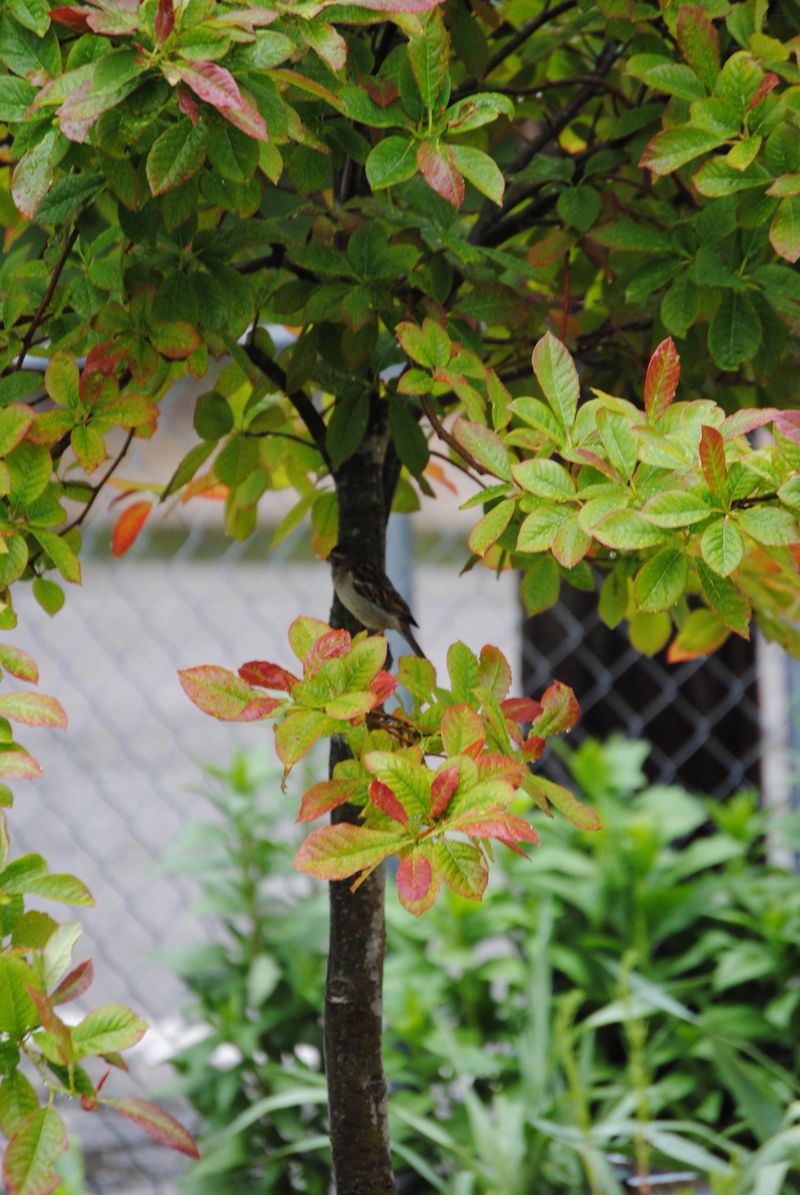
Here is the twist most gardeners miss. Blackgum grows a long taproot early in life, and that root dislikes being disturbed.
Big field-dug trees often struggle after transplanting because so much of that root gets cut. Nurseries learned that lesson the hard way, so many stopped growing large ones. Fewer trees for sale means fewer trees in yards.
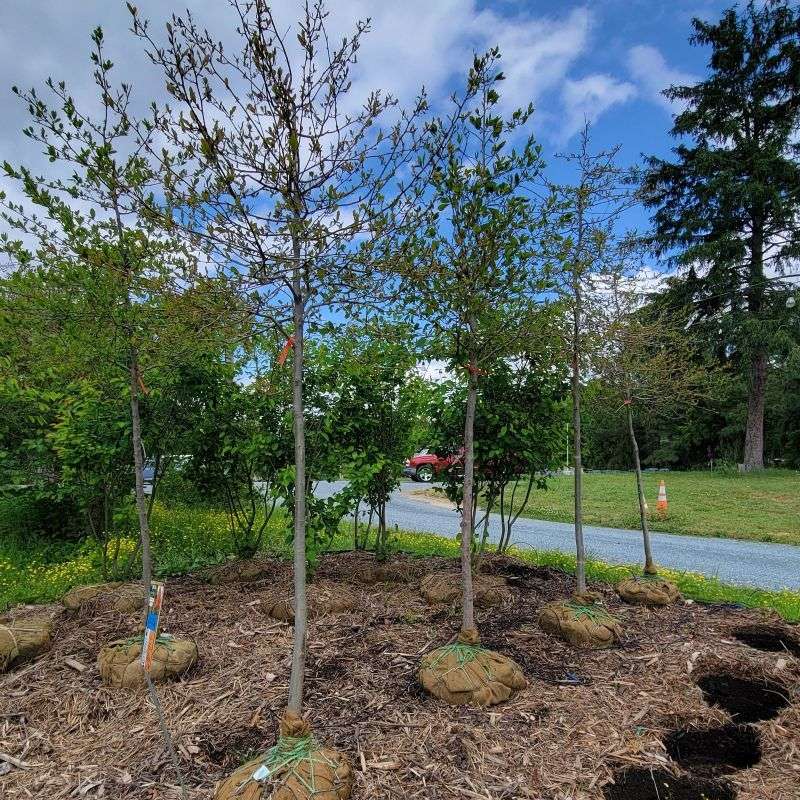
The fix is simple. Buy a small tree grown in a container, ideally under six feet tall. Container trees keep their roots intact, and they settle in much faster.
When planting, dig a hole two to three times wider than the pot but no deeper. Set the root flare at or slightly above soil level. Loosen any circling roots gently, then backfill with the native soil you removed.
Water deeply once or twice a week through the first summer unless rain does the job. A two to three inch ring of mulch helps hold moisture, but keep it off the trunk.
In North Carolina, fall and late winter are the best planting windows. Cool air and steady rain give roots time to grow before summer heat arrives.
3. Slow Blackgum Growth Pays Off for Generations
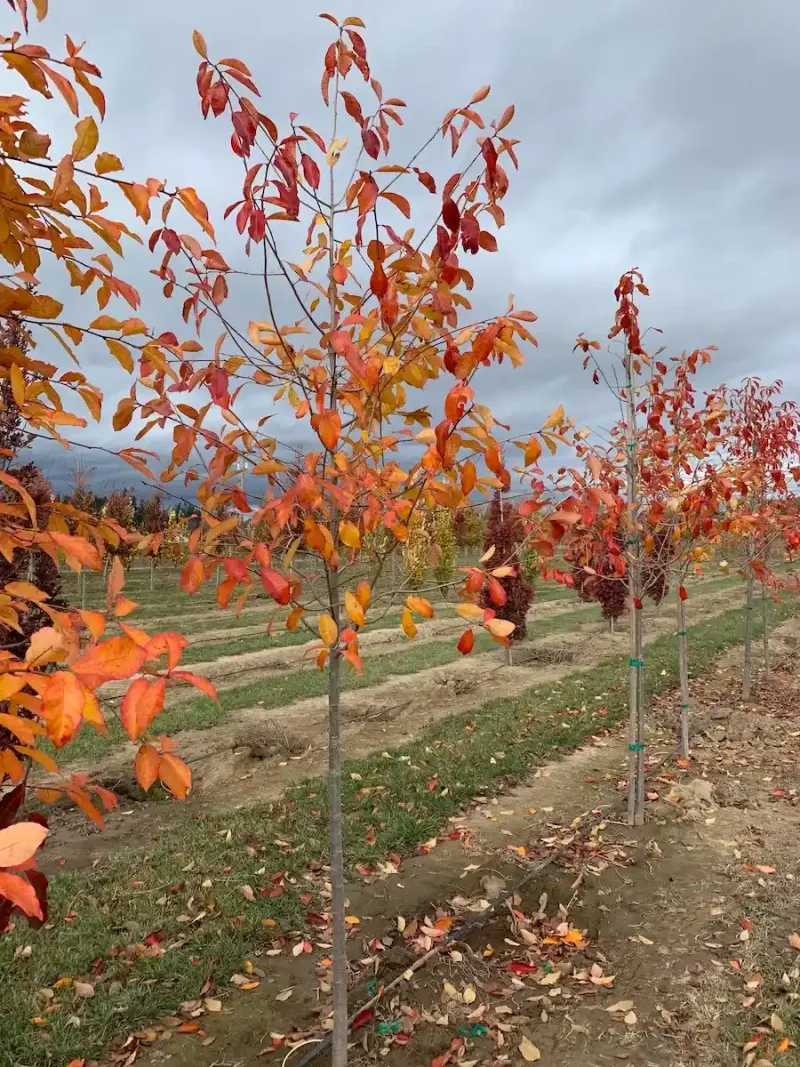
Patience is the price of admission with this tree. Blackgum usually grows about one to two feet per year, depending on soil, sun, and water.
That pace means a young tree may reach around 12 to 15 feet in its first ten years. Over time, many landscape trees grow 30 to 50 feet tall, and wild ones can climb higher.
Young blackgums have a neat pyramid shape with branches that stick out almost straight from the trunk. As they age, the crown rounds out and some lower branches droop a bit. It looks tidy without much pruning.
Slow growth comes with perks. The wood is tough and interlocking, so the tree handles storms better than many fast growers like Bradford pear. You also avoid the weak limbs that plague quick shade trees.
Fun fact: blackgum is one of the longest-lived hardwoods in eastern North America. Researchers have found wild trees older than 600 years.
Think of it as a gift to whoever lives at your house in fifty years. Plant one now, and you still get bright red leaves within a few seasons.
4. Blackgum Handles Clay, Wet Spots, and Dry Ridges
Got heavy red clay that holds water after a storm? Blackgum may be the tree that finally solves that soggy corner.
In the wild, it grows across all of North Carolina, from mountain ridges to Piedmont forests to coastal swamp edges. That range shows how adaptable it is. It does well in USDA zones 4 through 9, which covers the whole state.
It prefers moist, acidic, well-drained soil. Still, established trees tolerate clay, short droughts, and occasional standing water. That makes it handy for rain gardens or low spots where other trees sulk.
The one thing it struggles with is alkaline soil. High pH can cause yellow leaves from poor iron uptake. Most native soils here are naturally acidic, but areas near new concrete or limestone gravel can run higher.
A soil test through the North Carolina Department of Agriculture is cheap and easy. Grab a sample from your planting spot and mail it in for a clear pH reading.
For the strongest fall color, pick full sun. Blackgum can grow in partial shade, but the red is richer and the shape fuller with more light.
5. Songbirds Race to Grab Those Blue-Black Blackgum Berries
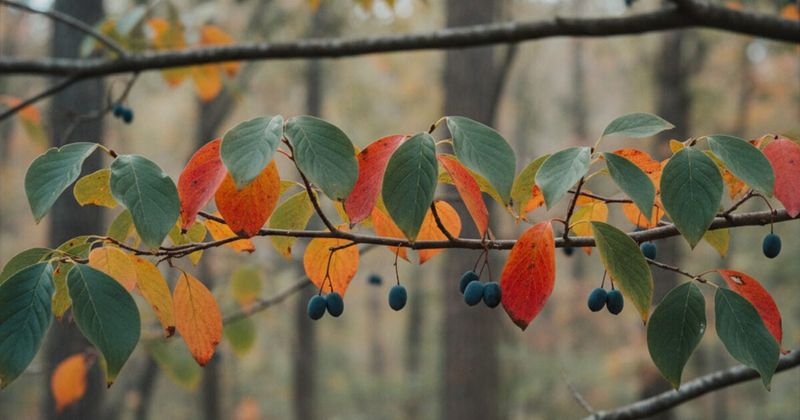
Watch a fruiting blackgum in early fall and you may see a bird traffic jam. Robins, thrushes, mockingbirds, and woodpeckers all show up for the small blue-black fruits.
Those fruits are rich in fat, which makes them valuable fuel. Migrating birds need high-energy food to cross long distances, and blackgum ripens right when they pass through.
Wild turkeys, black bears, foxes, and other mammals also eat the fruit. Deer browse young twigs and leaves, so protect small trees with a cage for the first few years.
One detail surprises many people. Blackgum trees are usually either male or female, and mostly the females produce fruit. A male nearby is needed for pollination, though wild trees often handle that.
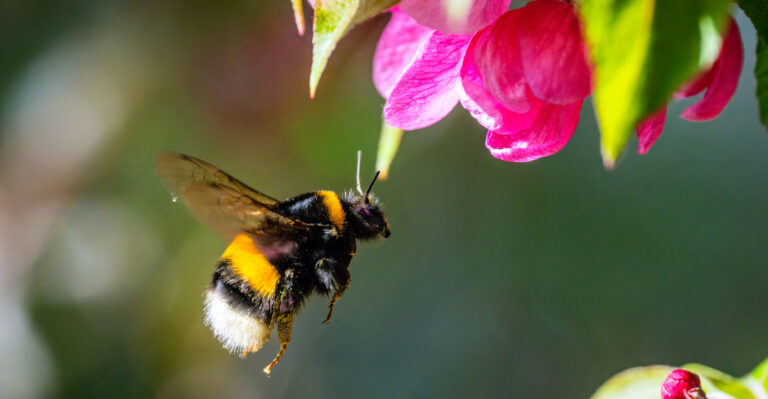
In spring, tiny greenish flowers appear that few people notice. Bees notice them plenty, and the nectar helps produce tupelo honey. The famous premium version comes mostly from water tupelo farther south, but blackgum adds its share.
Caterpillars of several native moths feed on the leaves too. That feeds baby birds in spring, making blackgum a year-round wildlife helper.
6. Blocky Blackgum Bark Looks Like Alligator Skin in Winter
Leaves drop, and the show keeps going. Older blackgums develop dark gray bark broken into thick, blocky plates.
Many people say it looks like alligator hide. Run your hand over it on a cold January walk, and you will feel deep grooves and rough squares. It stands out next to smooth beech or thin-barked maple.
Young trees start with smoother, lighter bark. The blocky pattern grows stronger as the tree ages, so the trunk gets more interesting every decade.
The branching pattern adds winter beauty too. Side branches often grow out at sharp right angles, giving the bare tree a layered, almost tiered outline against gray skies.
Here’s a bit of history. Old blackgums often go hollow inside while staying alive, and early settlers used hollow trunks as bee hives called bee gums. Some mountain folks still use that name.
For your yard, this means four seasons of interest from one tree. Place it where you can see the trunk from a path or patio. Winter sun hitting that rugged bark makes a dull month feel a little brighter.
7. Named Blackgum Varieties Make Yard Planting Easier
Plant breeders have spotted blackgum’s potential, and new cultivars are easier to find than ever. Several offer reliable color and tidy shapes for home lots.
Wildfire is known for reddish new leaves in spring and strong fall color. Red Rage has glossy leaves with good disease resistance and bright scarlet in autumn. Green Gable forms a neat pyramid with shiny foliage.
For smaller yards, look at Firestarter or upright types like Afterburner. Gum Drop is a narrow, compact form that fits tighter spaces, though it still grows taller than many people expect.
Leaf spot can show up in wet summers, causing purple or brown dots. It is mostly cosmetic and rarely harms the tree. Choosing resistant cultivars and raking up fallen leaves helps keep it in check.
Ask local independent nurseries or native plant sales if big chains don’t carry blackgum. The North Carolina Botanical Garden and native plant society events often feature it.
Remember that many cultivars are males chosen for form, so they won’t bear fruit. If feeding birds matters to you, a seed-grown native tree may give you berries.
8. Give Your Blackgum Room and Enjoy Red Falls for Decades
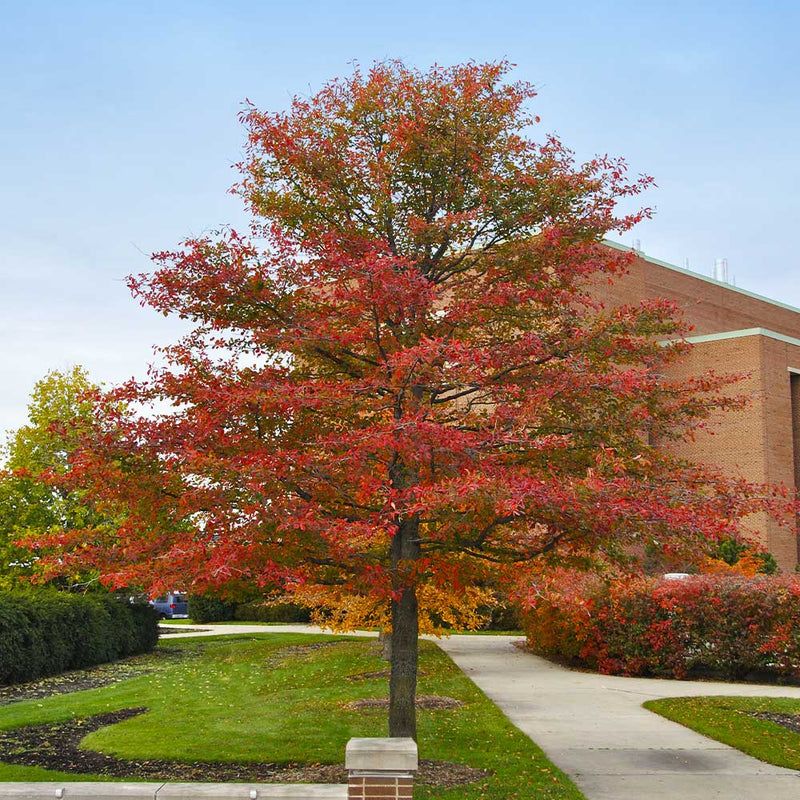
A little planning now saves headaches later. Blackgum may start small, but give it space for the tree it will become.
The North Carolina Forest Service suggests at least 15 feet between larger trees and sidewalks or driveways. Allow plenty of open space around the crown, and look up before you dig. Overhead power lines and a 40-foot tree make poor neighbors.
Keep it away from septic fields too, since roots seek water. A spot in the open lawn or along a back property line usually works well.
Once planted, care is light. Water during dry spells for the first two or three years, then mostly let nature handle it. Prune only to remove crossing or broken branches, ideally in late winter.
Skip heavy fertilizer. Too much nitrogen pushes soft growth and can dull fall color. A yearly layer of shredded leaves or wood chips feeds the soil gently.
Blackgum rewards a small effort with huge payoffs. You get early scarlet leaves, busy birds, and winter bark with real character. Plant one this fall, and your yard could be the one neighbors slow down to admire.