The November Tweaks California Gardeners Use To Get Christmas Cactus Covered In Blooms
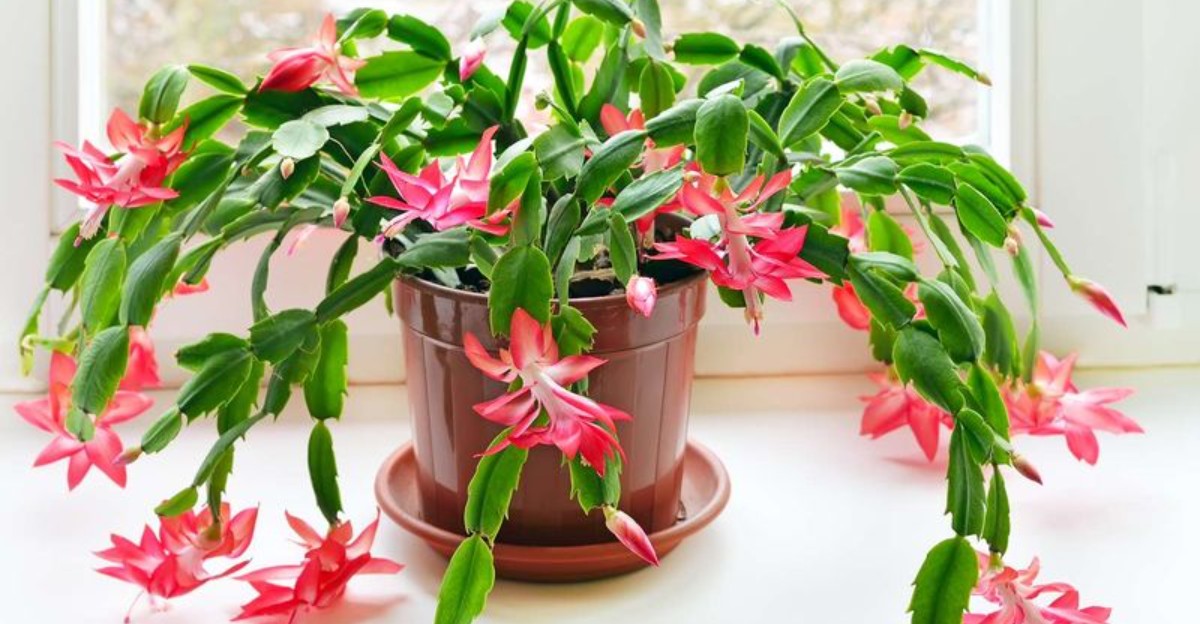
Cool nights alone can quietly coax a certain holiday houseplant into setting buds, even without a strict darkness routine. I love how mild California evenings often deliver that gentle chill for free in November.
Researchers found that temperatures near 50 to 55 degrees can do the trick on their own. Warm nights above about 70 degrees tend to stall the process, leaving heated living rooms full of green stems and no color.
One mistake I won’t repeat is feeding mine all autumn and getting a jungle of leafy segments instead of flowers. A cool spare room and an empty fertilizer schedule usually do far more good this month.
A cheap thermometer handles one easy tweak, and another simply means picking a spot and leaving the pot alone. Which windowsill in your home could host a burst of color by early January?
Cool Autumn Nights Help Christmas Cactus Set Buds
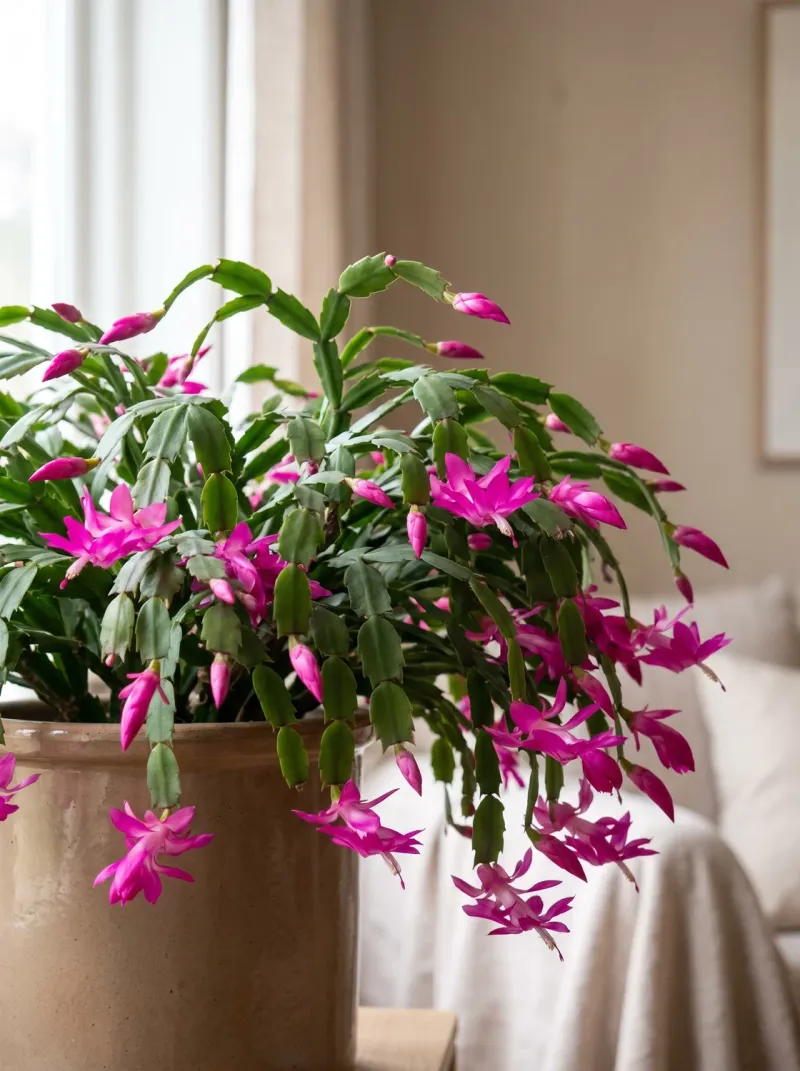
Cold nights sound like bad news for a tropical plant, yet this one actually needs a little chill to bloom. Researchers found that nights near 50 to 55 degrees can prompt buds, even without any special darkness routine.
I love how coastal and inland valley gardens often hit that range naturally during November evenings. Your job is mostly to let the plant feel those cool hours instead of hiding it near warm rooms.
A sheltered porch or a bright unheated sunroom can work beautifully for several weeks of steady cool nights. Keep daytime temperatures moderate, roughly in the sixties or low seventies, so the plant does not get stressed.
Warm nights are the sneaky troublemaker here, since temperatures above about 70 degrees can hold back bud formation. Homes with heaters running all evening often keep plants green and leafy but stubbornly flowerless through the holidays.
Personally, I move my pot to a north bedroom that we rarely heat, and the difference shows quickly. Tiny pink bumps usually appear at the stem tips several weeks after the cool treatment begins in earnest.
Watch the forecast, though, because frost is a different story from a pleasant chill for this soft plant. Bring it under cover when nights dip toward 40 degrees, since tender segments can turn mushy after freezing.
A cheap indoor and outdoor thermometer makes the guessing game much easier for busy gardeners like us. Set it beside the pot, check each morning, and you will learn your plant’s favorite spot fast.
Long Dark Nights Trigger Christmas Cactus Flowers
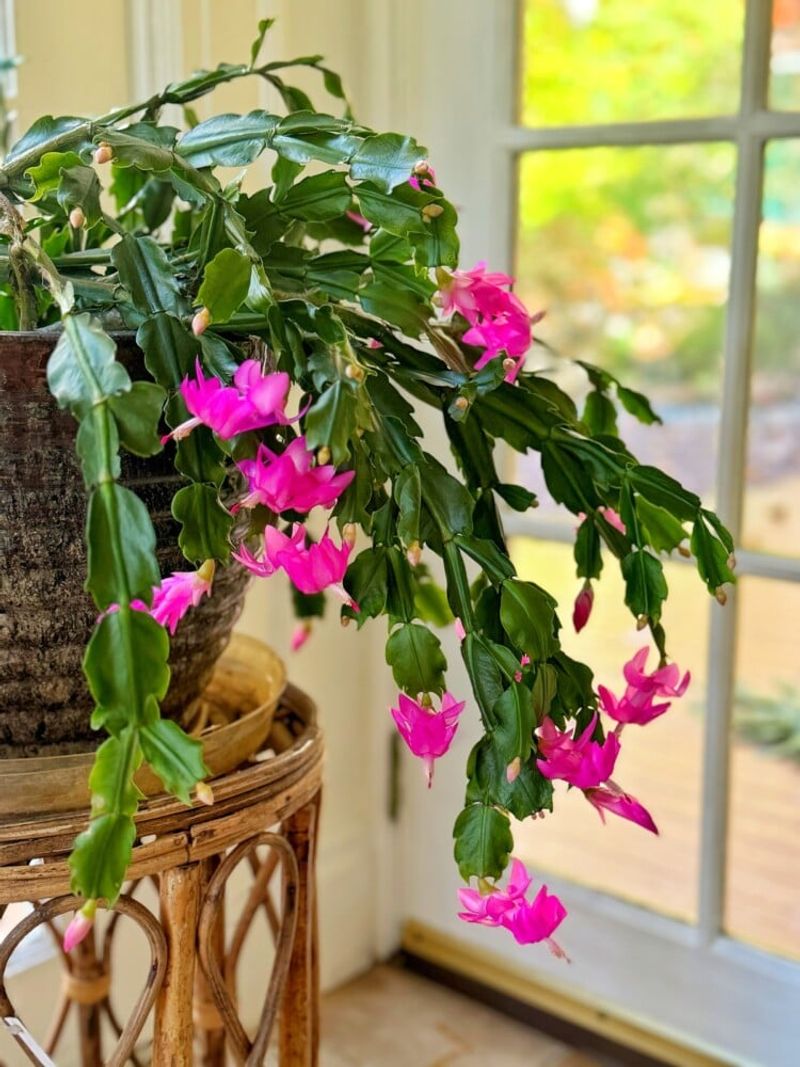
Every evening your plant reads the sky like a calendar, measuring how long the darkness lasts outside. Holiday cacti are short-day plants, so long nights tell them winter is coming and flowers are due.
Most guides suggest about 12 to 14 hours of uninterrupted darkness each night for roughly six weeks. That schedule matters most when your home stays warmer, around 60 to 65 degrees at night.
You’re in for a surprise at how little light can spoil the effect during that sensitive stretch. A bright porch light or a streetlamp shining through thin curtains may confuse the plant’s internal clock.
A spare room that stays unused after sunset is often the easiest solution for most households. Some gardeners slide the pot into a closet each evening, then carry it back to the window each morning.
Personally, I prefer an unused room, because daily closet trips get forgotten quickly during the busy holiday season. Daytime light still matters, so give the plant bright indirect light while the sun is up.
Starting in November may push flowering a little later than Christmas Day, and that is perfectly fine. Blooms arriving in early January still brighten a gray winter week and feel like a bonus gift.
Once buds are clearly visible, you can relax the strict darkness rule and enjoy the plant normally. Just avoid harsh afternoon sun, which can bleach the flat green segments to a stressed reddish color.
Water Christmas Cactus Lightly As Buds Form
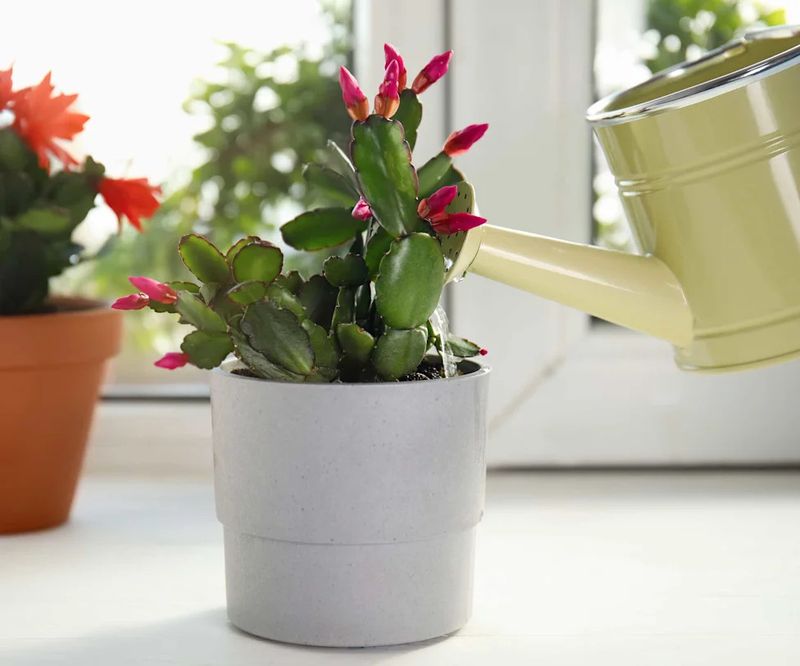
Soggy soil is the quiet troublemaker behind many disappointing holiday cacti, especially in pots without drainage holes. These forest natives grow in leafy debris on branches, where water drains away within minutes after rain.
I believe the finger test beats any fancy schedule, because every home dries out at its own pace. Poke a finger about an inch into the mix, and water only when that top layer feels dry.
When you do water, soak the pot until water runs out the bottom, then empty the saucer. Roots sitting in a puddle can rot quickly, and rotting roots often lead to sudden bud drop.
During early autumn, many growers water a bit less often to nudge the plant toward its resting mood. That slight dryness works alongside cool nights, giving the cactus another gentle hint that flowering season approaches.
Once buds form, though, switch back to steady light moisture so the swelling flowers get what they need. Letting the mix go bone dry at this stage can make those buds shrivel and fall off.
Santa Ana winds in Southern California can dry pots surprisingly fast, so check more often during those warm spells. Indoor heaters do the same thing later in winter, pulling moisture from both soil and air.
A loose mix made for cacti or orchids, blended with regular potting soil, helps roots breathe easily. Terracotta pots dry faster than plastic ones, which suits heavy-handed waterers but needs closer watching in heat.
Stop Feeding Your Holiday Cactus Before Buds Appear
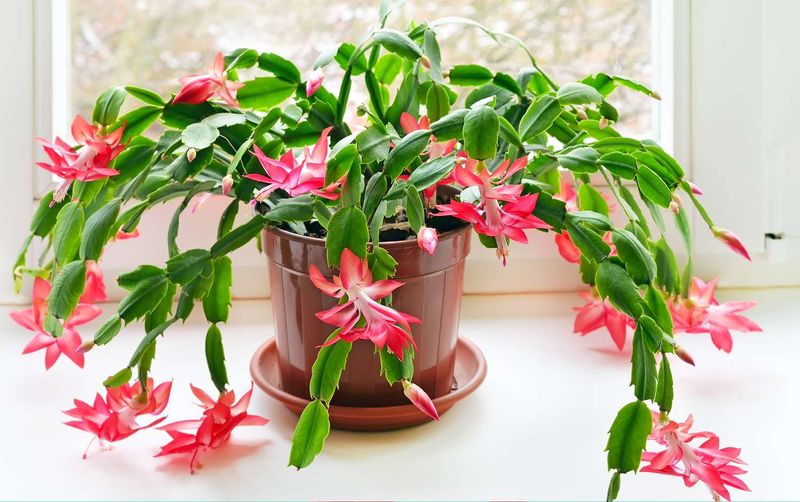
Feeding a plant less sounds backward when you want more flowers, but this cactus plays by different rules. Extra nitrogen in autumn pushes soft new segments, and the plant happily grows leaves instead of buds.
Many extension guides recommend feeding from spring through summer, then tapering off as fall begins to arrive. By November, most experienced growers have already stopped, letting the plant shift its energy toward flowering.
If you are still feeding, now is the perfect moment to put the fertilizer bottle on a high shelf. I have to admit my own bottle gets a sticky note that simply says wait until spring.
Fertilizer does not create flowers by itself, since cool temperatures and long nights act as the real switch. Think of nutrients as fuel for the stems, while the season’s cues decide when blooms actually start.
Healthy summer feeding still matters, because thick, well-fed segments usually carry more flowering tips the following winter. A balanced houseplant fertilizer at half strength, applied about once a month, works well during warm months.
Some gardeners prefer a bloom-boosting formula in late summer, though balanced food generally works fine for home plants. Holiday cacti also appreciate a little magnesium, which some growers supply through occasional doses of Epsom salt.
Resume feeding after flowers fade and fresh green segments appear, usually in late winter or early spring. That timing gives your plant a short rest before its next big growing push begins once again.
Bring Potted Christmas Cactus Inside Before Frost
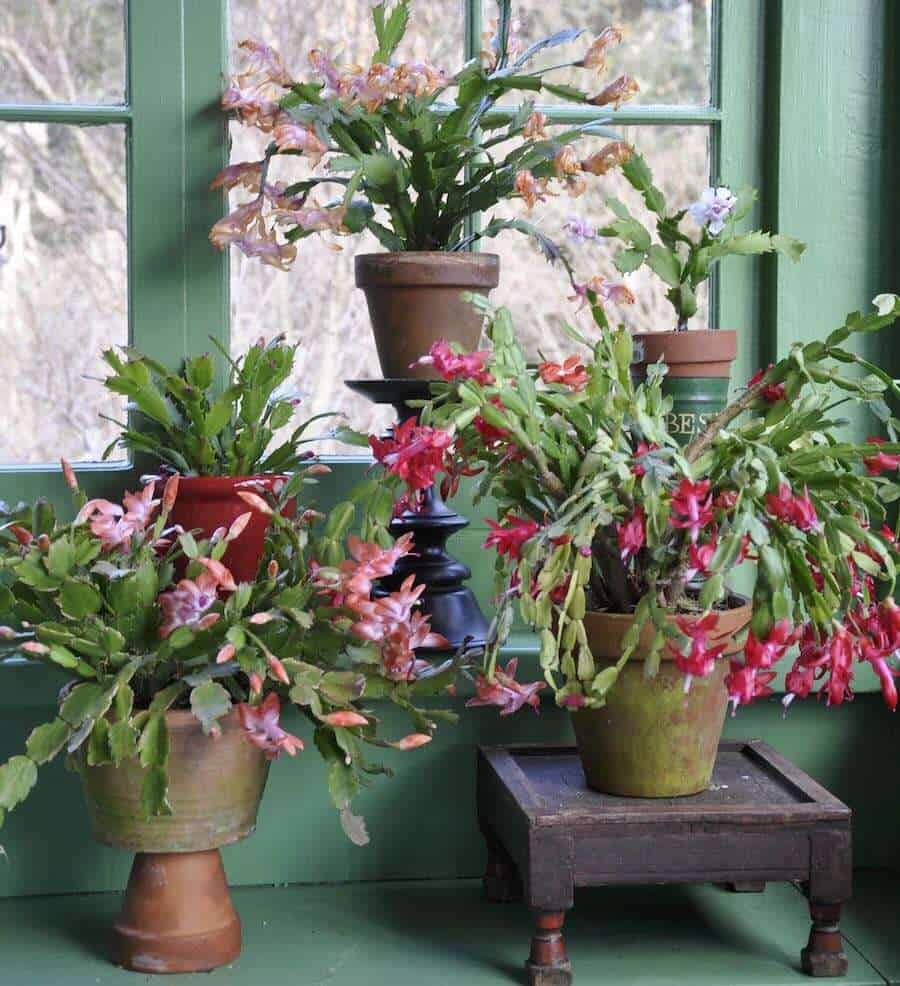
Lucky gardeners along the coast can grow holiday cacti outdoors in hanging baskets under trees for much of the year. Native to Brazilian forests, these plants handle cool shade well but struggle once temperatures approach freezing.
Many foothill and high desert towns in California see their first frosts arriving in late November or December. A single frosty night can turn plump green segments soft and translucent, ruining the season’s buds.
You need to watch for clear, still nights, since those often bring the coldest temperatures by sunrise. Covering the pot with a frost cloth helps, but moving it under a roof works even better.
A covered patio or an unheated garage with a window can keep the plant cool without frost. That cool shelter preserves the helpful chill while protecting tender tissue from ice crystals forming inside the stems.
What surprises me most is how fast buds can drop if the plant moves from cold porch to warm kitchen. Try to choose a winter spot early, then keep the plant there instead of shuffling it around constantly.
Outdoor plants also need a quick pest check before coming indoors, since mealybugs love hiding between segments. Look for fuzzy white spots near the joints, and wipe them away with a cotton swab dipped in soapy water.
Rain-soaked baskets should drain well before moving inside, so tip them gently to release extra water. A dry, clean plant settles into its winter home far more happily than a dripping, buggy one.
Keep Christmas Cactus Buds Steady To Prevent Drop
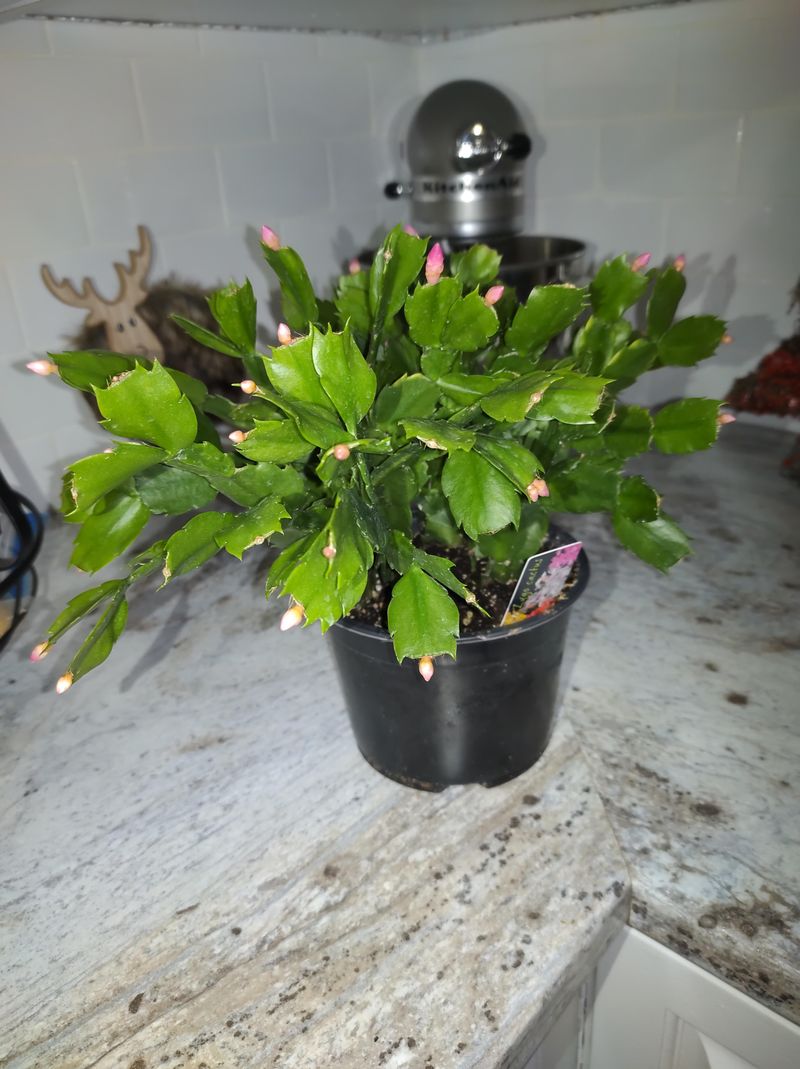
Nothing stings quite like finding a dozen fat pink buds scattered across the windowsill one sad morning. Bud drop is common with holiday cacti, and it usually follows a sudden change in their surroundings.
Sharp swings in temperature or watering habits are usually the main suspects behind those heartbreaking little bud falls. Hot air from a heater vent or a chilly draft from an opening door can trigger trouble quickly.
Personally, I pick a display spot before buds show color, then leave the pot alone for weeks. Resist the urge to rotate the plant constantly, since buds sometimes react poorly to a changing light direction.
Gift plants from the store often drop a few buds after coming home, so expect some adjustment. Steady care usually helps the remaining buds open, and the plant tends to settle within a week or two.
Dry indoor air can add stress, especially when heaters run through those occasional chilly winter evenings. A tray of wet pebbles under the pot raises local humidity without letting the roots sit in water.
Cooler rooms also keep flowers lasting longer, so a spot around 60 degrees often extends the show. Each bloom may last several days, and a healthy plant can stay colorful for weeks as buds open.
When the show ends, pinch off faded flowers and let the plant rest with lighter watering for a while. By spring, fresh segments will appear, and you can start planning next November’s tweaks with confidence.