Illegal Backyard Crops California Gardeners Could Get In Trouble For Growing
Several of the prettiest plants at a backyard swap can’t legally be sold or shared in California. What honestly surprises me most is how many of them look like ordinary nursery favorites.
State and county agricultural officials restrict how certain invasive plants move, and some rules even apply right down to your backyard. Pieces of root can sprout into new plants, and certain seeds wait in the soil for decades.
I’m still learning that a free cutting can come with strings attached. Plant swaps still tempt me, though. A quick call to your county agricultural commissioner takes far less effort than wrestling a runaway patch out of the ground later.
One troublemaker smells like rancid peanut butter when you crush a leaf, and another hides behind gorgeous feathery plumes. Which innocent-looking plant in your yard might deserve a second look this weekend?
1. Tree Of Heaven
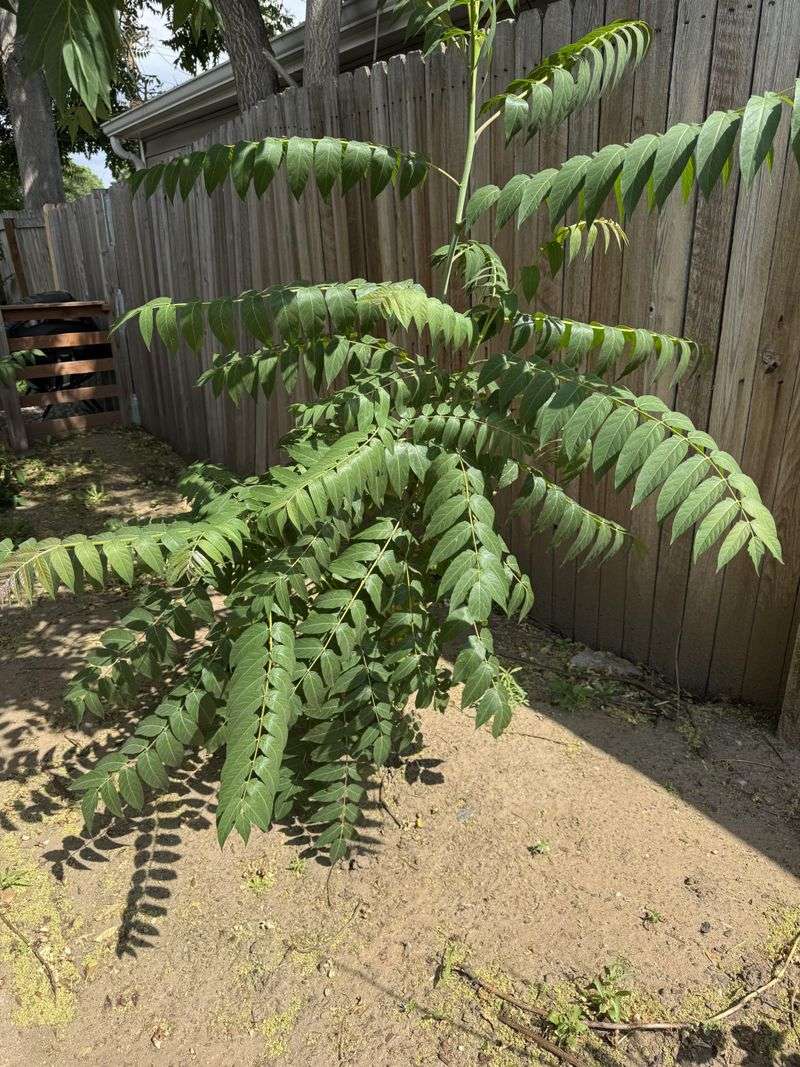
Crush one leaf from this fast-growing tree and you get a sharp smell many people compare to rancid peanut butter. That odor makes a handy identification trick, since the long compound leaves resemble native sumac or black walnut.
Originally from China, tree of heaven can add several feet of height in a single season under good conditions. It spreads through huge seed crops and aggressive root suckers that pop up far from the original trunk.
Invasive plant experts at the University of California rate it a serious pest, and nurseries should not sell it. Planting or spreading it deliberately can create trouble with local agricultural officials, especially near farms or wildlands.
Without its natural pests from home, the tree quickly colonizes roadsides and creek banks across many regions. Dense thickets crowd out native plants and leave little room for the shrubs that local birds rely on.
I can see why people mistake young saplings for harmless volunteers that might offer shade someday. Look for small notched teeth near the base of each leaflet, which helps separate it from sumac.
Pulling small seedlings works when the soil is moist, but you need to remove as much root as possible. Cutting a mature tree often triggers an explosion of root suckers, so professional help is a smart idea.
UC Integrated Pest Management guides describe targeted herbicide methods that reduce sprouting when applied correctly and carefully. Replace it with a native tree like a western redbud or a valley oak for a happier yard.
2. Giant Reed
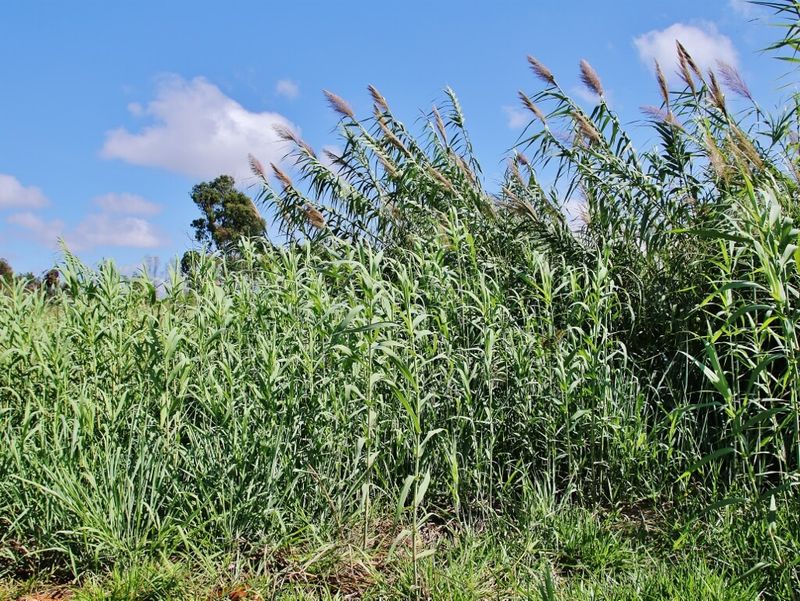
Walking past a stand of giant reed feels like strolling beside a bamboo forest that somebody forgot to trim. Those hollow canes can top twenty feet, rustling loudly whenever a breeze sweeps through the tall green leaves.
Despite the resemblance, Arundo donax belongs to the grass family and is not a true bamboo at all. State agriculture officials list it as a noxious weed, so selling or spreading it can bring penalties.
Along rivers, giant reed chokes out native willows and changes how water flows through the channel. It also drinks far more than its share of water, which matters greatly in drought-prone regions.
Dry canes burn hot and fast, so thick patches raise wildfire risk near homes and riverside habitat. Fires can even help it, because the roots resprout quickly while slower native plants struggle to recover.
I love the look of tall swaying grasses, but I believe this one belongs on the do-not-plant list. Pieces of root and stem can sprout new plants after floods carry them downstream to fresh ground.
Some gardeners grow it for musical reeds or privacy screens, often without realizing the trouble it causes nearby. If you inherited a clump, avoid tossing cuttings in green waste piles or compost where pieces might root.
Your county agricultural commissioner or local resource conservation district can suggest removal methods suited to your site. For a similar privacy effect, consider native giant wild rye, which grows tall without running wild.
3. Purple Loosestrife
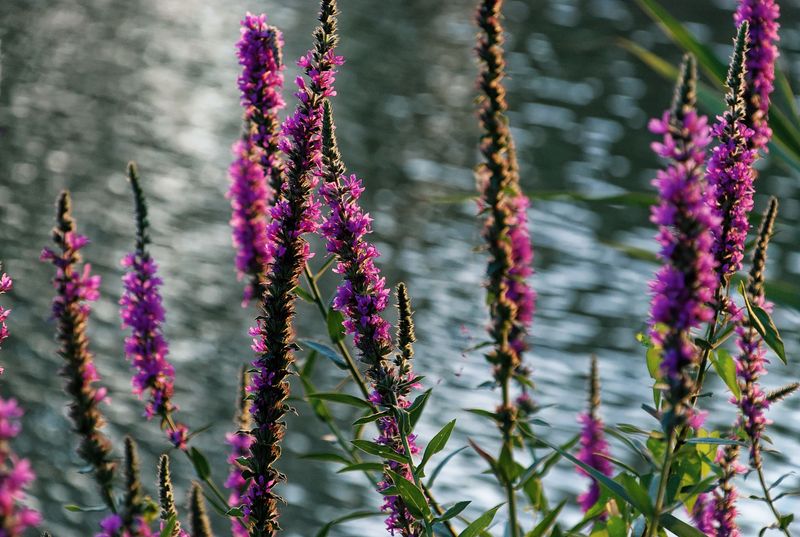
Tall magenta spikes glowing beside a pond look like something from a storybook, which explains this plant’s popularity. Sadly, purple loosestrife ranks among the most troublesome wetland invaders that biologists track anywhere in North America.
State rules list it as a noxious weed and prohibit anyone from selling or distributing the plant. Gardeners occasionally pick it up through seed swaps or mislabeled pots, so double-check anything purple and spiky.
A single mature plant can release well over a million tiny seeds in one season, according to extension researchers. Those seeds float on water and stay viable in soil for years, waiting for a muddy opening.
Dense stands replace cattails and sedges that marsh birds depend on for nesting and feeding throughout the year. Once established, the woody root crowns grow tough and wide, making hand removal a real workout.
What surprises me most is how pretty it looks while quietly taking over an entire pond edge. You might notice it blooming in summer, which is the easiest time to spot and report it.
If you find it, cut flower spikes before seeds ripen and bag them for the trash, not compost. Dig small plants carefully, removing as much root crown as you can manage without scattering soil into water.
Your county agricultural commissioner usually appreciates reports, because tracking new populations helps crews respond before stands grow larger. For similar color near water, try native western blue flag iris or a cheerful seep monkeyflower instead.
4. Scotch Broom
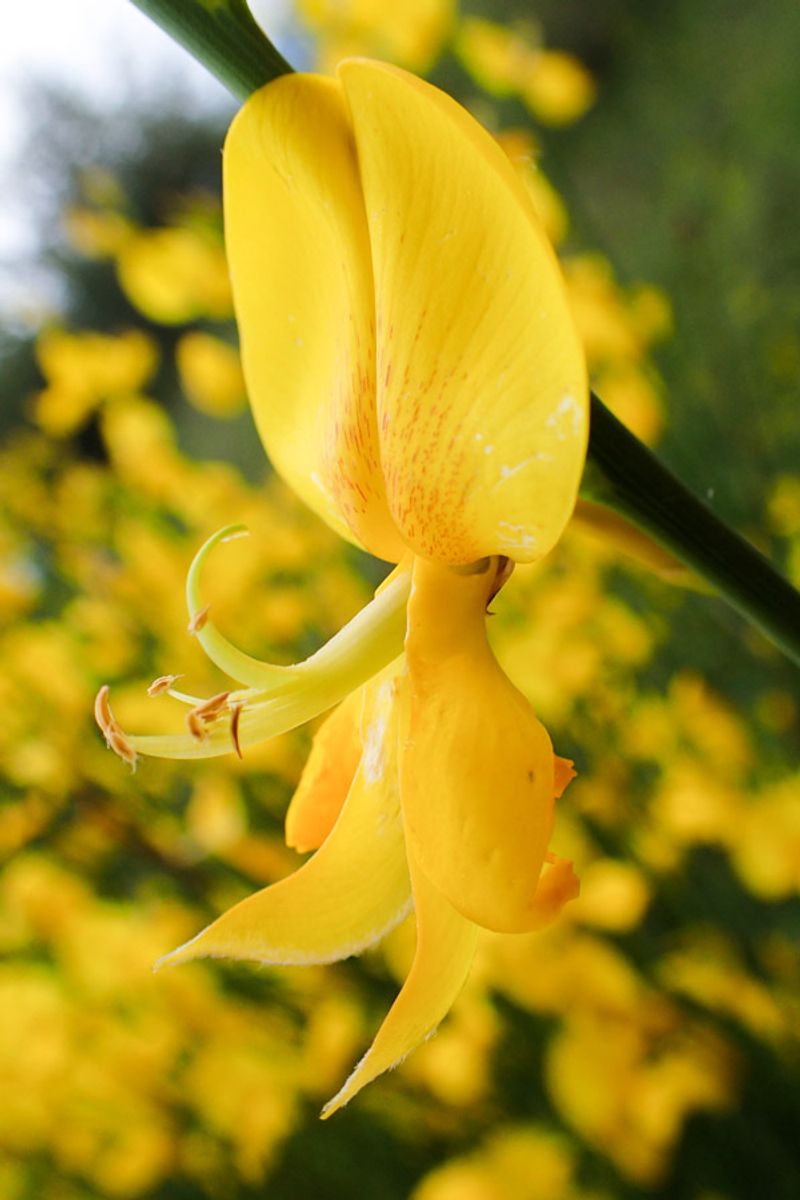
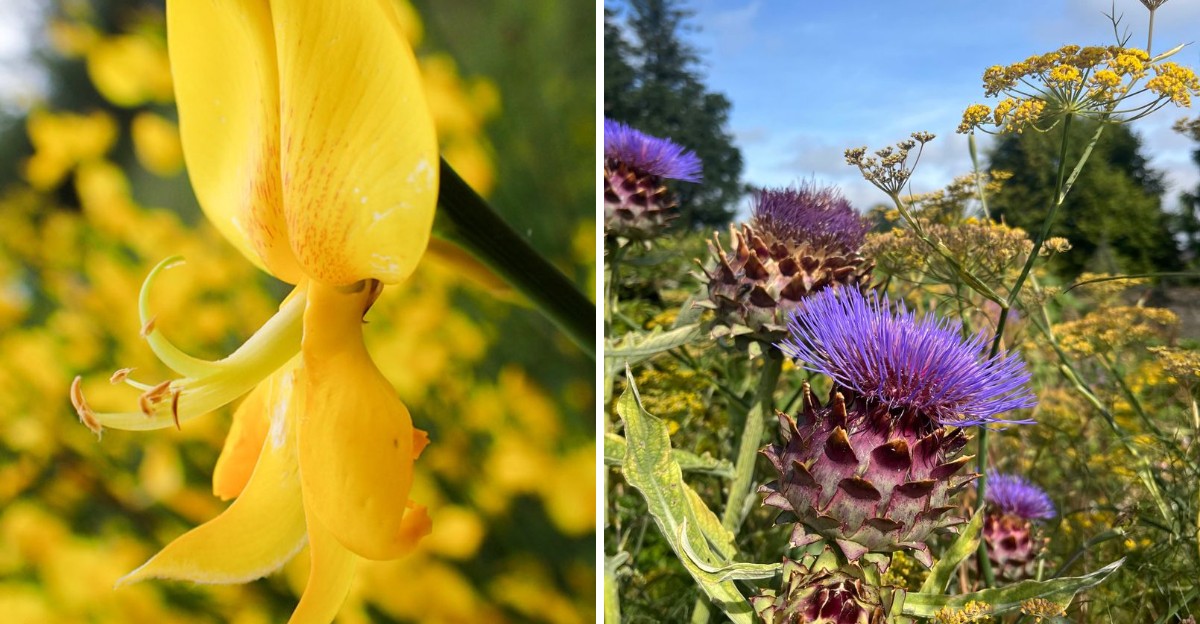
Bright yellow, pea-shaped flowers smother this shrub every spring, and the show honestly looks like sunshine on a stick. Scotch broom earned its spot here because that cheerful display hides one of the West’s toughest invaders.
Planted long ago for erosion control and ornamental color, it now spreads across Northern coastal hills and foothills. Sierra Nevada foothill communities battle it constantly, and state agricultural rules restrict its sale and movement.
Each plant can produce thousands of seeds per year, flinging them several feet when the pods snap open. Those seeds can stay viable in soil for decades, so one shrub creates a long-lasting headache.
Thick broom stands crowd out native wildflowers and young trees, forming patches where little else can grow. The oily green stems burn intensely, which raises fire danger for homes tucked into brushy hillside neighborhoods.
I can’t imagine willingly planting it, yet many older properties still have hedges of it near driveways. You might also spot relatives like French broom and Spanish broom, which cause similar trouble in many areas.
Pull young plants when the soil is soft after rain, grabbing low near the base for leverage. For larger shrubs, a weed wrench tool helps lift roots without much soil disturbance or broken stems.
Cut stems before pods ripen, then bag seed heads so you do not create a fresh crop. Native options like bush monkeyflower or California flannelbush offer golden color without the legal or ecological baggage.
5. Artichoke Thistle
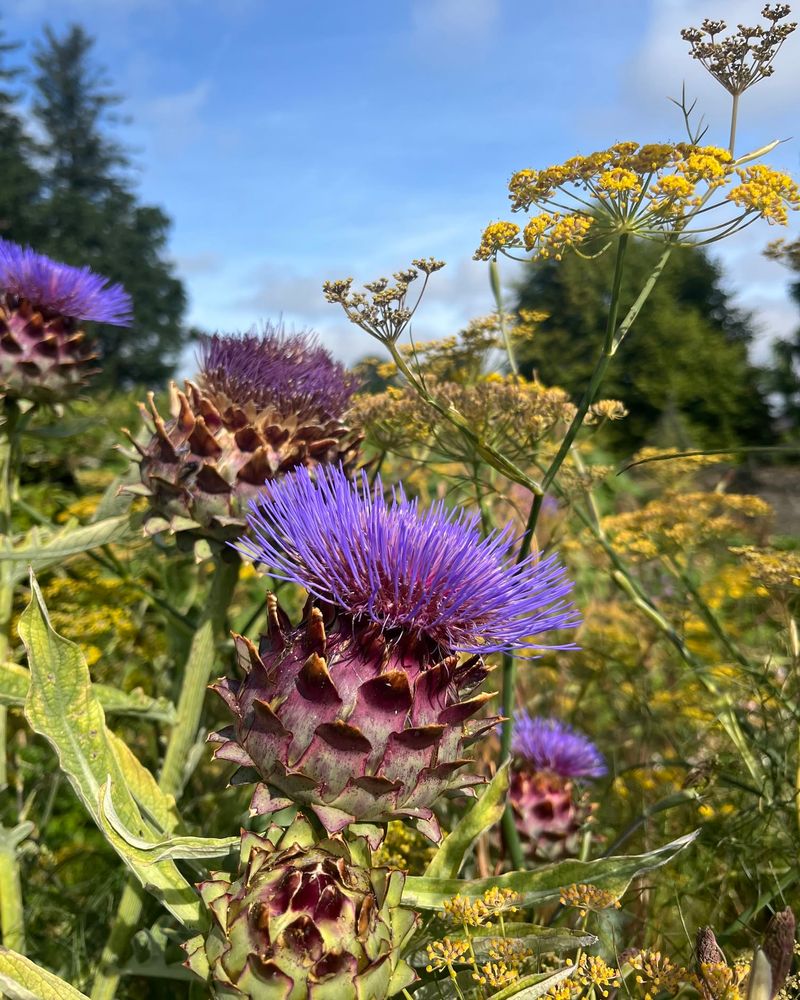
Fans of steamed artichokes might be shocked that a spiny wild cousin causes major headaches in coastal grasslands. Artichoke thistle, also called cardoon, shares a scientific name with the globe artichokes we happily dip in butter.
The wild form grows into a hulking clump of silvery, spiny leaves topped with striking purple flower heads. Cal-IPC rates it a harmful invader, and some counties actively work to control escaped populations near open space.
Rules can vary, so you need to check with your county before planting cardoon for its edible stalks. Globe artichokes remain a common crop, though gardeners should cut heads before they open and drop seeds.
Wild stands spread quickly in disturbed soil, creating spiny thickets that cattle and hikers prefer to avoid. Native wildflowers and grasses lose ground fast once these big rosettes claim the sunniest open spaces.
Personally, I adore artichoke flowers, but letting them go to seed near wild land feels like inviting trouble. Each flower head can release plenty of fluffy seeds that ride the wind into nearby fields and canyons.
Removal takes patience, since the deep taproot can resprout if you only chop the top section off. Dig out as much root as possible, wearing thick gloves because those spines easily poke through thin fabric.
Bag any flower heads before they fluff up, and keep cut material away from compost piles. Enjoy your globe artichokes responsibly, and you can still have tasty harvests without feeding a spreading problem.
6. Jubata Grass
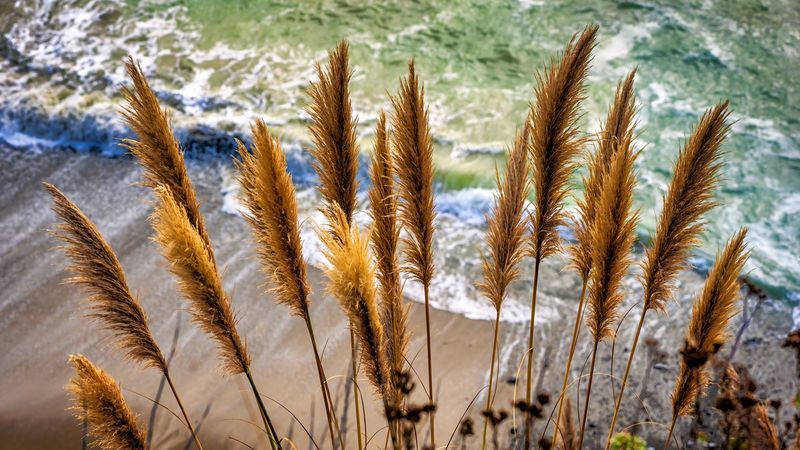
Those tall, feathery plumes waving along coastal highways look elegant, but many belong to a pushy pampas grass relative. Jubata grass, Cortaderia jubata, produces seeds without pollination, so every single plant can spread on its own.
Its plumes often look purplish when young, then fade to a soft tan or creamy yellow as they age. Cal-IPC ranks it as a high-impact invader, and state agencies advise firmly against planting it anywhere.
A single plant can release huge numbers of seeds, which drift on coastal breezes into canyons and bluffs. Thick clumps push out native shrubs and grasses, changing habitat for small animals that rely on them.
Dry leaves pile up inside each clump, adding fuel that can carry fire toward nearby homes and fences. The razor-edged leaves can also slice skin, so bare arms and dense clumps make a poor combination.
I believe many homeowners plant pampas-style grass for drama without knowing which species sits in that nursery pot. Some sellers offer sterile cultivars, but you need to confirm the variety carefully and consult local experts first.
Remove plumes before they release seeds, sealing them in bags rather than shaking them around the yard. Small plants dig out easily, while big clumps may need a mattock and a friend with strong shoulders.
Deer grass offers a similar fountain shape and is a beloved native for sunny, dry California yards. Swapping one plume for another keeps your landscape dramatic while giving local wildlife a much friendlier neighborhood.
7. Pampas Grass
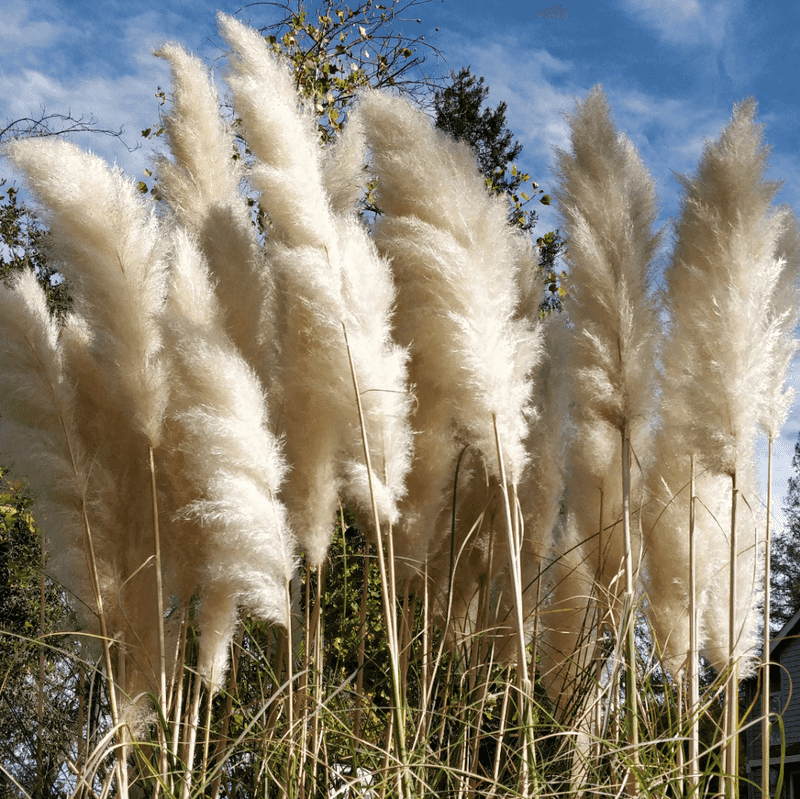
Those feathery white plumes look stunning in wedding photos and cozy living rooms, which explains why so many people want them. Each clump can release enormous numbers of tiny seeds that drift on the wind for long distances.
Pampas grass, Cortaderia selloana, comes from South America and was planted widely as an ornamental across California. It now crowds coastal bluffs, canyons, and roadsides, especially along the central coast and in Southern California.
Cal-IPC rates it a highly invasive plant, and many cities and counties discourage or restrict planting it near open space. Rules vary from place to place, so you need to check with your local agricultural commissioner before adding any.
Unlike its cousin jubata grass, pampas grass needs both male and female plants nearby to produce viable seed. That sounds reassuring, yet both types are common in older landscapes, so seedlings still pop up readily.
Old, dry leaves pile up inside each clump and create serious fire fuel next to fences and homes. Personally, I wear long sleeves and thick gloves around it, because the saw-toothed leaf edges slice skin surprisingly easily.
Already have a clump? Cut the plumes before they fully open in late summer, then seal them in bags for the trash. Small plants dig out easily, while mature clumps usually need a mattock or professional help to remove the crown.
Dried decor plumes may still hold seeds, so keep them indoors and bag them when you toss them out. For a similar fountain shape, try native deer grass, which stays tidy and gives small wildlife a welcome place to shelter.
8. Yellow Starthistle
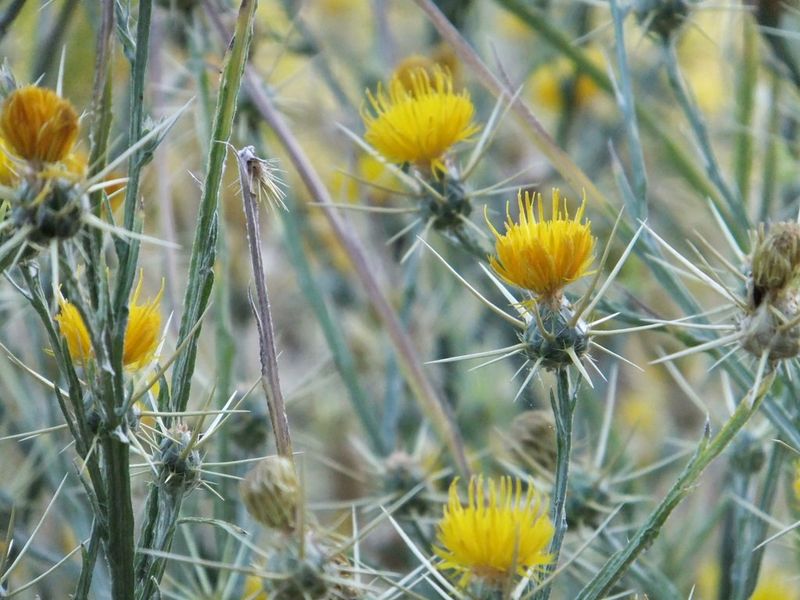
Bright yellow flowers ringed with needle-sharp spines make yellow starthistle easy to spot in late summer fields. Those spines can reach nearly an inch long, and they jab right through thin pants and socks.
Centaurea solstitialis arrived from the Mediterranean region in the 1800s, likely mixed into imported alfalfa seed. It now covers millions of acres across the state, including foothill pastures, roadsides, and vacant lots.
Horses face the biggest danger, since eating large amounts over several weeks can cause a brain disorder that makes chewing nearly impossible. Sadly, there is no cure, so horse owners work hard to keep pastures clear.
California lists it as a noxious weed, and county officials may require control on infested properties. Its deep taproot also pulls moisture from the soil during dry summers, leaving less for native plants nearby.
A single large plant can produce tens of thousands of seeds, and many stay viable in the soil for several years. You might notice beekeepers prize its late summer nectar, which feels like a small silver lining to me.
Pull or hoe young plants before they flower, ideally in spring when the soil is moist and the rosettes are easy to grab. Wear thick gloves, bag every seed head for the trash, and keep them far away from compost piles.
Repeat your checks for a few years, since leftover seeds keep sprouting long after the first cleanup. Planting tough native bunchgrasses like purple needlegrass helps fill bare ground and leaves less room for new seedlings.