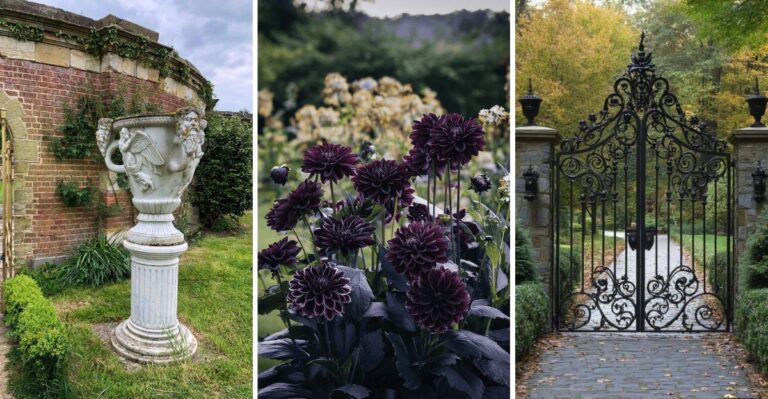
10 Containers and Pots New Yorkers Need to Empty Before Winter Cracks Them
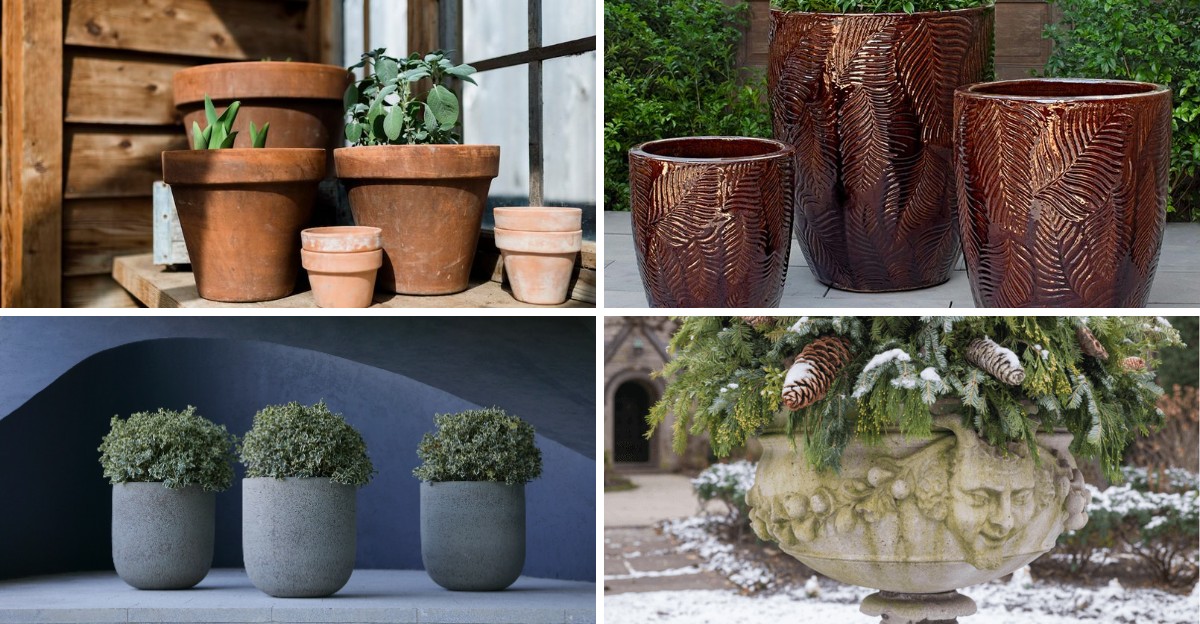
Water swells by about nine percent when it freezes, and that small push can split a sturdy clay pot overnight. I learned this lesson on a gray March morning, staring at a heap of orange shards on my stoop.
New York winters bounce between freezing nights and mild afternoons, so ice forms and melts again and again. Each round works tiny cracks a little deeper, much like frost heaving the sidewalks in our neighborhoods.
Take it from someone who once left every planter full of damp soil, hoping the cold would show some mercy. Let’s just say my spring shopping list got much longer than my garden budget could comfortably handle that year.
Some pots shrug off a New York freeze with no trouble at all, while others quietly soak up water for weeks. So which ones sitting on your patio right now are secretly waiting to split?
1. Unglazed Terracotta Pots Soak Up Hidden Water
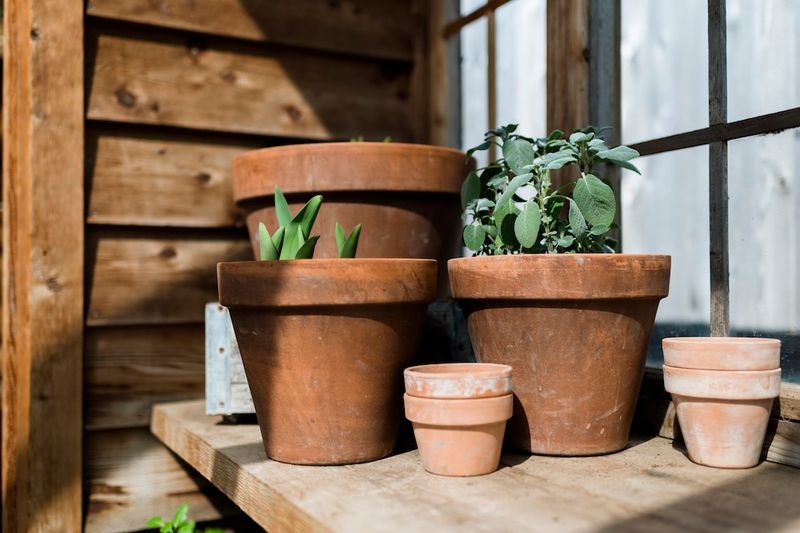
Tap an unglazed terracotta pot after rain, and you will hear a dull thud instead of a bright ring. That muffled sound means the clay walls are holding water inside, like a sponge sitting on your porch.
Porous clay is wonderful for summer roots because it breathes and lets extra moisture escape through the sides. In cold weather, though, that trapped water freezes inside the walls and pushes outward with surprising force.
Repeated freezing and thawing often causes flaking on the outer surface first, followed by thin hairline cracks. Eventually those small cracks can widen until a chunk of the rim simply breaks away in your hand.
For what it is worth, I now empty my terracotta pots in late fall before the first hard freeze arrives. I dump the old soil into a compost bin and brush out any clumps clinging to the bottom.
Let the empty pots dry in the sun for a day or two before you move them indoors. A garage, shed, or basement works well, as long as the spot stays dry through the cold months.
Stack them upside down so dust and dripping water cannot settle inside the bowls over winter. Placing a sheet of newspaper between nested pots also helps prevent them from sticking together when damp.
Old terracotta with white crusty spots can be scrubbed with a stiff brush before storage. That quick cleanup makes spring planting easier and keeps your favorite pots looking fresh for many more seasons in New York.
2. Glazed Ceramic Pots Hide Thirsty Clay Underneath
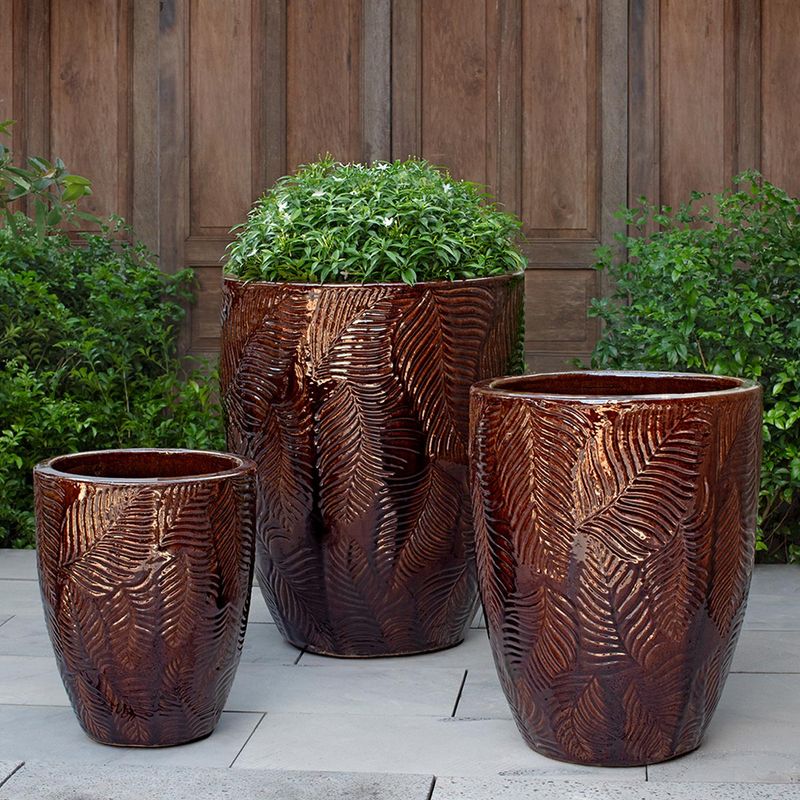
Shiny glazed pots look waterproof, yet the glaze is only a thin coat over the clay body underneath. Water can still sneak in through the drainage hole, unglazed bottom, or tiny flaws in that glossy finish.
Many budget glazed pots are fired at lower temperatures, which leaves the clay more porous than you might expect. Once that hidden moisture freezes, the pot can crack from the inside while the glaze hides early warning signs.
Between you and me, I lost a gorgeous cobalt blue pot this way, and it hurt my heart. The crack appeared quietly in February and grew wider every time the weather warmed up a little.
Glaze and clay also expand at slightly different rates during sudden temperature swings, which adds extra stress. Experts call this thermal shock, and fast changes between sunny afternoons and frozen nights make it worse.
Your safest move is emptying the soil, rinsing the inside, and letting the pot dry before storing it. Small and medium pots fit easily into a closet corner, basement shelf, or unheated garage for the season.
If a large glazed pot must stay outdoors, raise it on pot feet so water drains away freely. Cover the top with a lid or tarp, keeping snow and rain from collecting in the empty bowl.
Shopping for new pots later on? Look for labels saying frost resistant or high fired, since those hold up better in chilly northern climates.
3. Concrete Planters Crumble When Ice Gets Inside
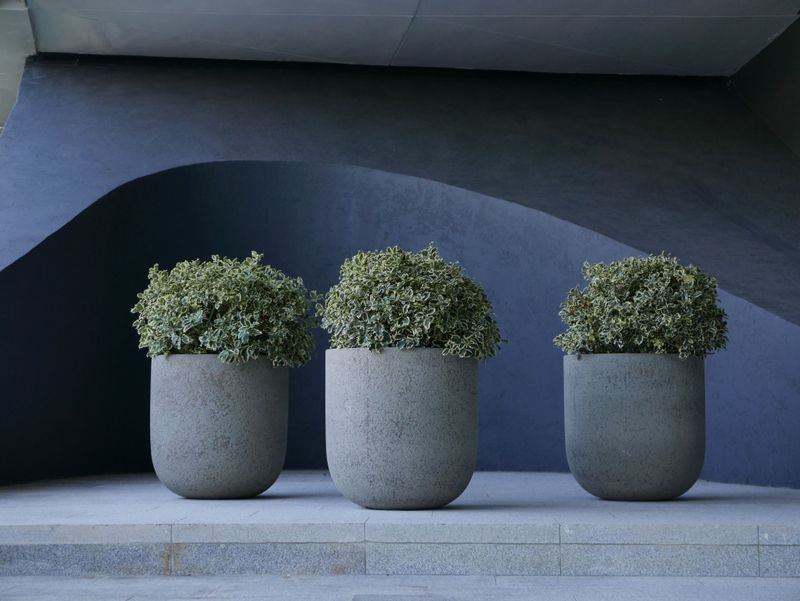
Concrete feels about as tough as a garden container can get, so its winter weakness surprises plenty of people. Tiny pores run through cured concrete, and those little channels happily drink water from soggy soil.
When soaked concrete freezes and thaws repeatedly, the surface can start peeling away in thin flakes or shallow chips. Builders call this spalling, and you have probably noticed it on old steps around the city.
Some concrete is mixed with tiny air bubbles that give freezing water room to expand without cracking. Cheaper decorative planters often skip that step, which leaves them more vulnerable during long stretches of harsh cold.
Big concrete planters are heavy, so moving them inside is rarely realistic for apartment or rowhouse gardeners. Instead, scoop out as much soil as you can manage before the ground freezes solid in your area.
Brush the inside clean and let it dry during a sunny week if the forecast cooperates nicely. A breathable concrete sealer can reduce water absorption, but check the label to confirm it suits outdoor masonry.
Set the planter on bricks or sturdy pot feet so melting snow does not pool beneath the base. That small gap allows air to move and helps water drain away from the heavy bottom edge.
If you ask me, a fitted cover or tarp is worth the effort here. Keeping snow out of the empty bowl prevents a frozen block from forming inside again.
4. Thin Plastic Pots Turn Brittle in Freezing Weather
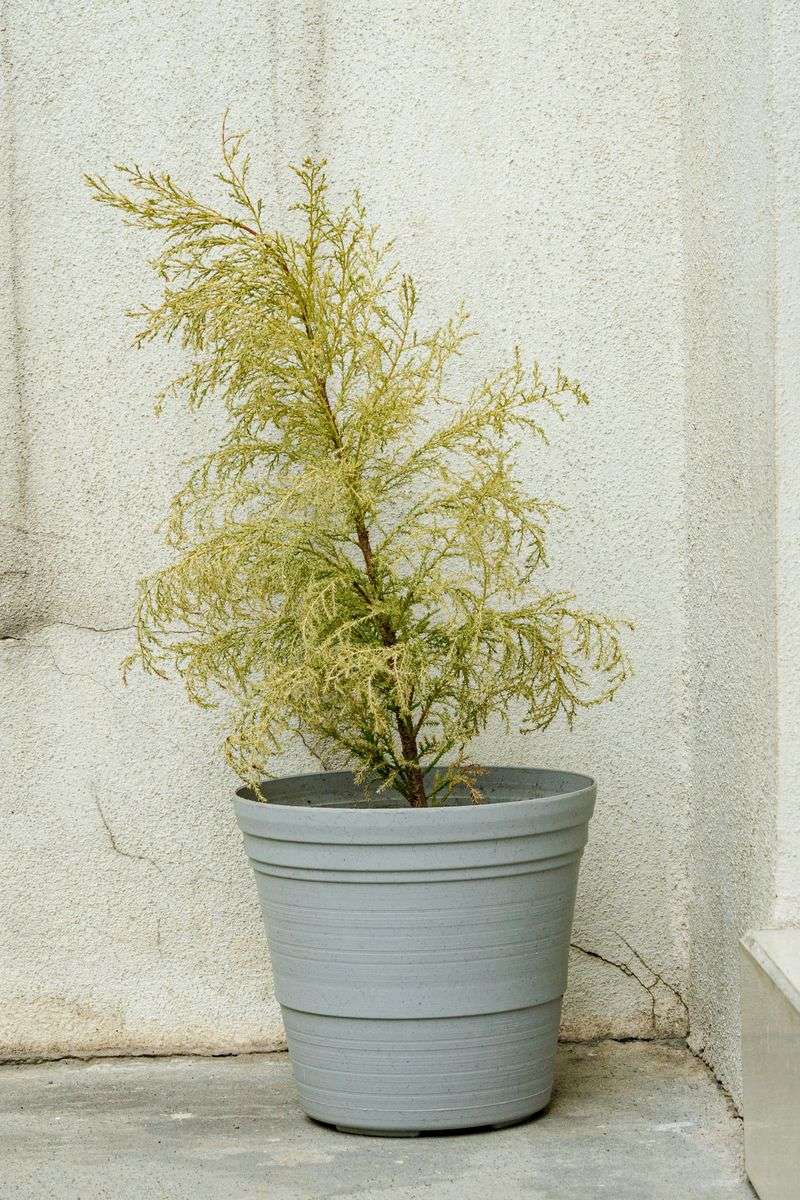
Those flimsy plastic nursery pots seem indestructible in July, bending and bouncing without a single complaint. Come January, the same pots can snap like crackers when you grab them with cold fingers.
Cold temperatures make thin plastic stiffer and less flexible, so it struggles to handle stress from expanding ice. Soil packed with frozen water pushes outward, and a weak seam or thin wall often gives way first.
Sunlight plays a role too, because months of summer rays slowly weaken many cheaper plastics over time. A faded pot that looks chalky has likely lost some strength before winter even begins.
Don’t make my mistake of leaving a whole tower of soil-filled nursery pots behind the fire escape. By spring, half of them had split along the sides and spilled crumbly soil everywhere.
Empty each pot, knock out leftover roots, and let everything dry fully before stacking them away for winter. Thin pots nest easily, so even a small apartment closet can hold a surprising number of them.
Thicker pots made from polyethylene or polypropylene usually flex better and handle cold weather with fewer problems. Still, emptying them reduces risk and keeps old soil from harboring pests or plant diseases.
Got a pile of cracked pots already? Many garden centers run plastic pot recycling programs, so ask before tossing them into the trash.
5. Ceramic Bird Baths Split When the Basin Freezes
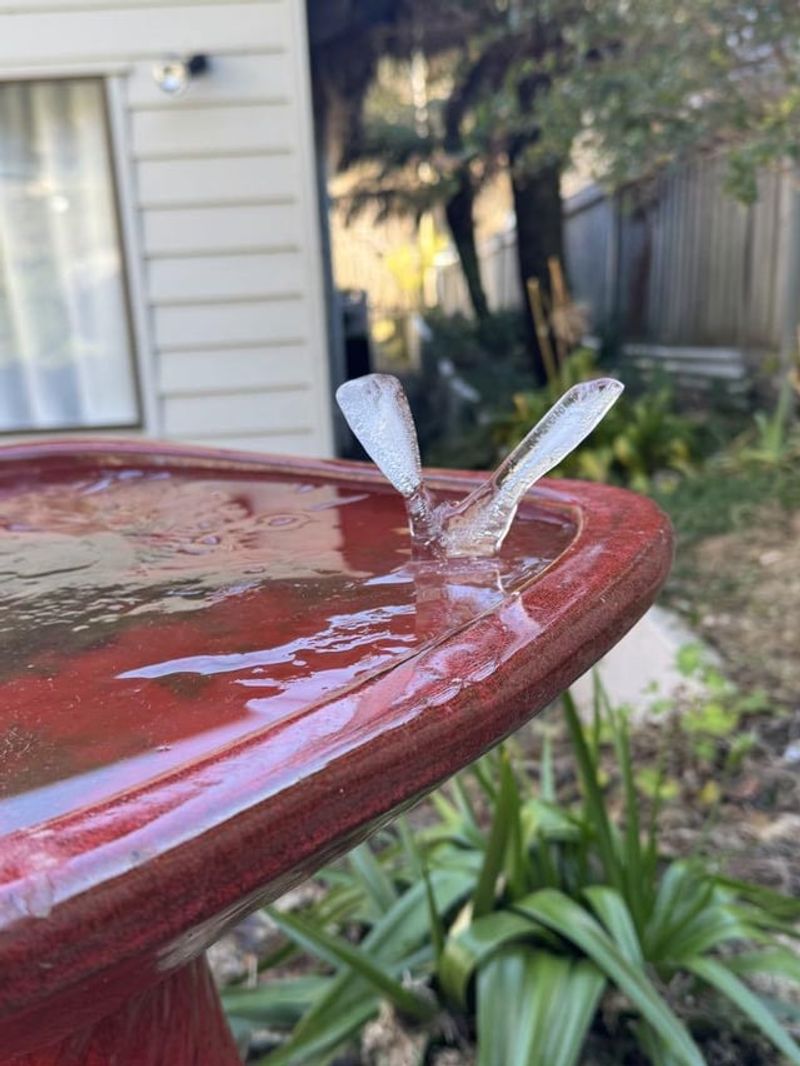
Birds adore a shallow dish of water, and winter visitors still appreciate a drink when puddles disappear. Unfortunately, a ceramic bird bath full of water acts like an ice tray waiting to burst.
Water in that wide shallow basin freezes fast on cold nights, then expands sideways against the thin edges. One hard freeze can create a crack, and the next thaw lets more water sneak inside.
My garden taught me that pretty painted basins are often the most fragile pieces in the whole yard. The decorative designs look charming, but the material underneath rarely handles ice pressure well over several months.
Empty the basin before freezing weather settles in, then wipe away algae and grime with a scrub brush. If the top lifts off, store it indoors and leave the sturdy pedestal standing outside alone.
Basins that cannot come off should be flipped upside down or covered snugly with a waterproof tarp. Tie the cover down well, because city winds love grabbing loose fabric and sending it flying away.
Want to keep helping birds through the cold season anyway? A plastic basin or heated bird bath designed for winter is a safer choice than delicate ceramic.
Refresh that winter water every few days so it stays clean for visiting birds. Cardinals and chickadees will thank you, and your fancy ceramic piece will be ready again when spring returns.
6. Pots With Clogged Drainage Holes Trap Ice
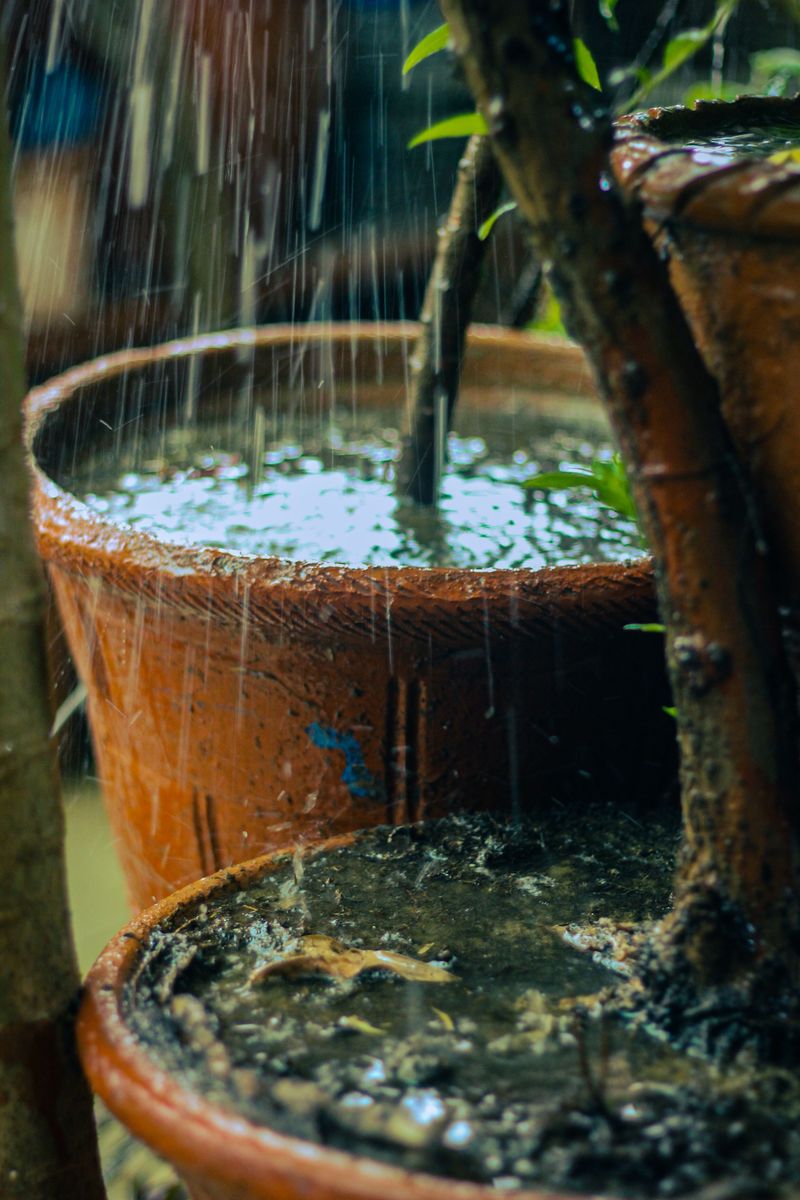
Flip over a pot that sat outside all summer, and you might find the drainage hole totally plugged. Roots, packed soil, and tiny pebbles love blocking that single exit when nobody is paying attention.
Without a working drain, rain and melting snow collect inside the container instead of trickling away. Soggy soil then freezes into one solid lump, pressing hard against every wall at the same moment.
Any material can suffer here, from clay and ceramic to concrete and even some sturdy plastic pots. A clogged hole basically turns a planter into a bucket, and buckets of ice put up serious pressure.
Here is what caught my attention after one rough winter: the cracked pots had drain holes jammed with roots. The pots with clear holes, sitting right next to them, came through without a scratch.
Poke each drainage hole with a stick or old chopstick before cold weather settles in for good. If you plan to store the pot, empty it first so you can clean the hole easily.
Pots staying outdoors should sit on pot feet or bricks rather than flat on wet pavement or soil. Raising them lets water escape freely and keeps the base from freezing to the ground underneath.
Many New York gardeners also skip gravel layers at the bottom, since research shows they can actually hold extra water. Good potting mix and an open hole work better.
7. Terracotta Saucers Freeze Right Onto Their Pots
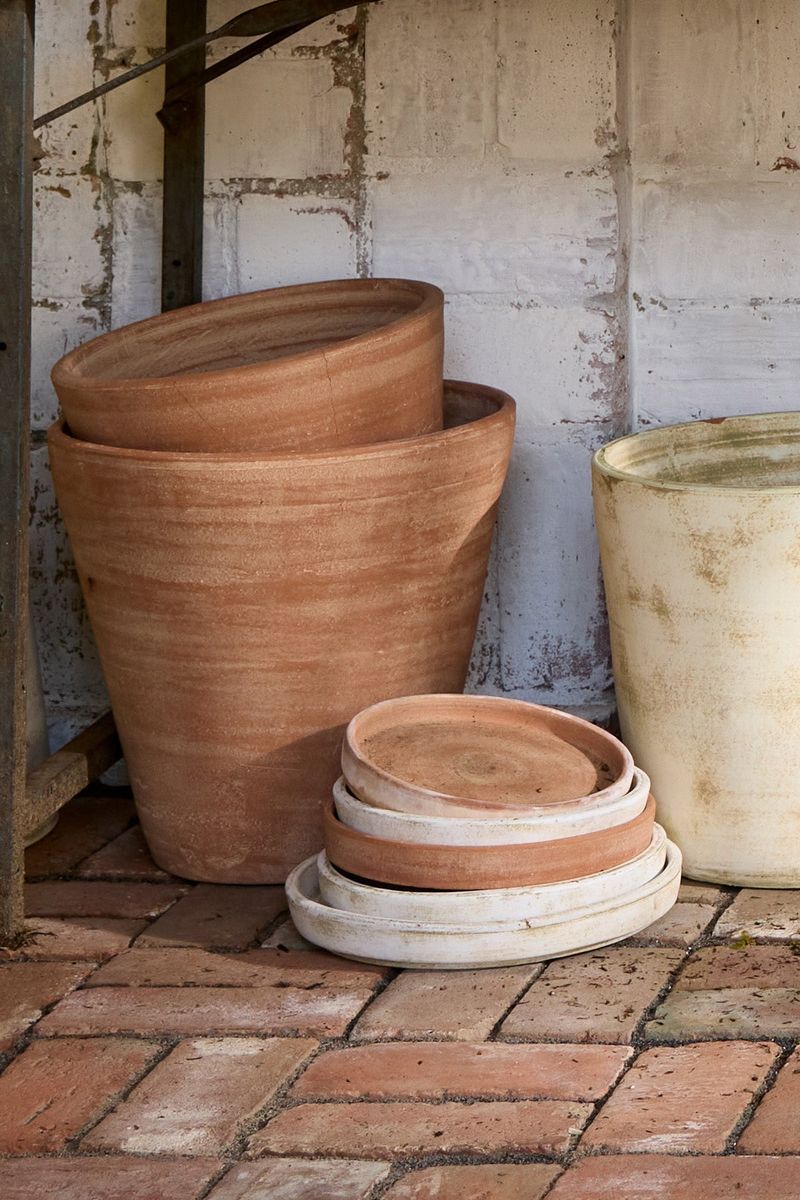
Matching saucers make terracotta pots look neat and tidy, and they protect your deck from muddy summer drips. In winter, though, that cute little dish turns into a sneaky trap under the pot.
Water pools in the saucer after rain or snowmelt, then freezes solid against the bottom of the pot. Ice can glue the two pieces together, and prying them apart often snaps a chunk off.
The pot also sits in cold water for days, soaking up moisture through its thirsty bottom surface. That soggy clay base freezes next, raising the chance of cracks spreading upward through the walls.
Let’s just say I have pried apart more frozen saucers than I care to admit on chilly mornings. Hot water from the kettle helped, but two of my favorite pots still lost their bottoms.
Pull saucers away from outdoor pots before winter arrives, and store them separately in a dry place. Saucers are often thin and fragile themselves, so they deserve protection as much as the pots do.
If a saucer must stay, keep it emptied after storms or tuck small wedges under the pot. That little lift stops the pot base from sitting directly in a puddle of icy water.
Honestly, storing the pot and saucer separately indoors is the easiest fix by far. You avoid frozen messes, and spring setup goes much faster with clean pieces ready.
8. Giant Ceramic Urns Need Help Staying Dry Outdoors
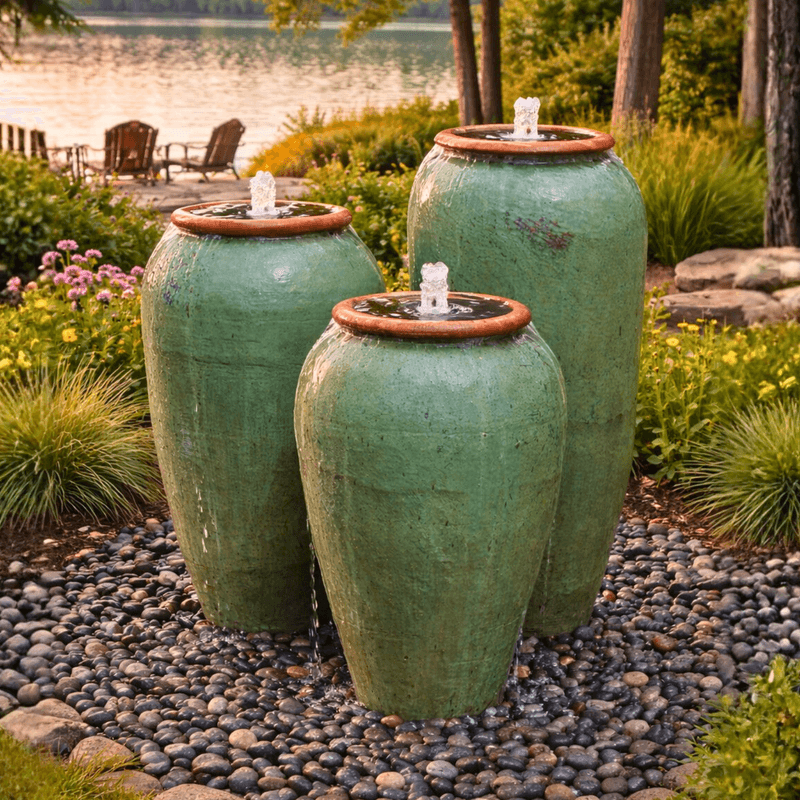
A towering ceramic urn by the front steps makes a brownstone look grand and welcoming all summer long. Moving that heavy beauty indoors, however, can feel like hauling a small refrigerator up the stoop.
Big urns hold a huge amount of soil, and all that soil can trap lots of moisture. When the whole mass freezes, the expanding ice pushes against thick walls with impressive strength.
Thick walls help, but they do not guarantee safety against repeated freezing and thawing through a long winter. Some urns also narrow at the top, so frozen soil has nowhere to go but outward.
Take it from someone who tried shortcuts: leaving an urn full and hoping for mild weather rarely works. The narrow neck on mine cracked by midwinter, and the repair glue never looked quite right afterward.
Remove as much soil as you can with a trowel, especially if the mix feels wet and heavy. A shop vacuum or small bucket can speed things up when you reach the bottom section.
Leave the inside open on a dry day so moisture can escape, then cover the opening securely. A waterproof lid or tarp keeps snow and rain from refilling the empty interior over winter.
Raise the base slightly on sturdy feet so trapped water can drain away from the bottom. Wrapping the outside in burlap also adds a little cushion against wind.
9. Ornate Cast Stone Planters Collect Water in Their Carvings
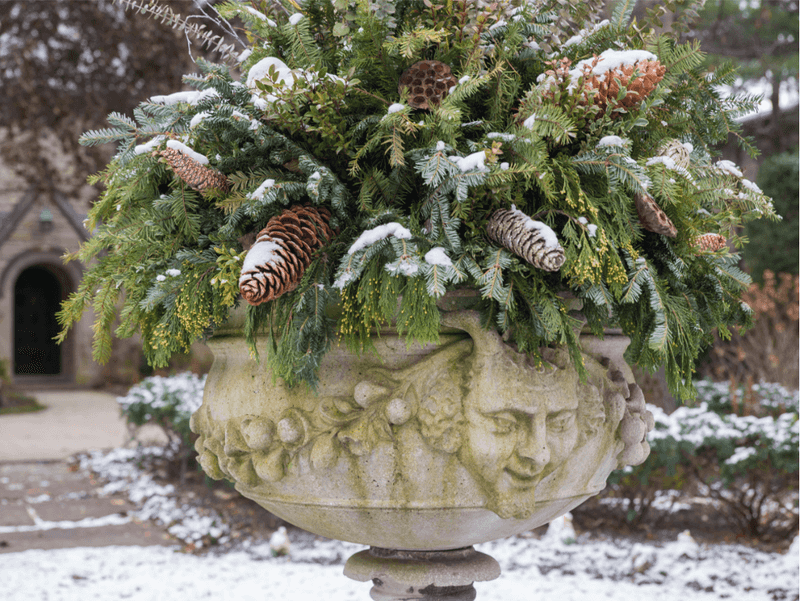
Cast stone planters copy the look of carved stone, with swirls, leaves, and fancy rims that catch the eye. They are actually made by pouring a concrete-style mix into detailed molds, then letting it harden.
That molding process can leave tiny air pockets or weak spots hiding in the decorative details. Water finds those little gaps quickly, settles in, and starts pushing outward once the temperature drops below freezing.
Delicate carved edges are usually the first spots to chip, since they are thinner than the main bowl. Losing a scroll or leaf from the rim can make an elegant planter look tired almost overnight.
For what it is worth, I now give my cast stone pieces a slow walk-around inspection every fall. Small cracks and chips are easier to spot before snow covers everything and hides the problems.
Empty the soil, clean out the drainage holes, and let the planter dry on a breezy autumn afternoon. Then lift it onto bricks or pot feet so it never sits in slushy puddles.
A breathable masonry sealer can help reduce how much water soaks into the material during wet months. Follow the product directions carefully, and test a hidden spot first so the finish stays consistent.
Smaller cast stone pieces store nicely in a garage corner over winter. Larger ones benefit from a snug cover to keep water from filling their basins.
10. Curvy Pots With Lips and Ledges Catch Sneaky Ice
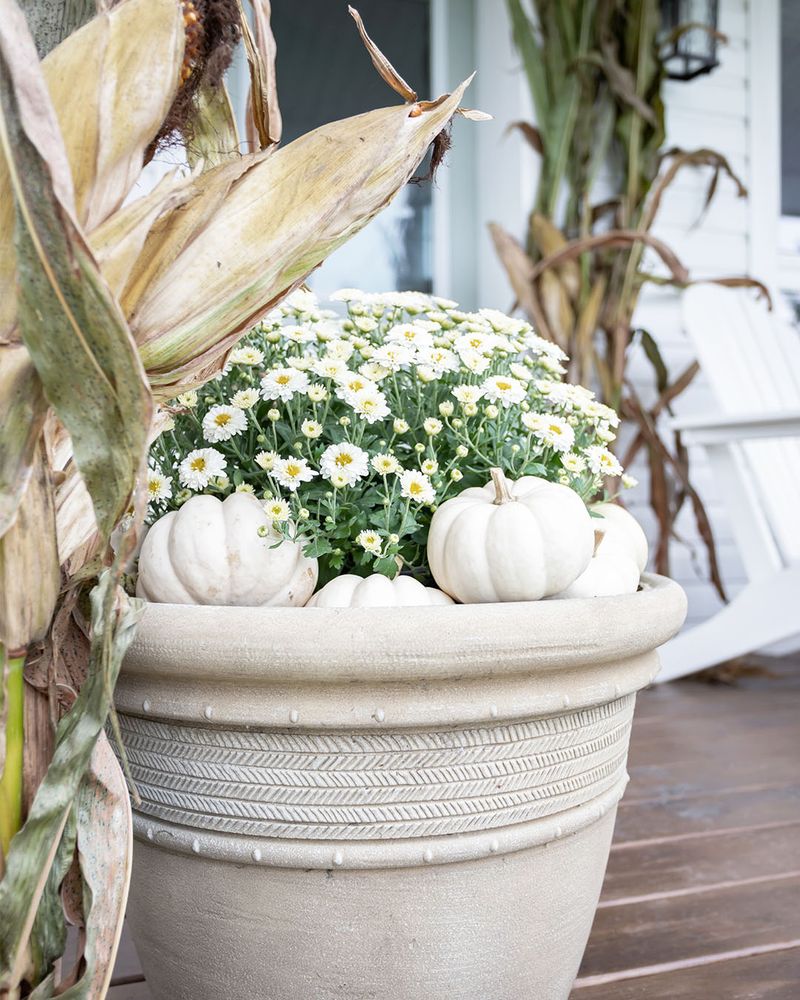
Rolled rims, bulging bellies, and fancy ledges give some pots real personality on a balcony or rooftop. Those same curves, sadly, make perfect little cups for rain, melted snow, and icy slush.
Water settling under a lip or inside a decorative groove freezes into a small wedge of ice. That wedge pushes against the thinnest part of the pot, and a crack can spread from there.
Pots shaped like a ginger jar or a curvy vase deserve extra caution in cold weather. Their wide middles and narrow tops trap frozen soil, which has no easy way to expand upward.
If you ask me, these are the pots worth bringing indoors first when space is limited. Straight-sided or flared containers let frozen soil slide upward a bit, so they usually handle stress better.
Empty the soil, then wipe out every groove and ledge with a rag before storing them away. A soft brush helps clear grit from tight curves where water likes to hide all season.
Store these pots upside down in a dry spot so nothing can collect on their decorative surfaces. A basement shelf, closet floor, or garage corner all work, as long as moisture stays away.
When a curvy pot must stay outside, wrap it snugly with a waterproof cover and tie it down. That small effort keeps your most stylish container ready to shine again next spring.