8 Garden Gifts That Make Sense For California Plant Lovers
Holiday shopping season lands right in California’s prime planting window, when cool rains help new roots settle in. I love how a practical present can go straight into the garden the very same week.
Summers here can stretch for months with little or no rain, so water-saving tools earn their keep fast in nearly every yard. Strong sunshine also lingers much of the year, even on mild winter afternoons in the garden.
Now that I think about it, the gifts I use most often cost the least and solve real everyday problems. Practical tools honestly beat flashy gadgets in my garden nearly every time, and my friends seem to agree.
One gift quietly turns kitchen scraps into rich soil, and another tells you when the roots are thirsty. Which one would earn a permanent spot in your favorite gardener’s shed this year?
1. Drip Irrigation Kit For Smarter Watering
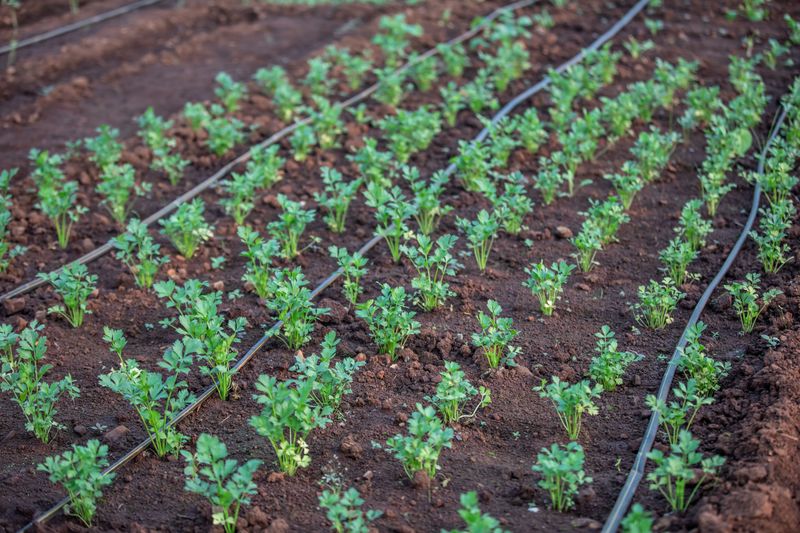
Watching a sprinkler mist half its water onto the sidewalk on a breezy July afternoon still makes me wince. A drip kit sends each drop straight to the roots, so far less water drifts away or evaporates.
Many sources estimate drip systems use about thirty to fifty percent less water than overhead sprinklers in home gardens. That savings matters in a state where watering rules can tighten quickly during dry years and long droughts.
Weeds also get less to drink because the bare soil between plants stays mostly dry through the season. I love how my tomato beds stay tidier now, with far fewer surprise sprouts popping up between rows.
Most starter kits include half-inch tubing, small feeder lines, emitters, stakes, and a pressure regulator for the faucet. Look for adjustable emitters, since they let thirsty vegetables and tough natives share one line without fuss.
Heavy clay soaks up water slowly, so lower-flow emitters running longer help prevent puddles and runoff along paths. Sandy soil drains fast, which means higher flows or emitters spaced closer together usually work much better there.
You will get the best results by grouping plants with similar water needs onto the same valve or zone. A simple battery timer added to the faucet turns the whole setup into a hands-off watering helper.
Fall and winter make a relaxed time for installation, before summer heat starts stressing new plantings again. Tuck a small roll of extra tubing and a hole punch into the box for future garden expansions.
2. California Native Wildflower Seed Mix
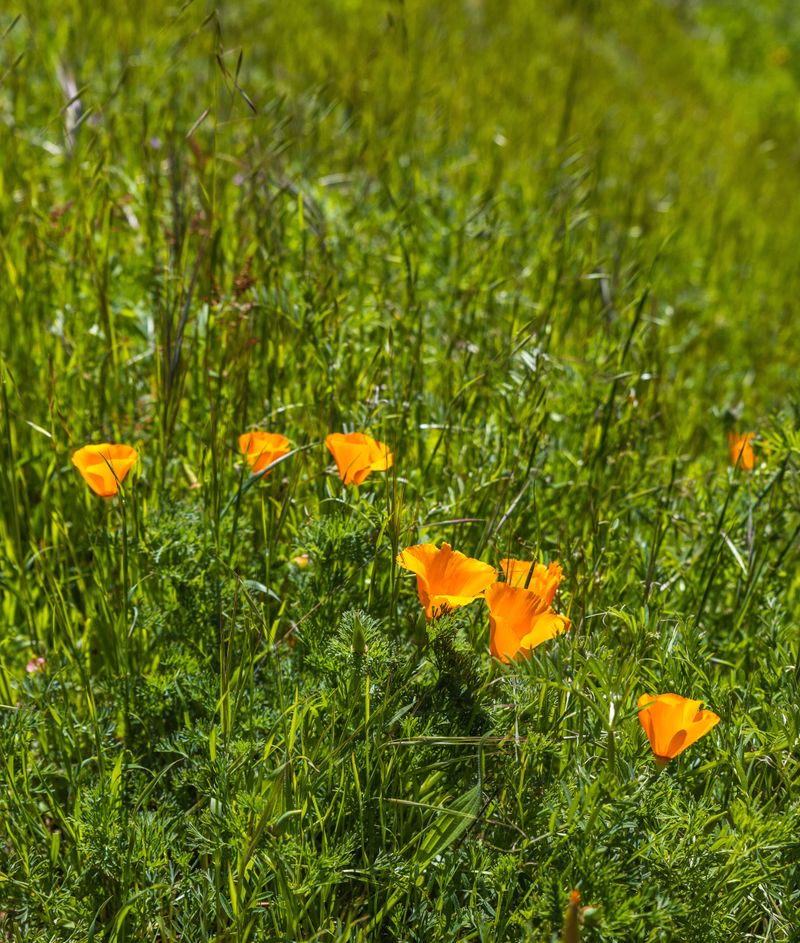
Our state flower, the California poppy, can carpet whole hillsides in orange when spring rains cooperate nicely. A packet of native wildflower seed lets your friend borrow a small slice of that glow at home.
Personally, I think seeds make a sweet gift because they feel like a promise wrapped inside paper. Most native annuals sprout after cool autumn rains, then grow sturdy roots through winter before blooming in spring.
Good mixes often include baby blue eyes, clarkia, tidy tips, and lupines alongside the famous bright poppies. Each of these natives handles summer dryness well once established, and bees visit them constantly during bloom.
Prep is simple, starting with pulling existing weeds and lightly loosening only the top inch of soil. Deep digging tends to bring buried weed seeds up, which creates more competition for the tiny wildflowers.
Scatter seeds evenly, then rake gently so they touch soil without being buried more than a quarter inch. Mixing seeds with a little sand first helps you see where they land and spreads them more evenly.
If autumn rains are late, keep the seeded area lightly moist with gentle misting until seedlings appear. You might notice birds snacking on the seed, so a thin layer of mulch or netting helps.
Buy from a seller specializing in regional natives, since generic mixes sometimes contain plants that spread aggressively. Check the label for local species, and you will have a gift that reseeds and returns most years.
3. Soil Moisture Meter For Root Level Readings
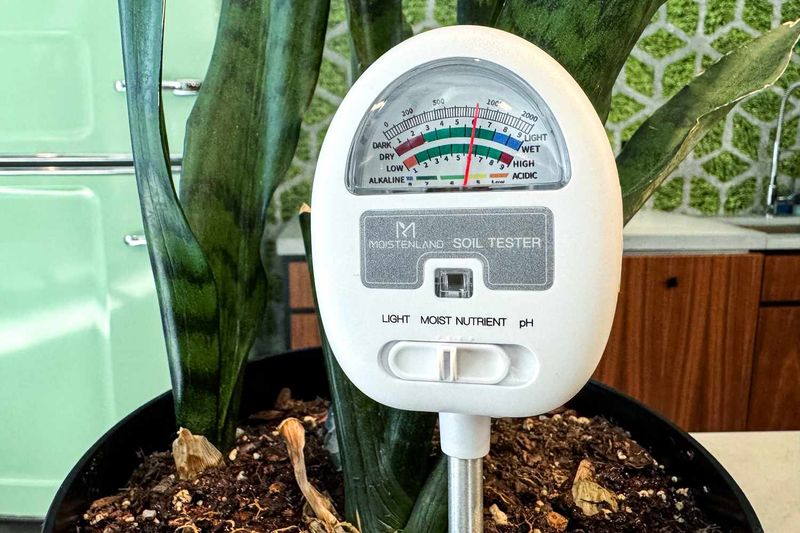
Overwatering is one of the most common ways people hurt their plants, and my soggy lemon tree proved it. A soil moisture meter pokes below the surface and reveals what is really happening down near the roots.
The top inch of soil can look dusty while the root zone below stays plenty damp for days. Without a meter, many gardeners reach for the hose too soon, which can lead to root rot problems.
Simple probe meters cost very little and usually run without batteries, showing readings on a dial from dry to wet. They work best as a general guide, since salty soil or rocks can sometimes throw off the readings.
Push the probe down to the depth where most roots grow, then take readings in several different spots. Deep-rooted shrubs and young trees deserve a longer probe, because their thirst sits well below the surface.
Fancier digital sensors can send readings to your phone, which feels handy for busy schedules or summer trips. You might enjoy checking garden moisture from the couch, though I still like poking around outside myself.
Clay soils hold water much longer than sandy ones, so readings help you learn your own yard’s rhythm. After a few weeks, many gardeners notice they water less often while their plants actually look happier.
Wipe the probe clean after each use and avoid forcing it through rocky ground, which bends the tip. Paired with a cute plant marker set, this little gadget makes a thoughtful stocking stuffer for anyone.
4. Bypass Pruning Shears For Clean Cuts
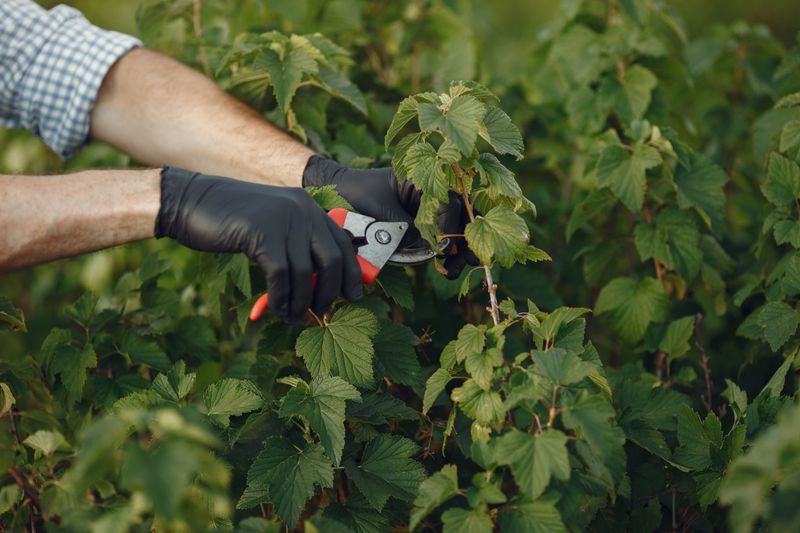
Few sounds satisfy me more than the crisp snip of sharp pruners slicing cleanly through a rose cane. Bypass pruners work like scissors, with one curved blade sliding past another for neat, healthy cuts.
Anvil pruners press a blade against a flat surface, which can crush soft green stems instead of cutting them. Clean cuts heal faster, so bypass styles are usually the better choice for living branches and shrubs.
Your plant-loving friend will reach for them while trimming lavender after bloom or harvesting peppers in late summer. Most hand pruners handle branches up to about three-quarters of an inch thick without straining the tool.
Comfort matters a lot, so look for cushioned handles sized to fit the person receiving the gift. Many brands sell smaller models for petite hands and left-handed versions that feel far more natural to use.
Replaceable blades and springs are a big bonus, letting a quality pair last many years with simple care. I have to admit my favorite pruners are older than some of the shrubs I trim with them.
Wiping blades with a household disinfectant between plants helps reduce the spread of diseases like fire blight. Fire blight affects pears and apples, and it can travel on dirty tools from one tree to another.
A sharpening stone or small diamond file makes a smart add-on gift for keeping edges crisp. Tie both together with a bright ribbon, and you have a present that earns its place every week.
5. Worm Composting Bin For Kitchen Scraps
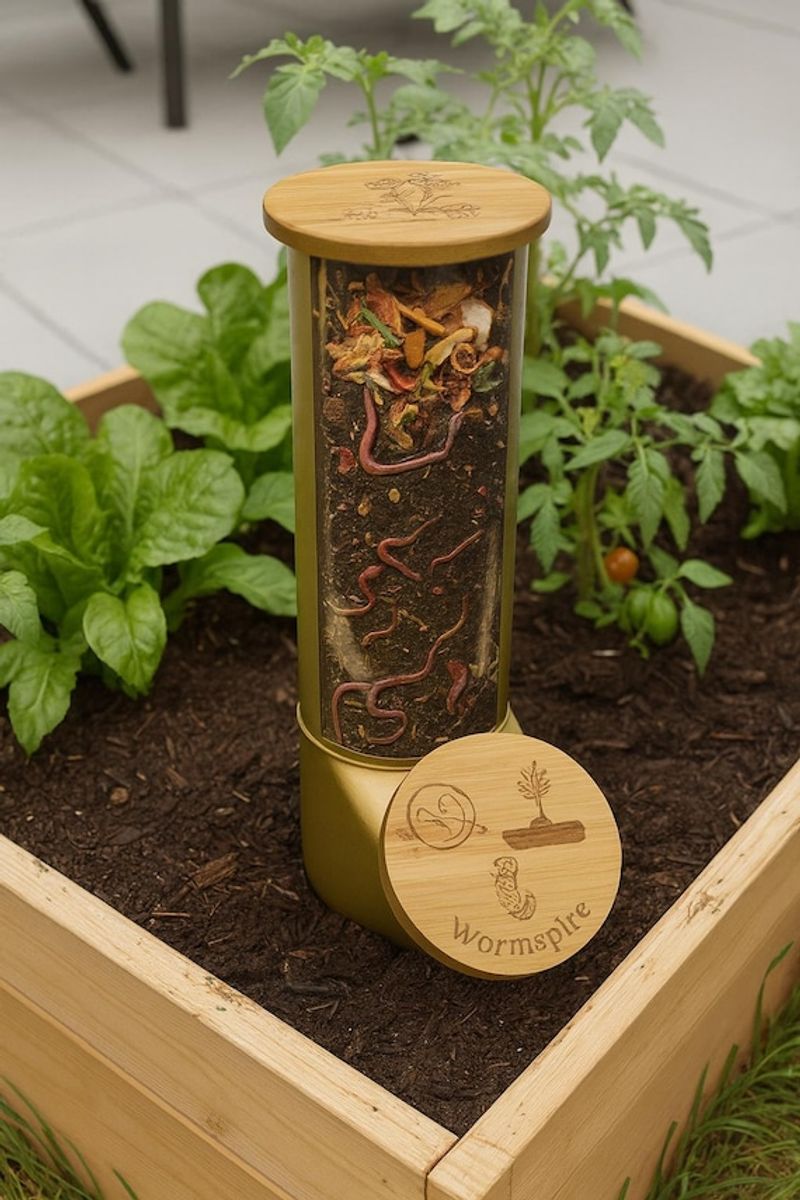
Red wiggler worms can eat roughly half their body weight in food scraps each day under good conditions. A worm bin turns banana peels and coffee grounds into dark, crumbly castings that plants seem to adore.
Personally, I find a worm bin oddly relaxing, like a quiet pet that skips the evening walks. Indoor or shady patio spots work well, since worms prefer temperatures roughly between fifty-five and seventy-seven degrees.
Stacking tray systems are popular because worms migrate upward toward fresh food, leaving finished castings neatly below. That design makes harvesting much easier than digging through one big messy bin with gloved hands.
Feed them fruit and vegetable scraps, shredded paper, and coffee grounds in modest amounts every few days. Skip meat, dairy, oily foods, and lots of citrus, because those create smells and attract unwanted pests.
Bedding made from moist shredded cardboard or coconut coir should feel like a wrung-out sponge to the touch. If the bin smells sour, add more dry bedding and cut back on food for a week or so.
Castings make a gentle soil amendment, and many gardeners mix a modest amount into potting soil or beds. You can also sprinkle a thin layer around seedlings, where it adds organic matter without burning tender roots.
Kids often love helping with the worms, which turns kitchen cleanup into a surprisingly fun science lesson. Order the red wigglers separately from a reputable supplier, since many bins arrive without any live worms.
6. Shade Cloth For Scorching Summer Afternoons
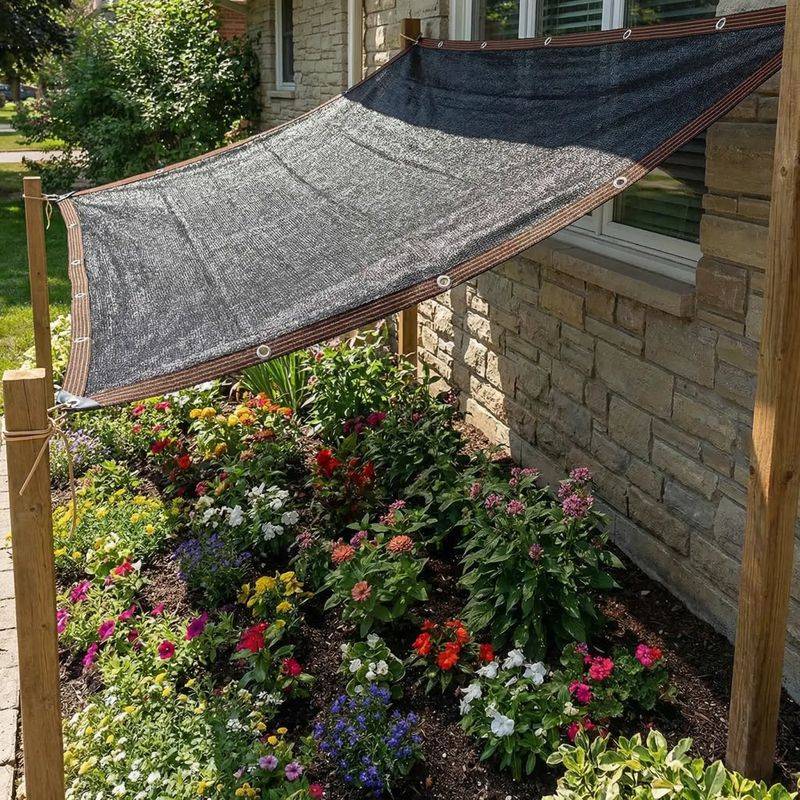
Lettuce can turn bitter and bolt within days once afternoon temperatures soar, which breaks my heart every year. A shade cloth with simple hoops gives cool-season crops a breezy canopy that softens that harsh sunlight.
Inland valleys and desert regions in California see summer heat that can scorch tomatoes and pepper fruit. Shading helps reduce sunscald on fruit, and it also eases stress on tender transplants after planting.
Shade cloth is sold by percentage, which tells you how much sunlight the fabric blocks overall. Many vegetable gardeners choose thirty to fifty percent, while shade-loving ferns and orchids tolerate heavier coverage.
Knitted cloth resists fraying when cut, so it is easy to trim for odd-shaped beds or patios. Lighter colors like white reflect more heat, though many gardeners happily use classic black or green fabric.
Support matters as much as the cloth, because fabric resting on leaves can trap heat right against them. Hoops, stakes, or a simple PVC frame keep the shade raised so air moves freely underneath.
Clips with grommets make setup easy, and they let you pull the cloth off quickly during cooler weeks. You might notice that bees still reach the flowers, since most cloth leaves room for pollinators around edges.
Store the cloth dry and folded during winter, which helps it stay strong for several seasons. Pair it with a few spring clamps, and your friend can install it in under an hour.
7. Botanical Garden Membership For Year Round Inspiration

Some of the best gardening ideas I ever borrowed came from wandering garden paths with a notebook in hand. A botanical garden membership gives your friend unlimited visits to soak up ideas from living plant collections.
California has world-class options, including The Huntington in San Marino and California Botanic Garden in Claremont. The Claremont garden focuses on native plants, so it feels like a living catalog for drought-wise landscaping.
Many gardens join the American Horticultural Society’s Reciprocal Admissions Program, which includes more than three hundred gardens. That perk can mean free or discounted entry to member gardens across the country during road trips.
Check the specific garden’s rules first, because some exclude gardens near home or charge for special events. Members often receive discounts on classes, gift shop purchases, and early access to popular plant sales.
Those plant sales are where I find unusual natives that local big-box stores rarely carry on their shelves. You might come home with a rare manzanita or a fragrant sage that becomes a neighborhood conversation starter.
Seasonal visits also reveal how plants change through the year, which helps with planning your own beds. Watching a meadow shift from green to gold teaches more than any glossy catalog photo ever could.
Membership fees often support conservation research and seed banking work at many of these public gardens. Slip a printed membership card into a card with a pressed flower for a lovely personal touch.
8. Sun Protective Gardening Gloves With UPF 50
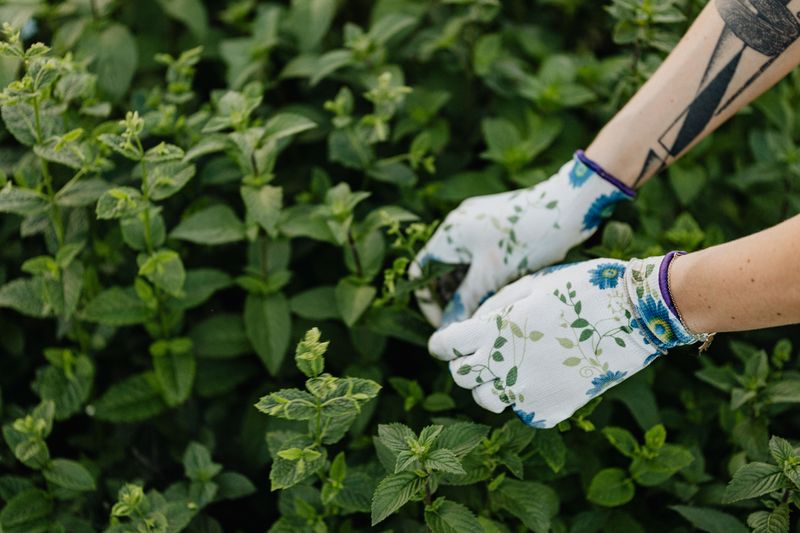
Hands rarely get sunscreen, yet they spend hours in direct sun while we weed and plant outdoors. Sun-protective gardening gloves with a UPF 50 rating block about ninety-eight percent of ultraviolet rays reaching the skin.
Gardeners in sunny regions face strong rays most of the year, even during mild winter afternoons. I like how these gloves skip the greasy feeling of reapplying sunscreen on dirt-covered hands outdoors.
Look for breathable, stretchy fabric that wicks sweat, since thick gloves can feel stifling on warm days. Many styles reach past the wrist or up to the elbow, covering forearms that often burn first.
Fit is everything, so pick gloves snug enough for handling tiny seeds or thinning delicate seedlings. Some versions add grippy palm coatings, which help with slippery hose fittings and smooth tool handles.
Fabric gloves alone will not stop thorns, so pair them with leather gloves for roses or cactus work. You need that extra layer when tackling prickly pear pads or bougainvillea, whose thorns can be quite nasty.
Wash them gently after muddy sessions, and air-dry them to keep the stretch and sun protection working well. Buying two pairs is smart, so one can dry while the other stays ready by the back door.
Dermatologists recommend year-round sun protection, and gloves make that habit easier for people who garden often. Add a wide-brimmed hat to the package, and you have a cheerful gift that truly shows you care.