4 Things You Should And 4 You Shouldn’t Do To New York Roses Before Winter
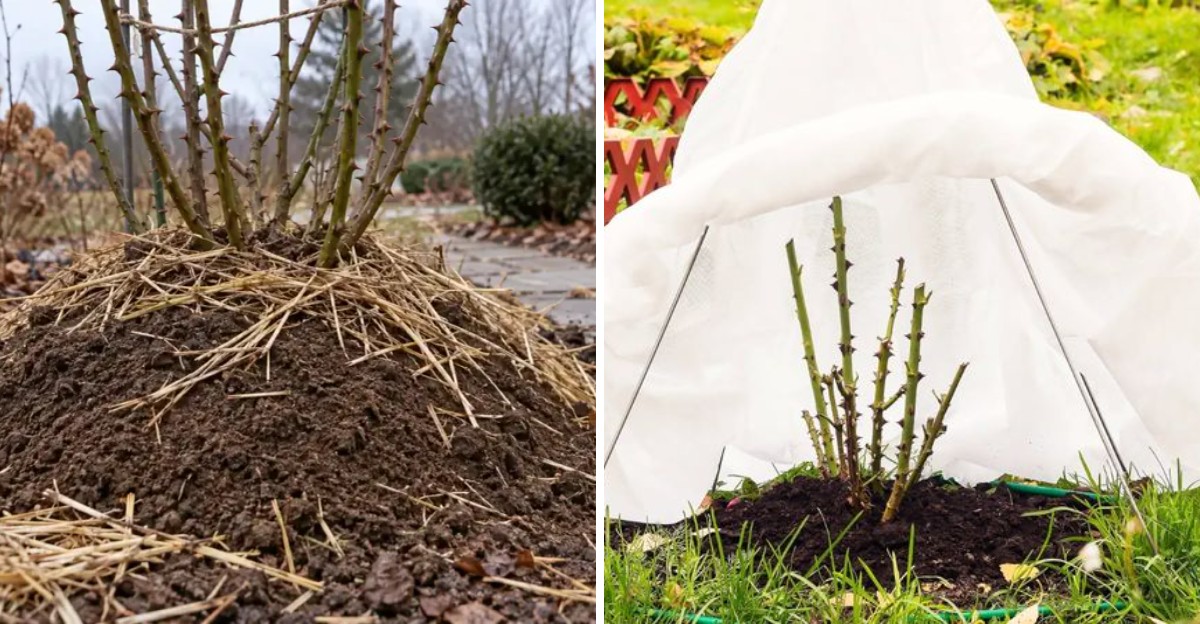
Thorny canes in upstate New York can face winter nights near minus thirty degrees, yet many bushes return each spring. Their secret lies partly in a knobby swelling near the soil line that gardeners call the graft union.
That small bump is where a fancy flowering variety was joined to tough rootstock at the nursery. If harsh cold reaches it, the showy top can fail while wild rootstock suckers take over the plant.
I find it fascinating how a few simple chores in late fall can decide how next June looks. Some habits that feel kind and helpful actually work against a shrub trying to settle into its winter rest.
Gardeners across New York often learn this the hard way after one soft-hearted October mistake in the garden.
So which jobs truly protect your plants, and which ones quietly set them back before the snow flies?
1. Mound Fresh Soil Over The Rose Graft Union
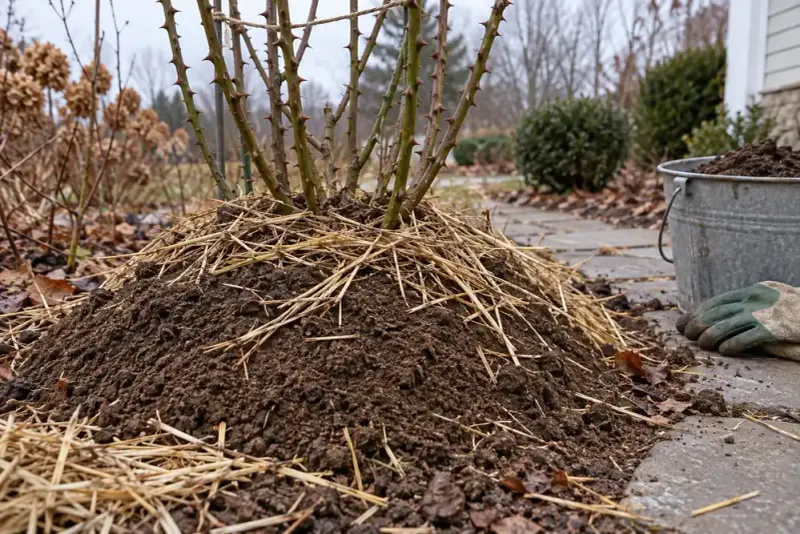
Nothing warms my heart in late November quite like a row of roses wearing tidy brown soil hats. Those little mounds look humble, but they guard the most vulnerable part of a grafted bush.
Cornell Cooperative Extension suggests piling about ten to twelve inches of soil or compost around the base. That mound keeps the graft union insulated when temperatures swing wildly between thawing afternoons and frozen nights.
Bring that soil in from another part of the yard or buy bagged compost at the garden center. Scraping dirt from around the shrub itself exposes the shallow roots you are trying so hard to protect.
Timing matters here, since the best moment usually comes after a few hard frosts have hit your garden. In much of the state, that window falls somewhere between late November and early December each year.
Once the mound settles, you can add a fluffy layer of shredded leaves or straw on top. Evergreen boughs from a leftover holiday tree also work nicely and help trap a little extra snow.
Here’s something worth knowing about own-root roses, which grow on their own roots without any graft at all. Those plants still appreciate a mound, since any canes that freeze can regrow true from the base.
Come spring, pull the soil back gradually once new growth starts and hard freezes seem finished. Spread it around the bed afterward, and your roses will thank you with a cleaner, stronger start in May.
2. Give Thirsty Rose Roots A Deep Fall Drink

Winter wind can pull moisture out of rose canes even while the ground below stays locked in ice. Roots cannot sip from frozen soil, so a well-watered shrub heads into the cold with a real advantage.
I like to think of fall watering as packing a lunch for a long winter road trip. Your roses carry that stored moisture through months when rain and snowmelt cannot reach them easily.
Autumn in the Northeast can turn surprisingly dry, especially during stretches of sunny, breezy weather in October. Push a finger a few inches into the soil near the base, and water deeply if it feels dry.
Aim for roughly an inch of water per week until the ground finally starts to freeze solid. A slow soak reaches deeper roots far better than a quick sprinkle that barely wets the surface.
Point the hose at the base of each plant instead of spraying the leaves from above. Wet foliage on cool evenings gives black spot fungus an easy chance to spread through the bed.
Morning watering also helps, because any splashes on the canes can dry before nighttime temperatures drop again. A soaker hose snaked around your roses makes this job easier and saves a bit of water.
Remember to drain and store that hose once nights stay below freezing for good, or it may crack. Container roses dry out faster than garden shrubs, so check their pots more often during mild spells.
3. Rake Up Black Spot Leaves Under Your Roses

Those yellow leaves with fuzzy black blotches may look harmless on the ground, but they hold a nasty surprise. Black spot fungus, known to scientists as Diplocarpon rosae, spends the winter tucked inside fallen rose foliage.
Spring rain later splashes those spores back onto fresh leaves, and the whole cycle starts over again. Our humid summers make this disease one of the most common rose headaches in our region.
Grab a rake or a pair of gloves and clear every leaf from beneath your bushes. Pluck off any spotted leaves still clinging to the bare canes, since those can carry spores too.
I find this chore oddly satisfying, especially on a crisp afternoon with the smell of fallen leaves. It takes maybe twenty minutes for a small bed of roses and pays off for the whole next season.
Skip the compost pile for this debris, because most home piles do not heat up enough to neutralize fungi. Bag it for the trash or carefully follow your town’s guidelines for yard waste pickup instead.
After cleanup, a fresh layer of mulch adds a physical barrier between leftover spores and next year’s leaves. That simple step cuts down on rain splash, which is how the fungus hitches a ride upward.
You might also notice fewer overwintering pests, since some insects like to hide in messy leaf litter. Leave healthy leaves from other trees elsewhere in the yard, where helpful pollinators can shelter for winter.
4. Wrap Climbing Roses And Tree Roses In Burlap
Tall tree roses look elegant on their slender trunks, but that graft perched up high is wide open to winter. No soil mound can reach it, so these showpieces need a different kind of winter coat.
In colder parts of New York, many rosarians gently tip tree roses over and bury them. Loosen the roots on one side and ease the plant down before covering it with soil and mulch.
That trick sounds dramatic, I know, but it is a long-standing method for protecting these top-heavy beauties. Moving potted tree roses into an unheated garage works too, if you can manage the weight.
Climbing roses bloom on older canes, so losing those long stems in January can mean fewer flowers next summer. Some gardeners in very cold areas lower the canes to the ground and cover them with mulch.
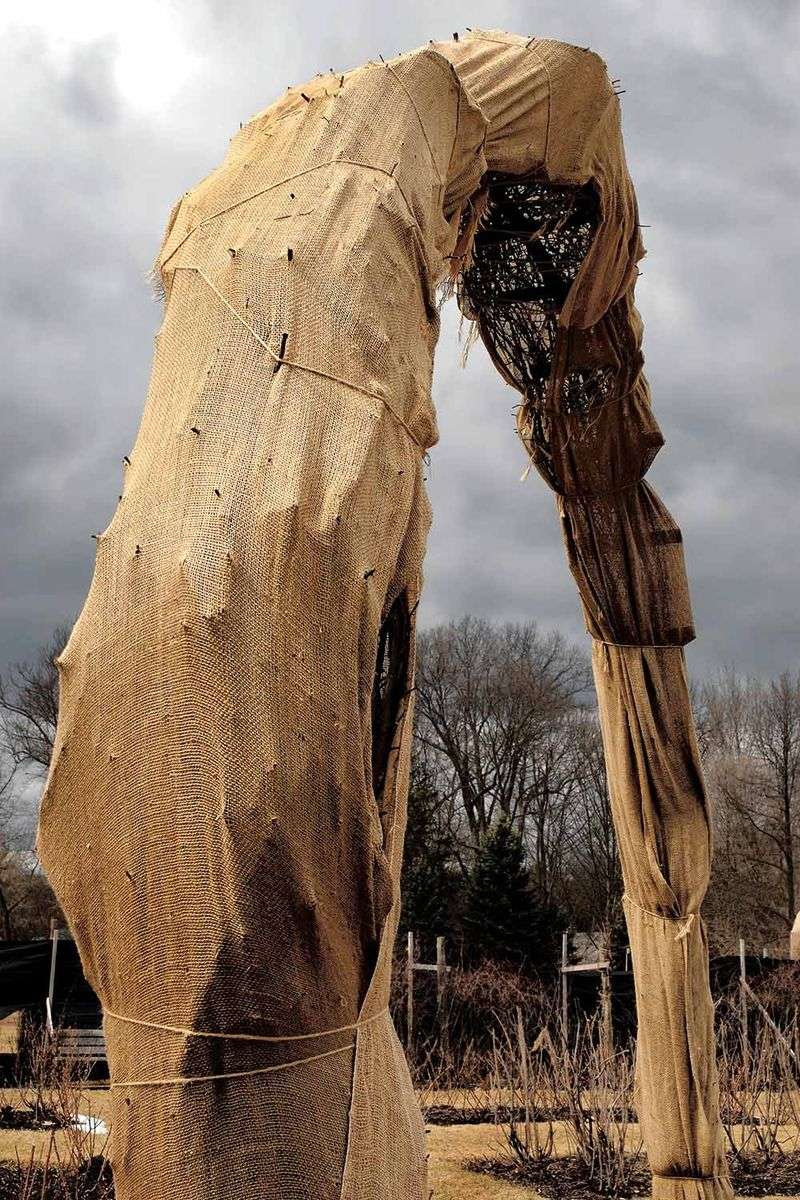
Where winters are milder, wrapping the canes in burlap while they stay tied to the trellis usually does the job. Stuffing straw or shredded leaves inside the wrap adds more insulation without much effort on your part.
Burlap breathes, which matters a lot, because plastic traps moisture and heat that can harm the canes. A simple burlap screen on the windy side of exposed shrubs also helps prevent drying winter burn.
I’ll admit my wrapped climbers look a bit like lumpy scarecrows by the middle of December each year. Those funny bundles are worth it when the canes burst into bloom on schedule the following June.
5. Put Away The Rose Fertilizer By Late Summer
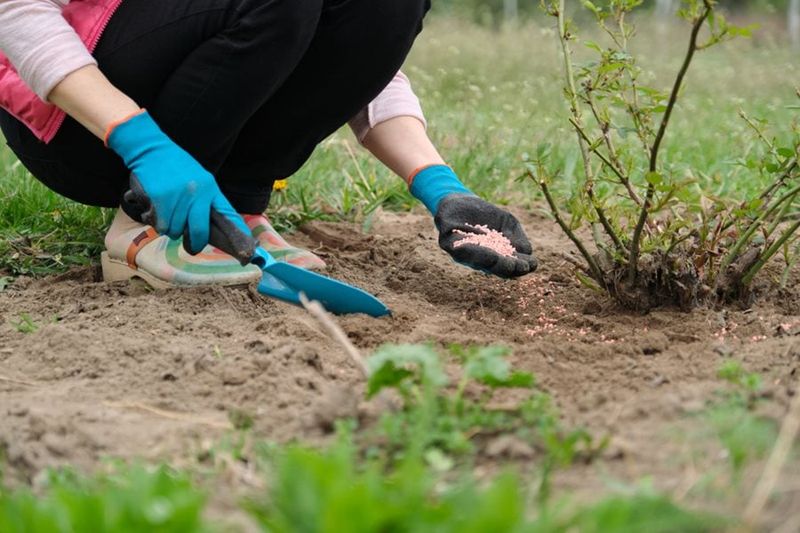
A scoop of fertilizer in September feels generous, yet it sends your roses exactly the wrong message. Nitrogen tells a plant to grow, while the shorter days are quietly telling it to slow down and rest.
Fresh shoots that sprout in early fall stay soft and green when the first hard frost arrives. That tender growth gets damaged easily, and the injury can travel down into older, healthier wood.
Most rose experts suggest stopping all feeding about six weeks before your average first frost date. Across much of New York, that means the last meal should go down by mid-August at the latest.
Gardeners in the Adirondacks or Tug Hill region may want to stop even a bit earlier. Long Island and New York City folks often have a little more wiggle room thanks to milder autumns.
You might wonder about slow-release granules you sprinkled back in June, and that is a fair question. Check the label, since many products feed for three months or more after a single application.
Plan your final dose so it runs out before late summer arrives instead of lingering into fall. Compost spread over the bed in autumn is fine, because it releases nutrients slowly and gently over time.
I like to mark a reminder on my calendar so the fertilizer bag does not tempt me. Letting the plants slow down on their own is one of the kindest things you can do for them.
6. Keep The Pruning Shears Off Your Roses In Fall
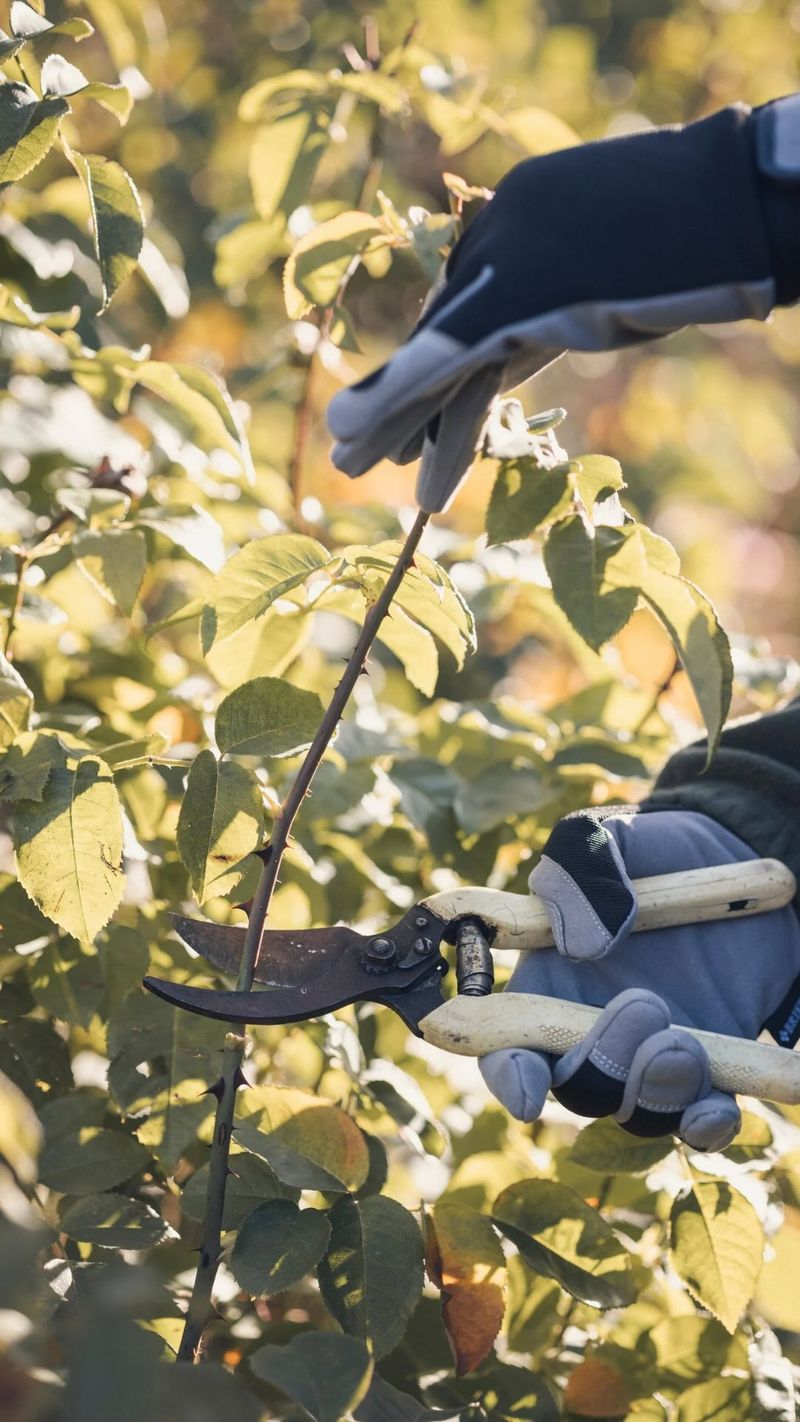
Snipping roses into neat little stubs in October might look tidy, but your shrubs pay for it later. Fresh cuts can coax out new buds during a warm spell, and those buds rarely survive the next freeze.
Winter also tends to damage the tips of canes, no matter how carefully you prepare them. Pruning hard now means that damage creeps closer to the base, where the healthiest buds live.
The way I see it, extra cane length works like a buffer that you trim off in spring. Many gardeners wait until forsythia blooms, which signals that the soil and air are finally warming up.
A light fall trim is still fine when tall canes might whip around in winter wind. Shorten those by about a third so they do not rock the roots loose in the soil all winter.
Removing any broken or obviously diseased canes is also helpful, since they can harbor problems through the cold months. Make clean cuts with sharp, sanitized pruners so the wounds can seal quickly before temperatures fall much lower.
Once-blooming roses, like many old garden types and some climbers, follow a rather different pruning schedule altogether. They flower on last year’s wood, so trimming them in fall or spring removes next season’s show.
Shape those right after their summer flowers fade, then leave them alone until the following year. Your patience with the pruners now usually shows up as fuller bushes and more blossoms next season.
7. Wait For Hard Frosts Before Covering Rose Bushes
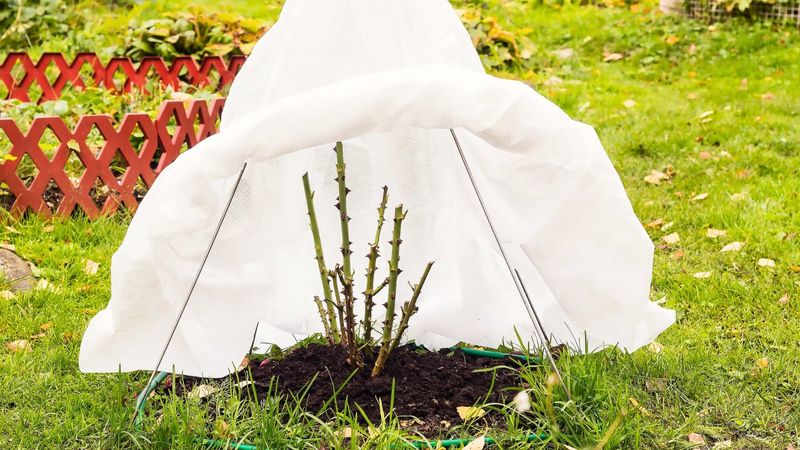
Tucking roses in too early is a bit like putting a toddler to bed in a sauna. The plant stays warm and confused when it really needs steady cold to settle slowly into dormancy.
Roses harden off gradually as autumn temperatures drop, building cold tolerance inside their canes and roots. Heavy mulch or wraps applied in October can interrupt that process and keep tissues soft much longer.
Early covers also invite trouble from below, since mice and voles love a cozy pile near tasty canes. Those critters may chew the bark all winter, and you probably will not notice until spring.
Moisture trapped under thick covers during mild weeks can also encourage mold and rot around the base. Waiting a little longer keeps the soil drier and gives the plant room to breathe for a while.
The right moment usually arrives after several hard frosts, when nighttime temperatures dip into the low twenties. Most leaves will have dropped by then, and the top inch of soil may feel firm and crunchy.
Across upstate areas that often means mid to late November, while downstate gardens can wait a bit longer. Your local Cornell Cooperative Extension office can share typical frost dates for your specific county and town.
I keep a cheap outdoor thermometer near my rose bed, and it takes the guesswork out of timing. Gather your mulch and burlap early, then simply hold off until the cold has truly settled in.
8. Keep Potted Roses Out Of Your Heated Living Room
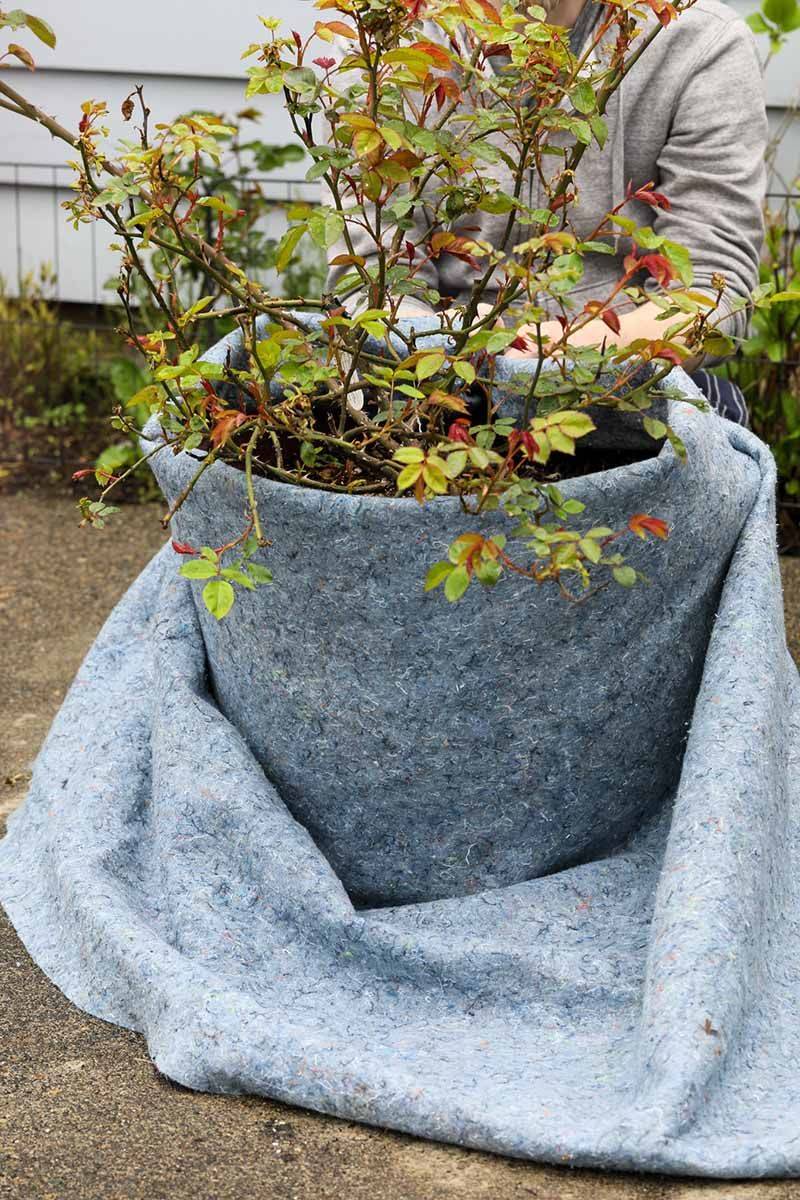
Bringing a potted rose into a warm living room feels like a hug, but the plant sees it differently. Indoor heat and dry air keep it from resting, and spider mites often move in quickly.
Garden roses need a stretch of chilly dormancy to reset before they push out strong spring growth. Without that rest, they usually limp along indoors with pale shoots and very few blooms to show for it.
Pots also leave roots far more exposed than garden soil, because cold air surrounds the container on every side. That is why a middle path works best for container roses in a cold northern climate.
An unheated garage or enclosed porch usually makes an ideal winter home for these potted plants. Many rose growers aim to keep the space roughly between twenty-five and forty-five degrees Fahrenheit throughout the winter.
Move the pots in after the plants go dormant and drop their leaves, not a moment before. Water lightly about once a month so the soil stays barely moist rather than bone dry.
Without a garage, you can sink the pot into the ground and mound mulch around it. Grouping several containers against a sheltered wall and packing straw around them also helps quite a bit in milder areas.
Ceramic and terra cotta pots can crack in freezing weather, so swap to sturdy plastic or fiberglass if possible. Come April, roll your roses back outside gradually and watch those sleepy buds wake up slowly in the sunshine.