What Michigan Hydrangeas Need Before Snow to Bloom Bigger Next Year
Next summer’s flowers on some popular shrubs are already formed, sitting inside fat buds at the tips of bare stems. A single January cold snap can quietly erase those buds before you ever notice anything is wrong.
Gardeners across Michigan often blame poor soil when the big blue globes fail to show up in July. What I find interesting is that the real trouble usually happened months earlier, during the cold and windy stretch.
I learned this the hard way after a mild fall lulled me into skipping a few simple chores. My shrubs grew gorgeous leaves the next year, but they offered barely a handful of flowers by midsummer.
Michigan winters are tough, yet your plants can come through them with buds intact and ready to open.
So what small steps before the first real snowfall make the biggest difference for next summer’s show?
1. Fertilizer Spreader Goes Back In The Shed By August
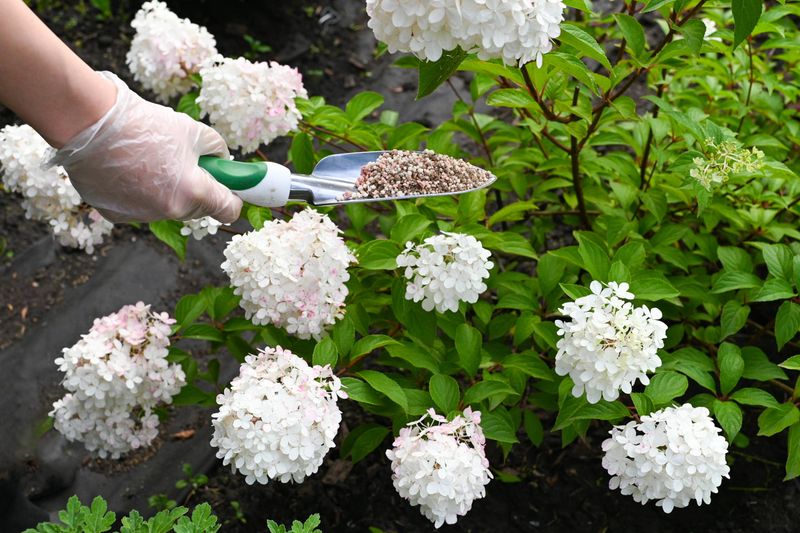
Your fertilizer bag deserves a long winter nap, and honestly, so do your hydrangeas once August slides into view. Feeding late in the season sounds generous, yet it often sends the wrong signal to a shrub preparing for cold.
Fresh nitrogen pushes soft new shoots that have little time to toughen before the first hard freeze arrives. Those tender stems can turn mushy and brown overnight, and the flower buds riding on them often go too.
Many university extension experts suggest finishing shrub fertilizing by midsummer so plants can harden off naturally. I mark the calendar for late July, which gives my bigleaf types plenty of time to settle down.
Shorter days and cooler nights already tell hydrangeas to slow down and store energy in their roots. Extra fertilizer now mostly washes through the soil with fall rains, so you lose money without any real benefit.
Compost is a gentler choice if you still want to show your beds some love before winter arrives. A thin layer releases nutrients slowly, and it improves soil structure without forcing a sudden flush of growth.
Hydrangeas are not especially hungry plants anyway, and too much nitrogen can mean big leaves with fewer flowers. A single spring feeding, applied as buds begin to swell, usually covers everything your shrubs need for the year.
Putting the spreader away early might feel lazy, but I like to think of it as patient gardening. Your shrubs get a calm, steady slide into dormancy, and you get one less chore during a busy season.
2. Deep Watering Hydrangea Roots Before The Ground Freezes
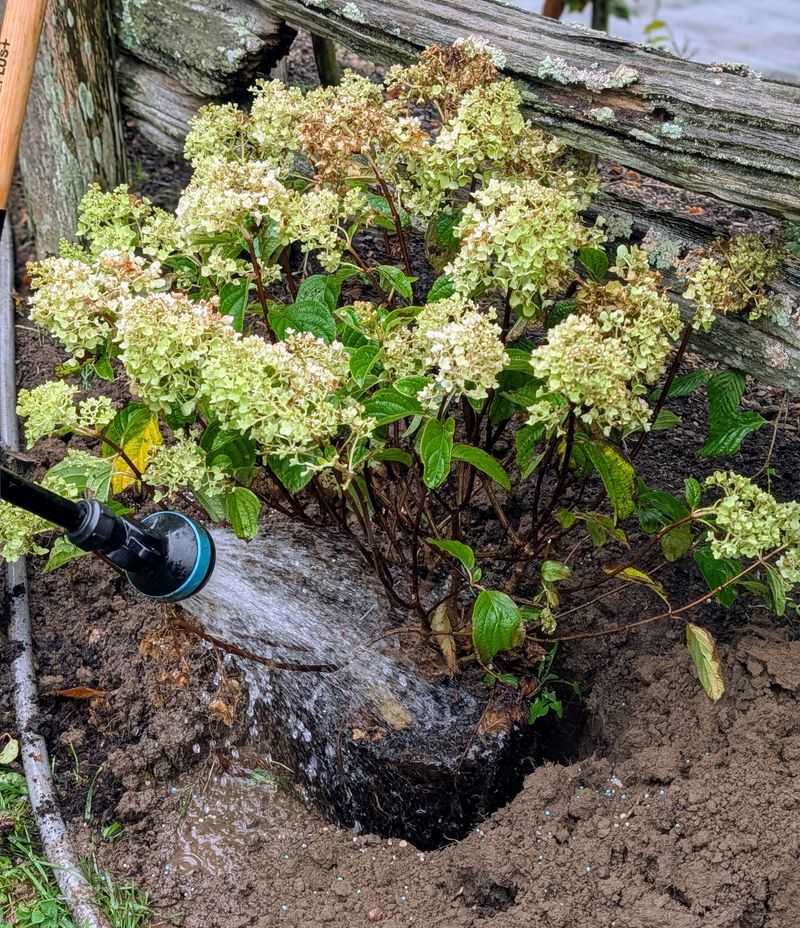
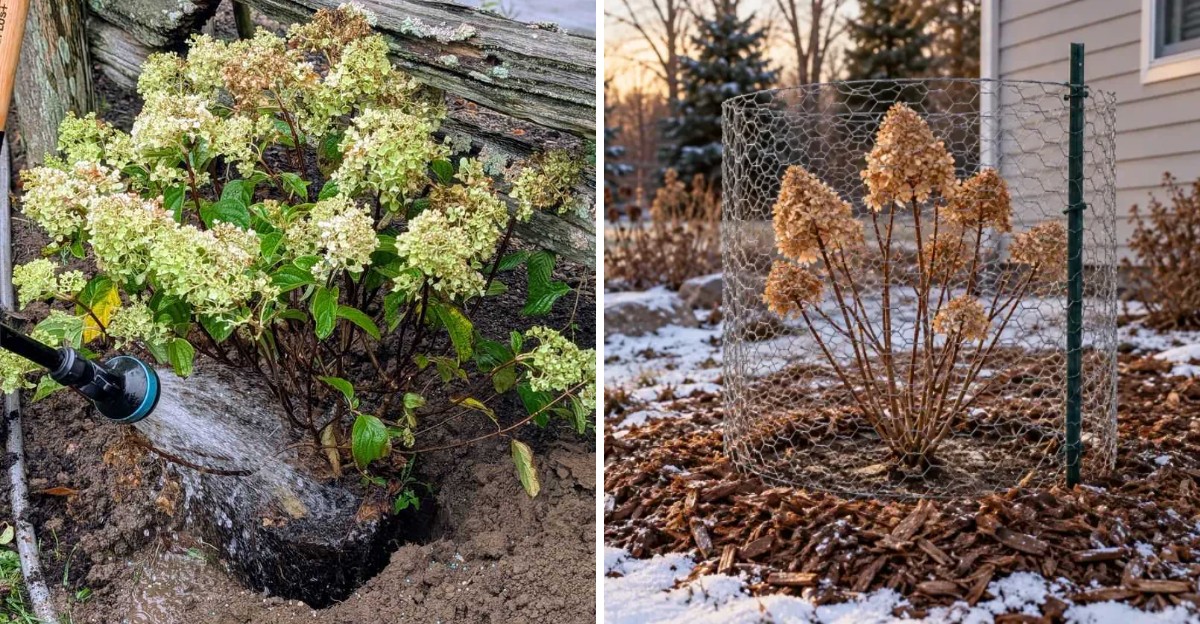
Dry soil in October can hurt a hydrangea more than a snowy January, which surprises many gardeners I talk with. Roots keep working until the ground freezes, and they need moisture to carry buds through months of drying wind.
Hydrangeas got their name from the Greek words for water and vessel, and the label fits them perfectly. Their big leaves lose moisture quickly, so plants entering winter thirsty often show browned tips and weak stems later.
Keep watering deeply through fall whenever rainfall drops below about an inch per week in your area. A slow soak at the base works far better than a quick splash from the hose across the leaves.
I like to lay a soaker hose around each shrub and let it run gently for about an hour. Afterward, I poke a finger into the soil to check that moisture reached several inches below the surface.
Morning watering gives any wet foliage time to dry before chilly evenings settle in over the garden bed. Damp leaves sitting overnight in cool weather can invite leaf spot problems that linger into the following season.
Once the ground freezes solid, you can coil the hose and store it safely away for winter. During a long, mild, dry spell, though, one more deep drink can help shrubs planted near warm foundations or walls.
Newly planted hydrangeas need this attention most because their small root systems have not spread far yet. A well-hydrated shrub heads into the cold with sturdier tissue, and that strength shows up as fuller blooms next summer.
3. Pruning Shears Stay Away From Bigleaf Hydrangea Stems
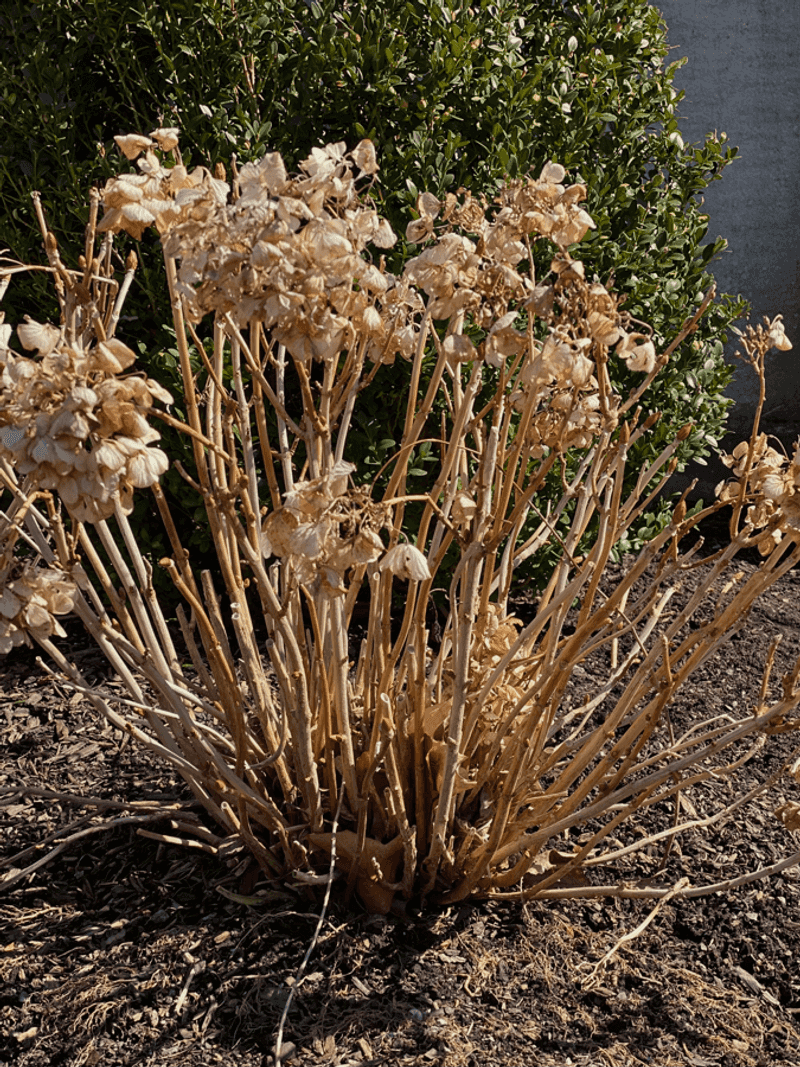
Those tempting brown stems on a bigleaf hydrangea are hiding next summer’s flowers, tucked inside plump buds at each tip. Snip them in fall, and you could be staring at a leafy green bush with no blooms come July.
Bigleaf types, Hydrangea macrophylla, set their flower buds in late summer and early fall on stems called old wood. Oakleaf hydrangea, Hydrangea quercifolia, follows the same pattern, so both deserve a hands-off approach before snow flies.
Panicle hydrangea, Hydrangea paniculata, and smooth hydrangea, Hydrangea arborescens, play by different rules because they bloom on new wood. Cutting them back will not harm next year’s show, since their buds form on fresh spring growth.
Even so, I prefer waiting until late winter or early spring to prune those tough new wood bloomers. Standing stems catch drifting snow nicely, and you can spot any winter damage clearly before making cuts in spring.
Reblooming bigleaf varieties, such as the Endless Summer series, flower on both old and new wood. They still bloom best when last year’s stems survive, so treat them gently during your fall cleanup.
Not sure which type you have growing by the porch or along the fence line this year? Look at the leaves, since bigleaf types have broad shiny foliage while panicle types carry pointed flower cones.
When in doubt, leave the pruners in the shed and revisit the question once green buds appear in spring. Broken or diseased branches are the only exception worth handling now, and clean cuts help prevent further problems.
4. Dried Hydrangea Flower Heads Stay On For Winter
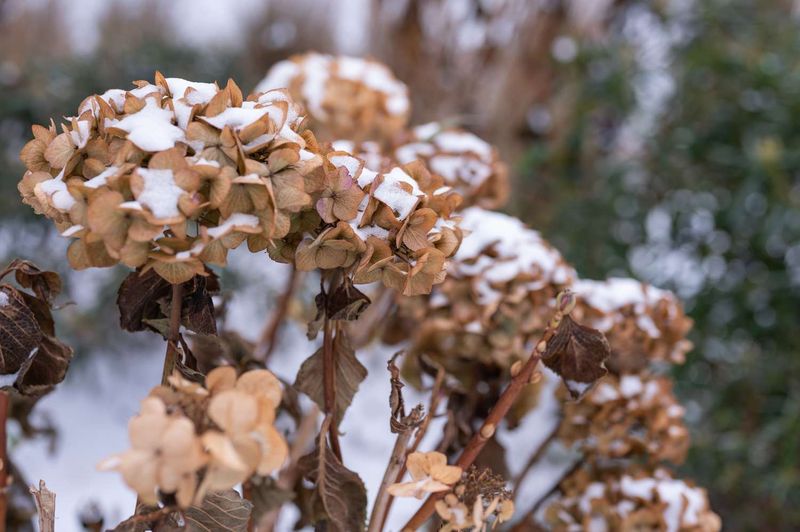
Faded hydrangea blooms turn papery and tan by late fall, and they look surprisingly charming wearing a cap of snow. Leaving them in place is one of the easiest favors you can do for your shrubs before winter.
On bigleaf types, the old flower head sits just above the buds that will open next summer. Many gardeners believe those dried clusters offer a little shelter, catching snow that can act as natural insulation.
I could be wrong about how much protection they truly provide, but removing them carelessly can nick hidden buds. That risk alone convinces me to let the old flowers stay put until spring warms the garden.
Panicle hydrangeas like Limelight hold their dried cones beautifully, and they add texture to an otherwise bare landscape. Birds sometimes perch among the stems too, which gives you something lively to watch from a frosty window.
If heavy wet snow starts bending branches, gently brush it off with a broom instead of shaking stems hard. Frozen wood snaps easily, and a broken branch on an old wood bloomer means losing those flower buds.
Come spring, wait until new leaves start unfolding before cutting the old heads away from bigleaf stems. Snip just above the first pair of healthy, fat buds, and leave the rest of the stem alone.
Dried blooms also make lovely indoor arrangements, so feel free to borrow a few from panicle types now. Those shrubs bloom on new wood, so trimming their flower heads before snow will not reduce next summer’s display.
5. Fallen Hydrangea Leaves Get Raked From The Bed
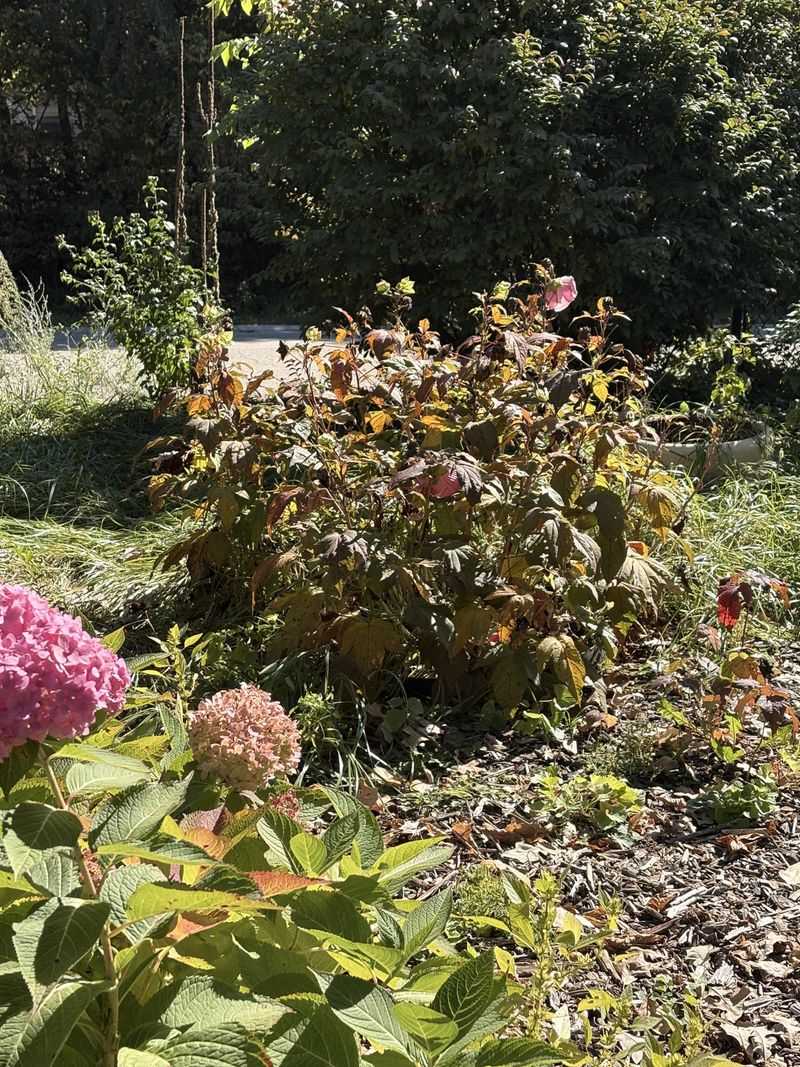
Fallen hydrangea leaves can hide tiny fungal spores that wait patiently all winter for warm, wet spring weather. Raking them up feels like an ordinary chore, yet it can noticeably reduce leaf spot trouble next season.
Cercospora leaf spot and anthracnose are common hydrangea diseases, and both can survive on infected fallen leaves. When spring rains splash those spores back onto fresh foliage, the whole cycle starts all over again.
Weak, spotted leaves can’t feed the plant well, and a stressed shrub usually produces smaller, fewer flowers. Keeping the base tidy gives your hydrangea a cleaner start, which supports bigger blooms down the road.
I like to rake around each shrub after most leaves drop, then bag anything with brown or purple spots. Spotted leaves belong in the trash rather than the compost pile, since home piles rarely heat up enough.
Healthy leaves from nearby trees are another story, and you can shred them for a free winter mulch. Just keep any disease-marked hydrangea foliage out of the mix to avoid spreading problems back into the bed.
Weeds tucked around the base deserve attention too, since some shelter insects and slugs through cold months. Pulling them now, while the soil is soft, is much easier than battling them during next spring’s rush.
Fall cleanup does not need to be perfect, so leave some leaves in other beds for overwintering pollinators. Focus your efforts right around the hydrangeas, where clean ground matters most for plant health and future flowers.
6. Shredded Bark Mulch Circles The Hydrangea Base
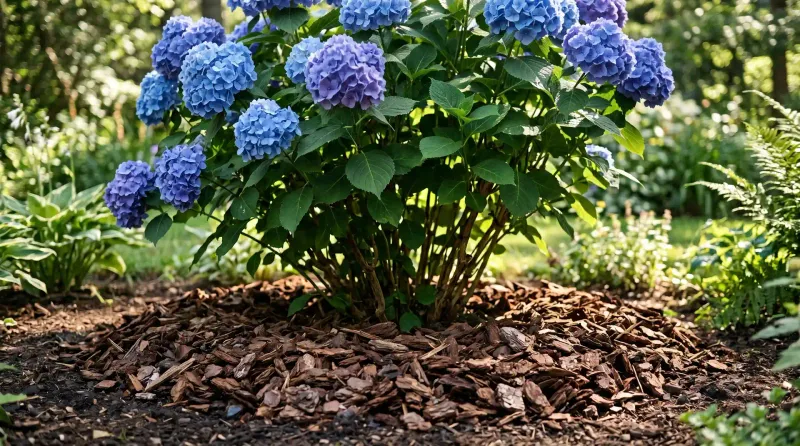
Soil in a Michigan winter can freeze and thaw many times, and each swing can tug at shallow hydrangea roots. A cozy ring of mulch acts like a quilt, keeping ground temperatures steadier through those wild weather shifts.
Wait until the soil has cooled and the first hard freezes have passed before spreading winter mulch. Mulching too early can keep the ground warm and invite mice to build snug nests near the stems.
Shredded bark and chopped leaves both work well, so choose whichever is easier for you to gather this fall. Spread a layer about two to four inches deep, extending it out toward the edge of the branches.
Keep the mulch pulled back a few inches from the stems so the bark stays dry and healthy. Piling it against the trunk like a volcano can trap moisture and attract chewing critters during winter.
Newly planted shrubs benefit most, because their roots have not had time to grow deep into the soil. Bigleaf types in colder zones also appreciate the extra cover, since their crowns can be more sensitive.
Mulch also slows moisture loss from the soil, so the deep watering you did earlier lasts longer. I find it satisfying to finish the season by tucking each shrub in with a fresh, even layer.
Come spring, pull back any extra winter mulch once the soil thaws so the ground can warm properly. Keep a thinner layer in place through summer to hold moisture and help keep those big blooms coming.
7. Chicken Wire Cage Filled With Leaves Shields Bigleaf Buds
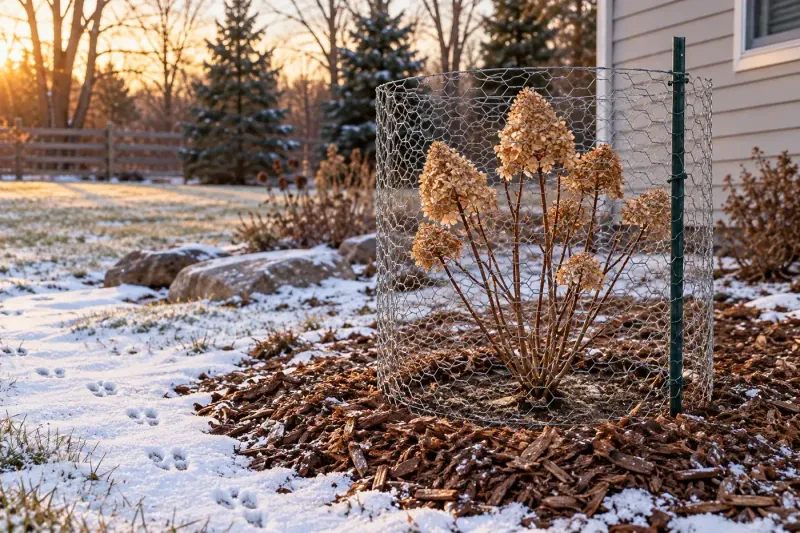
A ring of chicken wire stuffed with dry leaves might not win any beauty contests, but bigleaf buds love it. Those buds sit high on the stems, where bitter wind and deep cold can harm them before spring arrives.
Many bigleaf hydrangeas are rated for zone 5 or 6, while much of Michigan falls in zones 4 through 6. That gap explains why plenty of shrubs survive winter yet still produce few flowers the following summer.
Build the cage after the shrub goes dormant, usually once a few hard freezes have browned the leaves. Set four stakes around the plant, wrap chicken wire around them, and leave the top slightly open.
Fill the space loosely with dry shredded leaves or straw until the stems are tucked in up to their tips. Avoid packing wet material tightly, because soggy stuffing can encourage rot instead of offering helpful insulation.
Wrapping burlap around the outside of the cage adds a windbreak, and it looks tidier from the street. Skip plastic wraps, since they trap heat on sunny days and can warm the plant too quickly.
Potted hydrangeas need a different plan because roots in containers face much colder temperatures than those in the ground. Move pots into an unheated garage or shed where they stay cold but protected from harsh winter wind.
Remove the cage gradually in spring once nighttime temperatures stop dipping into the low twenties for good. Watching those protected stems leaf out and set buds is my favorite reward for a little fall effort.