The September Task That Helps Michigan Spirea Bloom Bigger Next Spring
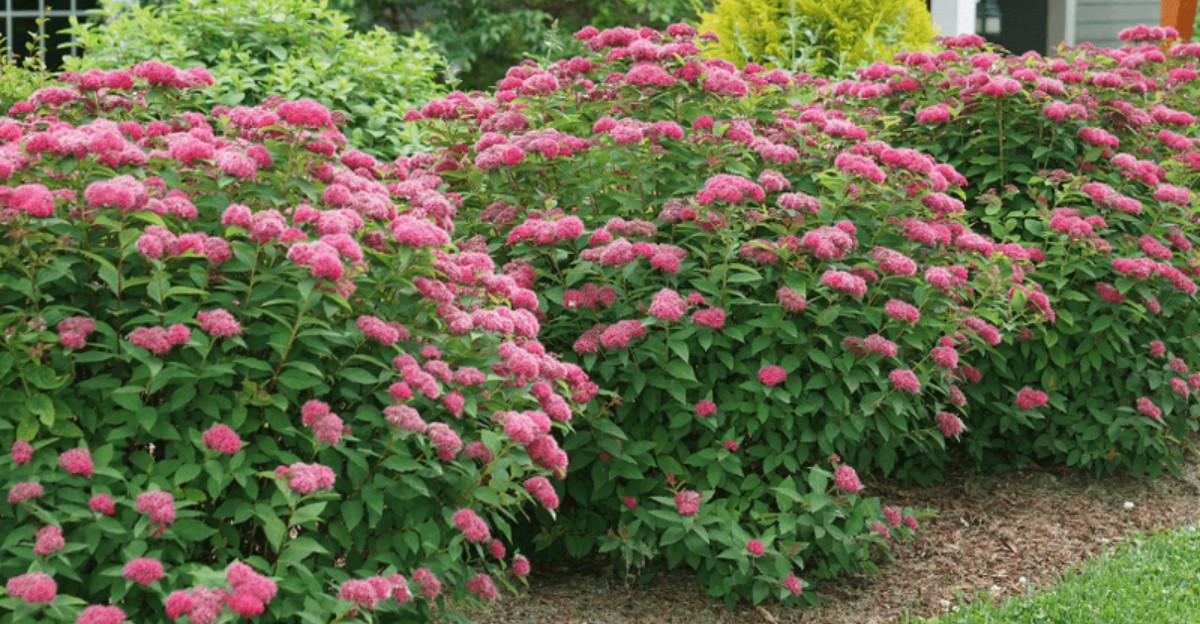
Spring-blooming spireas like bridal wreath spirea set flower buds on old wood before winter.
A pruning cut made at the wrong time this fall can accidentally remove the very growth responsible for next spring’s flowers, leaving the shrub noticeably sparser than it’s capable of being.
Because spirea doesn’t correct this kind of mistake on its own or rebloom again until the following year, getting the timing right this month carries real weight.
A neglected or improperly pruned spirea can end up disappointing even after a full summer of otherwise healthy growth. Paying attention to this task now is really the only chance to influence how full next year’s bloom turns out.
1. Do Not Prune Bridal Wreath Spirea In September
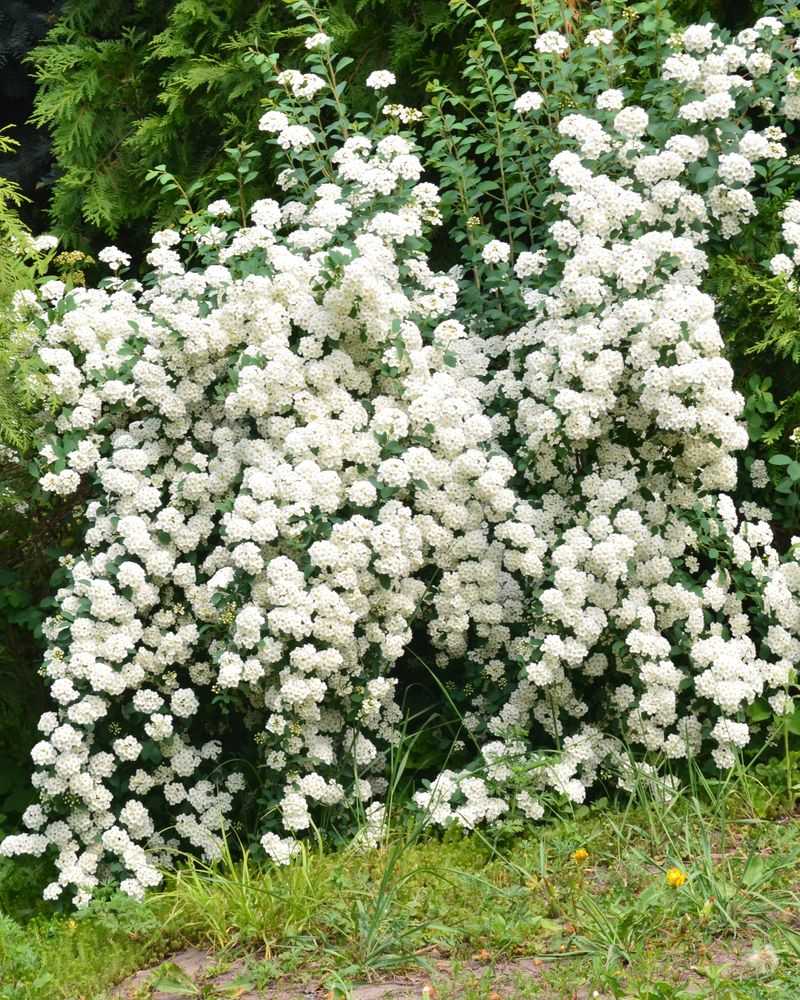
Reaching for the shears in September feels natural once the flowers are long gone, but with bridal wreath spirea that instinct works against you.
This shrub blooms on old wood, which means the stems standing in your yard right now already hold next spring’s flower buds.
Those buds form during summer and quietly wait through fall and winter. When you cut the stems in September, you snip away the very buds that would have opened into that famous white cascade.
The plant cannot replace those lost old-wood buds in time for the coming spring bloom. Michigan gardeners sometimes trim in fall thinking it tidies the shrub for winter, but a neat cut now often means a thin, patchy bloom later.
Instead of shaping, let the branches keep their full length through the cold months. Think of the stems as tiny storage containers packed with future flowers. Every branch you leave in place is a promise of blossoms come May.
If the shrub looks a little wild, remind yourself that a slightly messy spirea in September usually turns into a spectacular one in spring. Patience pays off here in a big way.
The only time September pruning makes sense is when a branch is broken or clearly unhealthy, and even then you keep it minimal. Save any real shaping for after the flowers fade next year.
By keeping your tools tucked away this month, you protect the show that is already forming right in front of you.
2. Protect The Stems That Already Have Flower Buds
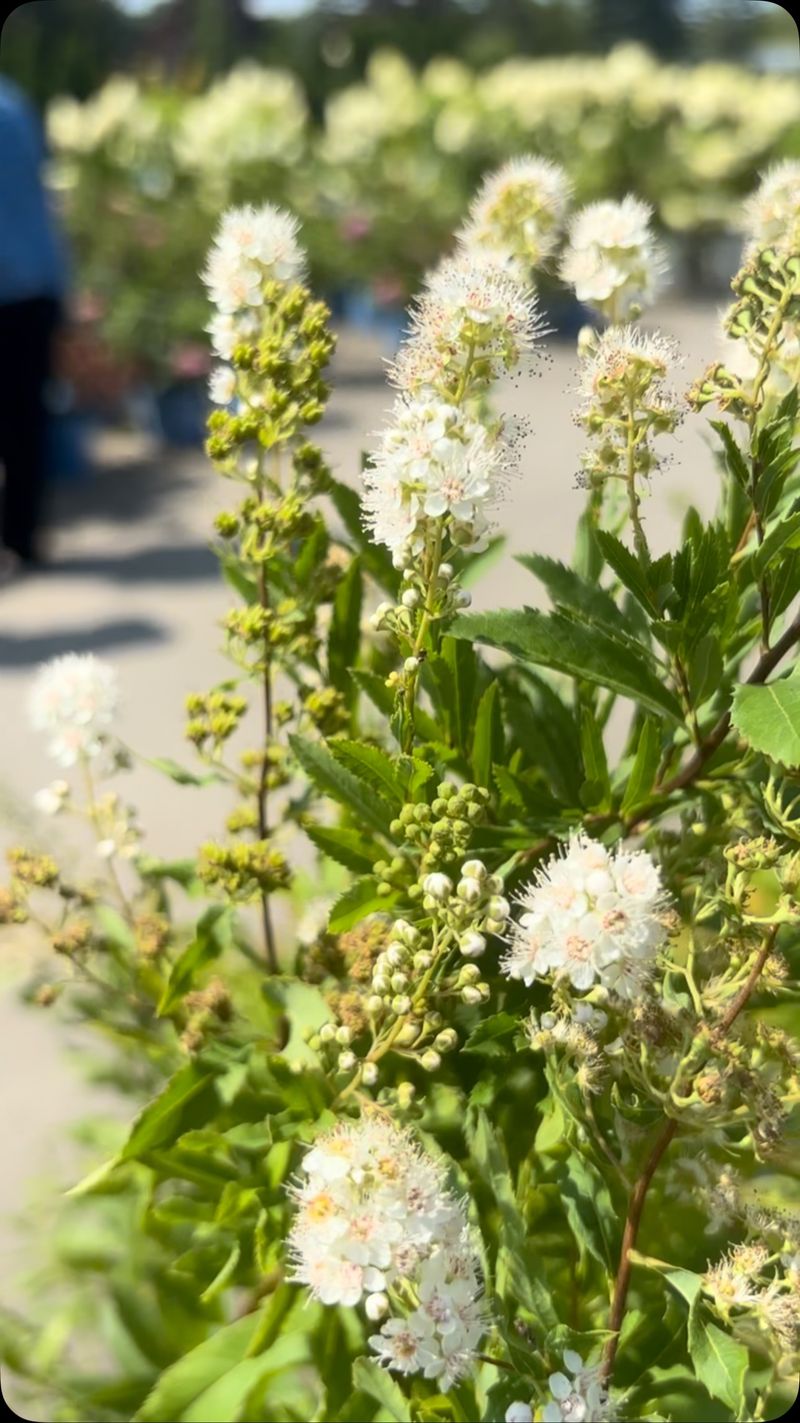
Every healthy older stem on your spirea is carrying a hidden treasure through the fall. Along those branches sit small, tight flower buds that formed during the warm months, and they are the key to a full spring bloom.
Keeping those stems safe becomes your main job once September rolls around. That means being gentle when you rake leaves, move garden hoses, or set up any winter covers nearby. A careless bump can snap a branch loaded with future flowers.
Older wood on this shrub is not something to clear away. It is the framework that produces the thickest, most crowded blossoms, so treat the mature stems with the same care you would give a plant full of buds.
Michigan winters can be rough, with heavy snow and ice riding on the branches. While the shrub is tough, you can gently brush off packed snow so the weight does not crack the loaded stems.
Your Michigan Garden Changes Every Week. Your Plan Should Too.
Gardening in Michigan changes quickly throughout the season. Every Friday you’ll receive a simple weekly plan showing exactly what to plant, prune, fertilize, harvest, and protect so you never miss the right timing.
Avoid tying the branches too tightly or bending them into unnatural shapes to fit a space. Stress and breakage both reduce the number of buds that make it to spring.
Walk around the shrub every few weeks and glance at the stems. If you spot a cracked branch, you can trim just that one piece without touching the healthy wood.
By guarding these bud-covered stems through the fall and winter, you are basically babysitting next year’s flower show. When spring finally arrives, the stems you protected will thank you with a thick, snowy blanket of blooms.
3. Water During Extended Dry Fall Weather
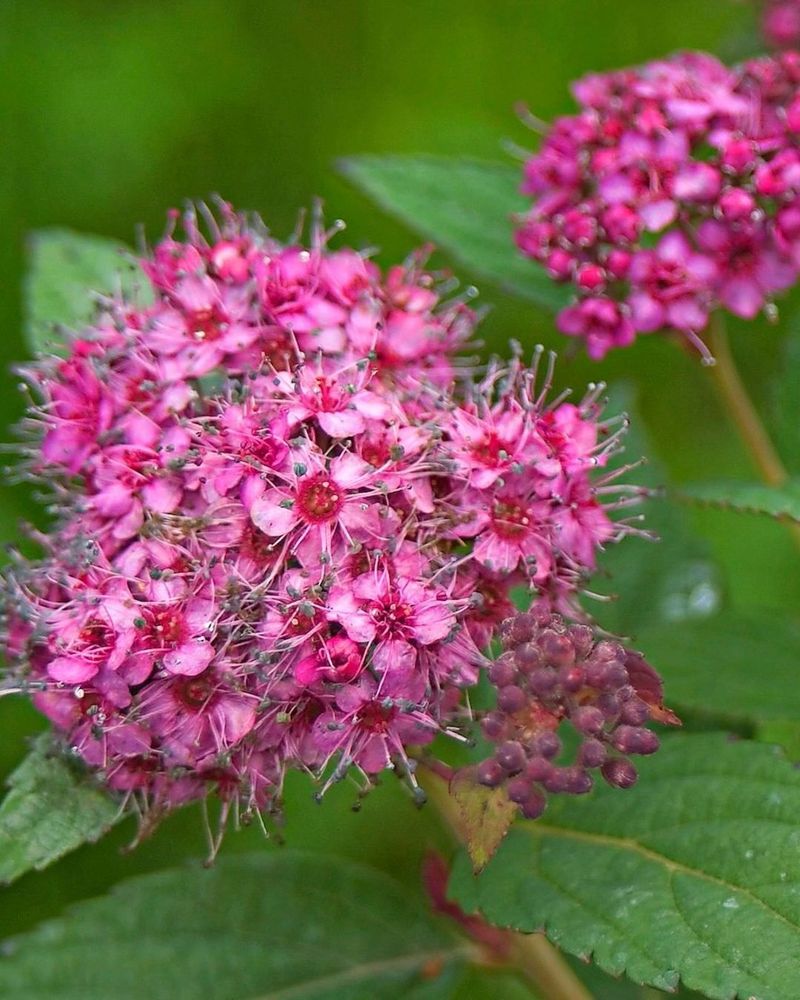
Spirea has a reputation for being easygoing, and for good reason. Once it settles into a spot, it handles all kinds of conditions with little fuss. Even so, a long dry stretch in fall can leave it stressed right when it needs to be storing energy.
Michigan autumns are unpredictable, and some years bring weeks without much rain. When the soil stays dusty and dry heading into winter, the roots struggle, and a thirsty shrub is a weaker shrub going into the cold season.
You do not need to soak it constantly. Instead, check the soil a few inches down, and if it feels crumbly and dry, give the shrub a slow, deep drink at the base.
Deep watering matters more than frequent sprinkling because it reaches the lower roots where the plant draws its strength. A good soak every week or two during a dry spell is usually plenty.
Stop watering once the ground begins to freeze, since the plant slips into rest mode and no longer takes up much moisture. The goal is simply to send it into winter well hydrated, not soggy.
A spirea that enters the cold months with healthy, moist roots holds onto its flower buds better and wakes up stronger in spring. Drought stress can weaken those buds and thin out the bloom.
Think of a good fall drink as a final tune-up before the long rest. It is a small effort that pays off with a fuller, brighter display later.
4. Keep The Root Zone Well Drained
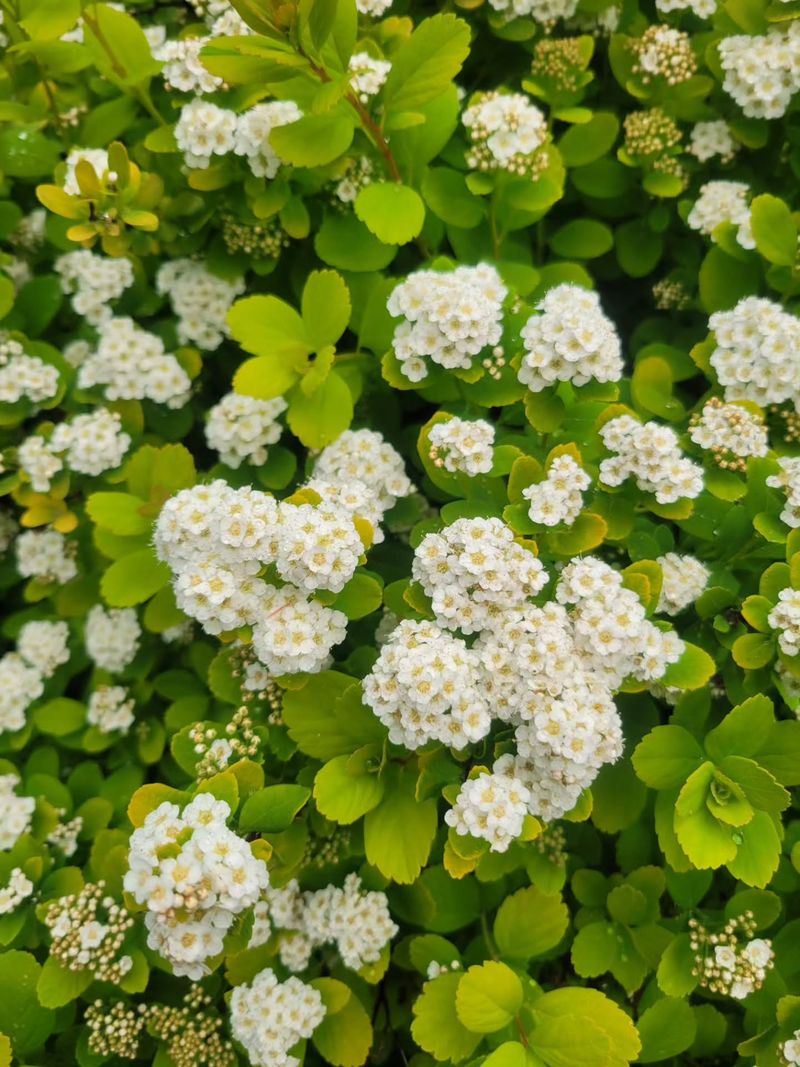
Roots need air just as much as they need water, and that is where drainage comes into play. Bridal wreath spirea grows happiest in soil that lets extra moisture flow away instead of pooling around its base.
When water sits and turns the ground soggy for long stretches, the roots start to suffocate. Constantly saturated soil pushes out the air pockets that healthy roots depend on, and a stressed root system means a weaker plant overall.
Michigan yards with heavy clay can hold water longer than sandy spots, so keep an eye on how quickly puddles disappear after a rain. If water lingers for a day or more, your spirea may be sitting too wet.
You can improve drainage by mixing compost or other organic material into the surrounding soil. This loosens tight ground and helps water move through instead of collecting in one place.
Planting on a slight mound or a gentle slope also helps excess moisture drain away from the crown. Even a small rise makes a difference during a rainy fall.
Avoid low spots where runoff naturally gathers, since that steady dampness invites root problems and thins out the shrub over time. A soggy root zone can quietly reduce the plant’s strength before spring.
Balance is the goal here. You want soil that stays lightly moist but never turns into a swamp around the roots.
Give the roots room to breathe, and the whole plant rewards you with steady growth and a stronger, fuller bloom when the warm days return.
5. Avoid Heavy Late Fertilizer
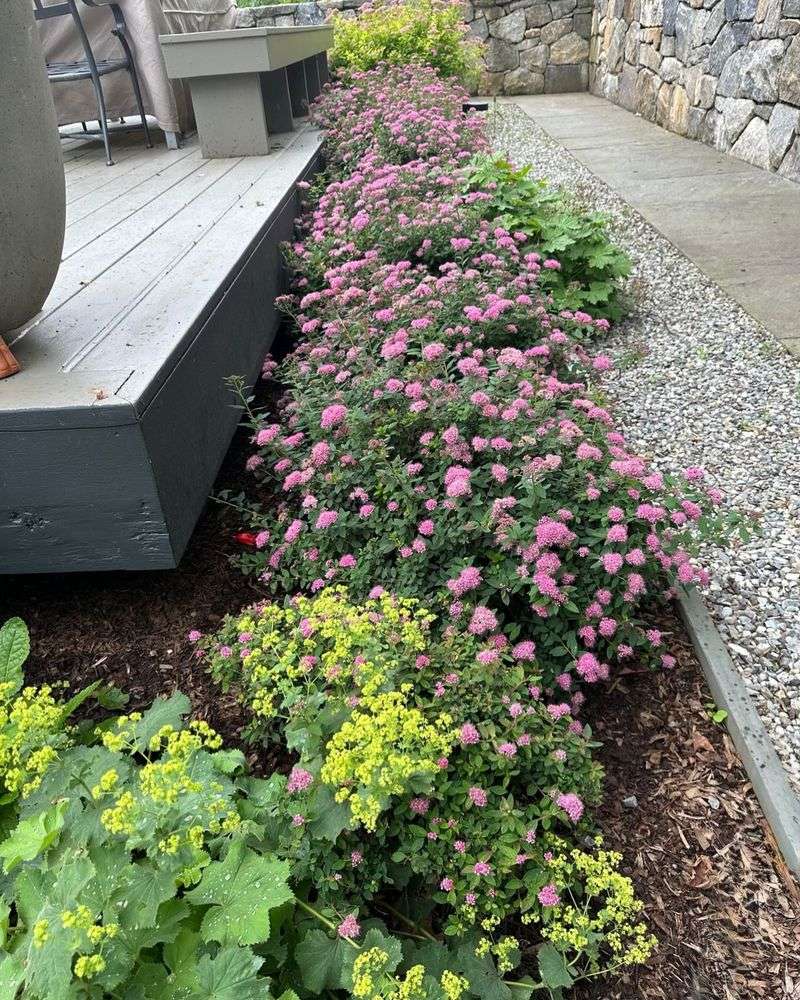
It is tempting to give your shrub a boost before winter, but a heavy dose of fertilizer in September usually does more harm than good. An established spirea already has the strength it needs and does not require a big feeding this late.
The main problem is nitrogen. A large nitrogen application tells the plant to push out fresh, tender new growth, which is the last thing you want as cold weather approaches.
That soft new growth does not have time to toughen up before the first freeze. Instead of preparing for winter rest, the shrub wastes energy on stems that cannot handle the cold.
Michigan winters arrive quickly, and a plant caught with delicate late growth can suffer damage right when it should be settling into dormancy. That setback can weaken the shrub and thin out next year’s flowers.
What your spirea really wants in fall is a chance to slow down. Skipping the heavy feeding lets it shift its energy toward the roots and toward protecting the flower buds already in place.
If your soil is truly lacking nutrients, a light feeding is far better done in early spring when new growth is welcome. Fall is simply not the time for a big push.
Hold off on the fertilizer bag this month and let nature guide the plant into rest. A shrub that enters winter calm and settled comes out swinging in spring.
Less really is more here, and your patience sets the stage for stronger, showier blooms.
6. Remove Only Dry Or Damaged Branches
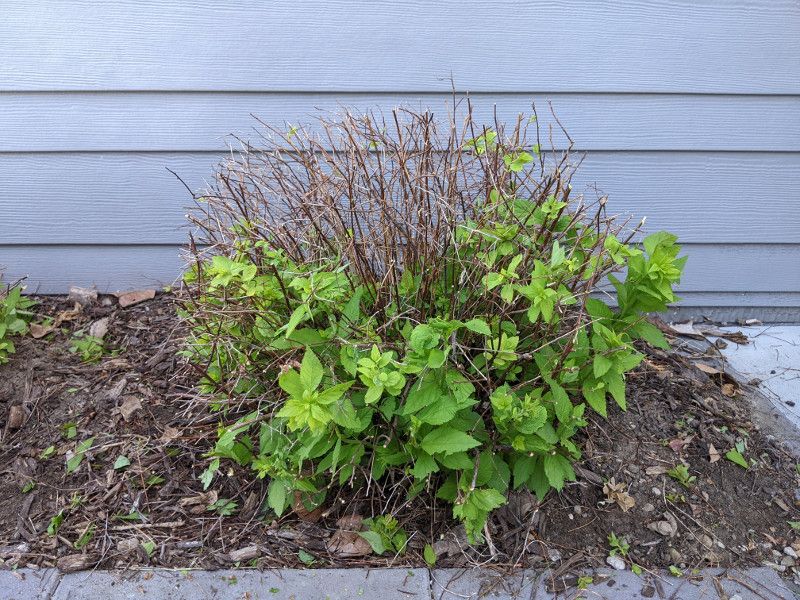
There is a big difference between cleaning up and cutting back, and knowing that line keeps your spirea healthy. Clearing out branches that are broken, damaged, or clearly unhealthy is helpful, while trimming healthy flowering stems is where trouble starts.
Damaged wood can invite problems into the plant, so removing it makes sense any time of year, including September. A cracked or snapped branch will not produce good blooms anyway, so taking it out costs you nothing.
Look closely before you cut. A branch that is brittle, discolored, or oozing is a fair target, but a firm, healthy stem covered in buds should stay right where it is.
This kind of cleanup is very different from routine shaping. Shaping trims back perfectly good stems to control size, and that is exactly what removes next spring’s flowers on this shrub.
Michigan storms can leave a few busted branches behind, especially after wind or early snow. Snipping those away tidies the plant and lowers the chance of trouble spreading.
When you do cut, make a clean pass just above a healthy point on the branch. Sharp, clean tools help the plant heal quickly and keep problems from creeping in.
Resist the urge to keep going once the damaged pieces are gone. It is easy to talk yourself into just one more snip, and before long you have trimmed away your flowers.
Stick to removing only what is truly harmed, and leave the healthy framework alone. Your spring bloom depends on that restraint.
7. Mulch Without Covering The Base
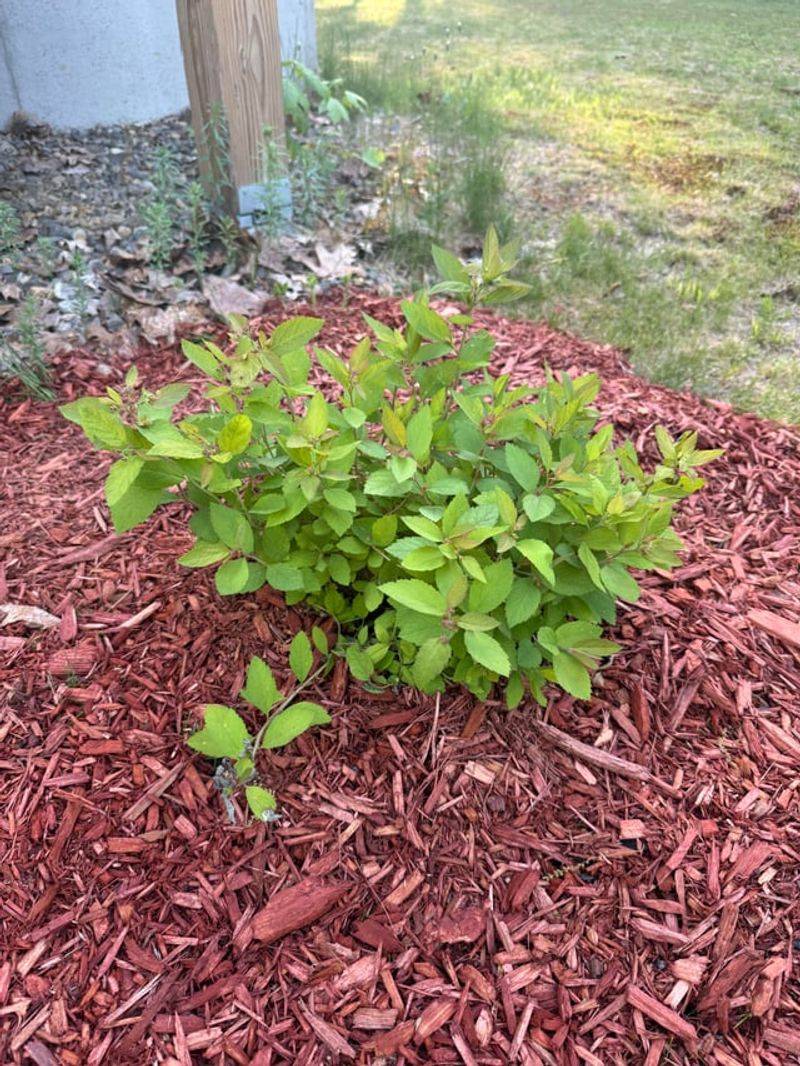
A layer of mulch is like a cozy blanket for your shrub’s roots, but there is a right way to tuck it in. Spread correctly, mulch helps hold moisture in the soil and steadies the temperature around the roots as the seasons shift.
Michigan weather can swing from warm afternoons to freezing nights in fall, and those ups and downs stress plant roots. A moderate layer of organic mulch smooths out those swings and keeps the soil more even.
Wood chips, shredded bark, or chopped leaves all work well. Aim for a layer around two to three inches deep, which is enough to do the job without smothering anything.
Here is the part people get wrong. Piling mulch right against the stems traps moisture at the base and creates a spot where problems love to gather.
Leave a clear gap of a few inches between the mulch and the shrub’s stems. That little donut of open space lets the base stay dry and lets air move freely.
Avoid the tall mounded look that resembles a volcano around the plant. That style may seem tidy, but it can quietly harm the crown over time.
Beyond protecting roots, mulch also blocks weeds and cuts down on how often you need to water during dry stretches. It is a simple step with several payoffs.
Spread it wide and keep it low, and your spirea heads into winter with a comfortable, well-guarded root zone that supports a stronger bloom when warm days return.
8. Save Major Pruning For After Flowering
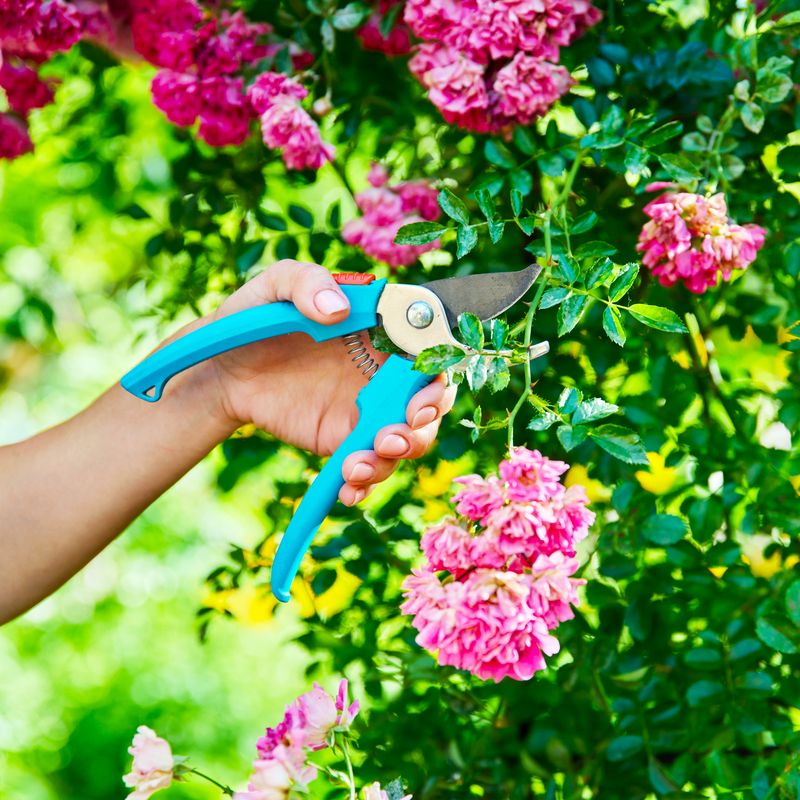
The best time to give your spirea a real haircut is not fall at all, but right after it finishes blooming in spring. That single timing choice protects your flowers and keeps the shrub looking its best.
When the white blossoms fade, the plant clearly shows you which older stems just finished their show. That view makes it easy to trim the right branches without guessing.
Pruning at that moment gives the shrub the whole rest of the growing season to build fresh flower buds on new growth. Those buds then wait safely through fall and winter for the next display.
Cut too early in fall or winter, and you slice off the buds before they ever get a chance. The timing is everything with a shrub that blooms on old wood.
Michigan gardeners can shape freely once the spring flowers finish, removing older or crowded stems to keep the plant full and open. This is when bigger cuts are welcome and even helpful.
Shaping after flowering also lets you control the size before summer growth kicks in. You get a tidy shape without giving up a single bloom.
Mark your calendar for late spring as your pruning window, and let September stay a hands-off month. That simple habit keeps the flower cycle running strong year after year.
By waiting for the right season, you work with the plant instead of against it. The reward is a fuller, brighter cascade of white flowers that gets better each spring.