This Mouse-Sized Louisiana Animal Has A Venomous Bite, And It Could Be Hiding Under Your Mulch
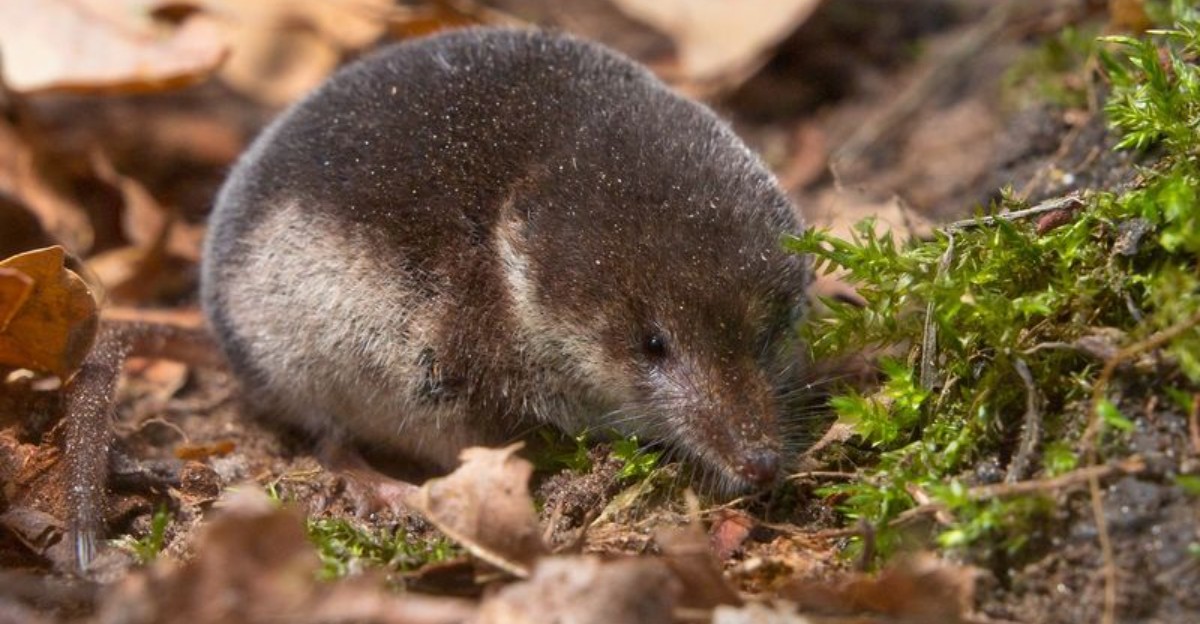
A furry backyard critter about the size of a mouse can paralyze a beetle with its spit. I had to read that twice the first time I learned it.
It hunts in the damp, dark layer right under your mulch. It eats almost nonstop, and it can tackle prey bigger than itself. Most Louisiana gardeners have probably walked past one this week without a clue.
I never get tired of how many surprises hide in an ordinary flower bed. You rake, you weed, you spread fresh pine straw, and something tiny is busy working right below your gloves.
Louisiana’s warm, humid soil suits these little hunters well. This little hunter is a shrew, and it’s far more interesting than scary. Learning what it does beneath your mulch might change how you feel about that rustle in the leaves.
That Velvety Little Creature Under Your Mulch Is Not a Mouse
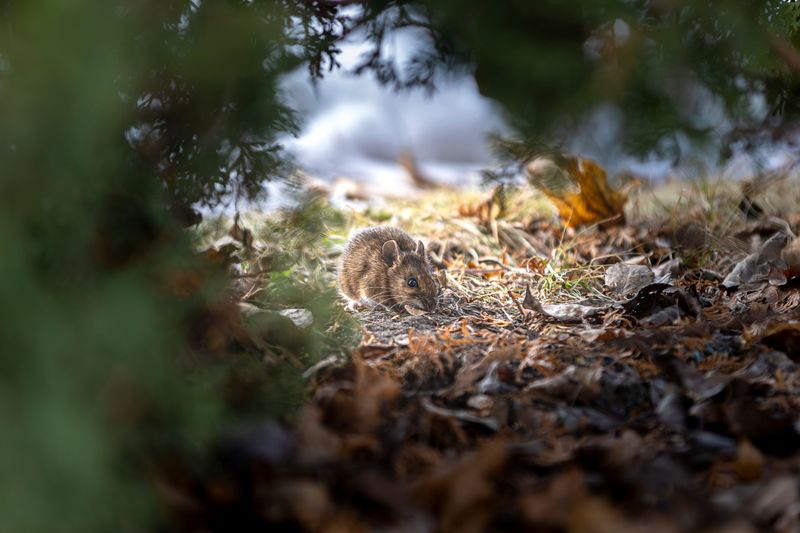
My first guess was a baby mouse. Then I noticed the pointy nose, the tiny hidden eyes, and the stubby tail, and I realized I was looking at something else.
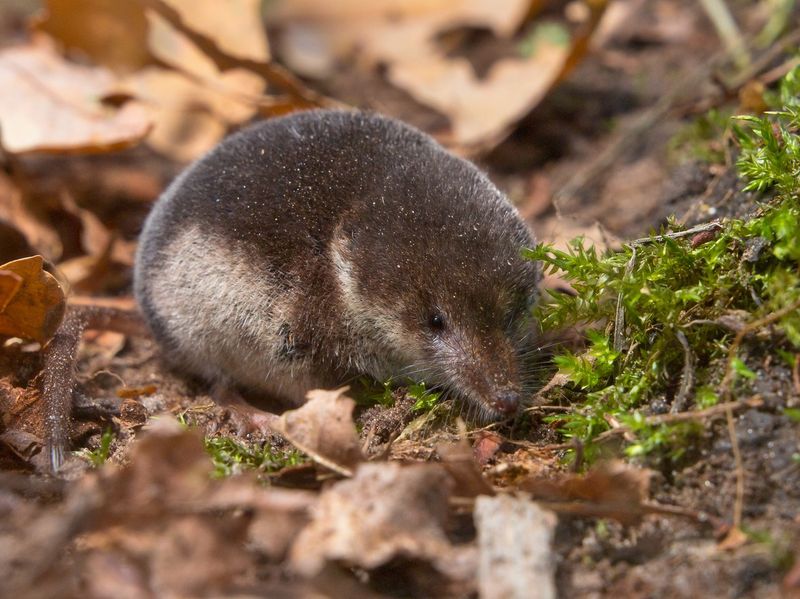
Meet the southern short-tailed shrew, known to scientists as Blarina carolinensis. It belongs to a group of insect-eating mammals, not rodents. That makes it a closer cousin to moles than to the mice raiding your birdseed.
These shrews live across much of the Southeast, including large parts of Louisiana. The body is usually about 3 to 4 inches long, with a short tail of roughly an inch.
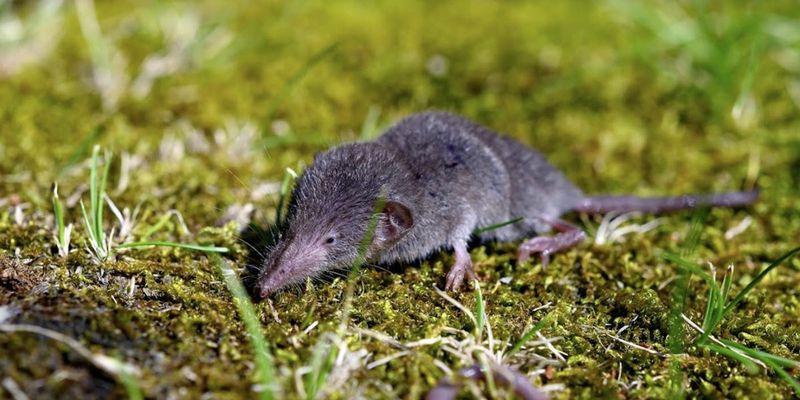
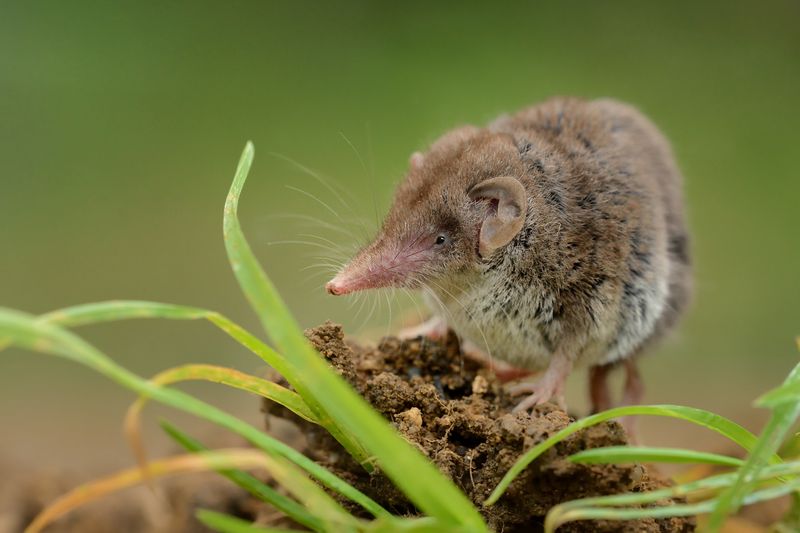
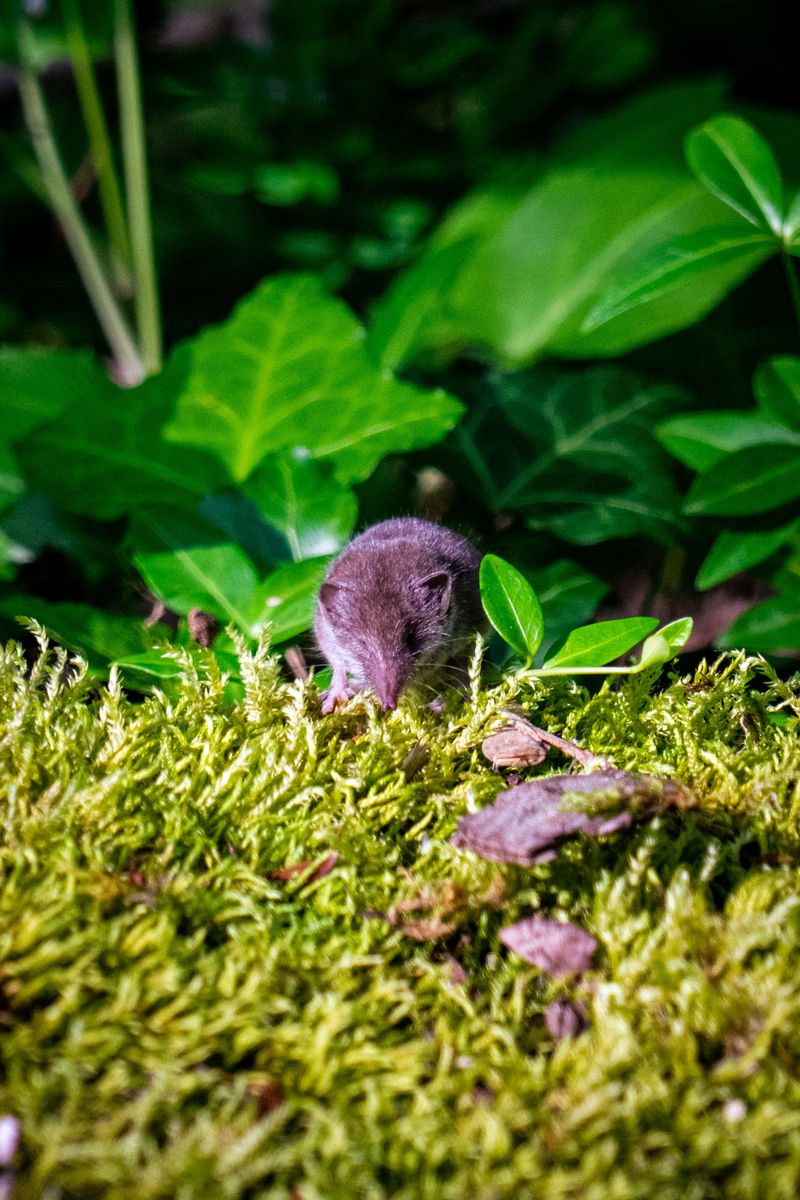
The fur is dense and soft, often slate gray to nearly black, with a slightly lighter belly. A few clues help you tell a shrew from a mouse. Mice have big eyes, large rounded ears, and long tails.
Shrews have very small eyes, ears buried in fur, and a long, wiggly snout that seems to sniff everything. You rarely get a long look, though. Shrews move fast and dart back under cover in a blink.
If you catch a quick glimpse of a gray blur zipping through leaf litter, there is a fair chance you just met one of the most fascinating animals in your yard.
A Shrew Bite Carries Real Venom, Mostly Meant for Bugs
Very few mammals on Earth produce venom, and short-tailed shrews made that exclusive list. Researchers have studied the closely related northern short-tailed shrew most, and its southern cousin, the one living in Louisiana, shares the same trick.
The venom comes from glands near the lower jaw. It mixes with saliva and flows along grooves in the lower front teeth when the shrew bites.
One key ingredient is a protein called blarina toxin, which works on the nervous system of small prey.
For a beetle, earthworm, or snail crawling through a Louisiana flower bed, that bite is a big deal. The venom can slow or stun the prey so the shrew can handle it.
Shrews sometimes stash stunned insects and worms in little food caches, saving a fresh snack for later.
As for people, a bite is painful, and it can cause burning, swelling, and soreness for several days. It is not considered a serious threat to healthy adults, and a bite is rare, since most Louisiana gardeners will never even see one of these shrews up close.
I find that oddly reassuring. The venom evolved for tiny, crawling meals, not for gardeners. Still, a stinging hand and a puffy finger are reasons enough to admire these hunters from a respectful distance.
Damp Mulch and Leaf Litter Make Perfect Shrew Hideouts
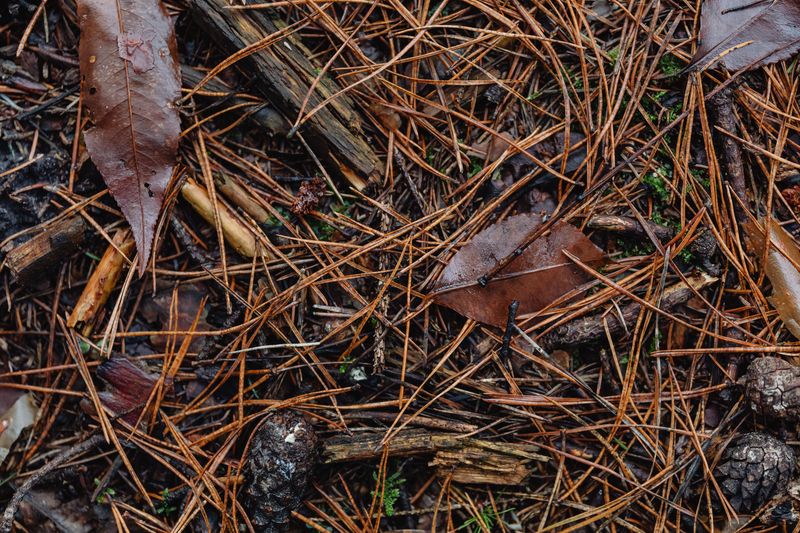
Moisture is the magic word. Short-tailed shrews love cool, damp ground with lots of cover, and a well-mulched flower bed checks every box.
Under a few inches of pine straw or shredded bark, the soil stays soft and humid. Worms and insects gather there, and the shrew follows its food.
Leaf piles, thick ground covers, compost edges, and soggy corners under shrubs work just as well.
These shrews also tunnel. They dig their own shallow runways, and they happily borrow old paths left by moles and voles. You might notice small holes near the edge of a bed or tiny raised trails under the mulch.
Louisiana gives them plenty of room to roam. Much of the state offers moist woods, fields, and backyard gardens that suit them nicely. In the wettest coastal marshes, though, they are much harder to find.
They stay active all year and do not hibernate. You could stumble on one in a chilly January bed cleanup or a muggy July weeding session.
Most surprise meetings happen when you pull back mulch, lift a board, or move a pot that has been sitting in one place for weeks.
Slugs and Grubs Should Fear This Tiny Hungry Hunter
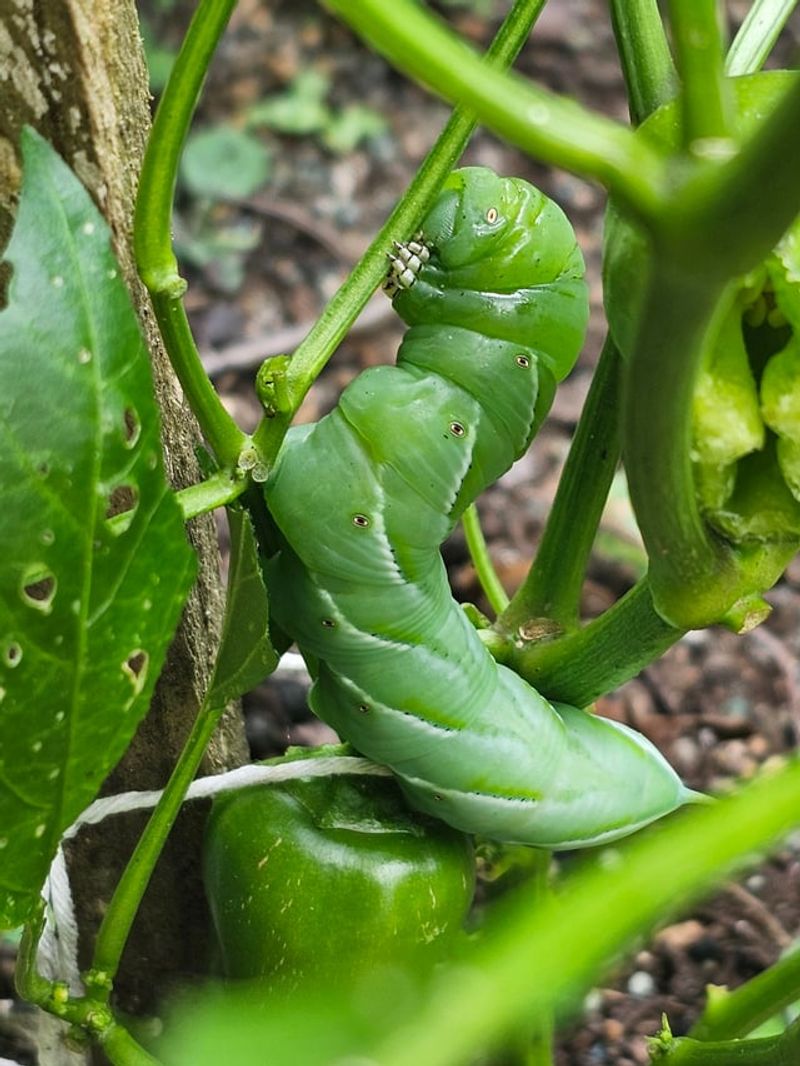
Talk about a big appetite. A short-tailed shrew burns energy so fast that it needs to eat many times a day, and it can put away roughly its own body weight in food daily.
That hunger works in your favor. The menu includes slugs, snails, beetles, grubs, caterpillars, centipedes, crickets, and earthworms. Many of those critters chew on hostas, seedlings, and tender vegetable leaves.
Shrews also eat some small animals, such as young mice and voles. Seeds, fungi, and plant bits show up in their diet too, but bugs and worms are the main course.
I like to think of them as a night shift crew for the garden. While you sleep, they patrol the mulch and snap up pests you might otherwise fight with baits or traps. They rarely bother your plants.
Worm lovers might frown a little, since earthworms are on the list. A healthy garden has plenty to spare, though. The trade of a few worms for fewer slug-chewed leaves feels fair to me.
One fun fact makes me grin. Shrews hunt mostly by smell and touch, with whiskers and that busy snout doing the detective work.
Keep Your Bare Hands Away From Any Shrew You Uncover
Gloves are your best friend here. Shrews are not aggressive toward people, but a cornered or grabbed shrew will bite to defend itself.
Most bites happen when someone tries to pick one up. Kids are curious, and that soft fur looks tempting, so it helps to explain the rule early. Look, enjoy, and let it scurry off.
If you uncover one while weeding, simply step back. The shrew will usually disappear under the nearest cover in seconds.
Give it a moment before you continue working in that spot. Pets can be a different story. Cats sometimes catch shrews, and dogs may sniff them out.
Many pets drop them quickly, since shrews have a strong musky scent and a bad taste to predators.
Should a shrew end up inside your garage or shed, skip the bare-handed rescue. Open a door and guide it out with a broom, or gently cover it with a container and slide stiff cardboard underneath.
Wear sturdy gloves whenever you dig in thick mulch, leaf piles, or under old boards. That habit protects you from shrews, and also from spiders, fire ants, and other surprises lurking in Louisiana garden beds.
A Sore Finger From a Shrew Bite Needs Simple First Aid
Ouch is the right word. People who have been bitten often describe a sharp, burning pain that spreads around the wound, followed by swelling that can last a few days.
Start with the basics. Wash the bite right away with soap and plenty of clean running water. Pat it dry and cover it with a clean bandage.
A cold pack wrapped in a cloth can ease swelling and pain. Over-the-counter pain relief may help too, as long as it is safe for you to take.
Watch the area closely over the next several days. Call a doctor if redness spreads, the pain gets worse instead of better, pus appears, or you develop a fever.
Rabies is rarely found in shrews, but any bite from a wild mammal deserves a quick call to your doctor or local health department. They can tell you whether you need a tetanus booster or any other follow-up.
People with allergies, weak immune systems, or other health concerns should get checked sooner rather than later. A short phone call costs very little and gives you real peace of mind after an unexpected garden surprise.
Thinner Mulch and Tidy Woodpiles Send Shrews Elsewhere
Maybe you love the pest control but would rather not meet a shrew by your back door. A few simple changes can nudge them toward the far edges of your yard.
Keep mulch about 2 to 3 inches deep, and pull it a few inches back from your house foundation. Extra thick layers stay soggy and create perfect tunnels. Thinner mulch also helps plant roots breathe better.
Rake up heavy leaf piles near the house, and move compost bins toward the back of the yard. Stack firewood, bricks, and lumber off the ground and away from walls. Mow tall grass regularly near patios and doorways.
Fix dripping spigots and soggy spots when you can. Less moisture means fewer worms and slugs, and that means less reason for a shrew to settle in.
Shrews sometimes slip indoors through tiny gaps, especially in cooler months. Seal cracks around foundations, pipes, and door sweeps with caulk, mesh, or weatherstripping.
Skip poisons. Baits can harm pets, birds, and other wildlife, and they are rarely needed for an animal this helpful. Habitat changes work quietly and keep the whole garden healthier.
Your Garden Shrew Is Probably Worth Keeping Around
After everything I learned, I honestly look at my flower beds a little differently now. That tiny venomous hunter is doing a lot of quiet work for free.
Shrews help keep slugs, snails, grubs, and beetles in check. They also become food for owls, snakes, hawks, and foxes, which makes them an important link in the backyard food web.
There are small downsides. Their tunnels can loosen soil around seedlings, and they leave a musky smell behind. In the house, they can be a nuisance. Outside, those issues are usually minor.
A balanced approach works best. Let shrews have the back beds, hedge rows, and wild corners, and keep the areas near your home a bit tidier and drier.
Wear gloves, teach kids to look without touching, and treat any bite with soap, water, and a call to your doctor. Those three habits cover most of the risk.
Next time something gray zips under your pine straw, take a breath and smile. You just spotted one of the rare venomous mammals in North America, and it is probably eating something that wanted your hostas.