Virginia’s Growing Season Is Winding Down. 7 Things to Do in Your Garden Now
Frost has already crept into the Blue Ridge valleys, while gardens near Virginia Beach often stay frost-free until mid-November. That gap of several weeks means one state can hold two very different gardening calendars at the same time.
Richmond gardeners usually see their first frost sometime in early November, give or take a week or so. Once that chilly night arrives, tomatoes and basil turn black and limp almost overnight, which feels downright rude.
Take it from someone who once lost a whole pepper crop because I trusted a sunny forecast too much. Cold air settles low in yards, so your beds can freeze even when the weather app sounds cheerful.
Between you and me, the last mild weeks before frost are the most valuable gardening time of the entire year. So which small chores now will pay you back with stronger plants and easier work when Virginia thaws again?
1. Harvest Tomatoes And Peppers Before The First Frost
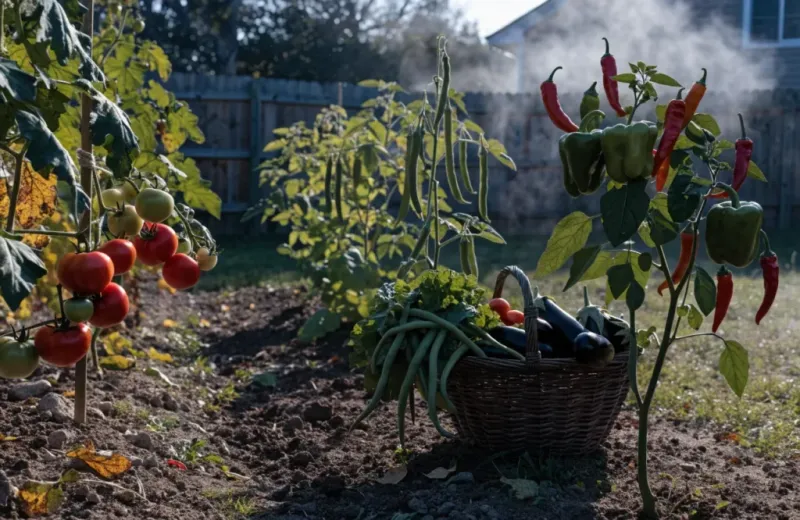
Nothing tastes quite like a sun-warmed tomato picked on a crisp morning, and frost can end that treat fast. Tender crops like tomatoes and peppers suffer damage once temperatures dip near freezing for even a few hours.
In my own yard, I start watching forecasts closely once nighttime lows drop into the upper thirties. Ground-level air can run several degrees colder than the reading on your phone, especially in low spots.
Pick every ripe fruit first, then gather green tomatoes that show a pale or slightly pink blossom end. Those mature green fruits often ripen indoors when kept at room temperature away from direct sunlight.
For what it’s worth, I wrap a few in newspaper and check them every couple of days for soft spots. Fully hard, small green tomatoes rarely ripen well, so fry those or slice them into a tangy relish.
Peppers can be picked at any size, and green ones simply taste a bit less sweet than red. Wash and freeze extras in zip bags, since chopped peppers hold up nicely without blanching first.
Basil gets touchy even before frost, often blackening when nights fall into the forties for a stretch. Snip the whole plant now and blend the leaves into pesto for cozy winter pasta nights.
Cool-season crops like kale and collards handle light frost well and frequently taste even sweeter afterward. Leave those greens standing, because they can keep feeding your family for weeks after the tomatoes are gone.
2. Pull Spent Vegetable Plants And Bag Diseased Leaves
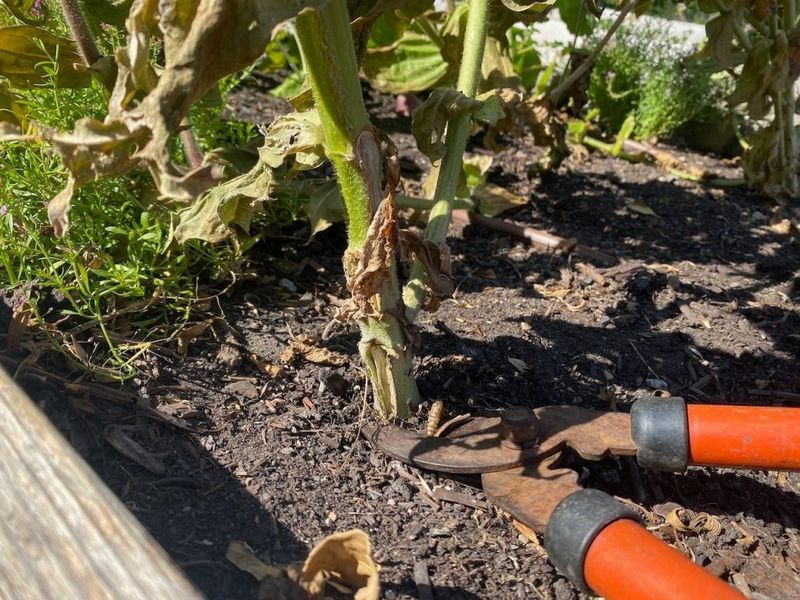
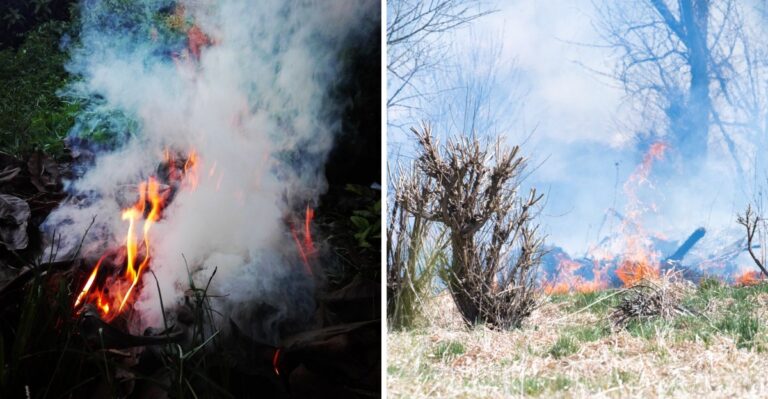
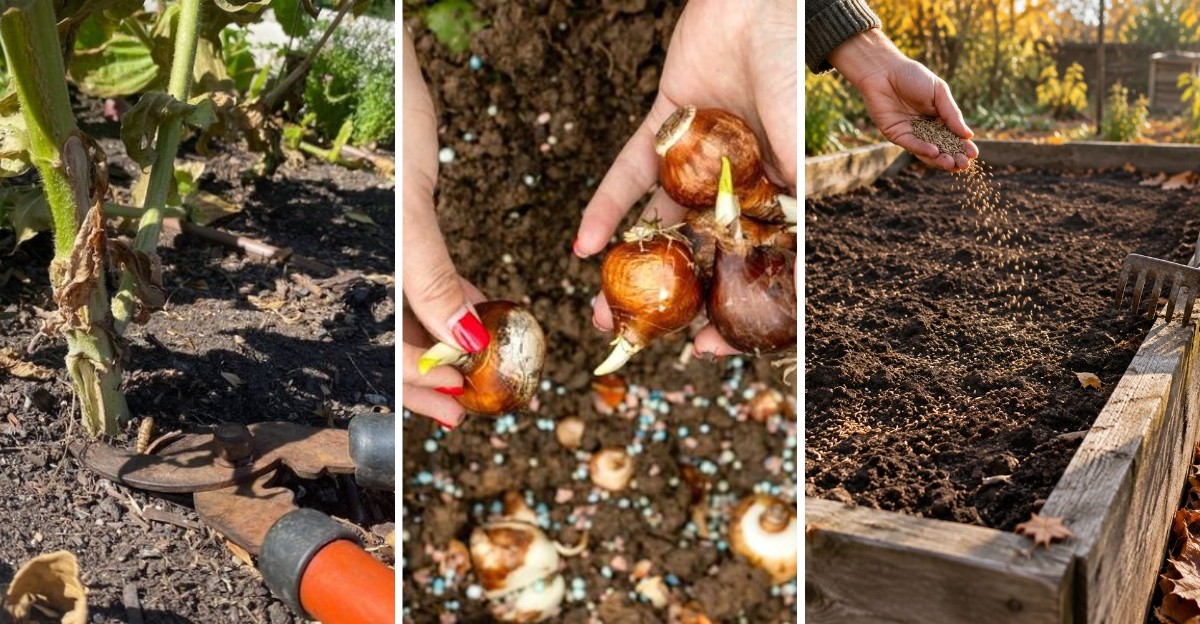
Fungal spores are sneaky little hitchhikers that spend winter snuggled inside old leaves and stems in your beds. Early blight on tomatoes is a classic example, returning each spring from debris left behind in the garden.
Looking back, I should have cleared my tomato patch sooner the year leaf spots showed up in June. Pull spent annual vegetables now, roots included, and shake loose soil back onto the bed where it belongs.
Healthy plant material can go straight into the compost bin to break down over the colder months. Anything with leaf spots or heavy mildew should be bagged for the trash instead of composted at home.
Most backyard piles do not get hot enough to reliably remove disease organisms, so play it safe. Rake fallen leaves from under roses as well, since black spot fungus overwinters on those dropped leaves.
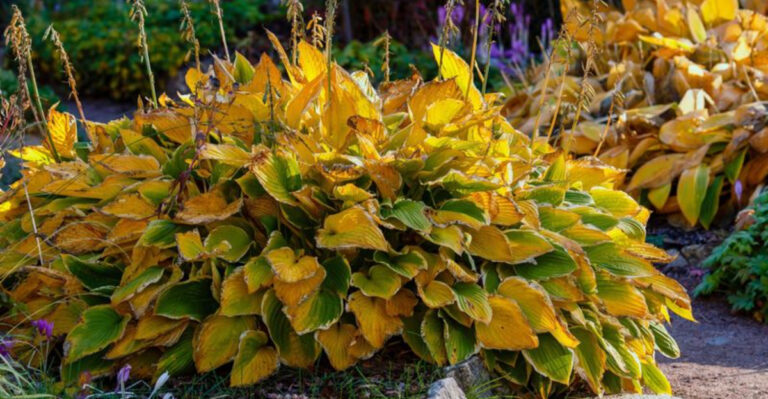
Perennial flower beds deserve a gentler touch, and I think a little messiness helps the garden here. Seed heads on coneflowers and black-eyed Susans feed goldfinches and other birds through the chilly weeks ahead.
Hollow stems also give native bees a snug place to spend winter, according to many extension experts. Cut back only the perennials that had disease problems, like peonies with gray mold or phlox with mildew.
My garden taught me that a cleaner vegetable bed means fewer surprises when tomatoes go back in. Rotate crop families next year too, keeping tomatoes and peppers out of last year’s spot when you can.
3. Plant Tulip And Daffodil Bulbs In Cool Soil
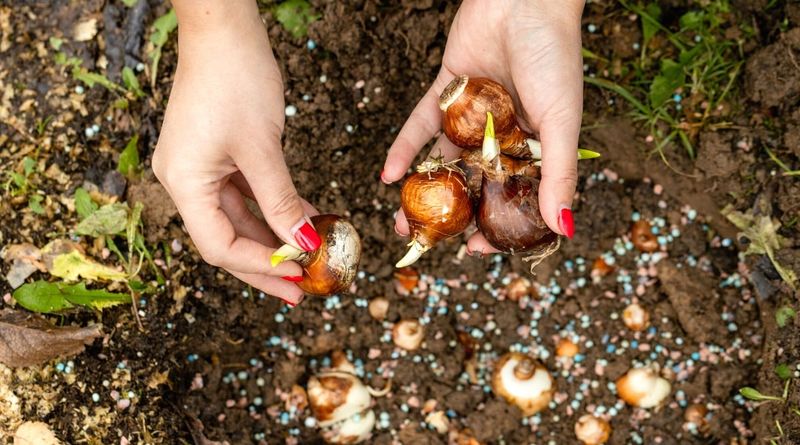
Daffodil bulbs contain compounds that taste awful to squirrels and deer, so they mostly leave them alone. Tulips are another story, and in my yard squirrels treat a fresh tulip bed like an open snack bar.
Bulbs prefer planting once soil temperatures cool below about 60 degrees, which usually happens across the state in fall. Many Virginia gardeners plant from October through November, and even early December works if the ground stays soft.
A simple rule helps here, since most bulbs go in about three times as deep as their height. Large tulips and daffodils usually sit six to eight inches down, with the pointed tip facing upward.
Choose a sunny spot with good drainage, because soggy clay can rot bulbs before they ever send roots. Mixing compost into heavy soil helps water drain away, and raised beds work wonders in wet yards too.
Planting in clusters of ten or more looks far more natural than single bulbs spaced out in stiff rows. Grape hyacinths and crocuses make cheerful partners, filling gaps with early color before the tulips open up.
If squirrels haunt your yard, lay chicken wire over the planted area and cover it with mulch. Shoots grow right through the openings in spring, while digging critters get frustrated and move along elsewhere.
Water the bed once after planting to settle soil around the bulbs and trigger root growth before winter. Then you simply wait, which honestly feels like the hardest part of this whole cheerful project.
4. Tuck Garlic Cloves Into The Garden Bed
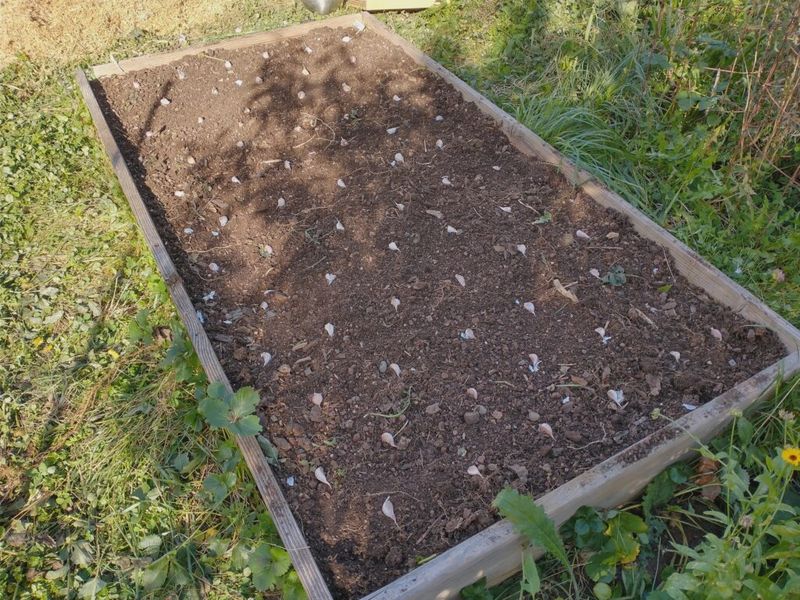
Garlic is one of the rare crops that actually needs a cold winter to form those plump, divided bulbs. Planted now, each single clove grows into a full head that you will dig up early next summer.
Virginia Cooperative Extension recommends planting garlic in fall rather than spring, and October into November works well in most regions of the state. The goal is to give cloves enough time to grow roots before the soil turns cold and hard.
Grocery store garlic sometimes carries sprout inhibitors, so I buy seed garlic from a garden center or farm. Hardneck types handle cold well and produce tasty scapes, while softneck types store longer in the pantry.
Break heads apart just before planting, keeping the papery skin on each clove to protect it from rot. Push cloves pointy end up and cover them with about an inch of soil, spacing them 3 to 5 inches apart in loose soil.
Garlic hates competition, so pick a sunny bed that you have cleared of weeds and enriched with compost. Good drainage matters a lot, since cloves sitting in wet soil can rot over a rainy winter.
After planting, cover the bed with three or four inches of straw to hold soil temperatures steady. Green shoots may poke up before winter, and that is perfectly normal, so there is no need to panic.
Let’s just say waiting until next June to harvest teaches patience better than any gardening book ever could. Your reward will be fragrant bulbs that taste far stronger and fresher than most supermarket garlic.
5. Spread Shredded Leaf Mulch Around Shrubs And Perennials
Fallen leaves are free gold, and I still cringe remembering the years I bagged them for curbside pickup. Shredded with a mower, those leaves become a light mulch that breaks down into rich, crumbly soil.
Mulch acts like a cozy blanket, holding soil temperatures steady and reducing the freeze-thaw cycles that heave plants. Shallow-rooted perennials and newly planted shrubs benefit most, because their roots are still settling into place.
Aim for a layer two to three inches deep, using shredded leaves or pine straw from your own yard. Whole leaves can mat down into a soggy sheet, so a quick pass with the mower really helps.
Timing matters too, and many experts recommend mulching tender perennials after the ground starts to get cold. Waiting a bit discourages mice from building snug winter homes right next to your favorite plant crowns.
Don’t make my mistake of piling mulch against tree trunks like a volcano, which invites rot and pests. Pull it back a few inches from stems and trunks so the bark stays dry and healthy.
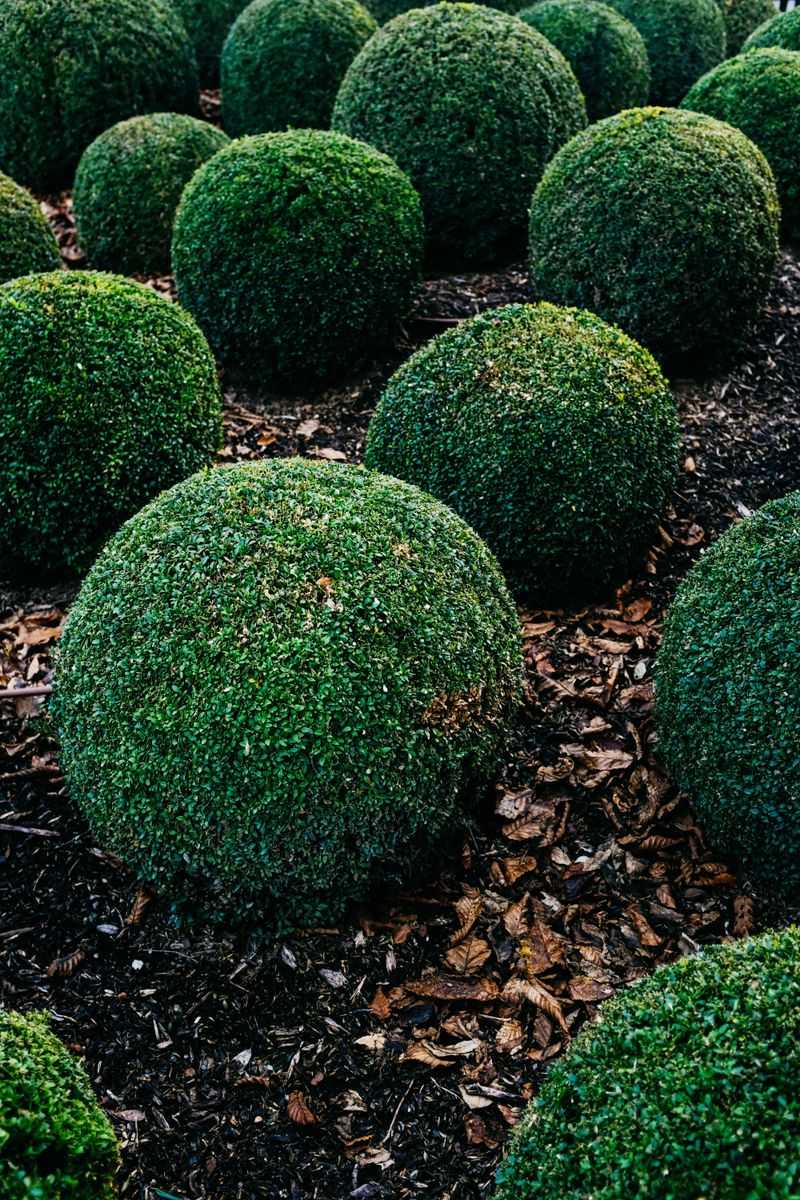
Broadleaf evergreens like boxwood and hollies lose moisture through their leaves on sunny and windy winter days. Water them deeply before the ground freezes, then let mulch help keep that moisture locked in the soil.
Extra shredded leaves can sit in a simple wire bin until spring, slowly turning into leaf mold. Gardeners prize that dark material as a soil booster, and it costs nothing but a bit of raking.
6. Cover Bare Beds With Compost Or Winter Rye
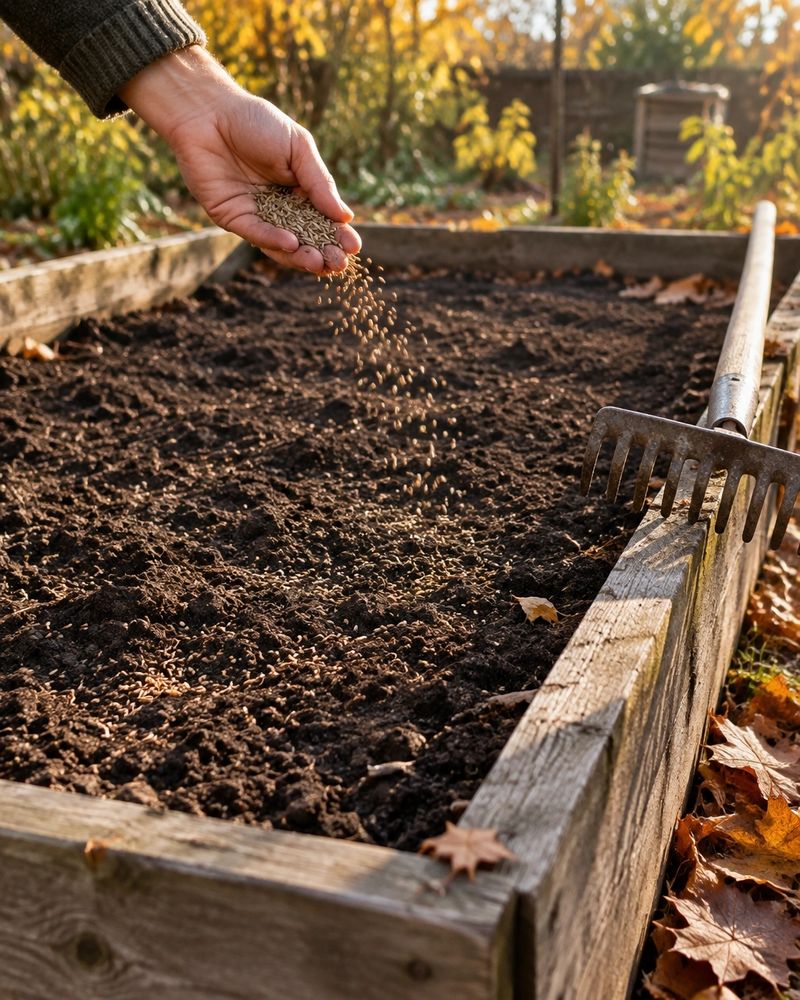
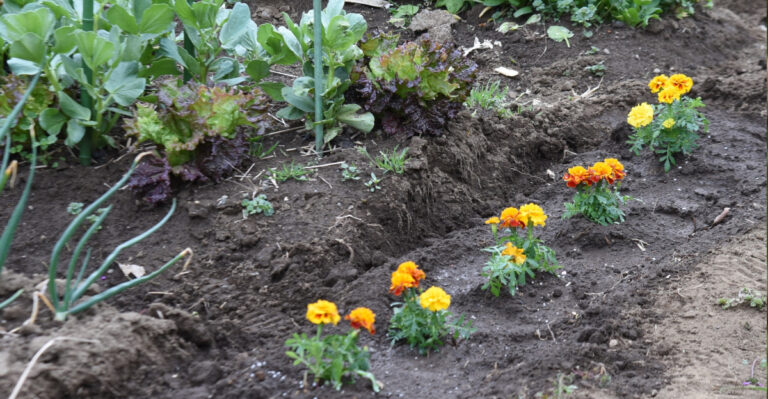
Bare soil in winter is a bit like leaving your front door open during a rainstorm. Heavy rain washes away topsoil and nutrients, and weeds happily move into any open space they can find.
Spreading compost over cleared vegetable beds now feeds earthworms and soil microbes that keep working on mild days. An inch or two is plenty, and you do not need to dig it in deeply right away.
If you ask me, letting winter do the mixing saves your back and protects soil structure at once. Earthworms pull organic matter downward over the coming months, doing the tilling for you with zero complaints.
Cereal rye is a popular cover crop because it germinates in cool soil and grows during mild winter spells. In warmer parts of the state, it can still sprout in early November, though fall planting earlier works best.
Check with your local extension office for timing, since mountain gardens cool off much sooner than coastal ones. Even a late, thin stand of rye helps hold soil in place and adds roots that loosen clay.
Fall is also a smart time for a soil test, and Virginia Tech offers testing through local extension offices. Results show your pH and nutrient levels, so you add only what your garden actually needs next year.
Lime takes several months to change soil pH, which makes late fall a great time to spread it. Apply it only when a test calls for it, since too much can cause problems for plants.
7. Drain Garden Hoses And Clean Your Tools
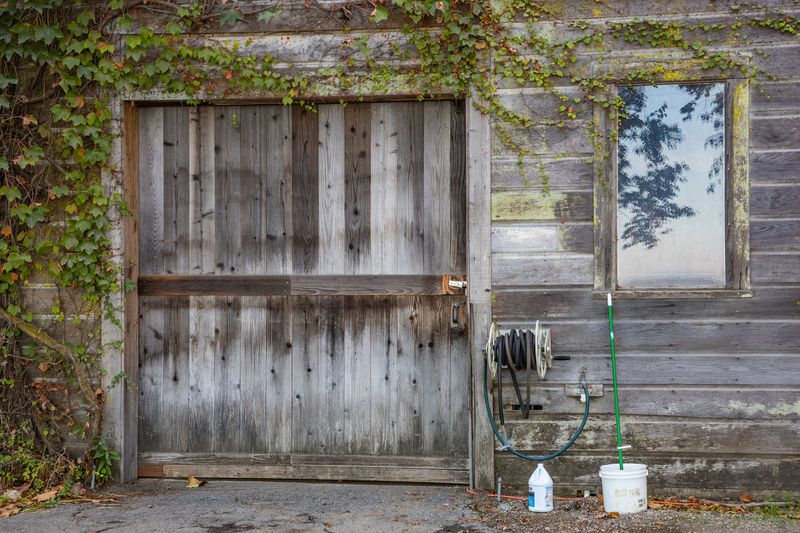
Water left inside a hose expands as it freezes, and that pressure can split the rubber or crack fittings. Outdoor faucets face a similar risk, especially older spigots without frost-proof designs on chilly exterior walls.
Disconnect hoses now, stretch them down a slope to drain, and coil them loosely for storage. A garage or shed keeps them out of the sun, which helps the rubber stay flexible for years.
Shut off the indoor valve that feeds outdoor faucets if you have one, then open the spigot. Letting the last water trickle out lowers the chance of a burst pipe surprising you in January.
Drip lines and soaker hoses deserve the same care, since thin tubing cracks easily in freezing weather. Rain barrels should be emptied and turned upside down or disconnected from the downspout before hard freezes arrive.
What surprised me years ago was how much better clean pruners cut, and they spread fewer plant diseases too. Scrub soil off shovels and hoes, then let them dry fully before putting them away for winter.
A light coat of vegetable oil on metal blades helps block rust during damp months in storage. Sharpen pruners and shovel edges with a simple file, which makes spring digging feel much less like a chore.
Gas-powered equipment needs attention too, so add fuel stabilizer or run the engine until the tank is empty. Your future self will thank you on that first warm spring morning when everything works right away.