Can You Burn Leaves in Virginia This November? What Fall Fire Season Means for Your Yard
Virginia’s famous afternoon burning ban takes a nap every single fall. It switches off on April 30 and stays quiet until mid-February.
That surprised me the first time I learned it. November is when my yard turns into a crunchy sea of oak and maple, and the urge to strike a match gets strong.
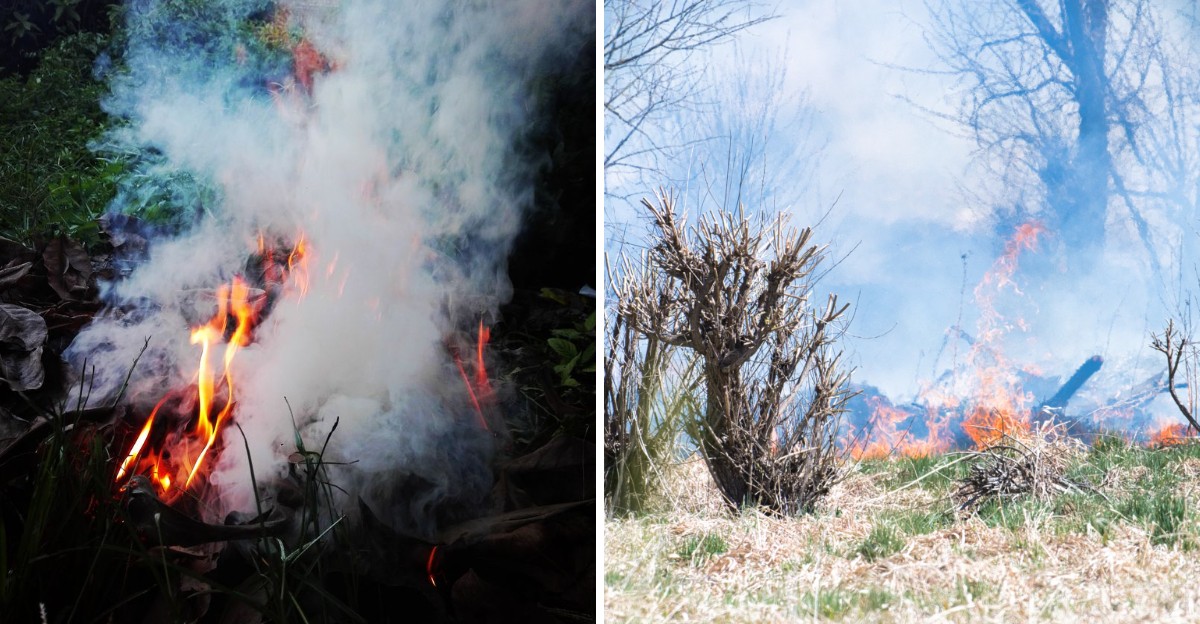
State foresters mark October 15 through November 30 as a second fire season, when dry air, gusty days, and piles of crispy debris give sparks plenty to work with.
So the big statewide rule is off, but is your backyard really in the clear? Your county, your city, and even this week’s weather all get a vote. I think the answer depends more on your address than most folks realize.
That Famous 4 PM Burning Rule Takes the Fall Off
Most folks I talk to are surprised by this one. Many people assume the rule covers autumn too.
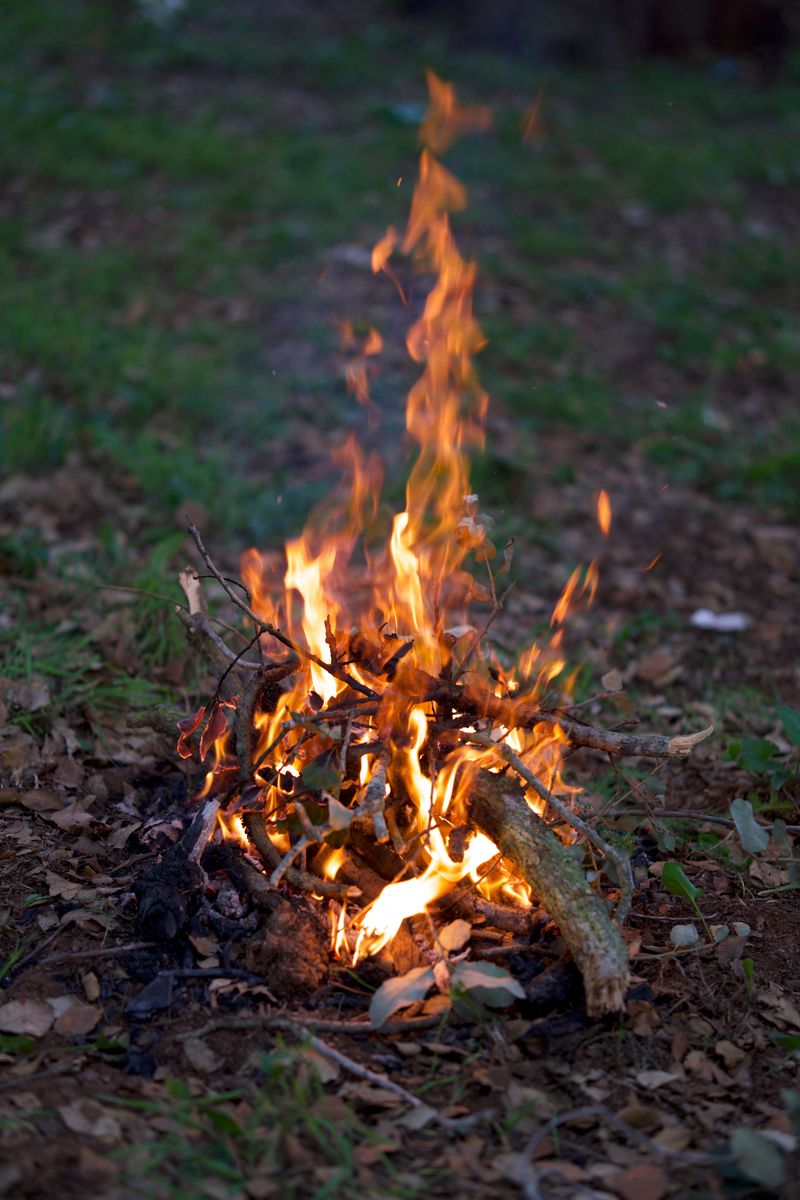
The 4 PM Burning Law, which bans open-air burning before 4 p.m. within 300 feet of woods or dry grass, runs only from February 15 through April 30.
So in November, that statewide afternoon ban is not in effect. Spring gets the rule because it is the busiest wildfire stretch of the year in Virginia, with brown grass, bare trees, and blustery winds.
That doesn’t mean November is a free pass, though. The Virginia Department of Forestry recognizes a fall fire season from October 15 through November 30.
Fallen leaves, low humidity, and breezy afternoons can turn a small pile into a runaway mess fast.
My way of looking at it is simple. The missing time limit only means the state isn’t telling you which hours to burn.
It doesn’t override your county, your city, a drought-related burn ban, or plain common sense.
Before any match comes out, ask three quick questions. Is burning legal at my address?
Is there a burn ban this week, and is the weather calm and damp enough?
If any answer feels shaky, wait. Fire officials also remind residents that the person who lights a fire stays responsible for it, no matter the month.
Your County Fire Marshal Gets the Final Word on Leaf Piles
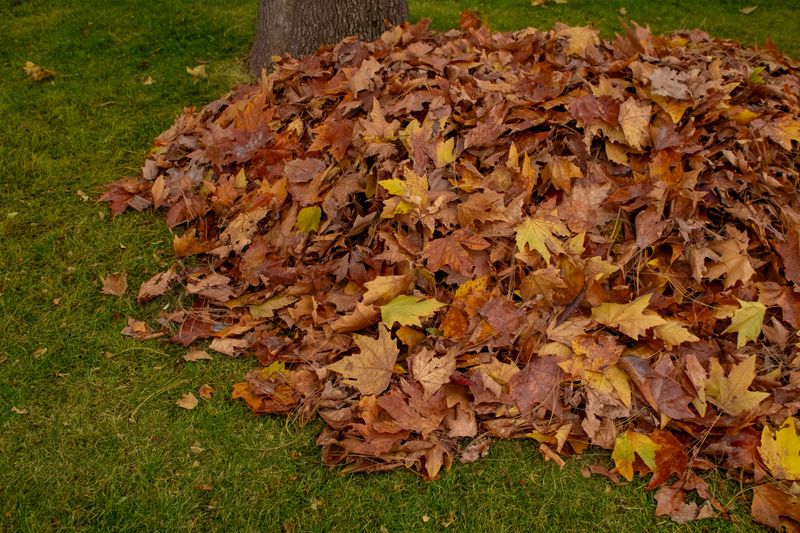
Your street address matters more than the state calendar. Many counties, cities, and towns write their own open burning ordinances, and plenty of them are stricter than anything the state requires.
Some urban and suburban areas ban leaf burning outright. Others allow it only with a permit, only on larger lots, or only during set hours.
York County, for example, restricts burning on Sundays, legal holidays, and overnight, while parts of Fairfax County limit certain open burning for air quality reasons.
Homeowners associations can add one more layer. Your HOA covenants may forbid backyard fires even where the county allows them, so a peek at that paperwork pays off.
Drought can change the picture overnight. Local governments can issue temporary burn bans when conditions get dry, and these often pop up during a parched fall.
A ban announced on Tuesday applies on Wednesday, even if your neighbor burned last weekend without trouble.
The easiest move is a quick phone call. Your local fire department, fire marshal’s office, or county website can tell you the current rules in about five minutes.
The Virginia Department of Environmental Quality also publishes open burning regulations that apply in some regions.
I keep the non-emergency fire number saved in my phone every fall. It feels a little nerdy, but it beats guessing.
Crispy Oak Leaves and Gusty Days Make November Risky
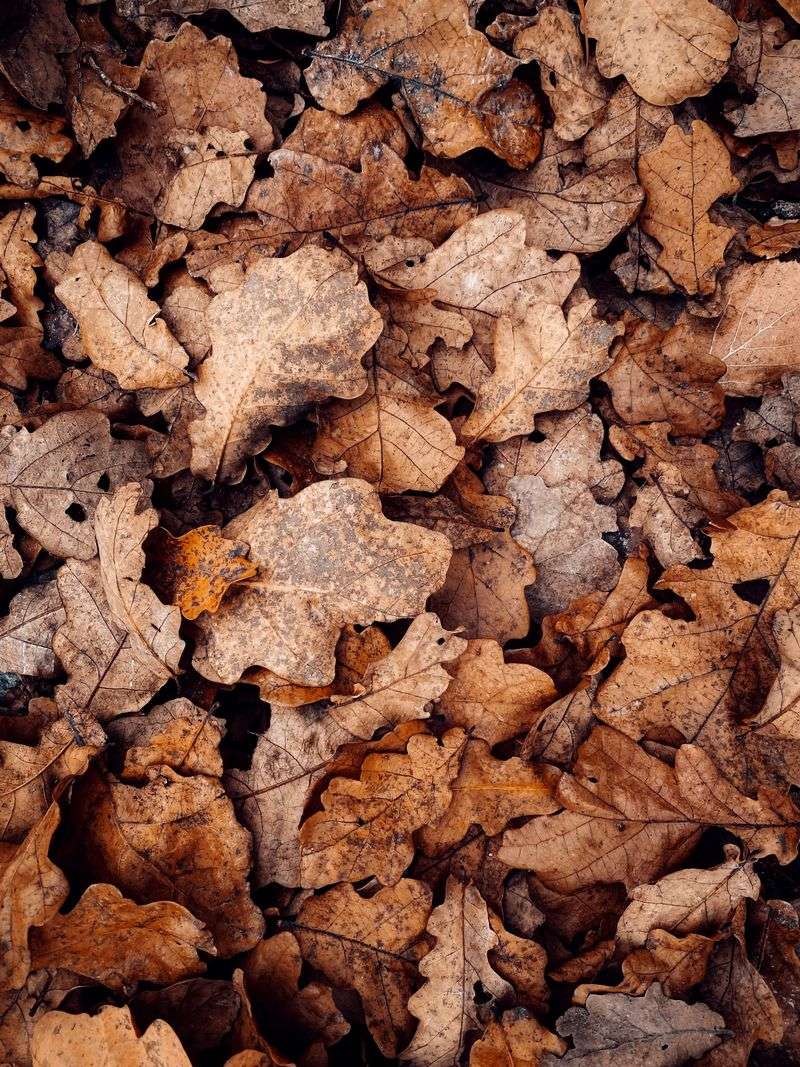
Walk across a yard in November and you’ll hear it: that loud, satisfying crunch. Sadly, that same dry crunch is what makes fall fire season tricky.
Freshly fallen leaves dry out quickly. Once trees drop their canopy, sunlight reaches the forest floor and warms it, while cool, crisp air often carries low humidity.
Add a breezy cold front and you have a recipe for embers that travel.
State forestry officials report that people cause the vast majority of wildfires here, and escaped debris burning ranks as a leading cause. Most of those fires start with someone who meant well and simply misjudged the wind.
So how do you read the day? Check the forecast for wind speed and relative humidity before you plan any burn.
Many fire officials suggest waiting for calm winds and moister air.
Rain helps, but only for a while. A soaking shower can make leaves safe to handle for a day, yet a sunny, windy afternoon can dry the top layer again by evening.
Many local fire departments post daily fire danger ratings online, which takes the guesswork out.
I like to do the hand test. If leaves shatter when I squeeze them, the pile stays unlit.
Damp, limp leaves burn poorly anyway, so neither extreme makes a great bonfire, which is one more reason to consider other options.
A Safe Backyard Leaf Burn Starts With a Hose and a Rake
Got the green light from your locality? Great.
Now treat that pile like a pot on a hot stove.
Start small, since a pile a few feet across is far easier to manage than a towering mound. You can add leaves gradually as it burns down.
Pick a calm morning or early afternoon so you aren’t racing darkness.
Clear the ground down to bare soil, and keep the pile away from buildings, fences, woodpiles, and overhanging branches. Many guidelines suggest about 25 feet of clearance for an open pile and 15 feet for a burn barrel.
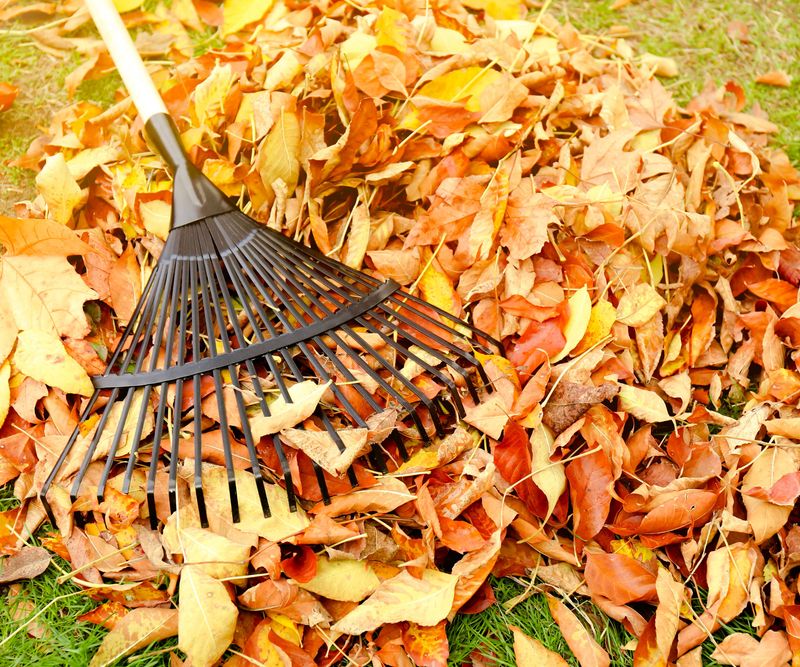
Gather your tools before the first spark. A charged garden hose, a full bucket of water, a rake, and a metal shovel should sit within arm’s reach.
Burn only natural yard debris like leaves, twigs, and brush. Household trash, plastic, tires, and treated lumber release toxic smoke, and burning them breaks state air rules.
Stay with the fire from start to finish. Walking inside to grab a snack is exactly when a gust grabs a burning leaf.
Kids and pets should stay a good distance back.
When you’re finished, drown the ashes, stir them, and drown them again. Feel for heat with the back of your hand held just above the ashes, because leftover embers can smolder for hours.
I also give the neighbors a quick heads-up. Nobody enjoys surprise smoke on laundry day.
Leaf Smoke Drifting Next Door Can Cause Real Trouble
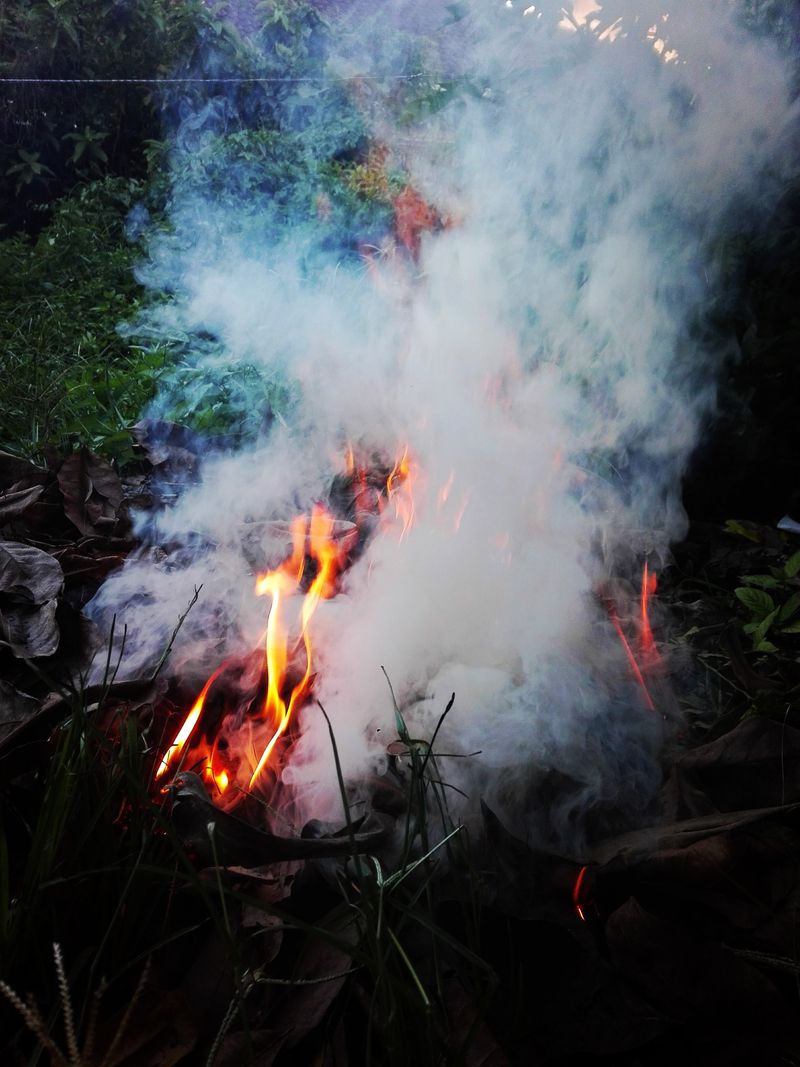
Leaf smoke smells cozy to some people and awful to others. For anyone with asthma, COPD, or heart trouble, it can be more than a nuisance.
Burning leaves release fine particles, carbon monoxide, and other irritating compounds. The tiny particles can slip deep into the lungs, and the EPA lists fine particle pollution as a trigger for asthma attacks and breathing problems.
Children and older adults tend to feel it first.
Damp leaves make it worse. They smolder instead of burning cleanly, which creates thicker, lingering smoke that hugs the ground on cool, still evenings.
Then comes the neighbor factor. Smoke drifts through open windows, clings to clothes on the line, and settles into backyards where families want to enjoy a crisp evening.
Many localities treat excessive smoke as a nuisance, and complaints can bring a visit from the fire marshal.
Even a small pile can send a gray haze across several yards on a still evening. Tightly packed neighborhoods feel it most.
Smoke near roads is another concern. It can reduce visibility for drivers, creating a hazard nobody wants on their conscience.
Even if burning is legal at your place, wind direction matters. If the breeze points toward houses, schools, or a busy road, consider postponing.
A little patience protects both lungs and friendships.
Shredded Leaves Make Better Mulch Than Ashes
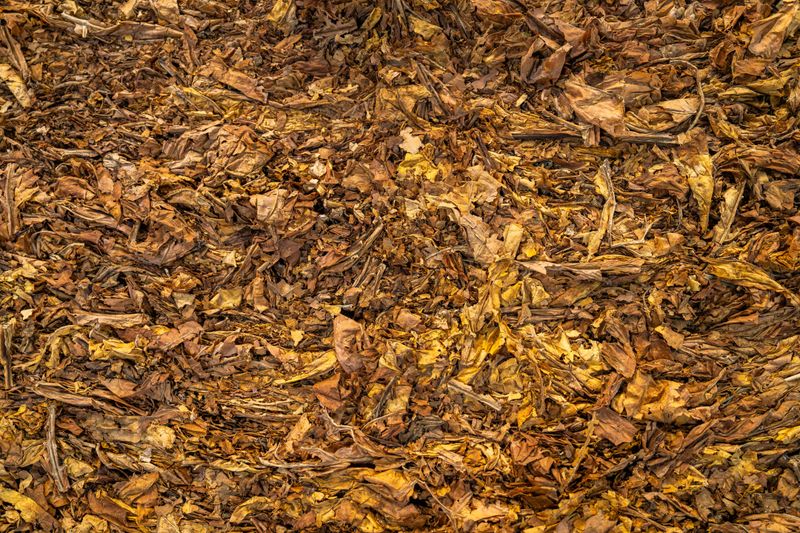
Honestly, those leaves are worth more in your yard than in a smoky pile. They’re packed with nutrients trees pulled from the soil all summer.
Burning them sends that free fertilizer up in smoke.
Mulch mowing is my favorite shortcut. Run a mower over a light layer of leaves a few times until the pieces are about the size of a dime.
Virginia Cooperative Extension and other university programs note that chopped leaves sift into the turf and break down, feeding soil life without smothering grass.
Got more than your lawn can handle? Rake the extras into garden beds as winter mulch.
Shredded leaves insulate roots, hold moisture, and suppress weeds, but keep them a few inches away from tree trunks.
Composting is another winner. Leaves are a classic brown ingredient, so mix them with green material like vegetable scraps or grass clippings.
In a year or so, you’ll have dark, crumbly compost that gardeners call black gold.
Leaf mold is even simpler. Pile wet leaves in a corner or a wire bin, then wait.
Fungi slowly turn them into a soft, earthy soil conditioner.
Many towns also offer curbside leaf collection or drop-off sites. Leaving some leaves under shrubs gives overwintering butterflies, moths, and fireflies a cozy shelter.
No matches, no smoke, no worries.
An Escaped Brush Fire Can Cost More Than You Expect
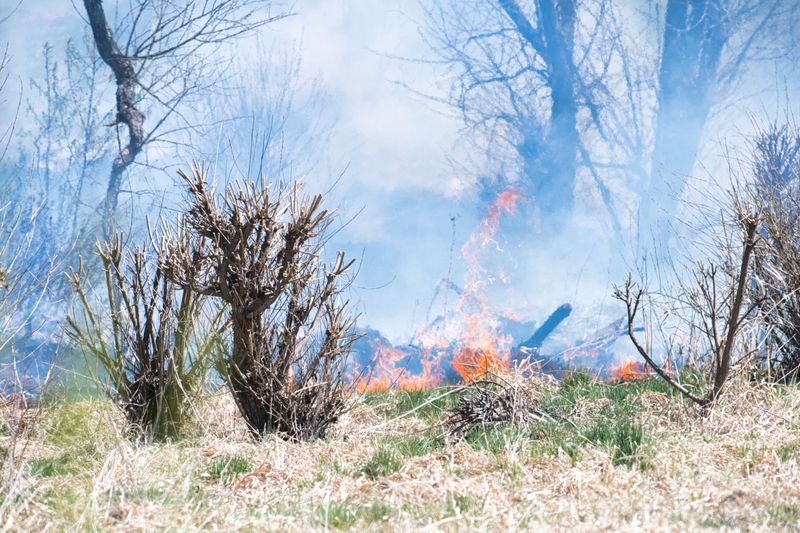
One gust, one spark, and a quiet Saturday chore can turn into a legal headache. Fire officials take escaped fires seriously, and the bill can land on the homeowner.
Under state law, a person whose fire escapes and spreads to someone else’s land can be held liable for the cost of fighting it. That may include crews, engines, and sometimes aircraft.
Property damage claims from neighbors can pile on top.
Breaking burning rules can also bring criminal charges. Violating the spring 4 PM law is a Class 3 misdemeanor with a fine of up to $500.
Local ordinances and other state laws carry their own penalties in fall, too.
Homeowners insurance may not cover every loss, especially if you broke a local rule. A short call to your agent before burning season can clear up surprises.
So what’s the smartest takeaway for November? Check your local rules, watch the weather, and burn only when conditions are calm and legal.
Better yet, let those leaves feed your lawn or compost pile.
I’ve come to see leaf season as a gift rather than a chore. A yard full of shredded leaves means richer soil next spring, and that sounds far better than a call to the fire department.