Virginia Gardeners Should Do This Simple November Job Now To Prevent A Spring Weed Invasion
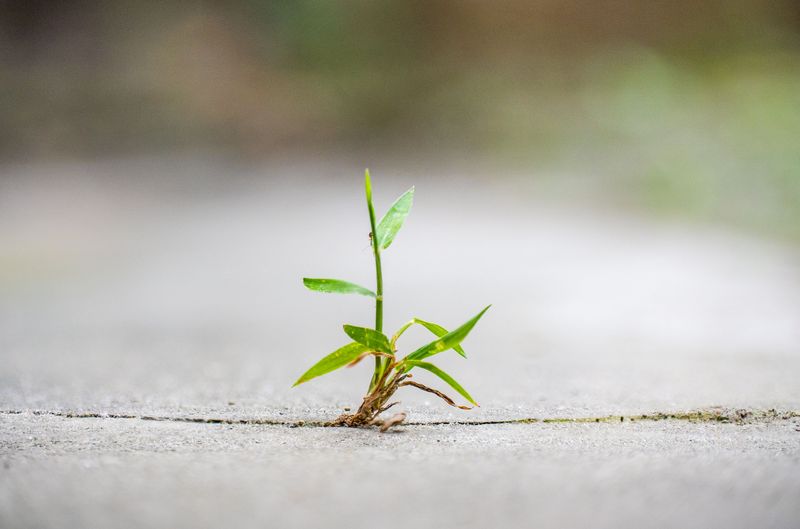
Some of the weeds that will crowd your patio next April are already sprouting in the cracks right now. They are tiny, green, and very easy to miss under fallen leaves.
I used to blame spring for my patio weeds, but the real trouble started months earlier, in the cool, damp days of fall.
In Virginia, plants like chickweed and hairy bittercress sprout as the soil cools. They sit low all winter, then flower and drop seeds before many of us have pulled out the patio chairs.
Take it from someone who once spent a whole April weekend on her knees with a butter knife. One quick November chore can save you that trouble.
Would you trade one chilly afternoon for a cleaner patio next spring?
Those Tiny Green Sprouts in Your Paver Cracks Have a Head Start
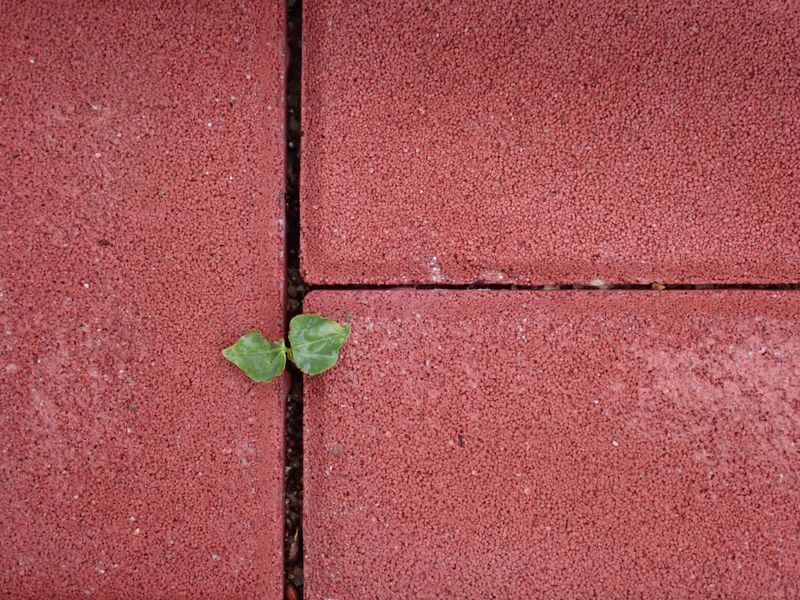
Bend down and look closely at your patio joints this week. Those little rosettes and soft green specks are not lost lawn grass.
Many are winter annual weeds, and they are right on schedule.
Virginia Tech experts explain that winter annuals sprout in fall when soil temperatures drop and moisture returns. Common examples include common chickweed, hairy bittercress, henbit, and annual bluegrass.
They grow slowly through winter, then bloom and set seed in early spring.
That timing is sneaky. By the time you notice them in March, many have already flowered.
Hairy bittercress can even fling its seeds several feet when the pods are touched, which spreads it across the whole patio.
Perennial weeds add to the problem. Dandelions, wild violets, and white clover are busy storing energy in their roots during fall.
If they stay put, they come back stronger in spring.
Patio cracks make a cozy home for all of them. Dust, leaf bits, and old mulch break down into a thin layer of soil, and moisture lingers between the stones.
So the spring weed invasion is not really a spring event. It quietly starts in late fall.
Pull Patio Weeds Now While the Roots Are Still Shallow
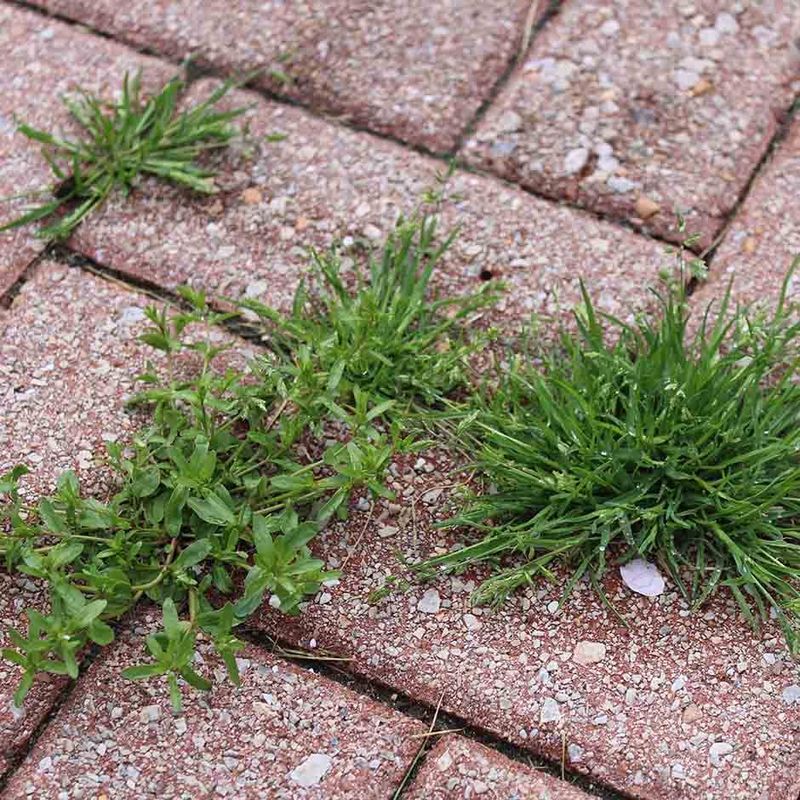
Here is the simple job at the heart of it all. Clear every weed out of your patio joints in November, roots and all.
Young winter annuals are small right now, and their roots are short. Pulling them takes seconds, especially after a soaking rain loosens the soil.
Wait until spring and the same plants may have flowered and scattered fresh seed.
A narrow crack weeder or an old flathead screwdriver works well. Slide the tool along the joint, lift the plant, and pull gently so the root comes too.
For dandelions, a forked weeding tool helps you reach deeper taproots.
Fall is a smart time for perennial weeds, too. Their energy is heading down into the roots, so removing the whole plant now cuts off next year’s comeback.
Bag the weeds instead of tossing them on the compost pile if they have seeds. Many home compost piles do not get hot enough to stop seeds from sprouting.
For what it is worth, I put on a podcast and do one section of the patio at a time. An hour or two usually handles a typical backyard terrace.
Your spring self will be grateful.
Sweep Out the Leaf Litter That Feeds Weed Seeds
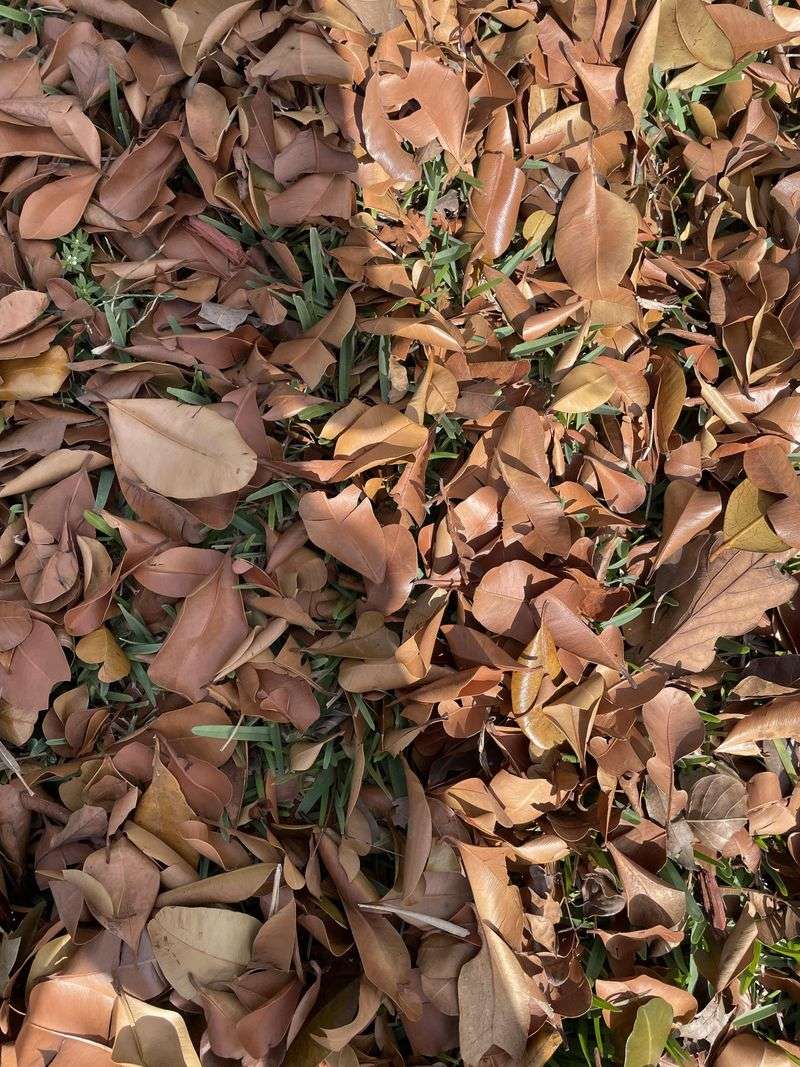
Fallen leaves look lovely on a lawn in November. On a patio, they are basically weed fertilizer in slow motion.
As leaves sit in damp piles, they break down into crumbly organic matter. That material washes into the joints between pavers and builds a perfect seedbed.
Wind-blown seeds then land in that soft layer and settle right in.
Regular sweeping breaks this cycle. A stiff push broom moves wet leaves better than a soft indoor broom.
A leaf blower works nicely on dry days and can clear dust from cracks, too.
Aim to sweep once or twice a week while trees are dropping leaves. Across much of Virginia, oaks and other late trees keep shedding into December, so stay with it a bit longer than you might expect.
Do not waste those leaves, though. Shred them with a mower and use them as mulch in garden beds, where they protect soil and feed earthworms.
Let’s just say this habit pays off twice. You get a cleaner patio now and fewer places for seeds to sprout later.
It also keeps the surface less slippery during wet winter weeks, which is a nice safety bonus.
Polymeric Sand Can Seal Paver Joints Against New Weeds
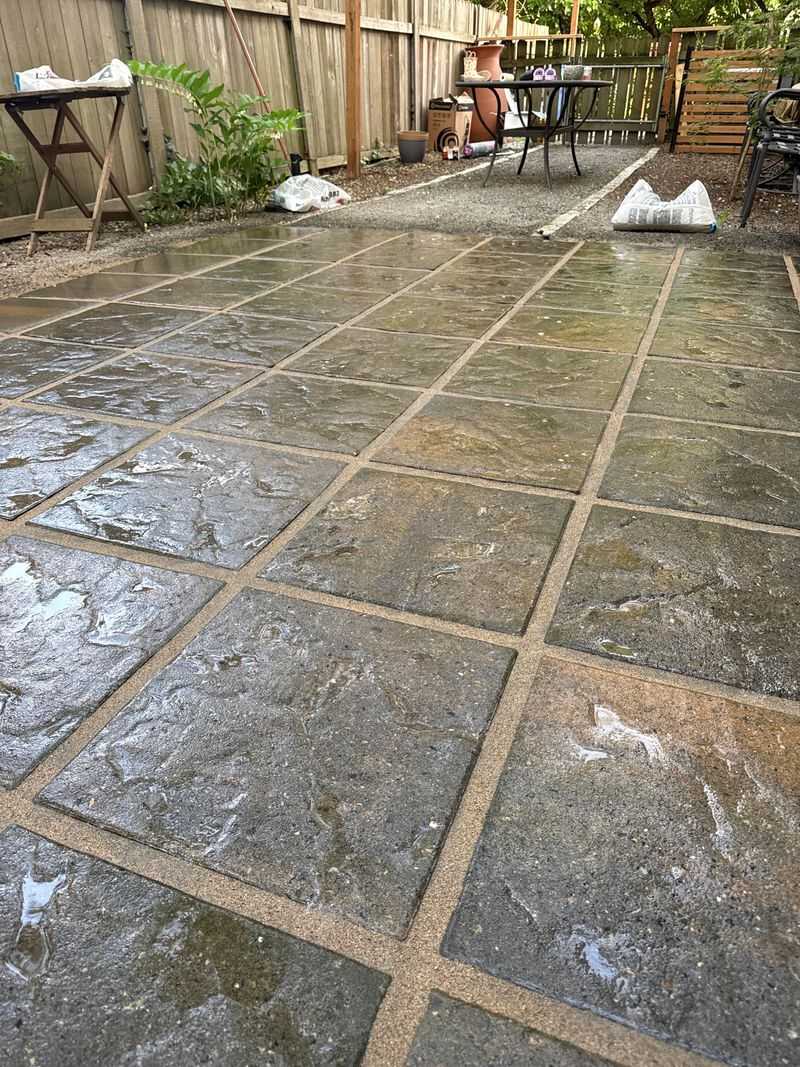
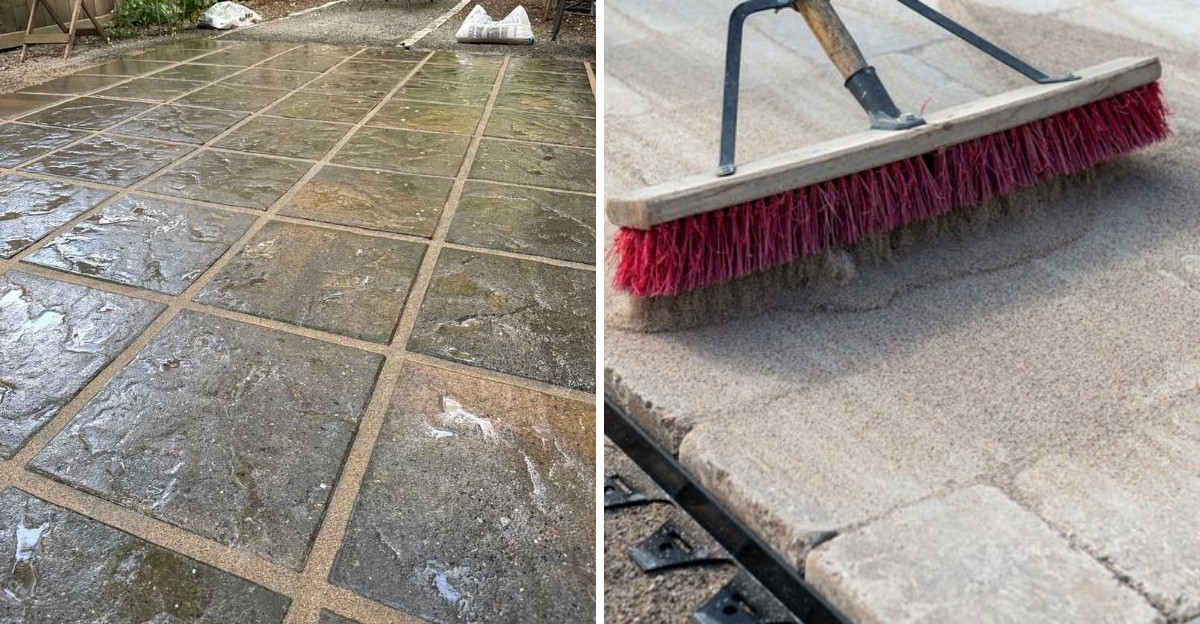
Once the cracks are clean, many landscapers suggest refilling the joints with polymeric sand. It looks like regular sand, but it contains binders that firm up after you mist it with water.
The hardened joint makes it harder for seeds to settle and for roots to push through. It also helps hold pavers in place and slows washout during heavy rain.
Plain sand washes out more easily, which leaves gaps for new soil and seeds.
Be realistic about expectations. Polymeric sand reduces weeds a lot, but seeds can still sprout in dust that collects on top of the joints.
A little sweeping keeps it working well.
Timing matters more than you might think. Most brands need dry conditions and temperatures above roughly 32 to 40 degrees for a day or more while the sand cures.
Check the bag before you start.
That makes early November a good window in much of the state. Western mountain areas cool down faster, so aim for a mild, dry stretch earlier there.
Polymeric sand works for pavers and many brick patios with narrow joints. Flagstone with wide gaps may need a different filler, so read the product label.
A Calm Dry Day Makes the Paver Sand Job Go Smoothly
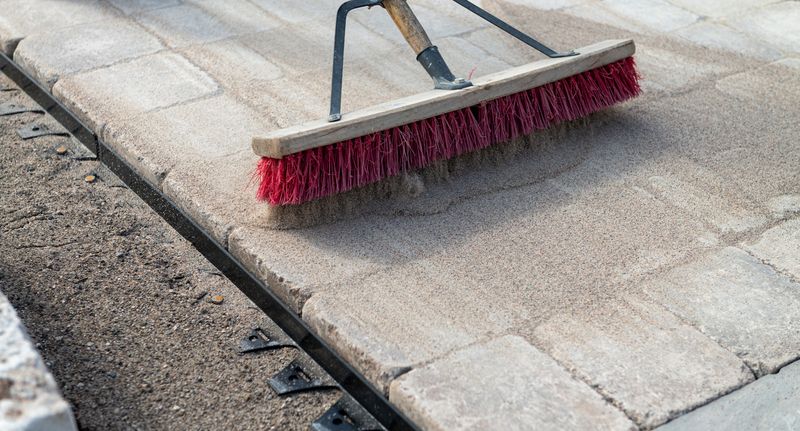
Don’t make my mistake. The first time I tried polymeric sand, I rushed it on a damp morning and ended up with a hazy film on the stones.
Start with a fully dry patio. Moisture in the joints makes the sand harden too early and unevenly.
Check the forecast and pick a stretch with no rain for at least a day.
Next, clean out old sand and debris to about an inch deep, or follow the bag directions. Pour the new sand onto the surface and sweep it into the joints from several directions.
Tap or gently vibrate the pavers so it settles, then add more until the joints are full.
The final sweep is key. Remove every bit of sand from the paver tops, then use a leaf blower on low to clear fine dust.
Leftover grains can harden into a stubborn haze.
Finally, mist the patio lightly with a shower setting on your hose. Too much water can wash the binder away.
Wear gloves and a dust mask while pouring. Fine sand dust is not something you want to breathe in, and a simple mask makes the work far more comfortable.
Skip the Herbicide Spray and Try Boiling Water or a Scraper
Reaching for a spray bottle might feel quicker. For a patio, it is rarely necessary, and it can cause problems you did not plan for.
Herbicide sprayed on hard surfaces can run off during rain and reach storm drains and streams, and in much of Virginia, eventually the Chesapeake Bay. Virginia Cooperative Extension encourages homeowners to use the least toxic method that gets the job done.
On patios, simple tools often work just fine.
Boiling water is a handy trick for tiny seedlings in cracks. Pour it carefully right onto the weed, keeping it away from nearby plants and your feet.
It works best on young annuals and may need repeating for deep-rooted perennials.
A long-handled patio scraper or a wire brush also helps. Drag it along the joints to lift seedlings and scrape out the soil they grow in.
What about vinegar? Household vinegar can burn back young leaves, but stronger horticultural vinegar is harsh on skin and eyes.
Use protective gear and follow the label if you try it.
If you ask me, a cup of coffee, a scraper, and fifteen quiet minutes is the most peaceful weed control there is. The pets and pollinators nearby will appreciate it, too.
Keep Your Weed-Free Patio Looking Sharp All Winter and Into Spring
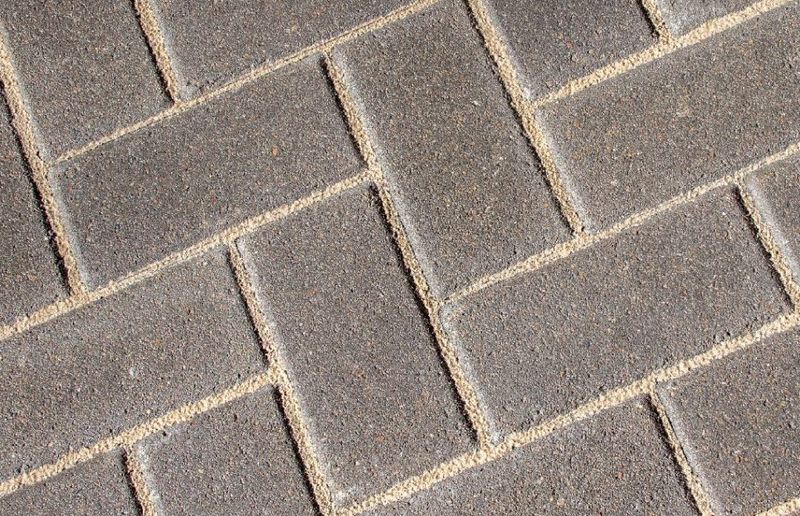
My garden taught me that one big cleanup works best when small habits follow it. The November job sets you up, and a little winter care finishes the win.
Do a quick walk-around every couple of weeks. Pull any new seedlings while they are the size of a fingernail.
On mild winter days in the Tidewater and Piedmont regions, weeds can keep growing slowly, so stay alert.
Watch the edges, too. Weeds love creeping in from lawns and flower beds along the patio border.
A clean edge cut with a half-moon edger makes a neat barrier.
Check your polymeric sand joints each spring. If you spot cracks or low spots, top them up with fresh sand during dry weather.
A good application often lasts a few years with basic care.
Use rock salt sparingly on icy days, since it can damage pavers and nearby plants. Sand or a pet-safe ice melt is gentler.
By late March, you could be setting out potted pansies instead of fighting a green carpet. That is a pretty sweet reward for one cool afternoon.
Grab your gloves this weekend and give your patio a head start on spring.