Pygmy Rattlesnakes Blend Into Georgia Leaf Litter And Their Tiny Rattle Is Hard To Hear
Even a venomous snake can sound a lot like a buzzing insect. Some people stand just a few feet away and still miss the warning.
The owner of that faint buzz rarely grows longer than two feet. Its rattle is so small that it can be hard to hear over a breeze or a lawn mower down the street.
I love raking pine straw and tucking leaves around my shrubs in Georgia. I had no idea how well a small reptile could vanish into that same cozy mulch.
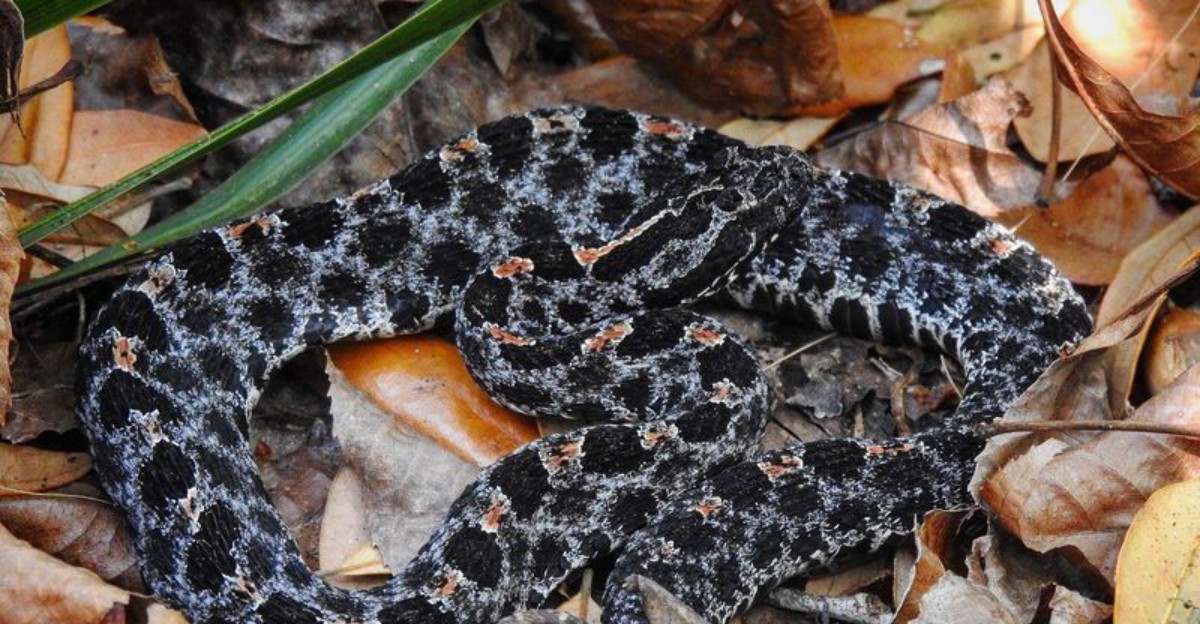
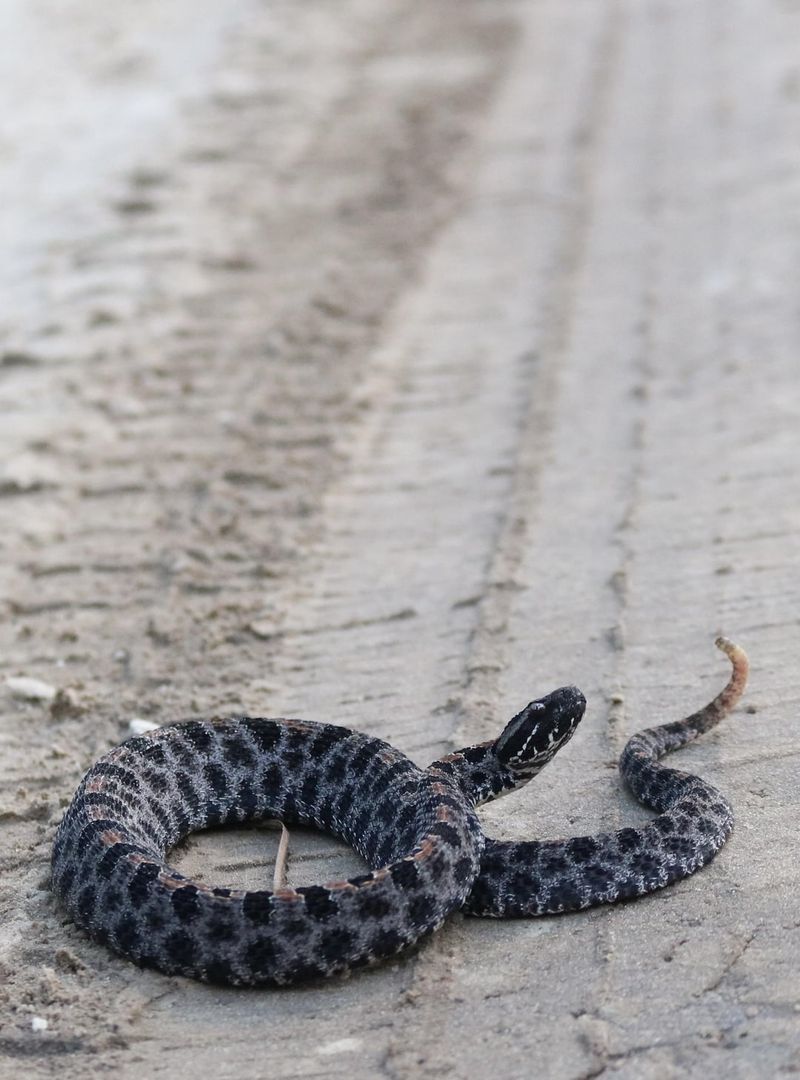
Its blotchy pattern matches fallen oak leaves almost scale for scale.
You need to know what is hiding in those brown layers before your next weeding session. I believe a little knowledge turns fear into respect.
Recognizing this tiny rattler and knowing how to avoid an accidental encounter can make your next afternoon in the garden much safer.
1. That Faint Insect-Like Buzz in the Leaves Might Be a Tiny Rattlesnake
Most folks expect a rattlesnake to sound like a maraca. A pygmy rattlesnake sounds more like a cicada or a grasshopper flicking its wings.
Many people describe it as a thin, dry buzz.
The reason comes down to size. A pygmy rattlesnake’s rattle is tiny, often no bigger than a grain of rice per segment.
Fewer, smaller segments simply cannot make much noise when the tail shakes.
Rattles can also break off. Snakes snag them on sticks, roots, and rocks as they move.
A pygmy with a broken rattle may only make a whisper, or no sound at all.
Wind, birdsong, and garden tools make hearing it even harder. Researchers and wildlife groups in the Southeast note that you may need to be within a few feet to catch it.
By then, your hand or boot might already be close.
So what should you take from this? Treat the rattle as a bonus, not a guarantee.
Rely on your eyes first and your ears second.
Personally, I now pause when I hear an odd buzz near the ground. A quick look costs nothing, and it has taught me to slow down while I work in leafy beds.
2. Watch Where You Reach Before Grabbing Leaves and Pine Straw
Safe gardening in snake country starts with one simple habit. Look before you put your hands or feet anywhere you cannot see clearly.
Pygmy rattlesnakes rarely chase people. Most bites happen when someone steps on one or reaches into a hiding spot by accident.
That makes prevention very doable for a careful gardener.
Wear sturdy leather gloves when pulling weeds or lifting mulch. Choose closed boots instead of sandals, especially around brush piles, logs, and thick leaf layers.
Long pants add another helpful barrier.
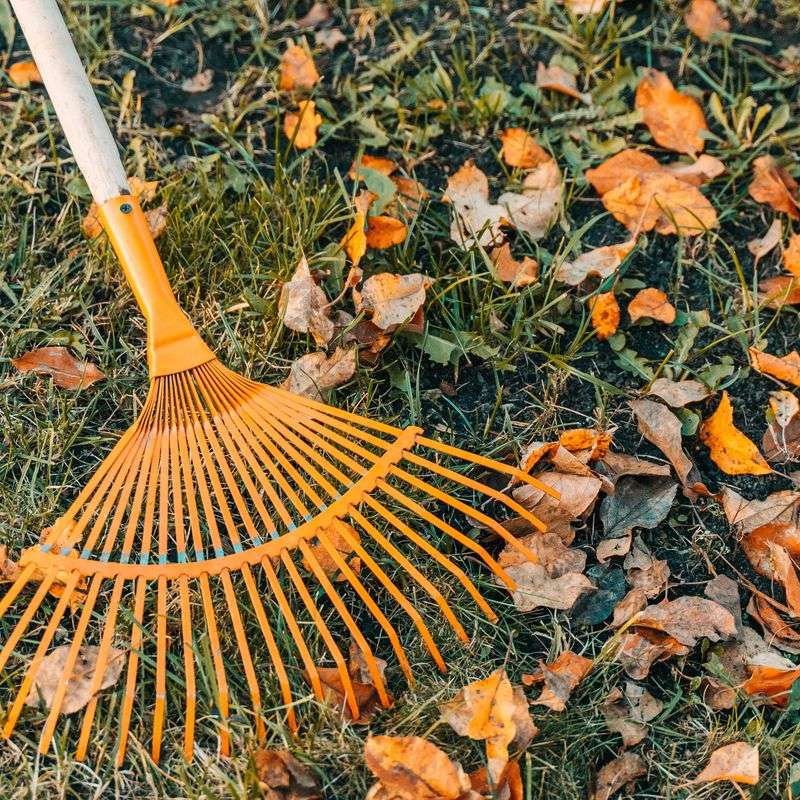
Use a rake, hoe, or stick to shift leaves before you kneel or grab. Moving debris with a tool gives a hidden snake time to slide away.
It also keeps your fingers out of the danger zone.
Flip boards, pavers, and pots by lifting the far edge toward you. That way, anything underneath faces away from your body.
Bring a flashlight for evening chores. Pygmies are active during warm months and may hunt after dark in summer heat.
Finally, teach kids to call an adult instead of touching any snake. A calm rule, repeated often, works better than scary stories and keeps small hands safe outdoors.
3. Blotchy Gray Scales Turn Fallen Oak Leaves Into a Perfect Hideout
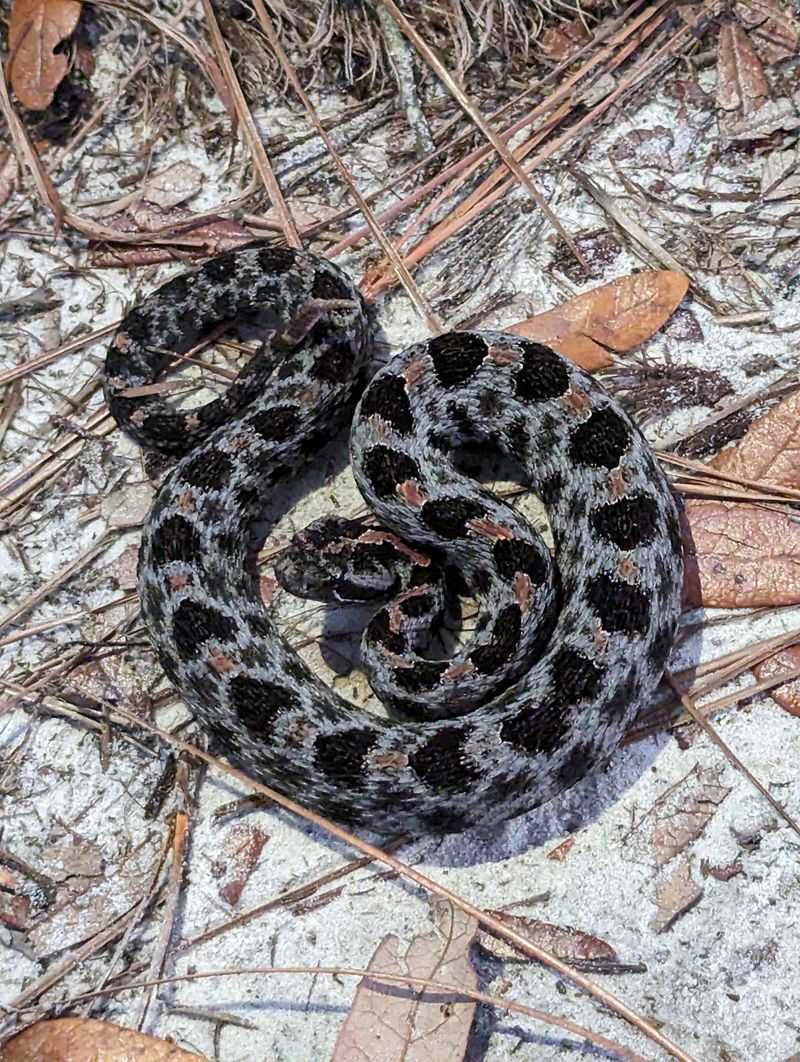
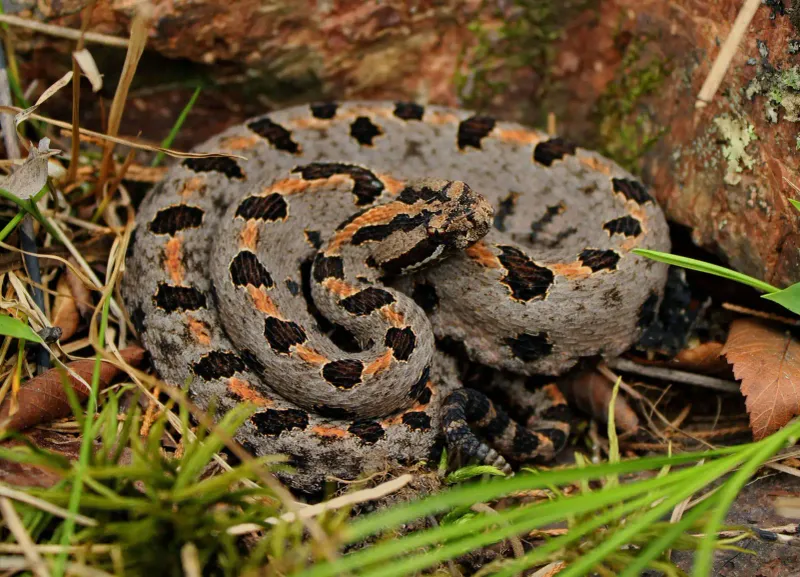
Nature built this snake to blend into its surroundings. Its gray or tan body is covered in dark, rounded blotches that help it disappear among fallen leaves.
Some people call pygmy rattlesnakes ground rattlers for good reason. They often stay coiled in one spot for hours, waiting for a frog or lizard to wander close.
Sitting still helps their pattern do its job.
That ambush style matters for gardeners. A pygmy may not move when you approach because hiding is its first line of defense.
You can walk right past one without noticing.
Leaf litter, pine straw, mulch, and grassy edges all offer great cover. Southern pine forests and sandhills in Georgia are classic habitat, but snakes can show up near homes close to woods or wetlands.
Try a fun exercise next time you see a wildlife photo of one. Count how many seconds it takes you to find the snake.
Most people need longer than they expect.
I find that humbling in the best way. It reminds me that the quiet patches of my yard hold more life than I usually notice, and that patience pays off outdoors.
4. A Rusty Back Stripe and Eye Mask Give the Pygmy Rattler Away
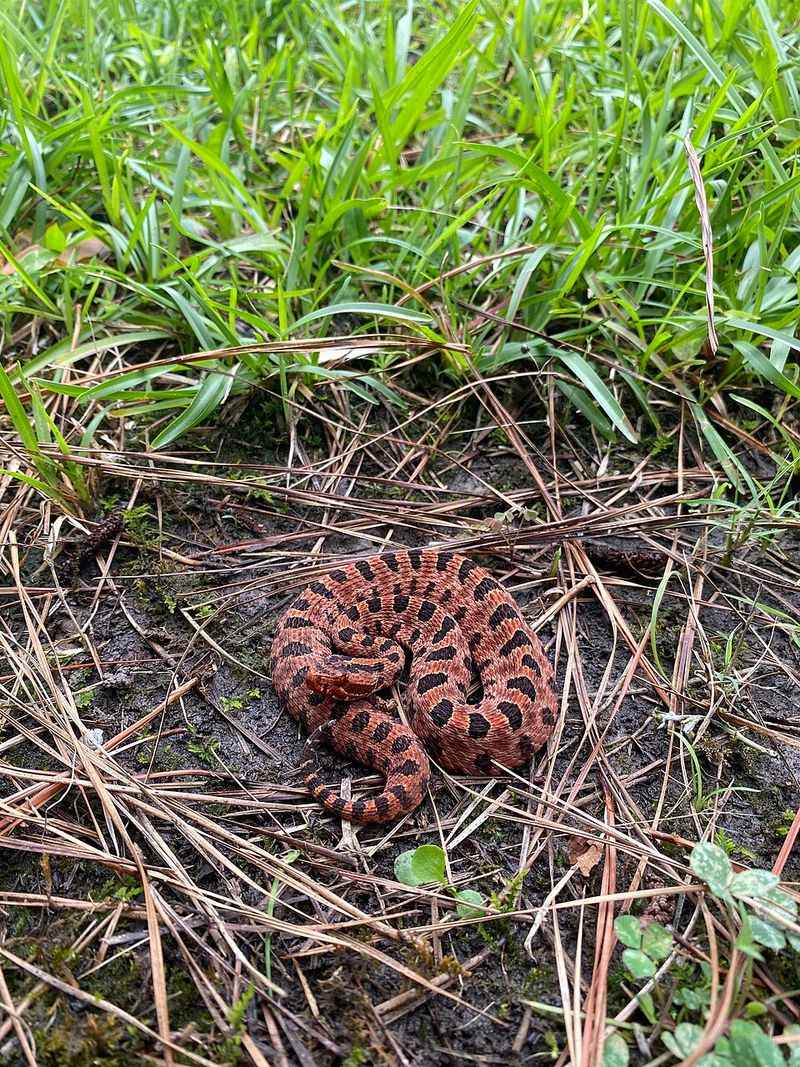
Once you know the clues, spotting a pygmy gets easier. Adults usually measure about 16 to 24 inches long, so think of a ruler or a little longer.
Look down the middle of the back. Many have a row of dark blotches with a reddish or orange stripe running between them.
Smaller spots line the sides.
Check the face from a safe distance. A dark band runs from the eye toward the corner of the mouth, almost like a mask.
Pygmies also have large plate-like scales on top of the head, which helps experts separate them from other rattlers.
Young snakes add a fun twist. Babies often have a yellowish tail tip that they wiggle to lure frogs and lizards.
Scientists call this caudal luring.
Be careful about lookalikes. Harmless hognose snakes and some juvenile rat snakes also have blotches.
Snakes without rattles, like the hognose, can still look alarming when they puff up.
Do not get close to confirm anything. Snap a photo with a zoom lens instead and compare it with guides from the University of Georgia or the state wildlife agency.
Those resources show clear, labeled pictures.
5. Dusky And Carolina Pygmy Rattlesnakes Split Georgia Between Them
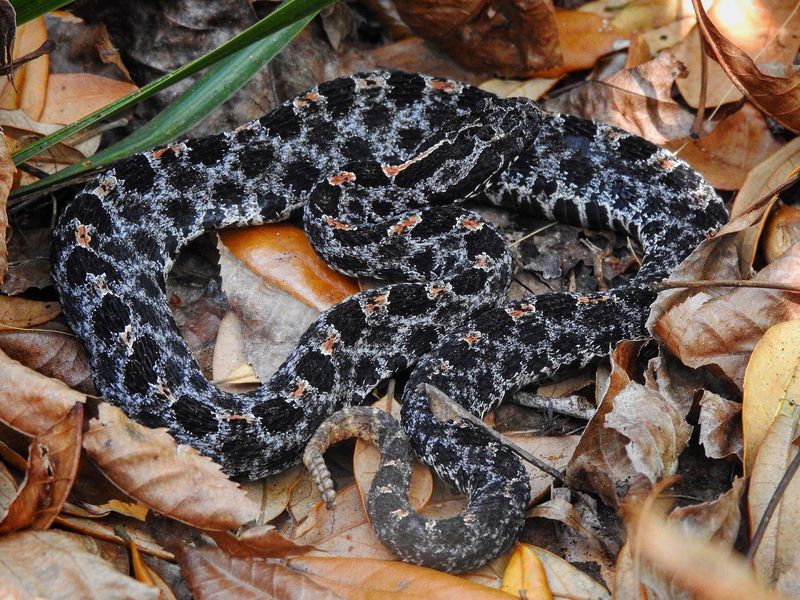
Did you know there are two kinds living across the state? Scientists recognize the dusky pygmy rattlesnake and the Carolina pygmy rattlesnake as subspecies of the same species.
The dusky form lives mostly in south Georgia. It tends to look darker, with grayish to almost blackish tones and heavy spotting.
It often turns up in moist places like pine flatwoods, wet prairies, and the edges of swamps.
The Carolina form ranges farther north. Its colors can be gray, tan, lavender, or even a striking brick red.
It often uses drier upland habitats such as sandhills and pine woods.
Where their ranges meet, the two blend together. Snakes in parts of central Georgia can show traits of both, so do not worry if one does not match a field guide perfectly.
Neither type is common in north Georgia mountains. Most sightings happen in the Coastal Plain and lower Piedmont.
I enjoy this detail because it makes local nature feel personal. The rattler near a Valdosta pond may look quite different from one near Augusta.
Paying attention to color and habitat helps you understand which neighbor you might meet.
6. A Pygmy Rattler Bite Hurts And Still Needs a Hospital Trip
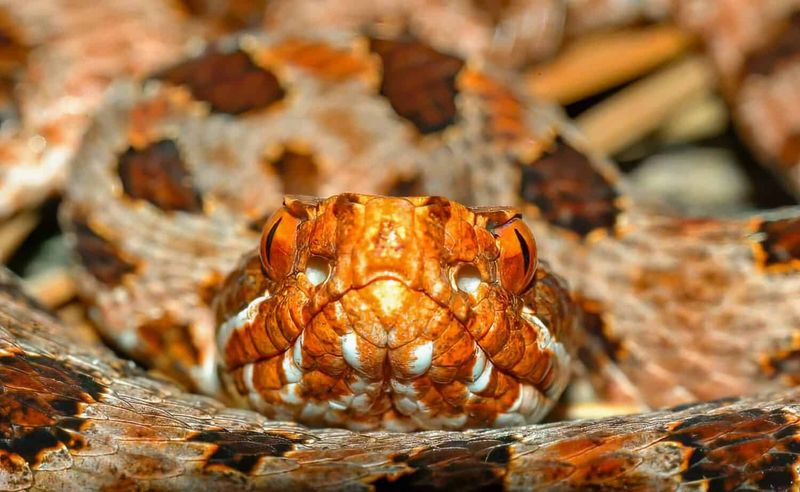
Small does not mean harmless. Pygmy rattlesnakes are venomous, and a bite can cause strong pain, swelling, and bruising around the wound.
Their venom amount is small compared to a timber or diamondback rattlesnake. Serious outcomes in healthy adults are rare, according to university and wildlife sources.
Still, a bite deserves real medical care.
Stay calm if a bite happens. Move away from the snake, call 911 or head to the nearest emergency room, and keep the bitten area still and at about heart level.
Remove rings, watches, and tight clothing near the bite before swelling begins. Note the time so doctors know how long it has been.
Skip old myths. Do not cut the wound, suck out venom, apply ice, or use a tight tourniquet.
These methods can cause more harm than help.
The Georgia Poison Center can also give guidance at 1-800-222-1222. Saving that number in your phone takes ten seconds.
Pets face risks too. Dogs often get bitten on the face while sniffing leaves.
Call your vet right away if your dog yelps and shows sudden swelling.
7. Leave That Little Ground Rattler Alone And Tidy Its Hiding Spots
Spotting a pygmy rattler can feel exciting and nerve-racking at once. The best move is easy.
Give it space and let it go about its business.
Back away slowly to at least several feet. Keep kids and pets indoors until it leaves.
Most snakes move on within hours once they realize people are around.
Avoid trying to catch or harm it. Many bites happen when people handle or attack snakes.
If one stays near a doorway, contact a licensed wildlife removal professional.
These snakes do useful work too. They eat mice, lizards, frogs, and large insects, helping balance your yard’s food web.
You can make your space less inviting without hurting wildlife. Keep grass short near paths and doors.
Move woodpiles away from the house and lift them off the ground.
Clear old boards, tarps, and clutter where rodents nest. Fewer mice mean fewer reasons for snakes to visit.
Keep leaf mulch in beds, not along walkways. That simple choice keeps habitat for helpful critters while protecting the spots where you walk.
Respect, awareness, and a tidy edge make sharing your yard much easier.