What Georgia Gardeners Should Do With Camellias Before The First Hard Freeze
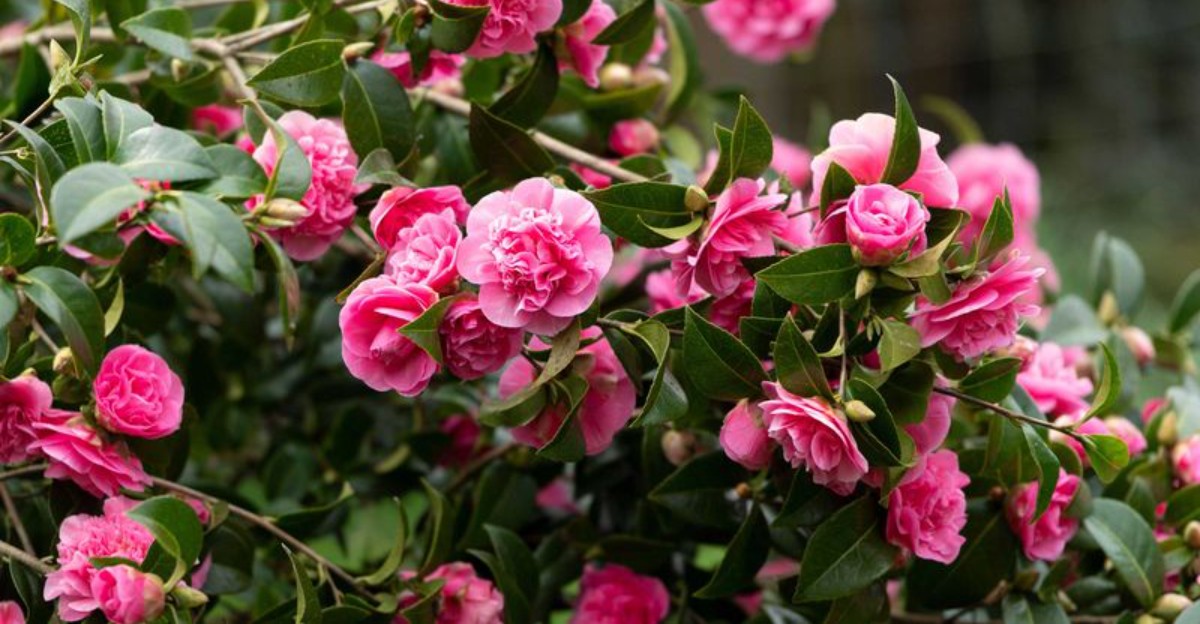
Winter flower buds can hold their petals tight for weeks, waiting for a mild spell to open. That patience is clever, yet one hard night in the 20s can still turn a fat bud brown inside.
I learned this the sneaky way. The shrub looked fine after a cold snap, then the buds dropped like marbles a week later.
Here in Georgia, our winters swing wildly. You might wear shorts on Tuesday and scrape ice off the windshield by Friday, and these glossy evergreen shrubs feel every bit of that whiplash.
I think the smartest protection happens days before the forecast turns ugly. A few calm chores, done early, can mean the difference between a scorched shrub and a winter full of pink, red, and white blossoms.
Knowing which steps actually protect those precious buds can save you time and disappointment when the next cold snap arrives.
1. That Hard Freeze Forecast Means Something Different For Camellia Buds
Weather folks toss around frost, freeze, and hard freeze like they mean the same thing. They do not.
A light frost may only nip open flowers, while a hard freeze usually means 28 degrees or lower for several hours.
That longer stretch of cold is what your camellias notice. Established plants of Camellia japonica and Camellia sasanqua are tough shrubs, and most handle normal winter lows across Georgia just fine.
The weak spot is often the flowers, not the plant itself.
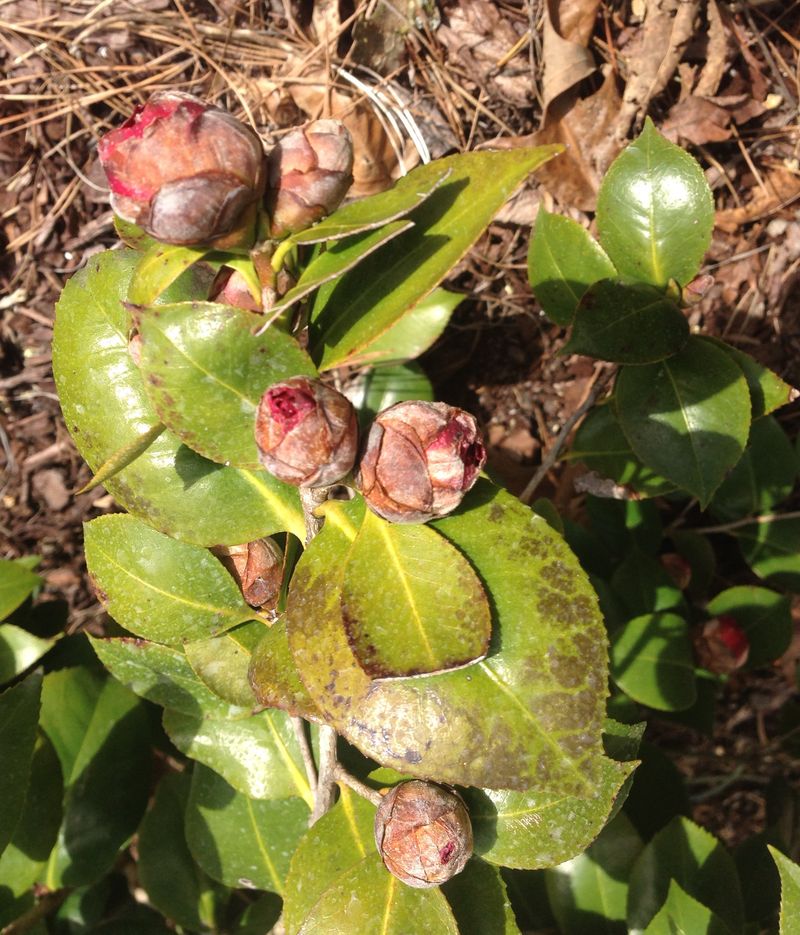
Open blooms brown quickly in a hard freeze. Buds that are showing color are also at risk, while tight, green buds often ride out the cold and open later.
Sasanquas bloom in fall, so their show tends to finish before the worst weather arrives.
Regional differences matter too. North Georgia mountain towns sit in cooler zones and see hard freezes earlier and more often.
Coastal and south Georgia gardens may only face a few each winter.
So check your local forecast and look for that 28-degree mark. Knowing the difference keeps you from panicking over every chilly night and saves your effort for the nights that really count.
2. A Deep Drink Of Water Helps Camellias Ride Out The Cold
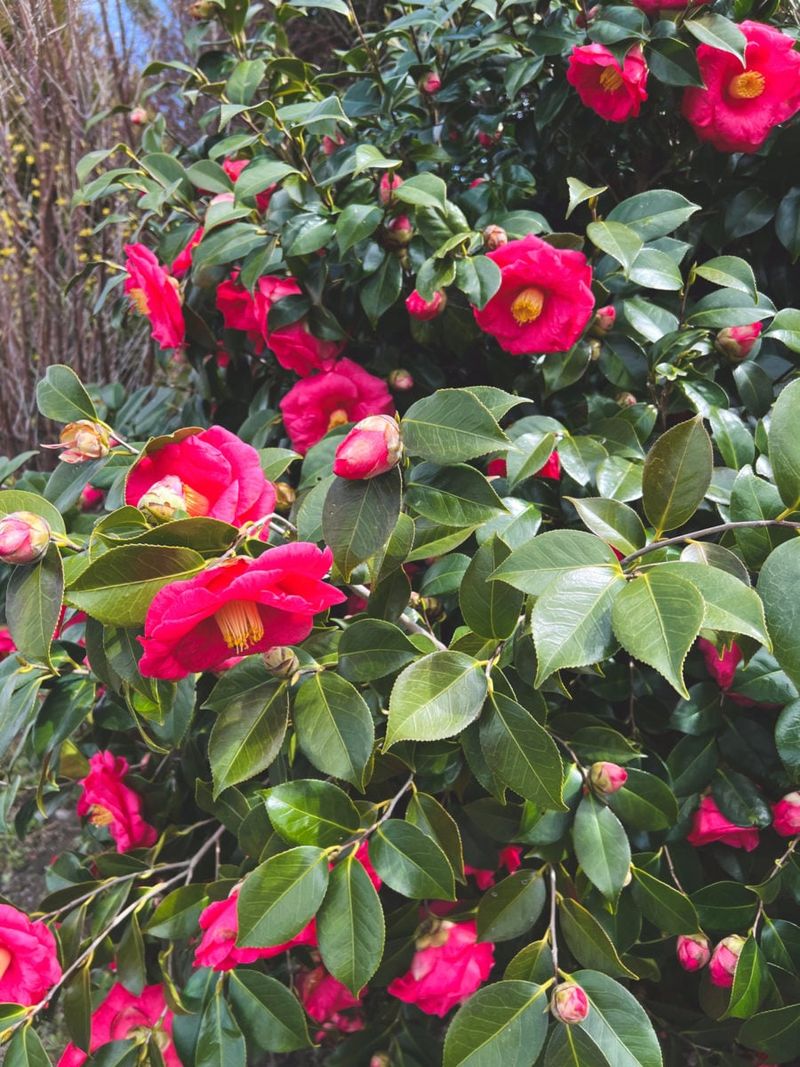
Thirsty plants freeze harder than well-watered ones. That surprises a lot of gardeners, but it makes sense once you know why.
Camellias keep their leaves all winter, and those leaves keep losing moisture, especially on windy days. When the ground is frozen or bone dry, the roots cannot replace that water.
The result is browned leaf edges and scorched foliage, a problem often called winter burn.
Moist soil also holds heat better than dry soil. It releases warmth slowly overnight, giving shallow camellia roots a small but useful buffer.
Here is my routine. A day or two before a hard freeze, I give each shrub a slow, deep soak around the root zone, not just a quick splash at the trunk.
A soaker hose or a gently trickling hose for 20 to 30 minutes works well.
Fall in Georgia can be surprisingly dry, so keep an eye on rainfall in October and November. If a week or two passes with no real rain, water.
Skip soggy conditions, though. Camellias dislike wet feet, and waterlogged soil invites root rot.
Aim for soil that feels like a wrung-out sponge.
3. Pine Straw Mulch Tucks Camellia Roots In For Winter
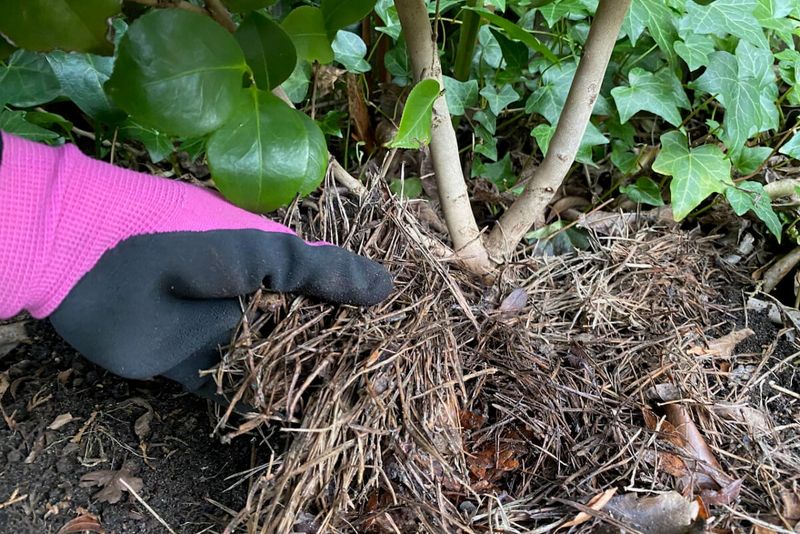
Pine straw might be the most Georgia thing you can put in a garden bed. Lucky for us, camellias love it.
A 2 to 4 inch layer of mulch evens out soil temperatures. Camellia roots sit fairly shallow, so repeated freezing and thawing can stress them.
Mulch slows those swings and helps the soil hold the moisture you just added.
Pine straw, pine bark, and shredded leaves all work nicely. They also break down slowly and help keep soil slightly acidic, which camellias prefer.
Spread the mulch out to the drip line, the edge of where the branches reach. That covers most of the root area.
Then pull it back two or three inches from the trunk. Mulch piled against bark traps moisture and can invite pests and disease.
Already mulched in spring? Check the depth.
Old mulch settles and thins out, so a fresh top-up in late fall is often all you need.
One more tip from experience: fluff matted mulch with a rake before adding more. A crusty layer can shed water instead of letting it soak in, and that defeats half the purpose.
4. Frost Cloth Over Your Camellia Bush Can Save The Blooms
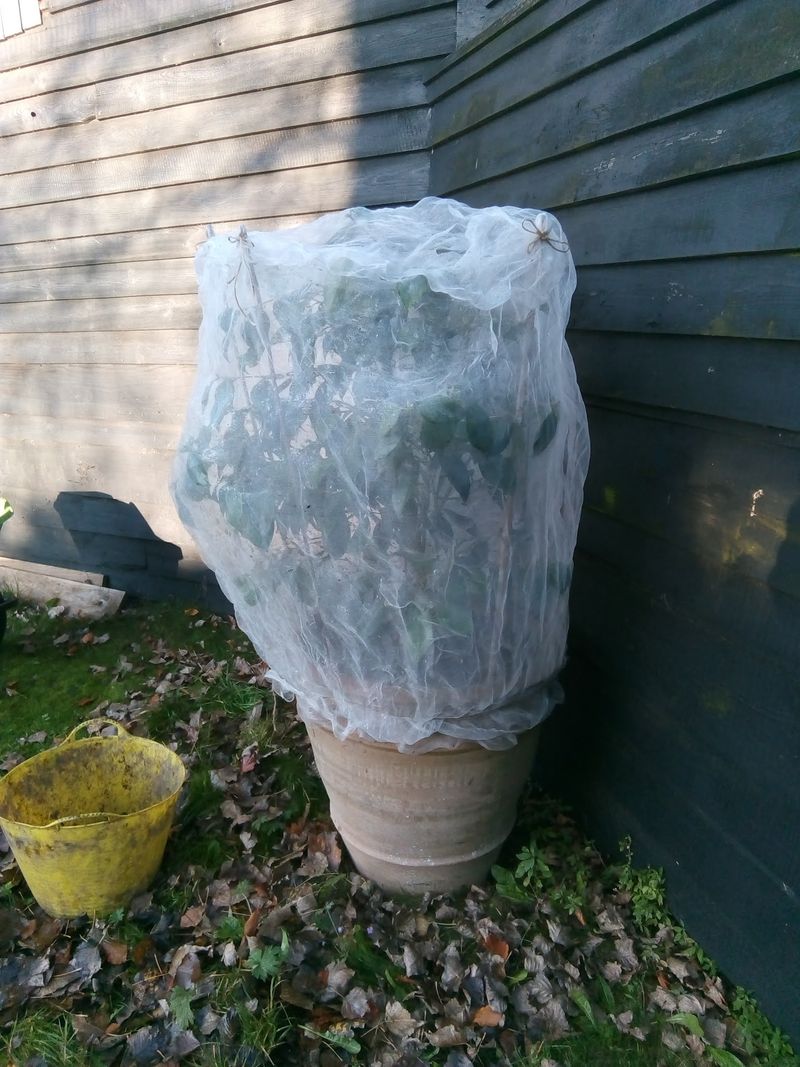
Bedsheets have rescued more Southern flowers than anyone can count. Still, a proper frost cloth does the job better.
Covers work by trapping heat rising from the ground. That means the fabric should reach all the way down to the soil, not stop halfway like a skirt.
Weigh the edges with bricks or landscape pins so wind does not lift them overnight.
Breathable horticultural fleece is ideal. Old sheets and light blankets work in a pinch.
Avoid plastic touching leaves, since it can transfer cold right into the foliage and trap moisture.
Stakes or a simple frame help keep heavy fabric from crushing buds and branches. For a big, older camellia, covering the whole thing may be unrealistic.
In that case, focus on young plants and shrubs loaded with buds showing color.
Timing matters. Put covers on in late afternoon, before the sun sets, so you capture the day’s warmth.
Then take them off the next morning once temperatures climb above freezing. Leaving covers on during sunny days can overheat the plant and keep air from circulating.
A few minutes of effort on each end can keep your flowers bright.
5. Potted Camellias Feel The Freeze Much Sooner
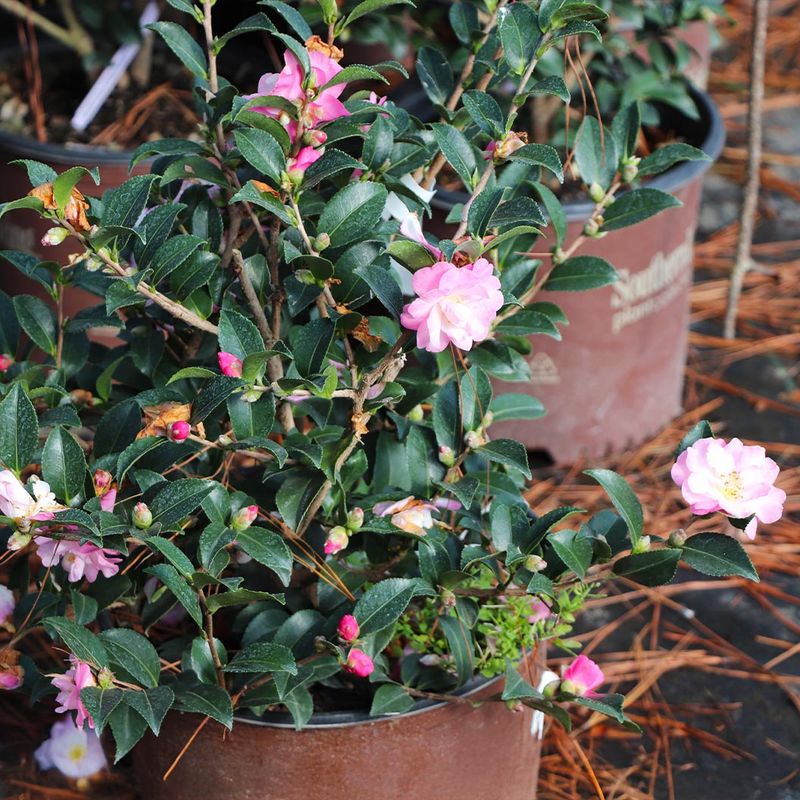
Container plants live a little dangerously in winter. Their roots sit inside a pot with no deep earth around them, so cold reaches them from every side.
A camellia that shrugs off 15 degrees in the ground may struggle in a pot at a much milder temperature. Roots are less cold hardy than stems and leaves, which is why potted plants need extra attention before a hard freeze.
Moving the pot is the easiest fix. An unheated garage or shed works great for a night or two.
Bring the plant back out once the cold passes, because camellias need light and do not enjoy living indoors.
Too heavy to move? Push pots together against a south or east-facing wall of your house.
The wall radiates stored heat, and grouping pots shields their sides.
You can also wrap containers in burlap, old blankets, or bubble wrap for added insulation. Raising pots on feet keeps them off cold concrete.
Check the soil before the freeze and water if it feels dry. Containers dry out fast, even in winter, and a moist root ball handles cold better than a parched one.
6. Put Down The Pruning Shears Until The Camellia Flowers Fade
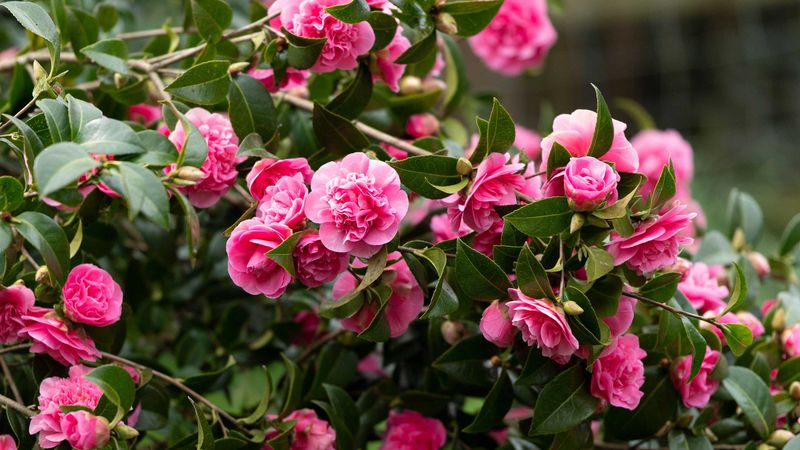
Fall cleanup fever is real. I get the itch too, but camellias are one shrub you should leave alone right now.
Camellias set their flower buds months ahead, usually in summer. By late fall, those buds are already sitting on the branch tips.
Cut those branches and you cut away your winter and spring flowers.
Late pruning causes a second problem. Trimming can wake up the plant and push out soft new shoots.
That tender growth has no time to toughen before a hard freeze, and it often browns quickly.
The best window is right after blooming ends. For sasanquas, that means late winter.
For japonicas, it is usually spring. Prune then, and the shrub has plenty of time to set new buds.
Small exceptions are fine. Snip out broken branches or obviously diseased wood anytime, since that keeps the plant healthy.
The same patience applies to fertilizer. Skip feeding in fall, because nitrogen also encourages fresh growth that cold can damage.
Wait until after flowering to fertilize. Your shrub will thank you with a fuller show and fewer scorched tips.
7. Cold Hardy Camellia Varieties Make Next Winter Easier
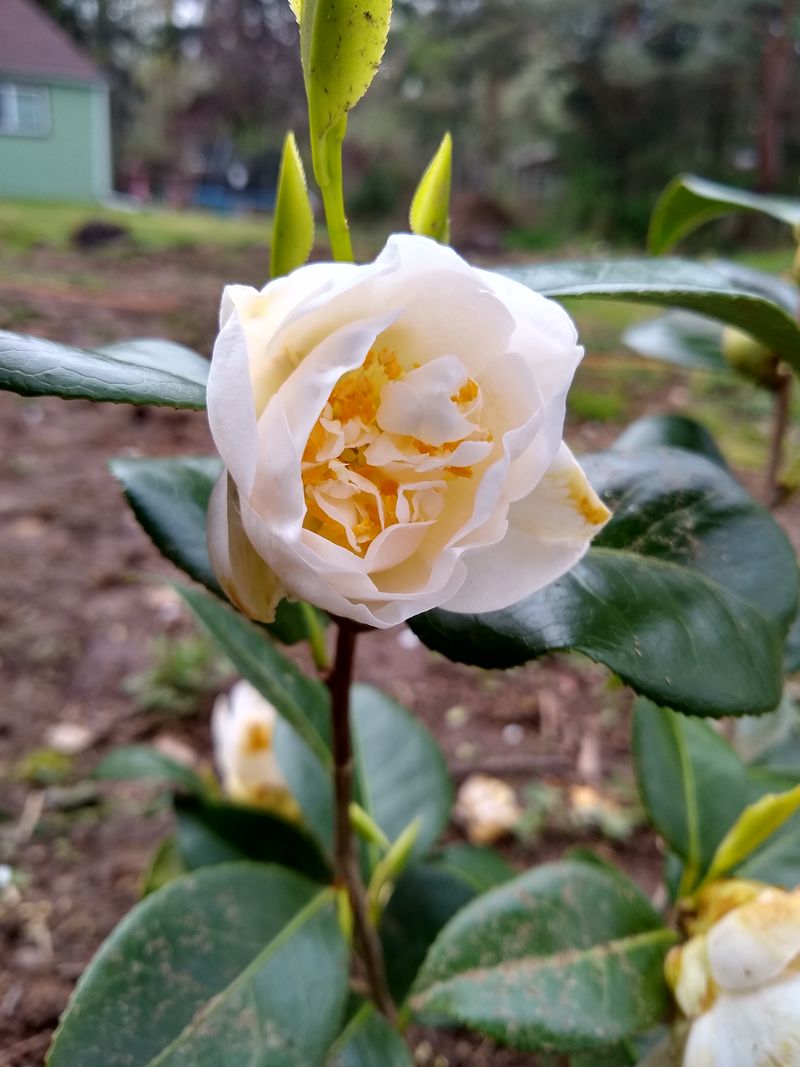
Some camellias were born to be tougher than others. Plant breeders have spent decades working on that.
Dr. William Ackerman at the U.S. National Arboretum developed cold hardy hybrids such as the Winter series, including Winter’s Star and Winter’s Joy.
Clifford Parks in North Carolina bred the April series, like April Remembered and April Tryst. Many of these handle temperatures well below what most Georgia gardens see.
Georgia spans roughly USDA zones 6b in the far northern mountains to 9a along the coast. Gardeners in places like Blairsville or Dahlonega benefit most from these hardier choices.
Folks near Savannah or Valdosta can grow a much wider range with fewer worries.
Location also helps. A spot with morning shade protects frozen buds from thawing too fast in early sun, which often causes more browning than the cold itself.
Shelter from north winds adds extra protection.
Late fall through winter is actually a good time to plant camellias in much of Georgia. Roots settle in while the soil stays mild.
So take notes this winter. Which shrubs struggled, and which looked great?
That list can guide your next nursery visit.