Georgia Gardeners Should Stop Fertilizing These Plants Before Fall Sets In
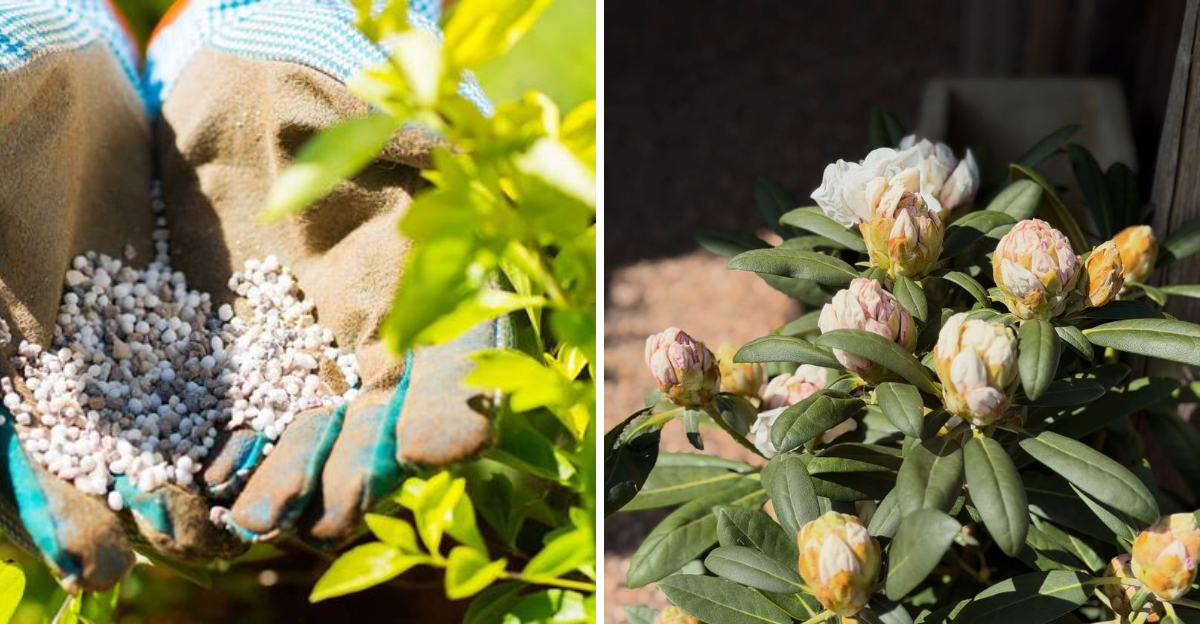
That last round of fertilizer may seem helpful when your plants still look green and active. Yet feeding certain plants now can push them in the wrong direction.
As the season changes, many garden favorites need time to slow their growth and prepare for colder weather.
Extra fertilizer can encourage tender new shoots when the plant should be shifting its energy elsewhere. That matters in Georgia, where warm fall days can make continued feeding seem perfectly reasonable.
Knowing when to stop is just as important as knowing when to feed.
Different plants follow different seasonal rhythms, so the same fertilizer schedule does not work across the entire yard. Check what you are growing before reaching for another application.
Sometimes the best fall care is simply allowing your plants to slow down naturally.
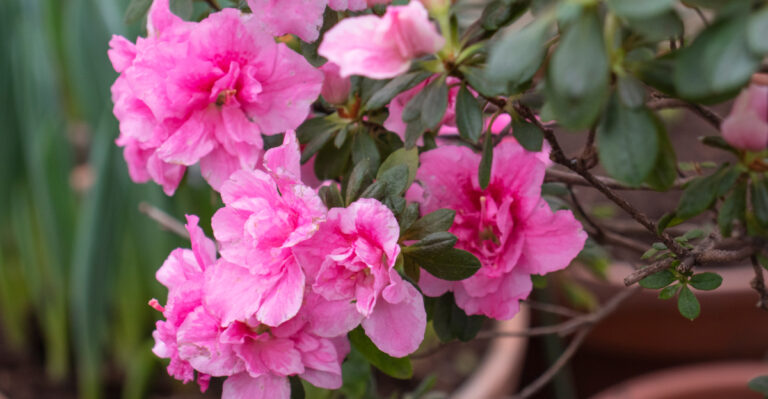
1. Azaleas Are Already Setting Their Buds For Next Spring
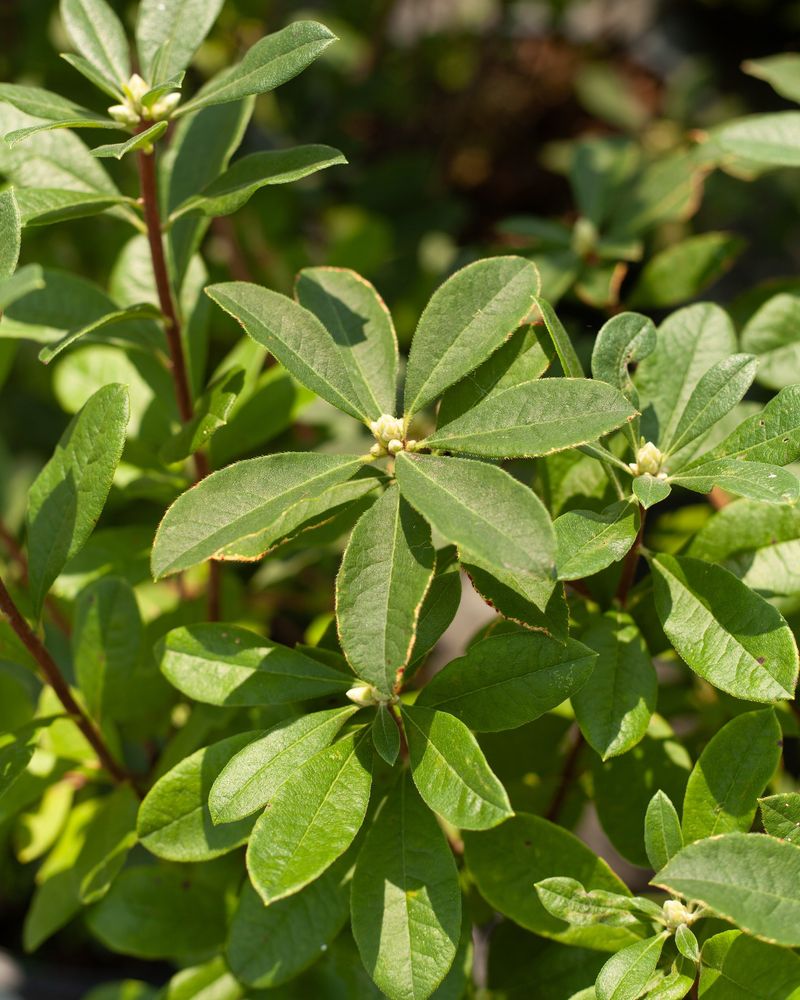
Those tiny bumps on your azalea stems in September are next April’s flowers. Feeding now can redirect that energy into leaves instead.
Azaleas finish their bud work by mid to late summer in most of Georgia.
Nitrogen at this point often triggers a flush of soft leaves. That growth pulls resources away from buds that are already formed.
There is also a timing problem with cold weather.
New shoots that appear in October stay thin and green well into November. A sudden freeze can damage those tips, and damaged tips sometimes take flower buds with them.
Mulch does more good than fertilizer right now.
A two inch layer of pine straw keeps soil moisture steady and feeds the root zone slowly as it breaks down. Azalea roots sit close to the surface, so they appreciate the cover.
Water is the one thing worth watching in dry Septembers.
Deep soaking once a week during a dry spell helps buds hold on. Skip the liquid feed you might be tempted to mix into the hose.
Spring is the better window for any real feeding.
Wait until blooms fade, then use an acid-forming product at label rates. Results vary with soil pH and drainage, so a soil test tells you more than guesswork ever will.
2. Crape Myrtles Need New Growth To Harden Before Winter
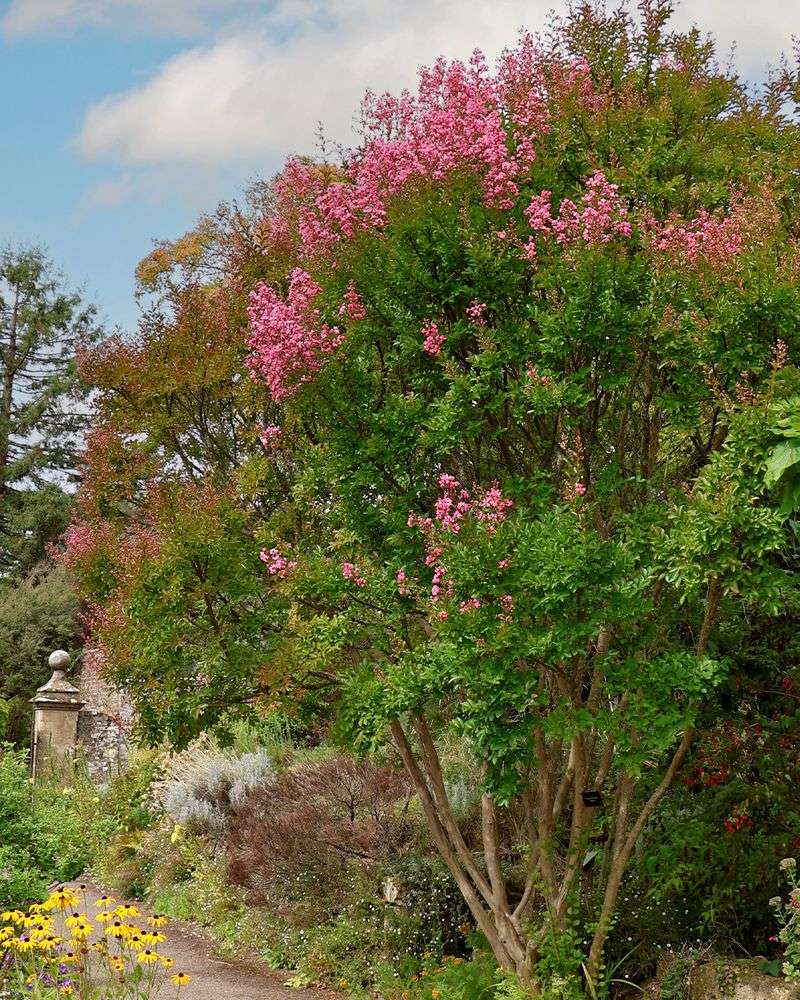
Crape myrtles grow fast enough on their own. Handing them fertilizer in September just adds more growth they cannot finish.
Wood needs weeks of cooler weather to firm up and harden.
Late shoots stay soft and full of water. Those tips are the first parts to suffer when temperatures drop into the twenties.
Northern Georgia sees that kind of cold most winters.
Gardeners in the mountains often notice damage on the youngest twigs each spring. Late feeding tends to make that worse, not better.
Blooming is another thing to consider.
Extra nitrogen pushes leaves at the expense of flowers, and it can stretch branches into weak, floppy shapes. Nobody wants a crape myrtle that leans after every storm.
Most of these trees do fine with no supplemental feeding at all.
Turf fertilizer that drifts into the root zone from a nearby lawn is often more than enough. Watch for lush green leaves and few blooms, which usually signals too much nitrogen already.
Your Georgia Garden Changes Every Week. Your Plan Should Too.
Gardening in Georgia changes quickly throughout the season. Every Friday you’ll receive a simple weekly plan showing exactly what to plant, prune, fertilize, harvest, and protect so you never miss the right timing.
Hold off and let the tree slow down naturally.
Leaves will drop, bark will keep peeling, and the wood will toughen through late fall. If you want to feed, early spring before leaf-out is a far safer bet.
3. Camellias Are Better Left Without Another September Feeding
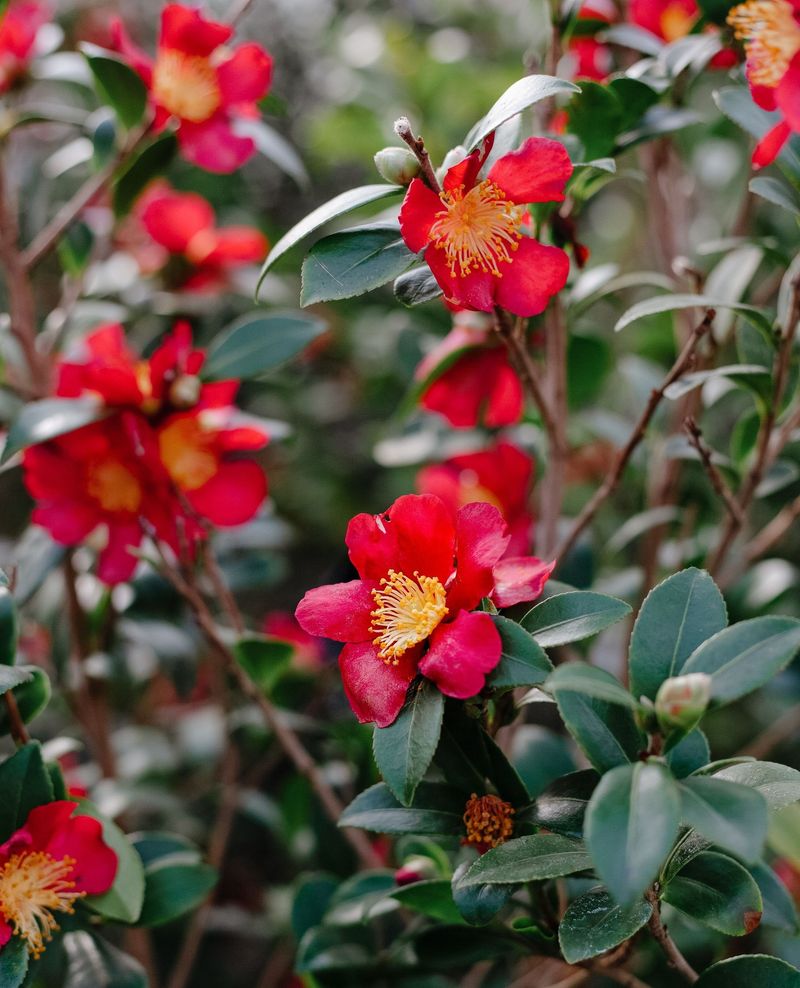
Camellias are the odd ones out. They bloom when everything else has shut down, which makes their fall schedule unusual.
Buds on sasanqua and japonica types form during summer.
By September those buds are sized up and waiting. Pushing new leaf growth now can cause buds to drop before they ever open.
Bud drop frustrates gardeners more than almost anything else with camellias.
Uneven watering plays a part, and so does a sudden burst of nitrogen. Steady conditions serve these shrubs much better than a boost.
Shade and soil already do a lot of the work in Georgia landscapes.
Camellias thrive under pines and oaks, where leaf litter breaks down into acidic organic matter. That slow release suits them well.
Feeding season for camellias runs from spring into early summer.
Right after flowering is the usual window, using a fertilizer made for acid-loving plants. Anything past July starts creeping into risky territory.
Focus your fall attention on moisture instead.
Dry October soil stresses buds badly, so a good soak during rainless stretches pays off. Keep mulch pulled back an inch or two from the trunk to avoid rot at the base.
Patience gets you flowers from November through March, depending on the variety and your local weather.
4. Dogwoods Should Head Into Fall Without Tender New Shoots
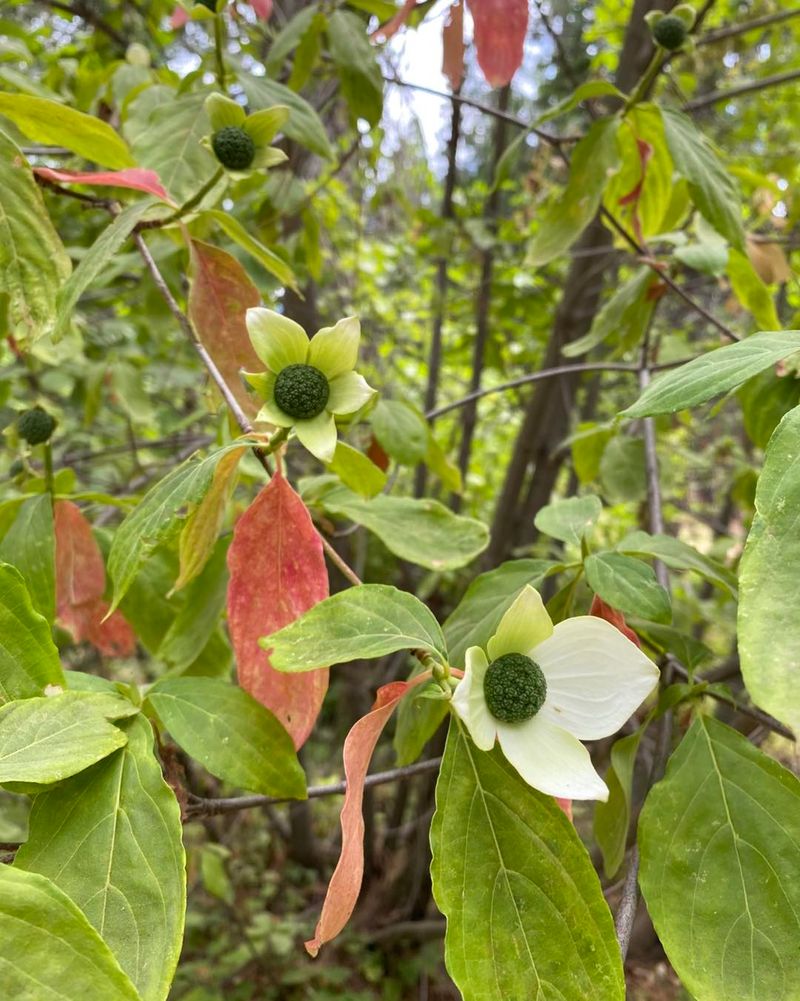
Dogwoods run on a slow, quiet schedule. Fertilizer in September interrupts it.
Native flowering dogwoods start shutting down early.
Leaves turn red by October, and the tree pulls sugars back into stems and roots. Nitrogen at that stage sends confusing signals.
Soft late shoots create a real weak spot.
Thin twigs with green bark cannot handle hard freezes well. Damaged tips also open the door to borers and canker problems the following year.
Dogwoods in Georgia already deal with plenty of stress.
Heat, drought, and anthracnose all take a toll, especially on trees planted in full afternoon sun. Adding fast growth to that list rarely helps.
Roots are the part worth supporting right now.
Fall is when dogwood roots keep working in warm soil, so consistent water matters far more than any feeding. A slow hose once a week during dry weather does the job.
Mulch is your friend here, within reason.
Spread shredded bark or leaves two to three inches deep, keeping it off the trunk flare. That mimics the forest floor these trees came from.
Save fertilizer for late winter or very early spring if a soil test shows a need.
Established dogwoods in decent soil often need nothing at all.
5. Boxwoods Should Not Be Pushed Into Fresh Fall Growth
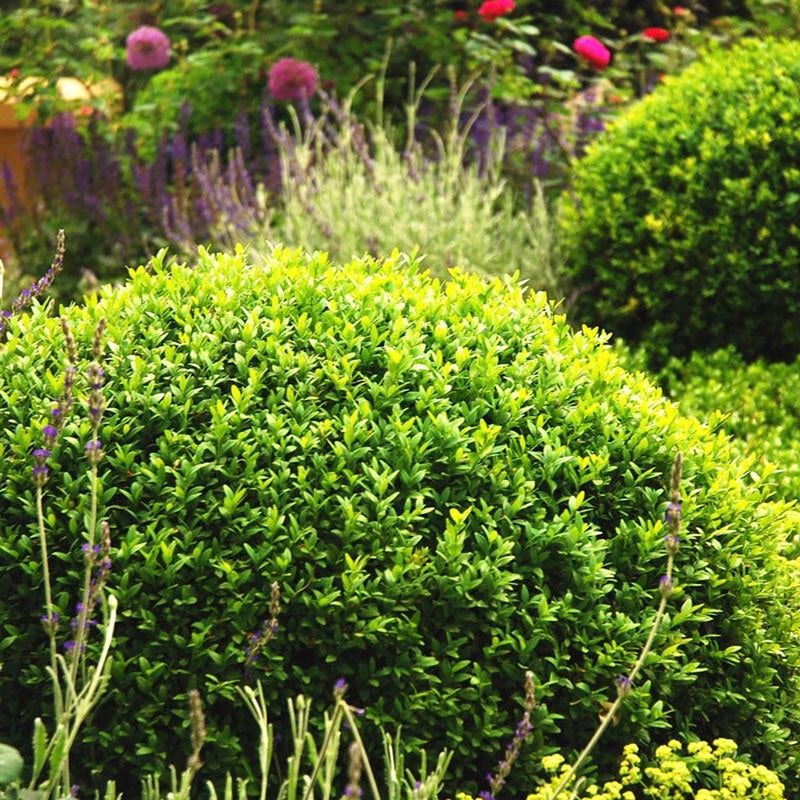
Boxwoods look tidy year-round, and that is exactly why late feeding backfires. Fresh growth ruins the shape and struggles in cold weather.
Roots stay active in warm autumn soil while top growth slows.
Nitrogen flips that balance and forces soft new leaves. Those pale tips often show winter burn by February.
Bronzing is common on boxwoods across Georgia after a windy cold spell.
Well-hardened foliage bounces back in spring. Growth that never toughened up usually does not.
Shearing and feeding together make things worse.
Late pruning plus fertilizer sends out a flush of tender shoots right before the season turns. Finish major trimming by midsummer instead.
Boxwoods also dislike heavy salts around their shallow roots.
Overfeeding can lead to leaf tip burn, particularly in sandy or poorly drained beds. Less is genuinely more with these shrubs.
Air movement deserves more of your attention than fertilizer does.
Thinning a few interior branches improves airflow and lowers the risk of boxwood blight, which spreads in damp, crowded growth. Rake out fallen leaves from inside the plant too.
Come March, a light feeding based on a soil test is plenty.
Compost worked gently into the surrounding bed also works well without pushing sudden growth.
6. Hollies Can Go Into Fall Without Another Fertilizer Boost
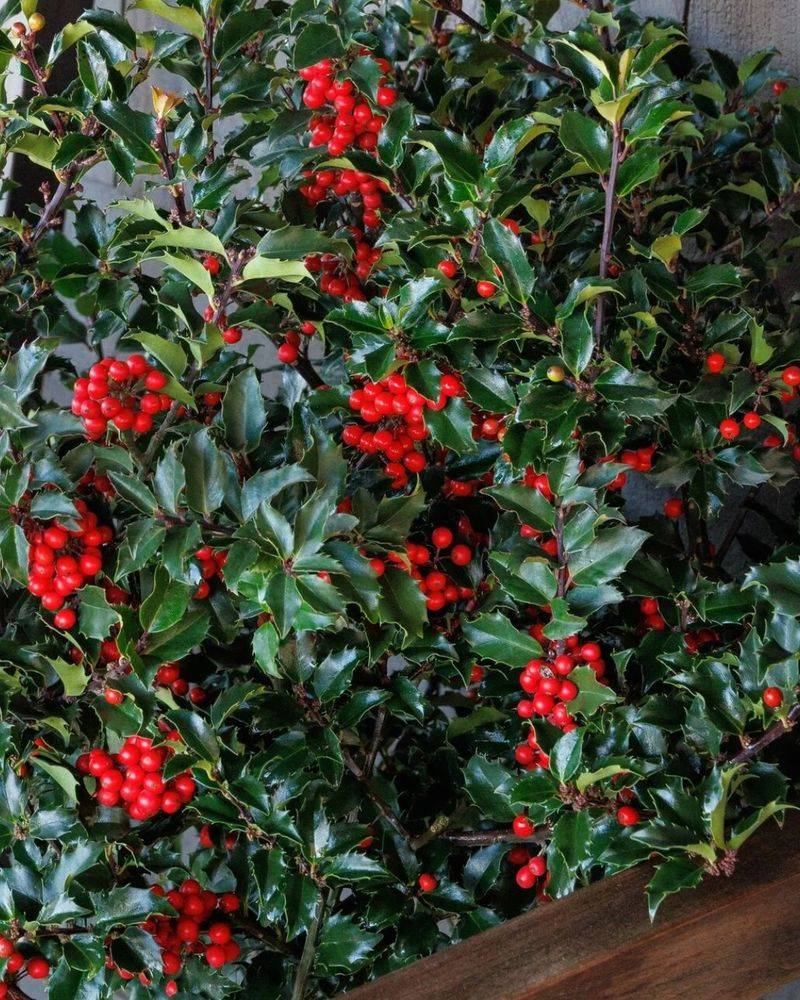
Berries are the payoff with hollies, and they are already forming by September. Feeding now shifts effort toward leaves.
Hollies are tough plants that handle Georgia clay reasonably well.
Most established shrubs pull what they need from the soil. Extra nitrogen mainly produces long, awkward shoots.
Those late shoots stick out past the plant’s outline.
Cold weather often nips them, leaving brown tips you will want to prune in spring. Skipping the feeding avoids the whole problem.
Berry color depends on light and pollination, not fertilizer.
A female holly with a male nearby will set fruit as long as spring bloom weather cooperated. No amount of feeding changes that.
Yellowing leaves sometimes tempt gardeners into action.
Pale leaves with green veins usually point to high soil pH locking up iron, which is a pH issue rather than a food shortage. A soil test sorts that out quickly.
Watering through a dry autumn helps berries hold on.
Hollies drop fruit when stressed, so steady moisture into November is worth the effort. One deep soak beats several light sprinklings.
Plan any real feeding for late winter, before new growth starts.
Slow-release products applied then support spring flush without leaving tender shoots exposed to cold.
7. Gardenias Need Their New Stems Ready For Winter Cold
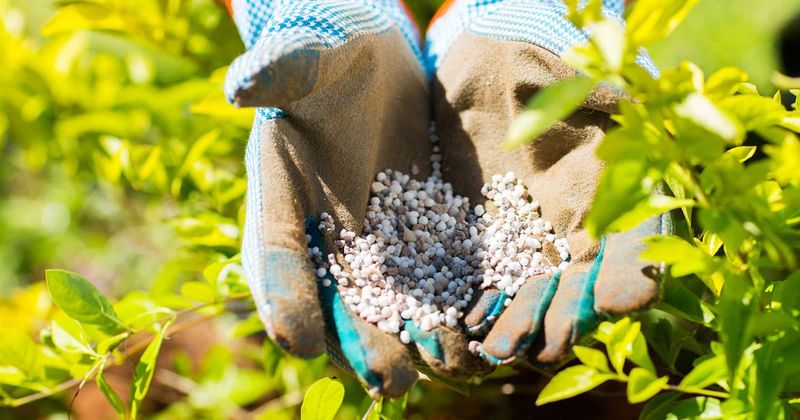
Gardenias sit right at the edge of their comfort zone in much of Georgia. Late feeding pushes them further out on that limb.
Cold hardiness drops when stems stay soft.
September nitrogen often triggers a small flush of growth in October. Those shoots rarely harden before the first real freeze.
Winter damage on gardenias usually shows up as blackened tips.
Recovery is possible, but the plant loses next season’s flower wood. Buds form on stems that matured during the previous year.
Yellow leaves confuse a lot of gardeners in fall.
Some yellowing and leaf drop is normal as older foliage ages out. Reaching for fertilizer to fix it rarely works this late.
Root protection matters more than feeding.
Three inches of pine straw over the root zone buffers soil temperature swings through winter. Wind protection from a fence or wall helps too, especially in the northern part of the state.
Container gardenias need extra thought.
Pots freeze faster than ground soil, so moving them against a house wall makes a real difference. Stop feeding potted plants by late summer as well.
Resume in spring once night temperatures stay above the fifties.
An acid-loving plant fertilizer applied after bloom sets them up well without risking fall damage.
8. Rhododendrons Are Busy Forming Next Year’s Flower Buds
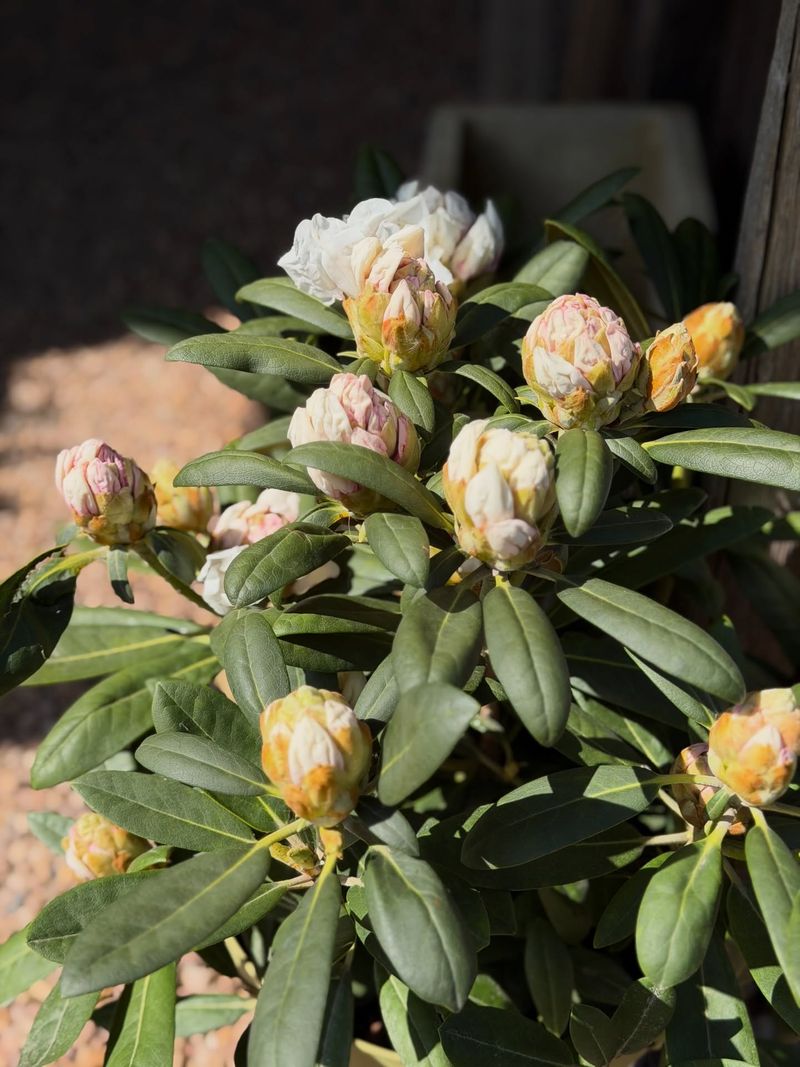
Fat buds at the branch tips tell you the plant is done growing for the year. Interrupting that with fertilizer is a bad trade.
Rhododendrons do best in the cooler, higher elevations of north Georgia.
Summer heat already limits them in the southern half of the state. Late feeding adds stress they do not need.
Buds set in mid to late summer, then sit tight until spring.
Nitrogen can cause a small leaf flush that crowds those buds. Sometimes buds abort entirely.
Drainage is the bigger issue with these shrubs.
Roots rot in soggy clay, and fertilizer salts make wet-soil stress worse. Raised beds or slopes solve more problems than any feeding schedule.
Leaf curl in cold weather is normal, not a warning sign.
Rhododendron leaves roll and droop when temperatures drop, then flatten out again when it warms. No action needed on your part.
Autumn care comes down to two things.
Keep the root zone evenly moist through dry spells, and refresh mulch with pine straw or shredded leaves. Both mimic mountain woodland conditions.
Feed in spring right after the flowers fade, using a product formulated for acid-loving plants.
Follow label rates, since these shrubs are sensitive to overapplication and shallow roots burn easily.
9. Japanese Maples Do Not Need A Late Push Of Growth
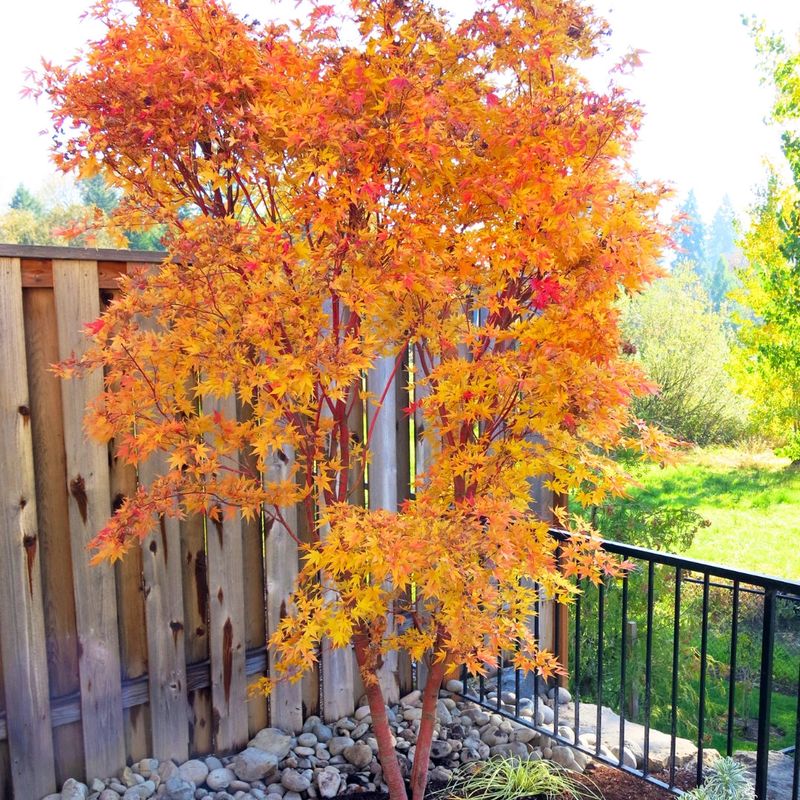
Fall color is the whole point of a Japanese maple. Late nitrogen dulls it and keeps leaves green longer than they should stay.
Growth on these trees is naturally slow and layered.
Feeding in September breaks that rhythm and produces long, out-of-place shoots. The graceful branching pattern suffers for it.
Thin bark is another reason for caution.
Young stems that stay soft into November can split during a sudden freeze. Georgia winters swing back and forth enough to make that a real risk.
Leaf scorch in summer often gets blamed on hunger.
Crispy edges usually come from afternoon sun and dry soil instead. Fertilizer will not fix a placement problem.
Autumn is a fine time to think about siting.
Japanese maples do best with morning sun and afternoon shade in the Southeast. Moving a small tree in late fall or winter is easier than fighting scorch every July.
Mulch out to the drip line and keep it off the trunk.
Two to three inches holds moisture and keeps roots cooler, which matters more than feeding for these trees.
If a soil test shows a deficiency, apply a light slow-release fertilizer in early spring.
Otherwise, most Japanese maples in decent garden soil coast along fine without any at all.