Empty Annual Beds in Your North Carolina Yard? Do This Before the Weeds Move In
A single chickweed plant can drop thousands of seeds, and it does much of its growing while the rest of the garden naps through winter.
That little fact changed how I look at a bare flower bed. Those tidy rectangles of soil left behind after the petunias and zinnias fade are not resting at all. In North Carolina, cool-season weeds often sprout in early fall and keep growing on mild winter days.
I know how frustrating it can be to pour a whole summer into a bed, then watch it turn into a green mess by March. Henbit shows up. Annual bluegrass creeps in along the edges.
One thing I love about gardening is that a few smart moves in fall can save hours of spring weeding. The real question is which moves matter most, and how soon should you make them?
1. Bare Soil In Your Flower Bed Is Sending Weeds An Invitation
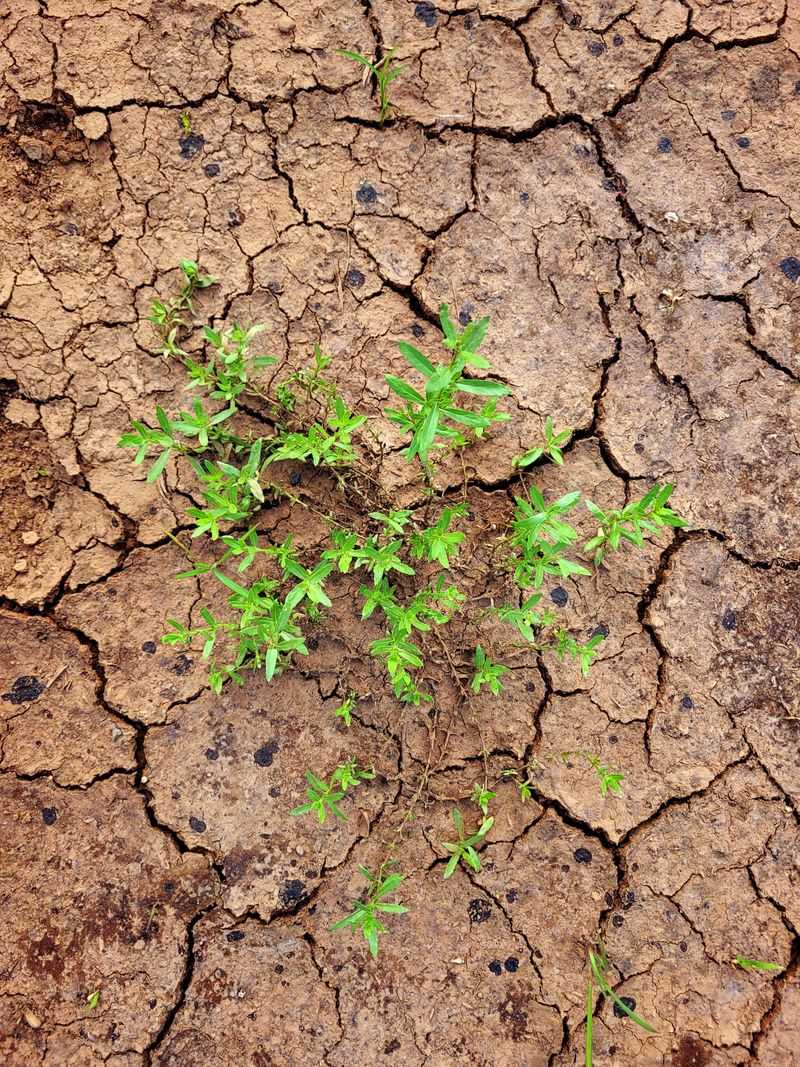
Weed seeds are patient little hitchhikers. Many of them sit in your soil for years, waiting for sunlight and moisture to tell them it is go time.
Once you pull out tired summer annuals, you hand them both. Bare, sunny soil is exactly what winter annual weeds like henbit, common chickweed, and annual bluegrass need to sprout.
NC State Extension notes that these weeds mostly germinate from late summer through fall, then grow slowly on mild winter days before bursting into flower and seed in early spring.
That timing is sneaky. By the time you notice purple henbit blooms in March, the plants have been settling in for months.
Leftover plant debris adds another wrinkle. Spent annual stems, fallen leaves with leaf spot, and rotting fruit can shelter insect eggs and disease spores over winter. Clearing out diseased material helps give next year’s plants a cleaner start.
So the first step is simple. Pull the faded annuals, rake out any sick-looking foliage, and take a good look at what is already sprouting.
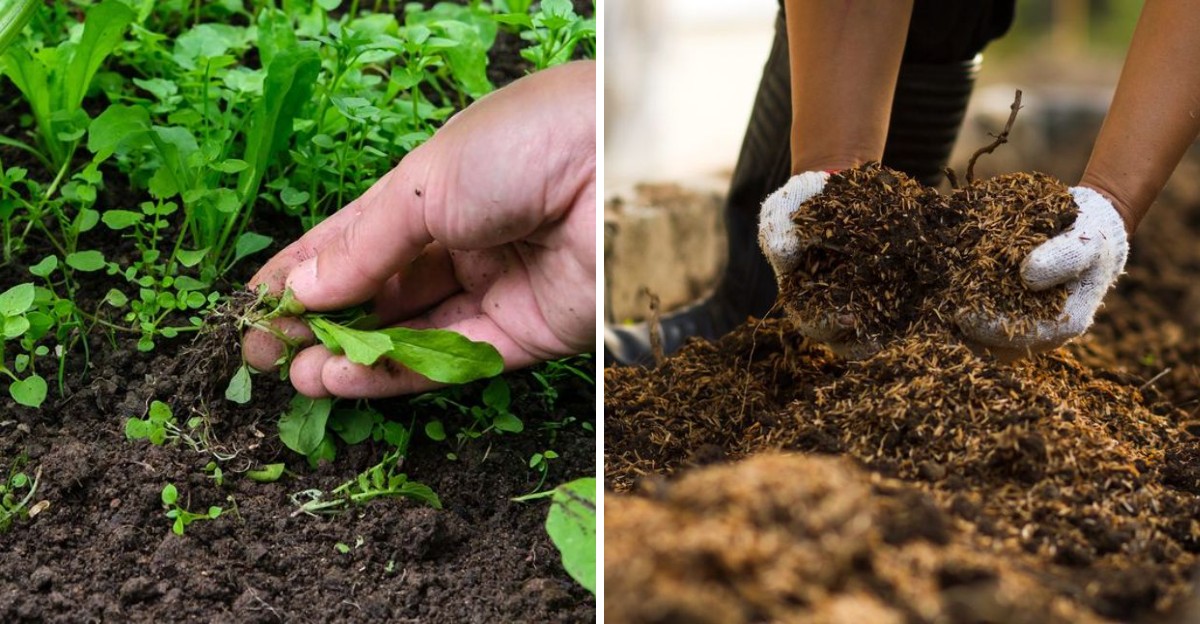
Tiny seedlings with paired round leaves or scalloped, square-stemmed leaves are usually your winter weed crowd. Catching them now, while they are smaller than a dime, makes the rest of the job much easier.
2. Spread A Thick Blanket Of Mulch Over Those Empty Beds
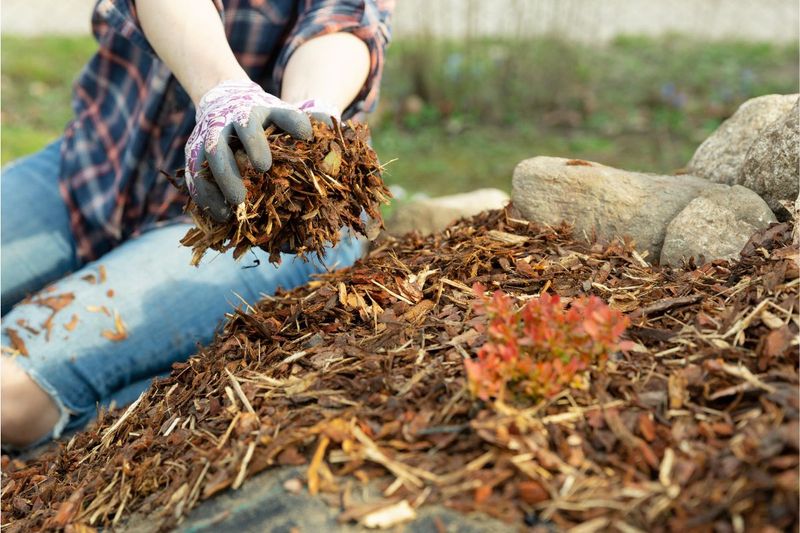
Mulch is the closest thing gardeners have to a magic trick. Lay it down thick enough, and many weed seeds simply never see the light they need to sprout.
Extension specialists generally recommend a layer about two to four inches deep for organic mulch. Thinner layers let light sneak through, while much deeper piles can keep soil soggy and starve roots of air, especially in heavy clay.
A good fall mulch layer does more than block weeds. It also evens out soil temperatures during freeze and thaw cycles, holds moisture during dry spells, and slowly breaks down into organic matter that feeds soil life.
I like to pull any weed seedlings first, then water the bed lightly before mulching. Damp soil underneath helps the layer settle and stay put.
If you have perennials or shrubs mixed into the bed, keep mulch a few inches back from their stems and trunks. Mulch piled against bark can trap moisture and invite rot or hungry voles.
Top it off again in spring if the layer has thinned. Organic mulch breaks down over time, which is a big part of what makes it so helpful in the first place.
3. Pine Straw, Shredded Leaves, Or Hardwood Bark For Carolina Beds
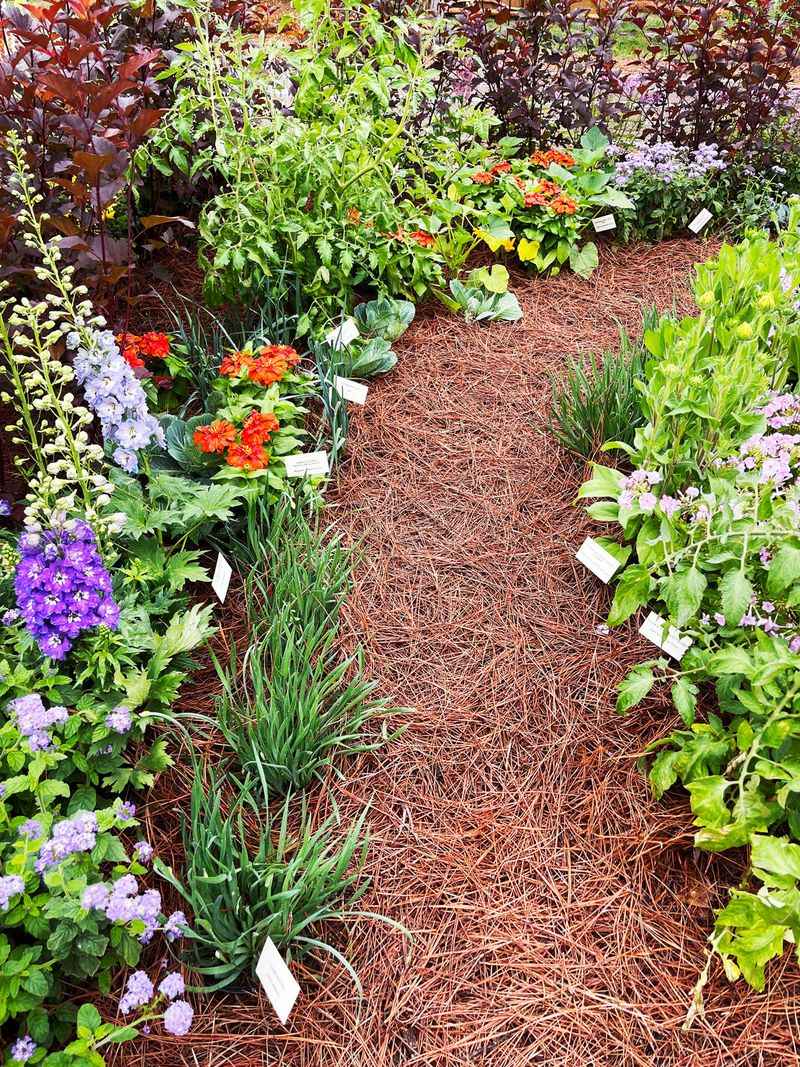
Walk through almost any Southern neighborhood in fall and you will spot those golden bales of pine straw. There is a good reason it is a regional favorite.
Pine straw is lightweight, easy to spread, and it knits together into a mat that tends to stay put on slopes.
It also lets air and water move through easily, which helps in humid summers. Longleaf pine straw is especially prized in North Carolina, where the longleaf pine is the official state tree.
Shredded leaves are the budget pick. Run fallen leaves over with a mower a few times, then spread them on your beds. Whole leaves can mat into a soggy layer, so shredding really matters.
Double-ground hardwood bark gives a neater, darker look for front beds. It holds up well against wind and rain and slowly improves clay soil as it breaks down. Pine bark mini nuggets are another tidy option that sits nicely around acid-loving plants.
Whatever you choose, skip dyed mulches made from questionable wood scraps if you plan to plant edibles nearby. Choose a material you can easily get more of, because you will want to refresh it each year.
4. Crimson Clover And Cereal Rye Can Cover Bare Soil All Winter
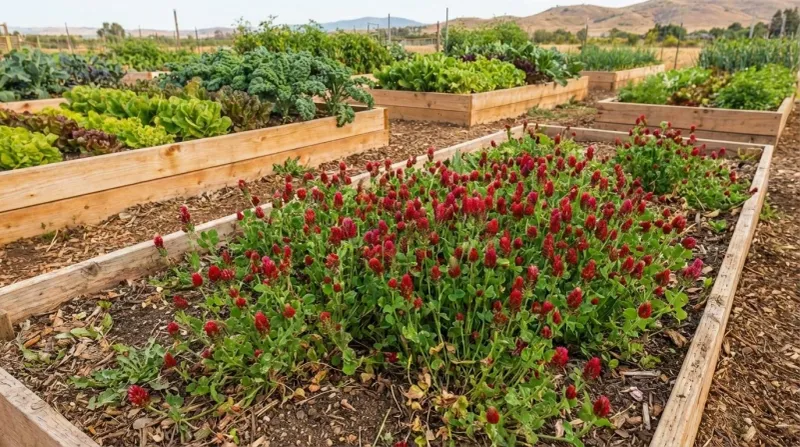
Some of the best weed fighters are plants you sow on purpose. Cover crops fill bare soil with living roots, leaving little room for weeds to settle in.
NC State Extension lists several cool-season cover crops that grow well across the state. Crimson clover, hairy vetch, and Austrian winter pea are legumes that pull nitrogen from the air and store it in their roots.
Cereal rye, wheat, and oats grow fast and help hold soil in place during winter rains. Timing matters. In most of the Piedmont and Coastal Plain, aim to sow from late September through October.
Mountain gardeners should plant earlier, since cold arrives sooner at higher elevations. A mix of cereal rye and crimson clover is a favorite for home beds. The rye shoots up quickly, and the clover adds nitrogen and lovely red blooms that bees adore.
Cut the cover crop down a few weeks before spring planting, ideally before it sets seed. Leave the clippings on top as mulch or turn them lightly into the soil.
This works best in vegetable plots or annual beds where you can wait a little in spring before planting.
5. Pull Henbit And Chickweed While The Roots Are Still Tiny
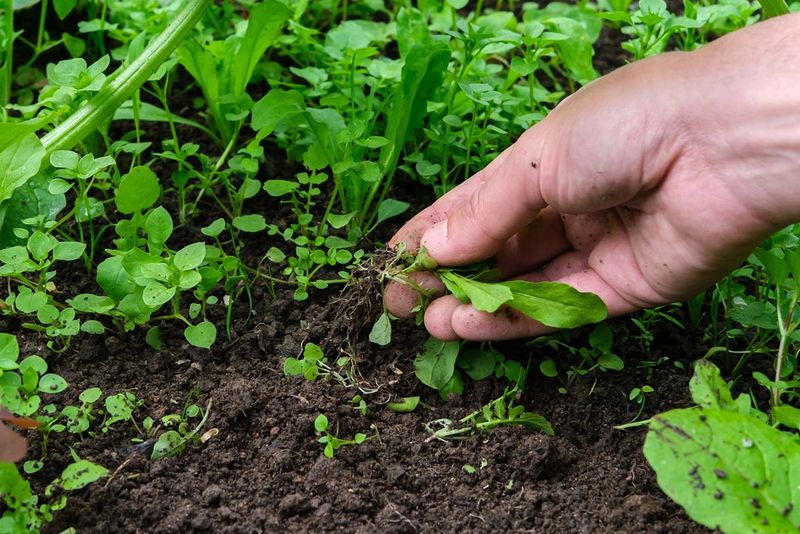
Ten minutes with a hand weeder in November can save you an entire Saturday in April. I learned that one the hard way.
Young winter weeds have shallow roots that slide out easily, especially the day after a good rain. Wait until they flower, and you are pulling plants that may already be dropping seeds for next year.
A sharp hoe works well for larger patches. Slice just below the soil surface on a dry, sunny day, and the tiny seedlings shrivel quickly. Avoid deep digging, which only brings buried weed seeds up to the light.
Some gardeners also use a pre-emergent herbicide on ornamental beds in early fall to stop winter weed seeds from sprouting. These products only prevent new seedlings and will not affect weeds already growing.
They can also block seeds you want, like wildflowers or pansies you plan to start from seed, so read the label carefully. If you choose a spot treatment for established weeds, apply it on a mild day when weeds are actively growing.
Follow label directions closely and keep it away from desirable plants. For most home beds, though, steady hand weeding plus mulch handles the job beautifully.
6. Pansies, Violas, And Ornamental Kale Bring Winter Color Back
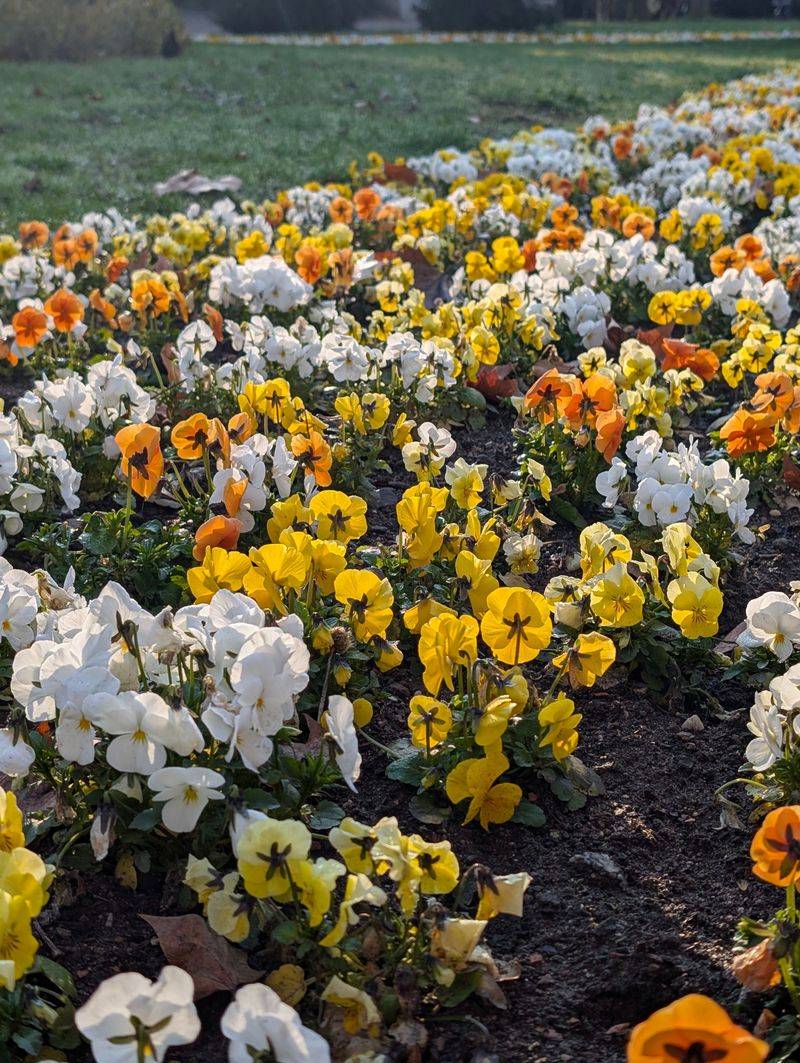
Who says a winter bed has to be brown? Across much of North Carolina, fall is prime time to replant annual beds with tough, cold-loving color. Pansies and violas are the classic choice.
Planted in October or early November in the Piedmont and Coastal Plain, they have time to root in before cold weather settles in. They often bloom on and off through mild winter spells, then put on a big show in early spring.
Ornamental kale and cabbage add bold texture. Their pink, purple, and creamy centers usually grow more vivid once nights turn chilly.
Planting these annuals fills the space weeds want. Tuck them in at the right spacing, mulch between them, and you have color and weed control in one tidy package.
For a fun bonus, plant spring bulbs like tulips, daffodils, or hyacinths underneath your pansies. Bulbs go deeper, pansies sit on top, and the two take turns stealing the spotlight.
Daffodils tend to come back more reliably than tulips in warm Southern winters. Feed pansies lightly with a fertilizer suited to cool soils, and deadhead faded blooms to keep flowers coming.
7. Compost And A Soil Test Set Up Next Year’s Annual Beds
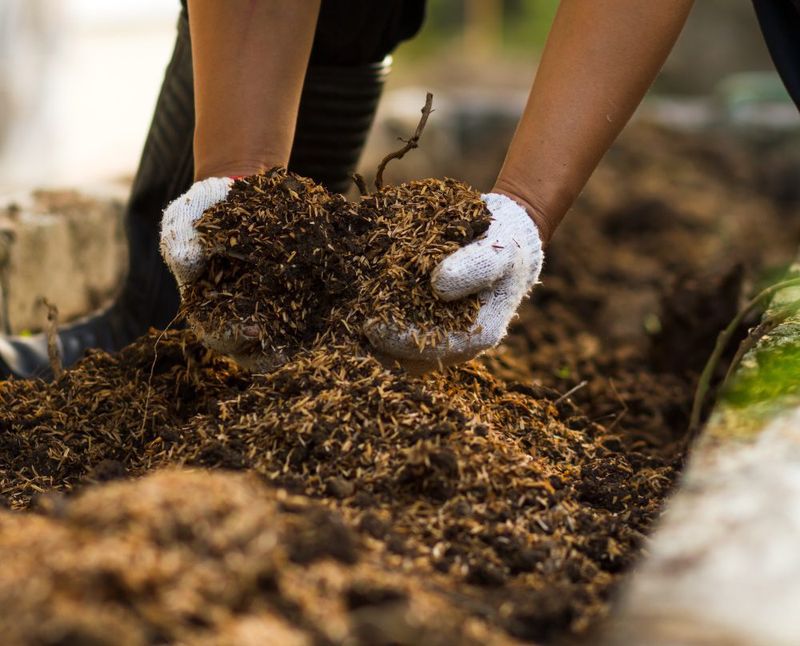
Healthy soil is the quiet secret behind strong plants, and strong plants are the best weed defense of all. Fall is a perfect moment to give your beds some attention. Start with a soil test. The North Carolina Department of Agriculture and Consumer
Services offers soil testing, and samples are free for most of the year, with a small fee during the busy season from December through March. Submitting in early fall helps you beat the rush.
Your report will tell you whether you need lime to adjust pH and which nutrients are running low. Lime works slowly, so fall is a smart time to apply it.
Next, spread an inch or two of finished compost over the bed. Compost helps loosen heavy clay, improves drainage, and feeds the helpful microbes that support plant roots.
Sandy coastal soils benefit too, since compost helps them hold moisture and nutrients. Then top everything with your mulch or cover crop.
That simple stack of compost, protection, and patience turns an empty bed into a ready-to-plant space by spring. Fewer weeds, healthier soil, and an easier spring all start with what you do this fall.