The One Thing You Must Do To North Carolina Native Grasses Before July Or Regret It All Fall
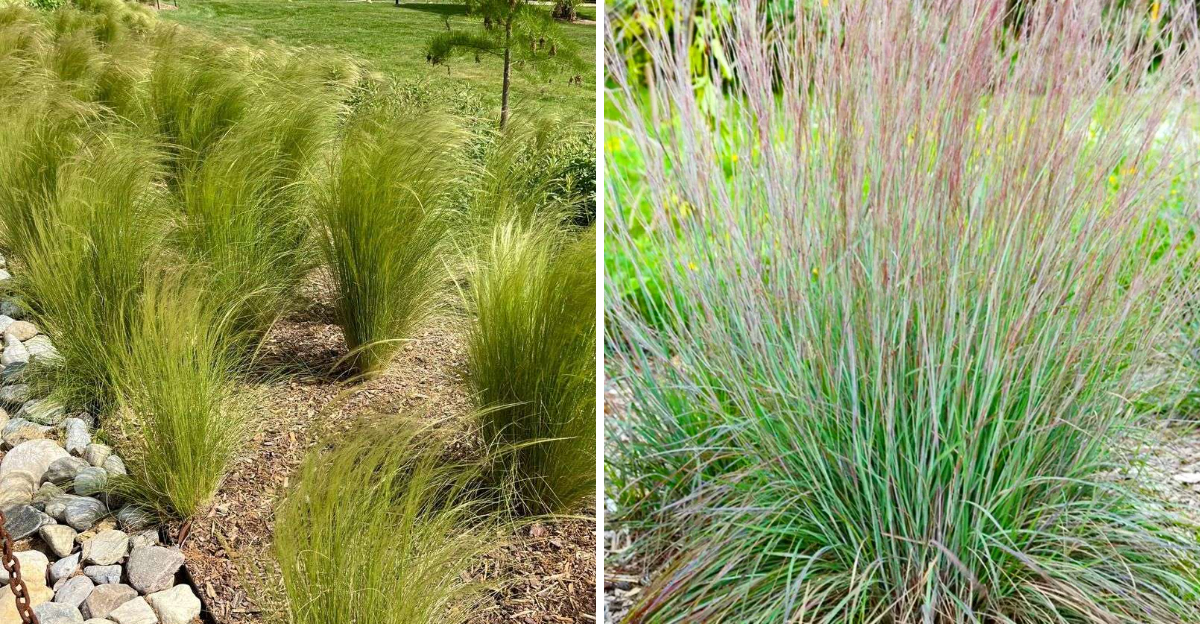
Native grasses have earned a strong following in North Carolina gardens for good reason.
They handle heat, drought, and poor soils with a resilience that most ornamental plants cannot match, and they bring late-season movement and texture to the garden at a time when everything else is winding down.
What trips up even experienced growers is a single task that needs to happen before July arrives, one that directly determines how native grasses look and perform through the back half of the season and into fall.
Missing this window does not ruin the plants permanently, but it produces results through September and October that are noticeably and frustratingly different from what well-timed care delivers.
Getting it done while there’s still time is one of those simple investments that pays back immediately and visibly.
1. Stop Feeding Them Like Hungry Annuals
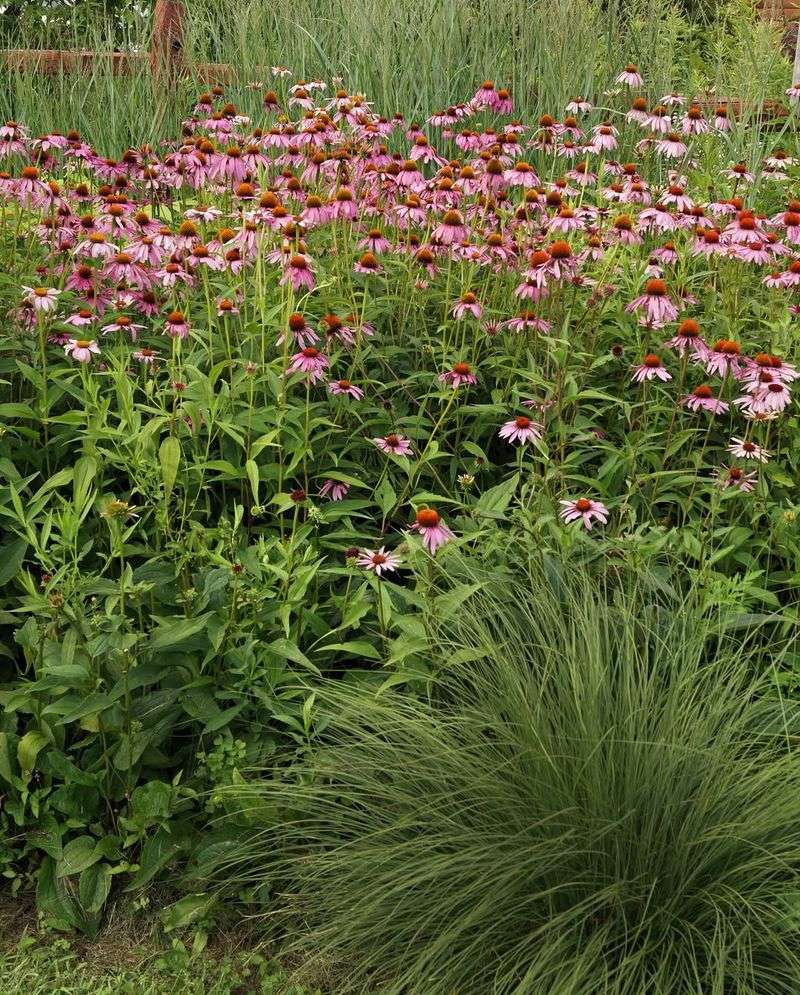
Reaching for a bag of fertilizer feels like good gardening instinct, but with established North Carolina native grasses, it can actually work against you.
Grasses like little bluestem, switchgrass, indiangrass, and muhly grass evolved in lean, often nutrient-poor soils.
They are built to thrive without the kind of rich feeding that annuals and vegetables need every season.
Too much nitrogen before July pushes soft, floppy, leafy growth that looks lush at first but struggles to stay upright as summer heat builds.
That loose growth can make the whole clump look tired and disheveled by the time fall arrives, which is exactly when you want these grasses to look their best.
Soft stems are also more likely to bend under their own weight or after a heavy rain. A soil test is the smartest way to know whether your grasses actually need any amendment at all.
Your local North Carolina Cooperative Extension office can help you run one, and the results might surprise you. Many established native grass plantings need nothing added to the soil year after year.
If your soil test does show a deficiency, choose a slow-release product with a lower nitrogen number and apply it sparingly.
Feeding based on real soil data rather than habit keeps your grasses lean, strong, and ready to put on a show from late summer straight through fall.
Routine fertilizing without a reason is one of the easiest mistakes to stop making right now.
2. Pull Compost Away From The Crown
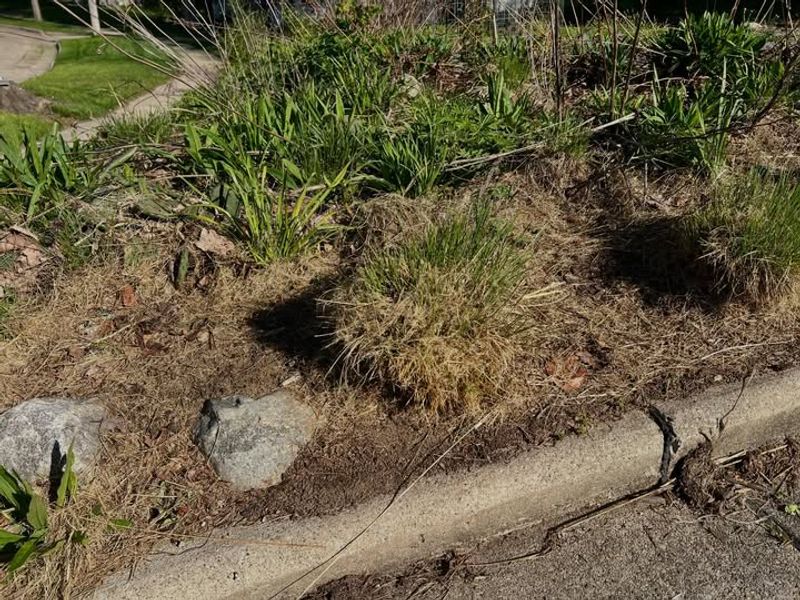
Compost is wonderful in a lot of garden situations, but piling it against the crown of a native grass is one of the quieter ways to cause problems before fall.
The crown is the tight growing center at the base of the clump, and it needs air moving around it to stay healthy.
When compost, mulch, or heavy organic matter buries it, moisture gets trapped and things can go wrong fast.
Before July arrives, take a few minutes to pull any built-up organic material back from the base of each grass clump.
You want to see a clean, open ring around the crown rather than a thick mound pressing against it.
Your North Carolina Garden Changes Every Week. Your Plan Should Too.
Gardening in North Carolina changes quickly throughout the season. Every Friday you’ll receive a simple weekly plan showing exactly what to plant, prune, fertilize, harvest, and protect so you never miss the right timing.
Even a couple of inches of separation makes a real difference in how well air circulates through the base of the plant.
This step matters especially because late summer and fall are when native grasses do their most impressive work.
Seedheads, plumes, and rich foliage color all depend on a plant that has been healthy and well-managed all season long.
A crown that has been sitting damp and buried is a crown that may struggle to deliver that payoff. Switchgrass, muhly grass, and little bluestem all appreciate this simple adjustment.
Keeping the base clean also makes it much easier to spot weeds sneaking in close to the plant, check for drainage issues, and assess overall clump health with a quick glance.
It takes about five minutes per plant and pays off all the way into November.
3. Stop Watering Established Clumps Like Vegetables
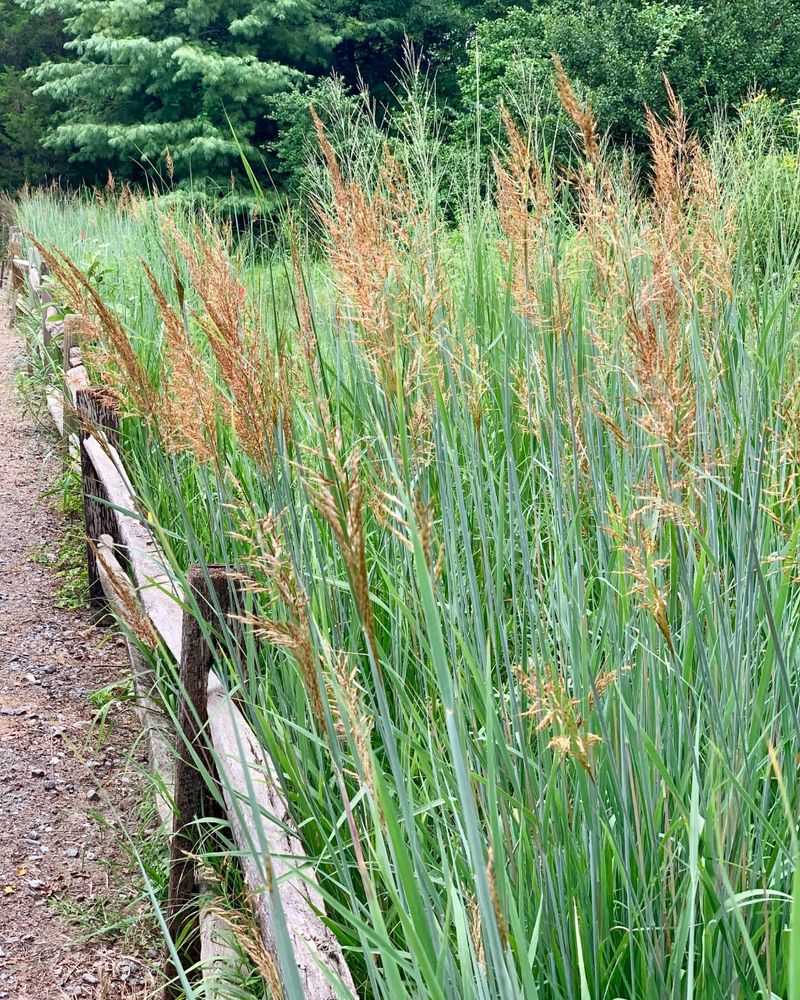
Vegetable gardens need consistent moisture to produce well, and that watering habit is easy to carry over to other parts of the yard.
But established native grasses in North Carolina operate on a very different schedule, and overwatering them before July sets up problems that show up in the fall when you least want them.
Grasses like muhly grass and little bluestem genuinely prefer sunny, well-drained, and sometimes drier conditions once they are settled into the ground.
Regular watering in these species can encourage the kind of loose, open growth that flops over rather than standing tall.
The plant puts energy into fast, soft top growth instead of building the firm structure that makes a fall display worth admiring.
Switchgrass is a bit more flexible and can handle more moisture than some of its native companions, but even it benefits from a more relaxed watering schedule once established.
Indiangrass also tends to open up and grow loosely when conditions are too rich or too wet, losing the upright form that makes it so striking in a fall garden bed. There is one important exception worth keeping in mind.
Newly planted grasses, those installed within the past year or so, still need regular water while their root systems are getting established.
The lean approach is specifically for clumps that have been in the ground long enough to fend for themselves.
Knowing which grasses in your yard are established versus newly planted helps you water with real intention rather than routine.
4. Move Shade Makers Before The Grasses Stretch
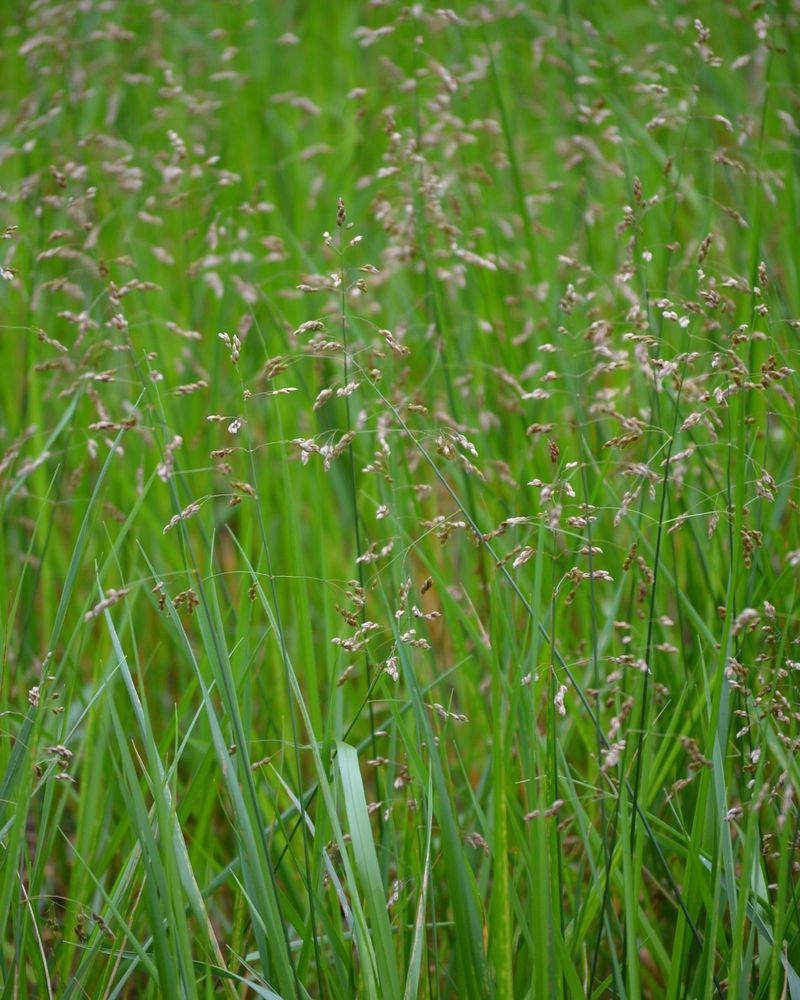
Native ornamental grasses are sun lovers by nature, and the weeks leading up to July are exactly when they need strong, direct light to build the compact, upright form that looks so good in fall.
When something nearby starts shading them out, even partially, the grasses begin reaching toward the light and growing looser than they should.
Little bluestem, indiangrass, and muhly grass are especially sensitive to this. These species perform at their best with a full day of sun or as close to it as possible.
When a neighboring perennial, a spreading shrub, or even a large container plant starts casting shade over the clump, the grass responds by stretching upward and outward rather than growing in that clean, tight form you want come September and October.
Switchgrass is a bit more forgiving and can tolerate partial shade better than the others, but even switchgrass tends to grow less tightly and stand less upright in lower light conditions.
If you have switchgrass in a shadier spot, do not expect the same bold, dense display you would get in full sun.
Walk your garden before July and look honestly at what is shading what.
Trim back perennials that have spread into the grass zone, reposition containers that block morning or afternoon sun, and consider whether any nearby shrubs need a light shaping.
Moving or trimming shade makers now is a low-effort task that has a direct and visible effect on how your native grasses perform from late summer all the way through fall.
5. Keep The Crown Area Well Drained Before Summer Storms
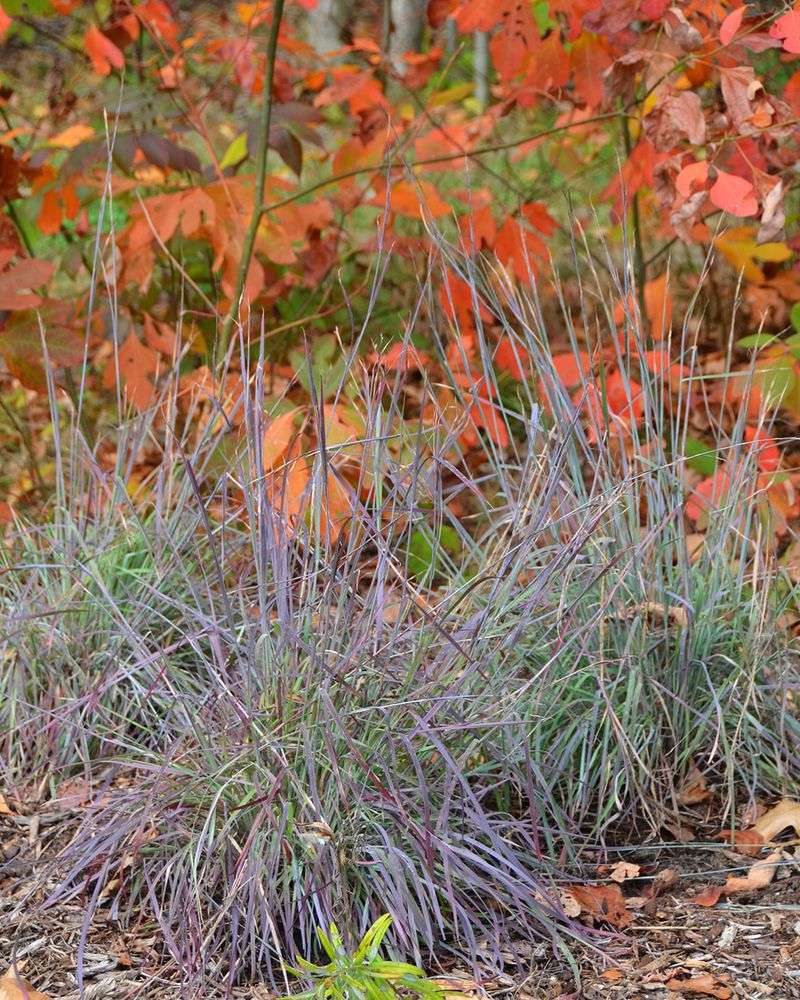
North Carolina summers come with serious rain, and that is something every native grass gardener needs to plan around before July.
When beds are not draining properly, water pools around the crown and stays there, creating conditions that stress the plant and weaken its structure heading into the fall display season.
Little bluestem and muhly grass are the most particular about drainage.
Both species evolved on drier, well-drained sites, and they do not appreciate sitting in soggy soil after a heavy storm.
If the area around these grasses stays wet for more than a day or two after rain, that is a sign the bed needs attention before summer storms become more frequent and intense.
Switchgrass is notably more tolerant of wet conditions than many other native ornamental grasses.
It naturally grows along stream banks and in low-lying areas across the Southeast, so it can handle more moisture without the same level of stress.
Knowing this difference matters when you are deciding which grasses to plant where and how much drainage improvement each bed actually needs.
Practical fixes before July include adding coarse grit or gravel to heavy clay beds, building up the planting area slightly to improve runoff, and making sure nothing is blocking natural drainage paths.
Even pulling heavy mulch away from the crown area helps water move more freely. You do not need a major landscaping project to make a difference.
Small drainage improvements made now protect your grasses through months of summer storms and set them up for a much stronger fall finish.
6. Thin Crowding Around The Base
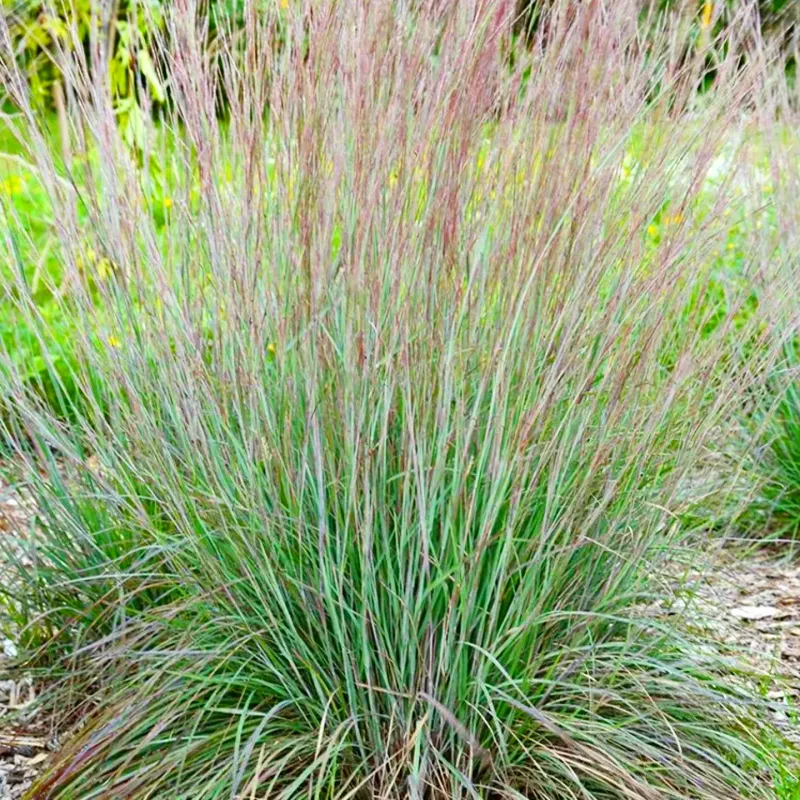
Crowding is one of those problems that sneaks up quietly in a garden bed.
By early summer, weeds and nearby companion plants can press in close to native grass clumps without anyone noticing until the damage is already done.
Before July, clearing that crowded zone around each grass is one of the most effective things you can do for fall performance. When plants crowd in too close, several things happen at once.
Moisture gets trapped at the base of the clump, airflow drops, and the grass has to compete for light and root space with whatever is growing against it.
The clump can start to look thin or uneven, and weeds hidden inside the base become much harder to remove later in the season when the grass is taller and fuller.
A clean ring of open space around each grass clump also makes routine checks much easier.
You can quickly assess whether the crown looks healthy, whether water is draining away properly, and whether anything unusual is happening at the base.
That kind of easy visibility is genuinely useful when you are trying to stay ahead of problems rather than react to them after the fact.
Indiangrass and little bluestem especially benefit from this open-base approach because both grow as distinct, upright clumps that look best when they have clear space around them.
Thinning the area now takes maybe ten minutes per clump but makes each grass stand out more confidently in the fall garden.
A little open ground around the base is a simple, satisfying thing that pays back in a big visual way.
7. Do Not Cut Them Back Hard In Summer
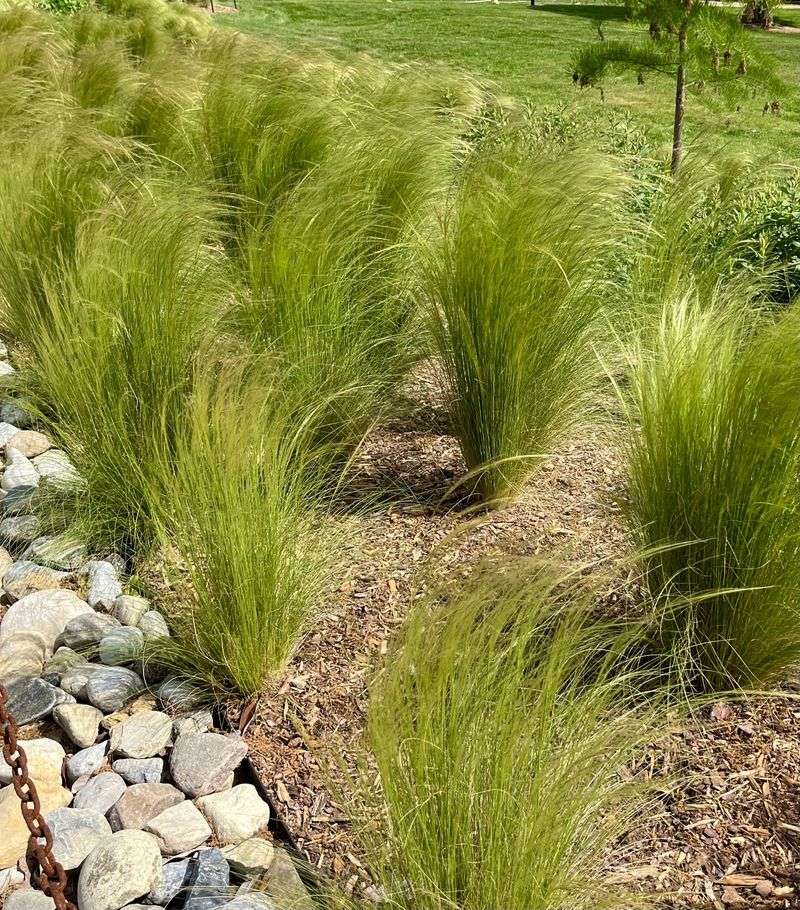
There is a real temptation in summer to tidy up native grasses with a hard trim, especially if they look a little unruly as the heat builds.
Resisting that urge is one of the most important things you can do before July.
The June care reset is about smart adjustments, not reaching for the shears and cutting everything back to the ground.
Most warm-season native ornamental grasses in North Carolina follow a clear seasonal rhythm.
The right time to cut them back hard is in late winter or very early spring, just before fresh new growth begins to emerge from the crown.
That timing allows the plant to move cleanly into its growing season without missing a beat and ensures the full structure builds naturally from the base up.
Cutting back hard in summer is a different story. If you trim a grass too late or too heavily, you risk removing the very stems and nodes that will eventually carry the flower spikes, seedheads, and plumes that make fall so rewarding.
Muhly grass, for example, builds toward its famous pink fall cloud all summer long. Interrupt that process with a heavy midsummer cut and the display may not recover in time.
Small cleanup tasks are still fine in June. Removing a few damaged or brown outer blades, pulling out dry material from the center of a clump, or tidying the edges slightly will not hurt anything.
The key is keeping the core structure intact so the grass has everything it needs to finish the season with strength and visual impact right through fall.
8. Match Each Grass To The Right Level Of Lean
Not every native grass wants exactly the same conditions, and that detail matters a lot when you are fine-tuning your June care routine.
The goal before July is not to neglect your grasses or treat them all identically.
It is to match each species to the right level of lean so the plant can build toward its strongest possible fall display.
Little bluestem and muhly grass are your leanest, sunniest growers. Both perform best in well-drained soil with full sun and minimal extra inputs.
Rich soil or consistent moisture can push muhly grass to grow loosely and flop, and little bluestem tends to open up and lose its tight, upright form when conditions are too generous.
For these two, lean really does mean better. Switchgrass sits in the middle of the spectrum.
It can handle more moisture than the others and even tolerates partial shade, though it will grow more loosely in lower light.
If your switchgrass is in a wetter or shadier spot, managing expectations and giving it the best drainage you can is a smarter approach than moving it in midsummer.
Indiangrass is worth watching closely in rich or moist soil because it tends to open up and spread rather than hold that clean, upright column shape.
Keeping the area around it lean and well-drained helps it stay strong and architectural through the season.
North Carolina gardeners who take the time to understand each grass individually will always get a better fall result than those who follow a one-size routine. Knowing your grasses is the real secret to a standout fall garden.