Dry Indoor Heat in Michigan? Here’s How to Keep Your Thanksgiving Cactus Blooming
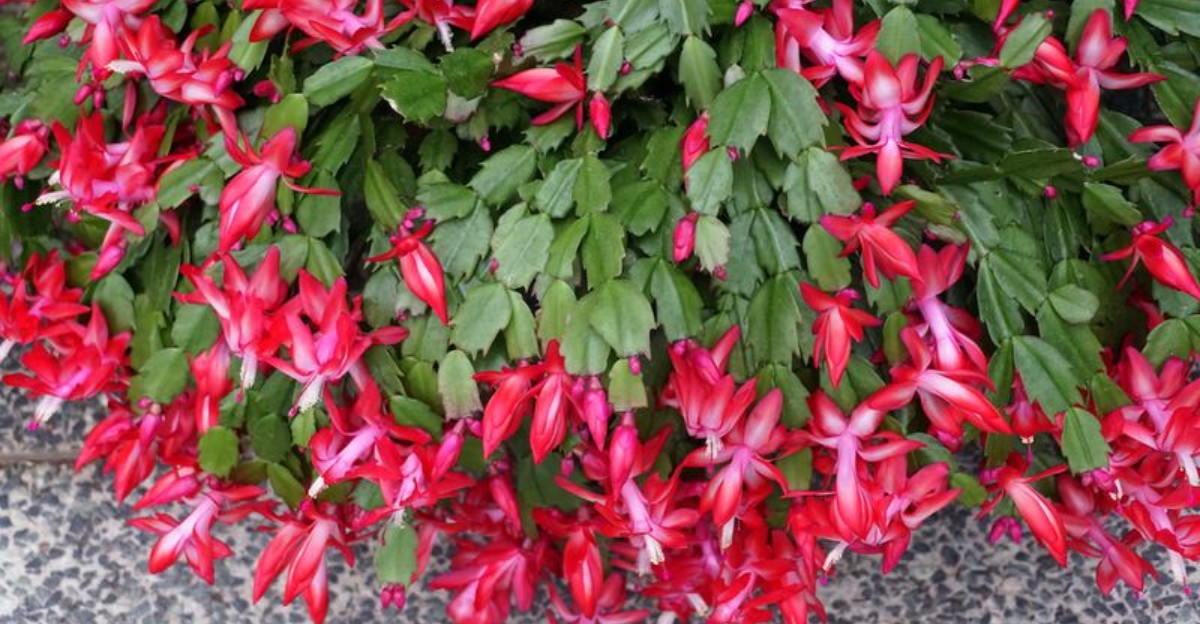
A certain bright fall bloomer sold as a cactus has roots in the misty mountain forests of Brazil. It grows perched on tree branches, soaking up humid air instead of baking in sand.
That little twist explains a lot. Once Michigan furnaces kick on, indoor air can turn drier than many deserts, and our tropical friend notices fast.
I know how frustrating it can be when fat pink buds suddenly drop onto the windowsill. One day the plant looks ready for a show, and the next morning half the flowers are gone before they ever opened.
What makes this plant so special is how clearly it tells you what it wants. Light, moisture, and temperature each send a signal, and the plant responds to every one. So what does a rainforest native really need to bloom happily through a long northern fall?
1. Those Dropping Cactus Buds Are Sending You a Message
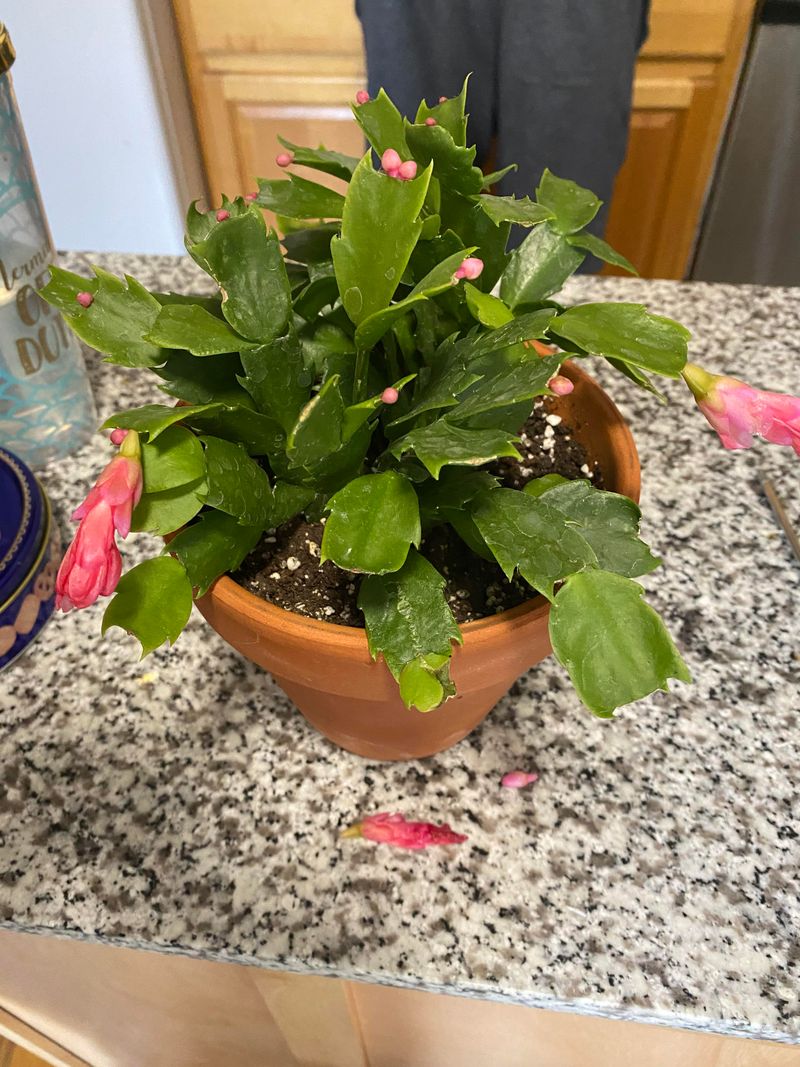
Bud drop is the most common complaint I hear about these plants each November. Healthy buds swell, turn pink at the tips, then fall off with barely a touch.
The usual cause is stress, and dry furnace heat ranks near the top of the list. Many extension experts note that warm, arid air pulls moisture from the flattened stems faster than roots can replace it.
Thanksgiving cactus, known to botanists as Schlumbergera truncata, evolved in cool, cloudy forests in southeastern Brazil. Mist and shade were normal there. A living room in Grand Rapids with the thermostat at 72 degrees feels very different.
Heat vents make the problem worse. A plant sitting just above a register gets blasts of hot, dry air several times an hour. Those swings in temperature and moisture are enough to make it abandon flowers.
Other triggers matter too. Sudden drafts, moving the pot, letting the soil dry out fully, or soggy roots can all cause buds to drop.
So take a careful look around your plant. Check for nearby vents, radiators, fireplaces, and drafty doors. Spotting the source of stress is the first step, and the fixes in the next sections are simple once you know what to look for.
2. A Pebble Tray Brings Rainforest Humidity Back to Your Holiday Cactus
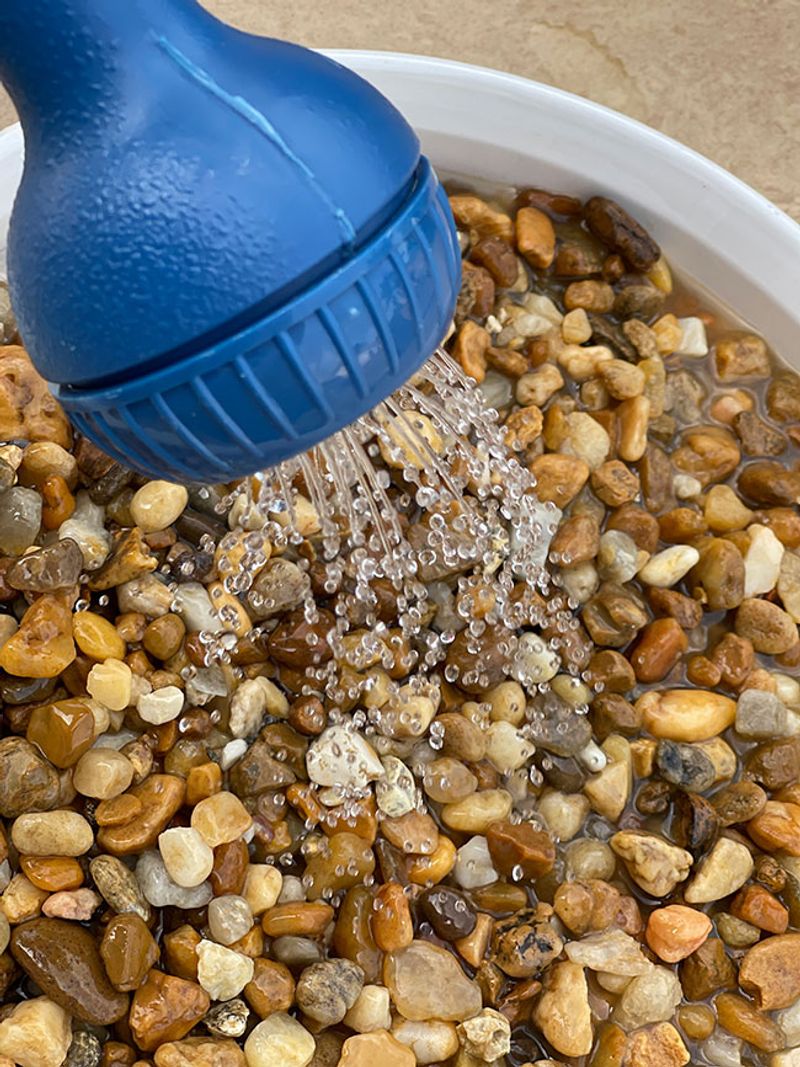
Here’s a cheap trick that works surprisingly well. Grab a shallow tray, fill it with pebbles, and add water until it sits just below the top of the stones.
Set your potted Thanksgiving cactus on the pebbles. The pot should rest above the water line, not in it, so roots stay airy while moisture rises around the leaves.
Many sources suggest humidity around 40 to 60 percent for these plants. Winter homes in Michigan often fall well below that range, especially during cold snaps when the furnace runs constantly.
A small cool-mist humidifier gives even better results if you have several houseplants. Run it nearby and keep an inexpensive hygrometer close so you can see actual numbers instead of guessing.
Grouping plants together also helps. Leaves release moisture as they breathe, so a little cluster creates its own damp pocket of air.
Misting gets mixed reviews. It raises humidity for only a few minutes, so I treat it as a bonus rather than a solution.
Refill the pebble tray every few days and rinse the stones now and then to prevent buildup. Your plant will reward that small habit with fuller, longer-lasting flowers.
3. Long Dark Nights and Cool Rooms Trigger Those Thanksgiving Cactus Flowers
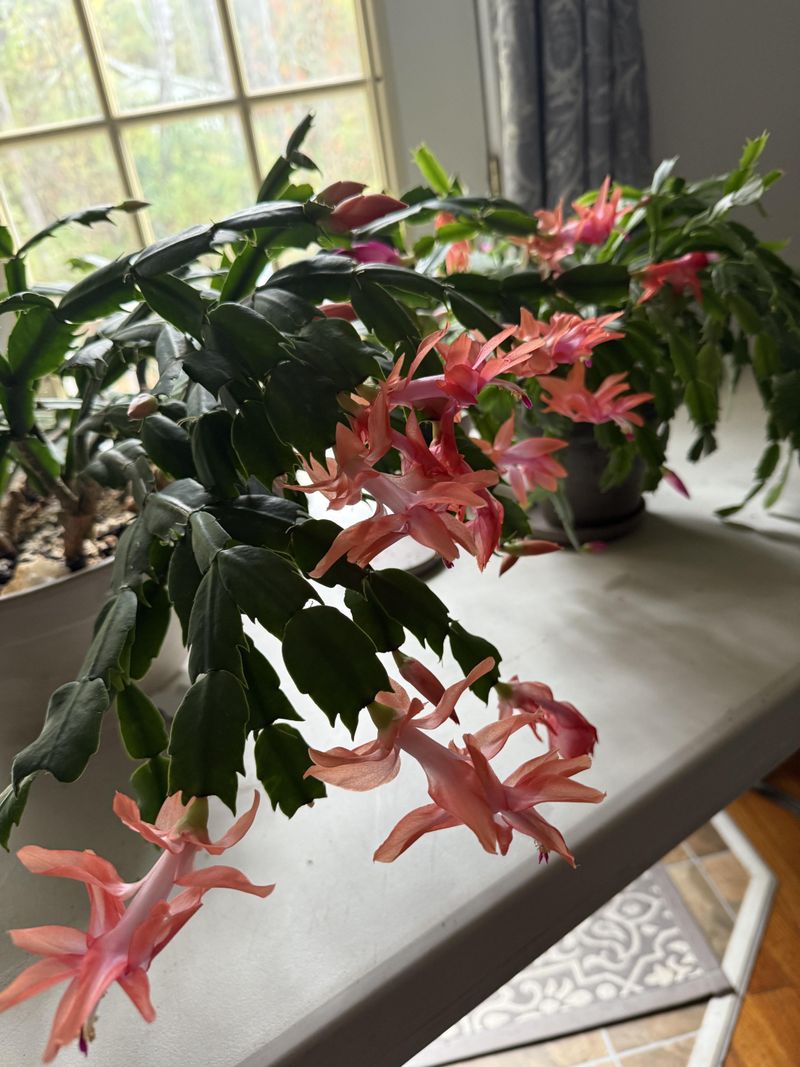
Darkness is the secret ingredient most people overlook. Thanksgiving cactus is a short-day plant, which means long nights tell it to start making flower buds.
University extension guidance, including Minnesota and South Dakota State, points to about 12 to 14 hours of uninterrupted darkness for roughly six weeks. Cool nights between 55 and 65 degrees speed things along nicely.
Light from a lamp or TV can confuse the plant. Even a short burst at night may interrupt the signal, so a spare bedroom or quiet corner often works better than a busy family room.
Temperature can partly substitute for darkness. When nights stay near 55 degrees, buds often form even with less strict light control.
Michigan’s fall gives you a natural head start. Nights lengthen quickly after the September equinox, and an unheated sunroom or cool basement window can provide the chill these plants enjoy.
Watch the thermostat, though. Temperatures below about 50 degrees may slow growth or harm tender tissue, so bring plants inside well before frost.
Once small buds appear at stem tips, you can relax the dark routine. The plant has received the message and will start preparing its colorful display.
4. Water Your Thanksgiving Cactus Without Drowning Its Roots
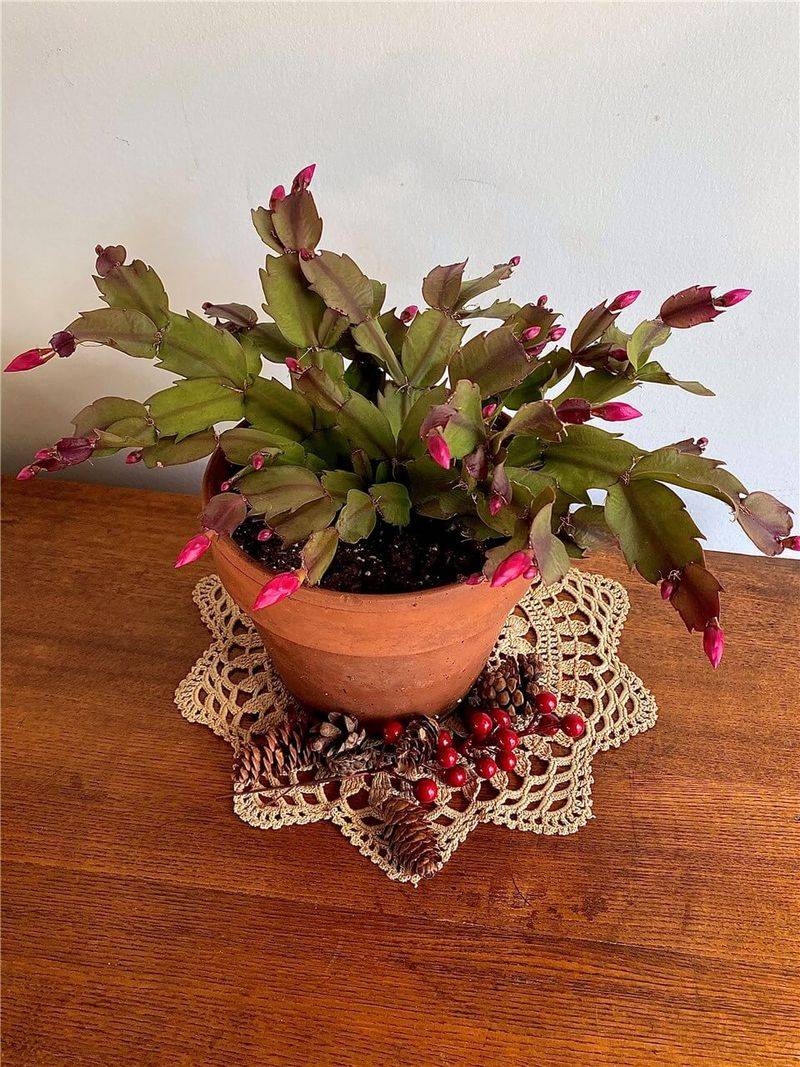
Watering these plants feels like a balancing act at first. They enjoy more moisture than desert cacti, yet they sulk badly in soggy soil.
A good rule from many growers is to water when the top inch or so of mix feels dry. Push a finger into the soil and trust what you feel rather than a calendar.
Dry furnace air changes the schedule. Pots often dry faster in winter, so you may need to check every few days instead of weekly.
Once buds show up, aim for steady, even moisture. Letting the pot swing from bone dry to soaked is a classic reason buds fall.
Water thoroughly until it flows out the drainage hole. Then empty the saucer within about 15 minutes so roots are not left sitting in a puddle.
Root rot is a real risk with constant wetness. Limp, mushy stems at the base often signal that roots have been too wet for too long.
Room-temperature water is kinder than icy tap water straight from a cold Michigan pipe. That small detail spares the plant one more shock during an already stressful season.
5. Chunky Potting Mix Keeps Holiday Cactus Roots Breathing
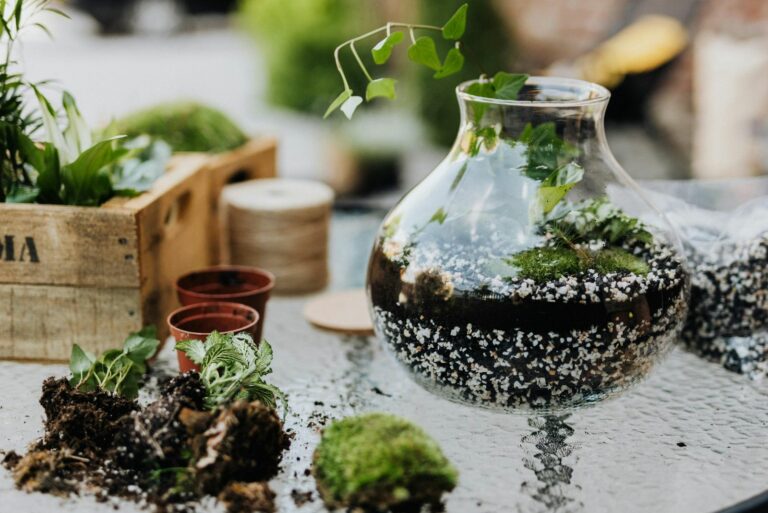
Out in the Brazilian forest, this plant clings to tree bark and mossy branch crotches. Its roots expect air, loose debris, and quick drainage.
Heavy, dense potting soil holds too much water. For a plant that grows on trees, that soggy texture can suffocate roots over time.
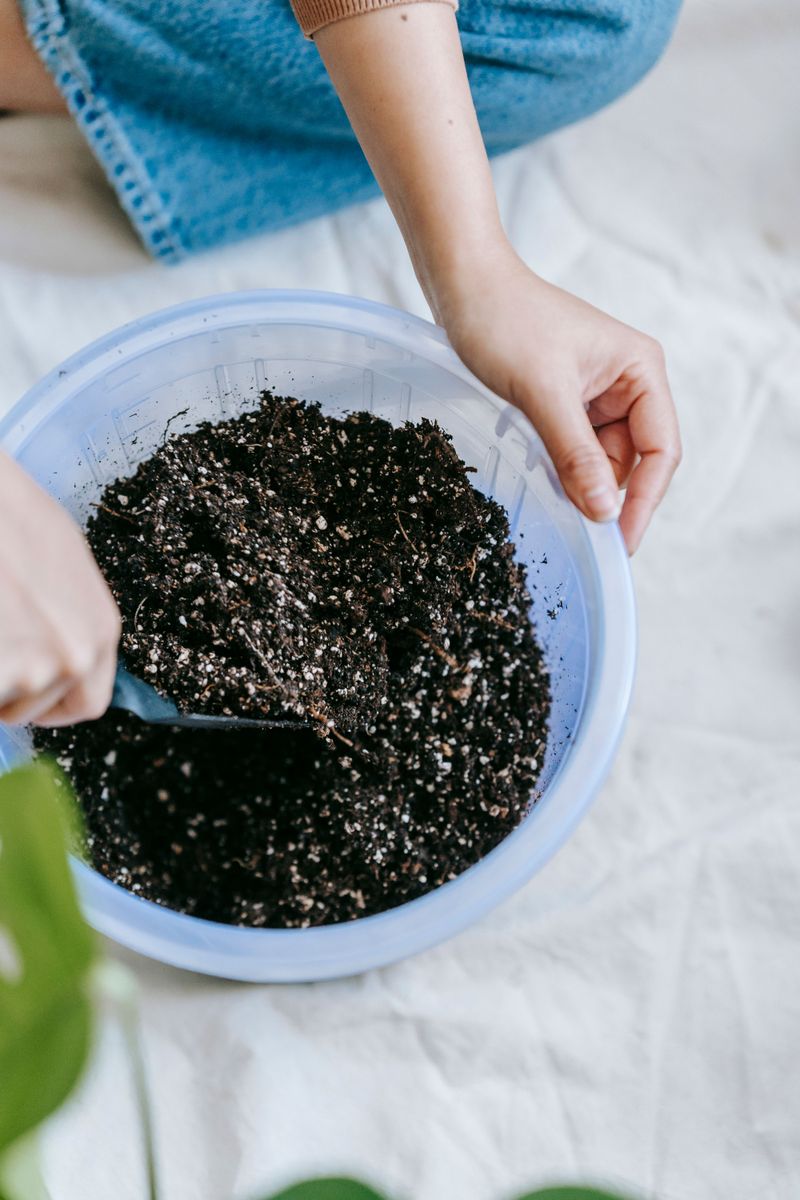
A simple homemade blend works well. Many growers mix about 60 to 80 percent regular potting soil with 20 to 40 percent perlite for extra air pockets.
Commercial cactus mix amended with more perlite or pumice is another easy option. Some gardeners add a handful of orchid bark to mimic that tree-branch habitat even more closely.
Pot choice matters too. Pick a container with drainage holes, and do not go much bigger than the current root ball.
Fun fact for your next houseplant chat: these cacti bloom better when slightly root-bound. A snug pot often encourages more flowers than a roomy one.
Repot in late winter or spring after flowering ends, roughly every two or three years. Avoid repotting during fall bud formation, since disturbing the roots then can easily cost you a whole season of blooms.
6. Smart Feeding in Spring and Summer Sets Up Fall Cactus Blooms
Strong fall flowers actually start months earlier. The plant builds new stem segments in spring and summer, and those fresh tips are where future buds appear.
During active growth, many experts suggest a balanced, water-soluble houseplant fertilizer at half strength about once a month. Formulas like 20-20-20 or 20-10-20 are commonly recommended.
Timing makes a big difference. Many gardeners stop feeding by late summer, which helps the plant shift its energy from leafy growth toward flowering.
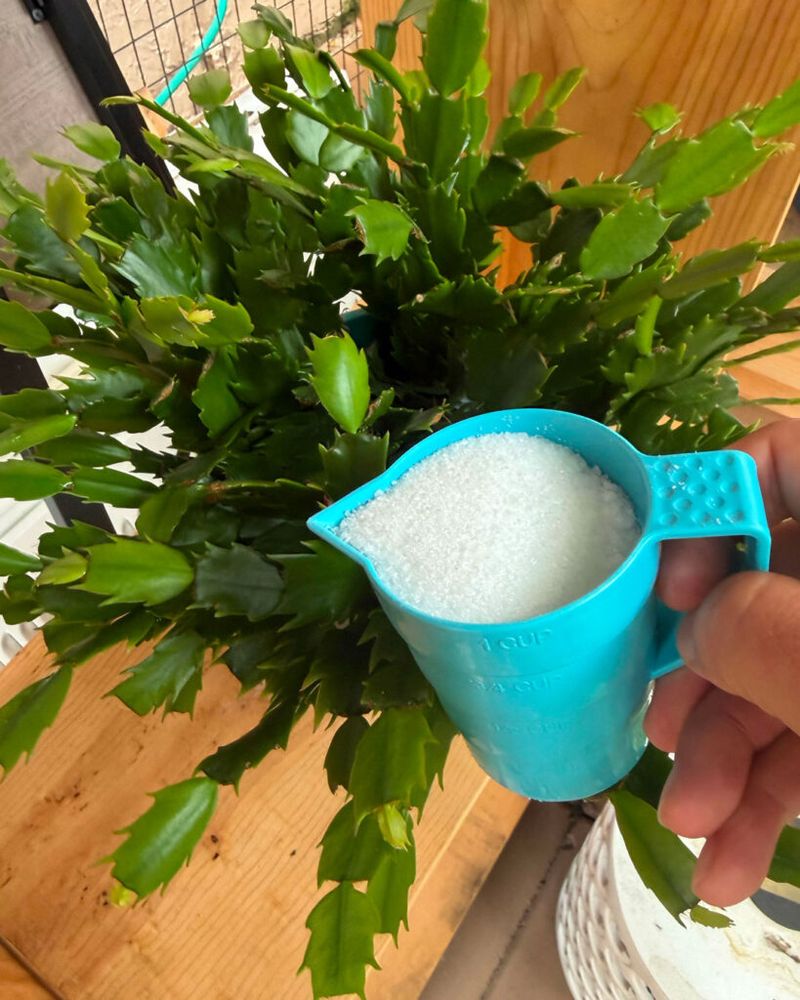
Clemson Extension notes that holiday cacti have a higher need for magnesium than many houseplants. Some growers add 1 teaspoon of Epsom salt per gallon of water once a month during the growing season.
Keep the Epsom salt separate from your regular fertilizer. Alternate weeks so you are not overloading the roots with salts.
Skip fertilizer through the fall and winter bloom period. A resting plant has little use for extra nutrients, and buildup can stress roots in dry indoor air.
Flush the pot with plain water a few times a year. That simple rinse clears leftover minerals and keeps the soil fresh for the next growing season.
7. Leave That Budding Thanksgiving Cactus Right Where It Is
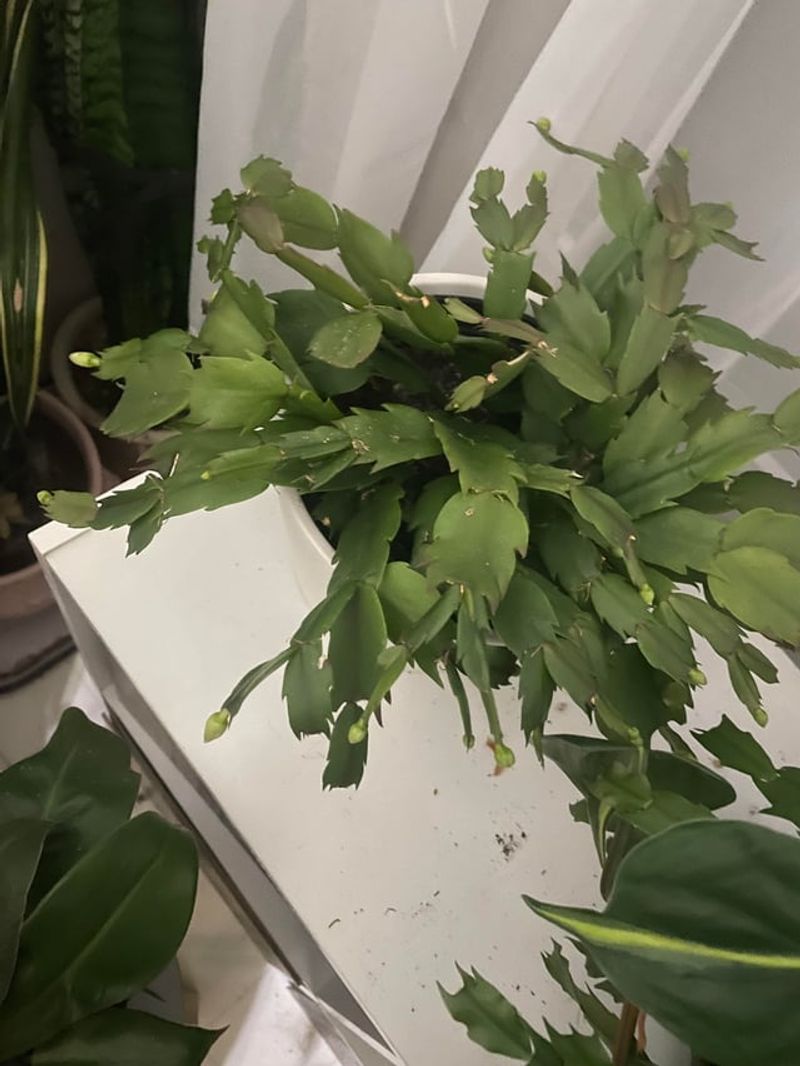
Patience pays off once buds appear. I learned this the hard way after carrying a budding plant to the dining table for guests and watching flowers drop the next day.
Buds react to sudden changes in light, warmth, and moisture. Moving the pot, even a short distance, can be enough to upset the plant.
Choose a bright spot with indirect light before buds form. An east-facing window or a few feet back from a sunny south window usually works well in Michigan homes.
Keep it clear of heat registers, space heaters, and drafty entry doors. Cold blasts from a door opening during a lake-effect snowstorm are as unwelcome as hot air from a vent.
Rotate the pot only if you must, and do it gently before buds swell. Once flowers open, enjoy them in place.
Blooms can last several weeks with steady care. When the show ends, let the plant rest with slightly less water until new growth begins in spring.
Many of these plants live for decades and get passed down through families. A little consistency each fall can turn yours into a cherished holiday tradition.