Why California Garden Beds Need Better Drainage Before The Rainy Season
Mixing a little sand into heavy clay can actually make it denser, not looser. I love how that one surprising fact can save gardeners from hauling bags home for nothing.
Clay particles are so tiny that hundreds could line up across a single grain of sand, leaving very little room for water to slip through. Once winter storms fill those small pores, roots run short of oxygen and can start struggling within days.
I’ve lost count of how many seedlings I watched sulk in soggy corners before I finally connected the dots. Now I hunt for low spots before the first big California storm instead of after the damage shows.
One simple test needs only a shovel and a ruler, and another tip keeps your boots from packing the soil like bread dough. Which corner of your yard turns into a puddle first when the clouds finally open up?
1. Winter Storms Dump Most Of The Year’s Rain At Once
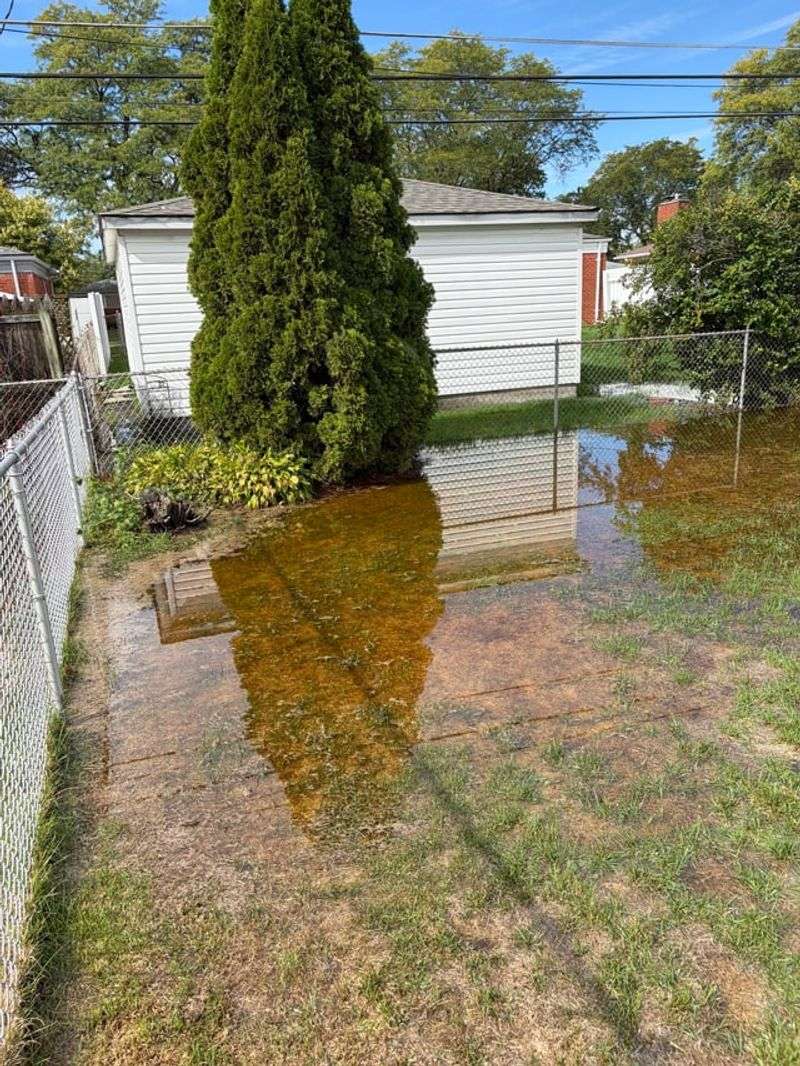
Months of blue skies can lull any gardener into thinking the soil will stay thirsty and loose forever. Then one atmospheric river rolls in, and a bed that seemed fine suddenly sits under shiny brown water.
Atmospheric rivers are long, narrow bands of moisture that carry huge amounts of water vapor from the Pacific. According to state water experts, a handful of these storms can supply a large share of yearly rainfall.
Dry summer soil often repels water at first, so early rain tends to run off instead of soaking in. Once the surface finally softens, poorly draining beds can fill up fast and stay soggy for days.
I like to walk my yard during the first real storm with a cup of tea and a raincoat. Watching where water collects tells me more than any book, and it takes only a few minutes.
You should note the low corners and any spot where water streams off a patio or driveway. Those trouble zones are the beds that need help first, before the bigger storms of midwinter arrive.
Preparing in autumn makes sense because the soil is still workable and not yet heavy with moisture. Digging in soaked clay later can smear its structure and leave it even tighter than before.
A little effort now spares your favorite perennials from weeks of sitting in cold, airless water. Think of it as tucking your garden in before the long wet season begins its steady drumbeat.
2. Waterlogged Roots Run Out Of Oxygen Fast

Roots breathe, which surprises many people who picture them simply sipping water and nutrients from the soil. Healthy soil holds tiny pockets of air between its particles, and roots pull oxygen from those spaces.
When rain fills every pocket, that air gets pushed out, and the roots begin to slowly suffocate. Even sturdy shrubs can show stress when their root zone stays saturated for several days in a row.
Low-oxygen soil also changes which microbes thrive, favoring ones that release compounds harmful to tender roots. You might smell a sour, rotten-egg odor when you dig into a bed that has been waterlogged.
Above ground, the signs can look strangely like drought, which confuses plenty of gardeners every winter. Leaves turn yellow, wilt, or drop, because damaged roots cannot move water up to the foliage.
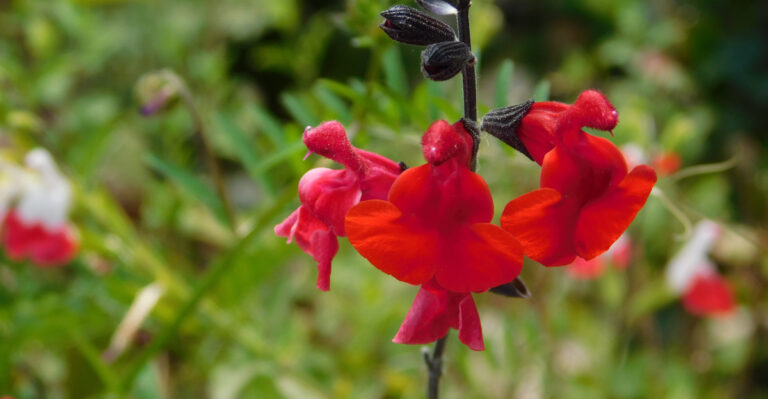
I once watered a droopy salvia even more, thinking it was thirsty, and made things much worse. Personally, I now check the soil with my finger before reaching for the hose during cooler months.
Push a trowel a few inches down and squeeze a handful of soil in your palm. If water drips out or the clump feels slick and cold, the roots are likely short on air.
Better drainage lets the soil shed its extra water and refill those air pockets within a day or so. Your plants can then keep growing steadily, even through a long stretch of stormy weather in winter.
3. Phytophthora Root Rot Loves Soggy Garden Beds
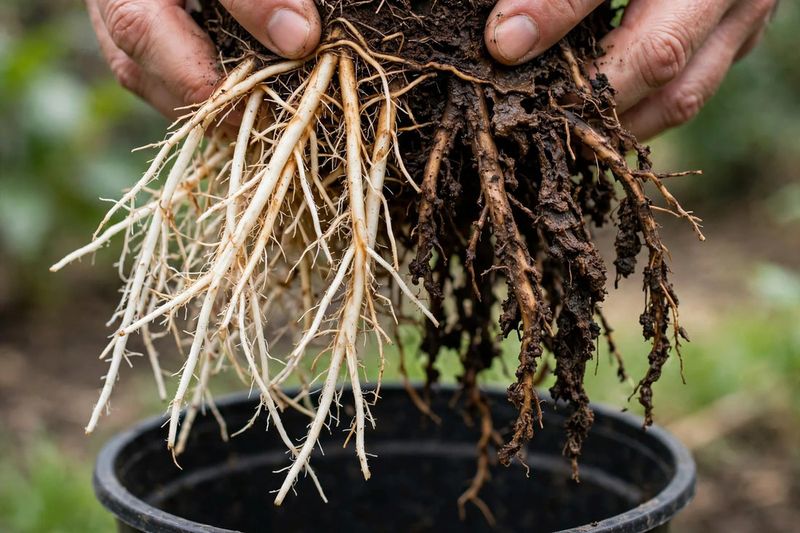
Phytophthora sounds like a sneeze, but gardeners know it as one of the sneakiest root problems around. This water mold travels through soggy soil using tiny swimming spores that seek out fresh roots.
UC Integrated Pest Management experts explain that saturated soil gives these spores the perfect highway to spread. Standing water lets them drift from one plant to the next, especially in low, poorly drained beds.
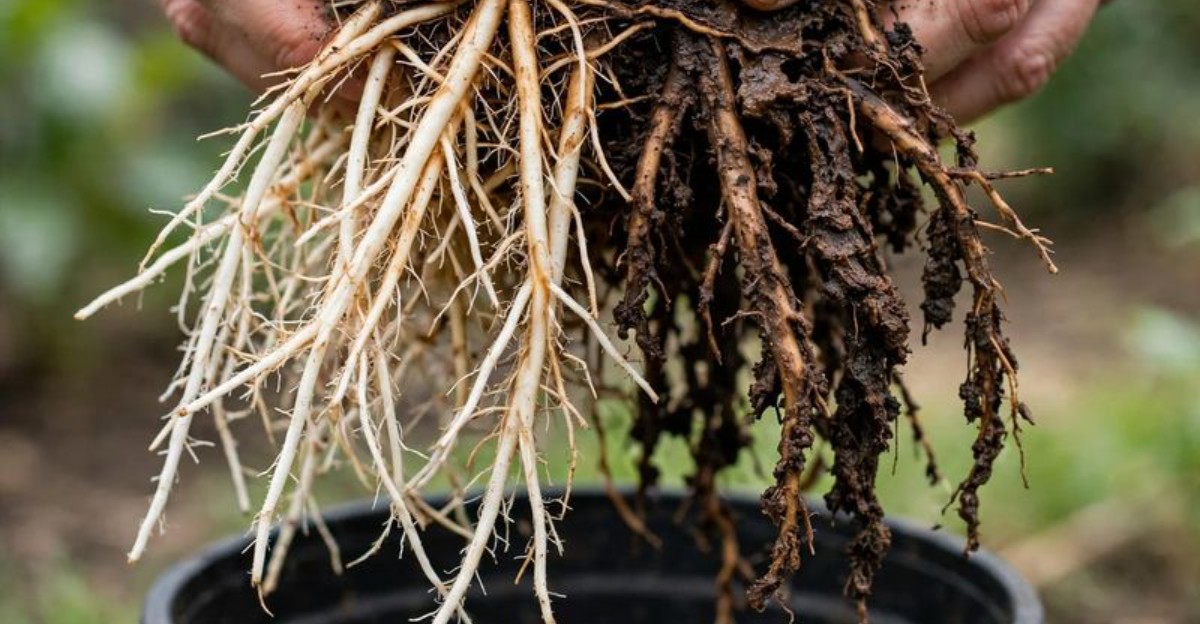
Infected roots often turn brown and mushy, and the outer layer slips off when you tug gently. Above ground, plants may wilt or yellow, sometimes collapsing during warm weather after a wet winter.
Citrus, avocado, rhododendron, and many native shrubs can suffer from Phytophthora in heavy, wet soil. Once the disease settles in, treatment options are limited, so prevention really is the smartest path forward.
I believe drainage is the strongest tool you have, far more useful than any spray on the shelf. Keeping water moving through the soil reduces the time spores have to swim and infect healthy roots.
You can also avoid piling soil or mulch against trunks, since damp bark invites crown rot problems. Leave a few inches of bare space around the base of trees and shrubs for airflow.
Buying healthy nursery plants with clean, white roots helps keep new trouble out of your garden beds. Slide a plant out of its pot before purchase, and skip any with dark, smelly roots inside.
4. Sticky Clay Soil Holds Water Like A Sponge
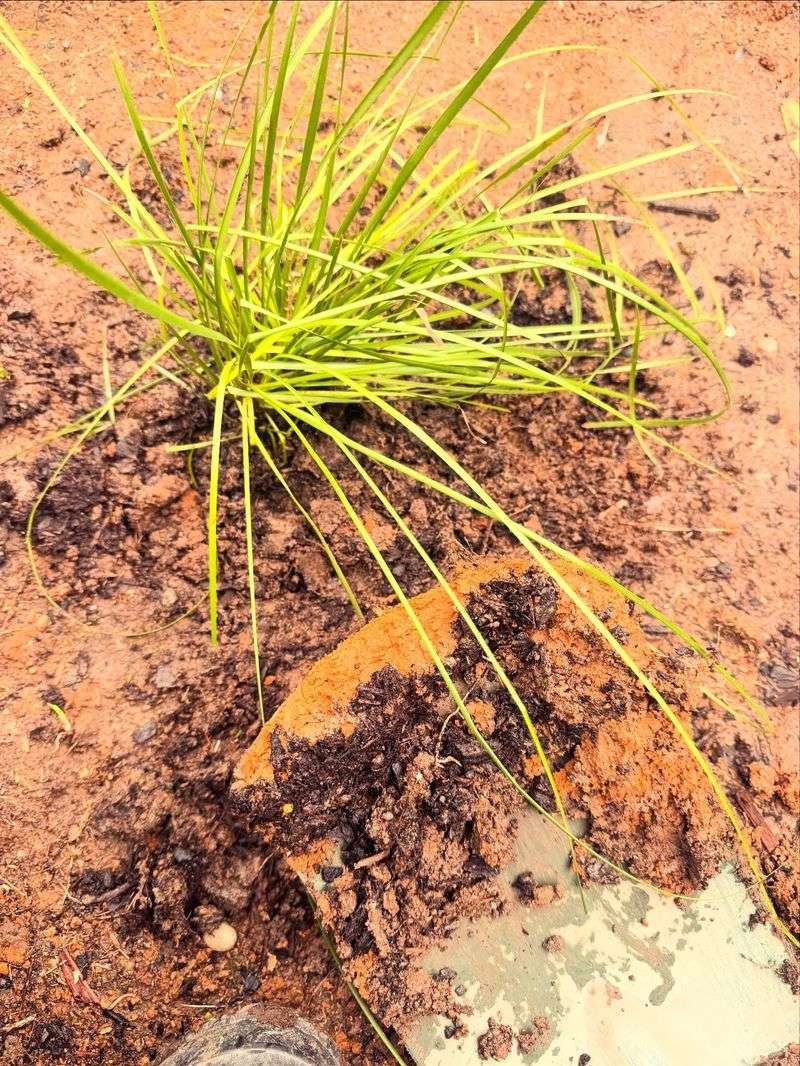
Clay particles are so tiny that many hundreds could line up across the width of one sand grain. Packed together, they leave very small pores that hold water tightly and let it drain painfully slowly.
Large parts of California, especially valleys and newer housing tracts, sit on heavy clay or compacted fill soil. Builders often scrape away topsoil, leaving gardeners with dense subsoil that behaves more like pottery clay.
In summer, clay bakes into cracked slabs that feel hard enough to bend a shovel blade. In winter, that same ground turns sticky and grabs your boots with every step across the yard.
I have to admit that clay has some real strengths, including its ability to hold plenty of nutrients. It also stores moisture longer in summer, which helps many plants handle dry spells between waterings.
The trick is improving its structure so water can move through instead of sitting on top. Organic matter encourages clay particles to clump into crumbs, creating larger spaces for water and air.
Try this quick squeeze test with a handful of slightly moist soil from your garden bed. If it forms a smooth ribbon longer than two inches between your fingers, you have plenty of clay.
Knowing your soil type helps you pick the right fix instead of guessing and hoping for dry roots. Your local UC Master Gardener program can often help you identify soil types or suggest testing labs.
5. A Simple Percolation Test Reveals Hidden Drainage Problems
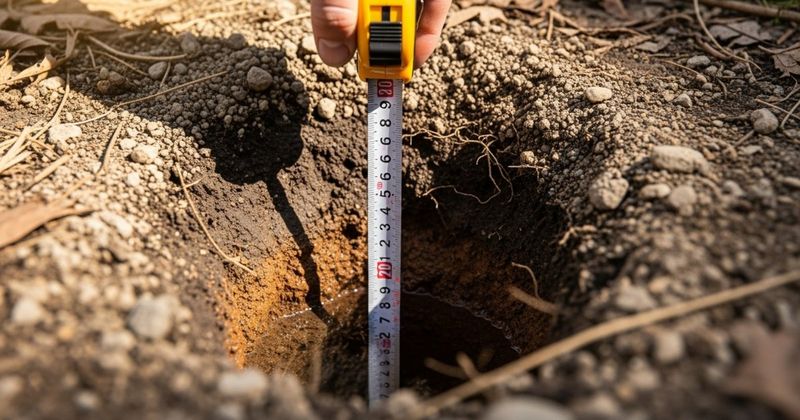
A shovel and a simple ruler can reveal more about your soil than many fancy gadgets ever could. The percolation test costs nothing and feels oddly satisfying for curious gardeners who love a little science.
Start by digging a hole about twelve inches deep and roughly a foot wide in your garden bed. Fill it with water and let it drain fully, which soaks the surrounding soil like a real storm.
Next, fill the hole again and measure how far the water level drops after one full hour. Many university extension guides suggest that less than one inch per hour signals poor drainage worth fixing.
I love doing this test on a quiet weekend morning while sipping coffee and checking in occasionally. You can test several beds at once and compare results, which often shows surprising differences across one yard.
If water lingers in the hole for many hours, consider raised beds or plants that tolerate wet feet. Very fast drainage, on the other hand, means you may need more compost to hold moisture.
Doing this test before the rainy season gives you time to make changes while soil is still workable. Waiting until January means fighting mud with cold hands while plants are already struggling in soggy beds.
Write down your results in a notebook or phone so you can track improvements over the coming years. Watching that number climb after adding compost feels like getting a great report card from your garden.
6. Stepping On Wet Beds Packs Soil Into A Hardpan
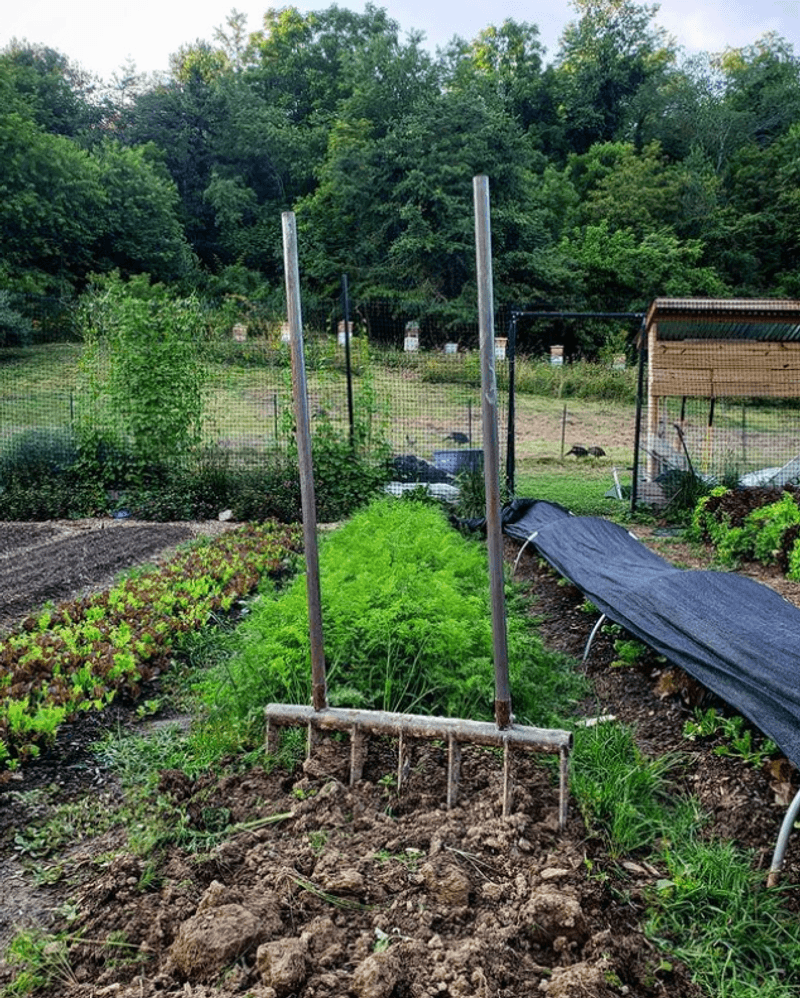
Every footstep on wet soil presses those tiny air pockets flat, like stepping on a loaf of soft bread. Over time, repeated pressure creates a dense layer that roots and water both struggle to push through.
Gardeners call this layer a hardpan, and it can form from foot traffic, equipment, or construction work. Water hitting a hardpan often spreads sideways or pools above it, leaving the plants overhead sitting in soup.
Wet clay is especially easy to compact, so stay off beds for a day or two after rain. I keep a few flat stepping stones in my larger beds so I can reach plants without trampling them.
You can check for compaction by pushing a long screwdriver or metal rod straight into moist soil. If it suddenly stops a few inches down, you have likely found a hard layer hiding below.
Breaking up a shallow hardpan with a digging fork or broadfork before winter rains helps water move deeper. Work only when soil is slightly moist, since bone-dry clay resists the fork and wet clay smears.
Deep or extensive hardpans may need professional help, especially around new homes built on graded lots. A landscape contractor can rip the soil with equipment before you plant new beds or lawns.
Personally, I think defined paths are the easiest way to prevent compaction from coming back each year. Wood chip or gravel paths guide feet where you want them and keep growing areas fluffy and loose.
7. Rich Compost Opens Up Tight Clay Soil
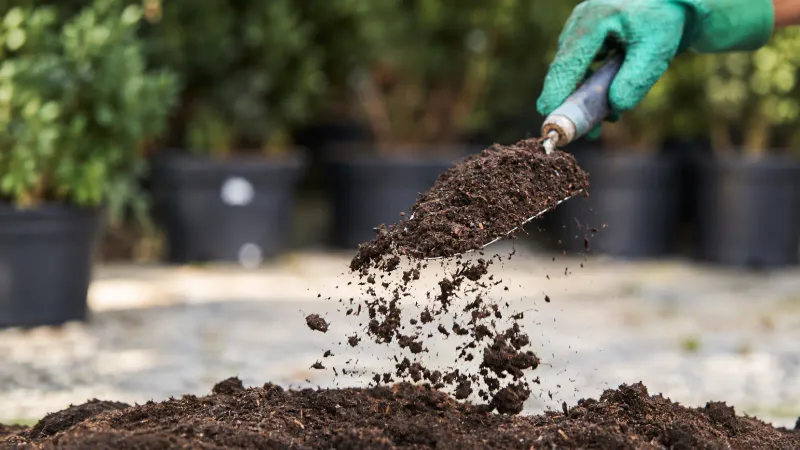
Compost works almost like magic in heavy soil, gluing tiny clay particles into crumbly little clusters. Those clusters create larger spaces where rainwater can drain and air can slip back in afterward.
UC Master Gardeners commonly recommend mixing two to three inches of compost into the top several inches of soil. Repeat each year, because soil life gradually breaks organic matter down and uses it up over time.
What surprises me most is how earthworms show up once compost becomes a regular part of my routine. Their tunnels act like tiny drainage pipes, carrying water downward and loosening soil as they travel.
One common myth suggests adding sand to clay, but a little sand can make the mix even denser. Extension experts warn that only very large amounts of sand help, and that rarely makes sense for home beds.
Gypsum is another popular fix, though research shows it mainly helps sodic soils rather than typical garden clay. A soil test can tell you whether gypsum is worth buying before you spend money on heavy bags.
Fall is a great moment to spread compost, since winter rain helps move nutrients into the root zone. You can also top-dress perennial beds without digging, letting worms slowly pull the material down for you.
Homemade compost from leaves and kitchen scraps works beautifully, and it keeps green waste out of landfills too. Many cities also offer free or low-cost compost to residents, so check with your local waste agency.
8. Raised Beds And Planting Mounds Lift Roots Above Puddles
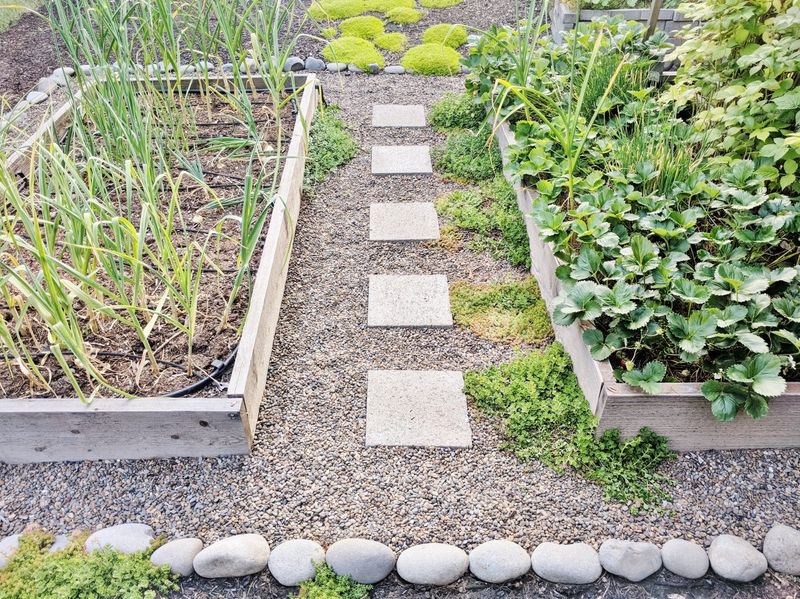
Lifting your plants just a foot higher can be the difference between a soggy mess and thriving roots. Raised beds drain faster because gravity pulls extra water down and out through the bottom and sides.
Before filling a new bed, loosen the native soil underneath with a fork so water keeps moving downward. Skipping this step can trap water at the bottom, creating a soggy layer that roots slowly learn to avoid.
I like how raised beds warm up earlier in spring, giving vegetables a head start after winter. They also keep my back happier, since I am not bending all the way to the ground.
For shrubs and trees, gardeners often plant on low, wide mounds instead of building wooden boxes. Setting the root ball slightly above grade lets water drain away from the crown and trunk.
Many drought-loving natives, including manzanita and California lilac, really appreciate this extra lift in clay soils. These Mediterranean climate plants evolved on fast-draining slopes and can struggle when their roots stay wet.
Fill raised beds with a quality mix rich in compost, avoiding pure bagged potting soil, which can settle heavily. Leave room for a layer of mulch on top to shield the surface from pounding winter rain.
Raised beds are not a cure for every yard, but they are a handy fix for stubborn spots. If your percolation test showed water lingering for hours, this solution deserves a spot at the top of your list.