Are Brown Patches In Fall Caused By Grubs, Drought Or Fungus?
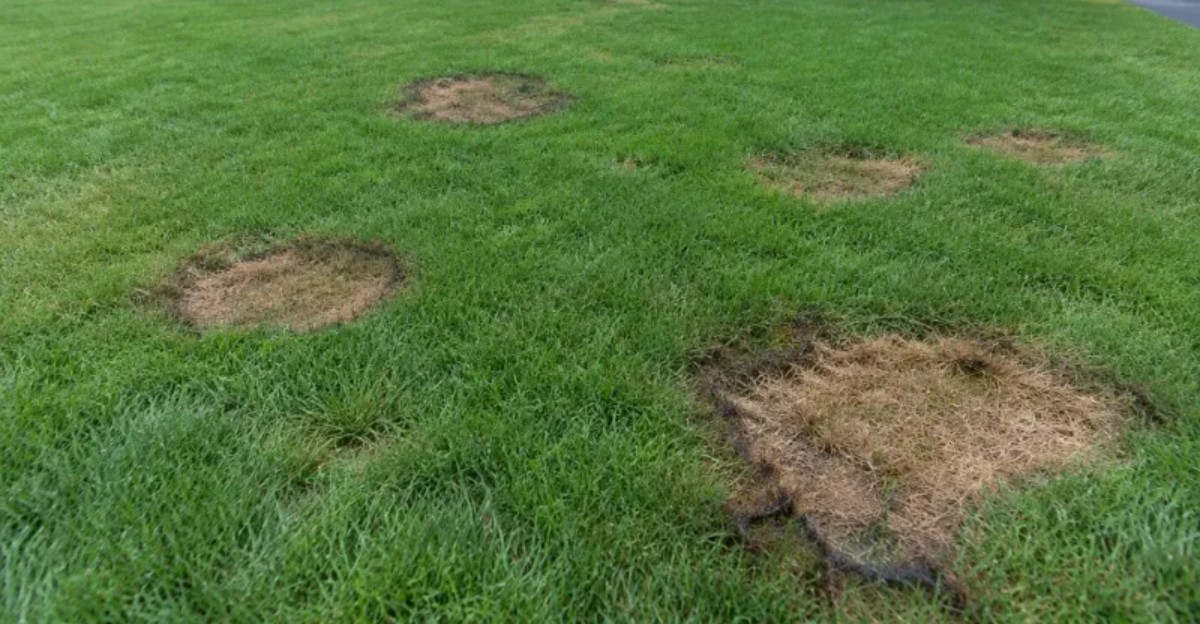
A lawn can look parched while hundreds of hidden larvae quietly chew its roots like spaghetti. I learned that the hard way one October, hose in hand, watering a patch that was never thirsty to begin with.
Truth is, fall browning has three very different suspects. One lives underground, one comes from the sky, or rather the lack of it, and one spreads through dewy nights you barely notice. Each leaves its own fingerprints in the grass.
I used to think brown meant dry, period. Then a neighbor’s skunk dug up my yard overnight, and the turf peeled back like an old rug. That was my first real clue.
You can play detective too, and the tools are simple. Your hands, a garden trowel, and a few early morning walks reveal a surprising amount. Which of the three culprits is hiding in your yard right now?
That Brown Lawn Patch Has A Story Under Your Feet
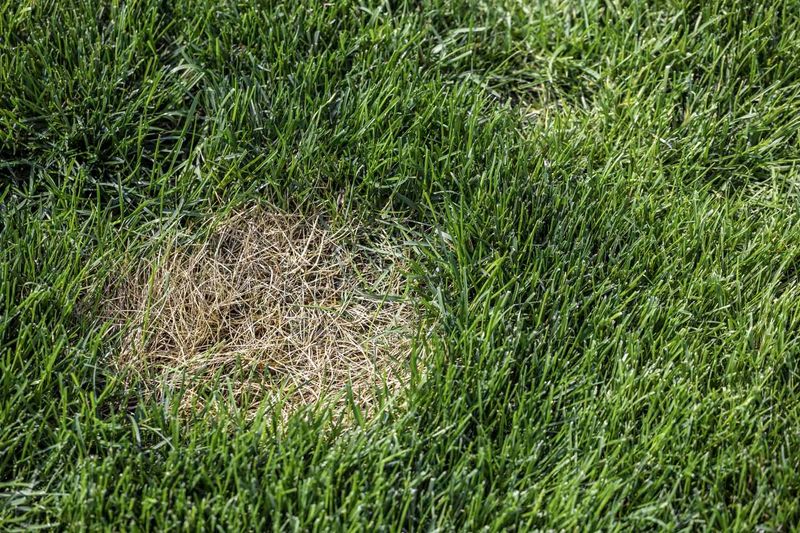
Start your investigation by simply walking across the brown spot. How it feels underfoot tells you more than how it looks from the porch.
Soft, spongy turf that gives a little with each step often points to white grubs. Firm, crunchy grass that leaves footprints behind usually means drought stress. Grass that feels normal but shows rings, spots, or odd blade lesions leans toward a fungal disease.
Extension specialists at schools like Penn State and Purdue recommend this kind of hands-on check before buying any product. Treating the wrong problem wastes money and can make things worse. Extra watering, for example, helps drought but can feed fungus.
I keep a little notebook for my lawn each fall. I jot down where the patches sit, whether they get full sun, and how the weather has been. A pattern often shows up within a week.
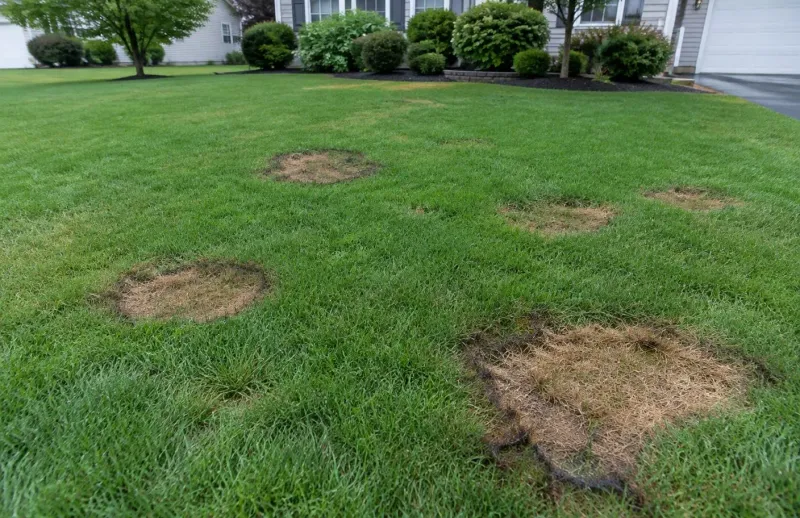
Look at the shape too. Drought browning tends to spread across big sunny areas, slopes, and strips beside driveways. Grub damage forms irregular dead-looking blobs that grow over time. Fungal spots are more often round or ring-shaped with distinct edges.
Those three quick clues, feel, location, and shape, narrow the list fast. Then you can move on to the tests that confirm it.
Pull Up The Turf And Look For C-Shaped White Grubs
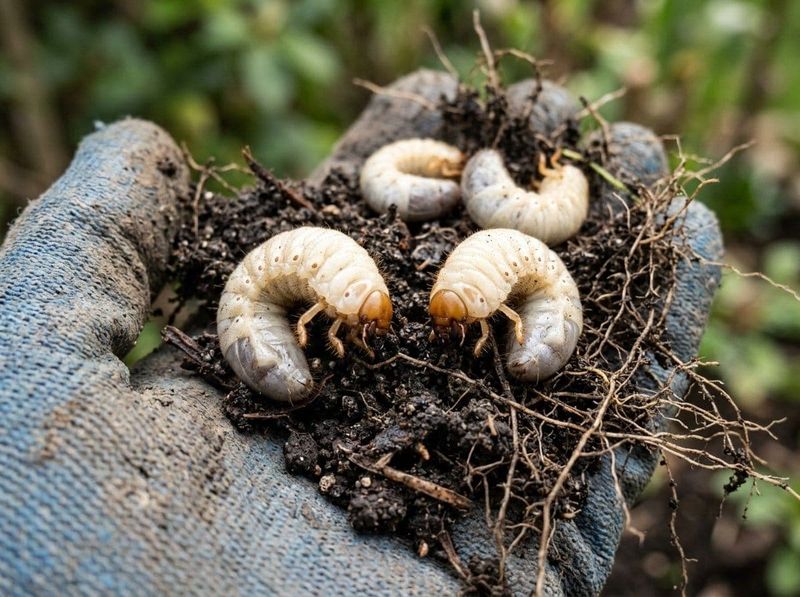
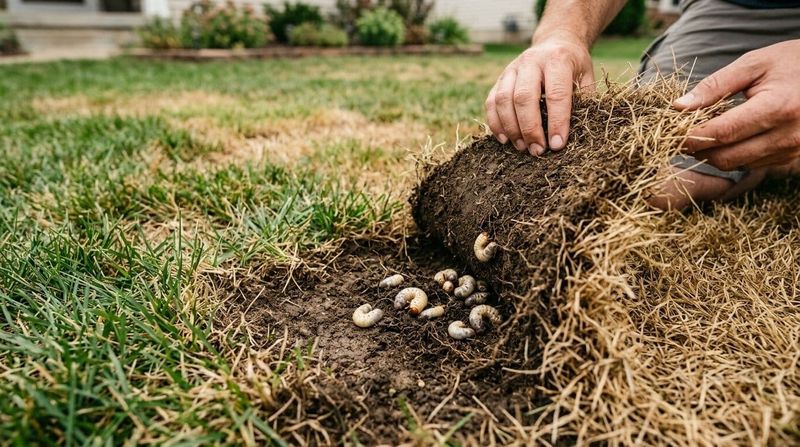
Grab a corner of the brown patch and tug gently. If the turf lifts like loose carpet with almost no roots attached, you have likely found your answer.
White grubs are the larvae of Japanese beetles, masked chafers, European chafers, and June beetles. They curl into a C shape, have creamy bodies, and wear tan or brown heads. In late summer and early fall they feed hard on grass roots near the surface, which is why fall damage shows up so suddenly.
To measure the problem, cut a square foot of sod on three sides with a spade and fold it back. Count the grubs in the top two to three inches of soil. Many university extensions suggest treatment when you find roughly 8 to 10 or more per square foot in most lawns.
Fewer than that? A healthy lawn can often tolerate them with good watering and fertilizing.
Watch for side clues as well. Skunks, raccoons, crows, and moles love grubs, so torn-up turf or fresh digging often signals a buffet below. Those critters may do more visible damage than the grubs themselves, but they are pointing you in the right direction.
Dormant Drought-Stressed Grass Often Bounces Back
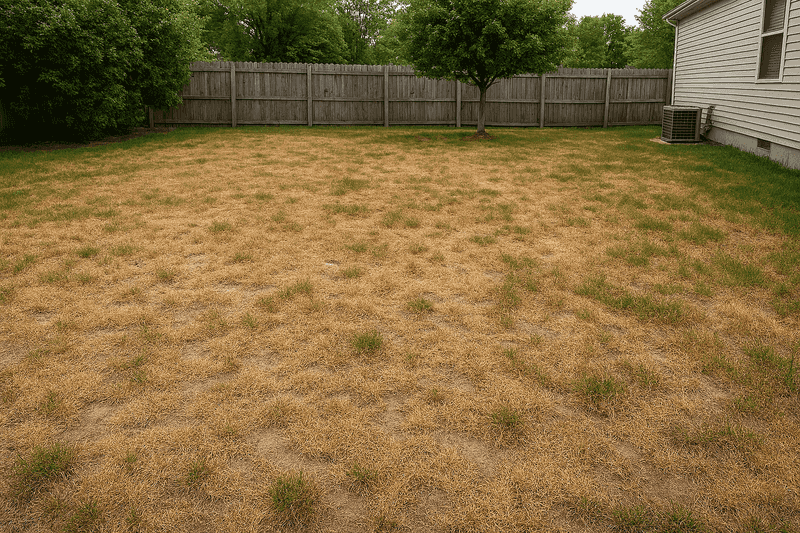
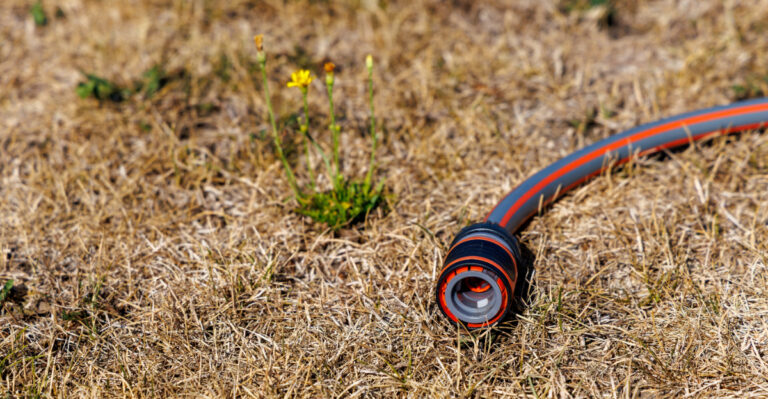
Here is a comforting fact for anyone staring at a tan yard after a hot summer. Cool-season grasses like Kentucky bluegrass and fine fescue can go dormant during long dry spells, and many recover.
Dormancy is a survival move. The blades turn brown to save water, but the crowns and roots stay alive. Turf experts at the University of Minnesota note that healthy lawns can usually stay dormant for about three to four weeks, sometimes longer, before serious thinning sets in.
Drought browning has its own look. It tends to be widespread and fairly even, worst on south-facing slopes, sandy spots, and areas next to hot pavement. The soil feels hard and dry, and the grass stays firmly rooted when you tug.
Try the footprint test. Walk across the lawn and turn around. If your footprints stay pressed in for a while, the grass lacks water.
Fall rain and cooler temperatures often wake dormant lawns on their own. You can help by giving about one inch of water per week, ideally in one or two deep soakings early in the morning. Light daily sprinkles encourage shallow roots and do little good.
Watering Your Lawn At Night Can Invite Fungus
Guilty as charged, I used to water after dinner because it felt relaxing. My lawn paid for that habit with a crop of fungal spots.
Most turf diseases need moisture sitting on the grass blades for hours. Fall already brings long dewy nights, so adding evening irrigation stretches that wet period even longer. Fungal spores love the extra time.
Plant pathologists generally advise watering between roughly 4 and 10 a.m. The grass drinks deeply, then the sun and breeze dry the blades quickly. That one simple change lowers disease pressure noticeably.
Overwatering causes trouble as well. Soggy soil starves roots of oxygen and weakens grass, making it easier for fungi to move in. Push a screwdriver into the ground. If it slides in easily and comes out muddy, hold off on the hose.
A cheap rain gauge or tuna can set on the lawn helps you track how much water actually lands there. Many people discover they are giving two or three times what the grass needs.
Good timing is one of the easiest fixes in lawn care, and it costs nothing. Your grass and your water bill will both thank you.
Circular Tan Patches With A Smoky Gray Ring Point To Brown Patch
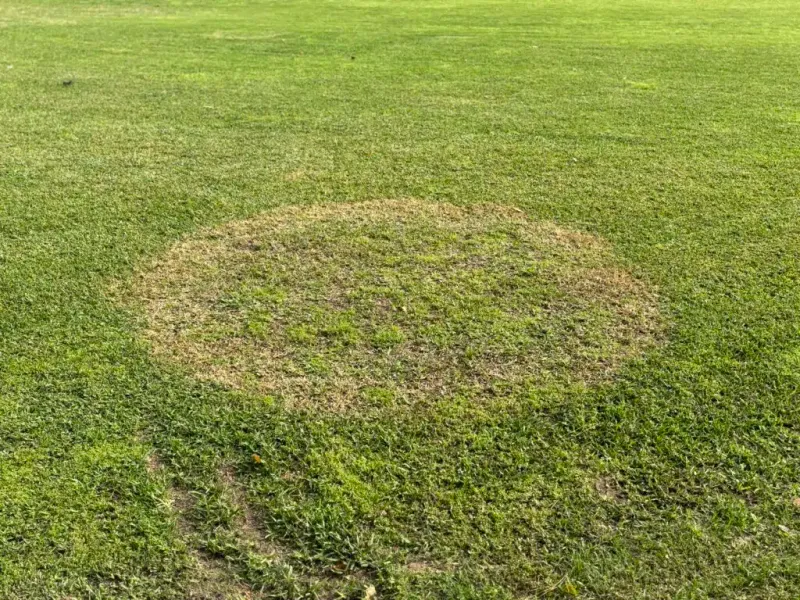
Funny enough, one of the main fungal suspects is literally named brown patch. Caused by Rhizoctonia solani, it hits tall fescue and perennial ryegrass hardest and also bothers warm-season grasses like St. Augustine and zoysia.
Look for roughly circular areas from several inches to several feet wide. The grass turns tan or straw-colored. On humid early mornings, a darker gray or purplish band called a smoke ring may outline the patch, then fade as the lawn dries.
Up close, individual blades often show tan lesions with dark brown edges. Unlike grub damage, the grass stays anchored in the soil.
Timing matters by region. In the North, brown patch mostly flares in hot, humid summer weather and can linger into early fall. In the South, it often shows up as large patch on warm-season grass in fall and spring when temperatures cool.
Heavy nitrogen feeding during warm, humid weather encourages the disease, so ease off then. Improve airflow by trimming overhanging shrubs, and mow at the recommended height with a sharp blade.
Fungicides exist, but extension services usually suggest them only for high-value turf or repeat trouble.
Silver Dollar Spots And Pink Threads Reveal Other Lawn Fungi
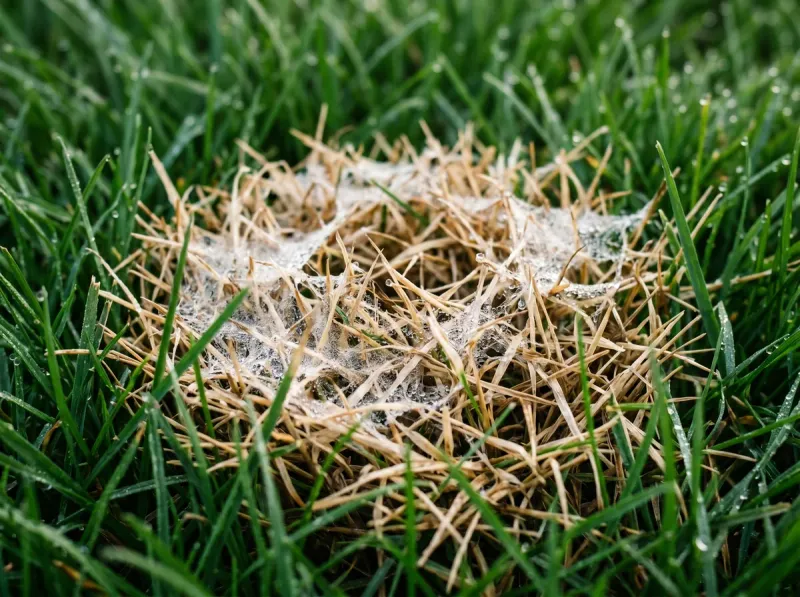
Don’t laugh, but I once got down on my belly with a magnifying glass in the lawn. That is how I met dollar spot and red thread up close.
Dollar spot creates small, sunken, straw-colored spots about the size of a silver dollar on short turf, a bit bigger on home lawns. Blades show bleached lesions with reddish-brown borders, often pinched in an hourglass shape. On dewy mornings you might spot white, cobwebby fungal growth.
Red thread prefers cool, wet weather, which makes fall prime time. Patches look pinkish or reddish-tan, and the blade tips sprout tiny coral-pink to red threads. Fine fescues and perennial ryegrass are frequent hosts.
Both diseases share one big clue. They commonly appear on lawns low in nitrogen.
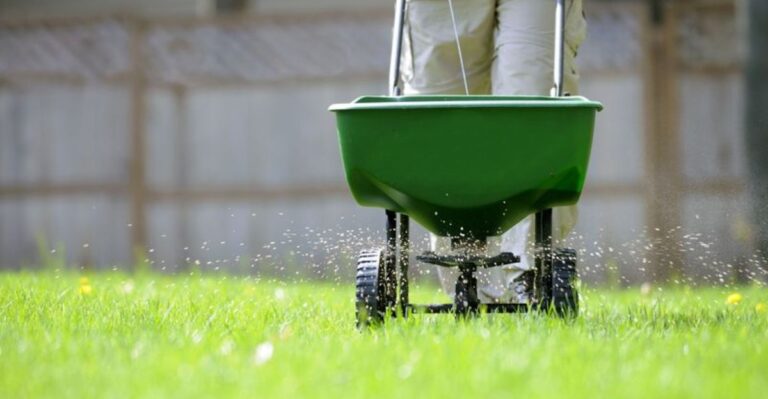
A balanced fall fertilizer application often helps grass outgrow the damage. Morning watering, removing grass clippings during outbreaks, and keeping mower blades sharp also lower spread.
Red thread looks dramatic but rarely harms the crowns or roots. Most lawns recover on their own once conditions change and the grass gets proper feeding.
Timing Grub Control Right Saves Your Lawn And Wallet
Not going to lie, I wasted money one spring on grub products that did almost nothing. The calendar matters more than the label.
Preventive grub products containing chlorantraniliprole or imidacloprid work best when applied from about May through July, before eggs hatch. Water them in with roughly half an inch of irrigation so they reach the root zone.
Once you find active damage in late summer or early fall, a curative product such as trichlorfon is often recommended because it acts faster on larger grubs. Follow label directions closely and keep kids and pets off until it dries.
Early spring treatment is usually a poor bet. By then grubs are large, feeding less, and harder to control.
Biological options exist too. Beneficial nematodes like Heterorhabditis bacteriophora can help when soil stays moist and warm. Milky spore targets Japanese beetle grubs only and works slowly over years.
Remember to protect pollinators. Mow flowering weeds like clover before applying any insecticide so bees are not visiting treated areas.
After control, rake out the loose turf, loosen the soil, and reseed bare spots. Early fall is ideal for cool-season grass seed.
Core Aeration And Fall Overseeding Build A Tougher Lawn
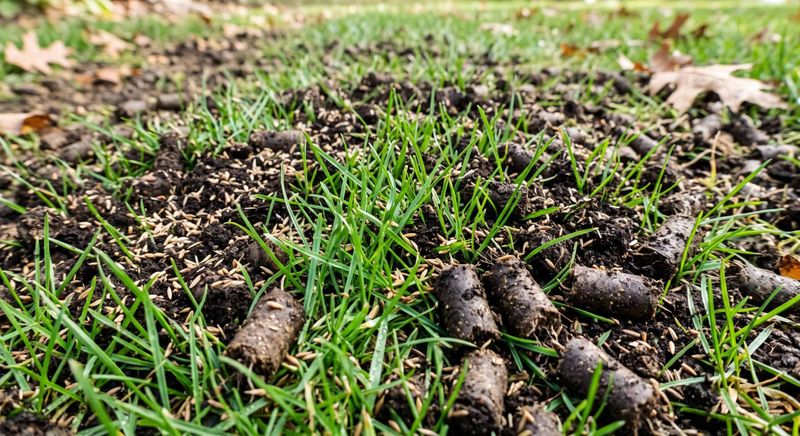
Every fall, I give my lawn a little tune-up, and it pays off the next year. A thick, healthy turf shrugs off grubs, dry spells, and disease far better than a thin one.
Core aeration pulls small plugs of soil from the ground. That loosens compaction, lets water and air reach roots, and helps break down thatch where fungi like to hide. For cool-season lawns, late summer to early fall is the sweet spot.
Overseed right after aerating. Seeds tuck into those holes and enjoy good soil contact. Choose disease-resistant varieties, and consider endophyte-enhanced fescues or ryegrasses, which can resist some surface insects.
Warm-season lawns in the South prefer late spring or early summer for aeration, so check your region before pulling out the machine.
Finish with smart habits. Mow cool-season grass around three to four inches tall, feed in early fall, and water deeply in the morning.
When brown spots show up next year, you will know what to check first. Feel the turf, tug the edges, study the shape, and look closely at the blades. That quick routine turns a worrying patch into a solvable puzzle.