10 Arizona Natives to Plant Instead of Fountain Grass
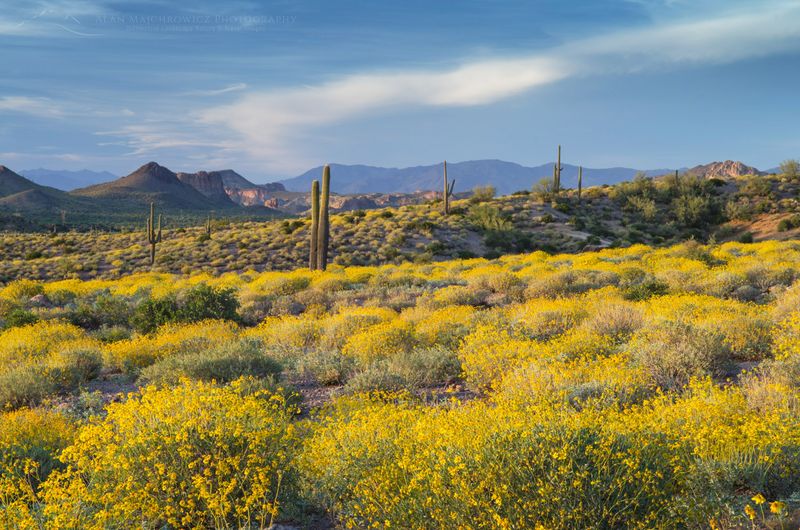
That fluffy grass waving along your driveway can burn hot enough to carry wildfire straight into saguaro country. Arizona lists it as a noxious weed, and many desert towns now discourage planting it near homes.
I have to admit, those pink plumes fooled me for years before I learned the story. The seeds drift on wind and water, then crowd out native plants that birds and pollinators depend on daily.
You might notice that the replacements below sip far less water once their roots settle into the soil. Several also feed quail, hummingbirds, and native bees, so your yard starts working like a tiny desert habitat.
October is a great month to plant in Arizona, because cooler air lets young roots grow before winter arrives. So which tough natives deserve that sunny spot near your patio, and which one surprised me the most?
1. Fairy Duster
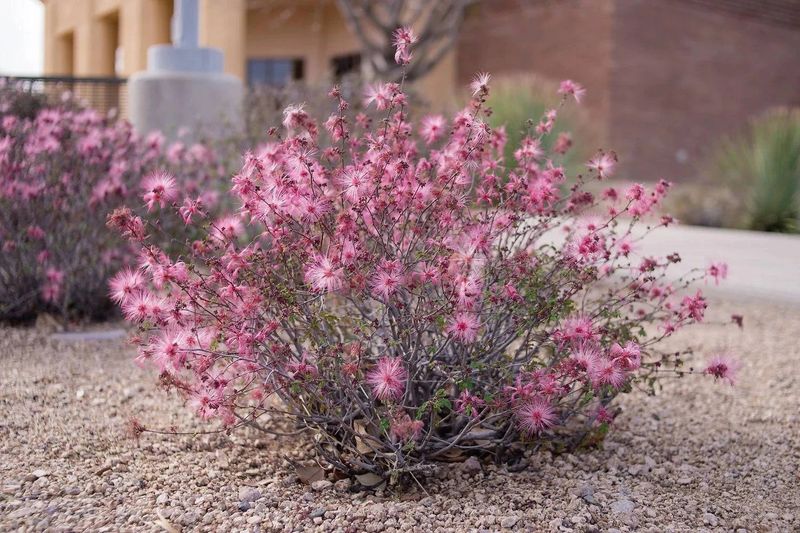
Hummingbirds treat those fluffy pink puffballs like a snack bar, zipping in before you even finish your morning coffee. I love how each bloom looks like a tiny feather duster someone dipped in strawberry frosting.
Fairy duster grows into a rounded shrub, usually one to five feet tall and about three to four feet wide. Its ferny leaves even fold inward on cool nights, which feels like watching a plant quietly tuck itself into bed.
Flowers mostly appear from February through May, and fall rains can coax out a second show this month. Native bees and butterflies join the hummingbirds, so the shrub stays busy while fountain grass mostly just sways around.
Give it full sun and sandy or granitic soil that drains fast, since soggy roots quickly lead to rot. Once established, it needs only occasional deep watering, with a little extra help during the hottest stretches of summer.
Personally, I tip-prune mine in late spring to keep the foliage dense and the blooms coming strong. October planting gives roots several mild months to settle, so you can enjoy a fuller spring display next year.
2. Brittlebush
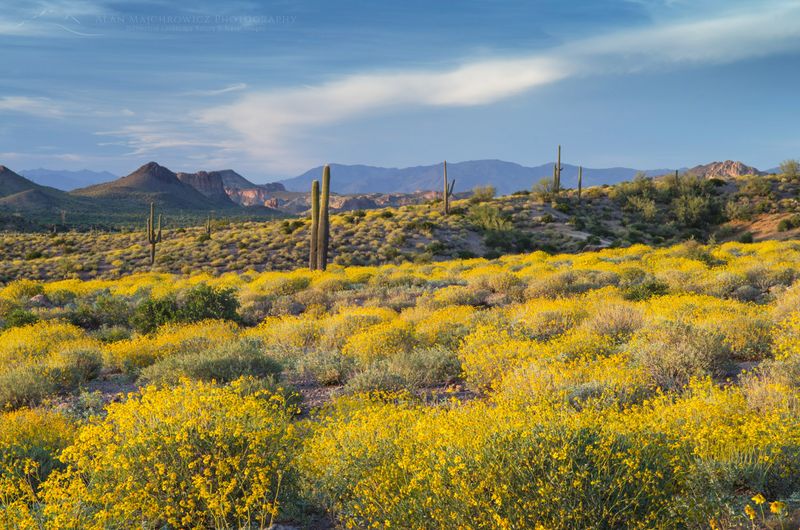
Those silvery leaves wear a coat of fine white hairs that bounce harsh sunlight away like natural sunscreen. Honestly, I can’t think of a smarter outfit for a plant living through Sonoran summers.
Brittlebush forms a tidy mound, usually two to five feet tall and just as wide, with soft gray-green foliage. Bright yellow daisies rise above the leaves from about February through April, turning whole hillsides into a golden carpet.
Native bees work the blooms eagerly, and finches later pick through the seed heads for an easy meal. The dense shape also gives lizards and small birds a shady hiding spot during the warmest parts of the day.
Plant it in full sun with fast-draining sandy soil, and it happily handles reflected heat from walls. A deep soak every few weeks in summer is plenty, while standing water around the crown causes most failures.
One quick caution, because the sap and leaf hairs can irritate sensitive skin, so gloves help during pruning. Frost below about 28 degrees may cause damage, yet the shrub usually bounces back quickly once warmer weather returns.
3. Arizona Cottontop
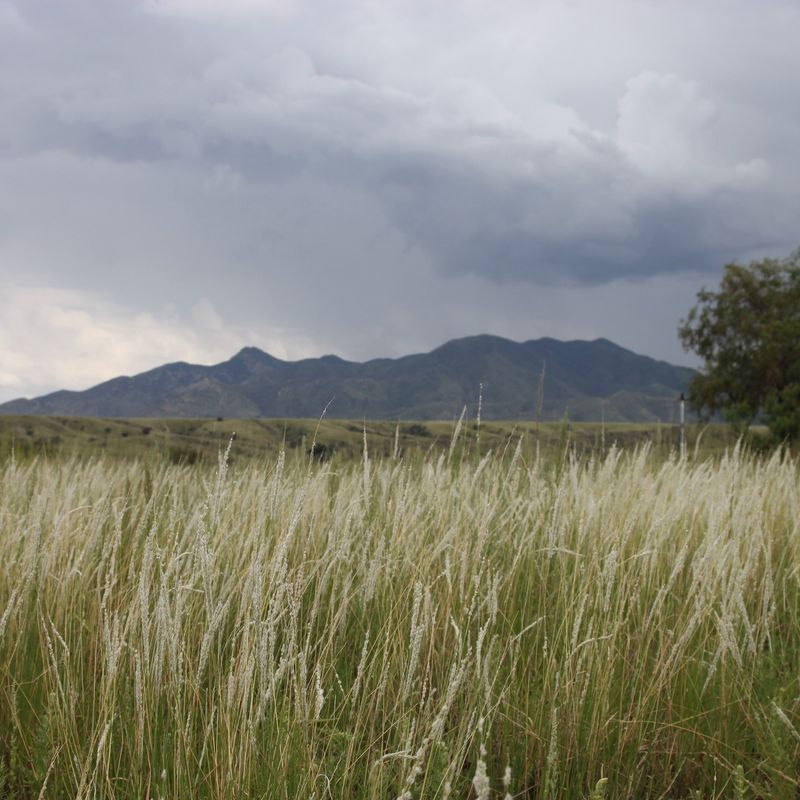
Quail families love scratching around this grass, because its tiny seeds make a dependable snack after summer rains. I like how the fuzzy white seed heads catch backlight and practically glow during late afternoon walks.
Arizona cottontop is a warm-season bunchgrass that grows roughly one to four feet tall in dense clumps. Soft leaves pair with cottony white to purplish plumes, giving you that airy look people wanted from fountain grass.
Plumes can appear from March through November, especially after spring and summer storms soak the ground. Doves and other birds eat the seeds, while some birds even borrow the fluffy material to line their nests.
Full sun or part shade both work, and it prefers sandy, gravelly, or loamy soil that drains well. Once roots settle, it needs very little water, though an occasional drink keeps the leaves looking greener.
Cut it back in late winter to refresh growth, and expect a few volunteer seedlings popping up nearby. You might find those little extras handy for filling bare spots without spending another dime at the nursery.
4. Giant Sacaton
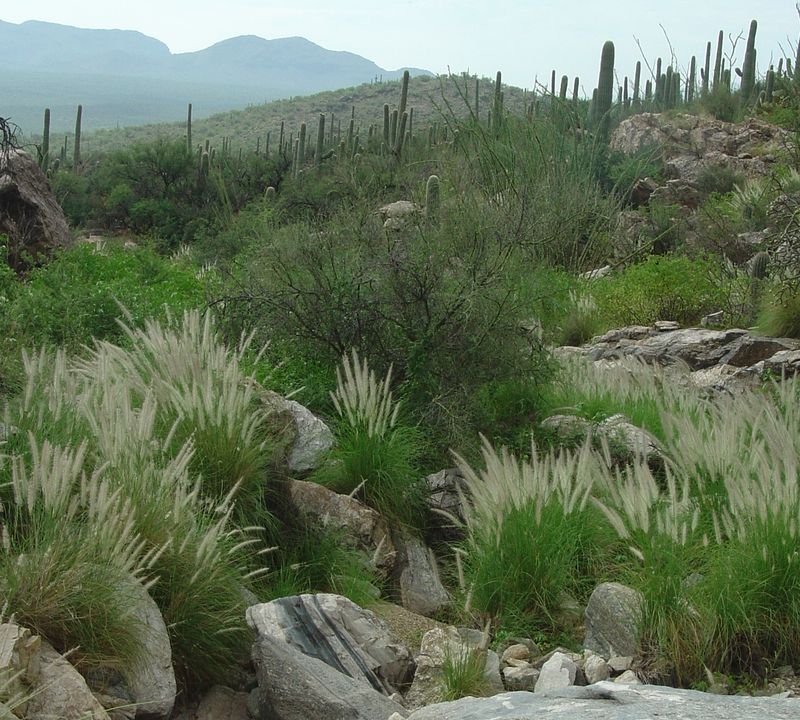
Botteri’s sparrows rely on big sacaton stands for nesting, which tells you how much shelter this grass offers. When I first saw a mature clump, I honestly thought someone had planted a small haystack on purpose.
Giant sacaton forms impressive clumps four to eight feet tall, with flower stalks reaching even higher. Its feathery plumes show up from about August into October, starting purplish or green and fading to warm tan.
Right now in October, those plumes are near their peak, so it is a perfect time to admire neighborhood plantings. Gray-green leaves turn yellow and then beige, though some green usually lingers through the cooler months.
What surprises me most is how flexible it is about soil, handling clay, sand, and even salty ground. It also tolerates low spots that flood occasionally, making it a smart choice for swales and drainage areas.
Water regularly during the first season, then switch to infrequent deep soaks once roots grow strong. A cutback in early spring tidies old growth, and the dense roots help slow runoff and reduce erosion.
5. Blue Grama
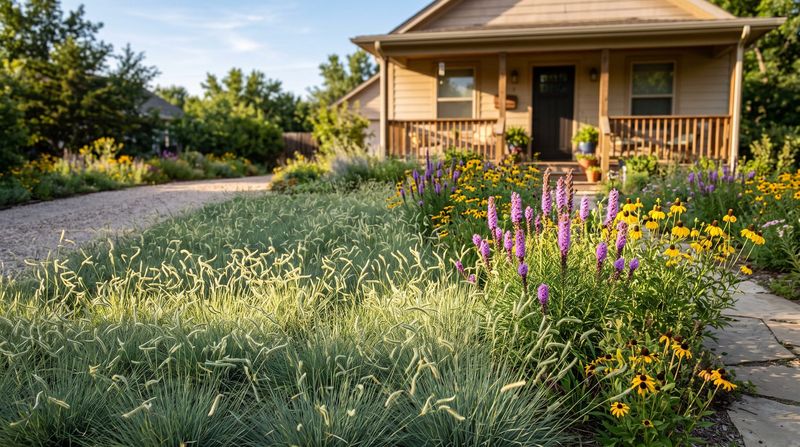
Those sideways seed heads look like tiny eyelashes, and some folks swear they resemble hovering mosquitoes. I can’t help smiling whenever a breeze makes the little combs flutter like they are winking at me.
Blue grama grows naturally in every county of the state, so it fits nearly any Arizona yard. Clumps stay compact, usually one to two feet tall, with fine blue-green leaves that shift toward gold in fall.
Purplish seed heads appear from July through October here, then often hang on through winter for extra charm. Birds and small mammals eat the seeds, while skippers and other butterflies use the plant as a larval host.
It handles poor soils of many types, as long as water drains away rather than puddling around the roots. Established plants can get by on surprisingly little rain, so skip heavy irrigation that may cause root rot.
Light watering helps during the first season, and October seeding or planting gives roots a calm start. Trim old leaves down to a few inches in late winter, before fresh green blades start pushing upward.
6. Purple Three Awn
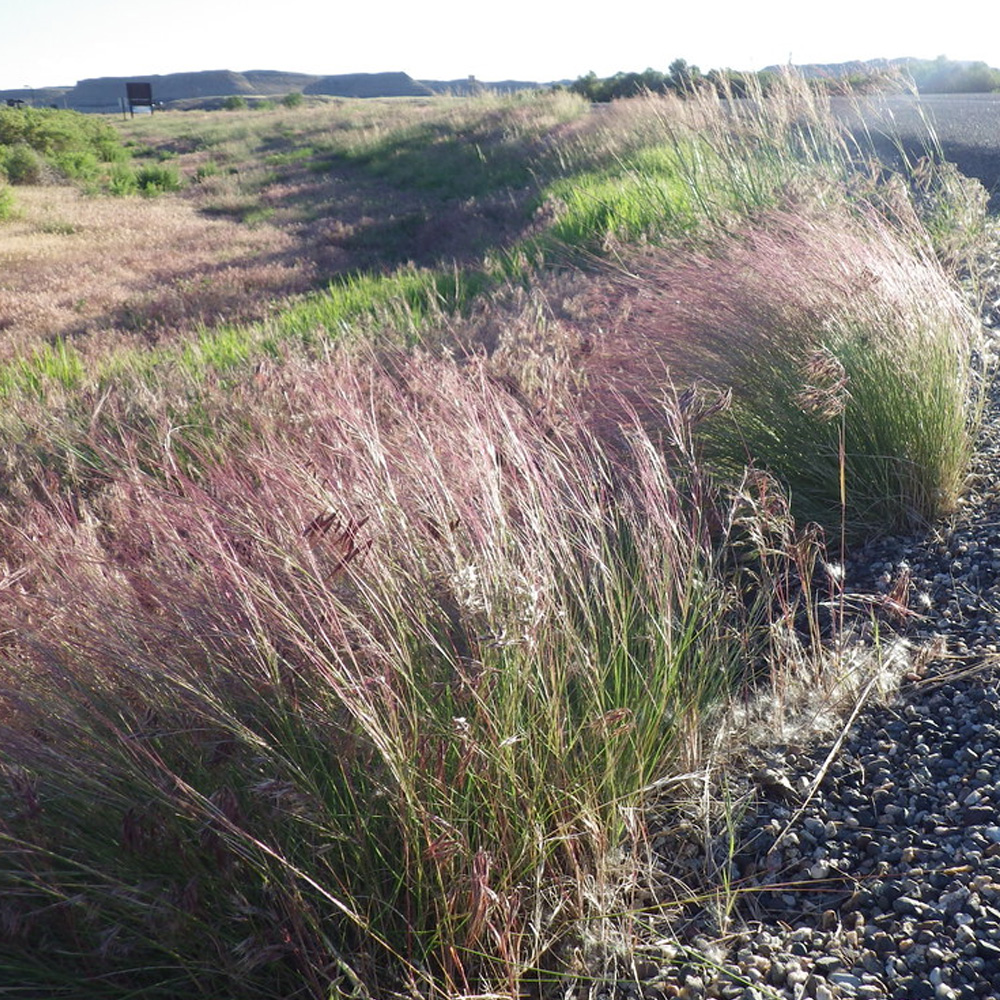
Sunlight hitting a patch of this grass turns the seed heads a rosy purple that almost looks like smoke. Personally, I think it gives the dreamiest glow of any native grass when the sun sits low.
Purple three-awn forms slender, upright clumps about one to three feet tall and one to two feet wide. Each seed carries three bristly awns, which explains the name and creates that wonderfully airy texture you notice.
Skipper and satyr butterflies use it as a larval host, and birds may nibble the seeds. It also shelters helpful insects, so your garden gains a few more allies against the bugs you would rather avoid.
Plant it in full sun with sandy or gravelly soil, although clay works when drainage stays reasonable. It thrives on disturbed ground, making it a great pick for patching bare banks and controlling erosion naturally.
One honest note, those sharp awns can snag on socks and pet fur during late summer. Keep it away from dog runs and busy paths, and let it reseed freely in wilder corners instead.
7. Desert Spoon
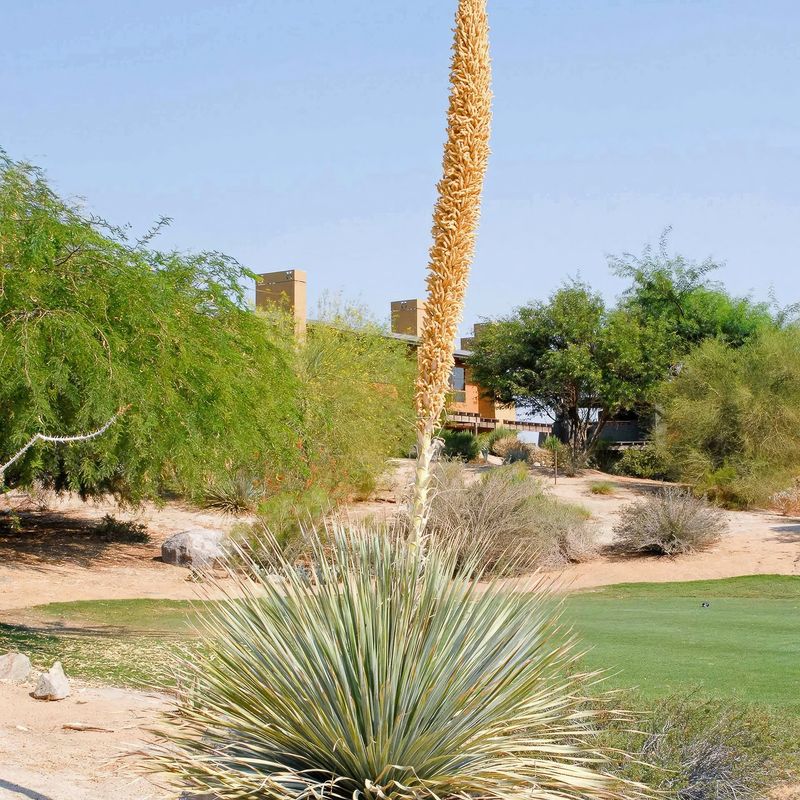
Pull off an old leaf and you will find a smooth spoon-shaped base, which inspired this plant’s charming name. I have to admit, I kept a few as quirky garden souvenirs after cleaning up one mature rosette.
Desert spoon forms a dense, rounded burst of narrow silver-blue leaves that slowly build a short trunk. Unlike agaves, it keeps living after blooming, so you get a long-lived focal point instead of a short performance.
Every few years, a tall flower stalk shoots up in late spring or summer, sometimes reaching ten feet or more. Bees and butterflies visit the creamy flowers, adding pollinator life to a spot that might otherwise sit quiet.
Those leaf edges carry sharp hooked teeth, so place it well away from walkways and play areas. Wear thick gloves when removing old lower leaves or cutting the dried stalk once the bloom finally fades.
Full sun and gravelly, fast-draining soil keep it happy, while soggy ground invites rot quickly. Because it is protected under the state’s native plant law, buy nursery-grown plants rather than digging any from the wild.
8. Desert Willow
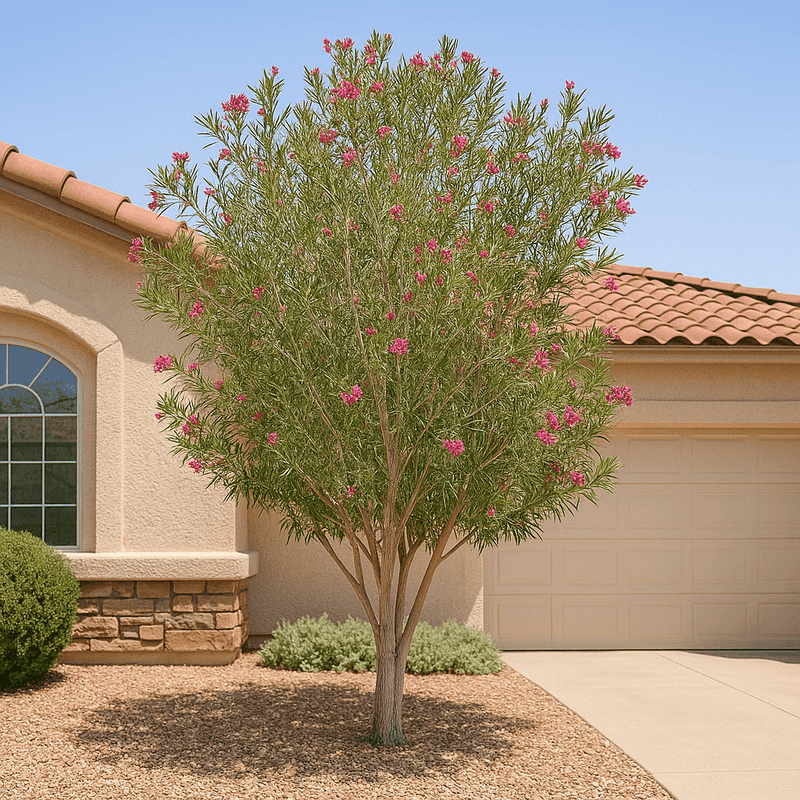
Despite the name, this tree is not a willow at all, since it belongs to the trumpet vine family. I love how its orchid-like flowers make visitors assume you planted something fussy and tropical.
Desert willow grows fast, usually reaching fifteen to thirty feet tall with an open, arching canopy. Narrow bright green leaves cast dappled shade, which feels lovely over a patio where full summer sun gets brutal.
Fragrant blossoms in white, pink, lavender, or burgundy appear mostly from May through September. Hummingbirds and bees visit constantly, and October often brings the final flowers before seed pods take over the branches.
Full sun and sandy or rocky soil suit it best, while heavy clay and standing water cause rot. New trees need weekly watering the first year, then deep soaks every couple of weeks once established.
Leaves drop in winter, letting warm sunlight reach your windows when you actually want it most. Prune in late winter to remove damaged wood, and avoid cutting more than one third of the canopy each year.
9. Globe Mallow
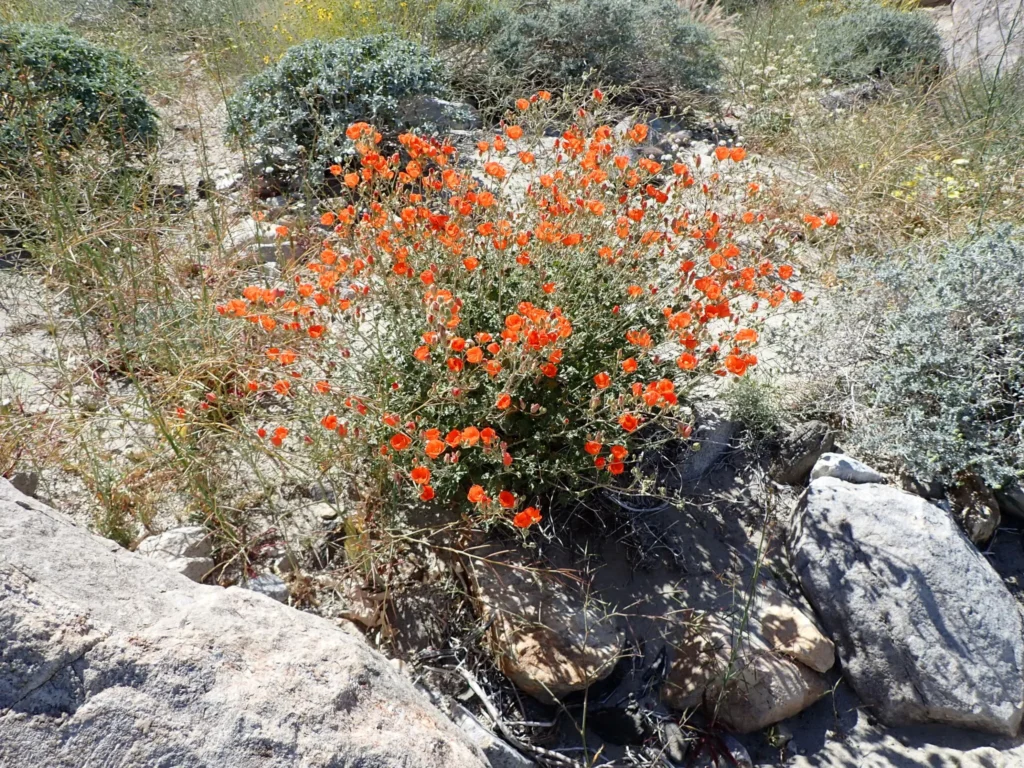
Old-timers nicknamed this plant sore-eye poppy, because tiny leaf hairs can irritate eyes after careless handling. You’re in for a big surprise once those apricot flowers open, since they glow brighter than traffic cones.
Globe mallow forms a loose mound of silvery leaves, usually one to four feet tall and wide. Cup-shaped blooms come in apricot, coral, red, lavender, or white, opening heavily in spring and returning sporadically into fall.
A specialist ground-nesting bee called Diadasia depends on this mallow, which makes every plant a small conservation win. Honey bees and butterflies stop by too, and several butterfly species use the leaves as larval food.
Plant it in lean, fast-draining soil with full sun, even beside hot walls that bake other shrubs. A deep drink every few weeks in summer encourages more flowers, though natural rain often keeps it going.
Cut it back hard to about a foot each year, either now in fall or later in winter. Expect plenty of seedlings, so pull extras early or share them with neighbors who want easy color.
10. Deer Grass
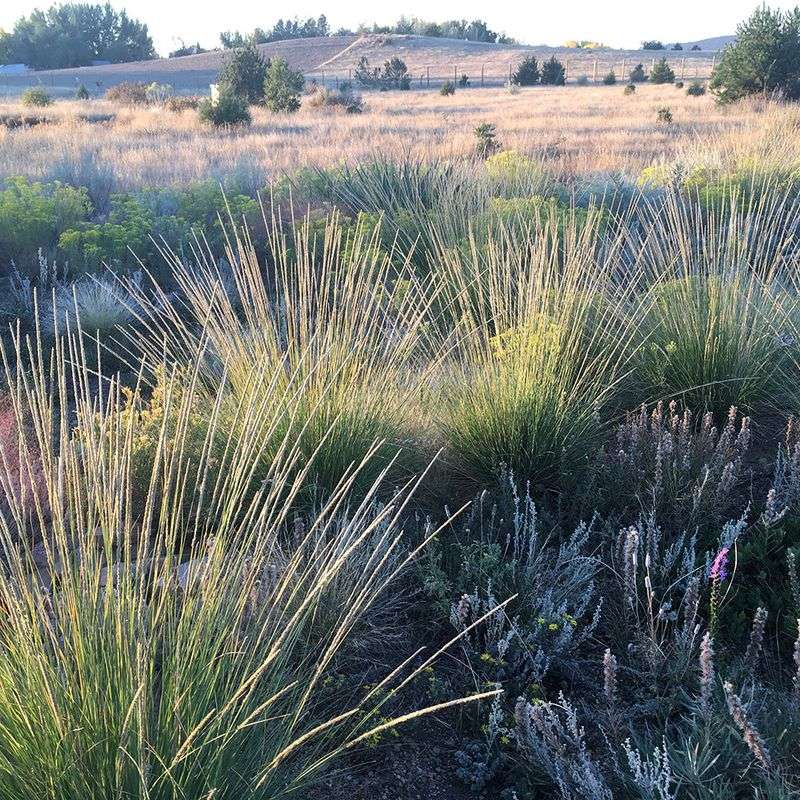
Deer often bed down on top of these mounds instead of eating them, which explains the funny name. I believe deer grass is the closest native match to that classic fountain shape homeowners keep wanting.
Clumps grow three to five feet tall and wider still, with fine gray-green blades that arch gracefully. Slender silvery flower spikes rise high above the foliage from midsummer into fall, swaying beautifully in October breezes.
Birds and small mammals eat the seeds, and native bees and birds use the dense foliage for shelter. Rabbits usually ignore it, so it stays looking tidy where other grasses get nibbled down to stubs.
Full sun is ideal, though light shade works, and it handles sandy, gravelly, or clay soil with decent drainage. Once established, deep and infrequent watering is enough, with occasional summer drinks keeping the color greener.
Cut it back to a few inches in late winter every year or two to clear old thatch. Unlike fountain grass, it rarely reseeds aggressively, so you get the look without worrying about it escaping your yard.