The Bougainvillea Mistake That Shows Up During Arizona Heat Waves
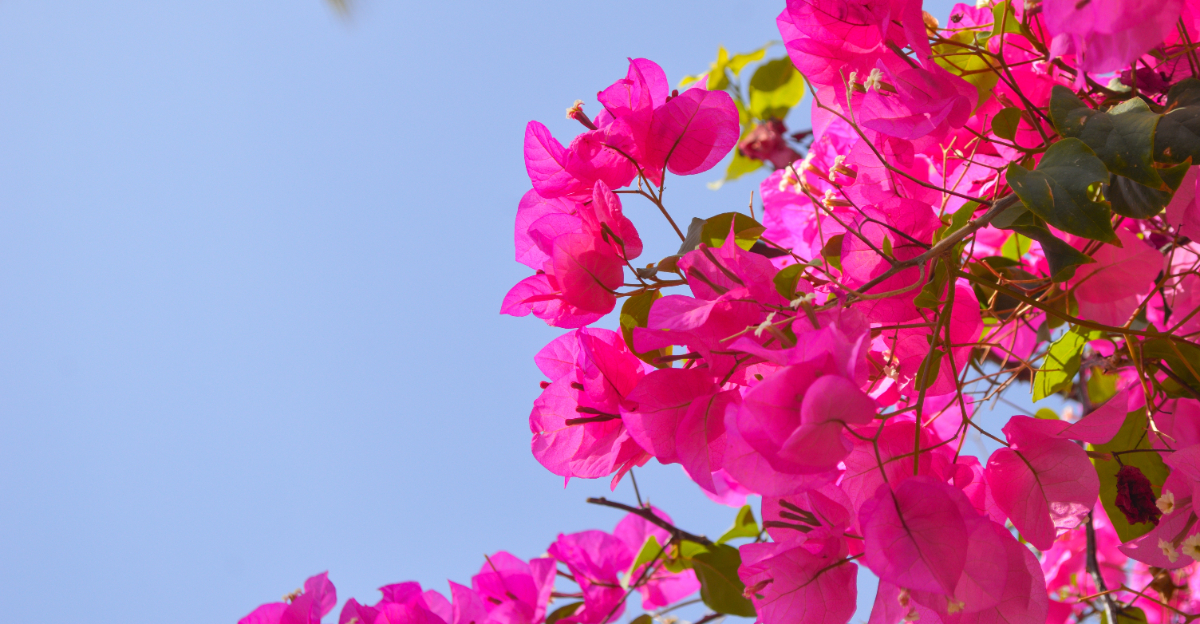
Bougainvillea usually looks tough enough to handle anything summer brings. Then a heat wave arrives, and small problems suddenly become much easier to notice.
Many homeowners assume extra heat calls for the same care they always provide. That approach can quietly create setbacks instead of helping the plant.
Stress does not always appear right away. Bougainvillea often takes time before showing that something is not quite right.
Arizona’s hottest weather has a way of exposing mistakes that stayed hidden before temperatures climbed. Paying attention now can make a noticeable difference through the rest of the season.
Your plant may already be giving you quiet warning signs.
Knowing what heat waves reveal can help you keep those bright blooms going instead of wondering why the plant suddenly looks different.
1. Too Much Water Can Damage Bougainvillea
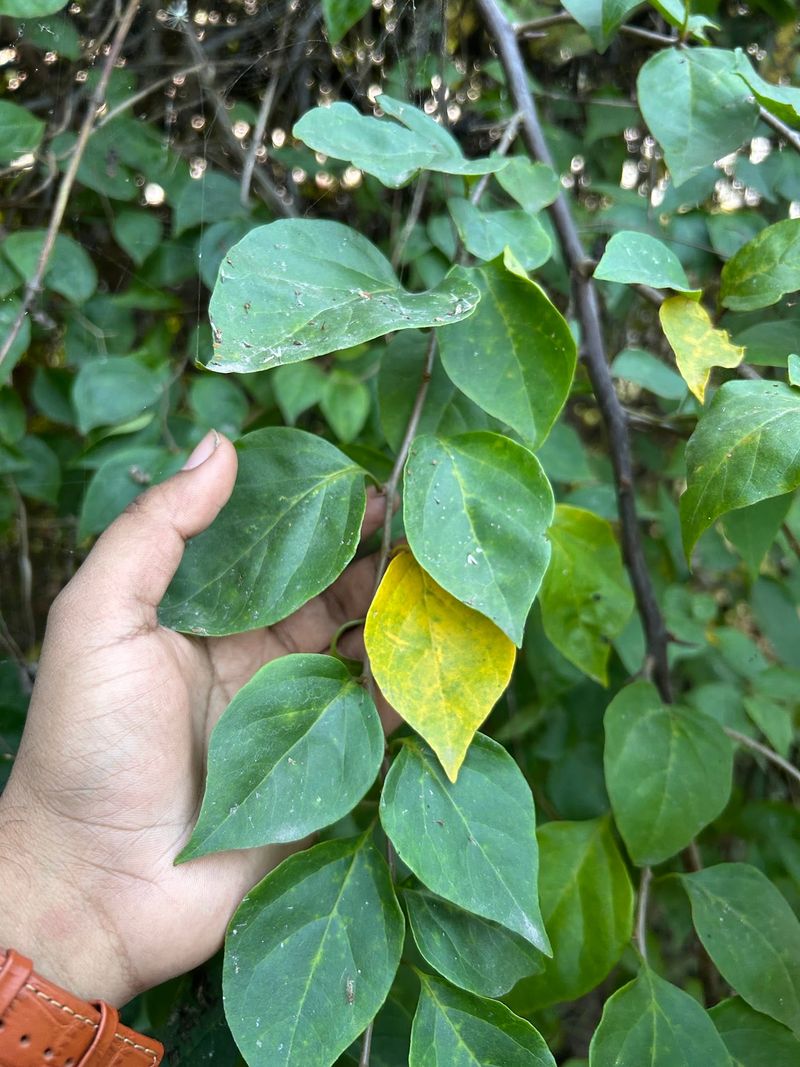
Overwatering is probably the most common mistake people make with bougainvillea, and it tends to get worse during heat waves. When temperatures spike, it feels natural to water more.
The problem is that bougainvillea actually prefers dry conditions between waterings. Wet roots sitting in saturated soil can develop root rot surprisingly fast in warm weather.
Yellow leaves are often the first sign something is off. Many gardeners assume yellowing means the plant needs more water, so they water again.
That cycle makes the problem worse, not better. Bougainvillea roots need oxygen, and soggy soil cuts off that supply.
A good rule of thumb is to let the top couple of inches of soil dry out before watering again. During peak summer heat, that might mean watering deeply every five to seven days, depending on your soil type and pot size.
Frequency matters less than technique.
Water slowly and deeply so moisture reaches the root zone. Shallow watering encourages surface roots, which are more vulnerable to heat stress.
Deep watering pushes roots downward where soil stays cooler.
Established bougainvillea plants in the ground can often go longer between waterings than newer transplants. Younger plants need a bit more attention until their roots spread out.
2. Well Drained Soil Helps Prevent Root Problems
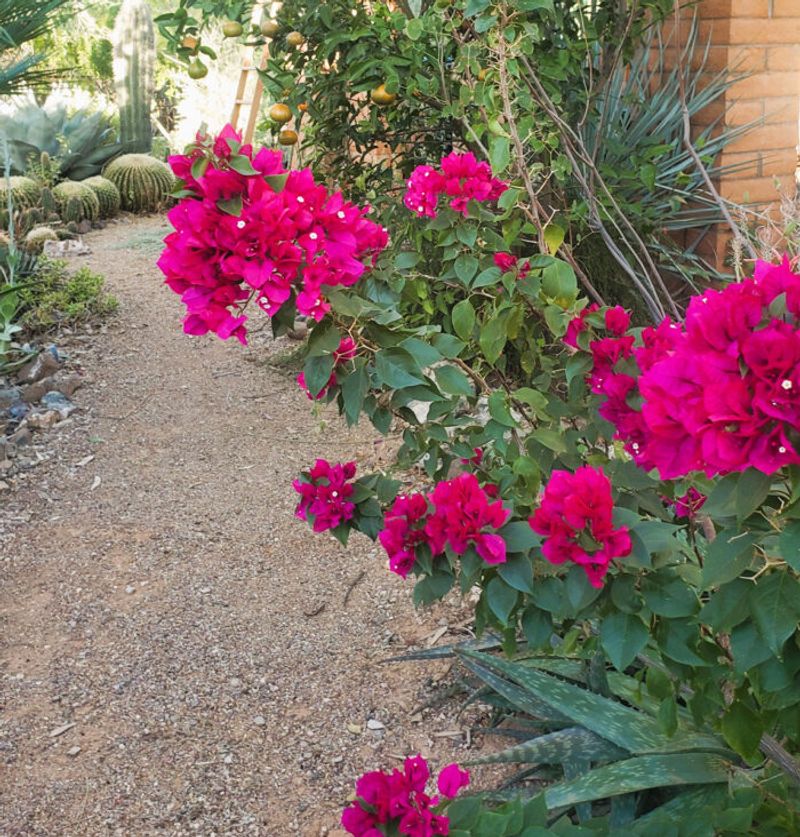
Soil quality matters more than most people realize when growing bougainvillea in extreme heat. Clay-heavy soil holds water too long and creates the soggy conditions that stress bougainvillea roots.
Sandy or loamy soil with good drainage lets excess water move through quickly, which is exactly what these plants prefer.
If your yard has dense, compacted soil, amending it before planting makes a noticeable difference. Mixing in coarse sand or perlite helps open up the structure so water drains faster.
Raised beds are another solid option for gardeners dealing with heavy native soil.
Poor drainage becomes especially problematic during monsoon season in the Southwest. Rain can dump an inch or more in a short period, and if water pools around the base of the plant, root stress can follow.
Slightly mounding the soil around planting areas helps direct water away from the crown.
Container gardeners should use a cactus or succulent potting mix rather than standard potting soil. Standard mixes retain moisture longer than bougainvillea typically needs.
Your Arizona Garden Changes Every Week. Your Plan Should Too.
Gardening in Arizona changes quickly throughout the season. Every Friday you’ll receive a simple weekly plan showing exactly what to plant, prune, fertilize, harvest, and protect so you never miss the right timing.
Adding extra perlite to container mix improves drainage even further.
Checking drainage before heat waves arrive is a smart move.
3. Full Sun Keeps Plants Blooming Their Best
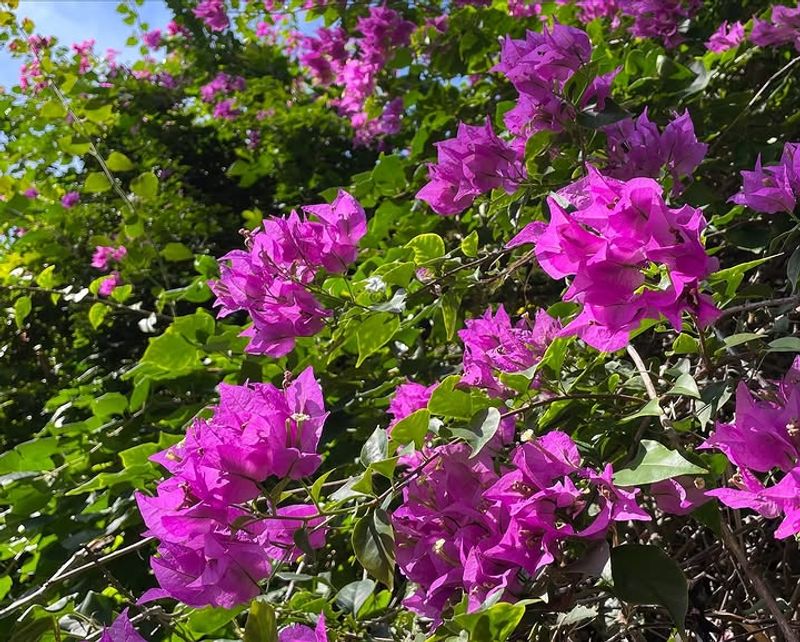
Bougainvillea is a sun-hungry plant. Put it in partial shade and you will likely get more leaves than blooms.
Full sun exposure, meaning at least six to eight hours of direct sunlight daily, is what triggers the best flower production. In hot desert climates, that kind of exposure is usually easy to achieve.
Some gardeners worry that intense afternoon sun will scorch their bougainvillea. In most cases, established plants handle full desert sun without much trouble.
Young or recently transplanted bougainvillea may show some stress during their first summer, but that typically evens out as roots settle in.
South and west-facing walls are popular spots for bougainvillea in the Southwest. Walls absorb heat during the day and radiate warmth at night, which can actually extend the blooming season.
Reflected heat from light-colored walls can get intense, but bougainvillea generally handles it well.
Moving a container plant to a shadier spot during a heat wave might seem helpful, but it can reduce blooming. Shade signals the plant to slow down flower production.
If the plant looks stressed in full sun, check watering and soil drainage first before changing its location.
Placement matters from the start. Picking a sunny, well-ventilated spot with good airflow reduces humidity around the foliage and lowers the chance of fungal issues during monsoon season.
4. Mulch Helps The Soil Hold Moisture Longer
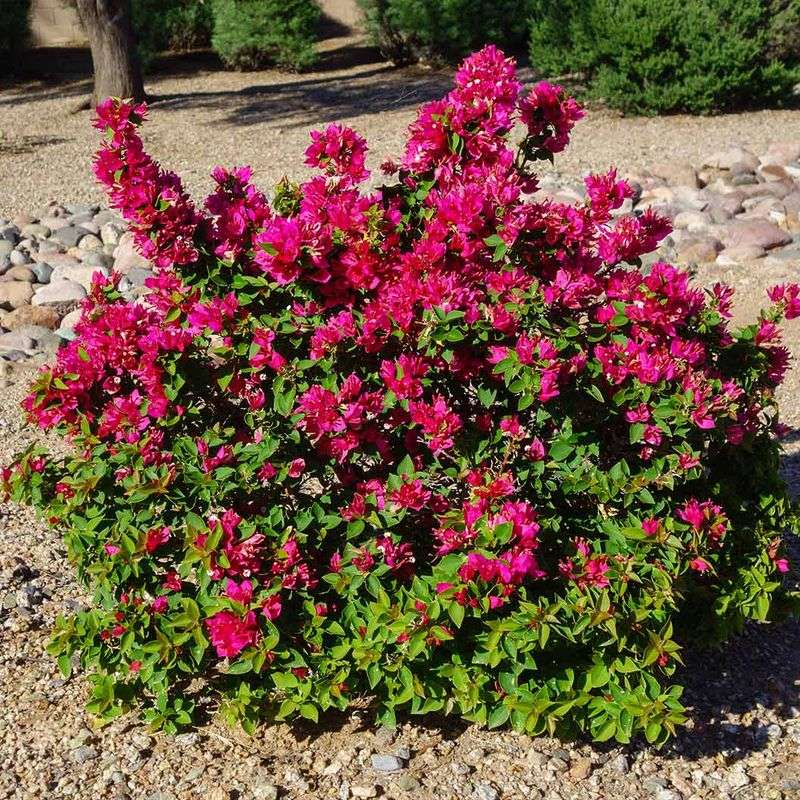
Bare soil in a desert garden heats up fast. On a 110-degree day, exposed ground can reach temperatures that stress shallow roots.
A layer of mulch acts as insulation, keeping the soil underneath noticeably cooler and slowing down moisture evaporation between waterings.
Organic mulches like wood chips or shredded bark work well, but they break down over time and need occasional replenishing. Inorganic options like decomposed granite or gravel are popular in desert landscaping because they last longer and still provide good ground cover.
Both types help moderate soil temperature.
Apply mulch two to three inches deep around the base of the plant. Keep it a few inches away from the main stem to prevent moisture from sitting directly against the bark.
Mulch piled against the stem can encourage rot in warm, humid conditions.
During a heat wave, mulched soil can stay several degrees cooler than bare soil nearby. That temperature difference is meaningful for root health.
Roots that stay cooler tend to function better and support the plant more effectively during stress periods.
Monsoon rains can scatter lightweight mulch, so checking coverage after heavy storms is a good habit. Topping off thin spots keeps protection consistent through the rest of summer.
5. Heavy Pruning Can Slow New Growth
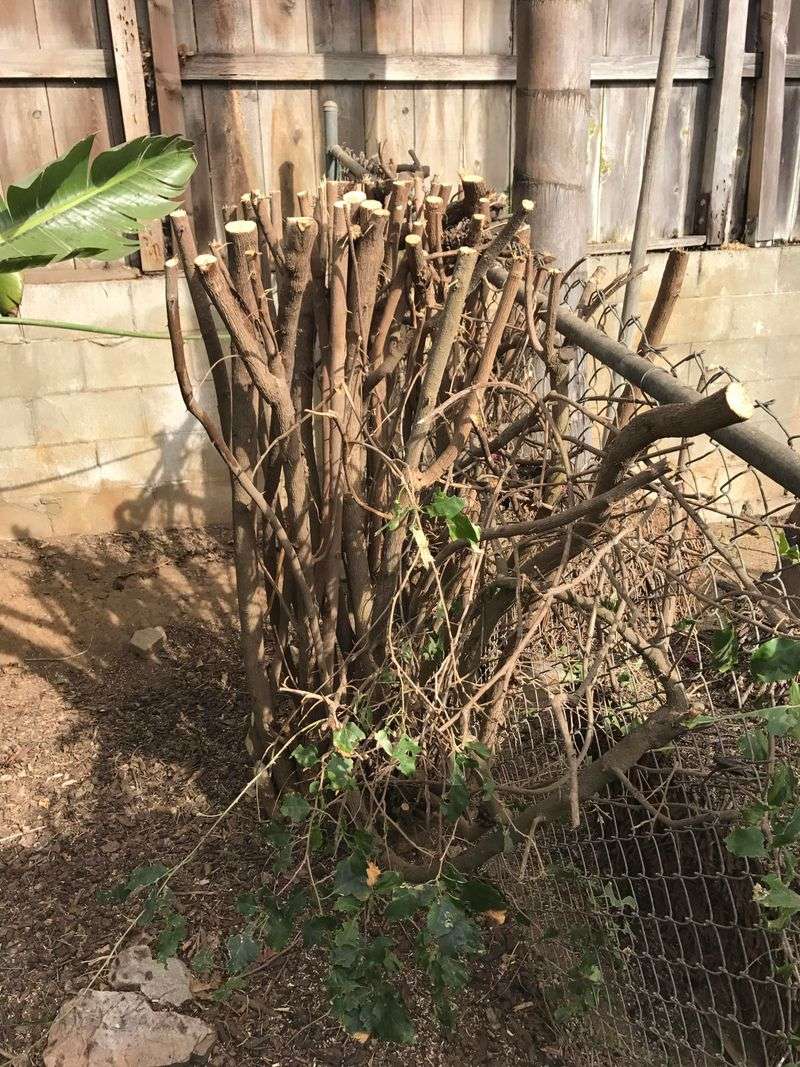
Timing matters a lot when it comes to pruning bougainvillea. Cutting back heavily right before or during a heat wave puts the plant in a tough spot.
Pruning triggers new growth, and fresh new shoots are far more vulnerable to heat stress than established branches. Bad timing can set the plant back for weeks.
Late winter or early spring is generally the better window for major pruning. At that point, temperatures are mild and the plant has time to push out new growth before summer heat arrives.
By the time a heat wave rolls in, those new branches have had weeks to harden off.
Light trimming to remove spent blooms or crossed branches is fine during summer. Aggressive shaping or cutting back large sections is riskier when temperatures are extreme.
The plant is already working hard just to manage heat, and heavy pruning adds another layer of stress.
Sharp, clean tools make a real difference when pruning. Ragged cuts take longer to heal and can invite pests or disease.
Wiping blades with a damp cloth between plants is a simple habit that reduces the chance of spreading problems.
Bougainvillea blooms on new growth, so pruning does encourage future flowering. Getting the timing right means you get the blooming benefit without exposing the plant to unnecessary stress during the hottest part of the year.
6. Container Plants Dry Out Faster Than Garden Plants
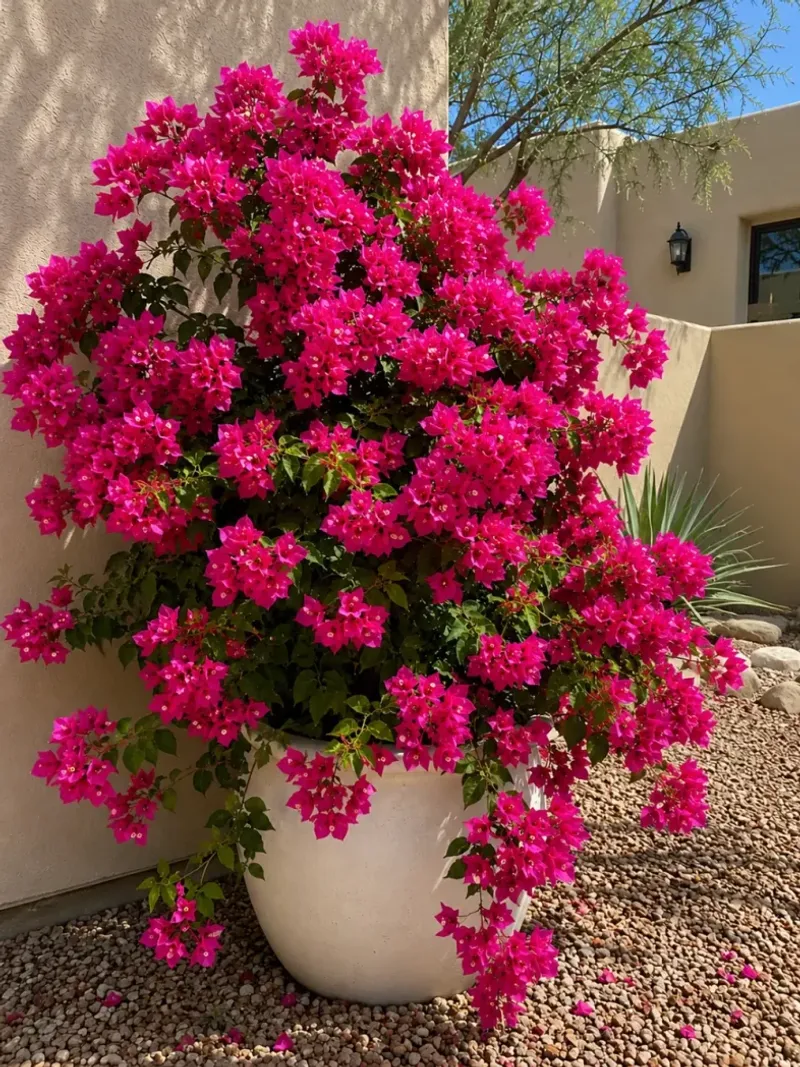
Container bougainvillea faces a different challenge than plants growing in the ground. Pots heat up quickly in direct sun, and that warmth accelerates moisture loss.
Roots in a container have a limited soil volume to draw from, so drying out happens faster than most people expect during a heat wave.
Checking soil moisture daily during extreme heat is a reasonable habit for container gardeners. Stick a finger an inch or two into the soil.
If it feels dry at that depth, watering is probably needed. Waiting until the plant wilts before watering puts unnecessary stress on the roots.
Pot material affects how fast soil dries out. Terracotta pots are breathable and attractive, but they lose moisture through the walls faster than plastic or glazed ceramic containers.
During Arizona summers, switching to a less porous pot or double-potting can help retain moisture a bit longer between waterings.
Pot size matters too. Smaller containers dry out faster than larger ones.
A bigger pot holds more soil volume, which buffers against rapid temperature swings and moisture loss. Moving up one pot size can reduce how often you need to water.
Placing containers in a spot that gets morning sun but some afternoon shade can help reduce heat stress on the pot and roots without sacrificing too much blooming.
7. Healthy Roots Help Plants Handle Extreme Heat
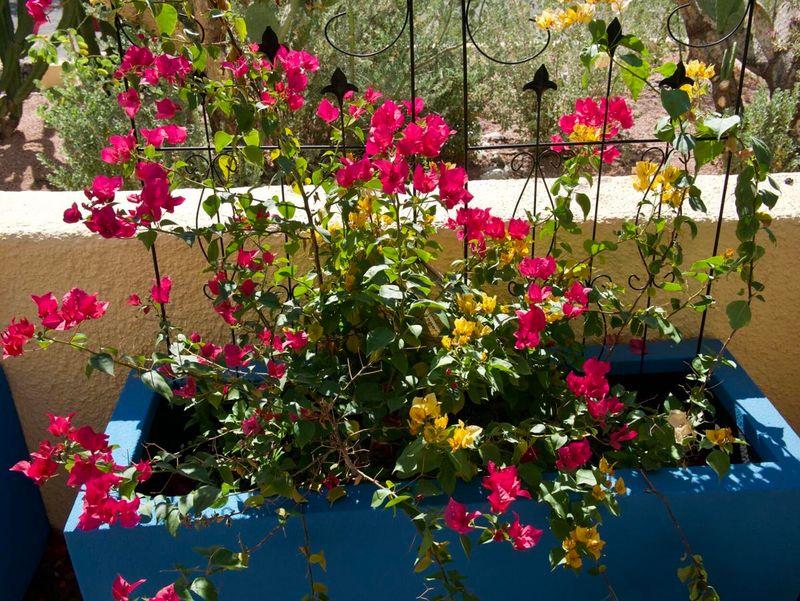
Root health is the foundation of how well bougainvillea handles summer stress. A plant with a deep, well-established root system can access moisture and nutrients from a larger area of soil.
Shallow or damaged roots limit what the plant can pull in, and that shows up fast when temperatures climb.
Bougainvillea planted in the ground for at least one full season tends to handle heat better than newly planted specimens. Established roots reach deeper into cooler soil layers, which helps buffer against surface temperature extremes.
Newer plants need more careful monitoring during their first summer.
Avoiding root disturbance during the growing season is a smart practice. Digging near the base of the plant, planting nearby, or aggressive cultivation can nick or break roots that are actively supporting the plant.
Damaged roots reduce the plant’s ability to take up water when it needs it most.
Fertilizing heavily during a heat wave can push root stress further. High-nitrogen fertilizers encourage rapid leafy growth, which increases the plant’s water demand at a time when roots may already be working at capacity.
Holding off on heavy feeding until temperatures ease is generally a safer approach.
Healthy roots also come from consistent care over time.
Steady watering habits, good drainage, and appropriate soil conditions through spring set up the root system to perform well when summer heat peaks.