The Final Leaf Cleanup That Decides How Your Ohio Lawn Greens Up by Spring
Grass blades keep making food under a sunny November sky, long after the maples go bare. Ohio State turf experts say cool-season lawns store energy right up until the ground freezes.
That means the last few weeks of fall are secretly some of the busiest for your yard. I love that the quiet season hides so much work below the surface.
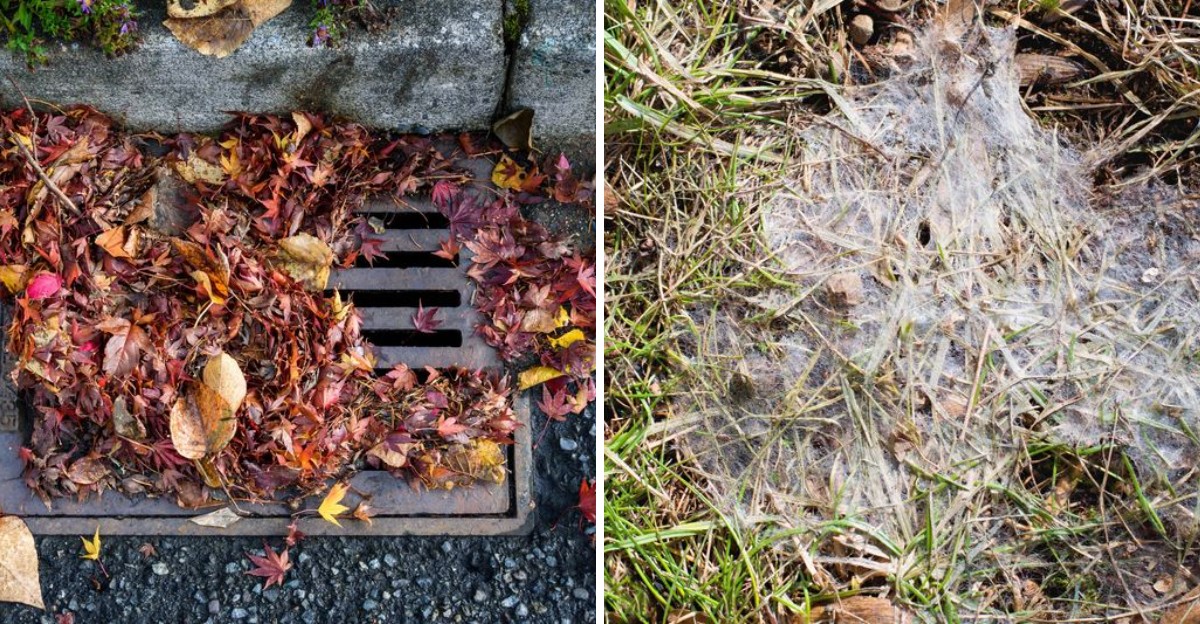
Personally, I learned this lesson the hard way. One spring, my front lawn showed odd gray circles and thin, flat patches right where a soggy pile had sat all winter.
You’re in for a surprise if you think the grass simply sleeps through the cold months.
The good part is that one small chore, done at the right moment, can change everything. Which corner of your yard is still hiding under a damp, brown blanket right now?
1. A Soggy Mat of Fallen Leaves Hides More Than Grass
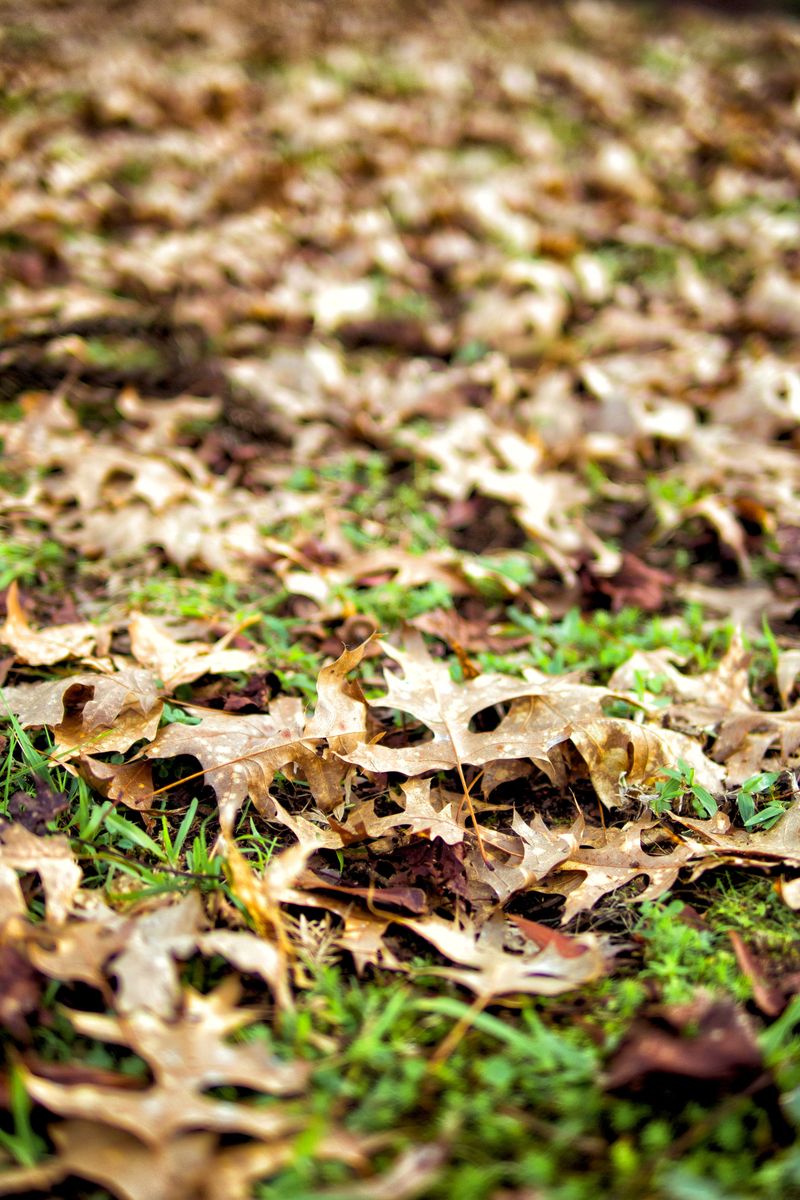
Lift a corner of a wet leaf pile in late November and you will often find pale, yellow grass underneath. That color change tells a quick story about light.
Cool-season grasses like Kentucky bluegrass, tall fescue, and perennial ryegrass cover most Ohio lawns. They keep growing roots and storing carbohydrates in fall, often until the soil freezes.
Those stored sugars fuel the first burst of green in spring.
A thick leaf layer blocks sunlight, so the blades cannot make food. Rain and snow press the leaves into a tight mat that also traps moisture and slows airflow.
The grass below weakens, and some spots thin out by March.
A light scatter of leaves is rarely a problem. The trouble comes when you cannot see grass blades through the cover.
A simple test works well here.
Walk your yard and look straight down. If more than about half of the turf is hidden, it is time to act before winter settles in.
Shady spots under big oaks and maples usually need the most attention. Those areas already get less light, so a leaf blanket hits them twice as hard.
Give them first priority on cleanup day.
2. Mulching Leaves With Your Lawn Mower Feeds the Grass
Your lawn mower might be the best leaf tool you already own. Research from Michigan State University and other turf programs shows shredded leaves can stay on the lawn without harming it.
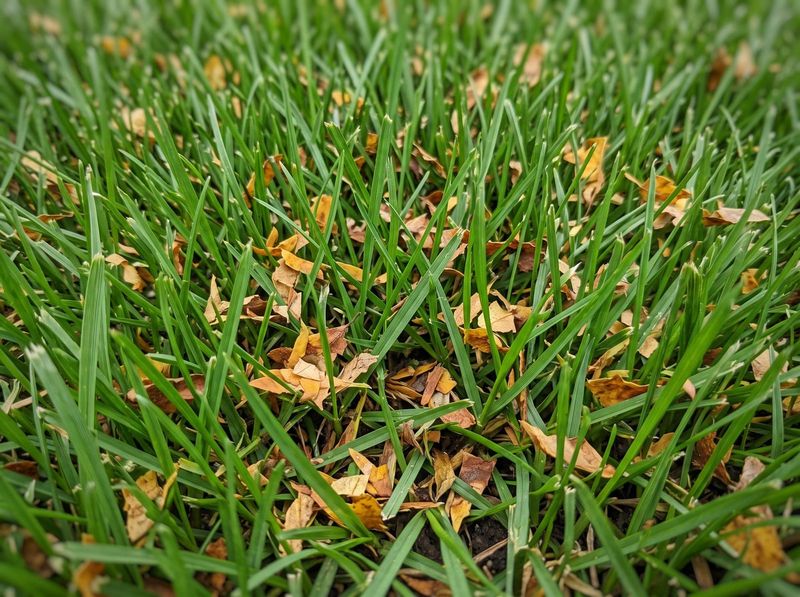
The trick is cutting them into small, dime-sized pieces. Run the mower over dry leaves once or twice until the bits slip down between the grass blades.
Many people find a mulching blade helps, though a regular blade often works fine.
Those tiny pieces break down over winter and early spring. Earthworms and soil microbes pull them into the ground, adding organic matter.
That slowly improves the heavy clay soil common across much of the state.
Leaves do hold small amounts of nutrients, but they are not a full replacement for fertilizer. Think of them as a soil builder more than a food source.
The real win is better soil structure over time.
Mow when the leaves are dry and crunchy. Wet leaves clump, clog the deck, and leave messy piles behind.
A sunny afternoon after a breezy day is usually the sweet spot.
When you finish, you should clearly see green grass through the shredded bits. If you can, you nailed it.
3. Late Oak Leaves Mean Your Last Pass Comes Later
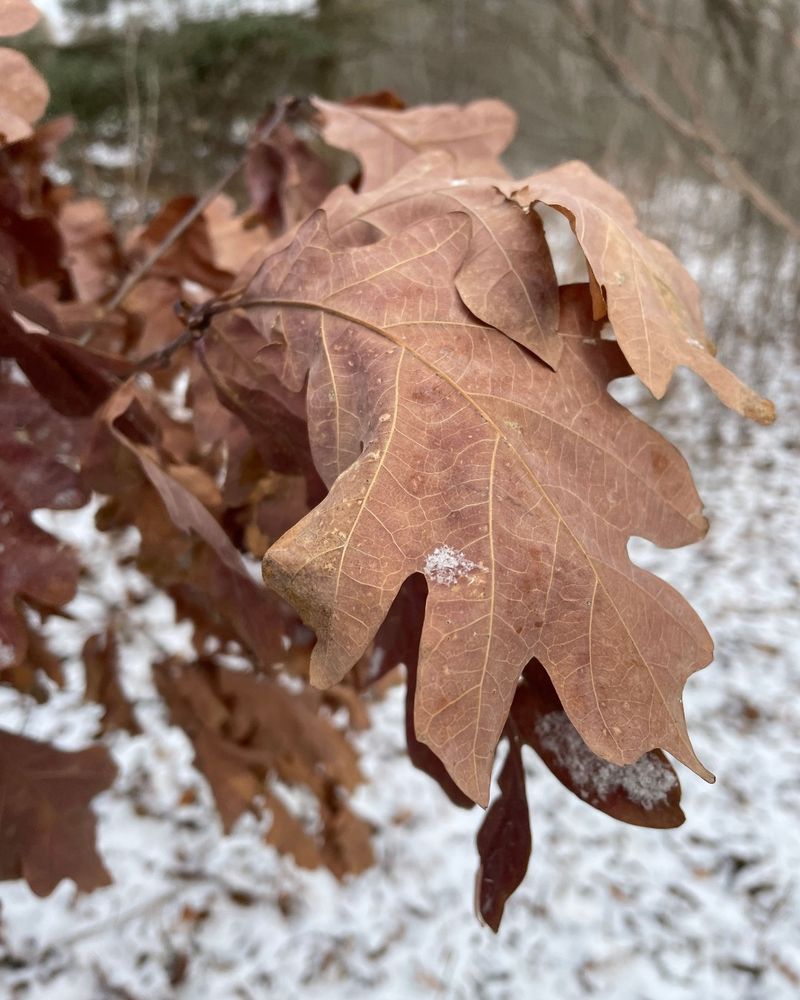
Oaks are the stubborn guests at the autumn party. Pin oaks and some beeches hang onto brown leaves well into December, long after maples finish.
That habit changes your timing. A single cleanup in October often leaves you with a fresh layer by Thanksgiving.
Most Ohio yards with mixed trees do better with two or three passes.
Aim to mulch or rake every week or two while leaves are dropping. Then plan a final pass after most trees are bare but before lasting snow arrives.
In northern Ohio, near Lake Erie, that window can close earlier because lake-effect snow often starts sooner.
Southern Ohio usually gives you a bit more time. Late November into early December often still works there.
Watch the forecast instead of the calendar.
Keep mowing at your normal height until the grass stops growing. Your last mow can be slightly lower, around 2.5 to 3 inches, which helps reduce matting.
Scalping the lawn short is not needed and can stress it.
If a few leaves still blow in after the snow starts, relax. A light sprinkle over winter will not undo your work.
4. Gray and Pink Snow Mold Patches Love Matted Leaves
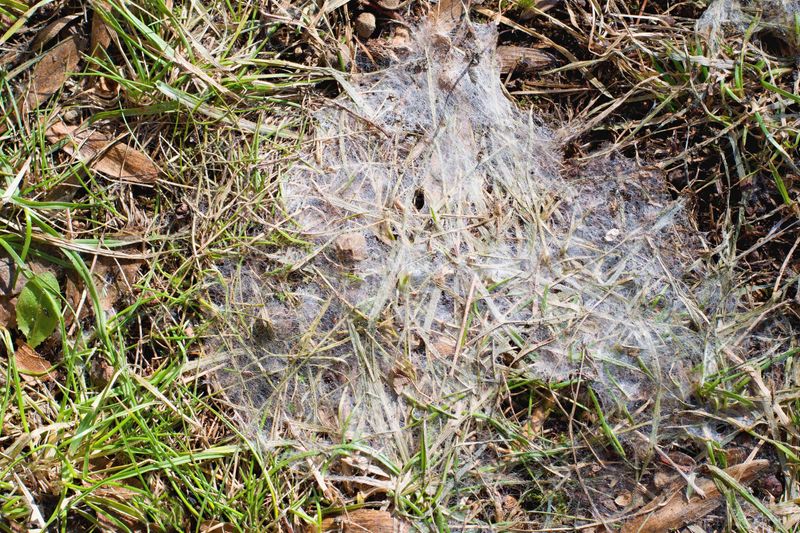
Snowmelt in March sometimes reveals strange circles on the lawn. They look gray or pinkish, with blades stuck together like wet cotton.
Those circles are snow mold, a group of fungal diseases. Gray snow mold usually forms under long-lasting snow on unfrozen ground.
Pink snow mold, also called Microdochium patch, can show up with or without snow during cool, wet weather.
Both thrive in damp, matted spots with little airflow. Thick leaf piles and long, floppy grass give the fungi exactly what they want.
Clearing leaves and keeping the final mow tidy lowers that risk.
Most gray snow mold is cosmetic. Grass often recovers on its own once things dry out.
Pink snow mold can be tougher because it sometimes reaches the crowns.
If you spot patches in spring, gently rake the matted areas. That lets air and sunlight dry the blades.
Ohio State University Extension notes fungicides are rarely needed on home lawns.
Skip heavy nitrogen feeding in late fall when snow mold has been a problem. Lush, tender growth going into winter is more likely to get hit.
A balanced approach keeps the grass strong without feeding the fungus.
5. Too Many Leaves for the Mower Need a Rake or Bagger
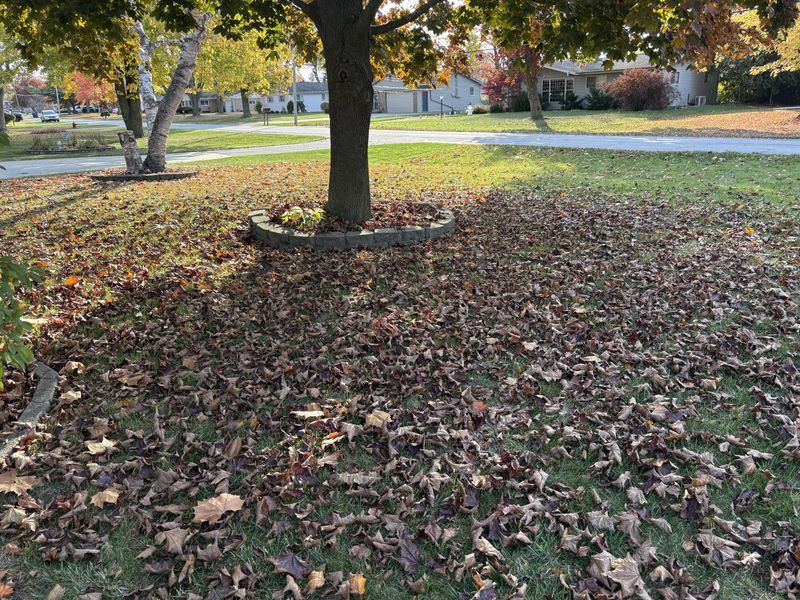
Some yards simply get buried. A row of huge silver maples can drop more leaves than any mower can handle in one go.
Here is a quick rule. After mulching, if you still cannot see grass through the shredded layer, there is too much.
Rake or bag part of it and leave a thin coating behind.
A bag attachment saves time because it shreds and collects at once. Those chopped leaves also take up far less space than whole ones.
Many gardeners use the bagged bits right away in beds.
A tarp makes raking easier on your back. Pull leaves onto it, then drag the whole load where you need it.
Kids tend to love helping with this part.
Leaf blowers help in corners and along fences. Try to use them on dry days, since wet leaves are heavy and slow to move.
Many towns also have noise rules, so check yours.
Clean leaves from window wells and around shrubs too. Piles against your foundation can hold moisture and give mice a cozy spot.
A quick sweep there takes only minutes.
6. Spotted or Diseased Tree Leaves Belong Off the Lawn
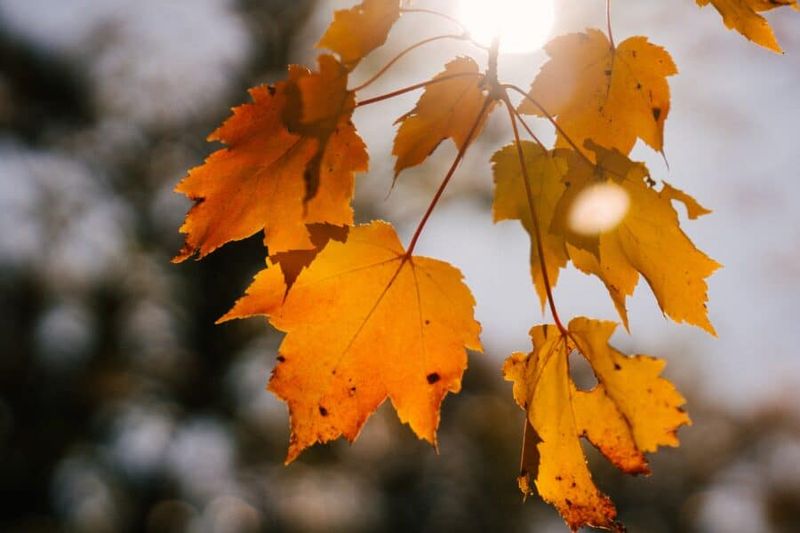
Black blotches on maple leaves look like someone flicked tar across them. That is tar spot, a common fungal problem on Ohio maples.
Tar spot and similar leaf diseases, like apple scab on crabapples, can overwinter on fallen leaves. In spring, the fungus releases spores that reinfect new foliage.
Removing those leaves lowers the amount of spores waiting around.
Extension specialists note these diseases are mostly cosmetic for the tree. Still, cleaning up infected leaves is an easy, low-cost step.
It helps your trees look better next summer.
Mulching infected leaves into the lawn will not harm the grass. Leaf diseases on trees do not usually spread to turf.
The concern is only for the tree above.
For the best results, rake spotted leaves away from the tree and send them to yard waste collection. A hot compost pile can also handle them if it heats up well.
Cool, slow piles may not break down the fungus fully.
Keep a quick note on which trees showed spots this year. Then you know exactly where to focus your cleanup next fall.
7. Piles of Bagged Leaves Make Free Compost and Garden Mulch
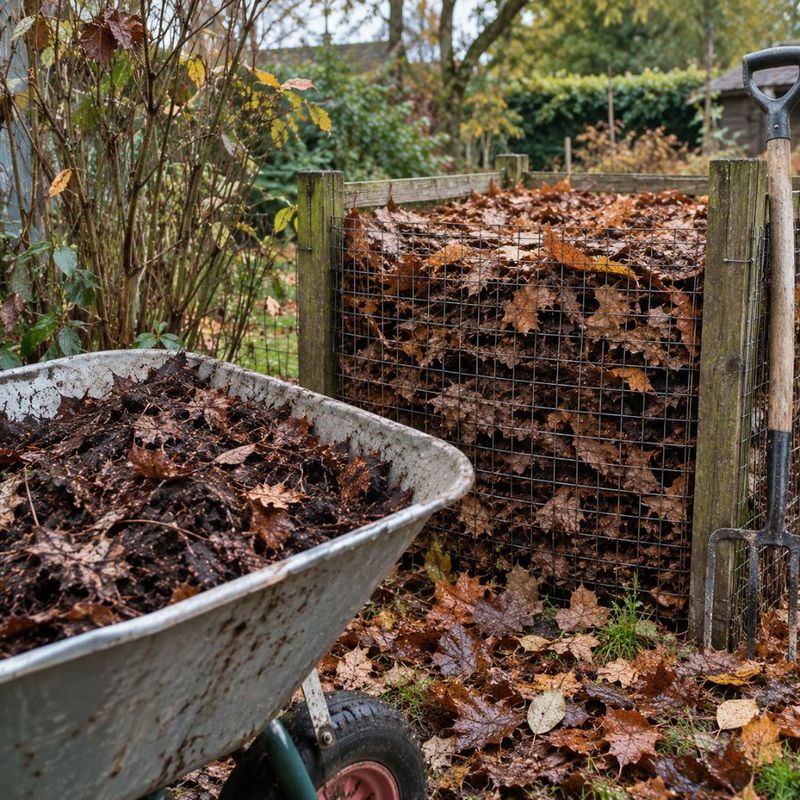
Gardeners sometimes call leaves brown gold, and the nickname fits. Every bag you collect holds free soil food for next year.
Shredded leaves make a great carbon source for compost. Mix them with green materials like kitchen scraps or coffee grounds.
Turn the pile now and then, and keep it about as damp as a wrung-out sponge.
You can also spread chopped leaves two or three inches deep over vegetable and flower beds. They protect the soil from winter erosion.
By spring, worms will have pulled a lot of them down.
Leaf mold is another easy option. Pile wet leaves in a wire ring or a corner and leave them alone for a year or two.
The result is a dark, crumbly material that holds moisture beautifully.
Whole, unshredded leaves can mat on beds just like on lawns. Chopping them first helps water and air pass through.
Your mower handles this job quickly.
Keep a few bags stored behind the shed. Come summer, they are perfect for mixing with grass clippings.
That balance keeps compost from turning slimy and smelly.
8. Keep Leaves Out of the Street and Storm Drains
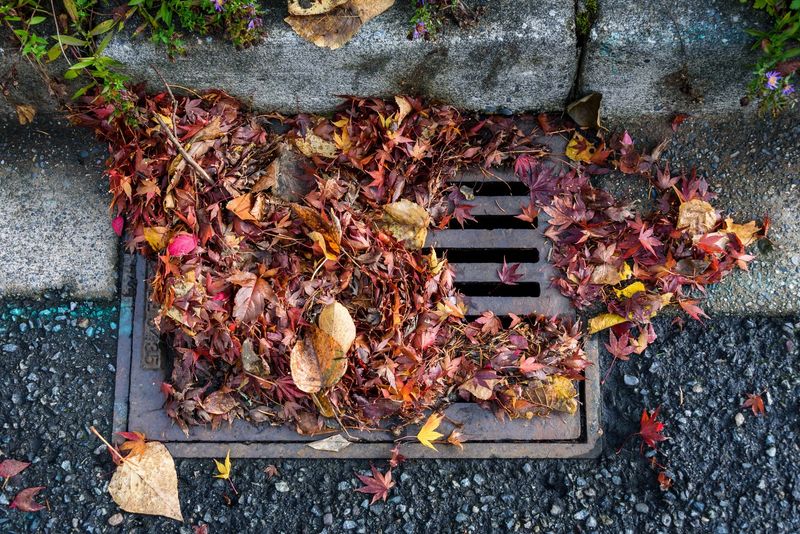
Raking leaves into the gutter feels easy, but the street is not a trash can. Rain washes those leaves straight into storm drains.
Clogged drains can cause local flooding on your block. Leaves that reach creeks and lakes also release phosphorus as they break down.
That extra nutrient feeds algae in places like Lake Erie.
Ohio restricts yard waste in landfills, so many cities run curbside programs instead. Some collect loose leaves with vacuum trucks, while others require paper yard waste bags.
Rules and dates vary a lot, so check your city or township website.
Many communities also run free drop-off sites. Some even give finished compost back to residents in spring.
It is a nice full-circle moment for your leaves.
Burning leaves is restricted in much of Ohio, especially in towns and cities. The smoke irritates lungs and bothers neighbors.
Mulching or composting is a far friendlier choice.
If a storm drain near your house fills with leaves, clear it with a rake when it is safe. That small habit helps your whole street.
Finish strong, and your lawn will thank you with a deep green start next spring.