Golden Berry Clusters On Louisiana Roadsides Look Like Marbles, But Pets Should Skip Them
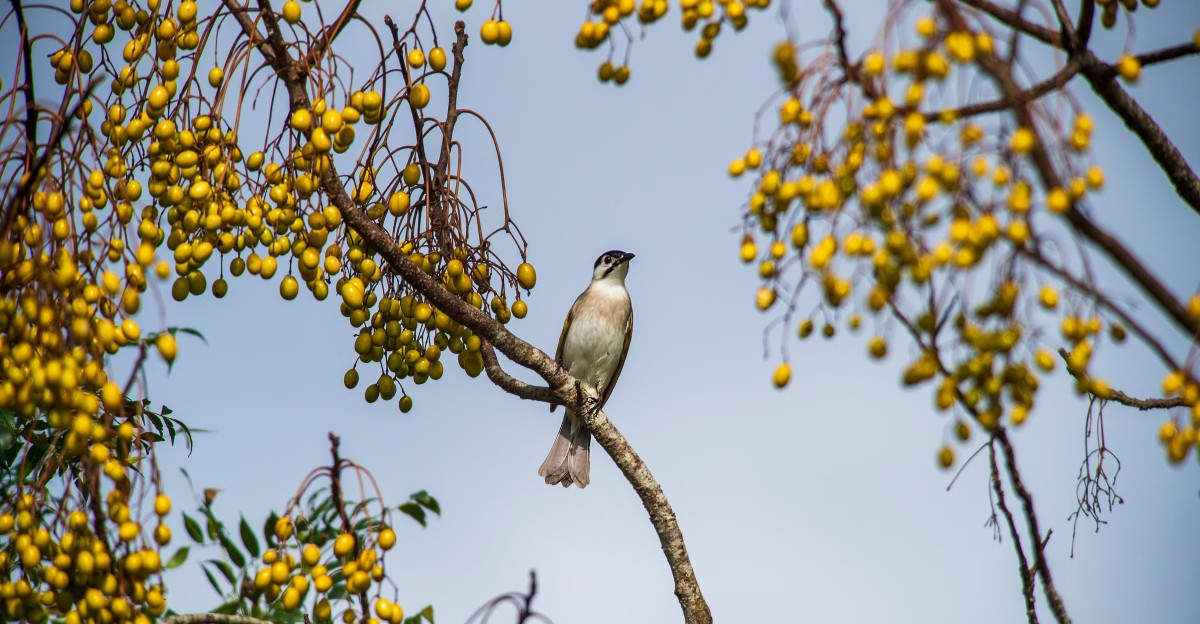
Robins have been seen staggering after gorging on a certain roadside fruit. That wobbly bird parade is real, and the culprit grows along ditches and fence lines all over Louisiana.
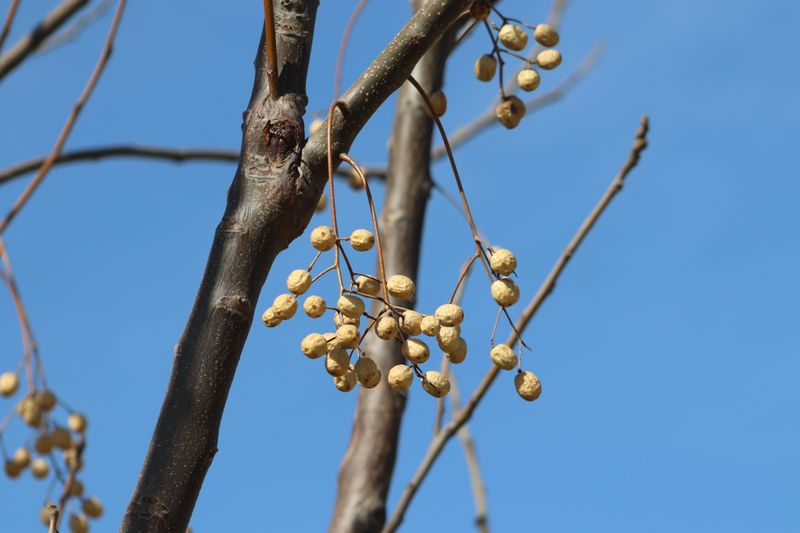
The fruit hangs in loose clusters that start green and fade to a soft, wrinkled gold. Each one is about the size of a playground marble.
Branches stay loaded long after the leaves drop, so the clusters stand out against bare winter limbs across Louisiana.
I walked my dog past one of these trees for years before I learned what those golden beads were. Turns out they are toxic fruits a curious pet should never pick up. A few fallen berries on the sidewalk looked harmless to me.
You might have one shading your mailbox right now. Those golden marbles are no toy, and vets advise keeping your dog well away from them.
Those Golden Marbles Belong to a Roadside Tree With a Long Southern Backstory
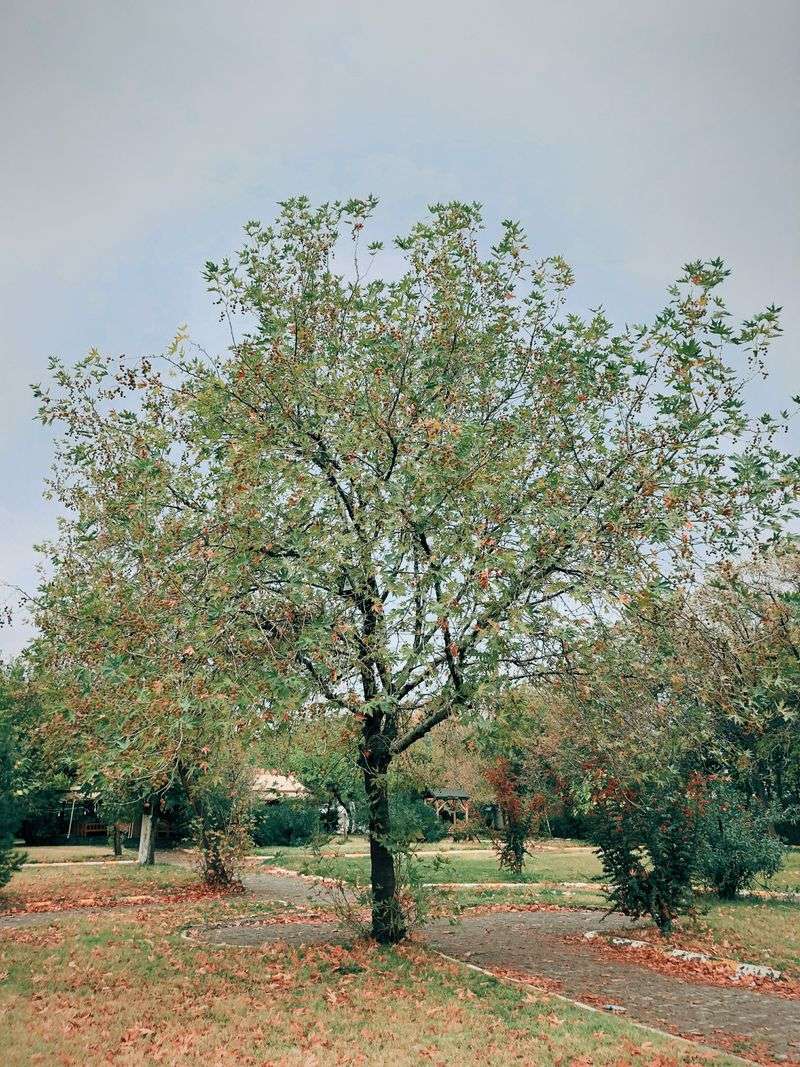
Meet the culprit by name: chinaberry, or Melia azedarach. Folks also call it pride of India, bead tree, or umbrella tree.
It arrived in the Southeast around the 1830s as a fast shade tree for Louisiana farmhouses and yards.
Spotting one is easy once you know the clues. The leaves are long and feathery, split into many small, toothed leaflets.
In spring, the tree puts out sweet-smelling clusters of lavender flowers that many Louisiana families remember from childhood.
The fruit is the real giveaway. Round berries about half an inch wide form in late summer, turn from green to tan or pale gold, and wrinkle as they age. They cling to the branches through fall and winter, dangling like strings of tiny marbles.
Inside each berry sits a hard, ridged stone. Kids once strung those stones into necklaces, which is how the bead tree nickname stuck.
Today, chinaberry grows in pastures, vacant lots, fence rows, and highway edges across much of Louisiana. Botanists list it as an invasive plant in the Southeast.
That old-fashioned charm hides a tree that spreads quickly and causes real trouble for pets and native plants alike.
Chinaberry Fruit Packs Toxins That Can Make Dogs and Cats Sick
Veterinary toxicology sources agree on one thing. The fruit is the most poisonous part of the chinaberry tree, though the bark, leaves, and flowers carry toxins too.
The trouble comes from compounds called meliatoxins, a group of bitter chemicals that irritate the gut and affect the nervous system. The ASPCA lists chinaberry as toxic to dogs, cats, and horses.
Pigs have had serious poisonings, and livestock owners in the South have known about the risk for generations.
How many berries cause problems? The answer varies with the size of the animal, how ripe the fruit is, and even the individual tree.
A small dog that crunches a handful is at much higher risk than a large dog that mouths one and spits it out.
My rule is simple. If a pet eats any amount, I treat it as a reason to call for advice instead of waiting to see what happens.
Keep two numbers in your phone. The ASPCA Animal Poison Control Center is 888-426-4435, and the Pet Poison Helpline is 855-764-7661. Both charge a fee, but they can tell your vet exactly what to watch for.
Watch for Vomiting, Drooling, and Wobbly Legs After a Pet Eats the Berries

Symptoms usually show up within a few hours of a berry snack. Stomach upset comes first in most cases.
You may see vomiting, diarrhea, heavy drooling, or a pet that suddenly refuses food. Some dogs act restless or seem to have belly pain, curling up or pacing instead of settling down.
More serious cases move into nervous system signs. Watch for weakness, stumbling, trembling, a dazed look, or trouble standing.
Seizures and breathing changes have been reported in severe poisonings, which is why fast action matters.
Cats are pickier eaters, so they rarely munch the fruit. Still, a playful kitten batting a rolling berry across the patio could end up chewing it.
If you suspect your pet ate chinaberries, collect a few berries or a photo of the tree. That helps the vet confirm the plant quickly. Do not try to make your pet vomit at home unless a vet or poison line tells you to.
Treatment often includes decontamination, fluids, and medicine to settle the stomach or calm tremors. Many pets recover well with prompt care, so a quick phone call beats a long night of worrying.
Fallen Chinaberries Pile Up Under Trees Through Fall and Winter
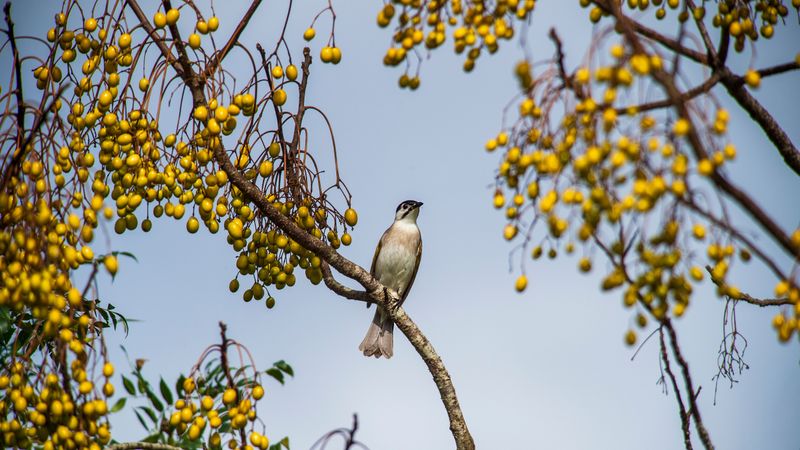
Late fall is when chinaberry gets sneaky. The leaves turn yellow and drop, but the fruit hangs on and slowly rains down for months.
In much of Louisiana, that means golden berries scattered across lawns, driveways, ditches, and dog parks from roughly October into early spring. The exact timing shifts a bit between the cooler northern parishes and the milder coast, but winter is peak season for fallen fruit.
Wrinkled, softened berries roll easily, and that makes them tempting toys for puppies. A dog that loves chasing acorns may treat chinaberries the same way.
A few easy habits help a lot. Rake or sweep under any chinaberry near your yard every week or two during fruit drop, and bag the berries for the trash instead of the compost pile.
On walks, keep your dog on a shorter leash when you pass roadside trees. Teaching a solid leave it command pays off here, and a pocket full of treats makes practice more fun.
Horse owners should check paddock fences too. Fruit falling over a fence line can land right where grazing animals nose around for something new to nibble.
Chinese Tallow Popcorn Seeds Are a Different Roadside Lookalike
Plenty of people mix up chinaberry with another roadside troublemaker. Chinese tallow, often called the popcorn tree, grows in nearly every parish and also drapes ditches with clusters of fruit.
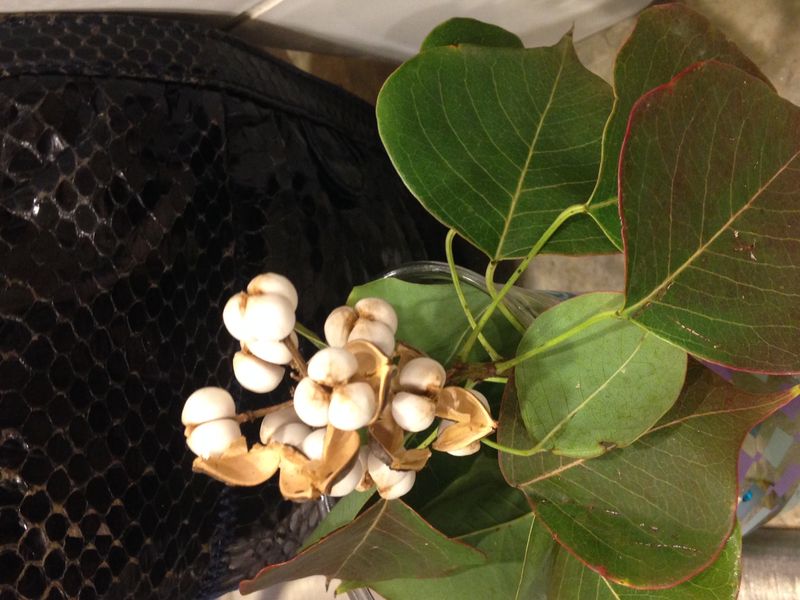
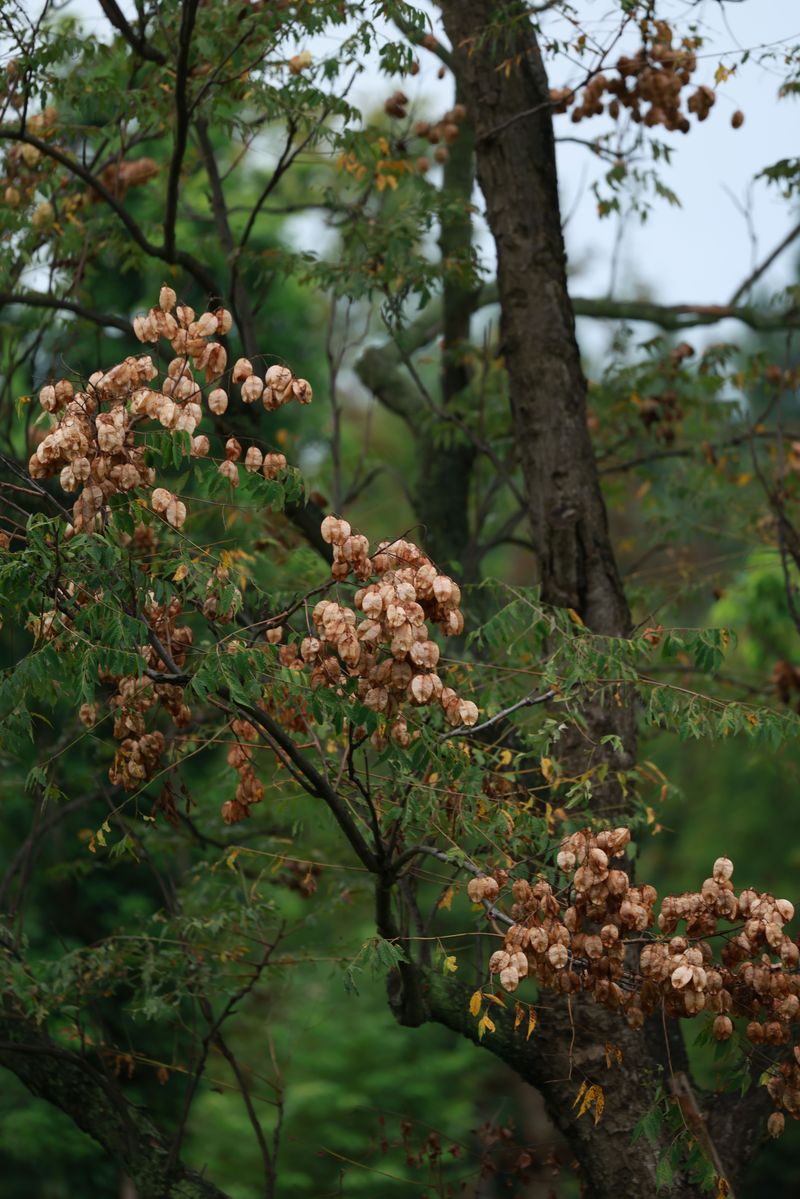
The difference shows up close. Tallow fruit starts as green, three-lobed capsules that turn dark brown and split open in fall.
Inside are three bright white, waxy seeds that look like popped corn, not soft golden berries.
Tallow leaves give another clue. They are simple and roughly diamond shaped with a pointed tip, and they turn brilliant red, orange, and purple in autumn. Break a twig and you will see milky sap.
Chinaberry, by comparison, has feathery compound leaves and smooth round fruit with no white wax.
Here is the part that matters for pet owners. Both trees are considered toxic, and both are invasive.
Tallow sap and seeds can cause vomiting and diarrhea in dogs, cats, and horses, and the sap may irritate skin.
So even if you mix them up, the advice stays the same. Keep pets away from the fruit, wash your hands after handling either tree, and consider both of them unwelcome in the yard.
Hungry Birds Spread Chinaberry Seeds Far Beyond the Roadside Ditch
Ever wonder how a chinaberry pops up in the middle of your flower bed? Look up at the power lines.
Robins, cedar waxwings, starlings, and other birds gobble the fruit in winter when food runs low. They digest the pulp and drop the hard seeds wherever they perch next, often along fences, wires, and wooded edges.
Birds can handle chinaberry far better than mammals, but they are not fully immune. Wildlife watchers have described robins acting sluggish or clumsy after a big feast. That odd behavior is part of why the tree earned so much attention in Southern folklore.
Seeds also wash downstream after heavy rains and sprout along creek banks. A single mature tree can produce thousands of fruits each year, so one roadside specimen can seed a whole neighborhood.
The LSU AgCenter and other Southern extension programs point out that chinaberry crowds out native trees and shrubs that local wildlife depend on. Thick stands shade the ground and leave little room for oaks, hollies, and other natives to get started.
In other words, the berries your dog should skip are also quietly reshaping the landscape around your home.
Pulling Chinaberry Seedlings Early Saves You a Big Headache Later
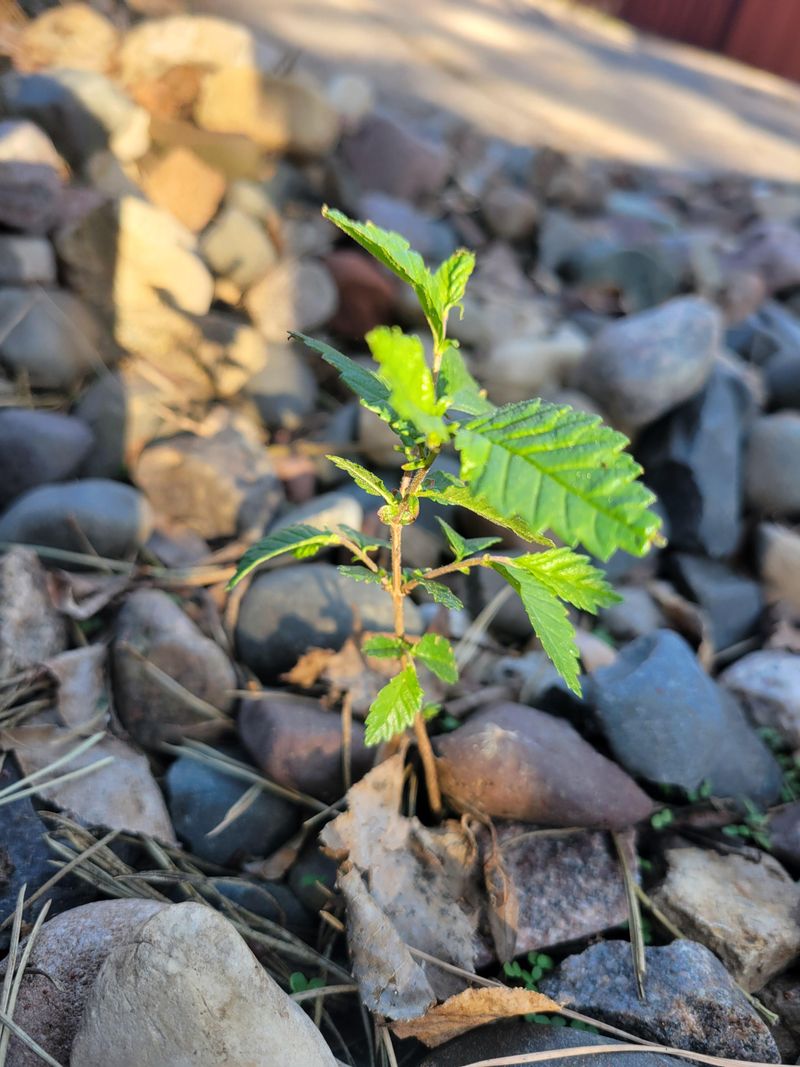
I learned this one the hard way. A cute little sapling with lacy leaves popped up by my fence, I ignored it for two summers, and suddenly I had a tree taller than my shed.
Young chinaberry seedlings come out easily when the soil is moist. Grab low on the stem, wiggle gently, and pull the whole root. Wear gloves, since all parts of the plant contain the same irritating compounds.
Bigger trees take more effort. Cutting one down without follow-up usually backfires because chinaberry resprouts from the stump and roots, sending up a thicket of new shoots.
Extension specialists often recommend the cut-stump method. Cut the trunk low, then paint the fresh cut right away with a labeled herbicide such as triclopyr or glyphosate.
Basal bark sprays work on smaller trunks too. Always read and follow the label, and keep pets off treated areas until the product dries. For large trees near houses or power lines, hire a licensed tree service.
Homeowners can generally remove invasive trees on their own property, but checking with your city or HOA first is smart. Then keep watching. New seedlings tend to pop up for a few seasons afterward.
Native Beautyberry Shrubs and Red Maples Make Smarter Backyard Swaps
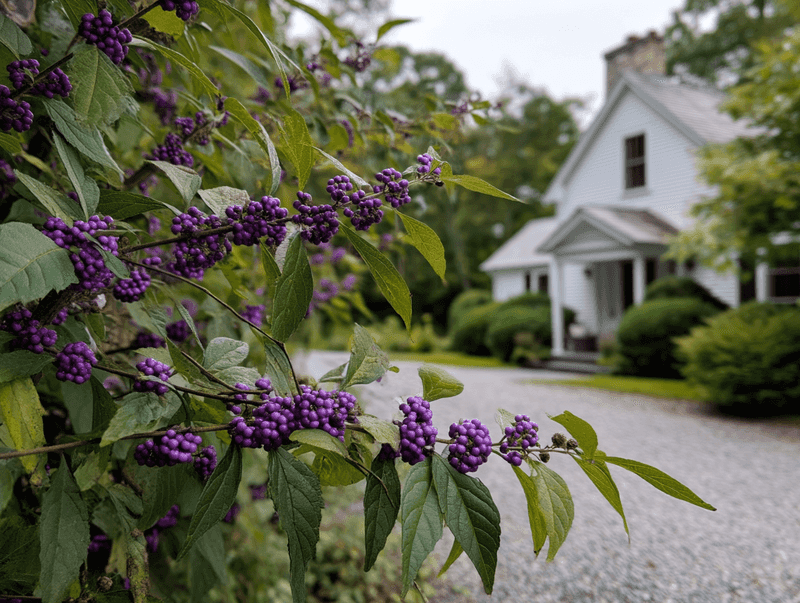
Clearing out a chinaberry leaves a sunny gap, and that is a fun opportunity. You get to pick something that feeds wildlife without tempting your pets with toxic marbles.
American beautyberry is a favorite of mine. Its arching branches carry clusters of glowing purple berries in fall, and mockingbirds, cardinals, and brown thrashers love them.
Most pet safety references do not list it as toxic, though it is still wise to discourage any dog from snacking on landscape plants.
For shade, consider a native red maple, a southern sugar maple, or a fringe tree. Red maples bring early spring color and brilliant fall leaves, while fringe trees put on a fluffy white bloom show in spring.
Wax myrtle works well as a fast evergreen screen in wetter spots, and birds eat its small waxy berries in winter.
Before you plant, check your parish with the LSU AgCenter or a local native plant nursery. They can match trees to your soil, drainage, and USDA zone, which ranges from about 8a in the north to 9b along the coast.
A yard full of natives feels lively, supports birds, and lets your dog sniff around with fewer worries.