Weak Christmas Cactus In Pennsylvania? Try These Simple Fixes In November
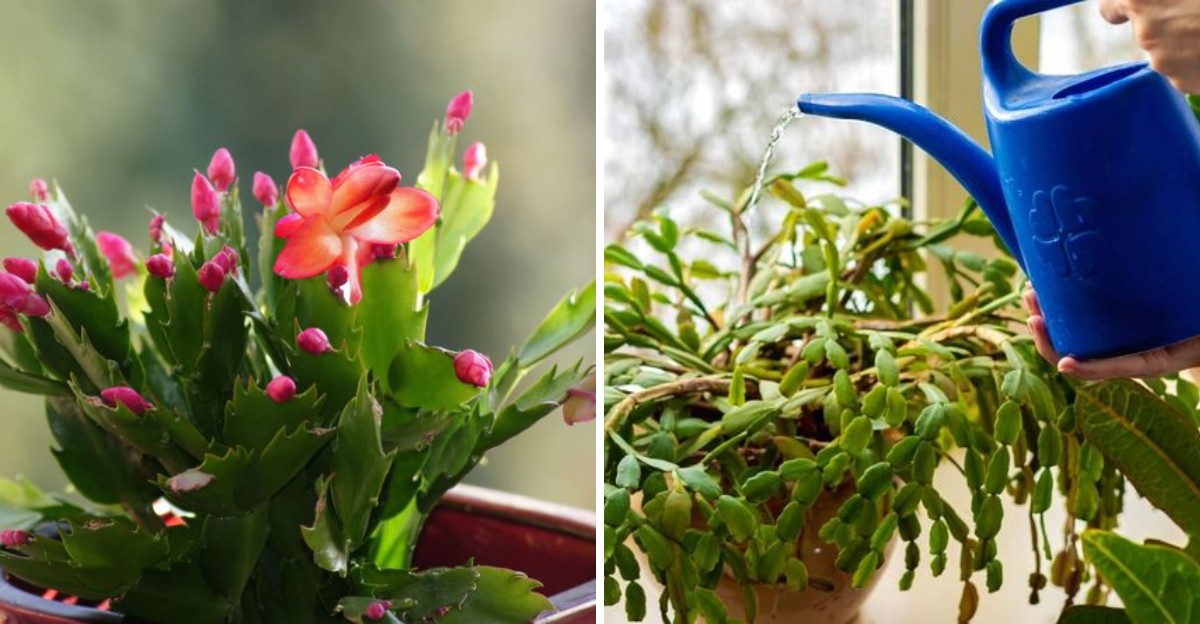
The famous holiday bloomer on many Pennsylvania windowsills actually grew wild on mossy tree branches in Brazil’s coastal mountains. It belongs to a famously prickly plant family, yet it prefers cool fog and filtered shade over blazing desert sand.
Those jungle roots explain a lot when November arrives and furnaces start pumping warm, dry air through our homes. Drooping stems and dropped buds are usually signals from a tropical plant that feels far from home.
I have to admit my first one looked so sad one fall that I nearly gave it away. A few small tweaks turned it around, and it rewarded me with hot pink flowers by mid-December.
You might be surprised how little effort it takes to coax a tired plant back into holiday shape. These simple fixes can help a struggling Pennsylvania favorite wake up before the family gathers for the holidays.
1. Cooler Nights Help Christmas Cactus Set Flower Buds
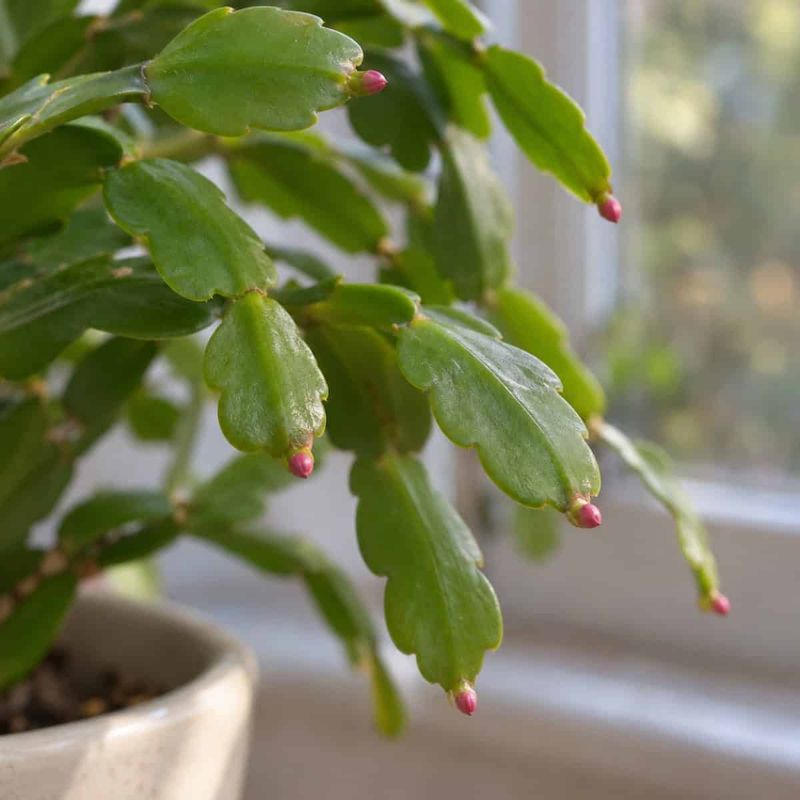
Cool evenings act like a secret alarm clock for this plant, nudging it to start forming those colorful flower buds.
Research from university extension services shows nights around 50 to 55 degrees encourage buds even without special darkness.
I love how easy this fix feels, because many homes already have a chilly spare room or sunporch. Moving the pot there for a few weeks can make a surprising difference in how many buds appear.
Keep daytime temperatures closer to the mid-60s, which feels comfortable for both you and your plant. Warm nights above about 70 degrees often hold back blooms, even when everything else seems perfectly fine.
Be careful with drafty windows, though, since icy glass in a Pennsylvania cold snap can chill tender stems quickly. Keep leaves from touching the glass, and pull the pot back a few inches on frosty nights.
Sudden temperature swings are a common reason buds drop before they open, which feels heartbreaking after weeks of waiting.
Heat vents and drafty doors can cause the same trouble, so choose a spot with steady, even conditions.
Personally, I keep a cheap digital thermometer near my plants to check overnight lows without any guesswork. It costs very little and tells you quickly whether your chosen room is truly cool enough.
Once buds reach a decent size, you can move the plant to a brighter living area to enjoy them. Try to avoid big changes in temperature during that move, since stressed buds may still fall.
2. Long Dark Nights Trigger Holiday Cactus Blooms
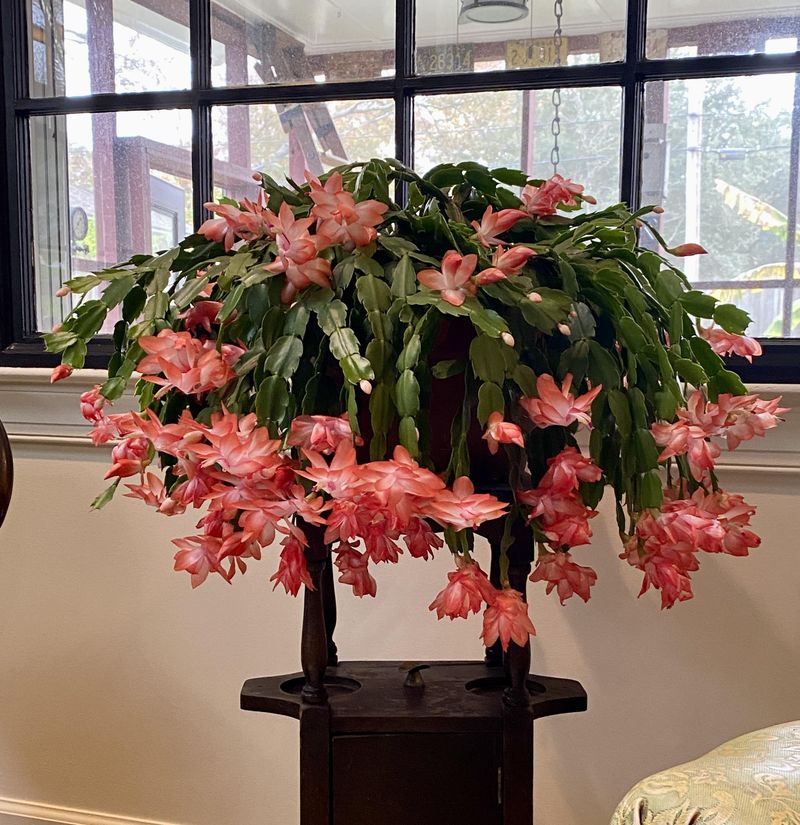
Darkness sounds boring, yet for this plant it works like a magic switch that flips on flower production. Botanists call it a short-day plant, meaning longer nights tell it that blooming season has arrived.
Most experts recommend about 12 to 14 hours of uninterrupted darkness each night for roughly six weeks. Even a quick flash from a lamp or hallway light can confuse the plant and delay its buds.
If yours still shows no buds in November, starting the dark routine now can still produce flowers later this winter. They may arrive closer to New Year than Christmas, but I think late blooms are still worth it.
An unused bedroom or closet works well, as long as you bring the plant back out each morning. Some gardeners simply cover the pot with a large cardboard box from early evening until breakfast.
To my surprise, my plant handled the box method better than my forgetful attempts at closet shuffling.
Setting a phone reminder helped me stay consistent, which matters more than doing it perfectly every single day.
During daylight hours, the plant still needs bright, indirect light so it has energy to build healthy buds. Darkness at night combined with good daytime light gives the best results in most of our homes.
Once you spot small pink or red tips forming on stem ends, you can relax the routine. Regular household light is usually fine at that point, as long as temperatures stay fairly steady.
3. Careful Watering Revives Limp Christmas Cactus Stems
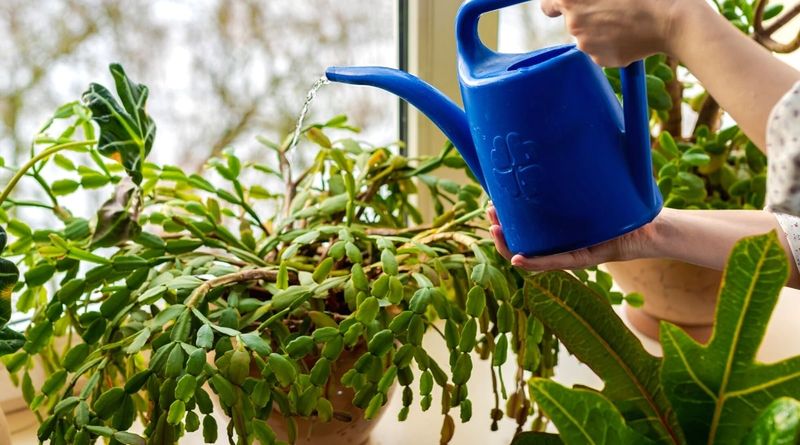
Limp, floppy segments fool plenty of gardeners into grabbing the watering can, when soggy soil is often the real problem. Overwatered roots begin to rot, and damaged roots cannot move moisture up into those thick flat stems.
I used to water on a strict weekly schedule, until I learned this plant prefers a more flexible rhythm. Now I poke a finger into the soil first and water only when the top inch feels dry.
Unlike desert cacti, this tropical relative should not stay bone dry for long stretches between drinks.
Shriveled, wrinkled segments usually mean the plant has gone thirsty a bit too long in a warm heated house.
When you do water, soak the pot thoroughly until moisture runs out the drainage holes at the bottom. Empty the saucer after about 15 minutes so the roots are not sitting in a puddle.
Heated homes dry out pots faster than you might expect, so check soil every few days in late fall. A small pot near a warm radiator may need water twice as often as one in a cool room.
Room-temperature water is kinder than icy tap water, which can shock roots on chilly winter mornings. I fill my watering can the night before so it warms up gently on the counter overnight.
Pots without drainage holes are a common trap, especially decorative holiday containers sold with gift plants. Slip the plastic nursery pot inside instead, then lift it out to drain each time you water.
4. Pebble Trays Add Moisture Around Dry Indoor Plants
Winter furnace air can feel as dry as a cracker, and your plant notices it just like your skin does. In its native Brazilian cloud forests, this epiphyte soaks up moisture from mist and frequent rain.
Many sources suggest humidity around 50 percent or higher keeps these tropical plants happiest indoors during winter.
Heated Pennsylvania homes in November often fall well below that, sometimes dipping toward truly desert-like levels by midwinter.
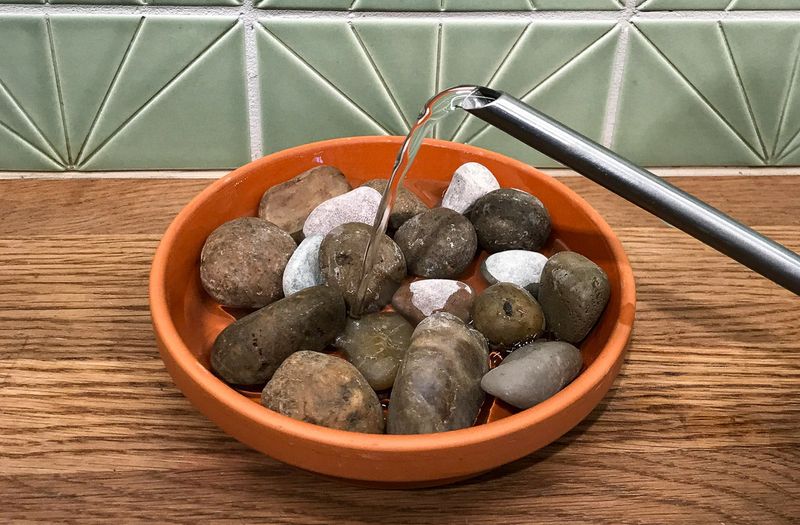
A pebble tray is one of my favorite fixes because it costs almost nothing and works quietly. Fill a shallow tray with gravel and water, keeping the water level just below the top of the stones.
Rest the pot on the dry pebbles so the roots stay safely out of standing water below. As moisture evaporates, it raises humidity right around the leaves where your plant needs it most.
Grouping houseplants together also helps, since each plant releases a little moisture through its leaves every day. I like clustering my holiday plants on one bright table, which looks festive and keeps the air softer.
A small room humidifier is another option if your home feels especially dry this time of year. Misting gets mentioned often, but its effect fades within minutes and may not help your plant very much.
Keep the pot away from heat registers, which blast hot, dry air straight onto tender stems. You might notice buds hold on longer once the air around them feels a little more like home.
5. Bright Indirect Light Strengthens Pale Christmas Cactus Segments
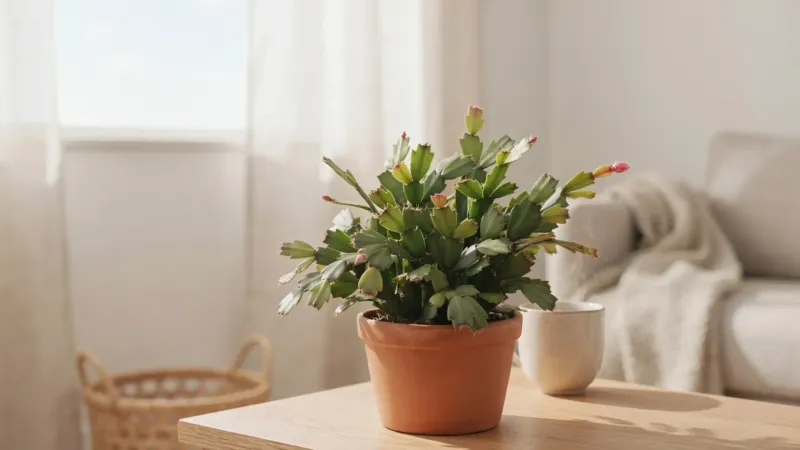
Reddish or purple-tinged segments can look pretty, but they often mean your plant is getting too much harsh sun. Pale, stretched growth tells the opposite story, pointing to a spot that is simply too dim.
Bright, indirect light suits this forest dweller best, since it grew up under a leafy tree canopy.
An east-facing window works beautifully, offering gentle morning sun without the harsher scorching afternoon heat of summer.
Late fall days in Pennsylvania are short and often cloudy, so winter light indoors drops off quickly. A south-facing window that felt too strong in July might be just right for your plant now.
Personally, I give my pot a quarter turn every week or so to keep growth even on all sides. Hold off on turning once buds form, though, since some gardeners find it encourages bud drop.
If your home feels like a cave this time of year, an LED grow light can help fill the gap. Set it on a timer during the day, and make sure it switches off before evening darkness begins.
Remember that extra hours of light at night can cancel out the dark routine that triggers blooming. Your plant needs daylight energy and long nights together, so balance matters more than brightness alone.
Healthy, well-lit plants usually show firm, deep green segments that feel plump when you gently squeeze them. Believe it or not, that sturdy color is one of the easiest signs your fix is working.
6. Skip The Fertilizer While Holiday Cactus Buds Form
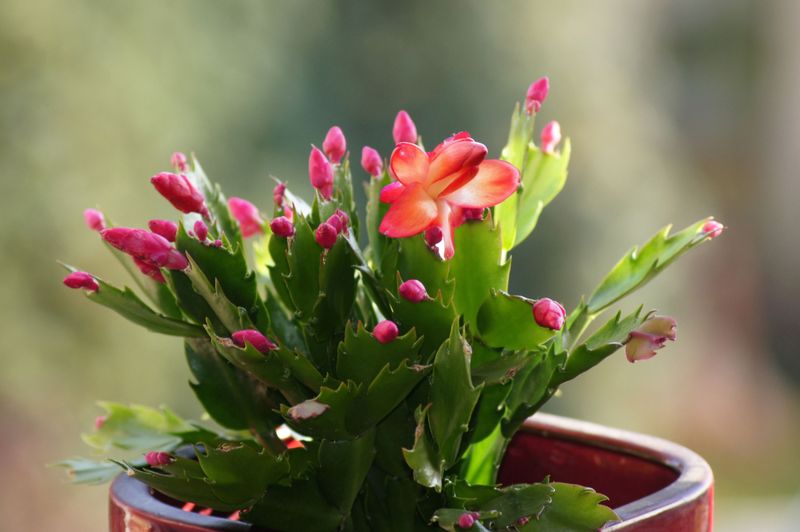
Feeding a weak plant feels like the caring thing to do, yet extra fertilizer this month can backfire. Fresh nutrients may push leafy growth instead of flowers, which is the opposite of what you want now.
Most extension guides suggest stopping regular feeding by late summer or early fall to support bud formation. Your plant is shifting its energy toward blooms, so it simply needs less food during this season.
Salt buildup from months of fertilizer can also stress roots, leaving white crust on the soil or pot rim. Flushing the pot with plain water a few times helps rinse those extra salts away gently.
I learned this lesson the hard way after feeding my plant in October and getting zero flowers that year. The next season I held back, and buds appeared right on schedule like a holiday surprise.
Once blooming ends and new growth appears in spring, you can start feeding again with a balanced houseplant fertilizer. Diluting it to half strength once a month is plenty for most indoor plants of this type.
A fun twist comes from older growing guides, which note these plants may need more magnesium than many houseplants. Some gardeners add a teaspoon of Epsom salt per gallon of water during the growing season.
Skip that trick during fall and winter, though, since the plant is resting and building buds instead. Patience feels hard with a droopy plant, but holding back food now usually pays off later.
7. Mushy Roots Reveal Hidden Christmas Cactus Trouble
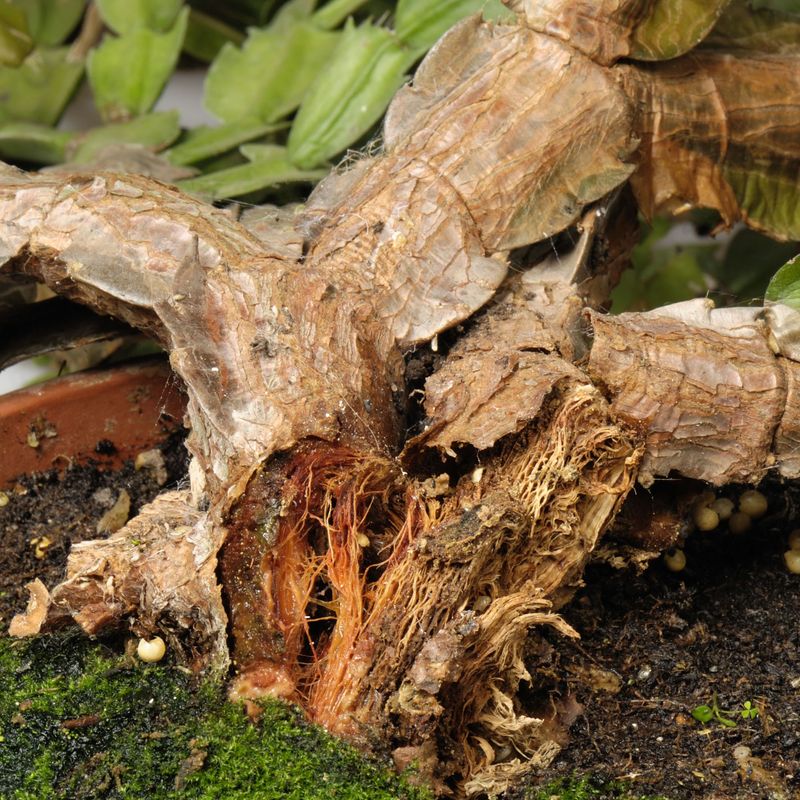
Sometimes the real story of a weak plant is hiding underground, where you cannot see it from the windowsill. Wilting stems sitting in damp soil are a classic clue that roots may be quietly rotting below.
Take a closer look by gently sliding the plant out of its pot over a sheet of newspaper. Healthy roots look firm and pale, while rotted roots feel soft and brown and may smell sour.
Trim away any mushy sections with clean scissors, wiping the blades with a household disinfectant between cuts. Then settle the plant into fresh fast-draining potting mix made for cacti or blended with extra perlite.
Normally, experts suggest repotting in spring after flowering, since moving roots during bud season can trigger bud drop. Root rot is an emergency, though, and saving the plant matters more than this year’s blooms.
These plants actually like snug quarters, so choose a pot just one size larger than the old one. Oversized pots hold extra soil that stays wet too long, which invites the same problem again.
If most roots are gone, all hope is not lost, because healthy stem pieces root easily. Twist off sections with two or three segments, then let the cut ends dry for a day before planting.
I truly believe every gardener should try this rescue once, since watching a cutting sprout new growth feels amazing. Your weak plant could become several new ones to share with family by next holiday season.