This Domesticated Pennsylvania Bird Can Devour Hundreds Of Ticks Per Day
Most tick control strategies involve chemicals, yard treatments, and a lot of ongoing effort. They work, but they’re never really finished.
The ticks keep coming and the cycle just continues. But there’s one approach that some Pennsylvania homeowners have quietly been using for years that requires almost none of that effort and delivers results that are genuinely hard to argue with.
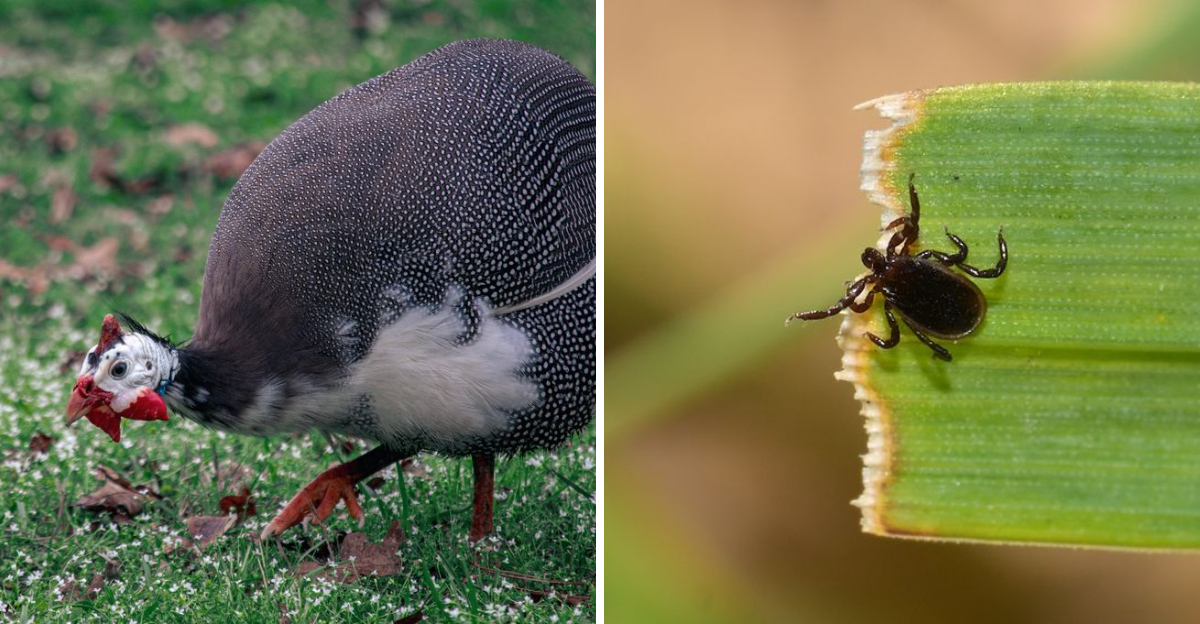
It’s a bird. A domesticated one. And it eats ticks with an enthusiasm that’s almost hard to believe. We’re talking hundreds of ticks per day, picked right out of the grass, the garden beds, and the areas where your family spends the most time outdoors.
No chemicals, no spray schedules, no protective gear. Just a bird doing what it was born to do.
Keeping this bird isn’t for everyone, but for Pennsylvania homeowners with the right setup, it might be one of the most effective and natural tick control decisions they ever make.
Meet Guinea Fowl
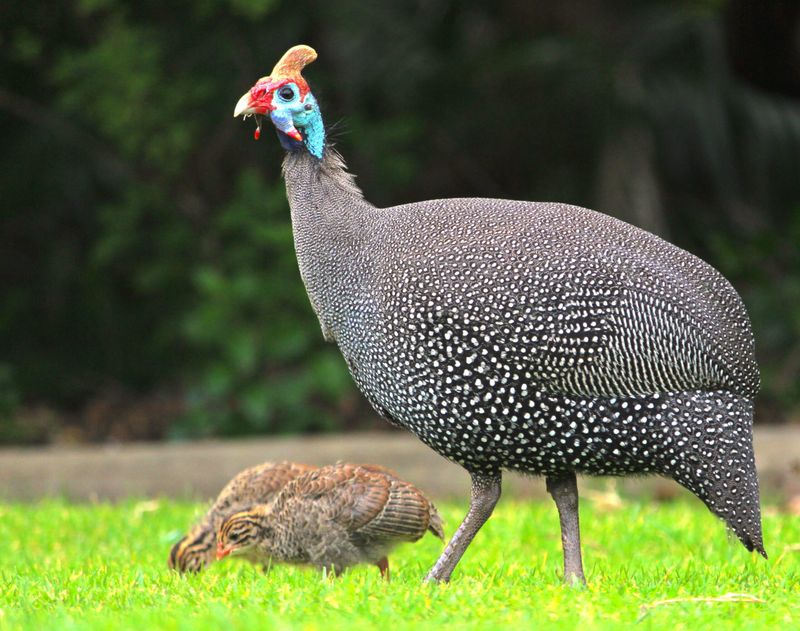
Picture a bird that looks like it belongs in an African savanna but lives right here on Pennsylvania homesteads. That bird is the guinea fowl, and it has been turning heads in rural communities for years.
These spotted, round-bodied birds are originally from West Africa, but they have been domesticated for centuries and kept on farms around the world.
Guinea fowl are not chickens, though they are related. They are louder, more energetic, and far more independent in their behavior.
A flock of guinea fowl will roam a property from morning to evening, pecking constantly at the ground. They are always on the move, always looking for something to eat.
Homesteaders in Pennsylvania have taken notice because guinea fowl are known to eat insects of all kinds, including ticks. That has made them popular on small farms, rural properties, and even larger suburban lots with wooded edges.
People love the idea of a natural, low-cost pest patrol that works while they sleep. Guinea fowl are available from local hatcheries and farm supply stores across the state. They do best in open spaces where they can roam freely.
Fencing helps keep them on your property, but they are not as easy to contain as chickens. They need shelter at night to stay safe from predators.
With the right setup, a small flock can become a lively and entertaining part of any rural Pennsylvania property.
Why People Use Them
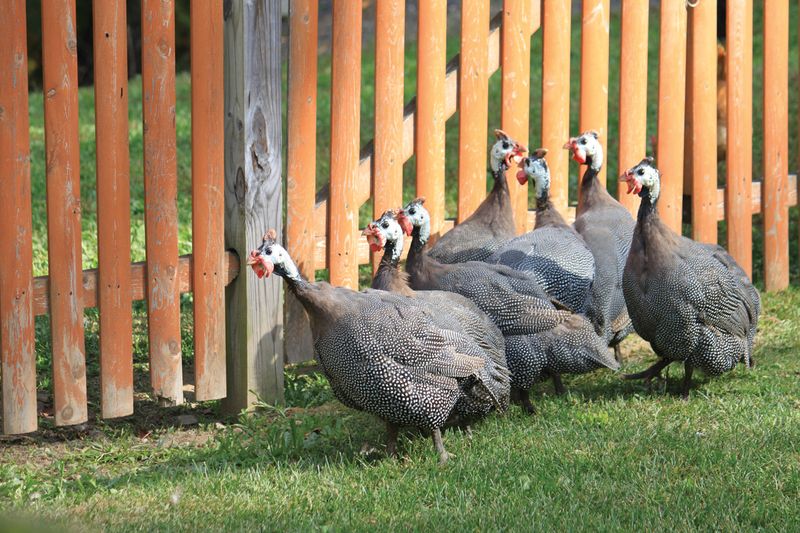
Walk through any online homesteading group or rural Pennsylvania forum, and you will quickly find people raving about guinea fowl. The reason is simple: these birds are tireless foragers.
From sunrise to sunset, they walk, peck, and scratch through every inch of lawn, garden edge, and open space they can find.
That nonstop foraging habit is exactly why they earned the nickname “tick patrol” birds. Gardeners love them because they also eat beetles, grasshoppers, flies, and other insects that damage plants.
Unlike chickens, guinea fowl are much less likely to scratch up garden beds or eat your vegetable plants. They tend to stick to the ground level, picking off bugs without disturbing the soil much.
Your Pennsylvania Garden Changes Every Week. Your Plan Should Too.
Gardening in Pennsylvania changes quickly throughout the season. Every Friday you’ll receive a simple weekly plan showing exactly what to plant, prune, fertilize, harvest, and protect so you never miss the right timing.
They are also surprisingly alert birds. Guinea fowl will sound a loud alarm call when they spot anything unusual, including hawks, foxes, or strangers.
Many homesteaders keep them partly for this early-warning system. It is like having a feathered security team watching the property.
The appeal is easy to understand. Instead of spraying chemicals on your lawn, you can let a living creature do the work.
That feels good, especially for families with young children or pets who spend time in the yard. Guinea fowl also require relatively low maintenance compared to other livestock.
They eat bugs, grasses, and seeds, which means feed costs can stay low when they are allowed to roam. For many Pennsylvania homesteaders, they seem like the perfect, natural solution to a very real tick problem.
What The Science Says
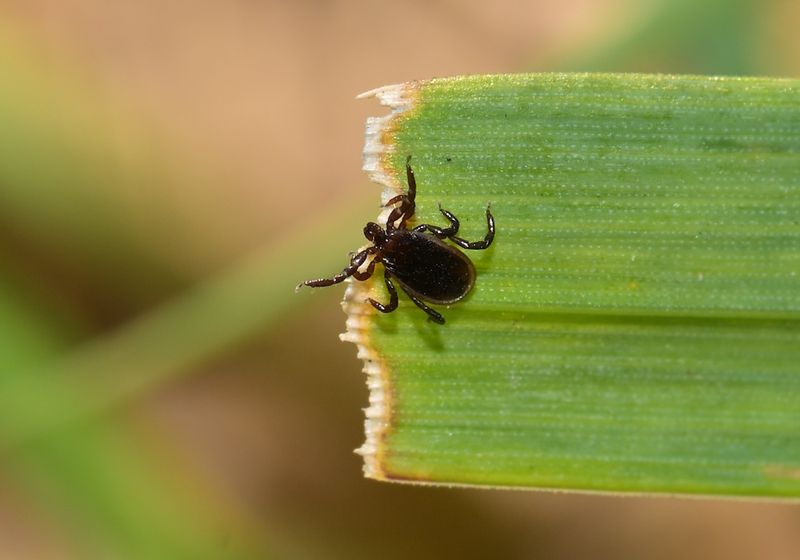
Here is where things get a little more complicated. The idea that guinea fowl can wipe out tick populations on your property sounds great, but the science tells a more honest story.
Penn State Extension, which is one of the most trusted agricultural research sources in Pennsylvania, has looked at this topic carefully. According to Penn State, both chickens and guinea fowl do eat ticks. That part is true.
These birds will pick up and swallow ticks when they find them during their daily foraging. So yes, some ticks are being eaten.
But the key question is whether enough ticks are being eaten to actually lower the population on your property.
The answer, based on available research, is generally no. Studies have found that poultry birds, including guinea fowl, do not eat ticks in large enough numbers to cause a meaningful drop in tick populations.
Ticks reproduce quickly and hide in spots where birds rarely forage, which makes it very hard for even a large flock to keep up.
One older study that was often cited to support guinea fowl as tick control was later questioned for its methodology. Researchers found the results were not reliable enough to make strong recommendations.
Penn State’s current guidance is cautious: birds may help a little, but they should never be your main strategy for managing ticks.
That is an important distinction to understand before making any decisions about adding guinea fowl to your property. The science encourages realistic expectations.
Where They May Help
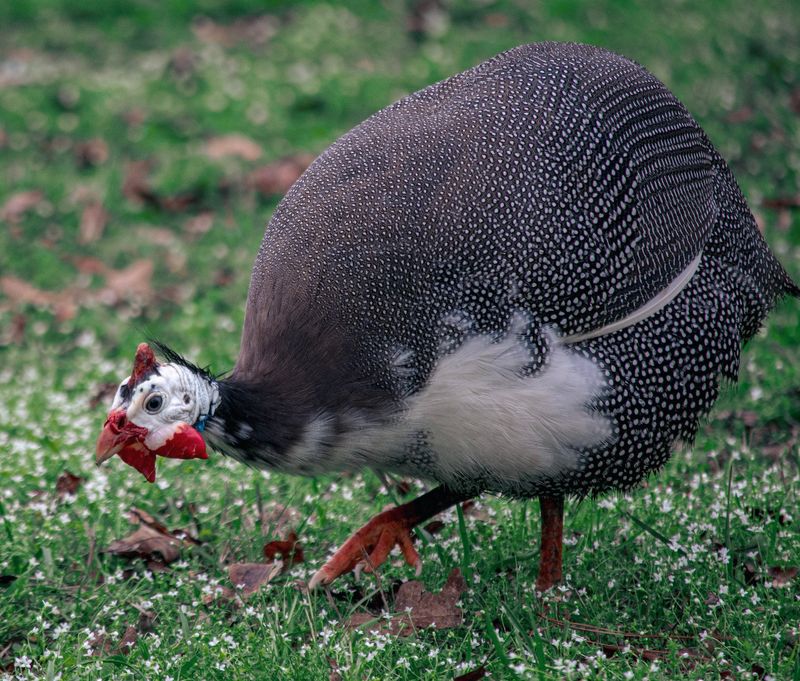
Even with the science keeping expectations realistic, guinea fowl are not totally without value in a tick management plan.
There are specific situations and spaces where they may actually make a noticeable difference. Knowing where they work best helps you use them more effectively.
Open, short-grass areas are where guinea fowl shine. When they forage across a mowed lawn, the edges of a garden, or open ground near an orchard, they are covering territory where ticks are exposed and easier to find.
In these zones, the birds have a real shot at picking off ticks before they reach a person or pet. Sunny, dry, open spaces are not the favorite habitat of ticks anyway, which means the birds are working in a zone where ticks are already less concentrated.
Garden edges are another area where guinea fowl may provide a small but real benefit. Ticks often travel from wooded areas into lawns through these transition zones.
A flock of guinea fowl patrolling that edge regularly may intercept some of those ticks before they move deeper into the yard.
Think of guinea fowl as a supporting layer in your overall tick strategy. They are not a replacement for other methods, but they can add a little extra protection in the right areas.
If you already have a well-maintained property with mowed grass and cleared brush, adding guinea fowl could give you one more line of defense.
Just keep your expectations grounded and treat them as a helpful bonus, not a complete solution. That mindset will serve you well.
Why They Are Not Enough

Guinea fowl have real limits, and understanding those limits is just as important as knowing their benefits.
One of the biggest problems is that ticks do not live only in open, easy-to-reach areas. They prefer cool, moist, shaded spots that birds rarely visit or cannot easily access.
Leaf litter is one of the top tick habitats. Ticks hide under fallen leaves in huge numbers, especially in autumn and early spring.
Guinea fowl are not going to dig through deep leaf piles to find them. The same goes for brush piles, dense groundcover, stone walls, and the edges of wooded areas. These are prime tick real estate, and birds simply cannot patrol them effectively.
There is another uncomfortable fact worth knowing. Guinea fowl can actually become tick hosts themselves.
Like deer, dogs, and humans, birds can carry ticks on their bodies. If a guinea fowl picks up a tick but does not eat it, that tick can feed on the bird and then drop off somewhere else on your property.
This reduces the bird’s value as a biological control tool and could even spread ticks to new areas of your yard.
Ticks also reproduce at a rate that makes it nearly impossible for any flock of birds to keep up. A single female tick can lay thousands of eggs.
Even if guinea fowl eat hundreds of ticks a day, the math rarely works in their favor. That is why relying on birds alone leaves your family and pets vulnerable.
A broader, more consistent approach is always the smarter plan when it comes to managing ticks on your property.
Bonus Tips For Tick Prevention

Ready to actually make a dent in your tick problem? The good news is that there are proven steps you can take right now that will have a real impact.
These methods work whether or not you have guinea fowl, and they tackle tick habitats directly.
Start with your grass. Keeping your lawn mowed short is one of the simplest and most effective things you can do.
Ticks need moisture and shade to survive, and short grass dries out quickly in the sun. Next, clear out leaf litter as soon as possible in fall and spring.
Rake it up, bag it, and remove it from your yard. That removes one of the biggest tick hiding spots around your home.
Trim back brush and overgrown plants along your property edges. Create a dry border of wood chips or gravel between your lawn and any wooded areas.
This acts as a barrier that ticks are less likely to cross. Stack firewood neatly in a dry, sunny spot away from your house.
Messy woodpiles are perfect tick shelters, so keeping them tidy matters more than most people realize.
Always check yourself, your kids, and your pets after spending time outside, especially near wooded or grassy areas. A thorough body check is still one of the best defenses available.
Shower soon after coming indoors and toss clothes in a hot dryer for a few minutes to handle any ticks that may have hitched a ride.
Talk to your vet about tick prevention products for your pets as well. Combining all these habits creates a strong, layered shield against ticks all season long.