8 Easy Houseplants for Beginners to Try This Winter in Virginia
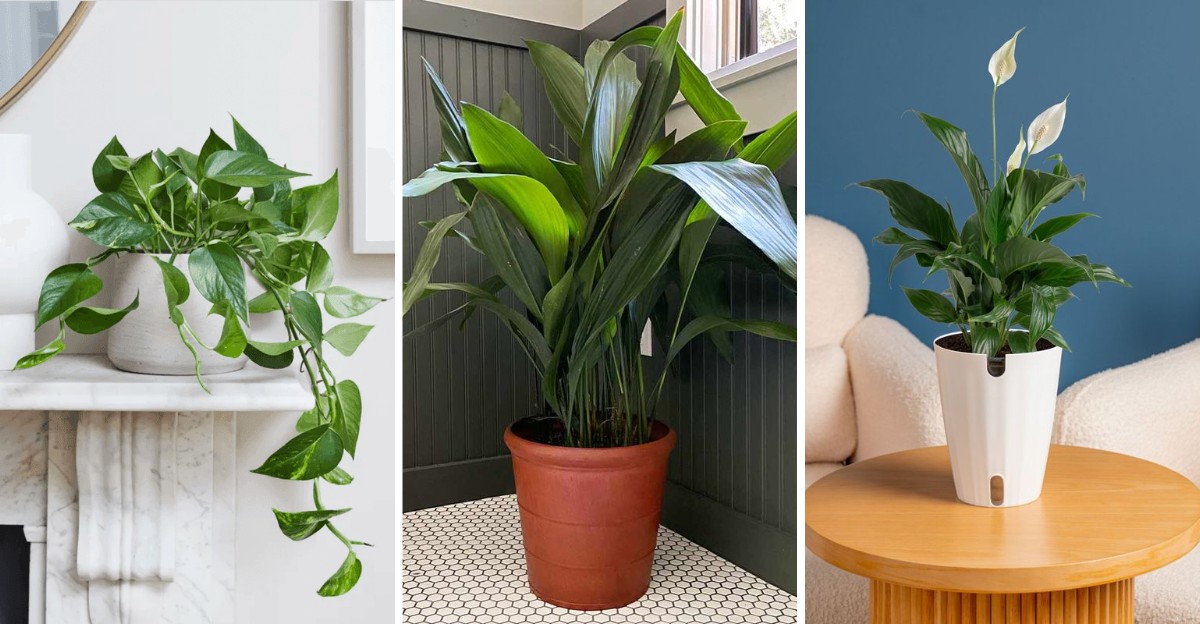
Victorian families kept one leafy survivor growing in parlors clouded with coal smoke and gas lamp fumes. That stubborn plant still sells today, and it shares shelf space with several equally forgiving leafy cousins.
Winters bring short gray days and furnace air that can feel surprisingly dry inside our homes. Many tropical houseplants slow their growth in winter, which means they actually want less water than you expect.
Take it from someone who drowned three plants in one January, because overwatering was my biggest beginner mistake. Looking back, those soggy pots needed patience far more than they needed another splash from my watering can.
The plants ahead forgive forgetful owners and handle the dim light common across Virginia homes this time of year. So which tough little survivor will earn a spot on your windowsill before spring finally arrives?
1. Snake Plant
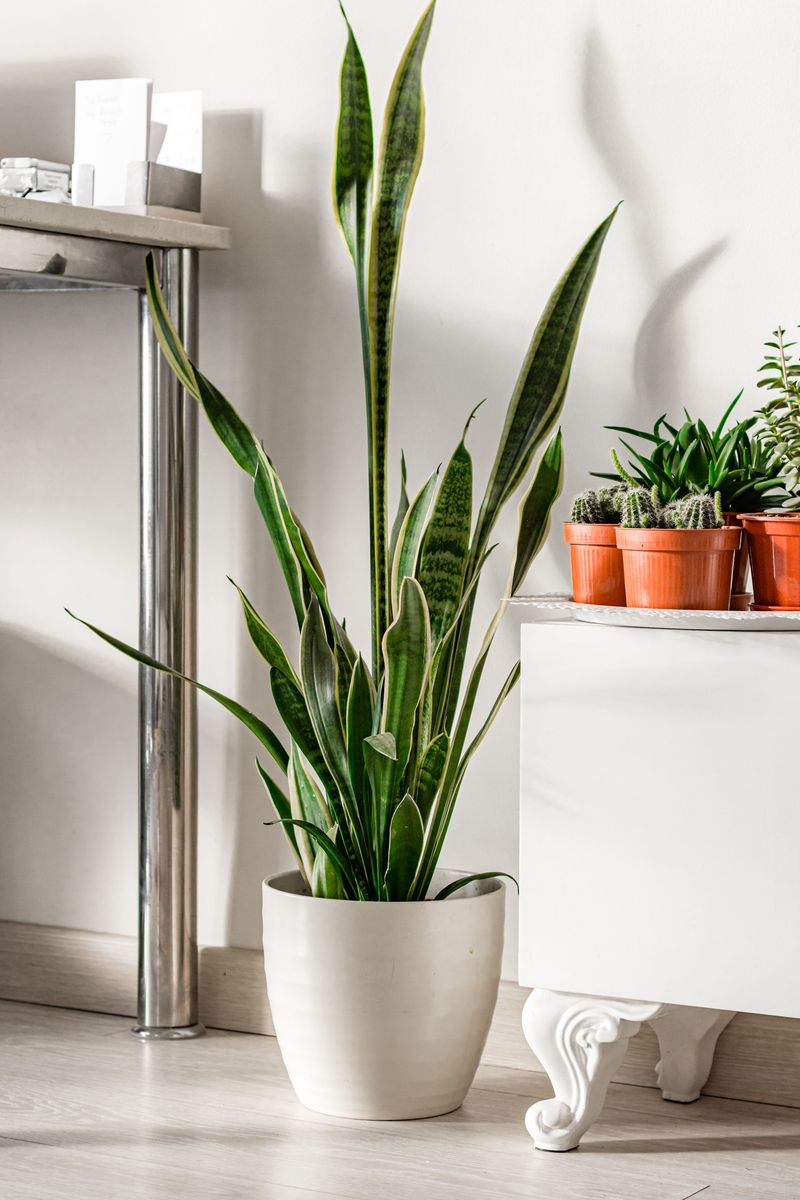
Those stiff green swords pointing at your ceiling belong to a plant that once carried the name Sansevieria. Botanists moved it into the genus Dracaena, so you may now see Dracaena trifasciata printed on the tag.
Its leaves feel almost leathery, and many varieties wear yellow edges or wavy silver bands across the surface. If you ask me, few plants look this sharp while asking for so little in return.
Water is the main thing beginners get wrong, because the thick leaves store moisture like tiny water tanks. During winter, water only when the soil feels dry all the way down, often every month or longer.
Bright, indirect light keeps growth strong, but the plant tolerates dim corners better than most of its shelf neighbors. Variegated types may lose some of their bold coloring if they sit in deep shade for many months.
Keep the pot away from drafty doors and cold glass, since temperatures below fifty degrees can damage leaves. Chilly windowsills in a Virginia January often drop lower than you think after the sun goes down.
Skip fertilizer until spring, when longer days wake the roots and new pups start poking up from the soil. A heavy clay or terra cotta pot with a drainage hole helps balance those tall leaves nicely.
Keep this one away from curious cats and dogs, because the ASPCA lists snake plant as toxic to pets. For what it’s worth, mine has survived two moves and plenty of forgetful months without a single complaint.
2. ZZ Plant
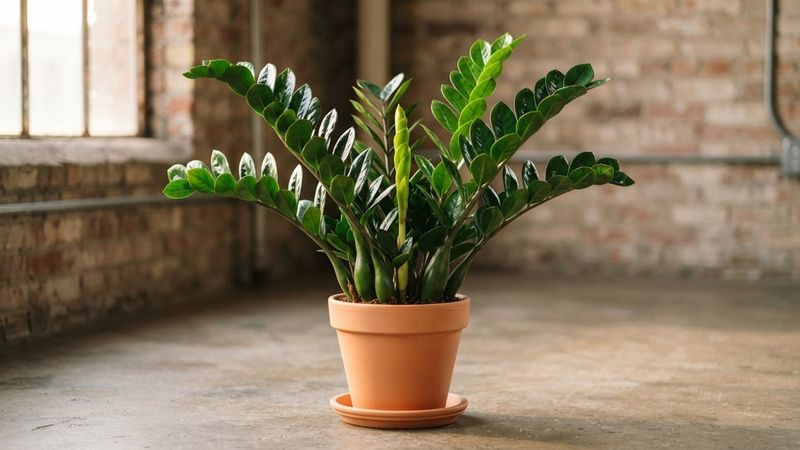
Visitors often tap the glossy leaves of my ZZ plant, convinced someone sneaked a plastic decoration onto the shelf. That waxy shine is real, and it comes from a tough African plant called Zamioculcas zamiifolia.
Underneath the soil hide chunky rhizomes that look a bit like small potatoes stuffed with stored water. Those rhizomes let the plant ride out dry spells in eastern Africa, where rain can vanish for months.
Inside your home, that survival trick means a forgotten watering rarely causes trouble for this patient plant. Soggy soil is the real danger, since constantly wet rhizomes can rot before you notice any warning signs.
In winter, let the potting mix dry fully, then water deeply and drain the saucer within a few minutes. Many growers find that schedule works out to roughly once every three or four weeks during cold months.
Low light is fine, though a spot near a bright window encourages fuller stems and darker green leaves. Avoid harsh afternoon sun through south glass, which can scorch the leaves and leave pale yellow patches behind.
Average household humidity suits it well, so you can happily skip misting bottles and pebble trays with this one. New stems often shoot straight up from the soil in spring, unfolding slowly like green feathers.
Every part of the plant is toxic if eaten, so set it beyond reach of nibbling pets and toddlers. Between you and me, this is the plant I recommend to friends who swear they cannot keep anything green.
3. Pothos
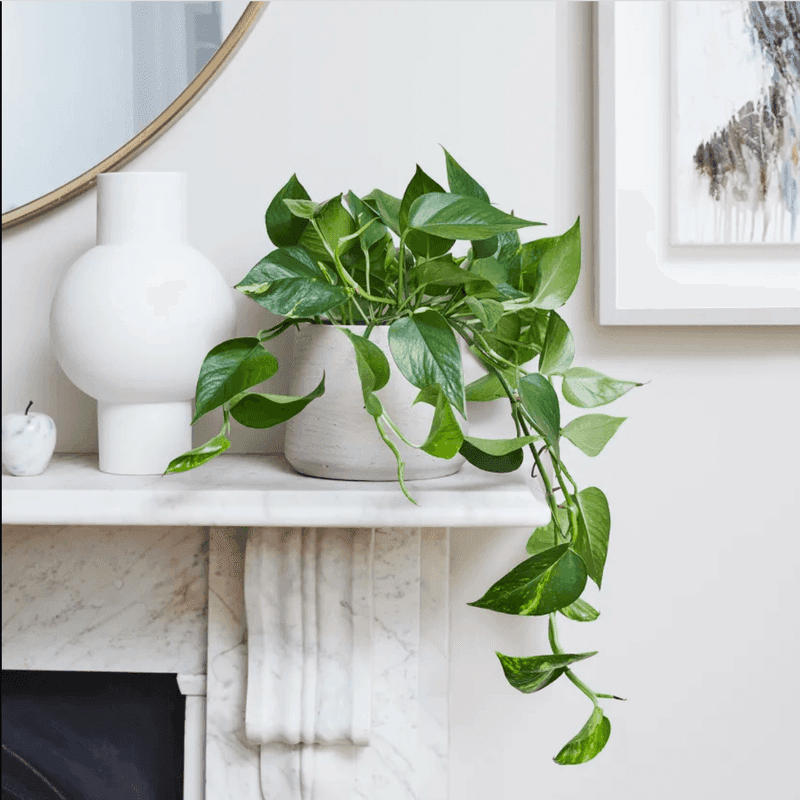
Trailing vines spilling over a bookshelf can make a plain living room feel like a cozy greenhouse almost overnight. Pothos, or Epipremnum aureum, earns that look fast, often adding several inches of new vine during warmer months.
Its heart-shaped leaves come in many patterns, from solid lime green to marbled white and buttery yellow streaks. The nickname devil’s ivy comes from its stubborn habit of staying green even in darker rooms.
Growth slows down once Virginia days get short, so your watering routine should slow down along with it. Let the top inch or two of soil dry before watering, which may mean every week or two.
Yellow leaves often signal too much water, while limp, curling leaves usually mean the plant wants a drink. Learning those two signals early will save you plenty of guesswork with almost every houseplant you own later.
Bright, indirect light keeps the variegation crisp, so an east window works beautifully during the darker winter weeks. Deep shade still works, though the vines may stretch out with bigger gaps between each leaf.
Snipping off a long vine just below a leaf node gives you a cutting that roots easily in water. Within a few weeks, white roots appear, and you have a free plant to share with a friend.
Pothos contains calcium oxalate crystals, so keep the vines away from pets that like to chew on leaves. Outdoors in tropical regions it can spread aggressively, but as a houseplant here it stays politely in its pot.
4. Spider Plant
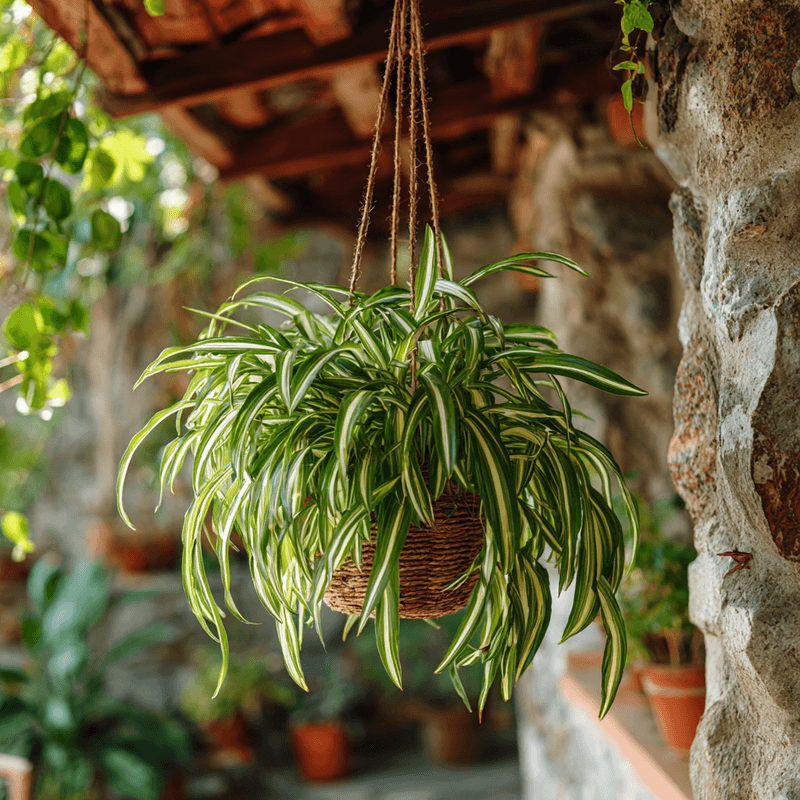
Baby plants dangling from long arching stems give this houseplant its name, and kids usually adore spotting them. Chlorophytum comosum has been a windowsill favorite for generations, and it still earns its place in modern homes.
Those tiny spiderettes are ready-made clones, complete with little root nubs waiting for a cozy spot of soil. Set one in a small pot while it stays attached, and it roots in just a couple weeks.
Beneath the soil, thick white roots store water, which helps the plant shrug off an occasional missed watering. Let the top inch of soil dry in winter, then water thoroughly and empty the drainage saucer afterward.
Brown leaf tips are common, and they often come from dry indoor air or minerals in tap water. Many growers notice improvement after switching to rainwater or distilled water, though old tips will not turn green again.
Bright, indirect light keeps the white stripes bold, while a dim corner can fade the pattern over time. Temperatures between sixty and eighty degrees suit it, so avoid placing pots beside drafty winter doorways or vents.
Unlike several plants on this list, spider plants are considered nontoxic to cats and dogs by the ASPCA. Cats still love to bat at the dangling babies, so a hanging basket may save you some cleanup.
Let’s just say mine produced so many babies last year that half my neighbors now own one. Mature plants that feel slightly crowded in their pots tend to send out the most runners and plantlets.
5. Peace Lily
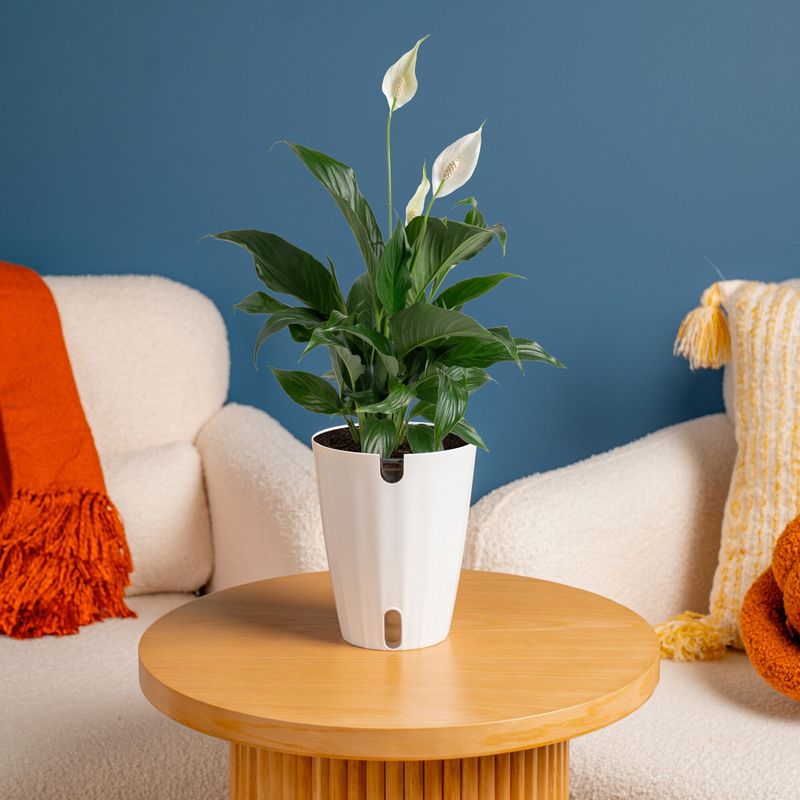
Few houseplants communicate as dramatically as a thirsty peace lily, which flops its leaves like a fainting actor. Give it a good drink, and within a few hours those glossy leaves usually stand tall again.
That built-in alarm makes Spathiphyllum a wonderful teacher for beginners who are still learning when to water. Don’t make my mistake of waiting for the droop every time, because repeated wilting can brown the leaf edges.
The white bloom is not really a petal at all but a modified leaf called a spathe. It wraps around a central spike, called a spadix, which holds the tiny true flowers of the plant.
Medium to bright indirect light encourages those blooms, while deep shade keeps the plant green but rarely flowering. Direct afternoon sun can scorch the leaves, so a spot a few feet from a window works well.
Winter growth slows, so water when the top inch of soil feels dry rather than following a strict calendar. Furnace air in Virginia homes can dry the leaf tips, so a pebble tray nearby offers some helpful moisture.
Keep temperatures above sixty degrees when possible, since cold drafts can cause dark patches on the soft leaves. Wipe dust off the broad leaves every few weeks with a damp cloth so they can soak up light.
Peace lilies contain calcium oxalate crystals, so chewing pets may suffer mouth irritation and drooling after a nibble. Place it on a shelf or plant stand, and you will enjoy those white spathes without the worry.
6. Aloe Vera
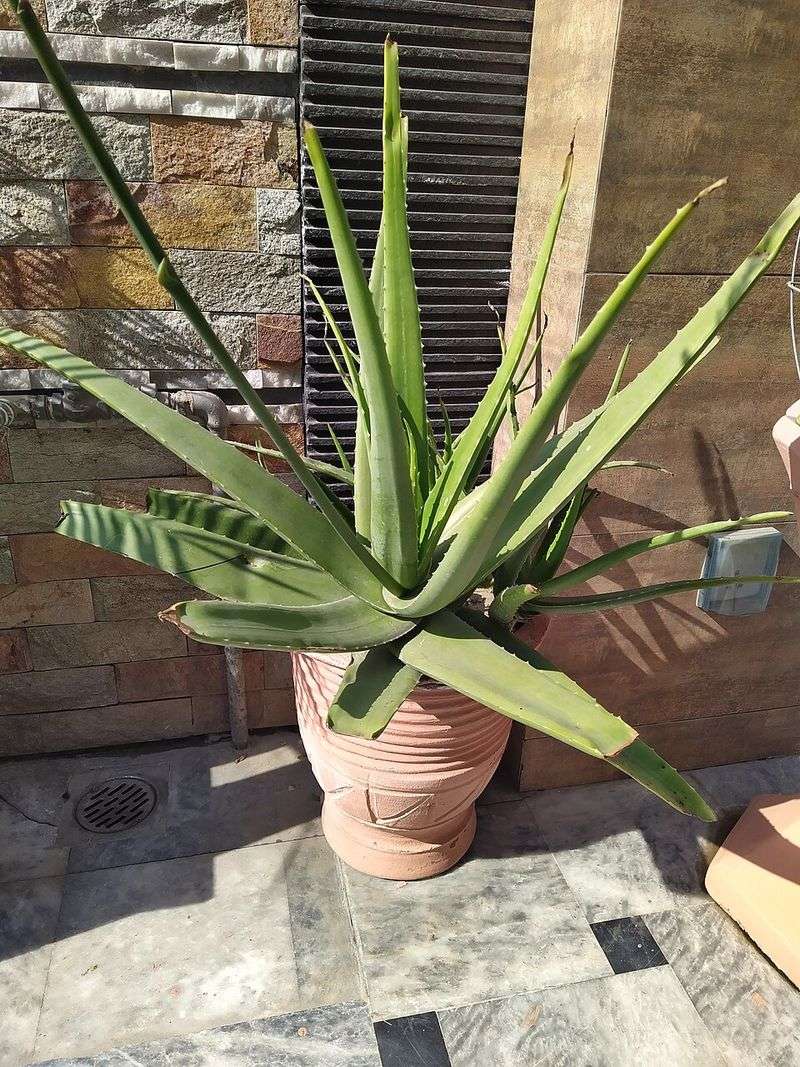
Snap a leaf from an aloe, and cool clear gel oozes out like nature’s own little first aid kit. Aloe vera has been grown for that soothing gel for thousands of years, especially across the Mediterranean and Arabia.
Its plump, spiky leaves grow in a tidy rosette, and some types sport pale speckles along the surface. In my own kitchen window, I’ve noticed it leans toward the glass like it wants a better view.
That leaning tells you something important, because aloe craves more light than most plants on this list. A south or west window gives it the bright light it needs during the short days of winter.
Water sparingly in winter, waiting until the soil dries all the way through before you offer another drink. For many homes, that means watering about once a month, though cooler rooms may need even less.
A gritty cactus mix in a terra cotta pot helps extra water escape instead of soaking the roots. Mushy brown leaves usually point to overwatering, while thin, curled leaves often mean the plant is too dry.
Aloe vera prefers temperatures above fifty degrees, so keep it off frosty sills on the coldest Virginia nights. Dry indoor air from the furnace suits it just fine, which makes winter care surprisingly simple.
Keep it away from pets, because the ASPCA lists aloe as toxic to cats and dogs if eaten. Healthy plants often send up little offsets around the base, which you can pot up as gifts.
7. Cast Iron Plant
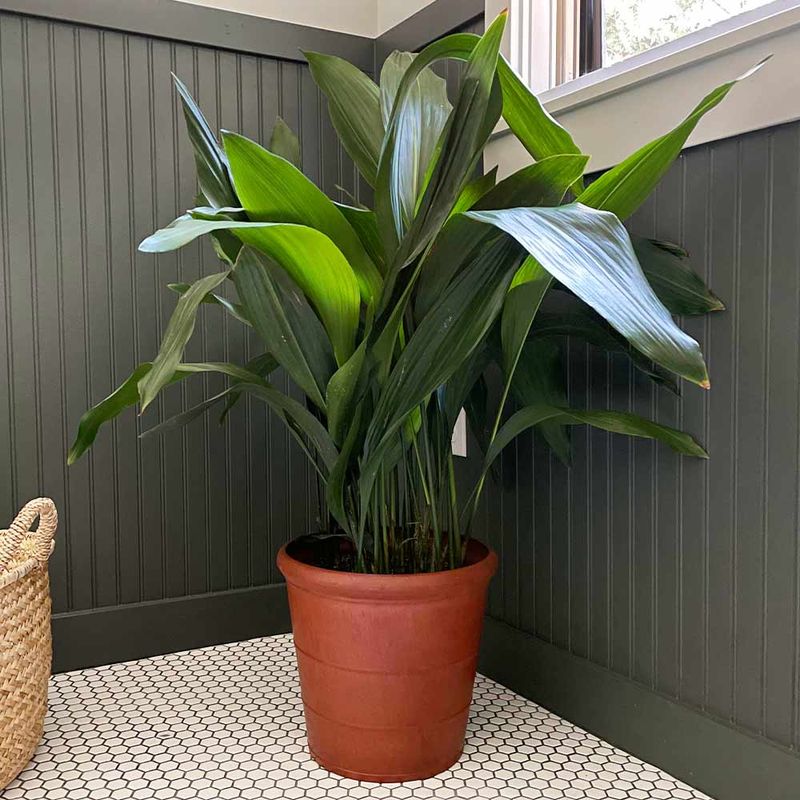
Victorian parlors were gloomy places, yet this plant thrived among the dim lamps and smoky fireplaces of the era. Aspidistra elatior earned the cast iron nickname because it handles neglect that would trouble almost any other houseplant.
Long, dark green leaves rise straight from the soil on short stalks, forming a dense and graceful clump. Growth is slow, so the plant you buy may look nearly the same size a year from now.
Low light is where it truly shines, making it ideal for hallways and shadowy corners in north-facing rooms. Bright direct sun is a different story, since strong rays can bleach and burn those deep green leaves.
In winter, water when the top half of the soil feels dry, often every two to four weeks. Soggy soil remains its biggest threat, so choose a pot with drainage and empty saucers after watering.
Cool rooms are no problem, and it tolerates temperatures dipping toward the forties better than most tropical houseplants. Some gardeners in the warmer parts of the state even grow it outdoors as a shady groundcover.
Dust collects on the broad leaves over time, so a gentle wipe keeps them glossy and healthy looking. Fertilize lightly in spring and summer only, because extra feeding in winter just stresses the slow roots.
Pet owners can relax a bit, since the ASPCA lists cast iron plant as nontoxic to cats and dogs. My garden taught me that the plants asking the least often stick around the longest in my home.
8. Christmas Cactus
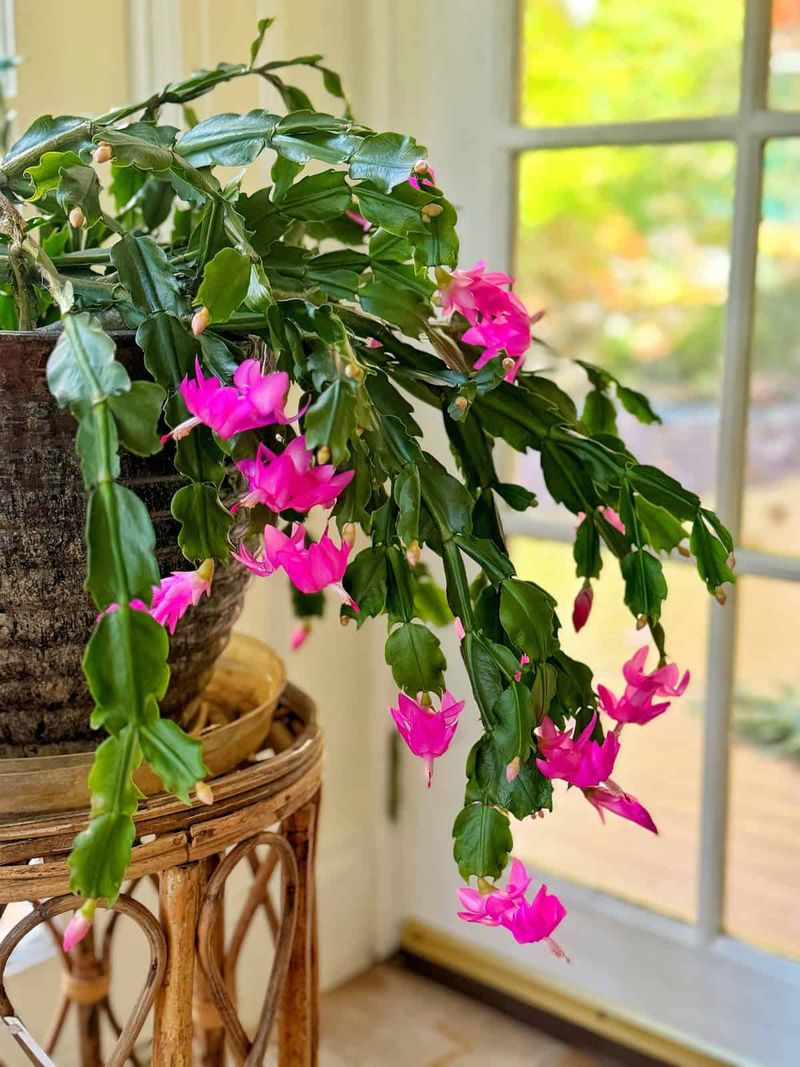
Grandma’s holiday cactus might be older than you, since many of these plants live for decades with simple care. Schlumbergera is not a desert cactus at all but a rainforest plant that grows on tree branches in Brazil.
Flat, segmented stems arch outward, and the bright tubular flowers dangle from the tips like little paper lanterns. Colors range from pink and red to white, orange, and even pale yellow on certain newer varieties.
Many plants sold in stores are actually Thanksgiving cactus, which has pointed, claw-like teeth along each stem segment. True Christmas cactus has smoother, rounded edges, but both types bloom in winter and need nearly identical care.
Buds form when nights grow long and cool, so the darkness of a fall window does much of the work. Once buds appear, keep the plant in one spot, because sudden moves or drafts can cause them to drop.
Bright, indirect light suits it best, and harsh afternoon sun can redden or yellow the flat stems. Water when the top inch of soil feels dry, since these plants like more moisture than desert cacti.
After flowering ends, give the plant a short rest with less water before new growth begins in spring. A pebble tray helps offset dry furnace air, which can shorten bloom time in heated winter rooms.
Gardeners love sharing this one, because a stem cutting of two or three segments roots easily in moist soil. If you ask me, few gifts mean more than a cutting from a plant your family has grown for years.