What’s Digging Up Your Georgia Yard? Feral Hogs And Armadillos Leave Different Clues
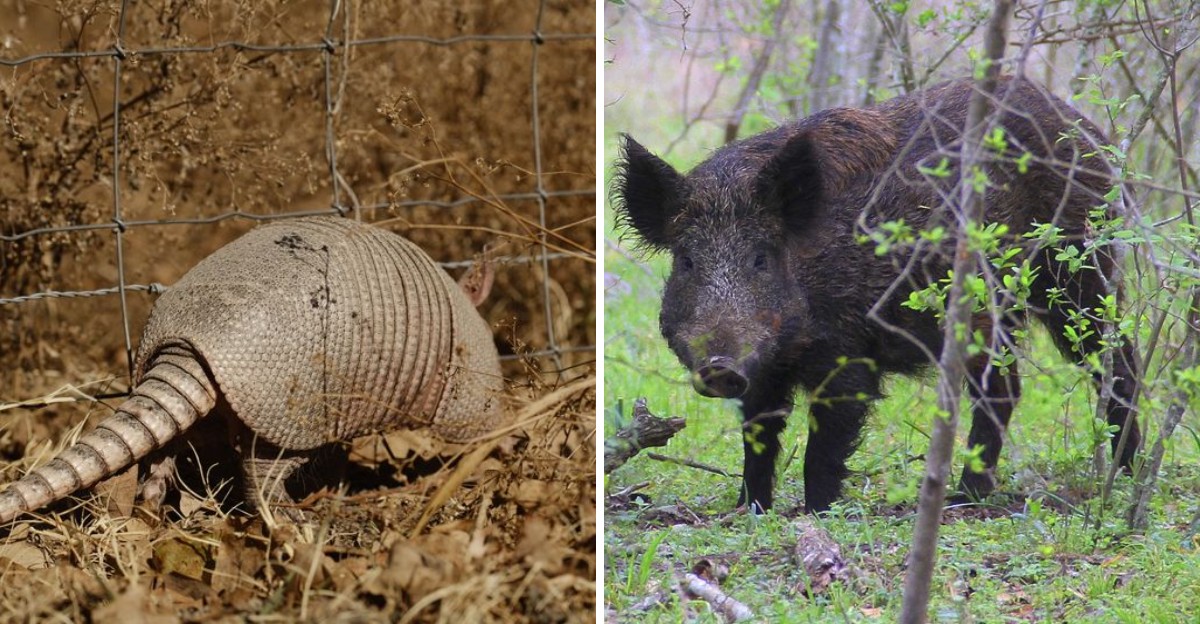
Nine-banded armadillos almost always give birth to four identical babies from a single egg. That strange fact has nothing to do with your lawn, yet it tells you how unusual one of your nighttime visitors really is.
I found my first mystery holes one muggy morning in the flower bed. Some were tidy little cones.
Others looked like a small tractor had wandered through after midnight.
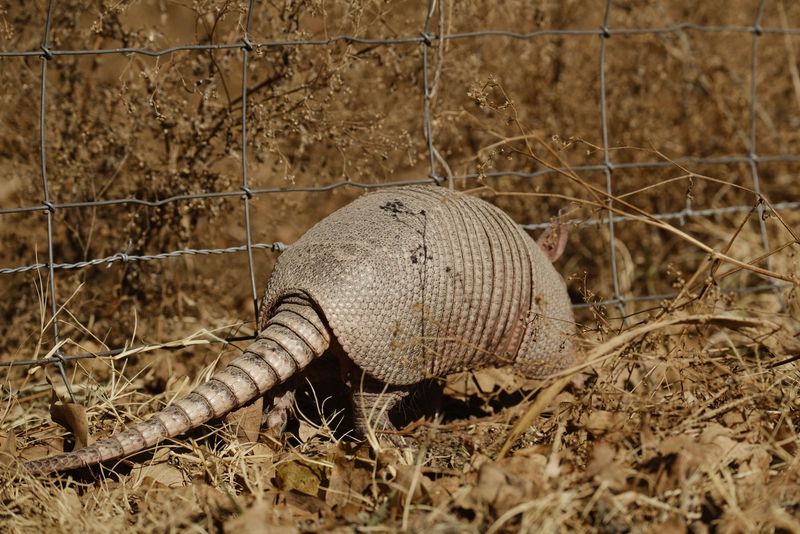
In Georgia, two very different animals can leave a yard looking wrecked by sunrise. One weighs about as much as a house cat and wears armor.
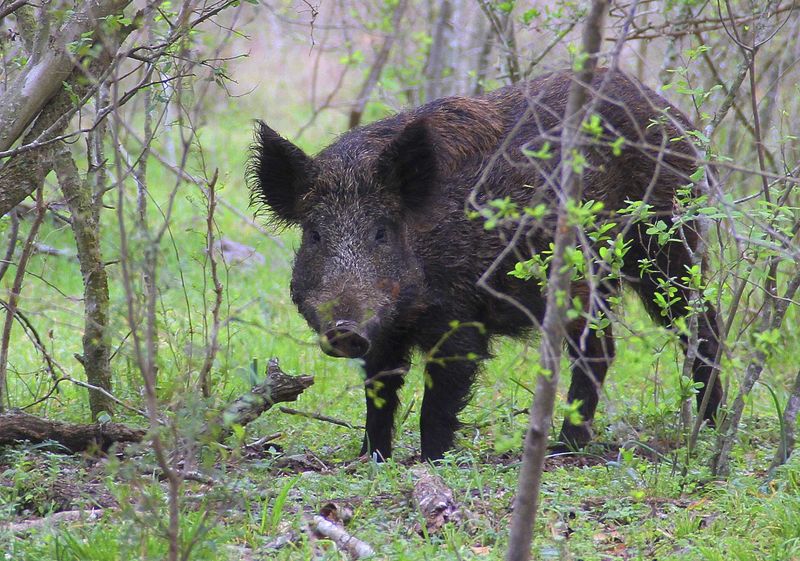
The other can top 150 pounds and travels with family.
You need to read the dirt before you pick a fix, because the wrong guess wastes time and money. The size, shape, and pattern of those holes can reveal which nighttime visitor has been digging through your yard.
1. Those Overnight Holes In Your Lawn Have A Signature
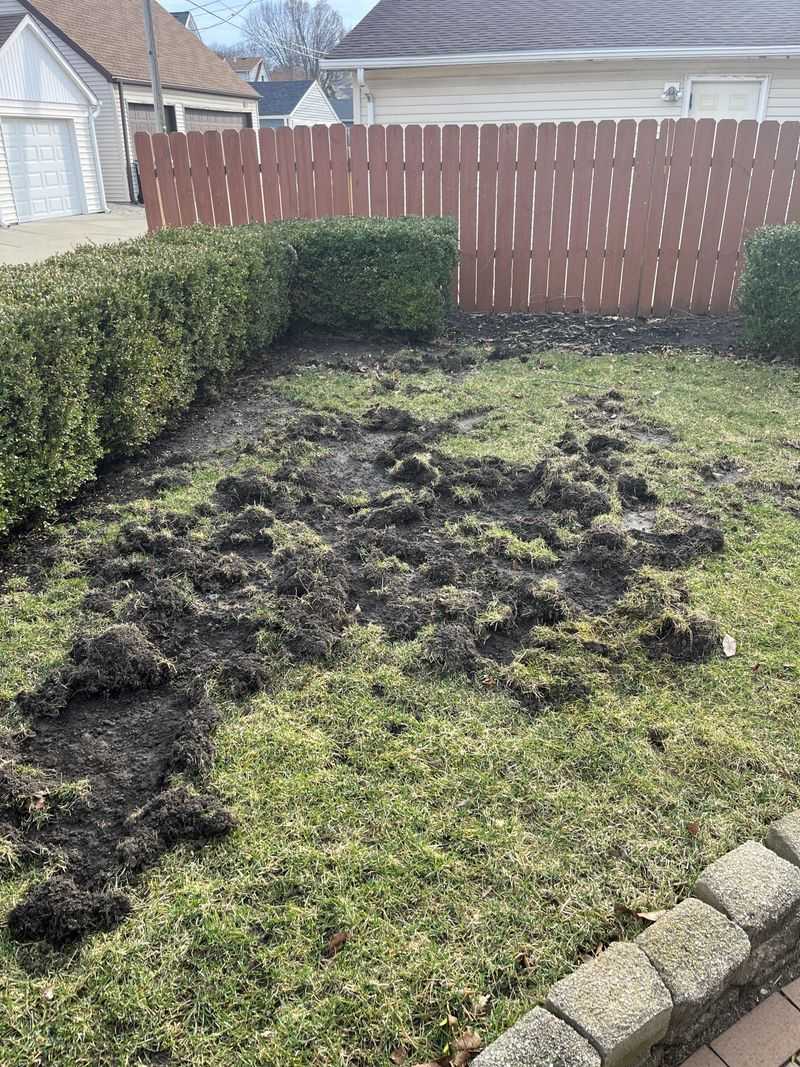
Every digger leaves a calling card. Wildlife biologists at the University of Georgia point out that size, depth, and spread of the damage tell you most of what you need to know.
Small, scattered pits usually mean an insect hunter working alone. Wide sheets of flipped sod and churned soil point to something much heavier, often with company.
Once you know which pattern you have, the right plan gets much easier to choose.
I like to walk the yard early, before mowing or watering, while the clues are still crisp. Morning dew keeps tracks sharp and shows which spots are freshest.
Take a few photos with a shoe or ruler beside the holes for scale. That simple habit helps you compare nights and spot whether things are growing worse or easing up.
Look at where the trouble sits, too. Damage along a creek, wooded edge, or field line suggests a traveling visitor, while digging near shrubs or a deck may mean someone lives close by.
Other suspects exist as well. Skunks and raccoons also dig for grubs, though their holes tend to be smaller and neater.
Keep an open mind until the evidence lines up.
2. Cone-Shaped Pits Point Straight To An Armadillo
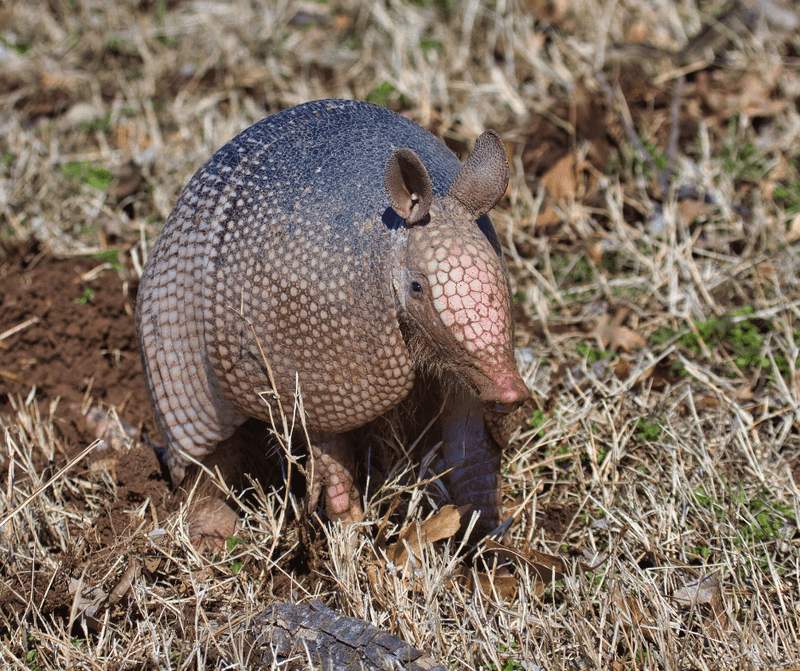
Shallow, cone-shaped holes are the armadillo’s trademark. They usually run about 1 to 3 inches deep and 3 to 5 inches wide, often dotted across the lawn like someone poked it with a funnel.
The nine-banded armadillo has poor eyesight but a fantastic nose. It can smell beetle grubs, earthworms, and ants several inches underground, then shove its long snout in to grab them.
Freshly mulched beds and soft, moist turf are favorite hunting spots. You may find mulch flung onto sidewalks or small strips of sod rolled back like a rug corner.
Fun fact for your next cookout chat. Armadillos can hold their breath for around six minutes, and some even walk across the bottom of shallow streams.
They mostly feed at night during Georgia’s warm months. In winter, you might catch one shuffling around in the afternoon, since they handle cold poorly and shift their hours toward the warmer part of the day.
One more tip: avoid handling armadillos with bare hands. They can carry the bacteria that cause leprosy, and although the risk is low, gloves are a sensible precaution.
3. Feral Hog Rooting Can Make Grass Look Freshly Plowed
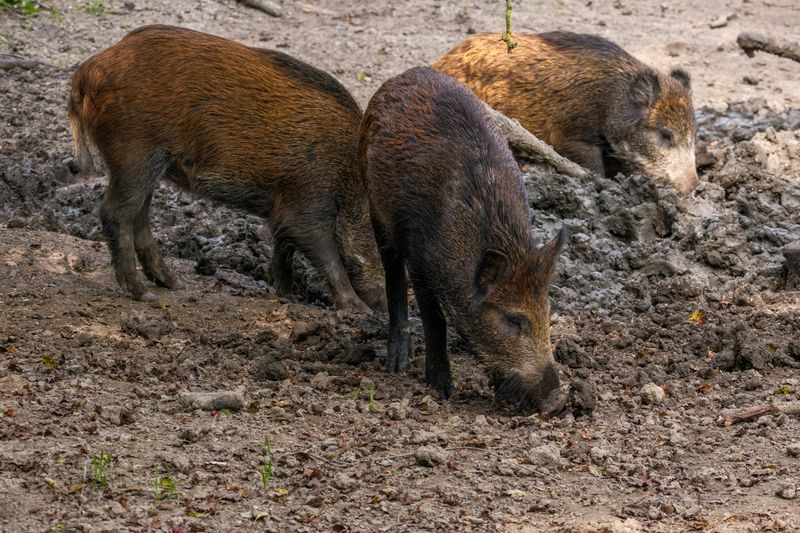
Big damage tells a big story. When whole sections of lawn look tilled, with sod chunks flipped upside down, feral hogs are the likely crew.
Hogs use a tough, flat-ended snout to plow through soil in a behavior called rooting. They hunt roots, tubers, grubs, earthworms, acorns, and even small animals.
One group can overturn a large patch in a single night.
The difference from armadillo work is hard to miss once you see both. Armadillos poke neat little pits, while hogs leave long, ragged furrows that can stretch for yards.
Feral hogs are not native to Georgia, and they are now found in nearly every county. The Georgia Department of Natural Resources considers them a serious invasive problem for farms, forests, and wetlands.
Personally, I would never approach a hog group. Adults can be aggressive, especially sows guarding piglets, and boars carry sharp tusks.
If you see hog damage, check fence lines and creek edges next. Hogs rarely visit just once when food is good, so expect them back unless something changes.
4. Tracks And Droppings Help Settle The Armadillo Or Hog Debate
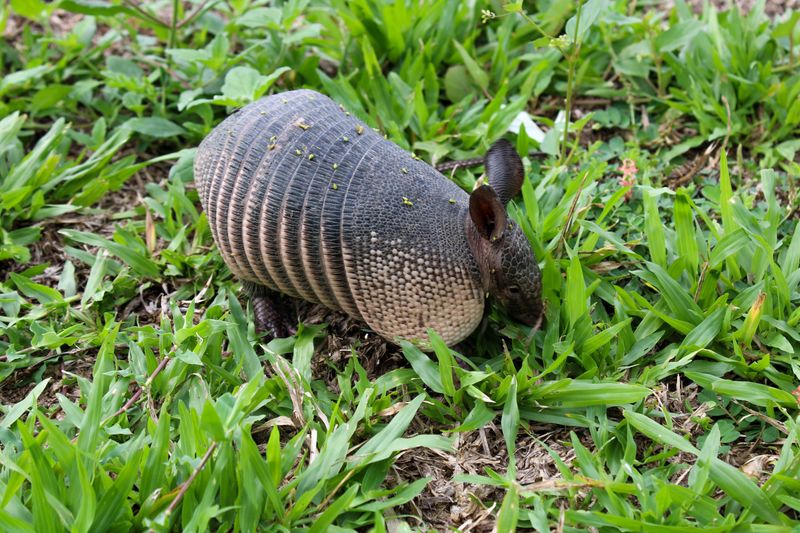
Mud is a gossip. A soft patch near a birdbath or sprinkler head can reveal exactly who strolled through last night.
Armadillo tracks are small and look a bit like tiny bird feet. The front feet show long claw marks, and a dragging tail sometimes leaves a faint line between prints.
Hog prints look like deer tracks with blunter, rounder toes. They often show dewclaw marks behind the main hoof, and their weight presses them deep into wet ground.
Droppings help, too. Armadillo scat is small, round, and often packed with soil and insect bits, since they swallow plenty of dirt while feeding.
Hog droppings are larger and more log-shaped, sometimes with seeds or plant fiber. Nearby, you might spot muddy wallows or trees with dried mud rubbed onto the bark about knee high.
I keep a cheap trail camera aimed at the worst spot for a few nights. Watching the footage with morning coffee is oddly fun, and it removes the guesswork before you spend money on fencing or traps.
5. An Armadillo Burrow Under The Deck Means Someone Moved In
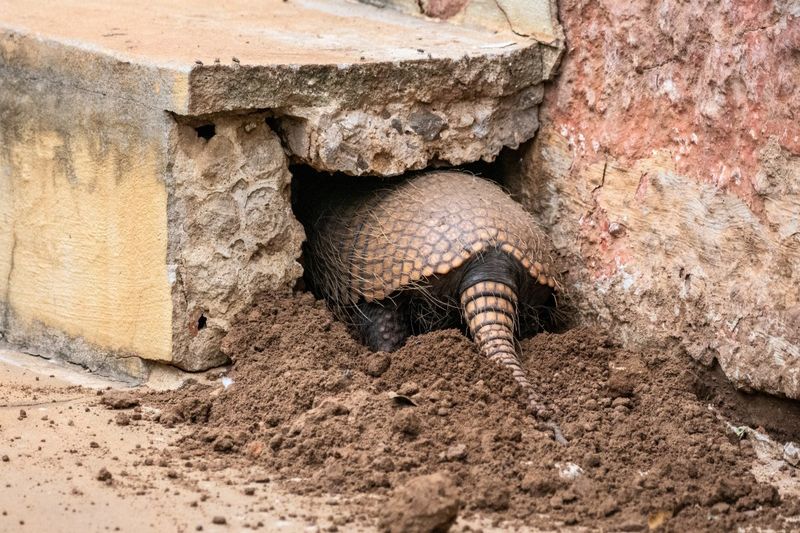
A round hole about 7 to 8 inches wide near your foundation deserves a closer look. Armadillos dig burrows for shelter, and they love spots under decks, sheds, slabs, and thick shrubs.
Loose dirt fanned out at the entrance is a giveaway. The tunnel may run several feet long, and one animal can use multiple burrows around a property.
Hogs do not dig homes like this. They bed down above ground in thick brush, so a true burrow points firmly toward the armored visitor.
Burrows near foundations can cause headaches. Digging may loosen soil around footings, patios, or walkways over time.
Try a simple test. Place a few sticks loosely across the entrance and check them the next morning.
If they are pushed aside, the burrow is active.
Wait until you know it is empty before sealing anything, especially in spring, when young may be inside. Armadillo pups usually arrive in early spring, and closing a burrow then can trap them.
A one-way door or a professional trapper makes the job easier.
6. Grubby Soil And Brush Piles Keep Diggers Coming Back
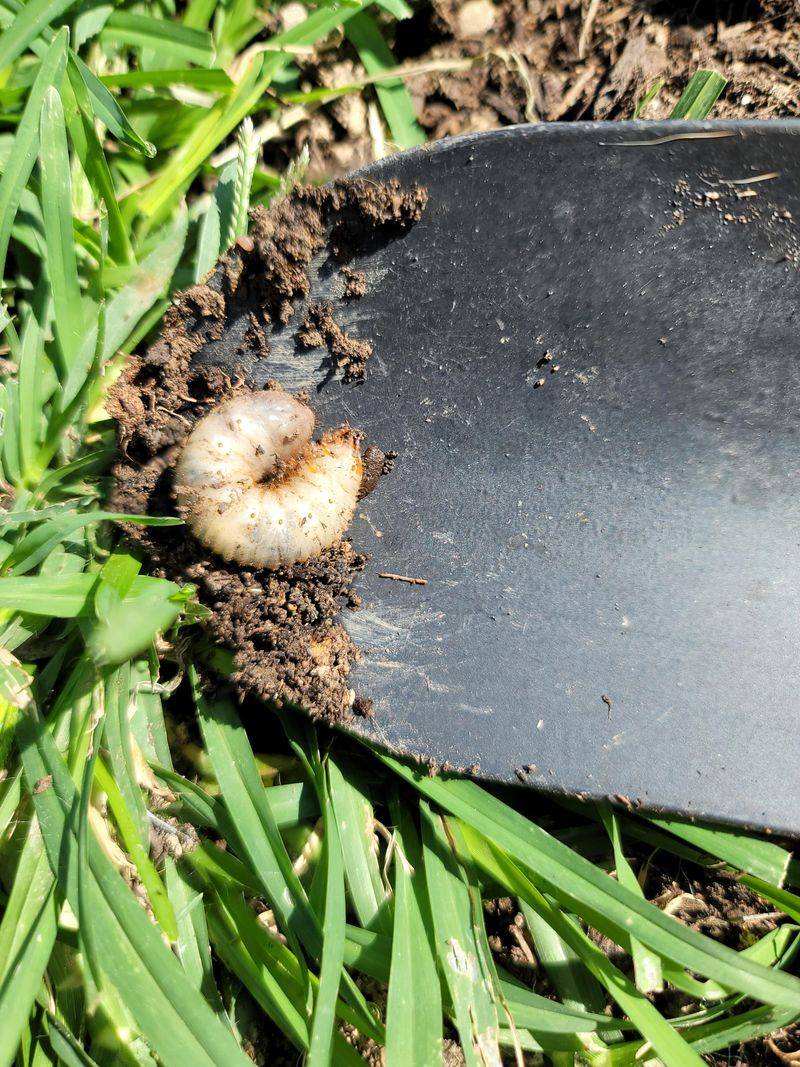
Food and cover explain most visits. Your yard simply offers an easy meal and a safe place nearby.
Lift a square foot of sod in a damaged area and count the white, C-shaped grubs. UGA Extension notes that heavy grub numbers can attract both armadillos and other diggers, though armadillos happily eat earthworms too.
Overwatering plays a part. Soggy, soft soil makes probing easy and pulls worms close to the surface, so water deeply but less often.
Hogs are drawn by different snacks. Fallen acorns, spilled birdseed, pet food left outside, compost piles, and gardens with tubers can all ring the dinner bell.
Clearing brush piles, stacked lumber, and overgrown thickets removes hiding spots for armadillos. Picking up dropped fruit and nuts helps with hogs.
A word of caution about grub treatments. Removing grubs will not reliably send an armadillo away, since it will switch to worms and other insects.
Treat grubs only when they are actually harming your grass, and follow label directions closely to protect pollinators.
7. Fences And Traps Work Better Than Smelly Repellents
Repellent sprays and granules are tempting, but research gives them weak marks against armadillos. Physical barriers and smart trapping beat them most of the time.
For armadillos, wire fencing about 2 to 3 feet tall works when you bury the bottom at least 12 to 18 inches deep. Bending the top outward helps stop climbing.
Live traps succeed best without bait. Set a long cage trap along a fence, wall, or path near a burrow, then add boards in a V shape to funnel the animal inside.
Hogs need tougher measures. Fences should be sturdy and roughly 4 to 5 feet tall, and electric strands set low can help protect small gardens.
Wildlife experts at UGA recommend corral traps that catch an entire sounder at once. Catching one or two hogs often teaches the rest to avoid traps.
Check traps every day, and plan ahead for what happens after capture. Releasing feral hogs elsewhere is illegal in Georgia, and moving armadillos simply hands the trouble to someone else.
8. Georgia Rules For Hogs And Armadillos Are Simpler Than You Expect
Legal questions pop up fast once the digging gets personal. Georgia’s rules for these two animals are fairly relaxed compared to most wildlife.
Feral hogs and armadillos have no closed season in the state. On private land, landowners or people with permission can trap them year-round, and there is no bag limit on hogs.
A few strings remain attached. Live hogs cannot be moved and released, and transporting them requires a permit through the Georgia Department of Agriculture.
City ordinances may also limit firearms or certain traps in neighborhoods.
Hunting at night has its own rules, so check the current Georgia DNR regulations before trying it. Rules can change, and local officers can answer specific questions.
For many homeowners, a licensed nuisance wildlife trapper is money well spent. They know the laws, the gear, and the safest handling methods.
Fill holes, reseed bare spots, and keep watching for fresh clues. Repaired turf heals quickly in warm months, and catching a returning visitor early saves a lot of work later.