Why Ash Trees Have Vanished From Ohio Streets – and the Shade Trees Replacing Them
A beetle smaller than a penny changed the look of nearly every town in Ohio. It arrived quietly, probably hidden in wood packing material from Asia.
Nobody noticed it for years.
Officials confirmed it in the state in 2003. By then, it had already spread far beyond where anyone was looking.
In some woodlands, scientists now report losses of more than 99 percent of one tree group.
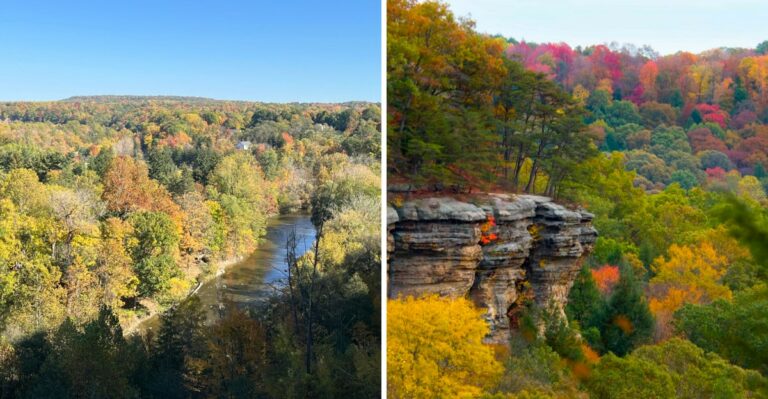
I still remember streets lined with tall, leafy giants that turned purple and gold every fall. Then the stumps showed up, one block at a time.
You may have watched the same thing happen near your own home.
What filled those empty spots along the curb? Some of the newcomers are old favorites, and a few might surprise you.
I think the answer says a lot about how smart planting can protect our neighborhoods for decades.
A Shiny Green Beetle Left Telltale D-Shaped Holes in Ohio Ash Bark
Blink and you would miss the culprit. The emerald ash borer is a slim, metallic green beetle only about half an inch long.
Adults nibble a few leaves, but the real trouble happens out of sight.
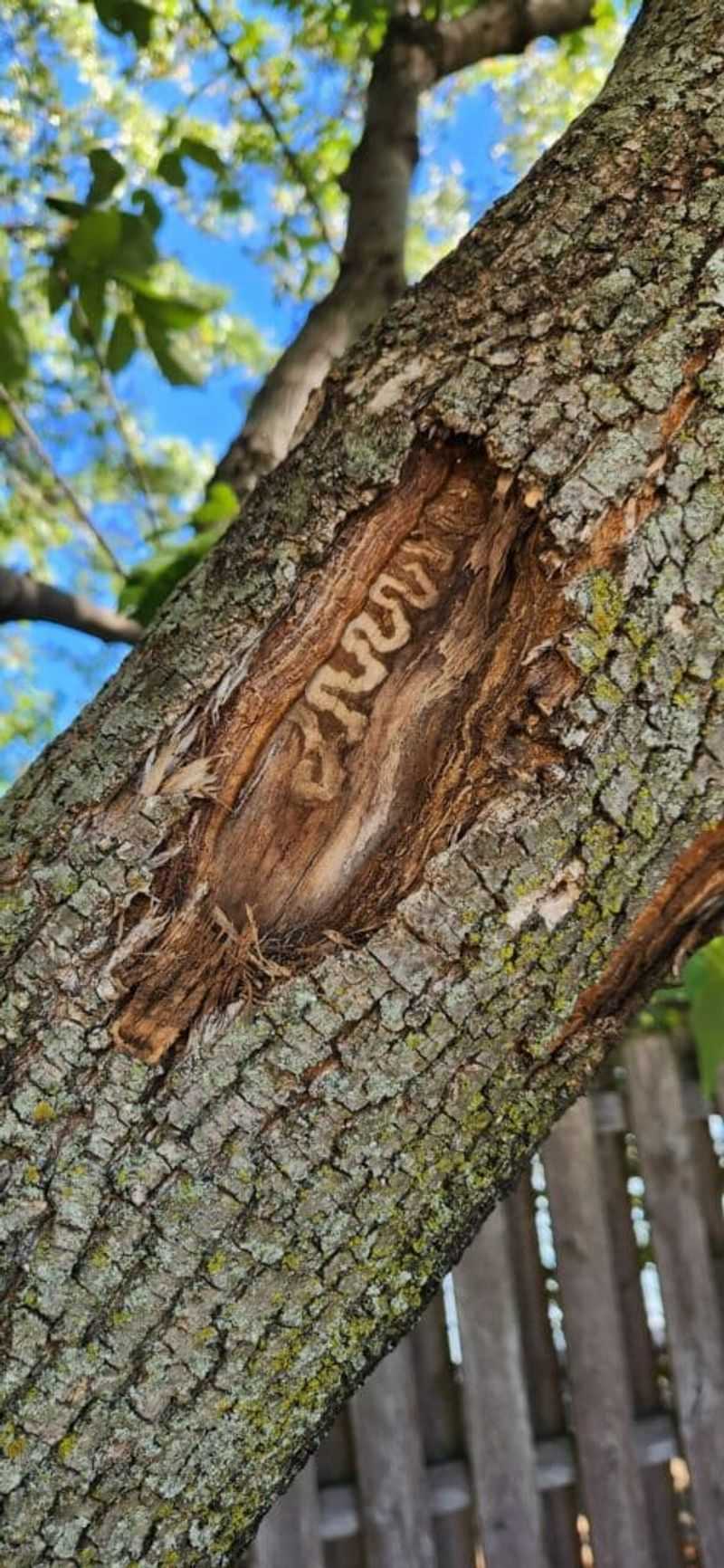
Females lay eggs in bark cracks during late spring and summer. The larvae hatch and tunnel just under the bark, carving winding S-shaped paths called galleries.
Those tunnels cut through the layer that carries water and nutrients up and down the trunk.
Ohio State University Extension notes the beetle likely arrived in Michigan in wood packing material from Asia. It was first confirmed in the state in 2003, near Toledo.
From there, it spread across the state on its own and in moved firewood.
Here are the clues arborists teach people to spot:
Thinning leaves at the top of the crown. Clumps of sprouts near the trunk base.
Pale patches of bark where woodpeckers flake off the outer layer to reach larvae, often called blonding.
The clearest sign is a tiny D-shaped exit hole, about one eighth of an inch wide. When I first learned that detail, I started checking every ash I passed.
Once you know it, you see it everywhere.
Thin Ash Canopies Gave Way to Rows of Stumps Along the Curb
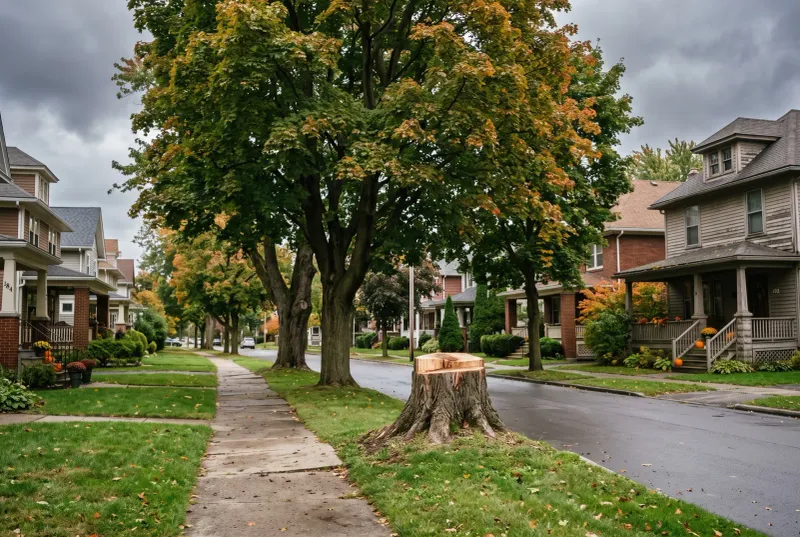
Most infested ash trees don’t go down overnight. The decline usually stretches over three to five years once the beetles move in.
Each season, more of the crown thins out and fewer leaves appear.
Cities faced a tough choice. Treating every ash with insecticide year after year was expensive, and struggling trees become brittle.
Weak limbs over sidewalks, cars, and power lines are a real safety risk.
That is why many communities removed ash trees in large batches. Some towns had planted ash heavily after Dutch elm disease emptied their streets decades earlier.
Ash grew fast, handled tough sites, and seemed like a safe bet.
The lesson stung. When a single species makes up a big share of a street, one pest can strip whole neighborhoods of shade.
Many cities found ash made up a large slice of their street trees.
Forests took a hit too. All five native ash species in the state are vulnerable, including white, green, black, blue, and pumpkin ash.
In some studied woodlands, losses have topped 99 percent.
So if your block suddenly felt sunnier around 2010, you weren’t imagining it. The canopy really did shrink.
Trunk Injections Can Still Save a Healthy Backyard Ash
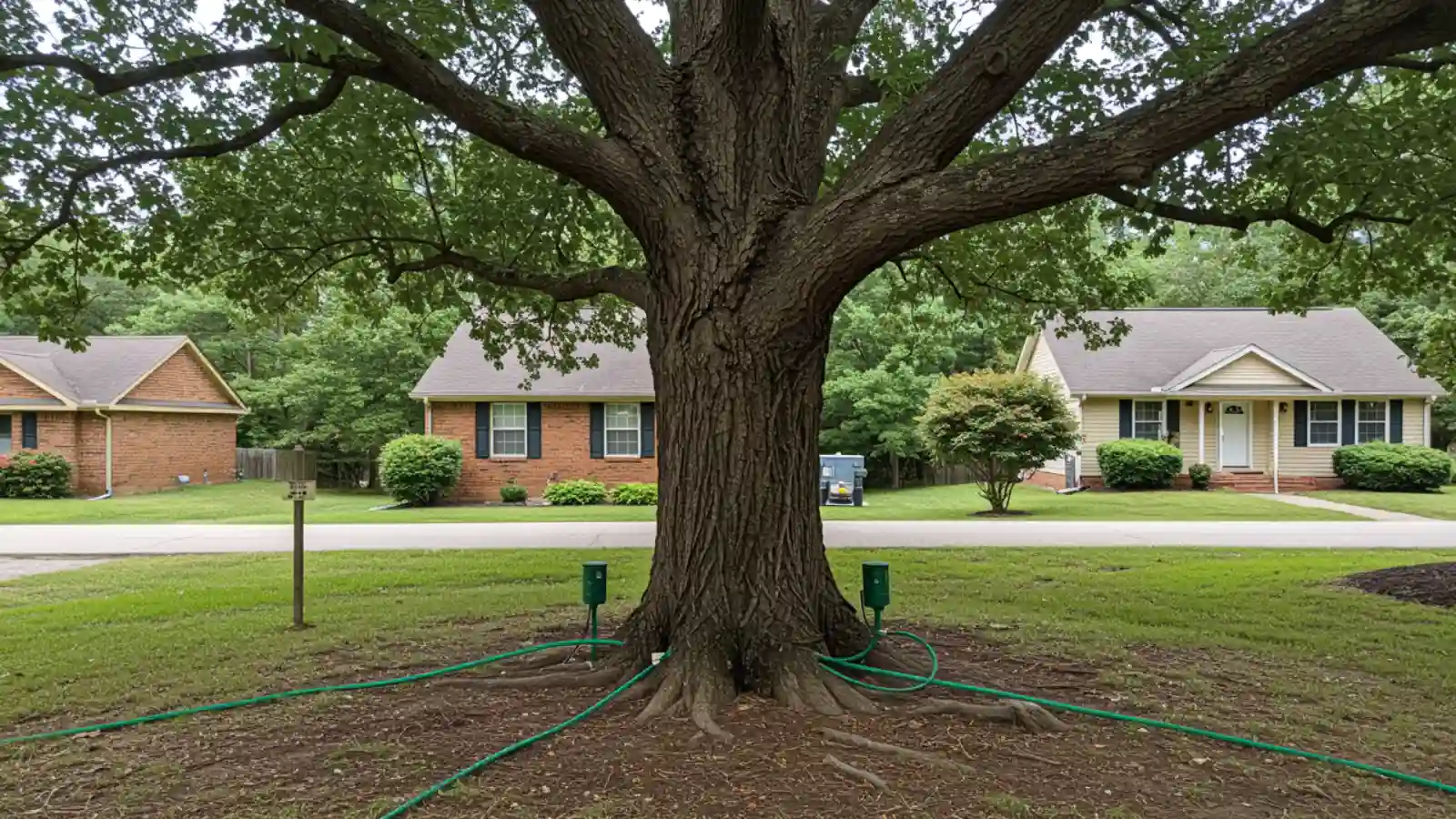
Not every ash had to go. Plenty of homeowners still enjoy big, healthy ash trees thanks to regular treatment.
If you have one that looks full and leafy, you may have more options than you think.
Ohio State University Extension reports that systemic insecticides work best on trees showing less than about 30 to 50 percent canopy loss. Once decline goes much further, treatment rarely brings a tree back.
Timing matters a lot.
The most common professional method is a trunk injection with emamectin benzoate. A single application often protects the tree for two to three years.
Soil drenches with imidacloprid are another option for smaller trees, but they usually need yearly use.
Is it worth it? For a large, well-placed shade tree, treatment can cost less over time than removal plus replanting.
You also keep decades of shade, cooler summer bills, and stormwater benefits.
Call a certified arborist to check your tree before spending money. Ask about trunk health, root problems, and how close the tree sits to your house.
A struggling ash near a roof or driveway is a different story. In that case, safe removal and a fresh planting usually make more sense.
Swamp White Oak and Other Oaks Are Filling the Biggest Gaps
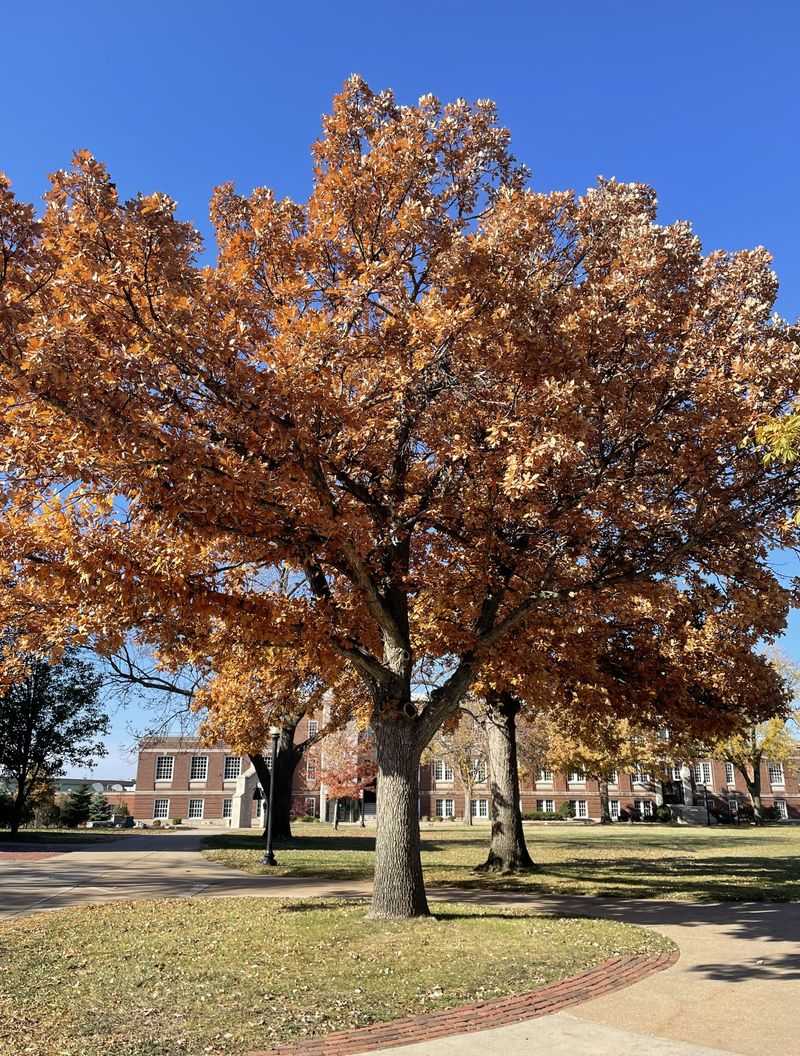
Ask an Ohio forester for a favorite street tree, and you’ll probably hear the word oak. These trees are slow to rush but built to last a century or more.
I love that you plant one for your grandkids as much as for yourself.
Swamp white oak has become a star replacement. It handles wet clay, compacted soil, and road salt better than many trees.
The leaves are dark green on top and silvery underneath, which looks lovely in a breeze.
Northern red oak grows a bit faster and gives bright red fall color. White oak is the classic choice for open yards with good drainage.
Bur oak tolerates drought and urban heat with impressive toughness.
Oaks also feed wildlife like few other trees. Entomologist Doug Tallamy’s research shows native oaks support hundreds of caterpillar species, which in turn feed nesting songbirds.
Acorns keep squirrels, jays, and deer busy all fall.
Plant oaks in early spring or fall, when cool weather helps roots settle. Avoid pruning them from April through July in the state.
Fresh wounds during those months can attract beetles that spread oak wilt.
Red Maple and Sugar Maple Bring Back That Blazing Autumn Glow
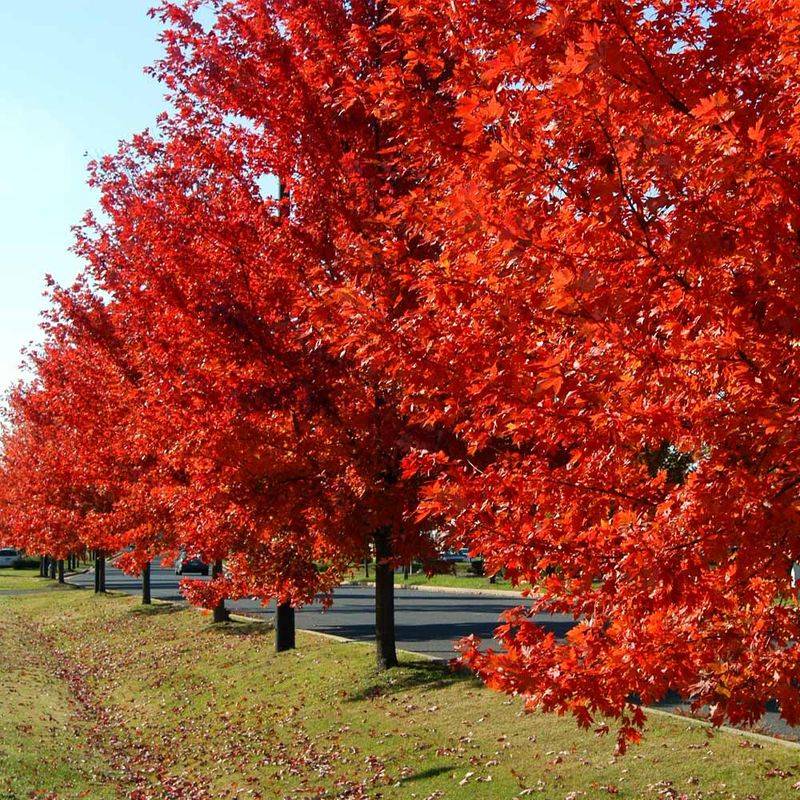
October in Ohio without fiery maples? Hard to picture for most of us.
These native trees have stepped up in many neighborhoods where ash once stood.
Red maple grows quickly and adapts to many soils, including spots that stay damp. Its fall leaves range from scarlet to orange.
It even blooms with tiny red flowers in late winter, giving early bees a snack.
Sugar maple offers dense, cooling shade and that famous orange-gold fall show. It prefers well-drained soil and space to spread.
Road salt and compacted curb strips stress it, so it shines brightest in yards and parks.
Freeman maple, a natural cross between red and silver maple, is another popular pick for streets. Cultivars like Autumn Blaze grow fast and handle tough city conditions.
One word of caution comes straight from foresters. Many towns already have lots of maples, so planting too many repeats the ash mistake.
A common guideline suggests no more than about 10 percent of one species in a community.
Also skip Norway maple. Ohio conservation groups consider it invasive, and it spreads into woodlands.
Stick with native red or sugar maple instead.
Tulip Trees and Black Gum Add Flowers and Fiery Fall Leaves
One of Ohio’s native trees hides one of the prettiest flowers around. The Ohio buckeye is the official state tree, but the tulip tree steals plenty of attention too.
Its cup-shaped blossoms are green, yellow, and orange, appearing in late spring.
Tulip tree, also called tulip poplar or yellow poplar, is one of the tallest native hardwoods in the eastern U.S. It grows fast and straight, with leaves shaped like a cat’s face.
Give it room, though, because it gets huge.
Pollinators love those flowers. Bees, hummingbirds, and butterflies visit, and eastern tiger swallowtail caterpillars feed on the leaves.
It prefers deep, moist soil and does best in yards and parks rather than narrow curb strips.
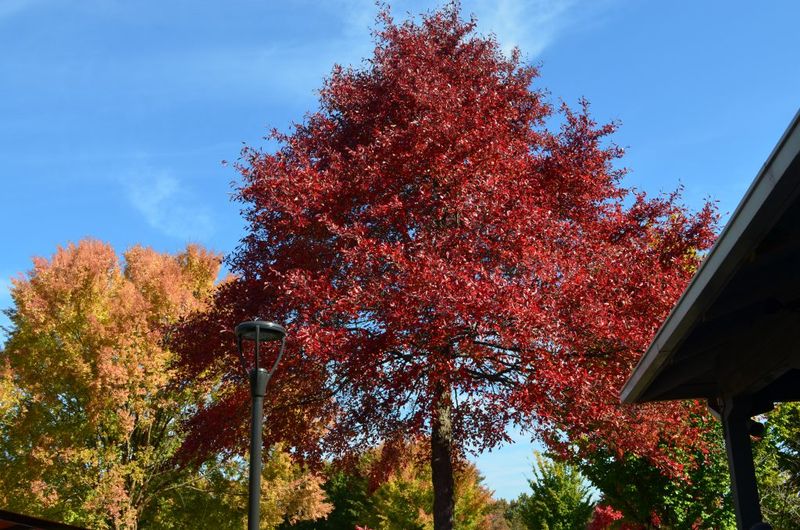
Black gum, also called tupelo, is the quieter neighbor with a big finale. Its glossy leaves turn brilliant red, orange, and purple in fall.
Small spring flowers draw bees, and the dark blue fruit feeds migrating birds.
Personally, I think black gum is underused. It tolerates wet soil and has few pest problems.
It can be slow to establish, so plant a smaller nursery tree and be patient through its first few seasons.
Tough Street Survivors Like Hackberry, Kentucky Coffeetree, and Elm
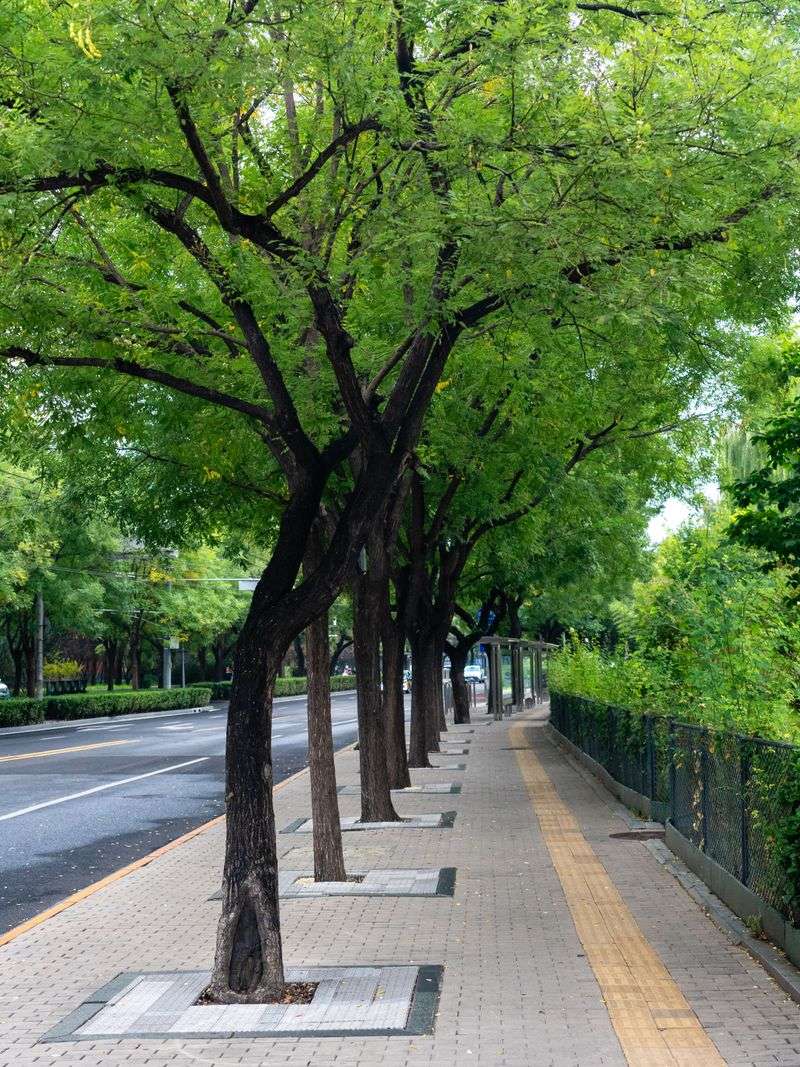
Curb strips are rough places to grow up. Roots fight concrete, salt splashes from winter roads, and summer heat bounces off pavement.
Some trees simply shrug it off.
Hackberry is a native workhorse with knobby, corky bark that kids love to touch. It handles drought, wind, and poor soil.
The small purple fruits feed birds, and the leaves host several butterfly species.
Kentucky coffeetree is another native with real grit. It has huge compound leaves, chunky seed pods, and few serious pests.
Many cities now choose seedless male selections like Espresso to avoid messy pods on sidewalks.
Elms are making a comeback too. Dutch elm disease emptied streets in the 1900s, but newer disease-resistant American elm cultivars like Princeton and Valley Forge are back in nurseries.
They bring that classic vase shape over the road.
Ginkgo, though not native, is a common non-invasive street choice. Its fan-shaped leaves glow gold in fall.
Choose male trees, because females drop smelly fruit.
Fun fact: ginkgo lineages date back over 200 million years. Your street tree has relatives that grew alongside dinosaurs.
Mixing Many Tree Species Keeps Your Shady Street Safe From the Next Pest
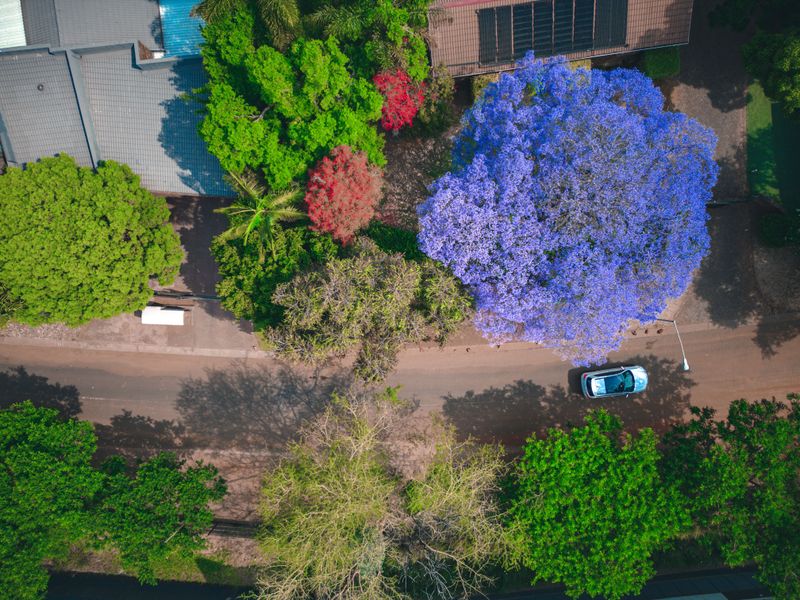
Variety is the best insurance policy a tree lover can buy. The ash story proved that leaning on one species leaves a whole town exposed.
Many foresters follow the 10-20-30 rule to spread out risk.
That guideline suggests no more than 10 percent of one species, 20 percent of one genus, and 30 percent of one family. You can apply the same idea at home.
If your neighbors all have maples, try an oak, black gum, or hackberry.
New threats are already here. Spotted lanternfly has been found in parts of Ohio, and Asian longhorned beetle was detected in Clermont County.
Diversity helps limit the damage any one pest can cause.
Ready to plant? Fall and early spring are ideal across most of the state.
Dig a hole two to three times wider than the root ball, but no deeper.
Keep the root flare visible at soil level. Spread mulch two to three inches deep, pulled back from the trunk.
Water deeply each week during the first two summers.
Before planting near a curb, check with your city. Many Ohio towns have approved street tree lists and may even offer free replacement trees.