Termite Mud Tubes On Georgia Home Foundations Are A Warning Sign Homeowners Shouldn’t Ignore
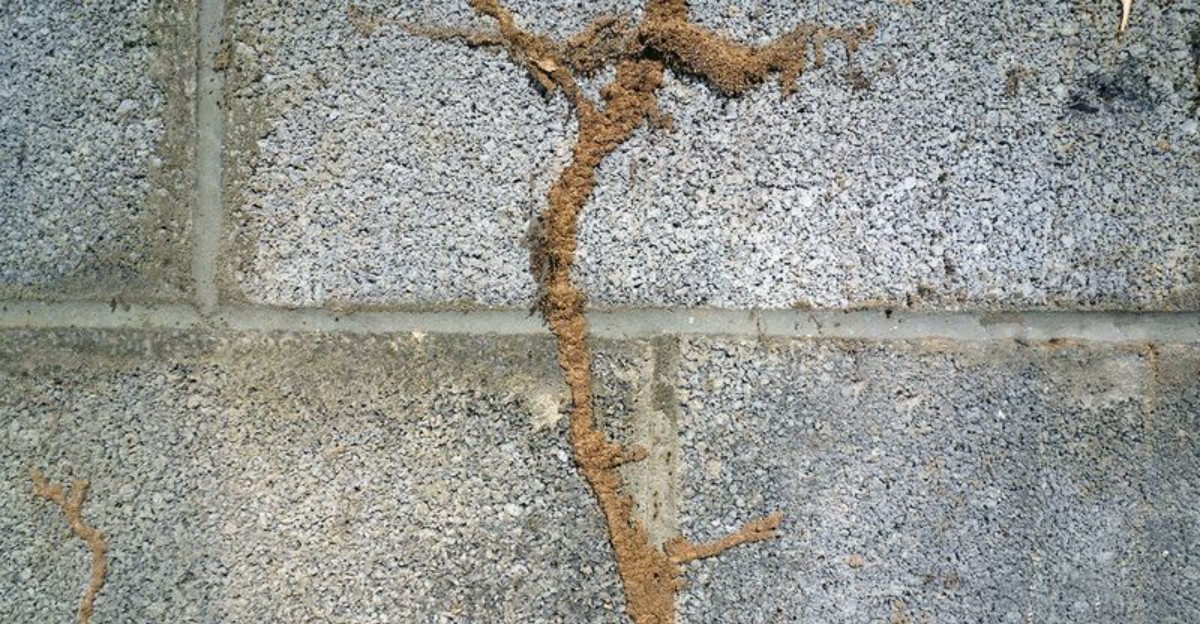
Even a pencil-thin line of dirt on your foundation can hide thousands of hungry insects. I found one last spring while pulling weeds near my porch steps, and my trowel froze in midair.
That skinny brown streak was not random mud splashed by rain. Tiny workers built it grain by grain, mixing soil with saliva and bits of chewed wood.
They use it like a covered bridge between the ground and something they badly want to eat.
Here in Georgia, our warm, humid weather keeps these builders busy almost every month of the year. I check my foundation now the same way I check tomatoes for hornworms.
You need sharp eyes, because these little paths blend right into concrete and clay.
That narrow trail could be hiding a much bigger problem than it appears. Knowing what is traveling inside and why it matters could help you catch trouble before it reaches the wooden parts of your home.
1. That Skinny Dirt Line On Your Foundation Has A Builder
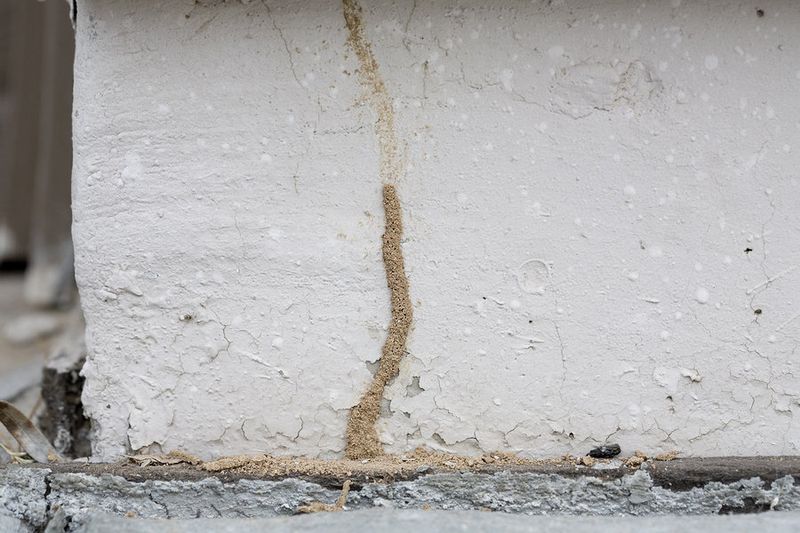
Last summer, a friend asked me why her brick foundation had a crooked brown vein running up it. I knelt down, tapped it, and gave her the bad news.
Those narrow tunnels are mud tubes built by subterranean termites. Worker termites make them from soil, wood bits, and their own saliva and droppings, which act like glue.
Most tubes are about the width of a pencil, often between a quarter inch and an inch wide.
You will usually find them on concrete foundations, block piers, chimney bases, and inside crawl spaces. They can also run along plumbing pipes or hide behind shrubs pressed against the house.
In red clay areas, the tubes may carry a rusty tint.
A single tube might look harmless, like a mud dauber nest or dried splash from a hose. Mud dauber nests, though, are usually lumpy clusters or organ-pipe shapes, not long climbing trails.
Termite tubes tend to travel from the soil upward in a fairly steady line.
If you spot one, take a clear photo and note where it starts and stops. That simple record helps a professional understand what is going on.
It also helps you watch whether new tubes appear over the next few weeks.
2. Subterranean Termites Need Those Muddy Tunnels To Stay Moist
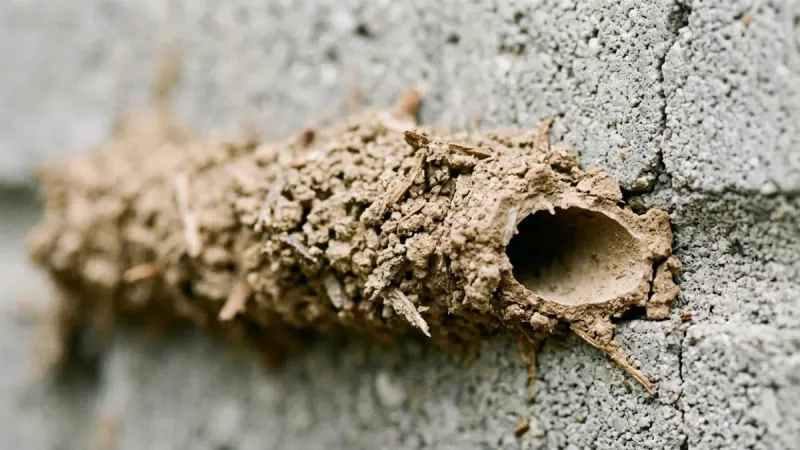
Soft-bodied and pale, a worker termite is a surprisingly fragile creature. Out in dry, open air, it loses body moisture fast and struggles to survive for long.
That weakness explains the whole mud tube system. The tunnels hold in humidity and shield termites from sunlight, wind, and predators like ants.
Inside, they can travel safely between the underground colony and their food.
Their favorite food is cellulose, the material found in wood, paper, and cardboard. Your sill plates, floor joists, and wooden trim all contain plenty of it.
Subterranean termites nest in soil, so they must keep returning to the ground for moisture.
So a mud tube on your foundation is not just a sign termites live nearby. It usually means they have found a reason to climb toward your home.
Concrete itself is not food, but it gives them a path to wood above.
Fun fact for curious gardeners: termites play a useful role in forests by breaking down fallen logs into soil. The trouble starts only when they confuse your house with a rotting tree.
Out in the woodpile, they are recyclers.
3. Leave That Mud Tube Alone Until A Pro Sees It
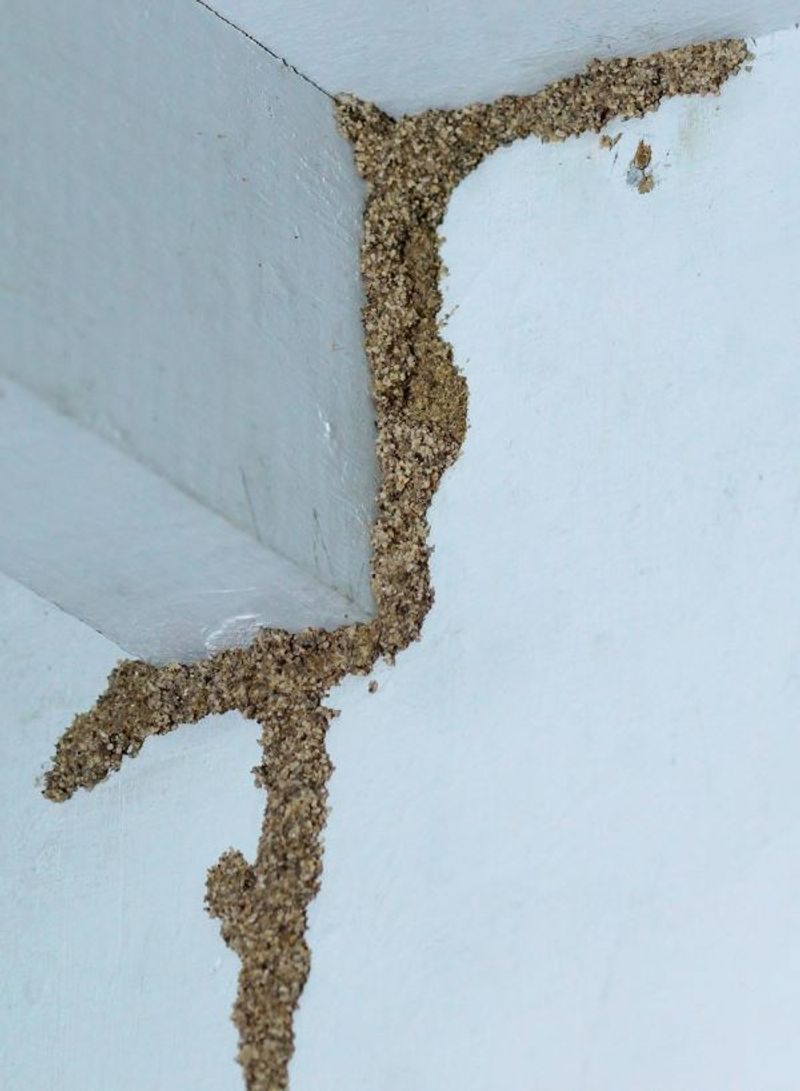
My first instinct was to scrape that tube off with my trowel and pretend it never happened. I am glad I stopped myself.
Knocking down a tube does not remove the colony. Termites often rebuild the tunnel or simply move to a hidden route behind siding, under a slab, or inside a wall.
You lose the clue while the feeding continues out of sight.
Inspectors use intact tubes to trace entry points and judge how active the termites are. A tube left in place helps them decide where treatment or bait stations will work best.
It is a bit like leaving footprints at a scene for the detective.
If you want to know whether termites are still active, leave the tube intact and have a licensed termite inspector examine it.
Check back in a few days. Repaired mud often signals an active colony, and you might even glimpse cream-colored workers.
Skip the store-bought bug sprays on the tube itself. Surface sprays rarely reach the colony underground and can push termites to a new spot.
Instead, take photos, mark the location, and call a licensed pest control company soon.
4. A Licensed Termite Inspector Can Map What You Cannot See
Calling a professional might seem unnecessary for a strip of dirt. Trust me, it’s the smartest move you can make.
In Georgia, companies treating homes for termites must be licensed through the Georgia Structural Pest Control Commission, part of the state Department of Agriculture. Ask to see the license number before anyone starts work.
Checking it takes only a minute online.
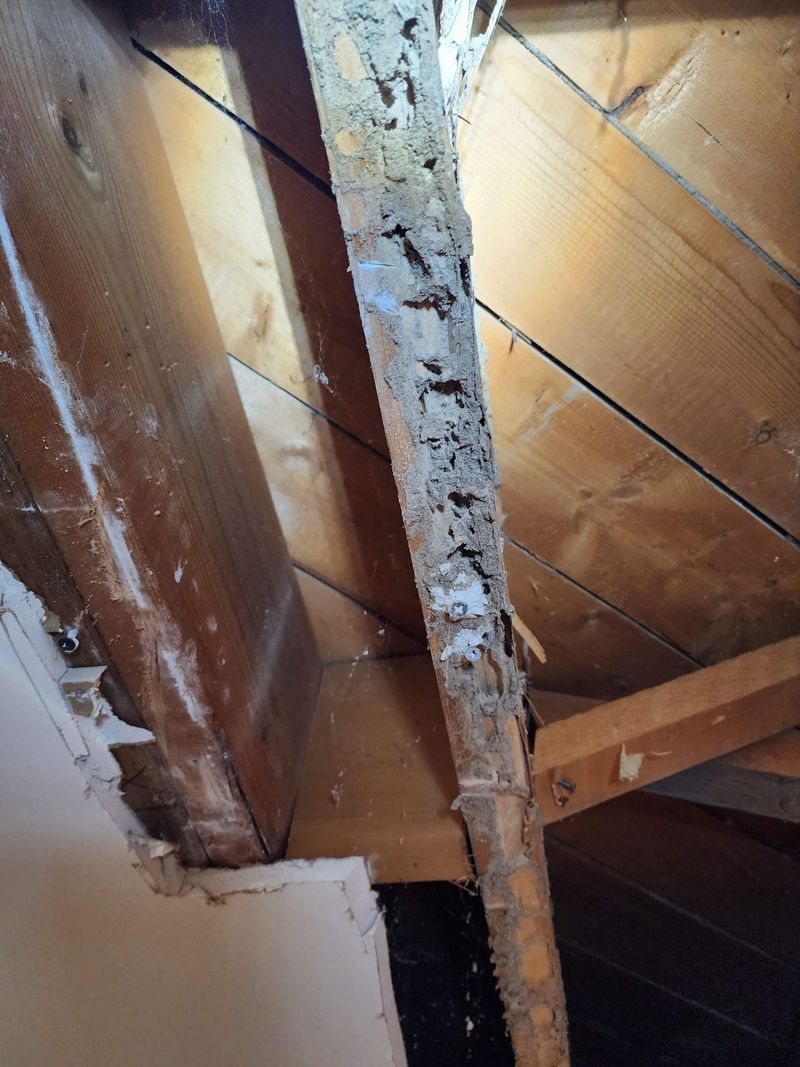
A good inspector looks at the foundation, crawl space, attic, garage, and areas near plumbing. They probe wood for soft spots and may use moisture meters.
They also note conditions that invite termites, like leaky gutters or wood touching soil.
Common treatment options include liquid termiticides applied to the soil around the foundation and in-ground bait systems. Both can work well when placed correctly.
Your home’s construction, such as a slab or crawl space, often shapes the best choice.
Get at least two or three quotes and read each contract carefully. Some plans include repair coverage, while others cover only retreatment.
Also ask how often follow-up inspections happen, because yearly checks catch new trouble early.
5. Eastern And Formosan Termites Both Roam Georgia Soil
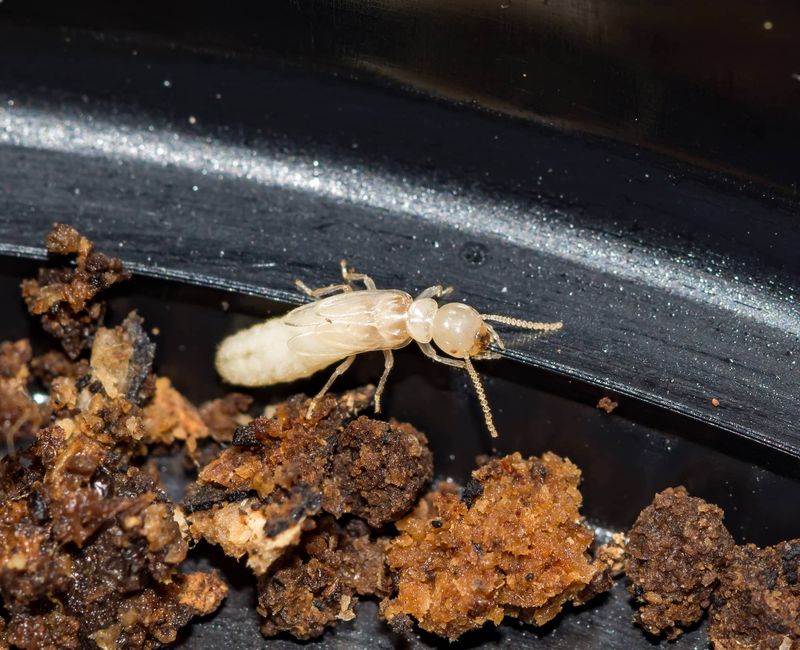
Not every termite in our soil is the same species, and that matters more than you might guess. Two subterranean types cause most of the worry for homeowners here.
Eastern subterranean termites are the most common across the state. You can find them from the mountains in the north to the coast in the south.
Their colonies work slowly but steadily, and damage can add up over years.
Formosan subterranean termites are an invasive species with much larger colonies. UGA Extension and other researchers have confirmed them in parts of Georgia, including some metro and coastal areas.
Their big appetites can lead to faster damage.
Both kinds build mud tubes, so the tubes alone will not tell you which species you have. A trained inspector can identify them by looking at soldiers or winged swarmers.
That identification helps guide the right treatment plan.
Drywood termites also exist in the Southeast, but they are a different story. They live inside dry wood and usually do not build mud tubes at all.
Instead, they leave tiny pellet piles that look like grains of sand or coffee grounds.
6. Spring Termite Swarms Often Show Up Near The Same Tubes
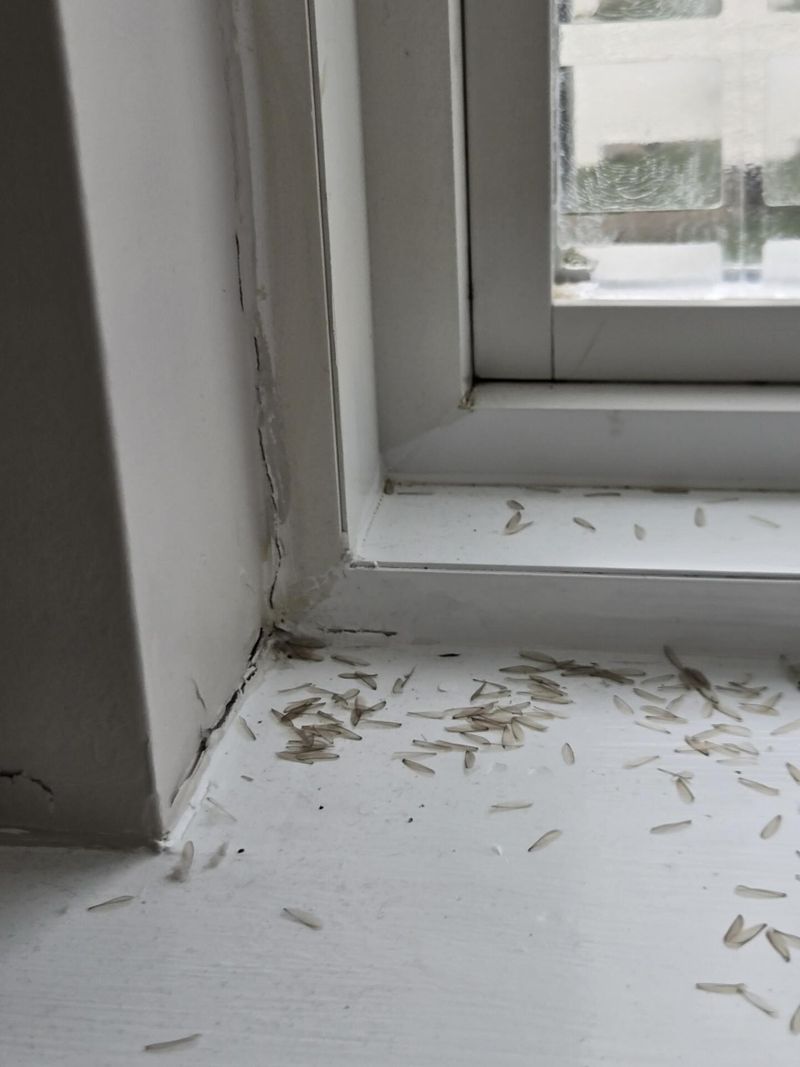
One warm spring afternoon after a rain, my patio suddenly sparkled with tiny wings. It looked almost pretty until I realized what had happened.
Termite swarmers are winged adults that leave mature colonies to start new ones. In much of Georgia, Eastern subterranean termites often swarm in late winter through spring, usually on warm days after rain.
Formosan termites tend to swarm later, often on late spring and early summer evenings near lights.
Swarmers are often mistaken for flying ants. Termites have straight waists, straight antennae, and two pairs of wings that are equal in length.
Flying ants have pinched waists, elbowed antennae, and front wings longer than the back ones.
Finding swarmers indoors, or piles of shed wings on windowsills, is a strong sign of an established colony nearby. Pay close attention if you also see mud tubes along your foundation.
That combination deserves a quick call to a professional.
Keep in mind that termites feed year-round in our mild climate. Swarm season simply makes them easier to notice.
Quiet months do not mean the colony took a break.
7. Mulch And Garden Beds Hugging Your Foundation Can Invite Trouble
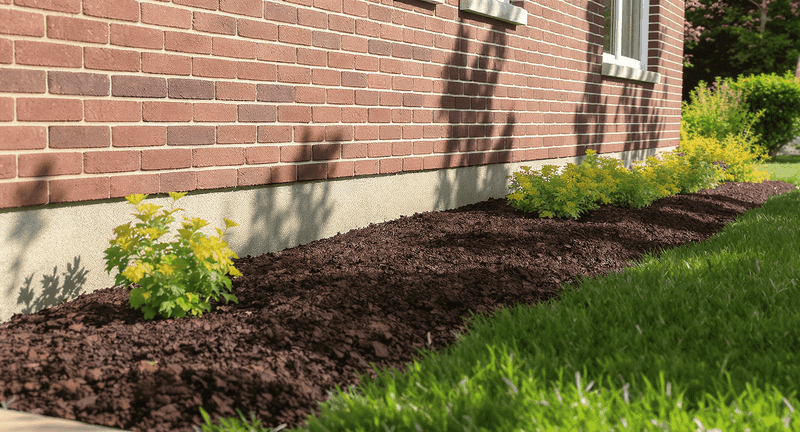
Gardeners, this one is for us. I love a tidy flower bed tucked against the house, but my termite inspector gave me a friendly scolding.
Thick mulch piled against the foundation holds moisture and can hide mud tubes from view. Termites love damp, protected soil right where wood meets concrete.
Pine straw, bark, and wood chips can all add to the problem when piled high.
Many extension experts suggest keeping mulch a few inches below siding and pulled back from the foundation. Some homeowners leave a narrow strip of bare soil or gravel right next to the wall.
That gap makes inspection easier and reduces moisture.
Watch your sprinklers too. Spray that hits the foundation every day keeps the soil soggy.
Adjust heads so water lands on plants, not on brick or block.
Shrubs pushed tight against the house create shady, humid pockets. Prune them back so air can move and you can walk behind them with a flashlight.
Your azaleas and hollies will still look lovely with a little breathing room.
8. A Quick Foundation Walk Each Season Keeps Your House Safer
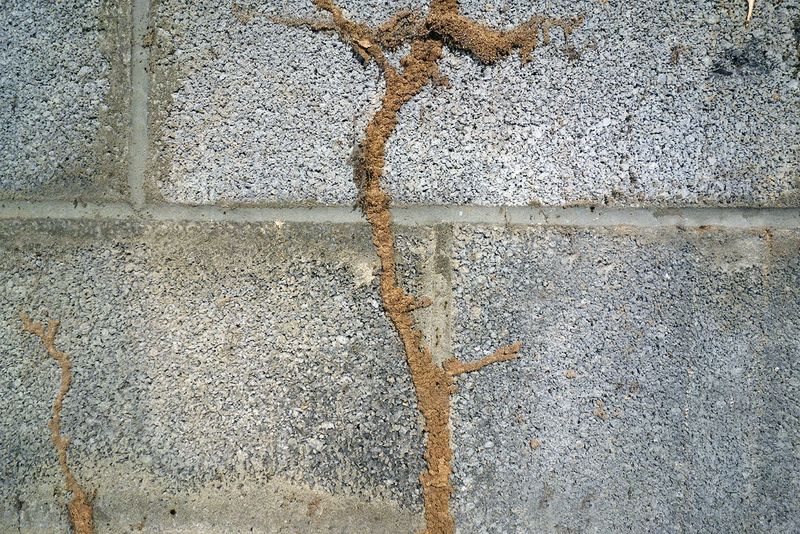
Grab a flashlight and a cup of coffee, because this habit takes about fifteen minutes. I do it whenever I change my garden for the season.
Walk the full perimeter of your house and scan the foundation from soil level up to the siding. Look closely at corners, steps, porch piers, and spots behind shrubs.
Peek into the crawl space if you can do it safely.
While you walk, fix moisture problems. Clean gutters, point downspouts away from the house, and repair leaky outdoor faucets.
Stack firewood well away from the walls and off the ground.
Also look for wood touching soil, such as fence posts attached to the house, old form boards, or lattice under the porch. Those spots act like free bridges for termites.
Lumber scraps buried in the yard can feed colonies too.
Finally, schedule a professional inspection once a year, even if you see nothing. Termites work quietly, and early detection usually means simpler, cheaper treatment.
Your house is likely your biggest investment, and a little attention goes a long way.