What It Means When Heavy Rain Leaves Pooling Water in Your New York Garden Beds Before Winter
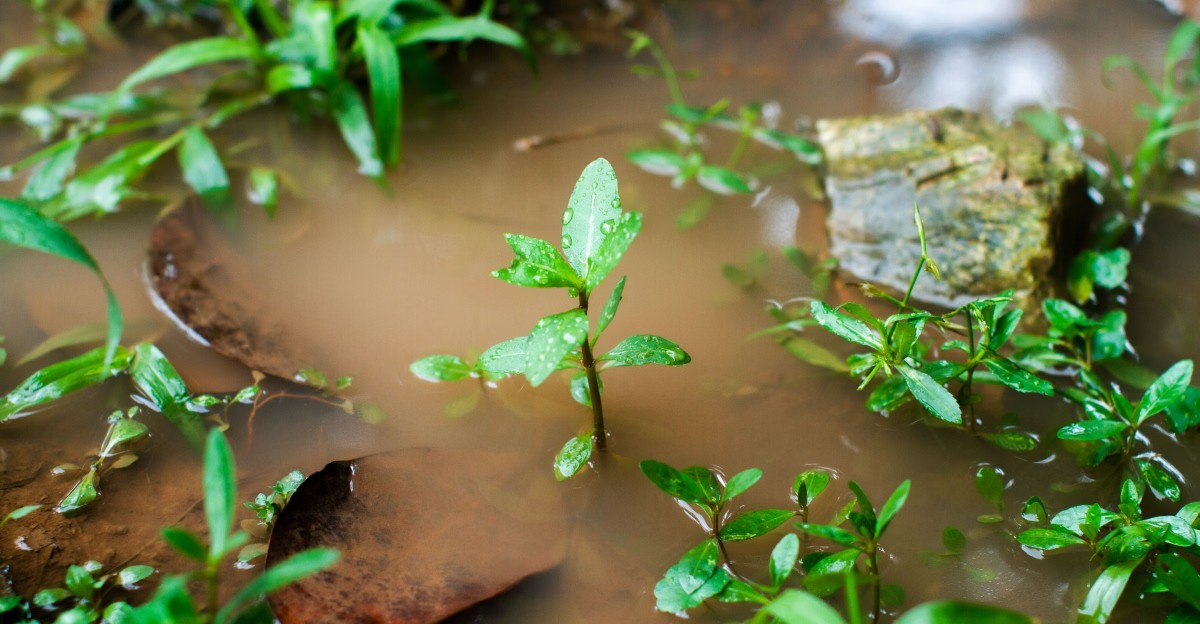
Plant roots breathe. Cut off their air for a few days, and many of them start to suffocate, even when the weather feels cool and calm.
That fact stopped me cold the first fall I watched puddles sit in my perennial bed for two full days. I had assumed extra water before winter was a free gift. Let’s just say my spring garden disagreed.
Here in New York, late fall storms can drop serious rain right as the ground starts to chill. Water that lingers now has fewer warm, sunny days to soak away or evaporate. Then the freezes arrive, and that trapped moisture turns into ice inside your beds.
So what is that shiny puddle trying to tell you? Some of the answers sit right under your boots, and a few might surprise you more than you expect.
Those Lingering Puddles Are Really About Your Plant Roots
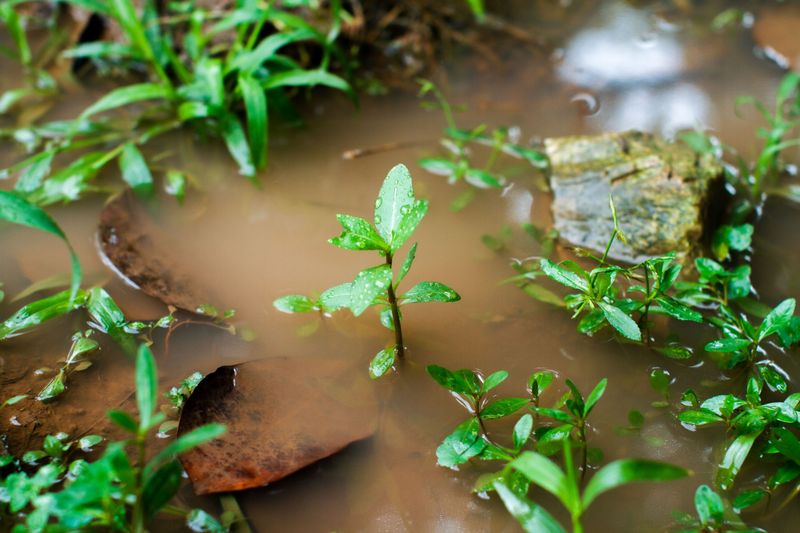
Roots need oxygen just as much as leaves need light. Healthy soil is full of tiny air pockets, and heavy rain can fill every one of them with water.
When puddles sit in a bed for more than a day or so, roots start running short on air. Cornell and other university extension programs explain that roots in saturated soil can’t take up water and nutrients properly.
Funny thing is, the plant may wilt or yellow as if it were thirsty, even while standing in a puddle.
Soggy, airless soil also invites water molds such as Pythium and Phytophthora. These organisms spread easily through wet ground and cause root rot.
Rotted roots often look brown, mushy, and smell sour, while healthy roots look firm and pale.
For what it’s worth, one short soaking rarely causes lasting harm. Trouble usually builds when water stands for several days or keeps returning after every storm.
So treat lingering puddles as a clue, not a crisis. Note which spots flood, how long the water stays, and which plants sit in it.
That simple record helps you decide whether a bed needs a quick fix, a long-term soil plan, or a change of plants. Your future spring garden will thank you for paying attention now, while the signs are easy to see.
A Quick Drainage Hole Test Tells You How Serious the Soggy Bed Is
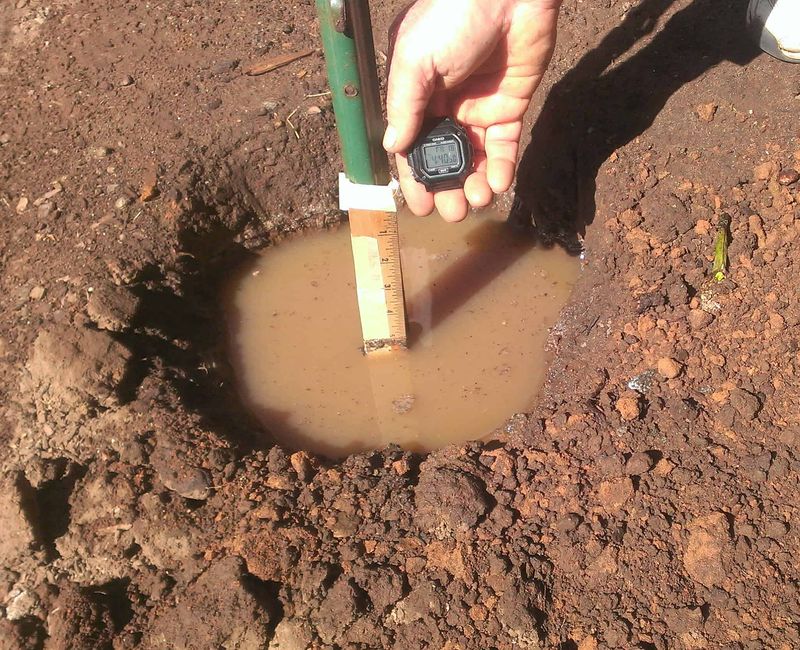
Grab a shovel and a ruler, because your soil can answer this question better than any guess. A percolation test takes a little patience but almost no money.
Dig a hole about 12 inches deep and 6 inches wide in the problem bed. Fill it with water and let it drain once, which soaks the surrounding soil.
Then fill it again and check the water level every hour.
Many extension guides consider roughly 1 to 6 inches of drop per hour to be reasonable drainage for most garden plants. Less than about an inch per hour points to slow drainage.
If water is still sitting in the hole the next day, you have a real problem worth fixing.
Don’t make my mistake of testing right after a storm when the whole yard is soaked. Wait a few dry days so the results reflect the soil, not the weather.
Testing a couple of different beds also helps, since drainage can change a lot across one yard.
Write down your numbers. They help you choose between adding organic matter, regrading, raising the bed, or picking different plants.
A clear answer now keeps you from spending money on fixes your soil doesn’t need, and the test only costs you an afternoon.
Clay Soil and Compacted Ground Hold Water Like a Sponge
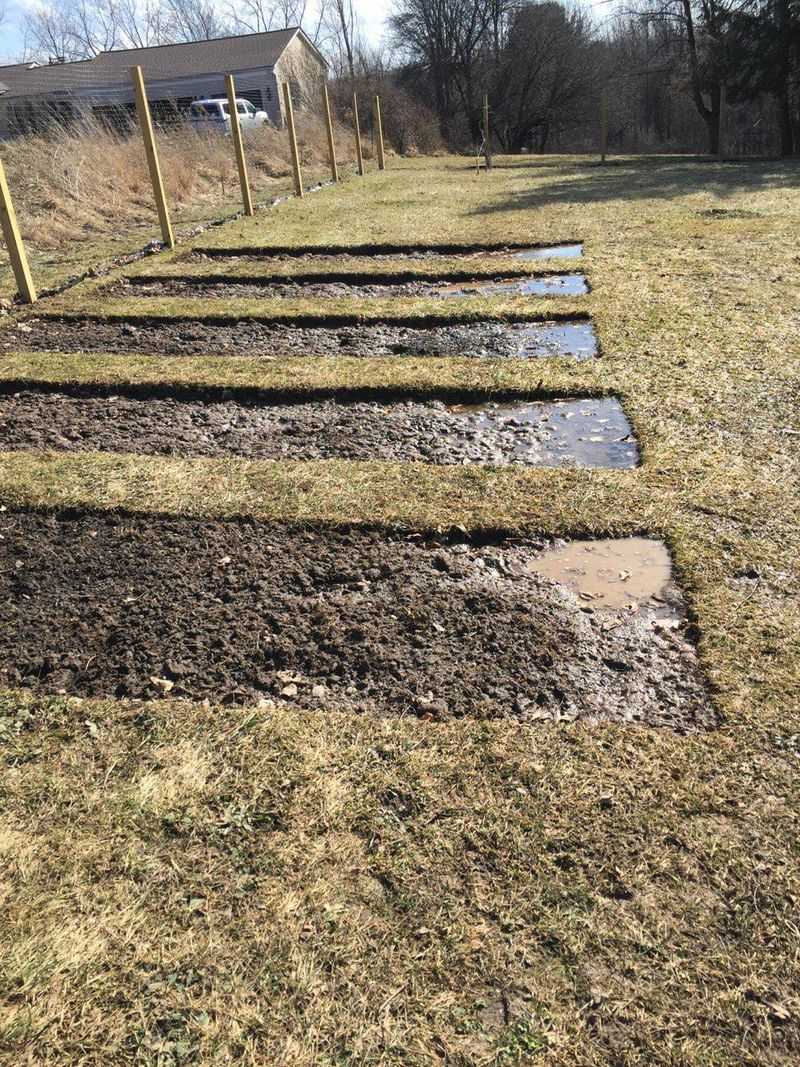
Squeeze a handful of wet soil from the flooded bed. If it forms a smooth, sticky ribbon between your fingers, you’re likely holding a lot of clay.
Clay particles are extremely tiny and flat. They pack tightly together, leaving very small pores, so water moves through slowly.
Many parts of the state have heavy or clay-rich soils left behind by glaciers, along with dense layers that slow drainage below the surface.
Compaction makes things worse. Walking on beds, parking wheelbarrows on them, or working soil while it’s wet presses particles even closer.
Construction around newer homes often leaves a hard, squashed layer under a thin coat of topsoil.
Between you and me, I used to step right into my beds after rain to pull weeds. That habit flattened the soil and made the next puddle last even longer.
Now I stay on paths and use stepping stones.
A few clues point to compaction. Water beads up instead of soaking in, a shovel stops hard a few inches down, and roots spread sideways instead of downward.
Probing with a long screwdriver can help you find that tight layer. Knowing whether the trouble is clay, compaction, or both shapes every fix you try next, so it pays to check first.
Downspouts and Low Spots Might Be Funneling Water Into Your Beds
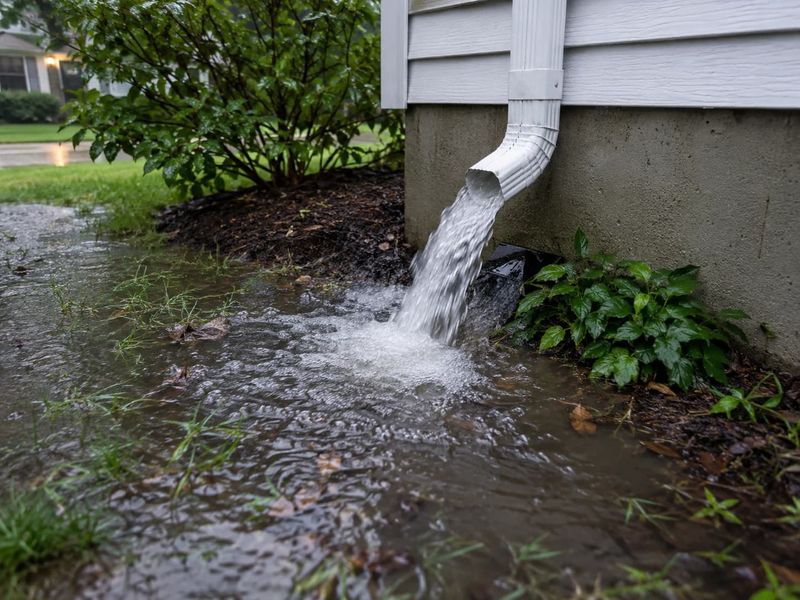
Sometimes the soil isn’t the main culprit at all. Water simply follows gravity, and your garden may sit right at the bottom of the slope.
Walk your yard during the next heavy rain, wearing a good raincoat. Watch where water flows off the roof, driveway, patio, and lawn.
A single downspout can dump hundreds of gallons from a large storm, and if it points at a bed, that bed will flood.
Clogged gutters cause trouble too. Fall leaves fill them fast, and water spills over the edge in a sheet.
Cleaning gutters after leaf drop is a simple chore that often helps garden beds more than people expect.
Easy fixes come first. Add downspout extensions to carry water several feet away, ideally toward a lawn area or a spot where it can soak in.
Make sure soil near your foundation slopes gently away from the house.
Low spots are trickier. Adding soil to raise a small dip may help, but large grading jobs or French drains are often best left to a pro.
Funny thing is, many soggy-bed problems disappear once one downspout gets redirected. Look for the simple cause before you start rebuilding the whole garden.
Frozen Soggy Soil Can Push Perennials Right Out of the Ground
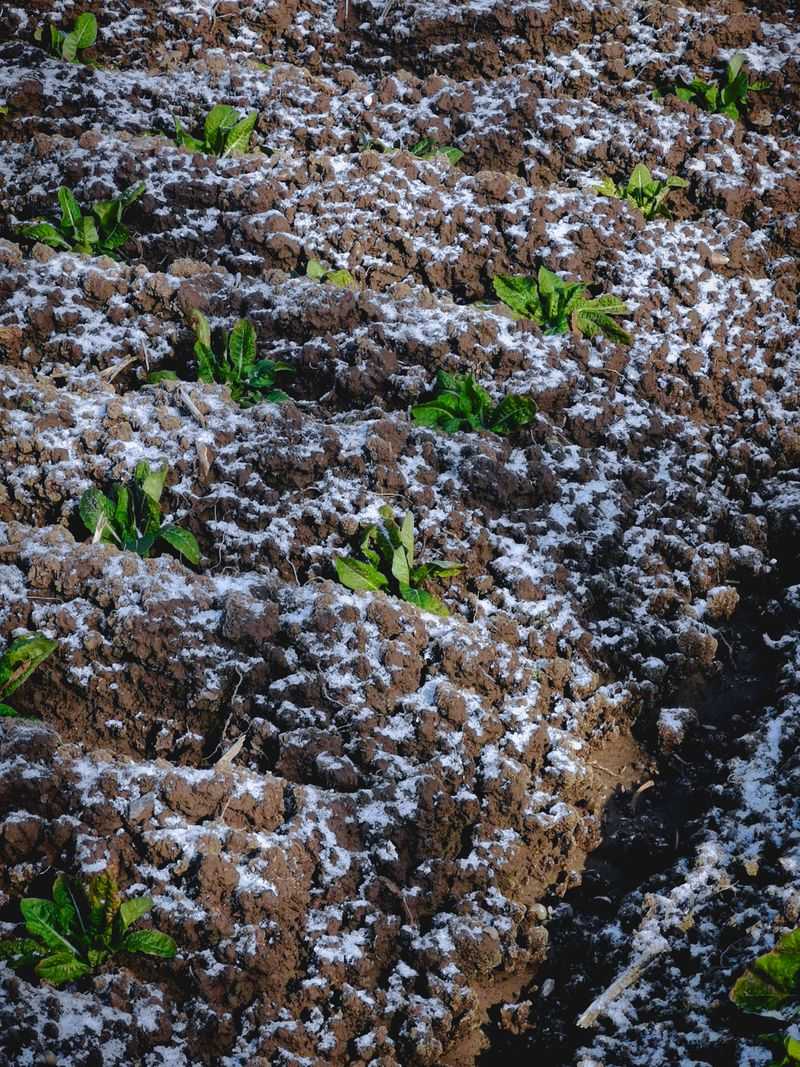
Late winter sometimes brings an odd sight. Clumps of heuchera or newly planted perennials sit perched above the soil, roots peeking out like they tried to climb free.
Frost heaving causes that. Wet soil freezes, and water expands as it turns to ice.
Repeated freezing and thawing lifts the ground and anything shallow-rooted with it. Saturated beds heave more because they hold more water to freeze.
Exposed roots then face icy wind and dry air, which can damage them badly. Fall-planted perennials and small shrubs are the most at risk, since their roots haven’t anchored yet.
Upstate areas with long cold spells and the milder Long Island coast see different patterns, but heaving can happen anywhere freeze-thaw cycles bounce around.
Good drainage is the first defense. Mulch helps too, but timing matters.
Many extension experts suggest spreading a few inches of shredded leaves, straw, or evergreen boughs after the ground freezes, which keeps soil temperatures steadier.
Check beds during winter thaws. If a plant has lifted, gently press it back down when the soil softens, then add mulch around it.
In my own yard, a quick February walk saved several heuchera that would have struggled. Five minutes of checking can rescue a plant you paid good money for.
Compost and Shredded Leaves Slowly Open Up Heavy Garden Soil
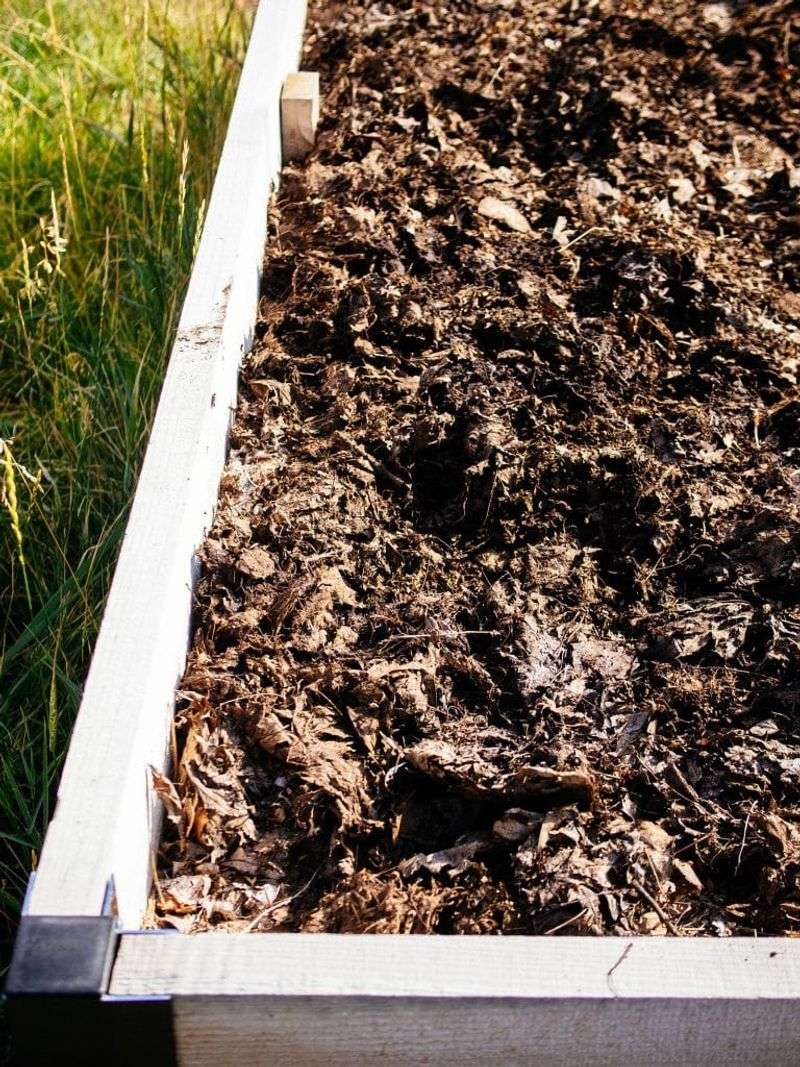
Organic matter is the slow, steady hero of soggy soil. Compost, shredded leaves, and aged manure help clay particles clump into crumbs, creating more space for air and water.
Fall is a great time to start, as long as the soil isn’t soaking wet. Spread 2 to 3 inches of compost or shredded leaves over the bed.
You can leave it on top as mulch, or gently mix it into the top few inches when the soil crumbles easily.
Skip the sand trick. Extension experts warn that adding small amounts of sand to clay can create a dense, concrete-like mix.
Organic matter works far better and also feeds earthworms and soil life.
Earthworms deserve some credit. Their tunnels act like tiny drainpipes, and they pull leaves and compost down into the soil for you.
Leaving a layer of leaves on beds gives them plenty to work with all winter.
For tight, compacted beds, a broadfork loosens soil without flipping and pulverizing it like heavy tilling. Work only when soil is moist, not muddy.
My garden taught me patience here. The difference built up season by season, and by year three, puddles that used to linger for days soaked away in hours.
Raised Garden Beds Lift Roots Above the Soggy Zone
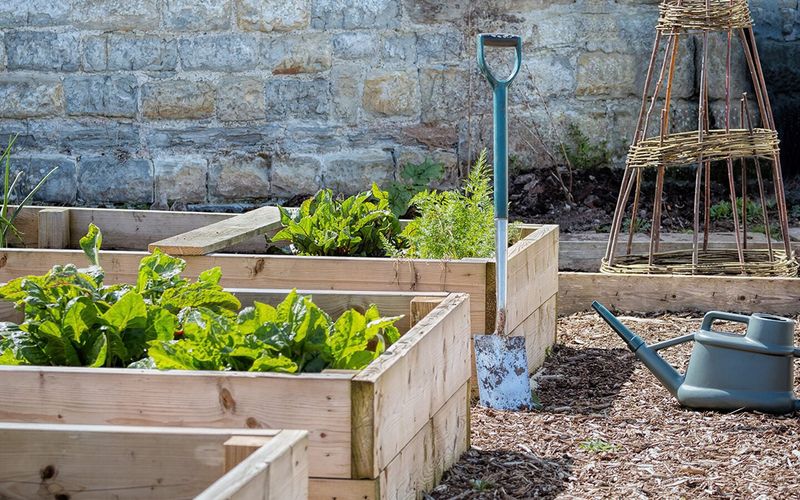
Some yards have stubborn drainage no matter how much compost you add. A high water table, dense subsoil, or a spot with nowhere for water to go can keep beds wet for weeks.
Raised beds offer a practical way around it. Lifting the root zone 8 to 12 inches or more above the ground gives roots soil that drains quickly after storms.
Vegetables, herbs, and many perennials benefit right away.
Fill them with a mix designed for drainage and fertility. A common blend combines quality topsoil with plenty of compost.
Avoid filling them with heavy clay from the yard, which can bring the same problem along.
Loosening the native soil underneath helps too. Breaking up that bottom layer with a fork lets extra water move downward instead of collecting at the base of the bed.
If you ask me, raised beds also make spring easier. Their soil warms and dries faster, so you can often plant earlier.
One tradeoff is that they may freeze more deeply in winter, so tender perennials appreciate extra mulch. Late fall is a smart time to build them, since lumber and soil are often easier to find and the beds settle nicely before spring planting.
Native Plants That Enjoy Wet Feet Can Turn a Puddle Into a Feature
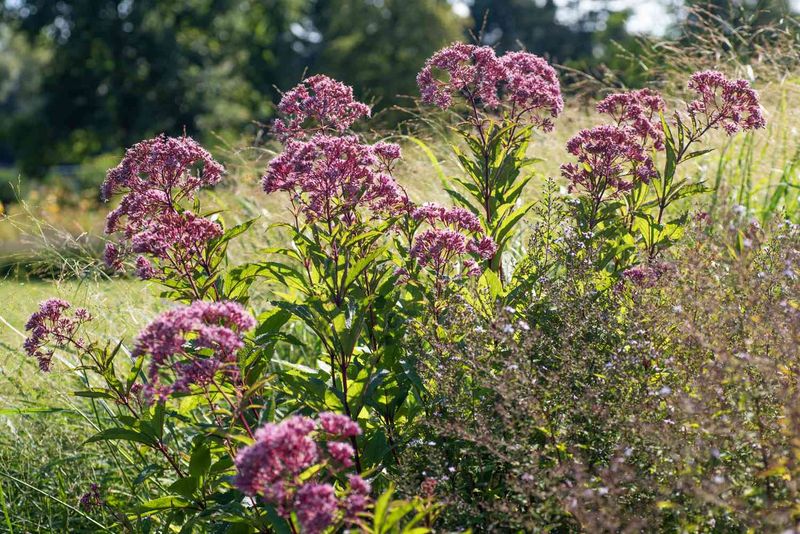
Some spots stay damp no matter what you try. Instead of fighting them every fall, you can plant things that genuinely enjoy moist soil.
Many plants native to New York handle wet ground beautifully. Blue flag iris, swamp milkweed, cardinal flower, Joe-Pye weed, and New England aster all tolerate damp soil.
Shrubs like sweet pepperbush, winterberry holly, and red osier dogwood work well too, and winterberry’s red fruit brightens snowy months.
Native wet-soil plants also support pollinators, birds, and other wildlife. Swamp milkweed feeds monarch caterpillars, and cardinal flower draws hummingbirds in late summer.
Before buying, check that a plant isn’t on the state’s invasive species list. Avoid yellow flag iris and purple loosestrife, which are invasive.
A rain garden takes this idea further. It’s a shallow planted dip that catches runoff and lets it soak in, usually within a day or two.
Many county Cornell Cooperative Extension offices offer guides on sizing and siting one.
Here’s my favorite takeaway. Those puddles showed you where water naturally gathers, which is valuable information.
Test the soil, fix the easy causes, improve what you can, and let thirsty native plants handle the rest. Next fall, that soggy corner might be the liveliest part of your yard.