Want Holiday Blooms In North Carolina? Water Your Christmas Cactus This Way
The plant on your windowsill with the prickly-sounding name grows wild on tree branches in the misty mountain forests of Brazil. It has never lived in a desert. I still laugh at how many of us treat it like a camel.
In its home range, it clings to bark and moss high above the ground. Rain soaks those mossy pockets, then drains away fast. Cool, damp air keeps the roots happy between showers.
Here in North Carolina, our homes tell a different story once the furnace kicks on. Dry indoor air, short fall days, and a heavy hand with the watering can all change how this plant behaves. I believe most bloom troubles start right at the sink.
So why do some plants explode with color every December while others sulk? The answer lives partly in your watering can, and partly in the calendar.
1. That Christmas Cactus Is Secretly a Rainforest Tree Dweller
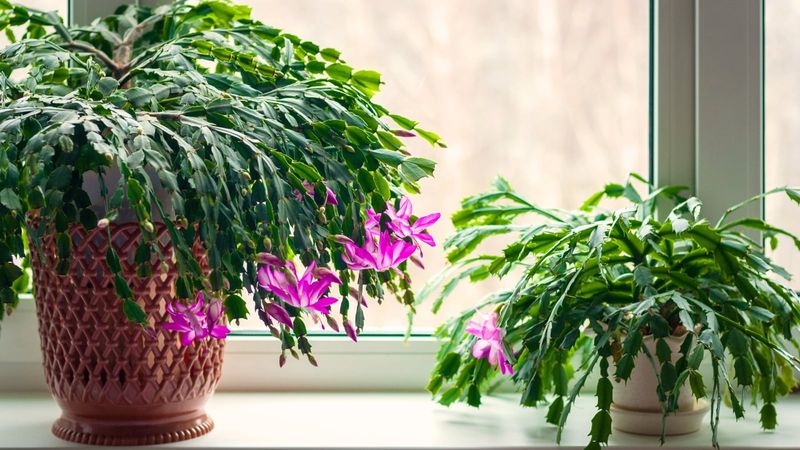
Botanists call it Schlumbergera, and its wild relatives grow as epiphytes in the coastal mountains of southeastern Brazil. That means they perch on trees and rocks, much like orchids do. Their roots sit in moss and leaf litter instead of sand.
I love this detail because it explains so much. Rain in those forests is frequent, but the roots drain quickly because they are not packed in heavy dirt. The plant gets regular drinks without sitting in a puddle.
So the desert cactus routine of soaking it once a month and forgetting it does not fit. Neither does keeping the pot wet all the time. Your plant wants something in between, a steady rhythm of moisture followed by a short dry spell.
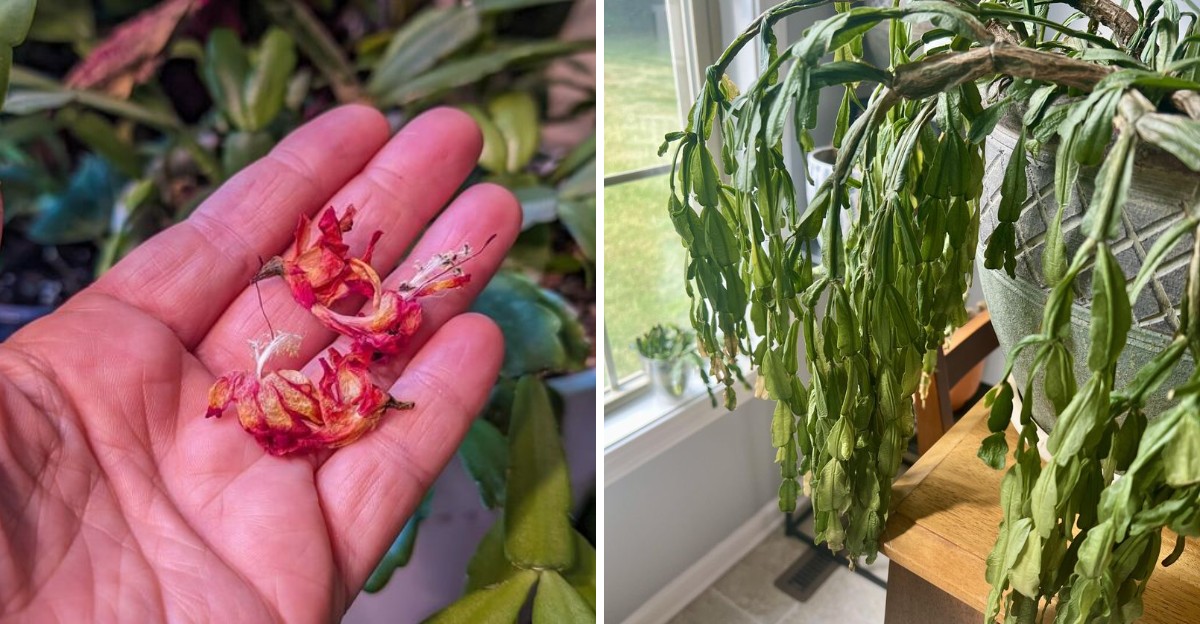
Those flat, segmented stems also store some water, which helps the plant handle brief dry periods. Think of them as a small backup tank, not a full desert reservoir. Wrinkled or limp segments often signal the tank is running low.
Once you see it as a forest plant, the rest of the care plan clicks into place. Bright but indirect light, loose soil, and balanced watering all come straight from that misty mountain home.
2. Check the Top Inch of Potting Soil Before You Water
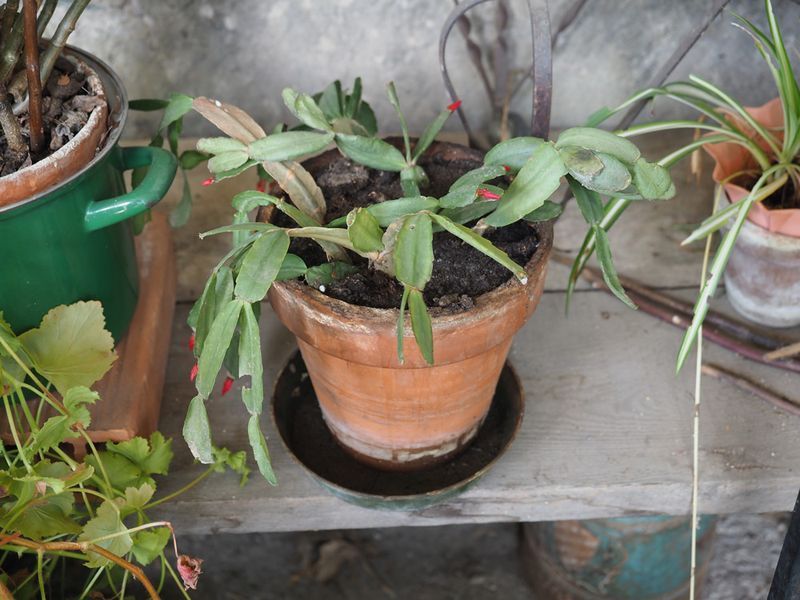
My favorite watering tool costs nothing. It is your index finger. Push it into the potting mix about an inch, and you will know right away if your plant needs a drink.
If that top inch feels dry, water thoroughly until some drains out the bottom of the pot. If it still feels damp, wait a day or two and check again. This simple test works better than any fixed calendar.
During spring and summer growth, many homes land on a schedule of roughly once a week or so. In cooler months, the gap often stretches longer because the plant uses less water. Your pot size, room temperature, and soil type all shift the timing.
Water with room-temperature tap water or rainwater rather than icy water straight from the fridge. Pour slowly so the whole root ball gets wet, not just one side. Then let the pot drain fully before setting it back on its saucer.
Empty that saucer after about 15 minutes. Standing water creeps back up into the soil and keeps roots soggy. A quick dump into the sink saves a lot of trouble later.
3. Fall Is When Your Watering Can Should Ease Up
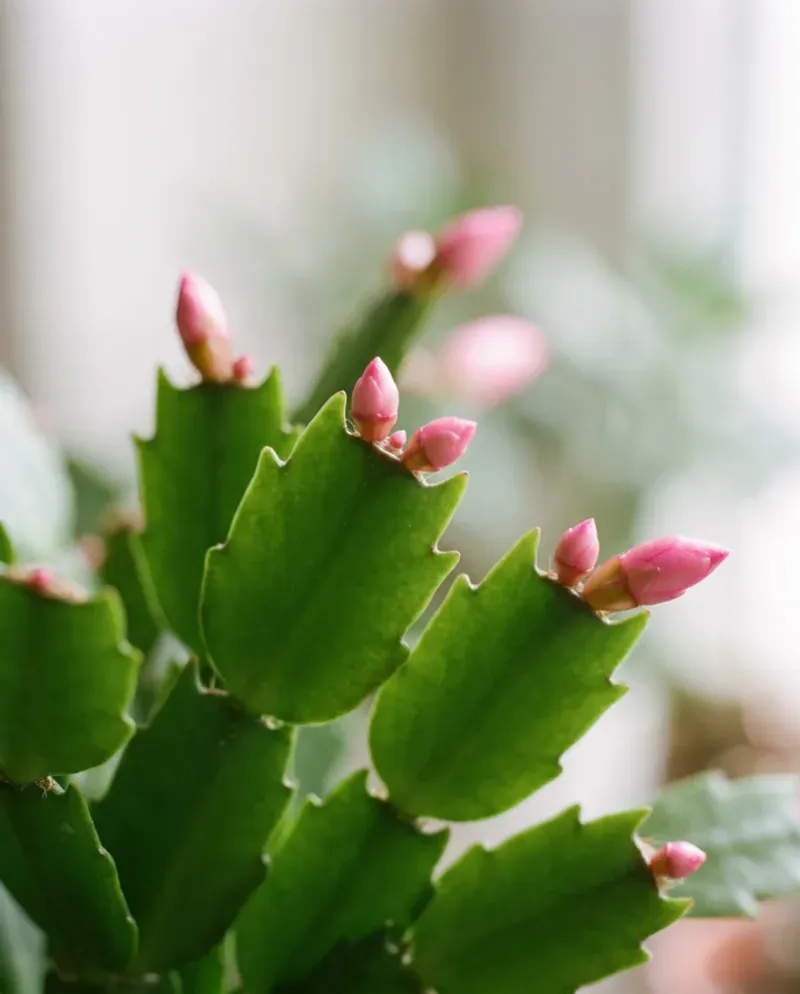
Around late September and October, your plant starts planning its holiday show. Slightly drier soil helps nudge it toward setting buds. I let the top inch or two dry before watering during this stretch.
NC State Extension notes that these plants form flower buds when nights are long and temperatures turn cool.
Many North Carolina gardeners leave their plants on a shaded porch in early fall to catch those cool nights. Bring it inside before nights drop below about 45 degrees, which often happens earlier in the mountains than on the coast.
Easing back does not mean letting the plant shrivel. Segments that look wrinkled or floppy are asking for a drink. Give it one, then return to your slightly drier rhythm.
Hold off on fertilizer during this time as well. Extra feeding pushes leafy growth instead of buds. Your plant can coast on what it stored over summer.
Once small pink or red bumps appear at the stem tips, switch gears. That is your signal the plant has committed to blooming, and its water needs are about to rise again.
4. Long Dark Nights Help Those Flower Buds Form
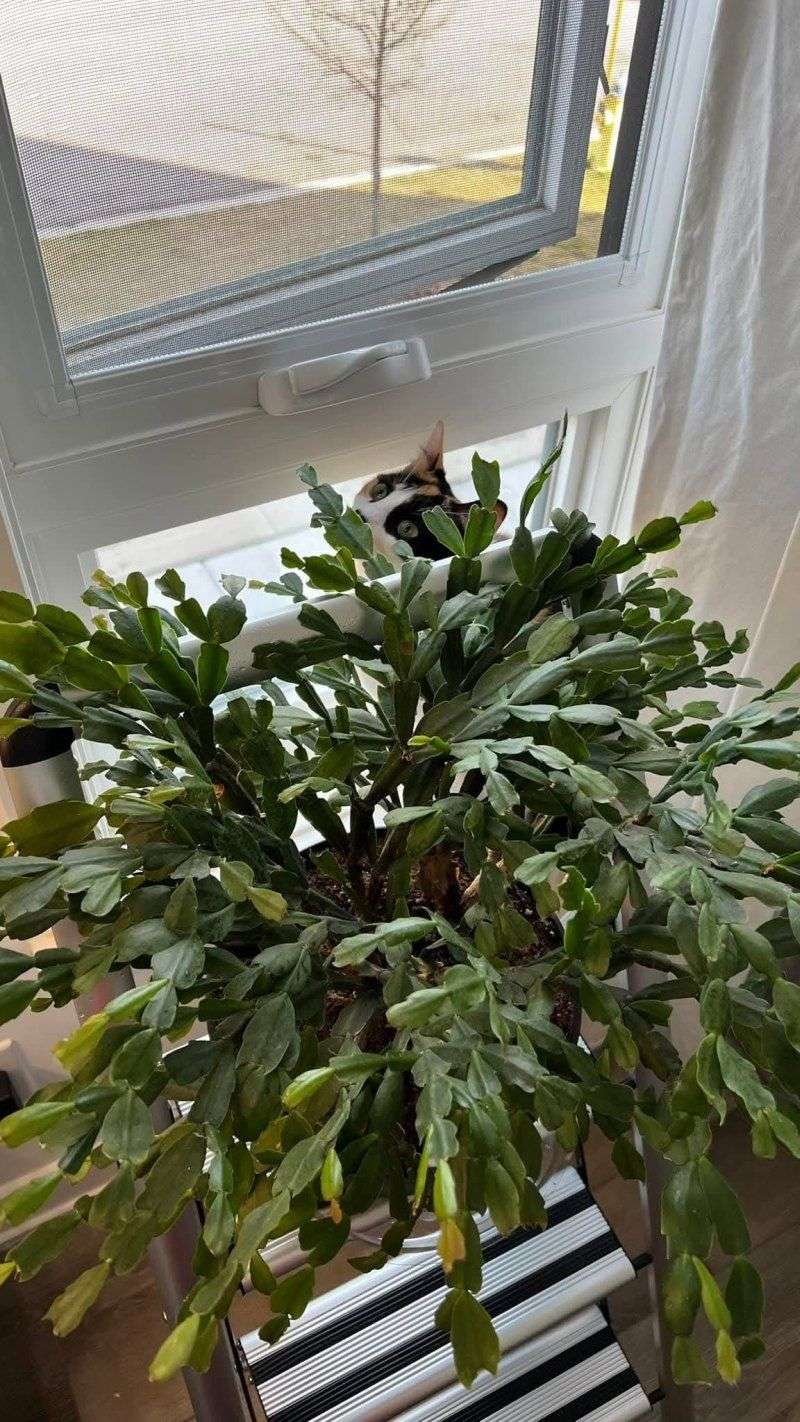
Darkness is the quiet partner to good watering. Christmas cactus is a short-day plant, so it sets buds when it gets long, uninterrupted nights. Extension sources suggest roughly 12 to 14 hours of darkness for about six weeks.
Cool temperatures help too. Nights around 50 to 55 degrees Fahrenheit can trigger buds even without strict darkness. Warm rooms combined with lamplight often leave plants green and flowerless.
Personally, I tuck mine into a spare bedroom that nobody uses at night. A closet works if you remember to bring the plant out for daylight. Even a glowing TV or a porch light through the window can confuse the signal.
Water still matters during this dark spell. Keep following the finger test, letting the top layer dry slightly between drinks. Too much moisture in a cool, dim room invites root rot.
Once buds reach the size of a grain of rice, you can relax the dark routine. Move the plant to a bright spot where you can enjoy it. Just make the move gently and then leave it alone.
Sudden shifts at this stage are the biggest reason buds drop before opening. Keep the plant away from drafty windows, heater vents, and big swings in temperature or moisture while the buds swell. Once it settles into its final spot, patience does the rest of the work.
5. Budding Christmas Cactus Plants Want Steady Moisture
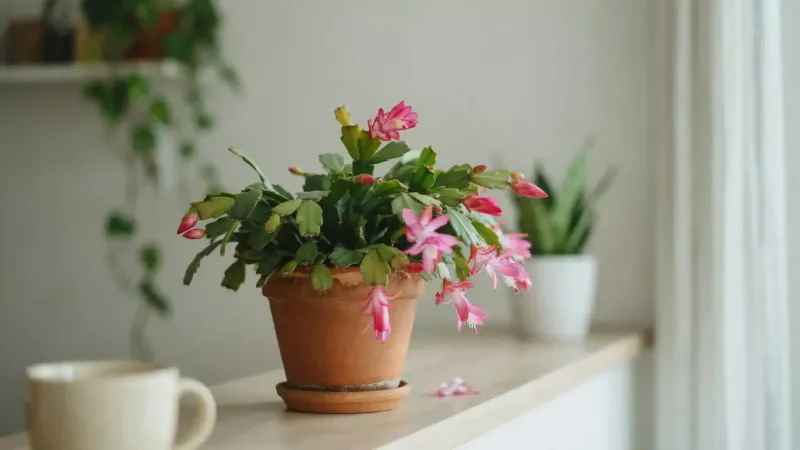
Few things sting like watching plump buds drop onto the windowsill. Bud drop is common, and it usually traces back to stress. Dry soil, dry air, sudden temperature swings, or a move to a new spot can all cause it.
Once buds show, keep the soil evenly moist but not soggy. Check every few days, because a plant pushing out flowers drinks more than one resting in fall. Water before the mix goes bone dry.
Indoor heat dries the air fast once winter settles in. These forest natives prefer moderate humidity, so a pebble tray helps. Fill a tray with pebbles and water, then set the pot on top so it sits above the water line.
Keep the plant away from heat vents, fireplaces, and drafty doors. A warm blast followed by a cold draft is a classic recipe for falling buds. Bright, indirect light from an east or north window suits it nicely.
Try not to spin or relocate the plant while buds open. It may sound fussy, but consistency is the secret here. Pick a spot and let the show unfold.
6. Soggy Soil and Mushy Stems Are a Warning Sign
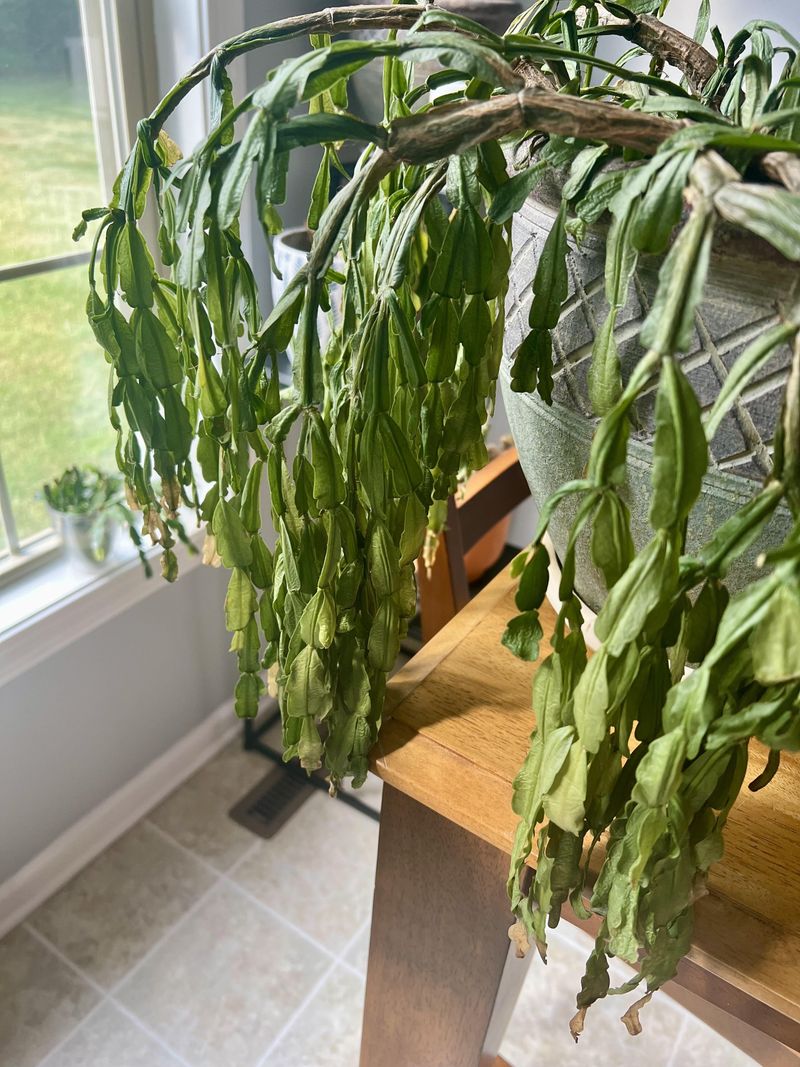
Overwatering causes more trouble for this plant than thirst does. Roots sitting in wet soil can rot, and the damage often shows up top as limp, yellowing, or mushy segments. By then, the roots may be in rough shape.
Start with the pot. It needs drainage holes, full stop. Decorative containers without holes trap water at the bottom, so use them only as an outer sleeve.
Soil matters just as much. A loose, fast-draining mix works best, such as a regular potting mix blended with perlite or bark. Heavy garden soil holds too much water and squeezes the air out.
Clay pots dry faster than plastic ones, which can help heavy-handed waterers. If you suspect rot, slide the plant out and look. Healthy roots look firm and pale, while rotted ones turn brown and soft.
Trim away the soft roots and repot in fresh, dry mix. Hold off on water for a few days to let cuts heal. Healthy stem pieces can also be rooted as a backup plan, which is a handy trick to keep in mind.
7. After the Last Flower Fades, Give Your Holiday Cactus a Rest
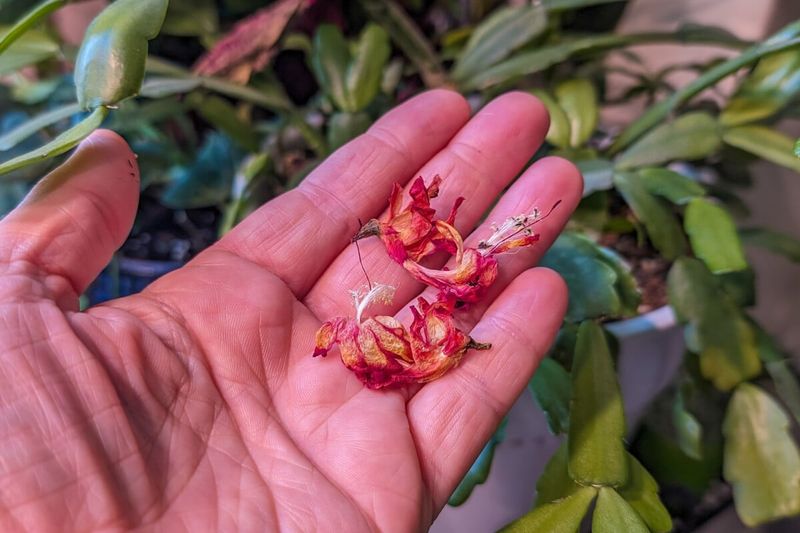
When the final bloom wilts, your plant earns a short vacation. Cut back on watering for about a month or so, letting the soil dry a bit more between drinks. Skip fertilizer during this break too.
Come spring, new growth shows up as fresh green segments at the tips. That is your cue to resume regular watering and feed lightly with a balanced houseplant fertilizer. Many growers feed every few weeks through summer.
Late spring is a fine time for a light trim. Twist off a few segments at the joints to encourage branching, and more branch tips mean more places for flowers. Those pieces root easily in damp potting mix, so you can share them with friends.
In North Carolina, many folks move plants outdoors to a shady porch once nights stay mild. Keep them out of hot afternoon sun, which can bleach or redden the stems. Summer rain may handle some watering, but check pots after dry spells.
Here is a fun bit of history. Some Christmas cactus plants get passed down for generations, and with this simple yearly rhythm, yours could become a family heirloom too.