These Houseplants Quietly Struggle With Tap Water in North Carolina Homes and Here’s the Fix
Greensboro treats its drinking water with chloramine, a disinfectant that stubbornly stays put in an open jug overnight.
Plenty of us leave water sitting out anyway, trusting an old trick that only works on plain chlorine. Raleigh and Durham use chloramine too, and many North Carolina water systems add a small, carefully measured dose of fluoride.
Both are safe for people, yet a handful of popular leafy plants react to them in surprisingly visible ways. I have to admit my first crispy brown leaf tips sent me shopping for fancy fertilizer I did not need.
You might notice similar damage creeping along leaf edges even when your light and watering schedule seem perfect.
Some favorite North Carolina windowsill plants handle faucet water like champs, while others quietly sulk for months on end.
1. Spider Plant
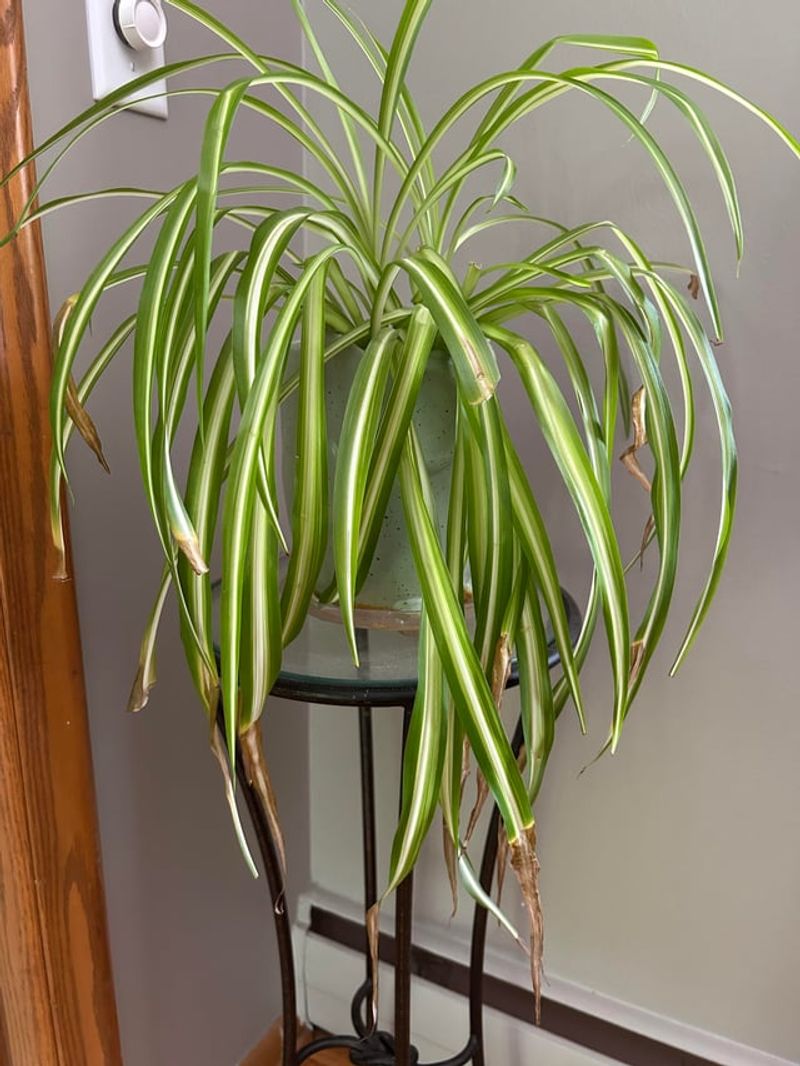
Spider plants earn a reputation as nearly unbreakable, so those brown leaf tips feel like a personal insult. I remember staring at mine for weeks, convinced I had somehow forgotten how to water a beginner plant.
Chlorophytum comosum is one of the houseplants university extension specialists list as sensitive to fluoride. Small amounts travel up with water and collect at leaf tips, where the tissue slowly turns tan and crispy.
Municipal fluoride levels are low and safe for people, yet repeated waterings let the mineral build up inside leaves. That explains why older leaves usually show the most damage while brand new growth looks fresh and green.
Brown tips can also come from dry air, salty fertilizer, or soil that dries out too often. You can narrow it down by checking whether the damage keeps appearing even after you fix humidity and watering.
Switching to rainwater or distilled water often keeps new leaves clean, though old brown tips will not turn green again. Personally, I trim the crispy ends at an angle with clean scissors so the leaf keeps a natural shape.
Soil chemistry matters too, because fluoride becomes more available to roots when the potting mix turns quite acidic. Keeping the mix around a pH of six to six and a half helps reduce how much the roots absorb.
Skip fertilizers containing superphosphate, since that ingredient can carry extra fluoride into the pot without you noticing. A gentle balanced houseplant fertilizer every month or so in spring and summer keeps the babies coming.
2. Dracaena
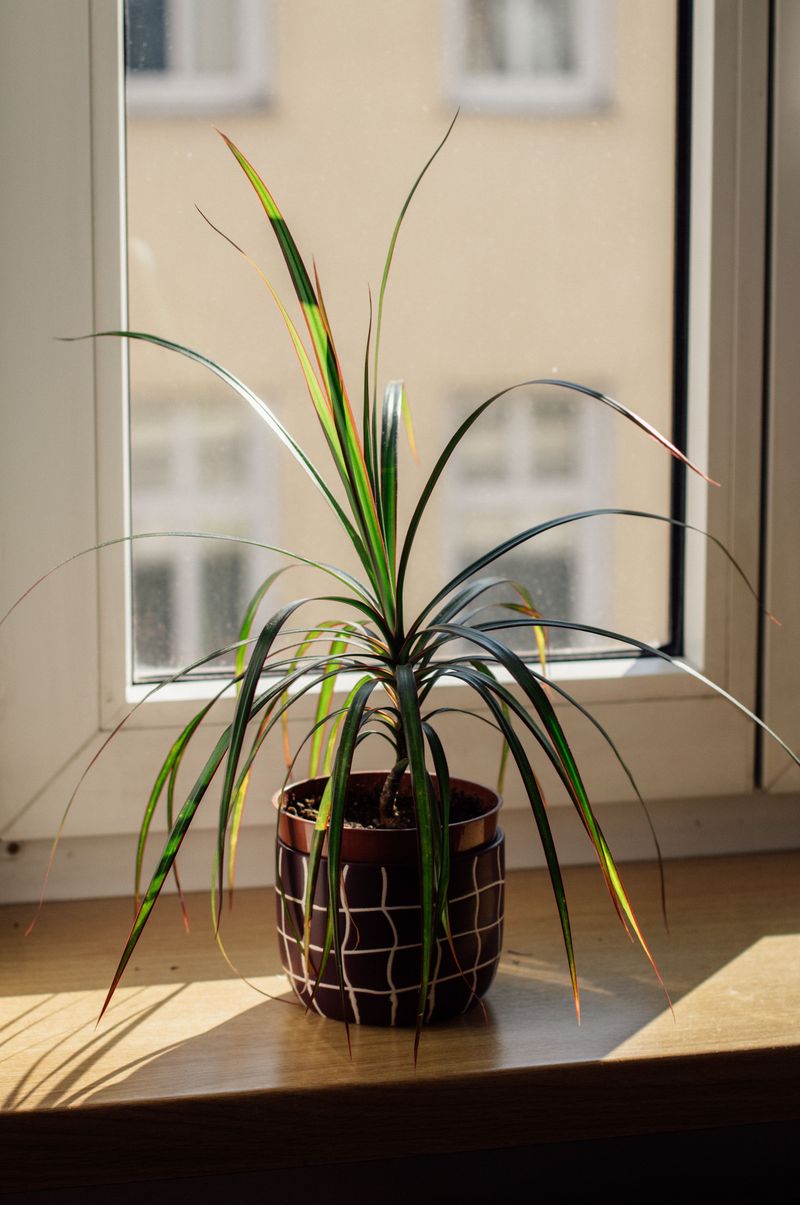
Corn plants and their cousins look tough enough to guard a lobby, yet their long leaves reveal every water complaint. That sharp brown tip with a yellow band behind it is a classic Dracaena calling card.
Dracaena fragrans, the familiar corn plant, sits near the top of most fluoride sensitivity lists from extension services. Varieties like Janet Craig and the striped Warneckii types show similar tip burn when fluoride gradually accumulates.
You need to know that leaving water out overnight does very little here, despite how popular that advice remains. Fluoride does not evaporate, and chloramine lingers far longer than old-fashioned chlorine ever did in an open container.
Raleigh, Durham, and several other cities in the region use chloramine, so the overnight trick often falls short. Distilled water or water from a reverse osmosis system removes most fluoride and offers the cleanest option for these plants.
Collected rainwater works beautifully too, as long as the barrel stays covered and the water looks clear. I love how a rain barrel connected to a downspout fills surprisingly fast during a summer thunderstorm in the Piedmont.
Watering habits play a role, because soggy soil stresses roots and makes any chemical injury look much worse. Let the top inch or two of mix dry before watering, then pour until water drains from the bottom.
Brown tips can be trimmed with clean scissors whenever they bother you, leaving a thin brown edge behind. Cutting into green tissue creates a fresh wound, which often browns again and starts the cycle all over.
3. Peace Lily
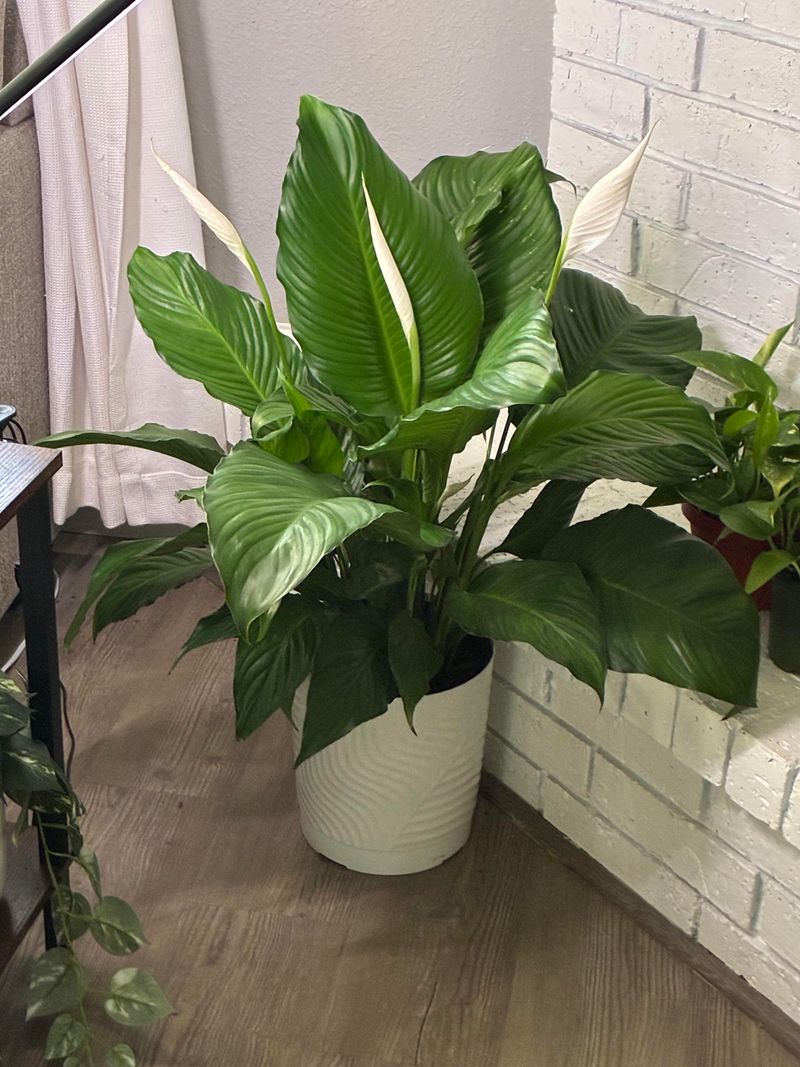
Peace lilies are the drama queens of the plant shelf, flopping over dramatically whenever they want a drink. That flair for theater makes their slower, quieter water problems surprisingly easy to overlook for a long time.
Spathiphyllum leaves often develop brown tips when salts from water and fertilizer build up in the potting mix. You might notice a white or tan crust along the soil surface or around the rim of the pot.
Most Piedmont city water is fairly soft, yet private wells near the coast can run harder from limestone aquifers. Hard water carries more calcium and magnesium, and those minerals settle in the pot after each watering session.
Home water softeners create a different issue, because they swap calcium for sodium during the softening process. Sodium harms plant roots over time, so fill your watering can from a tap that bypasses the softener.
Flushing the pot every few months helps more than most people expect, and it takes just a few minutes. Slowly run plenty of water through the soil in a sink, letting it drain fully to carry extra salts away.
I believe peace lilies also appreciate a lighter hand with fertilizer than many growers give them. A diluted feeding every month or two during spring and summer usually keeps those white blooms showing up nicely.
Rainwater or distilled water between flushes keeps mineral levels low and tips looking much cleaner. Remember that these plants are toxic to pets if chewed, so place them well away from curious cats.
4. Calathea
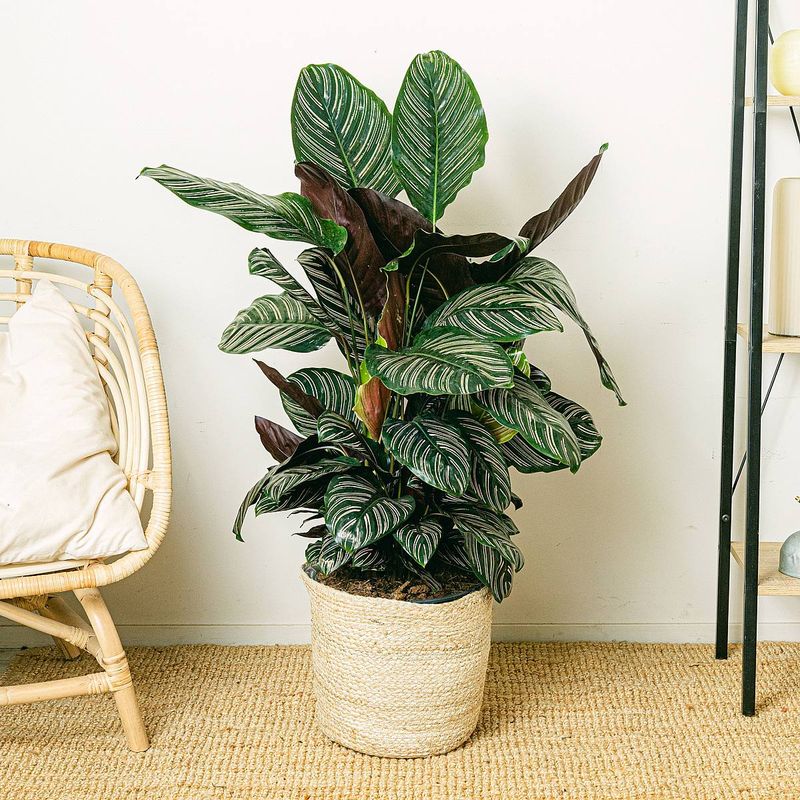
Calatheas look like someone painted each leaf with a tiny brush, and they expect royal treatment in return. Honestly, I have watched one sulk over water quality while every other plant nearby looked perfectly content.
These members of the prayer plant family are widely reported as sensitive to fluoride and to mineral buildup. Crispy brown edges, curling leaves, and faded patterns often show up first when water quality slowly declines.
Many plants recently moved to the genus Goeppertia, so you may see both names on nursery tags. The care stays the same, and the fussy reputation follows them no matter which label the plant wears.
Humidity matters a lot, because these tropical understory plants come from damp forests in Central and South America. Winter heating dries indoor air fast, so a pebble tray or small humidifier helps quite a bit.
Water quality is the second piece of the puzzle, and it deserves just as much attention as humidity. Distilled water, reverse osmosis water, or clean rainwater usually produce fresher new leaves within a few weeks.
Keep the soil lightly moist but never soggy, since constant wetness invites root rot quickly in these plants. Bright indirect light protects those painted patterns, while harsh afternoon sun can bleach and scorch them fast.
Trim damaged edges with sharp scissors if you like, following the natural curve of each leaf. What surprises me most is how quickly a struggling Calathea perks up once its water changes for the better.
5. Prayer Plant
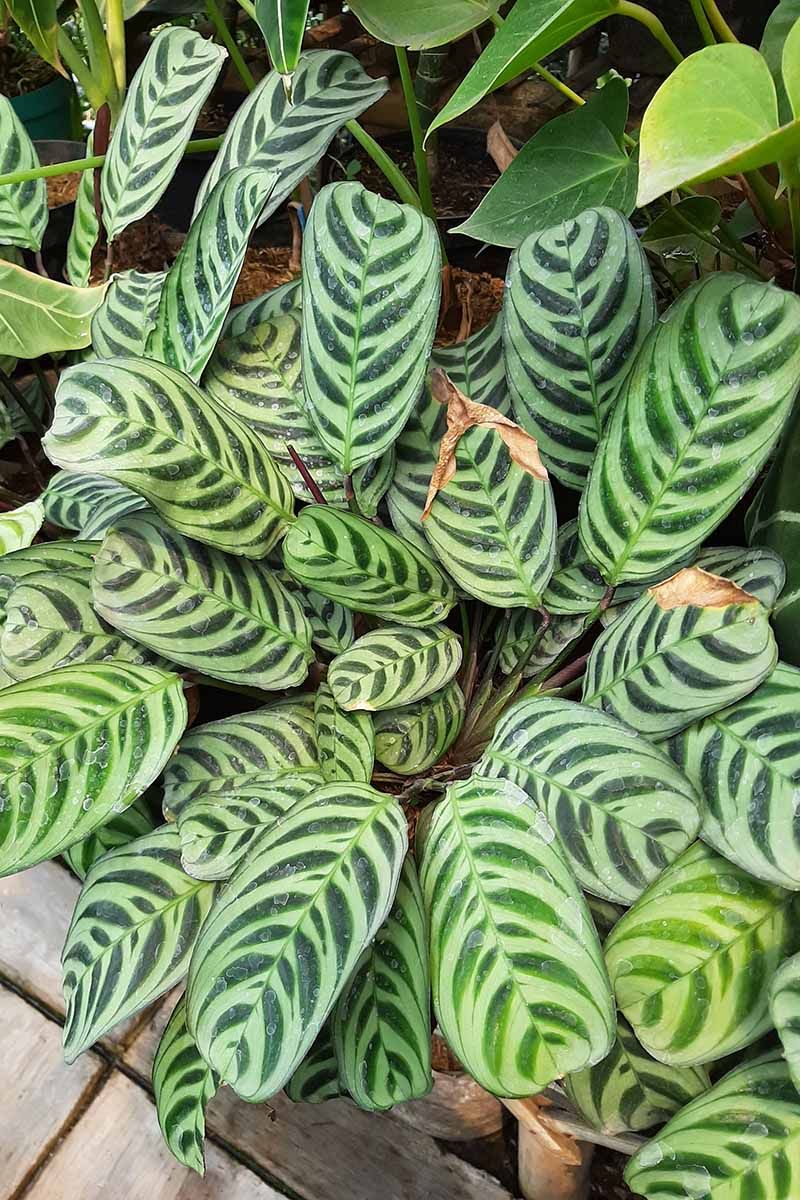
Every evening, prayer plant leaves fold upward like little hands, and that slow motion never gets old for me. Those same expressive leaves also show water problems quickly, with browning creeping along tips and margins.
Maranta leuconeura appears on fluoride sensitivity lists from several university extension programs, right alongside its Calathea relatives. Tip burn and scorched edges are the usual signs, especially on older leaves that have absorbed the most minerals.
The folding habit is called nyctinasty, and it relies on special joints at the base of each leaf. Healthy, well-watered plants move most noticeably, so a stiff, unmoving Maranta can hint that something feels off.
Prayer plants like evenly moist soil, which means they get watered often and absorb plenty of whatever flows in. Using rainwater or distilled water reduces that steady mineral intake and helps new leaves stay crisp and colorful.
You can also use a filter pitcher for chlorine taste, though most basic carbon filters remove little fluoride. Check the packaging carefully, because only certain filter types are designed to reduce fluoride in a meaningful way.
Medium indirect light suits these plants better than a sunny windowsill, which can fade their colorful veins. A spot a few feet back from an east window often works wonderfully in most homes across the state.
Feed lightly during the growing season and flush the pot occasionally to clear out stored salts. Before long, you will catch those leaves rising at dusk again with fresh, unblemished edges on display.
6. Boston Fern
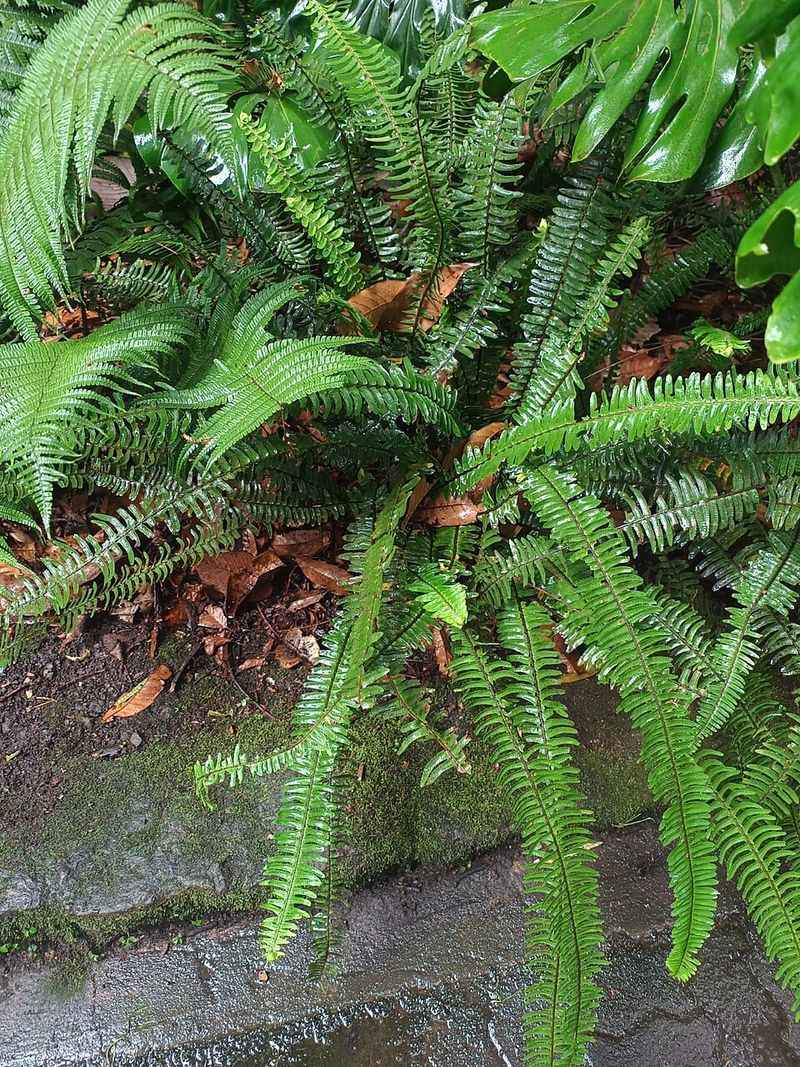
Boston ferns spill over porch baskets all summer in the South, then often move indoors once nights turn chilly. That move indoors is exactly when many of them start shedding tiny leaflets all over the floor.
Nephrolepis exaltata has fine roots and delicate fronds that react strongly to dry soil and salt buildup. Brown frond tips and yellowing leaflets often follow when minerals and fertilizer residue collect in the pot.
Chlorine and chloramine in city water are rarely the main culprit, according to most horticulture references I trust. Dry indoor air and inconsistent watering usually cause more trouble, with water quality adding a smaller layer of stress.
You need to keep the soil evenly moist, which means these ferns drink plenty of water over time. Rainwater makes a lovely match, and I like how a simple bucket under a downspout covers several plants.
Flush the basket thoroughly every couple of months by watering slowly until plenty drains from the bottom. That habit rinses out salts before they can scorch the roots, and it takes only a few minutes outside.
Humidity matters just as much as water quality for these feathery ferns during winter months indoors. Group them with other plants or run a humidifier nearby to slow that annoying leaflet drop significantly.
Bright indirect light keeps fronds full and green without scorching them in a sunny window. Once spring warmth returns and nighttime lows stay above fifty degrees, your fern can head back outside happily.
7. African Violet
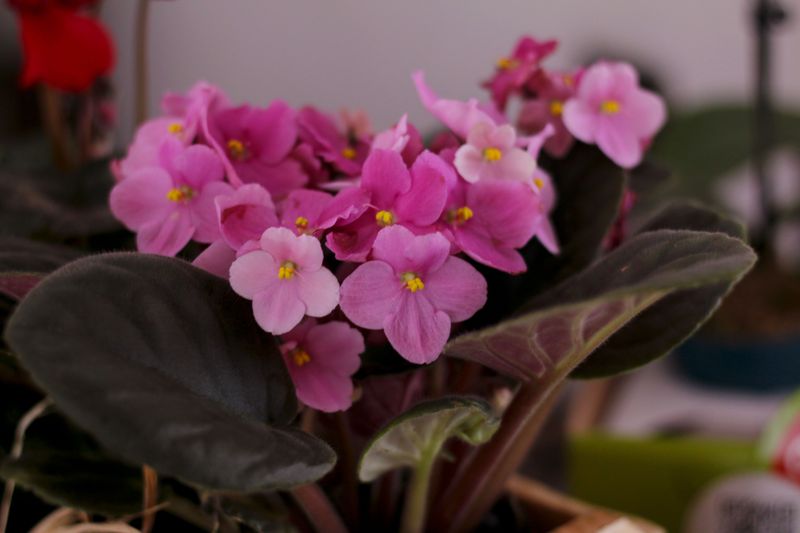
African violets have fuzzy leaves that feel like velvet, and they hold onto every water mistake you make. I learned this the hard way after splashing cold water on mine one chilly January morning.
Those pale yellow or white rings that appear afterward are called ring spot, and cold water causes them. Leaf cells react to a sudden temperature drop, so the damage is about temperature rather than chemicals.
Room temperature water solves that problem fast, and letting a jug sit out overnight handles the warming nicely. Pouring at soil level or watering from below also keeps droplets off those sensitive, fuzzy leaves entirely.
Salt buildup is the second issue, often showing up as a white crust on pot rims and soil. Leaf stems resting on a crusty rim can rot, which is why many growers wrap rims with foil.
Saintpaulia growers often prefer rainwater or distilled water if their tap water runs hard or salty. Most Piedmont city supplies are fairly soft, so flushing the pot occasionally may be all your violets need.
Wick watering and self-watering pots are popular with violet lovers, though they can concentrate salts over time. Top water thoroughly every month or so to rinse the mix and keep roots comfortable and healthy.
Bright indirect light from an east window keeps blooms coming nearly year-round in many homes. A balanced violet fertilizer at quarter strength with each watering suits these petite plants better than heavy feedings.
8. Venus Flytrap
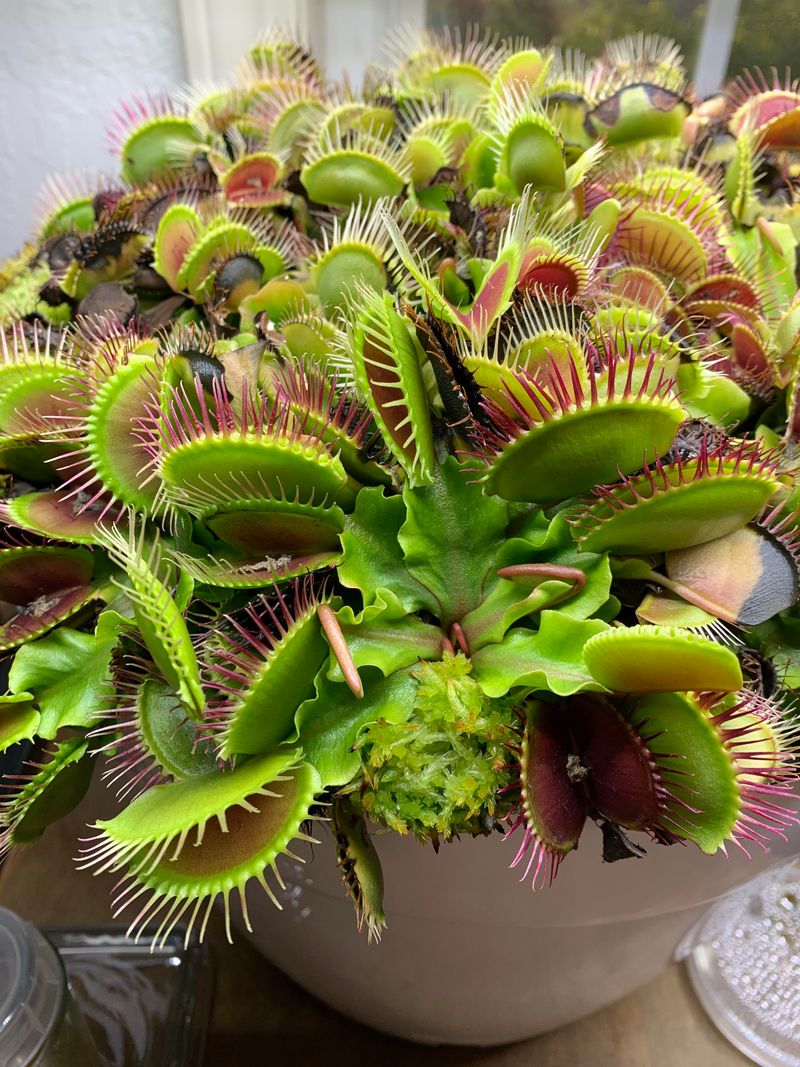
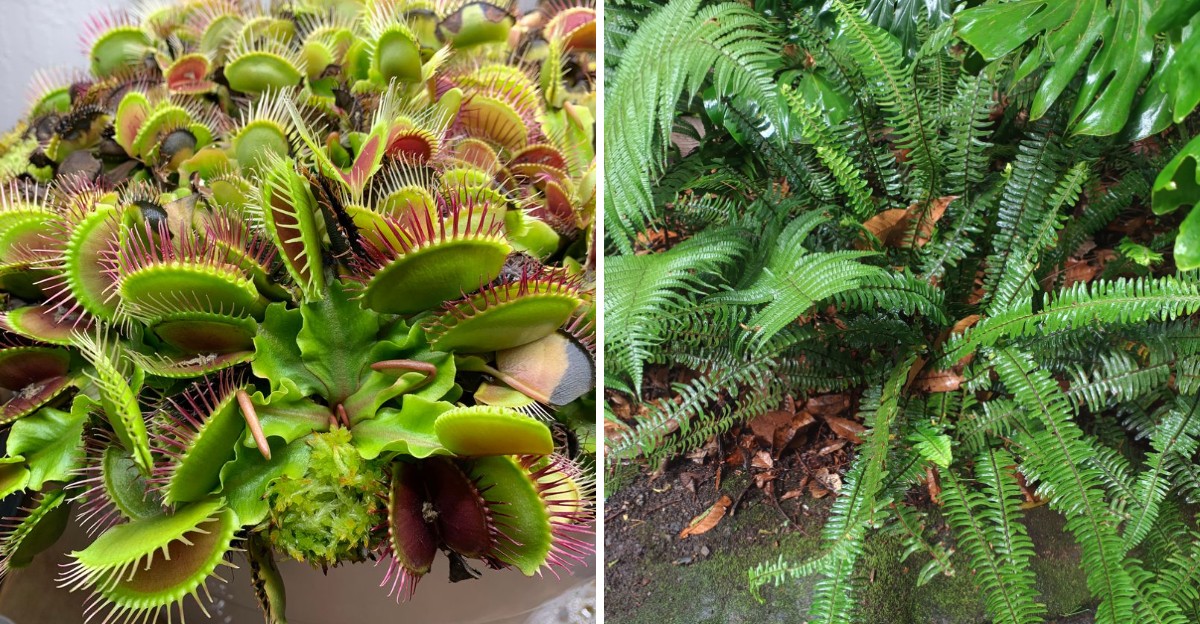
Few people realize the Venus flytrap grows wild only within roughly one hundred miles of Wilmington, North Carolina. Dionaea muscipula lives in sunny, wet savannas with sandy, nutrient-poor soil across the coastal plain and nearby South Carolina.
That lean native habitat explains why these plants struggle when watered with mineral-heavy tap water at home. Dissolved minerals build up in their peat-based mix, and the roots handle those salts very poorly over time.
Carnivorous plant growers generally recommend water with fewer than fifty parts per million of total dissolved solids. Distilled water, reverse osmosis water, and clean rainwater usually fall well below that level and keep flytraps healthy.
Fertilizer belongs nowhere near the pot, since these plants catch insects for nutrients instead of absorbing them from soil. Use a mix of peat moss and perlite, or pure long-fiber sphagnum, without any added fertilizer.
Honestly, flytraps rarely thrive as true houseplants because they need strong sunlight and a cold winter rest. Many growers in the state keep them outdoors in full sun, sitting in a shallow tray of pure water.
Winter dormancy runs from roughly November through February, when growth slows and the traps look a bit sad. That pause is natural, so resist the urge to bring the pot into a warm, cozy living room.
Since 2014, poaching wild flytraps has been a felony under state law, so buy only nursery-grown plants. Reputable nurseries propagate them in labs, which protects the shrinking wild populations near the coast.
9. Moth Orchid
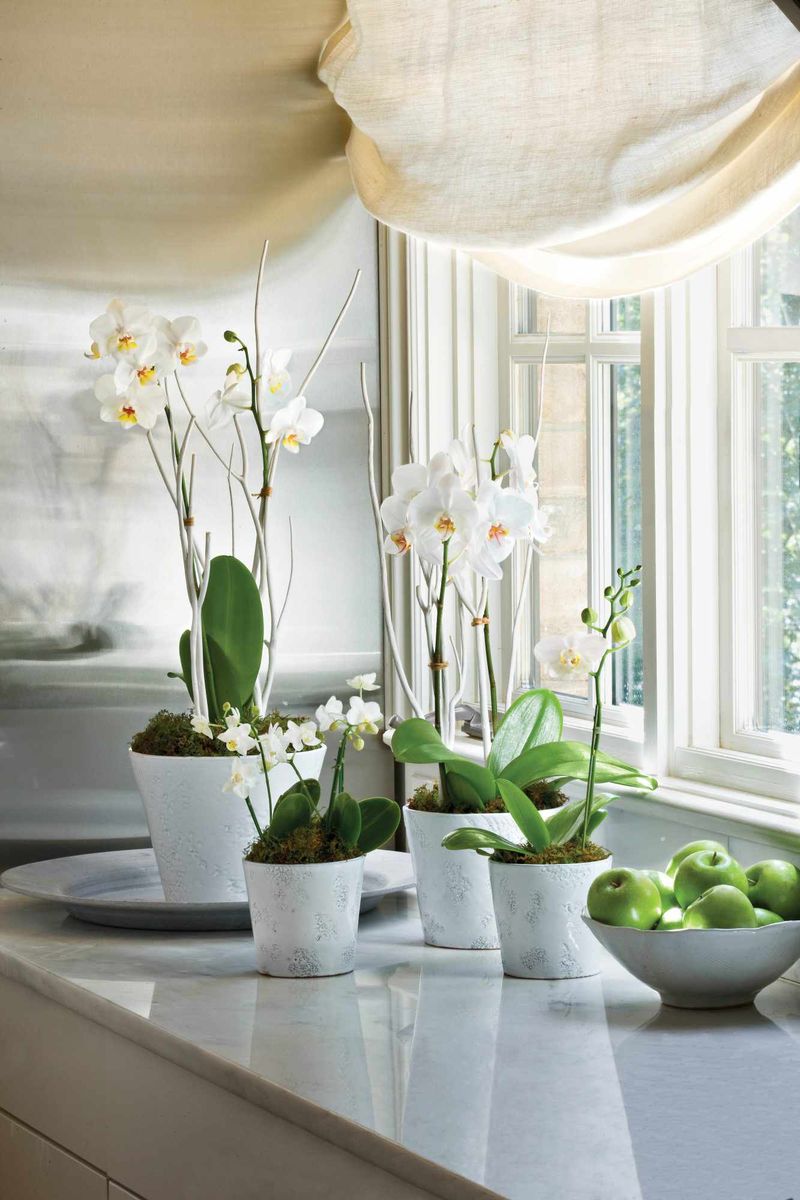
Grocery store moth orchids often bloom for two or three months, which feels like a small miracle on a kitchen counter. Keeping them going afterward depends heavily on roots, and those silvery roots notice what flows from your faucet.
Phalaenopsis orchids grow on tree branches in the wild, catching rain that carries very few dissolved minerals. Their roots have a spongy coating called velamen that soaks up water quickly, along with any salts it carries.
The American Orchid Society notes that salt buildup can burn root tips and damage the bark mix over time. You might notice white crust on the pot or roots that turn brown and crispy at the tips.
Many hobby growers use rainwater or reverse osmosis water, especially if their tap water tests high in minerals. Soft city water usually works fine too, provided you flush the pot thoroughly with plain water every month.
Personally, I water my orchids in the sink, letting water run through the bark for about a minute. That steady rinse washes away fertilizer residue and gives the roots a good, even drink at the same time.
Fertilizer designed for orchids works best at diluted strength, since these epiphytes are light feeders by nature. When using pure water like distilled, choose a fertilizer that includes calcium and magnesium to fill the gap.
Bright indirect light and cooler nights in autumn can encourage a new flower spike to appear. Watching that first green spike emerge is one of my favorite rewards for paying attention to water quality.
10. Collecting Rainwater For Sensitive Houseplants
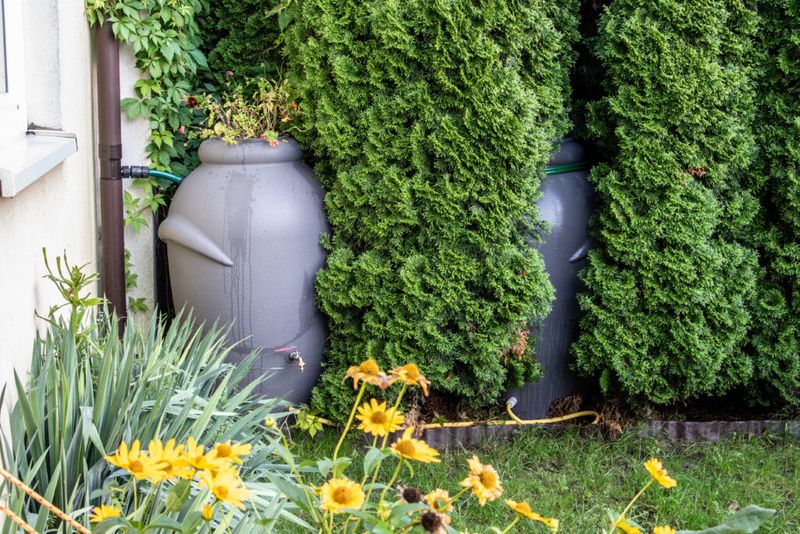
Rain falling on the roof might be the best free plant tonic most of us ignore every single week. Central North Carolina averages around forty-five inches of rain a year, so a barrel fills more often than you expect.
Start by finding out what your city adds to its water, since annual water quality reports list disinfectants clearly. Cities using chloramine need a different approach than those using plain chlorine, which evaporates from open containers overnight.
Rainwater collected from a clean roof suits most sensitive houseplants, because it carries very few dissolved minerals. Keep the barrel covered with a screen to block mosquitoes and debris, and avoid water from freshly treated roofs.
Distilled water from the grocery store offers an easy backup during dry spells or for just a few plants. Reverse osmosis systems remove most fluoride, while standard carbon pitchers mainly improve chlorine taste and smell instead.
Aquarium water conditioners can neutralize chlorine and chloramine within seconds, and a few drops treat a full can. They do not remove fluoride, so pair them with rainwater for the fussiest plants on your shelf.
Flush every pot thoroughly every few months, letting water pour through until salts rinse out the bottom. That habit helps even after you switch water sources, because older mineral deposits linger in the potting mix.
I love how one small change in my watering can turned crispy tips into clean, glossy new leaves. Start with your most sensitive plants first, then watch how quickly fresh growth rewards the extra effort.