8 Plants Virginia Gardeners Shouldn’t Cut Back After a Freeze
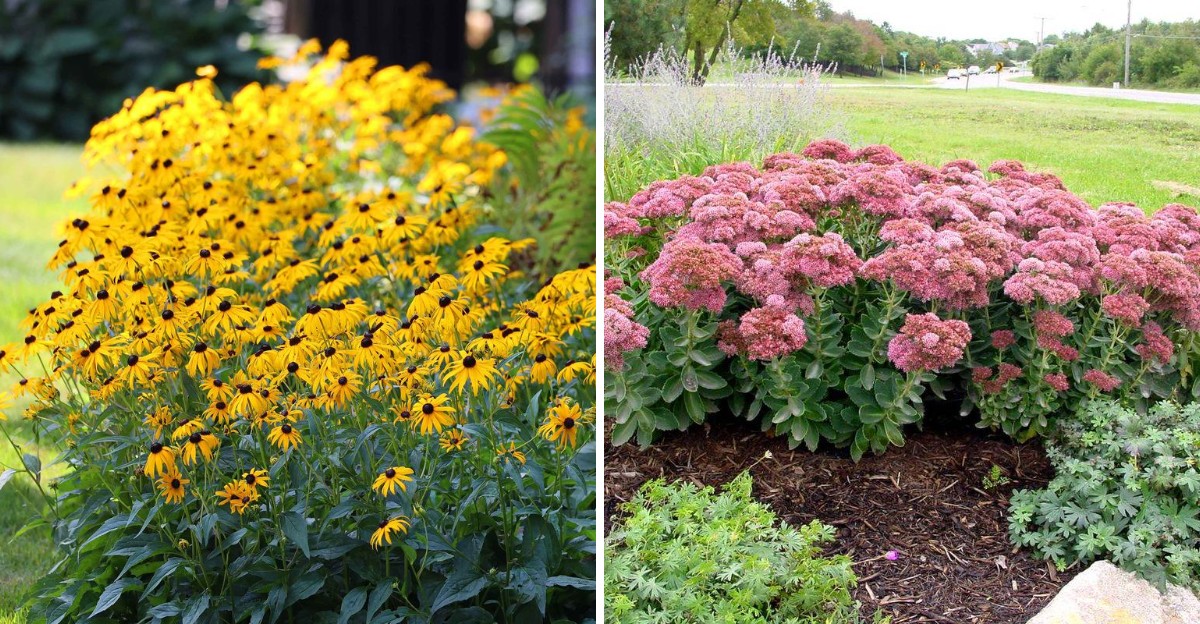
Native bees often spend winter tucked inside hollow plant stems, sealing their nursery chambers with mud or chewed leaves. One quick snip with tidy pruners can toss next spring’s pollinators straight into the compost pile.
Gardeners feel that urge every year after the first hard freeze turns the borders brown and floppy. Between you and me, I used to clear everything by Thanksgiving and call it a productive weekend.
Looking back, I was hauling away bird food and frost protection that my plants had grown for free. Some stems even shield tender crowns from icy wind, which matters when temperatures swing wildly in winter.
Virginia winters love to flirt with spring in February, then slam the door with another cold snap. So which plants deserve a reprieve from your shears, and which ones quietly pay you back for waiting?
1. Purple Coneflower
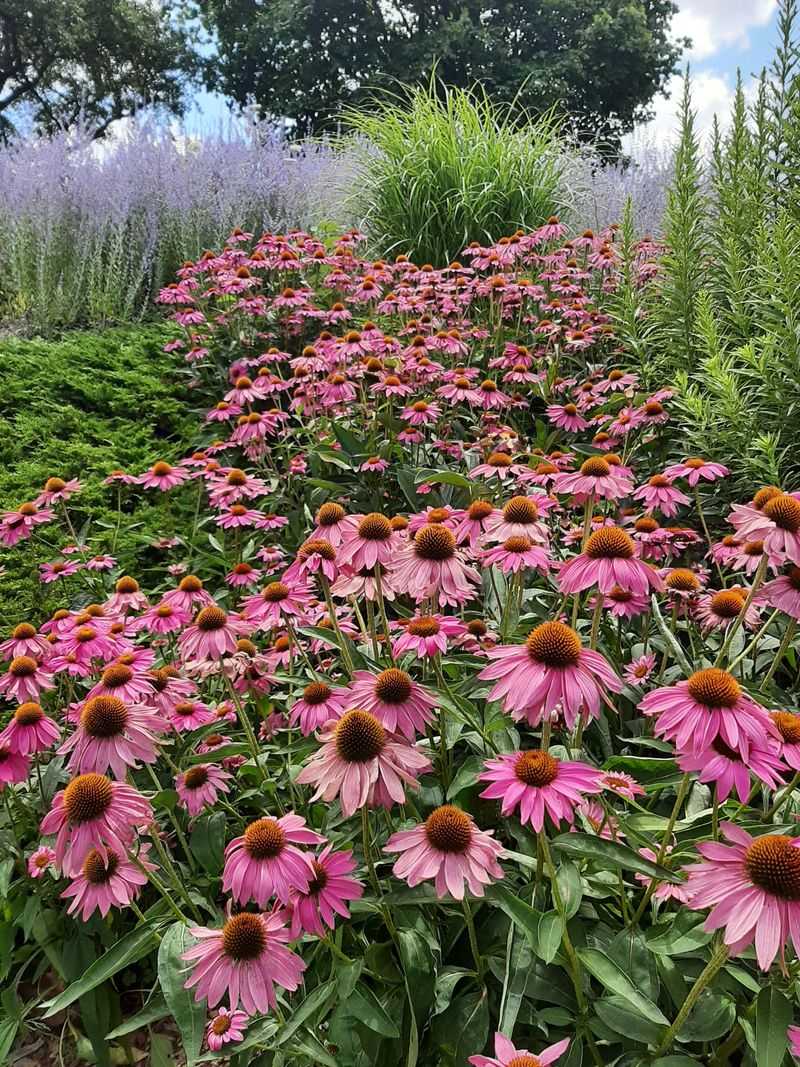
Goldfinches treat a patch of brown coneflower heads like a snack bar that stays open all winter long. I once counted six birds hanging upside down on the spiky cones during a single frosty breakfast.
Purple coneflower, or Echinacea purpurea, is a tough native perennial that handles cold winters across the whole state. Its stiff stems usually stay upright after a freeze, holding seed heads high above the snow and mud.
Those prickly cones hold dozens of small seeds that finches and chickadees pick out one at a time. Cut the plants down in November, and that steady food supply simply disappears from your yard overnight.
Standing stems also catch fallen leaves, which settle around the crown like a cozy winter blanket for the roots. That extra layer helps soften the freeze and thaw cycles that can heave young plants out of the soil.
For what it’s worth, the plants look surprisingly handsome dusted with frost on a clear January morning. Their dark cones create little exclamation points in a garden that otherwise looks flat and sleepy until spring.
Wait until late winter, just before fresh green leaves appear at the base, to trim old stems away. Cut them a few inches above the ground, and watch closely so you avoid nicking the new shoots.
Leaving a few seed heads may also give you free seedlings scattered around the bed next summer. Share the extras with friends, or move them to sunny spots where they can fill gaps in your borders.
2. Black Eyed Susan
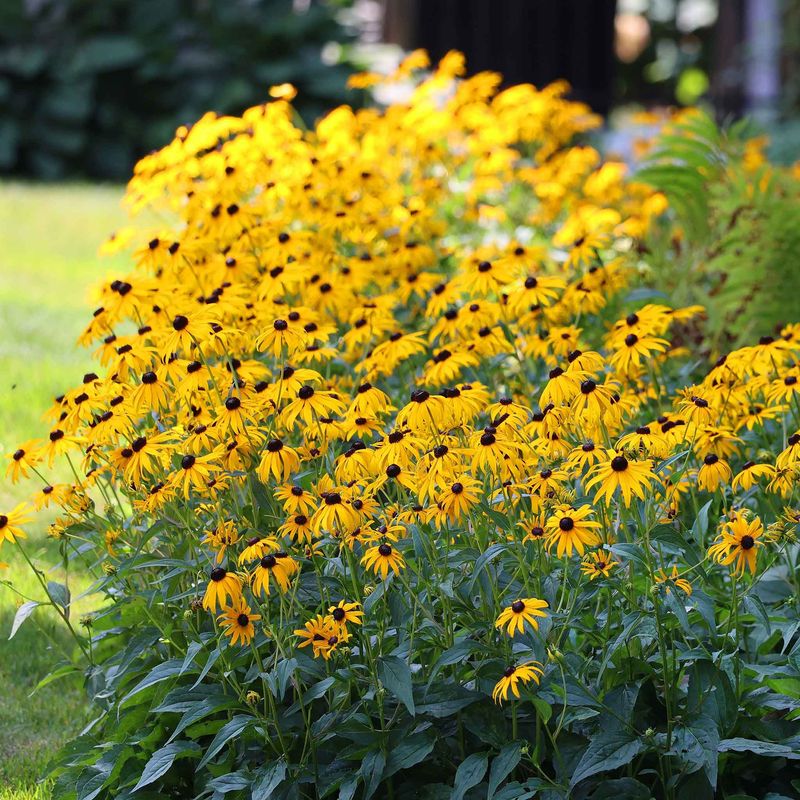
Those cheerful golden petals fade by fall, yet the dark button centers keep working long after summer ends. In my own yard, I’ve noticed juncos hopping beneath the stems, gathering seeds that tumble down after windy nights.
Black-eyed Susan, known as Rudbeckia, includes several native species that grow happily in Virginia gardens and meadows. Rudbeckia fulgida and Rudbeckia hirta are the two types you will most often spot at local garden centers.
After a hard freeze, the foliage turns brown and crispy, but the seed heads usually hold firm for weeks. Small birds visit them on cold mornings when insects are scarce and other food sources run low.
Let’s just say a messy patch of Rudbeckia brings more winter visitors than a tidy patch of bare mulch. The stems also give beneficial insects a quiet hiding place until warmer weather returns in the spring.
Rudbeckia hirta is often short-lived, so allowing seeds to drop helps the planting renew itself naturally each year. You may find a fresh crop of fuzzy seedlings appearing near the parent plants once the soil warms up.
When late winter arrives, snip the old stems near the base before the new rosettes start to grow taller. Toss the trimmings into a brush pile so any insects tucked inside can still finish their winter rest.
Give the plants full sun and decent drainage, and they will reward you with flowers again next summer. They handle dry spells well once established, which makes them a relaxed choice for busy weekend gardeners.
3. Switchgrass
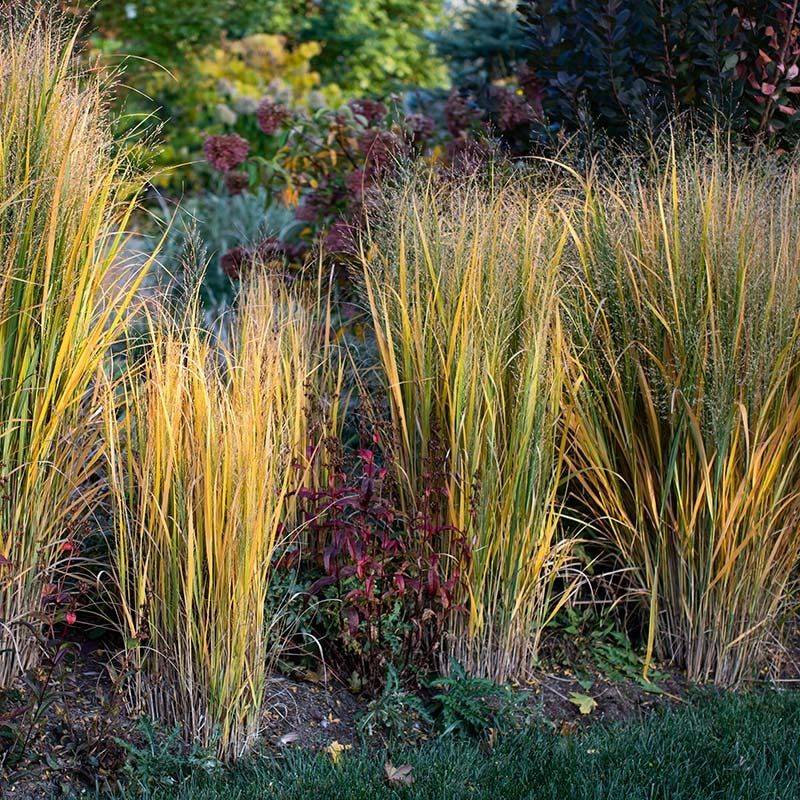
Few sounds beat the soft rustle of switchgrass when a cold breeze rolls across a frosty garden in winter. The airy seed clouds catch low sunlight and glow like copper, even on gray afternoons when nothing else stirs.
Switchgrass, or Panicum virgatum, is a warm-season native grass found in prairies and fields throughout the eastern United States. It grows best in full sun and handles both dry clay and fairly damp soil without much complaint.
If you ask me, this grass looks better in January than it does in June, which feels almost unfair. The tan blades stay upright through most snowfalls, adding height and movement where flowers have long since gone quiet.
Birds such as sparrows search the clumps for seeds, while the dense base offers shelter from biting winter wind. Small creatures tuck into that thatch too, so the clump becomes a tiny winter shelter right in your yard.
Many gardeners cut ornamental grasses down in fall, but switchgrass truly shines when left standing through the cold. Skip the popular miscanthus, which spreads aggressively in many parts of the state and crowds out native plants.
Wait until late winter or very early spring, before green shoots appear, to cut the clump back hard. Trim it to about four to six inches tall, using hedge shears or a bungee cord to bundle stems first.
That bundling trick saves a huge cleanup mess, and I learned it after chasing loose blades across my lawn. The grass bounces back quickly once warm weather arrives, sending up fresh blue-green growth within a few weeks.
4. Joe Pye Weed
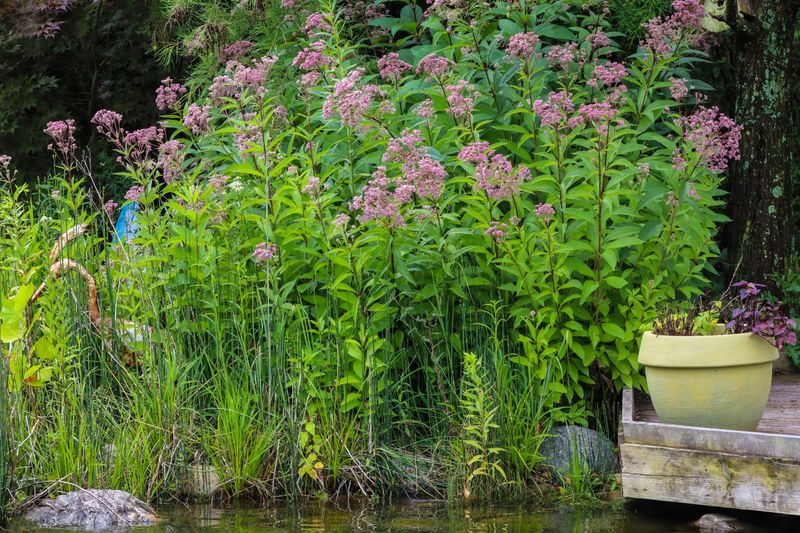
Hollow stems on Joe Pye weed can stand taller than many gardeners, and they are surprisingly busy places in winter. Small native bees sometimes use those tubes for nesting, which turns each stalk into a potential bee apartment building.
Joe Pye weed, now called Eutrochium, is a tall native perennial that loves moist soil and plenty of sunshine. Its dusty pink flower clusters draw swallowtails and bees in late summer, then fade into fuzzy brown seed heads.
Here’s what caught my attention after I stopped cutting mine down in fall: the birds kept coming back. Goldfinches and other small seed eaters pick through those fluffy clusters on cold mornings when food is harder to find.
Leaving the stalks up also marks where the plant lives, so you won’t accidentally dig into it next spring. That sounds silly, but Joe Pye weed emerges late, and empty ground tempts gardeners to plant something new there.
When pruning time arrives in late winter, consider cutting the stalks to about fifteen to twenty inches tall. Those remaining stubs give stem-nesting bees future homes while new leaves quickly hide the old stalks from view.
Bundle the removed stems loosely and lay them in a quiet corner, rather than shredding them right away. Any insects still tucked inside will have a chance to emerge once warmer days return in spring.
Give the plant room, because mature clumps can spread several feet wide and reach five feet or taller. Pair it with lower plants in front so the bare winter stalks look intentional rather than forgotten.
5. Autumn Joy Sedum
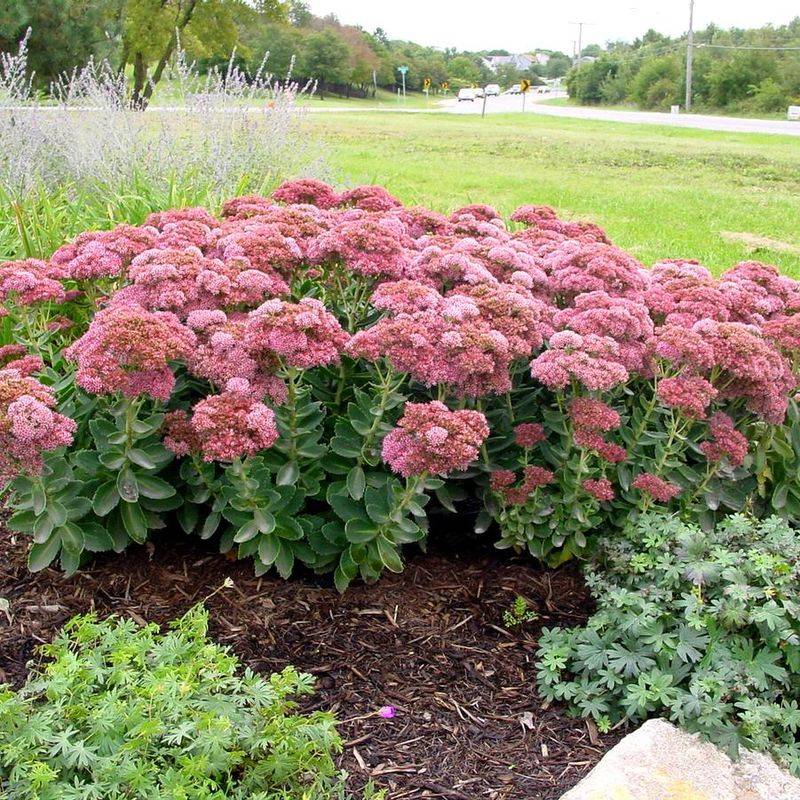
Snow lands on Autumn Joy sedum like whipped cream on a cupcake, and the effect looks almost too cute. Those flat flower heads turn deep rusty brown after frost, then hold their shape for most of the winter.
Autumn Joy is a hybrid stonecrop often sold as Hylotelephium ‘Herbstfreude,’ and it grows reliably throughout Virginia’s hardiness zones. It is not native, but it is not considered invasive, and pollinators adore its blooms in early fall.
Funny thing is, the plant looks tidy even when you do nothing to it after the first freeze arrives. The stiff stems rarely flop, so the clumps keep a neat dome shape that adds structure to sleepy winter beds.
Leaving the old stems in place also shelters the low buds forming near the base of each plant. You can often spot little pink-green knobs sitting at ground level, waiting patiently for longer days in early spring.
Sedum hates soggy feet, so plant it in full sun and gritty, well-drained soil for the best results. Rich soil and too much shade make the stems weak, which leads to splayed clumps by late summer.
Take it from someone who once chopped them in October, the bare soil looked lonely for months afterward. Now I wait until those fresh buds swell in early spring, then snap the brittle old stems away by hand.
Many of the old stems break off cleanly at the base without any tools, which makes cleanup oddly satisfying. Drop the trimmings into your compost, and the plant will push out new succulent leaves within a few weeks.
6. Lavender
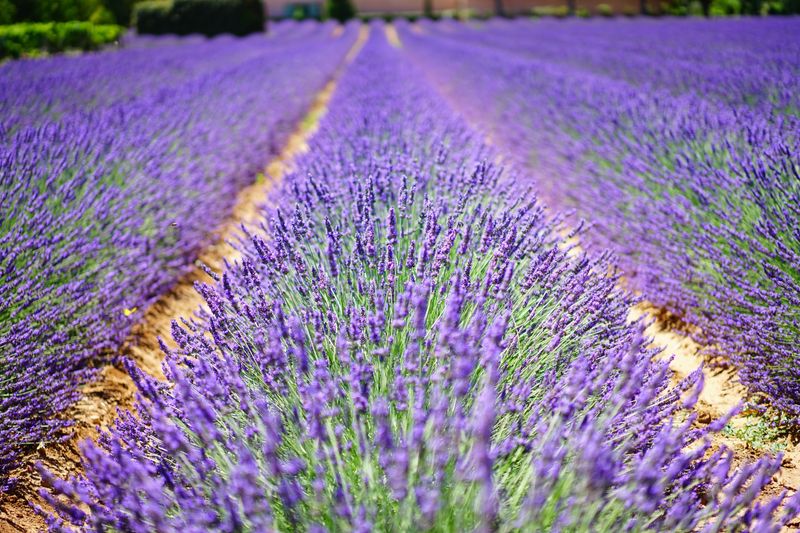
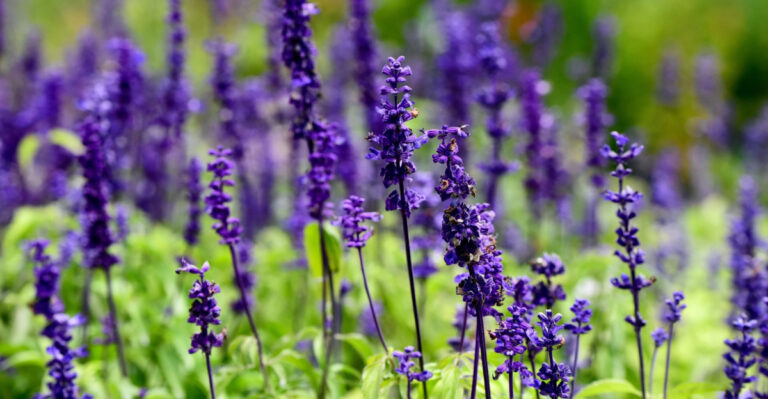
Rub a frosty lavender leaf between your fingers in January, and that sweet summer scent still drifts up. That fragrance comes from a woody little shrub, which is exactly why fall pruning can cause real trouble.
Lavender, including popular English lavender, Lavandula angustifolia, grows in sunny Mediterranean climates with fast drainage and lean soil. Winter wetness often troubles it more than cold, so heavy clay gardens need raised beds or gravel to keep roots dry.
Don’t make my mistake of giving lavender a crew cut right after a freeze, hoping to tidy things up. Fresh cuts expose tender tissue to cold damage, and the plant cannot heal or grow during its winter rest.
The gray foliage also protects the woody base from harsh wind and sudden drops in temperature through winter. Leaving it intact lets the plant shield itself until spring weather settles and steady growth can begin again.
Wait until you spot fresh green growth along the lower stems in spring, usually around April in many gardens. Then trim the plant back by about one third, shaping it into a soft mound that looks full and healthy.
Avoid cutting into bare brown wood that has no leaves, because older stems rarely sprout new growth again. Light shaping after summer blooms also helps, as long as you finish well before the first hard frost arrives.
A sunny spot, sharp drainage, and patience will keep your lavender happy for several seasons in the garden. Skip heavy mulch around the crown, since trapped moisture can encourage rot during long, wet stretches of winter weather.
7. Hellebore
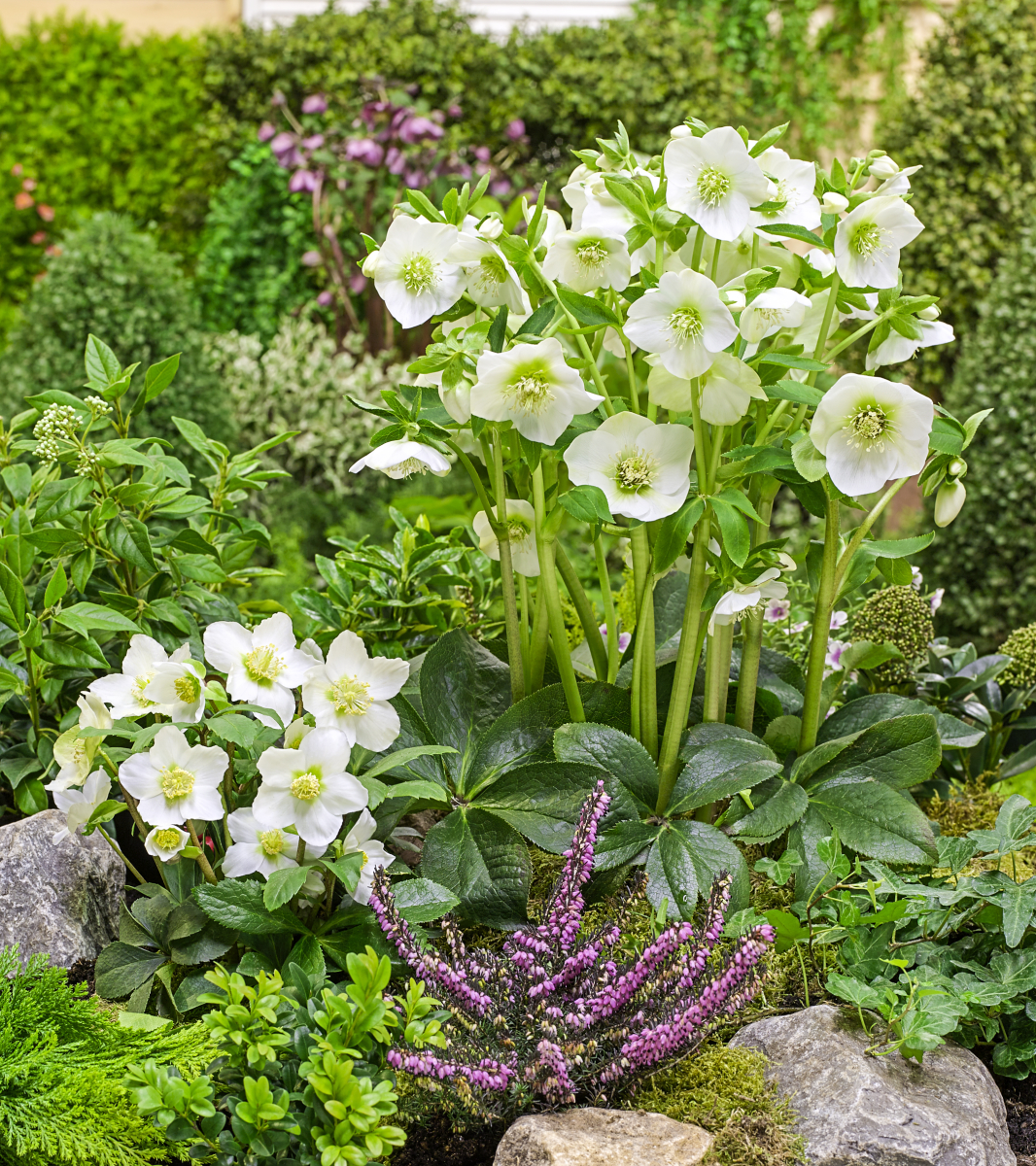
Few plants open flowers while snow is still melting, yet hellebores often bloom in late winter without any fuss. Their nodding cups in pink, cream, and plum arrive when most gardens look sleepy and brown.
Hellebores, also called Lenten roses, belong to the genus Helleborus and thrive in shady spots with rich soil. Their leathery evergreen leaves usually stay green through freezes, which is exactly why cutting them back too early backfires.
My garden taught me that those leaves keep feeding the plant through winter, using sunlight on mild days. They also cover the developing flower buds, giving them a little roof against icy wind and heavy frost.
Wait until late winter, when flower buds start poking up from the center, to remove the old leaves. Snip each tattered leaf at the base, which shows off the blooms and reduces fungal leaf spot problems.
Wear gloves while trimming, because hellebore sap can irritate skin, and every part of the plant is toxic. That same quality helps explain why deer and rabbits usually leave these shade lovers alone in the yard.
Plant them under deciduous trees, where winter sun reaches them and summer shade keeps their leaves from scorching. They appreciate steady moisture and good drainage, especially in heavy clay that tends to stay wet for days.
Once settled, a single clump can bloom for years and slowly spread into a lovely shady groundcover. You may even find tiny seedlings around the parent plant, ready to share with friends or move elsewhere.
8. Oakleaf Hydrangea
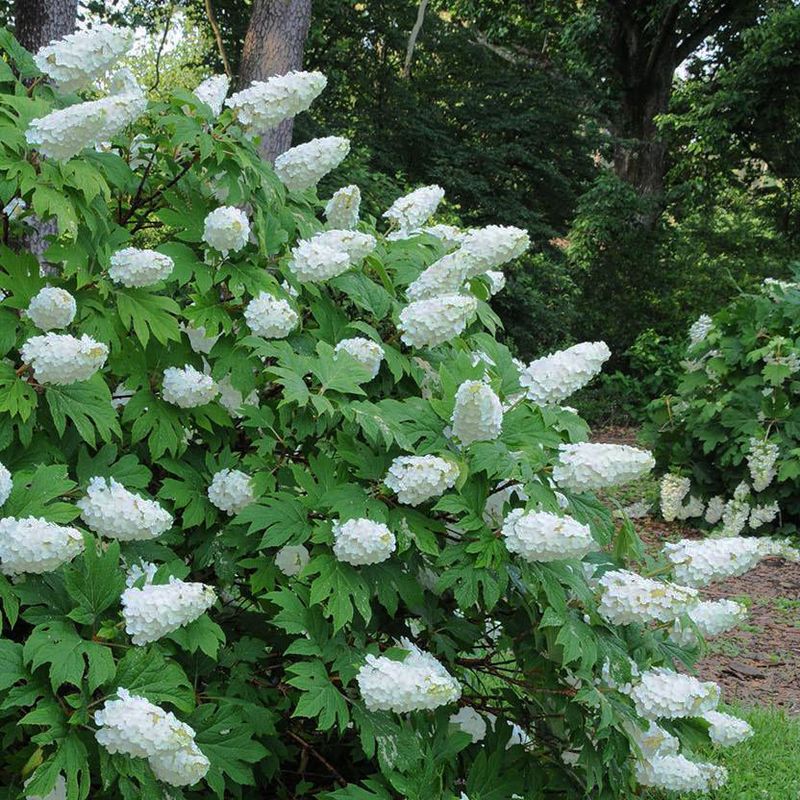
Peeling cinnamon-colored bark on oakleaf hydrangea looks like it belongs in a woodland storybook during the winter months. Once the big leaves finally drop, that shaggy bark becomes the star of the shady border.
Oakleaf hydrangea, or Hydrangea quercifolia, is native to the southeastern United States and grows well across much of the state. Its leaves turn rich burgundy in fall, often hanging on surprisingly long after other shrubs have gone bare.
Here’s the catch that surprised me years ago, since this shrub forms next year’s flower buds on old wood. Those buds develop in late summer, so pruning after a freeze removes the blooms you were hoping to enjoy.
Leave the dried flower clusters in place, because they fade to soft tan and look elegant all winter long. They also catch frost and snow, adding pretty texture to an area that might otherwise look plain.
If shaping is needed, do it right after flowering wraps up in summer, before new buds have time to form. Remove only crossing or broken branches during winter, and keep those cuts small and easy to heal.
Oakleaf hydrangea prefers morning sun with afternoon shade and well-drained soil that stays evenly moist through summer. It handles clay better than many shrubs, as long as water does not pool around the roots after storms.
Give it space, since mature plants can spread six feet or more and slowly form handsome thickets over time. In my view, letting it grow naturally beats constant trimming, and the cone-shaped summer flowers prove that point.