The Gilded Garden Trend: How to Create an Elegant, European-Style Garden In Virginia
Thomas Jefferson once called himself an old man but a young gardener. At Monticello, he laid out oval flower beds, a winding walk, and a long terraced vegetable garden inspired by his years in France.
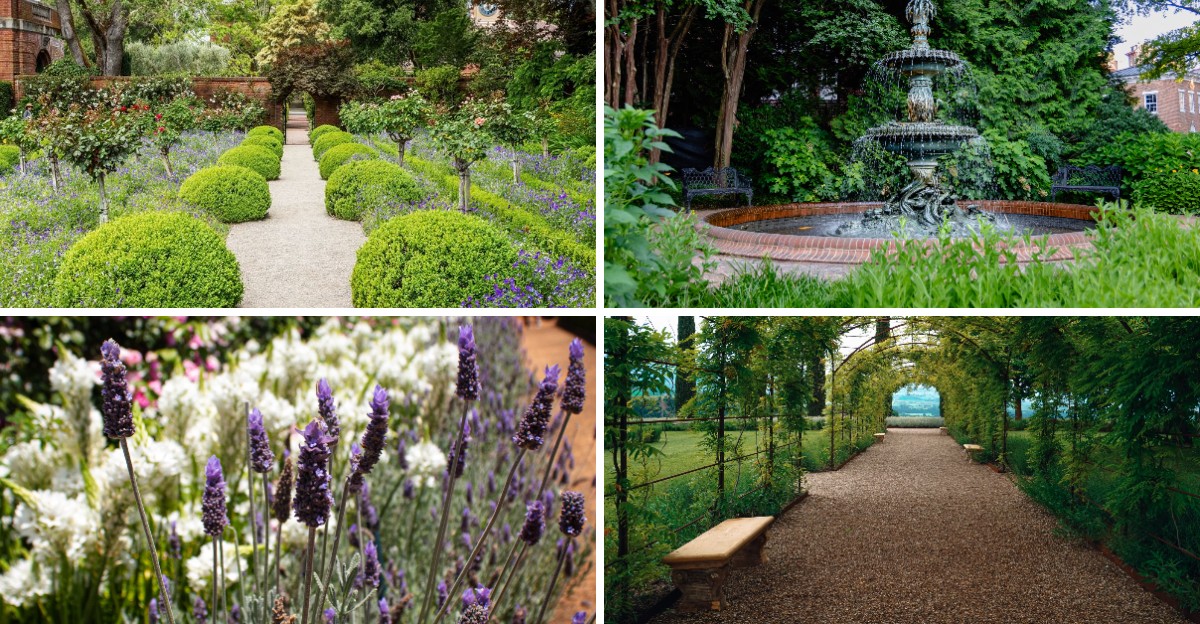
That old-world spirit is popping up in backyards again. Clipped hedges, gravel paths, stone urns, and the soft splash of a fountain are turning ordinary lots into tiny estates. I love how a few strong lines can make even a small yard feel polished.
You don’t need a palace budget to borrow the look. You need a plan, some tough plants, and a little patience. Personally, I believe the best version of this style mixes European structure with plants that actually enjoy Virginia summers.
So which classic choices still make sense here, and which ones quietly cause trouble? You’re in for a few surprises.
A Formal Garden Starts With One Straight Line From Your Window
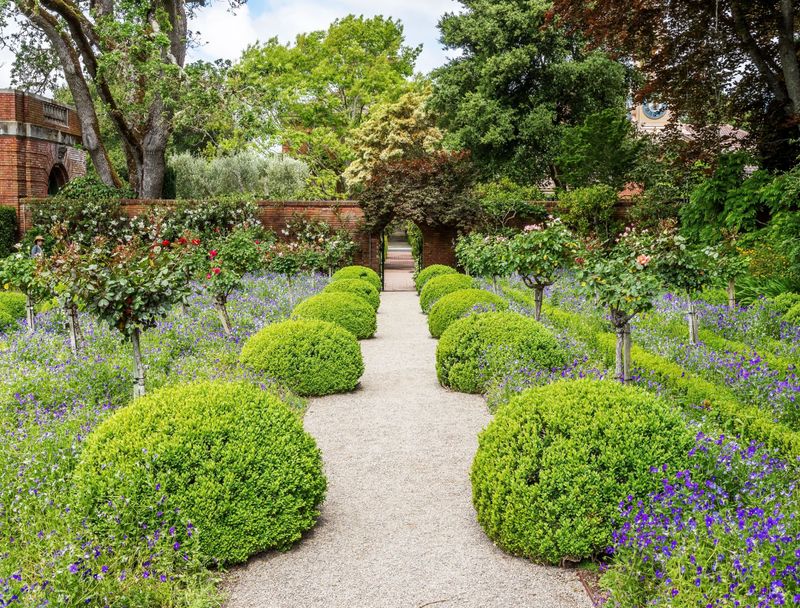
Walk through any grand European garden and you will notice something sneaky. Almost everything lines up with something else, usually the house itself.
Designers call this an axis. It is a straight, imaginary line that runs from a key spot, like your back door or kitchen window, out into the yard.
Once you pick that line, you place a path, a focal point, and matching plants along it.
Symmetry does the rest of the work. If you plant a shrub on the left side of your path, plant the same shrub on the right.
Two matching urns by a gate instantly look more expensive than one random pot.
I like to sketch the yard on graph paper first. It feels a bit like homework, but it saves money and backaches later.
Mark sunny spots, shady corners, and low areas where rain puddles.
Small yards benefit from this approach even more than big ones. A clear center path and four simple beds, often called a quadrant layout, can make a modest lot feel orderly and calm.
Keep the shapes simple at first. Squares, rectangles, and circles read clearly from a distance and are easier to edge.
You can add curves or a fancy knot pattern later, once the bones feel right and you know how much trimming you enjoy.
Clipped Boxwood Hedges Need A Smarter Plan In Virginia
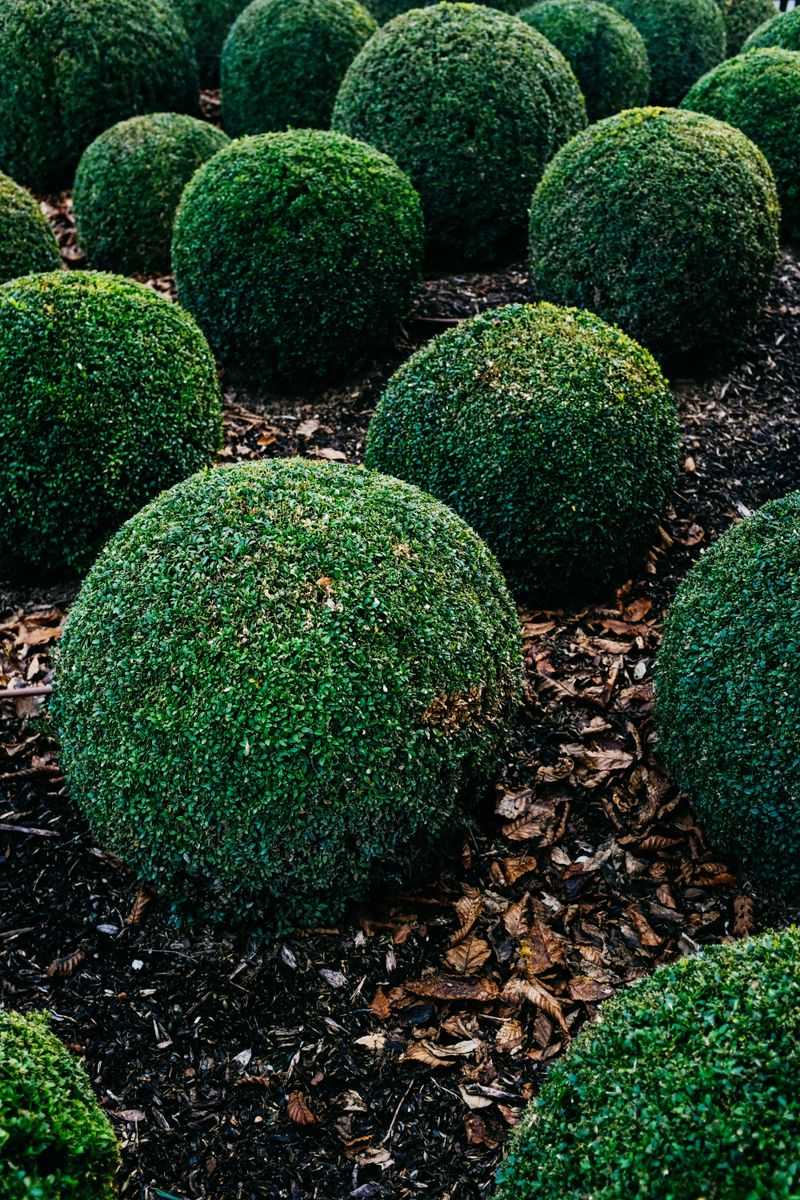
Boxwood has framed Virginia gardens since colonial times, and Colonial Williamsburg still shows it off beautifully. Those crisp green hedges are the backbone of the European look.
There is a catch, though. Boxwood blight, a fungal disease, was first confirmed in the state around 2011, and it can strip leaves fast in warm, wet weather.
Virginia Cooperative Extension recommends buying clean plants from trusted nurseries and choosing more tolerant types.
Cultivars in the NewGen series, such as Freedom and Independence, were bred for better blight tolerance. Many gardeners also report fewer problems with certain Buxus sinica types.
Tolerant does not mean immune, so smart care still matters.
Here are a few habits that help:
Water at the base instead of spraying the leaves. Give plants good airflow, and clean your pruners between shrubs.
Rake up fallen leaves under any plant that looks spotty.
Also watch for the box tree moth, a newer pest now found in parts of the state. Check for webbing and chewed leaves, and report anything odd to your local Extension office.
Honestly, I still think boxwood is worth growing. A little caution keeps those tidy hedges looking sharp for decades instead of a few seasons.
Inkberry Holly And Other Evergreens Can Step In For Boxwood
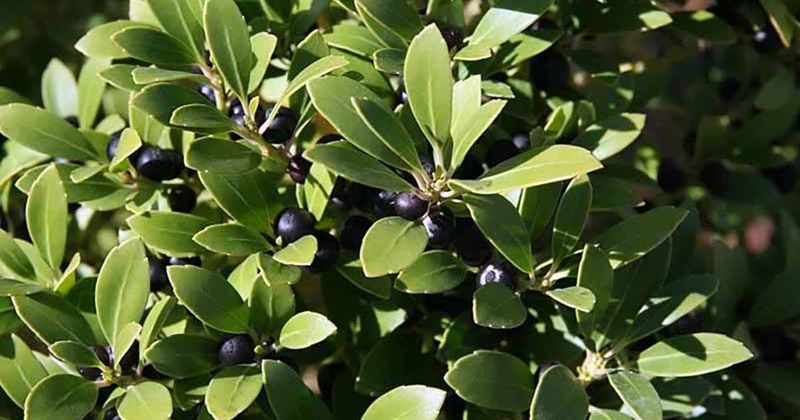
Want the boxwood look with less worry? Inkberry holly, Ilex glabra, is a native shrub with small, glossy leaves that clip into neat hedges surprisingly well.
It handles wet soil better than boxwood and grows in sun or part shade. Compact cultivars like Shamrock and Gem Box stay low and tidy, which makes them handy for edging beds.
Bees also visit the tiny flowers in late spring.
For taller structure, American holly is a classic Virginia tree with shiny leaves and red berries on female plants. It looks stately as a pair flanking a gate or driveway.
Southern magnolia brings big, leathery leaves and creamy summer blooms. Give it plenty of room, since many types grow huge.
Smaller selections like Little Gem fit tighter spaces.
Dwarf Hinoki cypress adds a sculptural, almost bonsai-like shape. It prefers well-drained soil and some afternoon shade in hotter parts of the state.
One quick warning sits close to my heart. Skip English ivy and Japanese barberry, even though they appear in old European designs.
Both are invasive here and spread into woods. Evergreen choices like these give you year-round shape without inviting trouble next door.
Gravel Paths And Stone Edging Make Everything Look Older
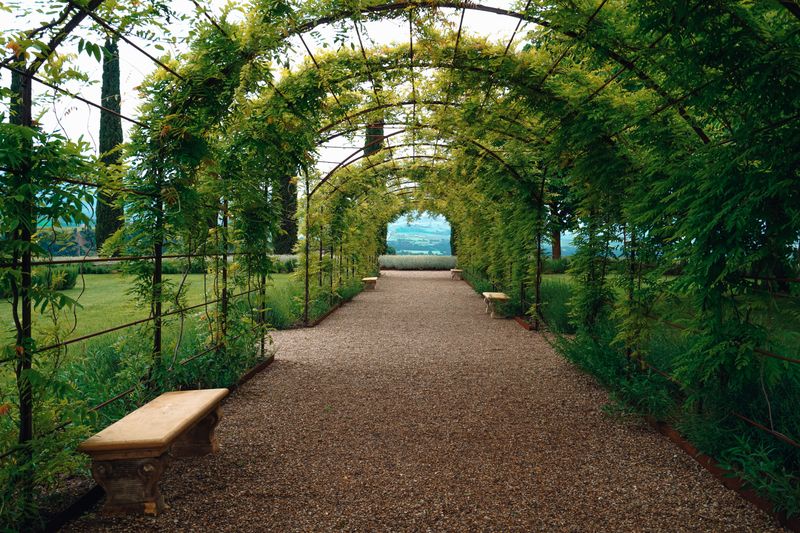
Nothing says French chateau quite like the crunch of gravel underfoot. That sound alone makes a backyard feel a little fancy.
Pea gravel is affordable and easy to install, but it can roll around. Many gardeners prefer crushed stone or decomposed granite for paths, since the angular pieces lock together better.
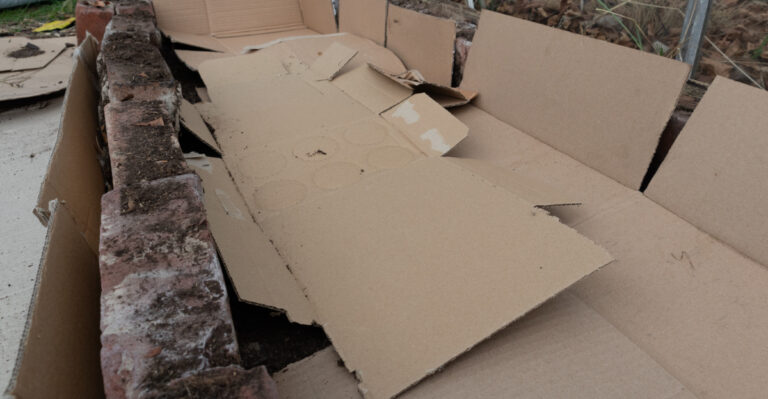
Put down a few inches over compacted ground, and add landscape fabric if weeds are a concern.
Edging is the secret hero here. Steel, brick, or cut stone edging keeps gravel out of your beds and gives every line a crisp finish.
Without it, paths start to wander.
Natural stone pavers or reclaimed brick add instant history. In older towns, salvaged brick often matches the house, which helps a new garden blend in.
I love how mossy brick looks after a few seasons in shade.
Paths should be wide enough for two people to stroll side by side, ideally around four to five feet for a main walk. Narrower side paths work fine for wandering.
Think about drainage before you dig. Sloping the path slightly helps rainwater run off instead of pooling, which matters during our heavy summer storms.
Classic Stone Urns And Statues Bring The Gilded Touch
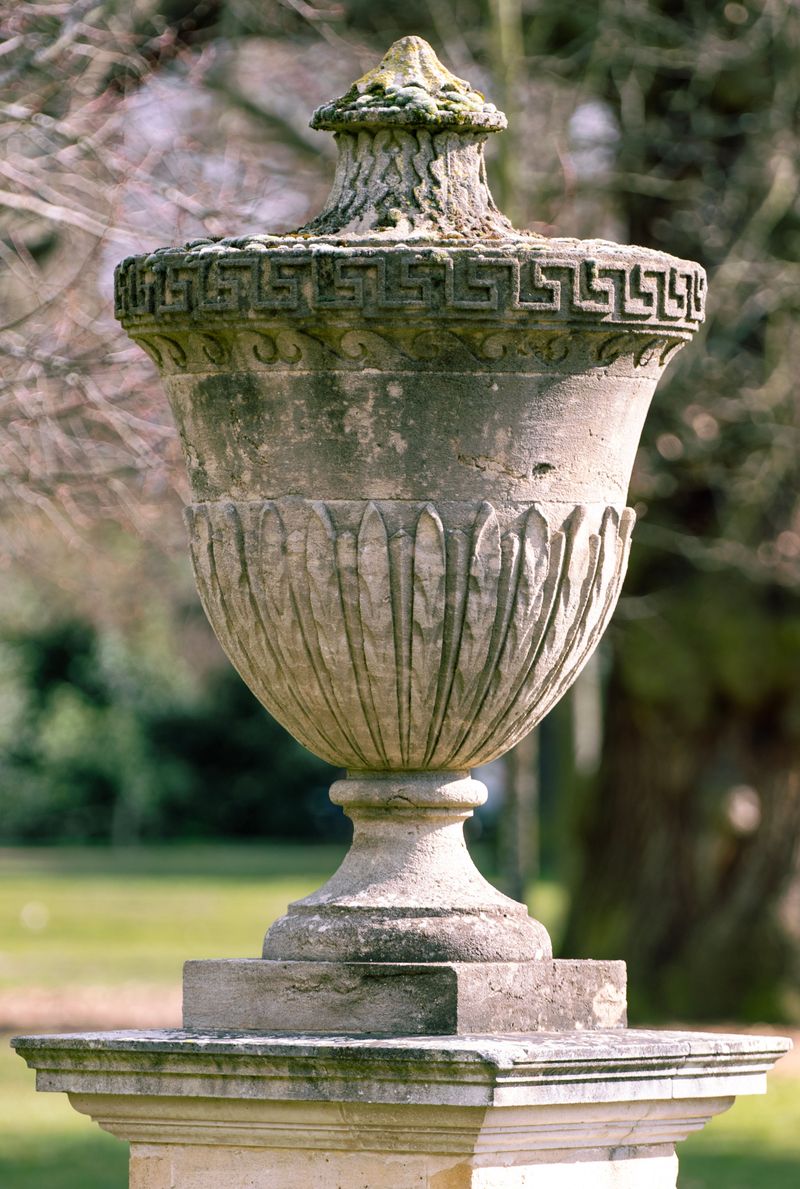
Here comes the fun part, the jewelry. Ornaments turn a tidy garden into a place that feels collected over generations.
A single stone urn at the end of a path pulls your eye straight down the axis. Designers call that a focal point, and it gives the whole layout a reason to exist.
One great piece beats a crowd of small trinkets.
Cast stone and concrete age nicely outdoors. Moss and lichen soften them over time, especially on shady sides.
Some folks even brush on yogurt or buttermilk to speed up that aged look, though results vary.
Wrought-iron benches, an antique-style gate, or an armillary sphere add more European charm. A bit of real gold leaf on a finial or sundial can nod to the gilded name without going overboard.
Freeze and thaw cycles can crack cheap pots, especially in the mountains and northern Piedmont. Choose frost-resistant materials, or empty and store delicate containers in winter.
Personally, I hunt for pieces at estate sales and salvage yards. Older ornaments often cost less than shiny new ones and already have that wonderful patina built right in.
A Tiered Fountain Or Reflecting Pool Adds Calm Sound
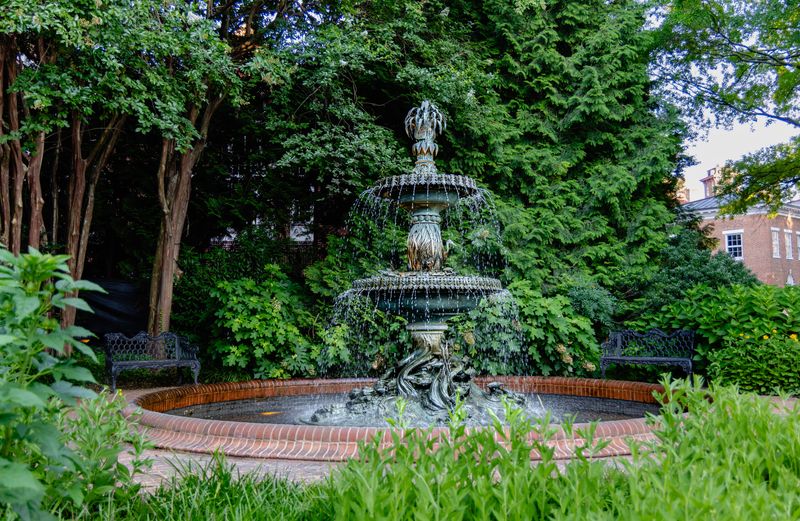
Close your eyes in a Roman courtyard and you will probably hear water first. That gentle splash is a big part of the European garden mood.
A classic tiered fountain works beautifully at the center of a four-square layout. Smaller yards can use a wall fountain or a simple bubbling urn.
Both offer sound without taking up much space.
Reflecting pools feel calm and grand. A shallow rectangle mirrors the sky, nearby trees, and any statue placed at its end.
It is pure magic at sunset.
Mosquitoes are a fair worry in humid summers. Moving water helps, since mosquitoes prefer still pools.
For still features, Virginia Extension suggests products with Bti, a natural bacteria that targets mosquito larvae.
Plan for electricity early, since most fountains need a pump. A licensed electrician can add a safe outdoor GFCI outlet.
Birds and pollinators will thank you too. Add a shallow edge or a few stones so bees and butterflies can sip safely.
In colder western counties, drain or winterize pumps before hard freezes. That small chore protects your investment and keeps cracks away from stone basins come spring.
Hydrangeas, Roses, And Lavender Fill The Beds With Romance
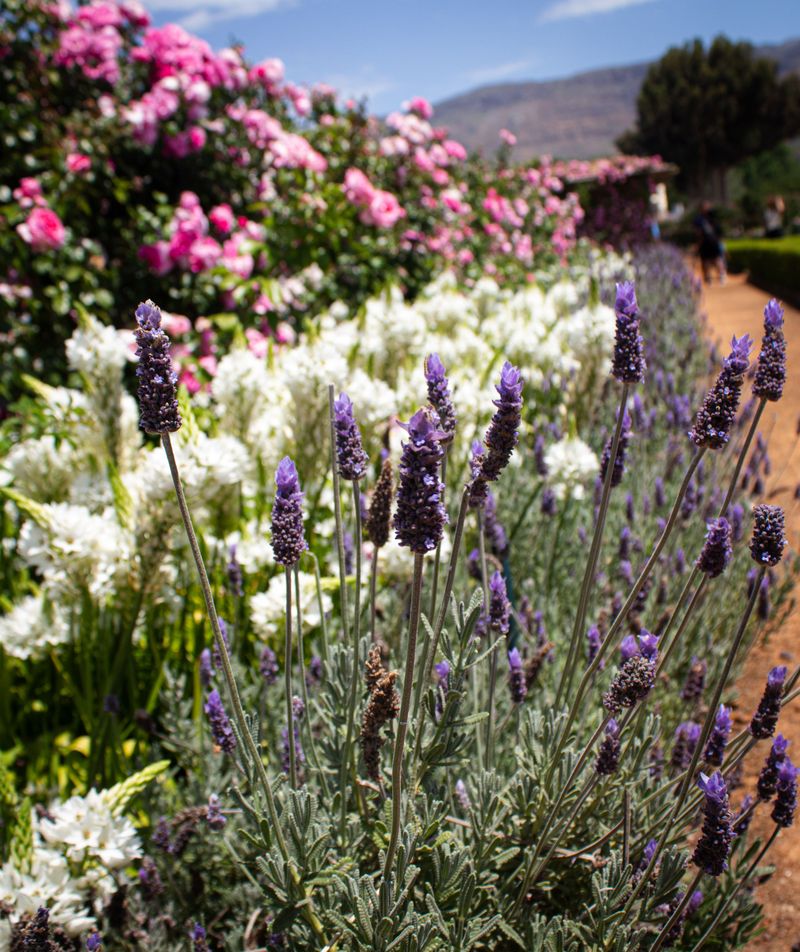
Green structure is lovely, but flowers make people stop and stare. Think of them as the sparkle inside your evergreen frame.
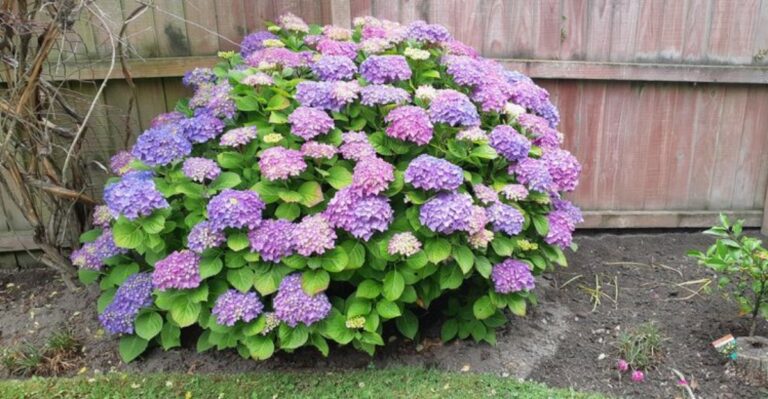
Hydrangeas are a Virginia favorite for good reason. Bigleaf types bloom blue in acidic soil and pink in sweeter soil, while oakleaf hydrangea, a Southeastern native, adds white cones and red fall color.
Most enjoy morning sun and afternoon shade.
Roses bring that cottage-meets-chateau feel. Our humid summers invite black spot, so choose disease-resistant shrub roses and give them full sun and airflow.
Lavender sounds easy but can sulk in heavy clay and damp heat. Plant it in raised, gravelly beds with sharp drainage.
Hybrid lavenders like Phenomenal handle humidity better than many English types.
Camellias bloom in fall, winter, or early spring, when little else flowers. They grow best in eastern and central regions, and they like shade from harsh afternoon sun.
I like a restrained palette of white, blue, and soft pink. It feels calm and classy.
Repeat the same colors on both sides of a path, and your symmetry will shine even in summer.
Sharp Pruning Shears And Fresh Mulch Keep The Look Polished
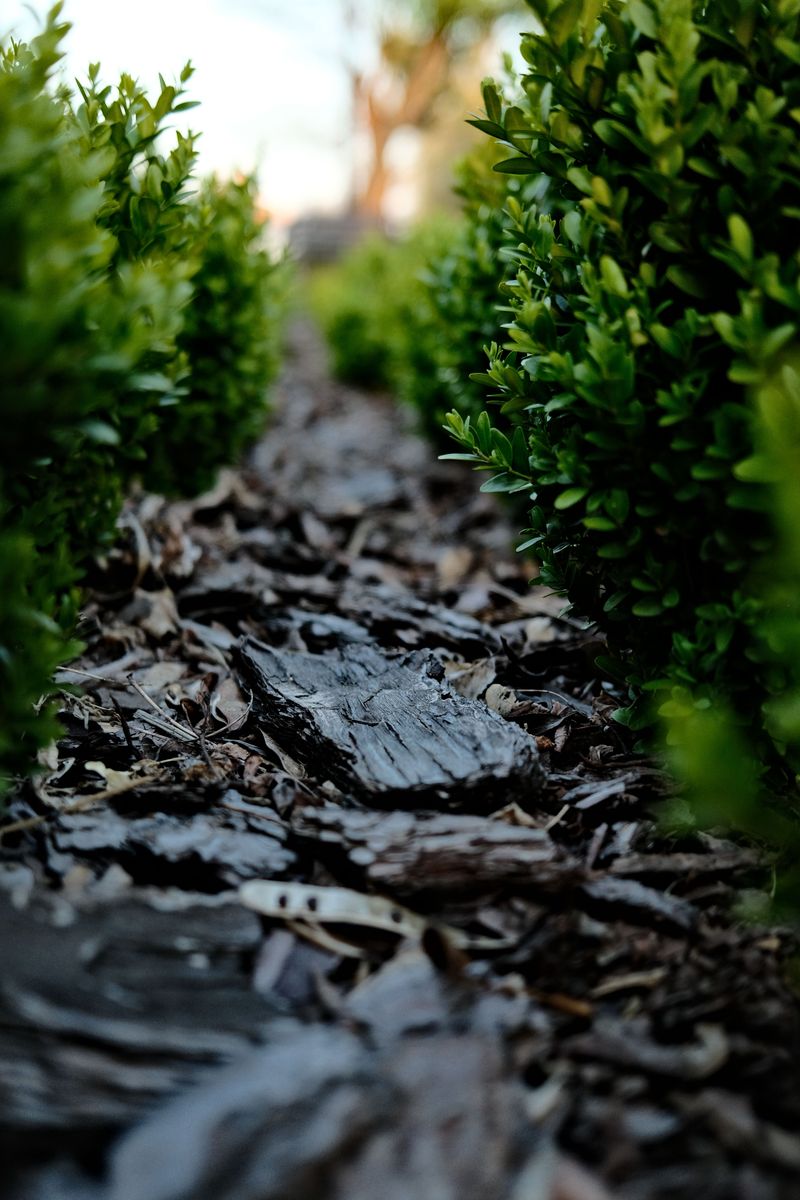
Every elegant garden has a quiet secret. Somebody shows up with shears on a regular schedule.
Most clipped evergreens look best with a main trim in late spring after new growth hardens, plus a light touch-up in early summer. Avoid heavy pruning after late summer, since fresh growth can get nipped by early frost.
Sharp tools make cleaner cuts and heal faster.
Shape hedges slightly wider at the bottom than the top. Sunlight then reaches lower leaves, and the hedge stays full instead of bare at the base.
Mulch gives beds a finished, tailored look. Two to three inches is plenty, and keep it pulled back from stems and trunks.
Piling it up like a volcano invites rot.
Water deeply but less often, about an inch per week for new plants during dry spells. A soaker hose saves time and keeps leaves dry.
Before planting anything, grab a soil test kit from Virginia Cooperative Extension. It tells you exactly what your soil needs, so you skip guesswork.
A little steady care each week beats one exhausting weekend each season, and your garden will look polished all year.