How To Water California Citrus In November Without Causing Root Problems
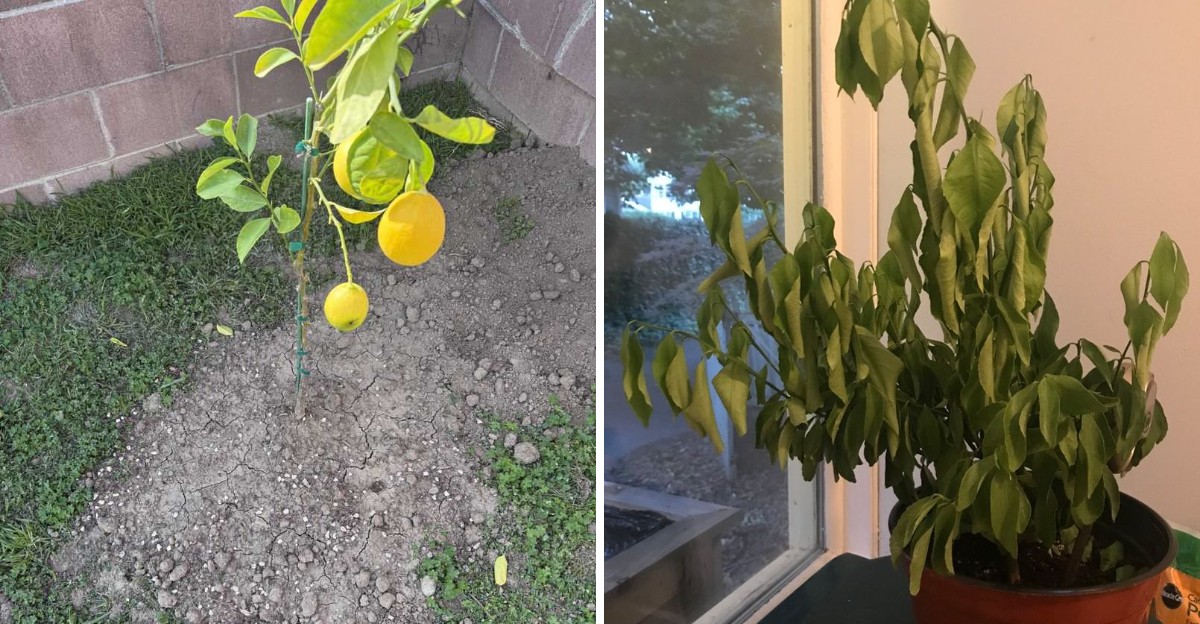
November can turn a healthy citrus tree into a confusing garden puzzle. Leaves may yellow, curl, or droop, and the first instinct is often to reach for the hose.
Yet cooler weather changes how quickly soil dries, so extra water can create trouble beneath the surface before the canopy shows clear signs.
I learned to be more cautious after realizing that thirsty roots and waterlogged roots can produce surprisingly similar symptoms. A quick look at the leaves rarely tells the whole story, especially when fall rain adds moisture that a sprinkler timer cannot account for.
California gardeners also face very different conditions from the coast to the inland valleys. Clay soil, drainage, tree age, and local weather all affect how often citrus needs a deep soak.
A small soil check can make the difference between helpful irrigation and an avoidable root problem.
Those Yellowing Citrus Leaves Might Be Asking For Less, Not More
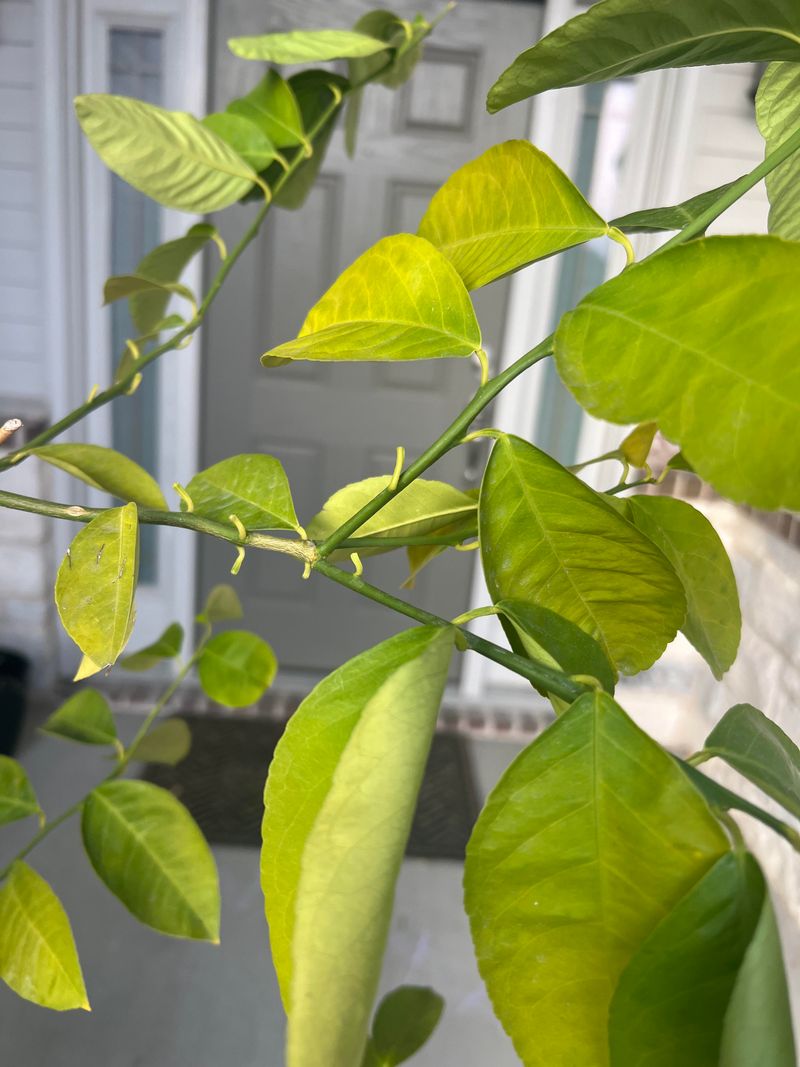
Yellow leaves on a lemon tree send most of us running for the hose. I did the same thing years ago, and my Meyer lemon only looked worse.
Citrus roots need air as much as water. Soil is full of tiny pores, and when those pores stay packed with water for days, roots run short of oxygen. They stop pulling up nutrients well, and the leaves above turn pale or yellow, often starting with the older ones.
That is why fall yellowing can be a sign of soggy ground rather than thirst. In November, trees use far less water, so moisture lingers much longer than it did in summer. Add a rain or two, and the root zone can stay wet for a week.
Before you water a yellowing tree, dig down about six inches near the drip line. If the soil feels cool and sticky and holds together in a muddy ball, hold off. Give it several days to dry out.
Of course, yellowing can also come from cold weather, nitrogen shortage, or normal shedding of old leaves. Still, checking the soil first saves you from making a waterlogged problem even worse.
Cut Your Summer Citrus Watering Schedule Way Back In November
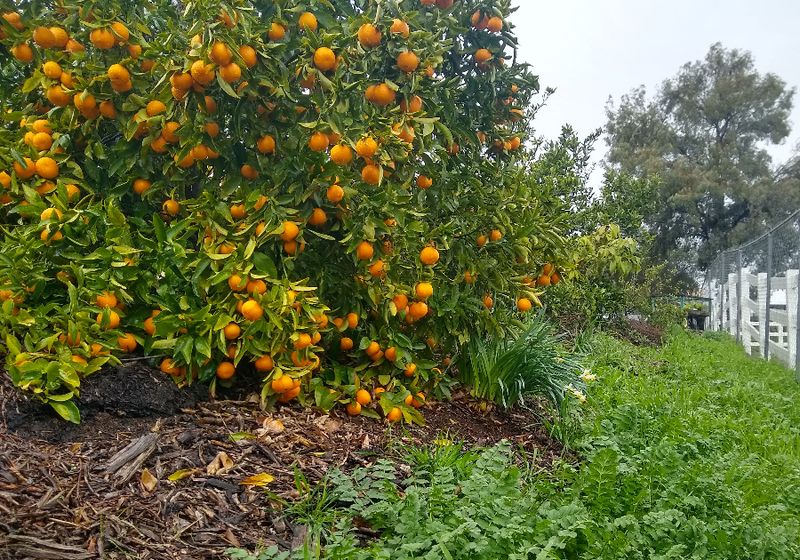
Plants lose water through their leaves, and scientists call the total loss evapotranspiration, or ET. In California, ET drops sharply between summer and late fall. UC Agriculture and Natural Resources data shows coastal and inland areas often lose less than half the water in November that they do in July.
For your citrus, that means the summer schedule is far too generous now. A tree you watered every five to seven days in August may only need a deep soak every two to three weeks in November. Young trees with small root systems still need checks more often, roughly weekly.
Your location matters a lot. Desert growers in the Coachella Valley face warmer, drier days than gardeners in foggy San Francisco or rainy Sacramento. Coastal yards may need very little irrigation once regular rain returns.
A smart move is to look up local ET numbers through the state CIMIS weather network. Many smart controllers use that data automatically.
If you run a basic timer, cut both the frequency and the run time this month. Then turn it off after any rain of half an inch or more, and restart only when the soil tells you to.
A Quick Soil Check Around Your Orange Tree Beats Any Calendar
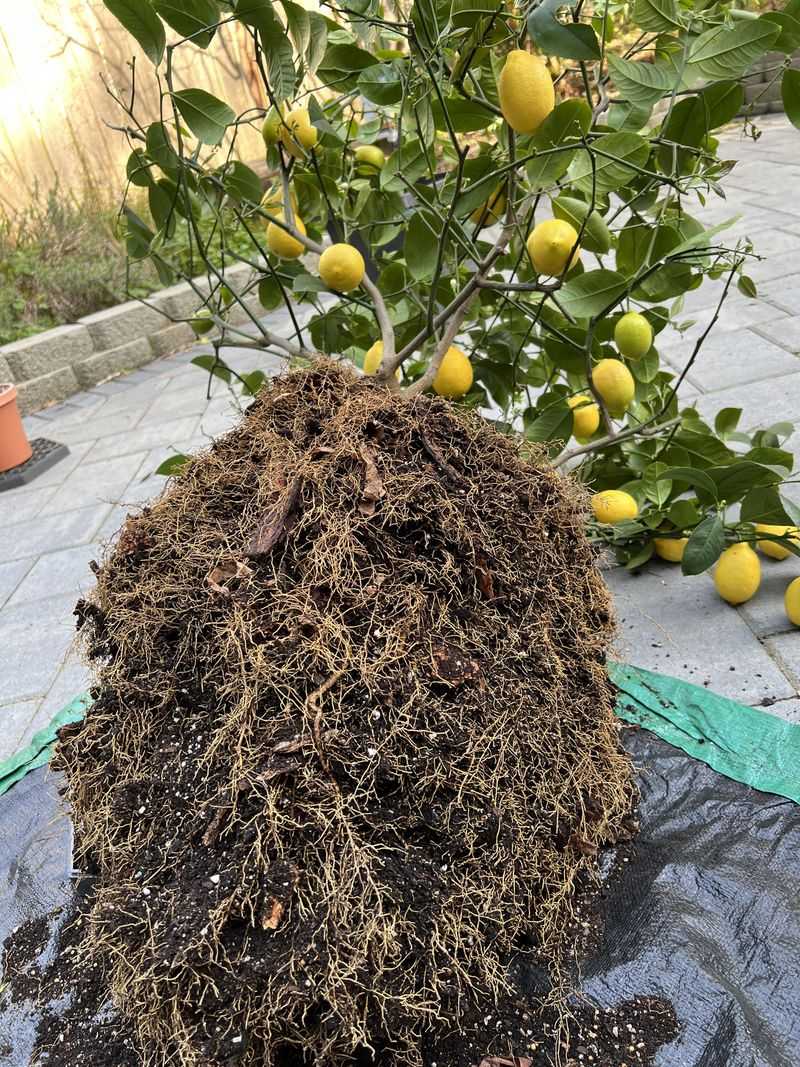
My favorite watering tool costs nothing. It is my index finger, backed up by a cheap hand trowel.
Citrus roots mostly live in the top two feet of soil, with many feeder roots in the top foot. Surface soil can look dry while the root zone below is still moist. So skip the quick glance and dig a little.
Scoop a small hole about six inches deep under the canopy, halfway between the trunk and the drip line. Squeeze a handful of soil. If it crumbles apart, it is time to water. If it forms a firm ball or smears your fingers, wait a few more days.
For a deeper look, a soil probe or long screwdriver works well. It slides easily into moist soil and pushes back hard in dry ground. Moisture meters help too, though cheap ones can give mixed readings in salty or rocky soil.
Check two or three spots around the tree, since sprinklers and slopes create wet and dry patches. Write down what you find for a few weeks. Pretty soon, you will know your yard’s rhythm better than any timer.
Soggy Ground Is Where Phytophthora Root Rot Gets Its Start
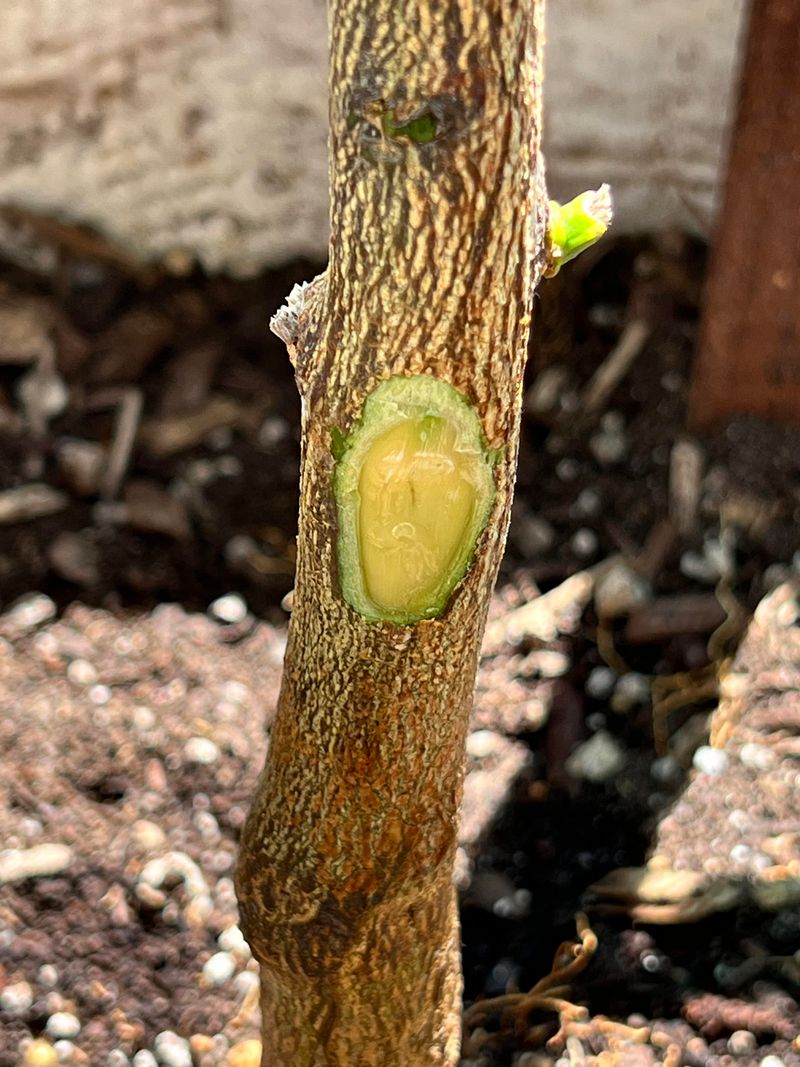
Few garden troubles are as sneaky as Phytophthora. It is a water mold, not a true fungus, and it lives in many California soils already.
The organism stays fairly quiet until the soil stays wet. Then it releases swimming spores that move through water and attack tender feeder roots. UC IPM notes that long periods of saturated soil, especially in poorly drained spots, raise the risk the most.
Above ground, trees may show yellow leaves, thin canopies and small fruit. Near the soil line, look for gumming, dark wet patches, or cracked bark on the trunk. That form is called foot rot or gummosis.
Underground, rotted feeder roots look brown and soft. The outer layer slips off easily, leaving a thin thread behind, and the soil may smell sour.
Prevention is the best plan. Keep water off the trunk, avoid piling soil or mulch against the bark, and let the root zone dry between waterings. Cooler fall temperatures slow root growth, so damaged roots recover slowly in November.
If you suspect rot, contact your county UC Master Gardener program. They can help confirm the problem before you spend money on treatments.
Heavy Clay Soil Around Your Lemon Tree Needs Better Drainage
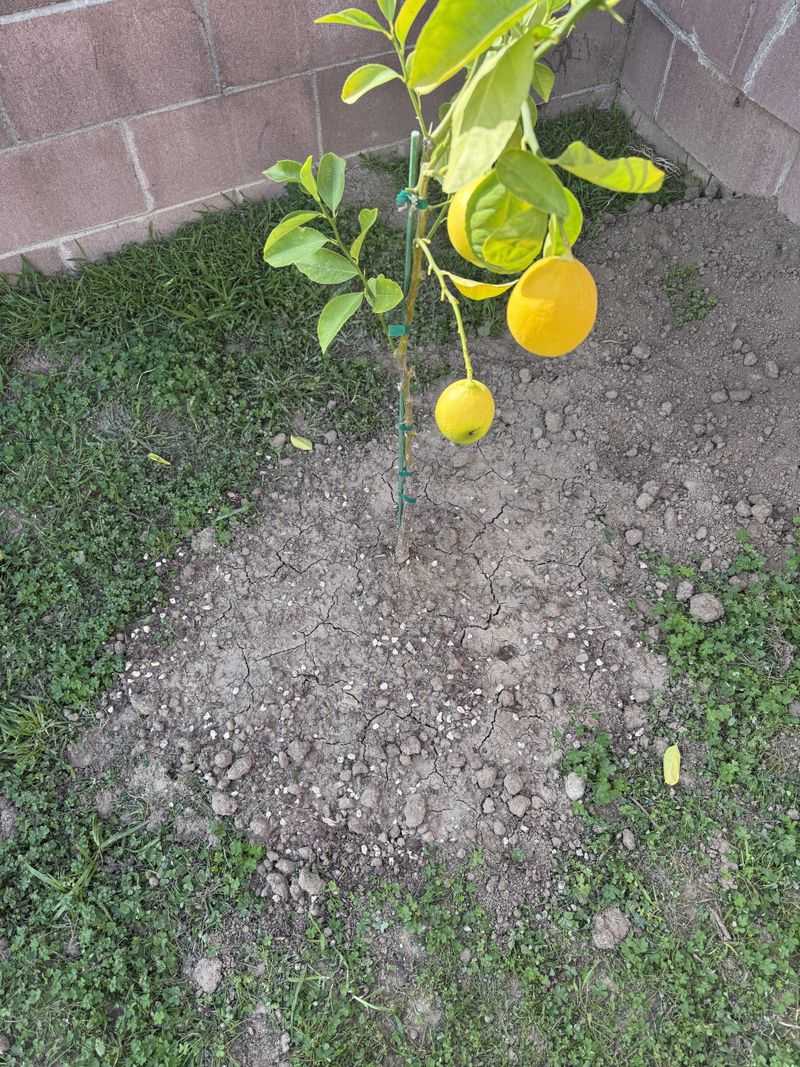
Clay holds water like a sponge that refuses to wring out. Plenty of California neighborhoods sit on it, from parts of the Bay Area to the Inland Empire.
Citrus grows best in loamy or sandy loam soil that drains well. In clay, fall watering and winter rain can sit around the roots far too long. A simple test shows what you are working with.
Dig a hole about a foot deep and fill it with water. Let it drain, then fill it again and watch. If the second fill takes more than a day or so to vanish, your drainage is slow.
Mixing a little compost into the top few inches across a wide area can help over time. Avoid filling just the planting hole with rich mix, since water collects there like a bathtub. Adding sand to clay is risky and can create a hard, cement-like layer.
For new plantings, UC experts often suggest planting on a low mound or berm. That keeps the crown higher and drier. Large raised beds and containers with drainage holes work well for problem yards too.
Fixing drainage takes effort, but it pays off every wet season after.
Drip Emitters Belong Out Near The Drip Line, Not Against The Trunk
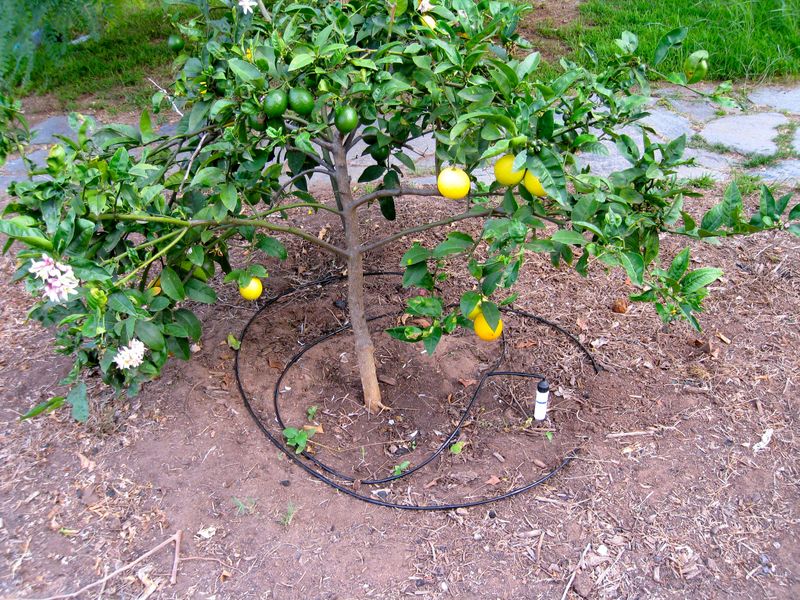
Ever notice how a garden hose left at the trunk makes a little moat? That puddle is exactly what citrus bark dislikes.
Deep, slow watering is the goal. Drip lines or soaker hoses let water sink into the root zone without flooding the surface. Each session should moisten the soil to about one to two feet deep, then let it dry partly before the next round.
Placement matters as the tree grows. A young tree needs emitters within about a foot of the trunk, but not touching it. A mature tree needs a ring of emitters out near the drip line, where many active roots spread.
Keep the trunk and the first few inches of soil around it dry. Wet bark day after day invites foot rot.
In November, run drip longer but much less often, rather than giving short daily sips. Light, frequent watering keeps the surface wet and encourages shallow roots.
Overhead sprinklers that soak lawns can also soak the trunk. If your citrus sits in turf, consider pulling the grass back to a wide mulched circle. Your tree gets its own water plan instead of sharing the lawn’s.
Curled Or Droopy Citrus Leaves Tell Two Very Different Stories
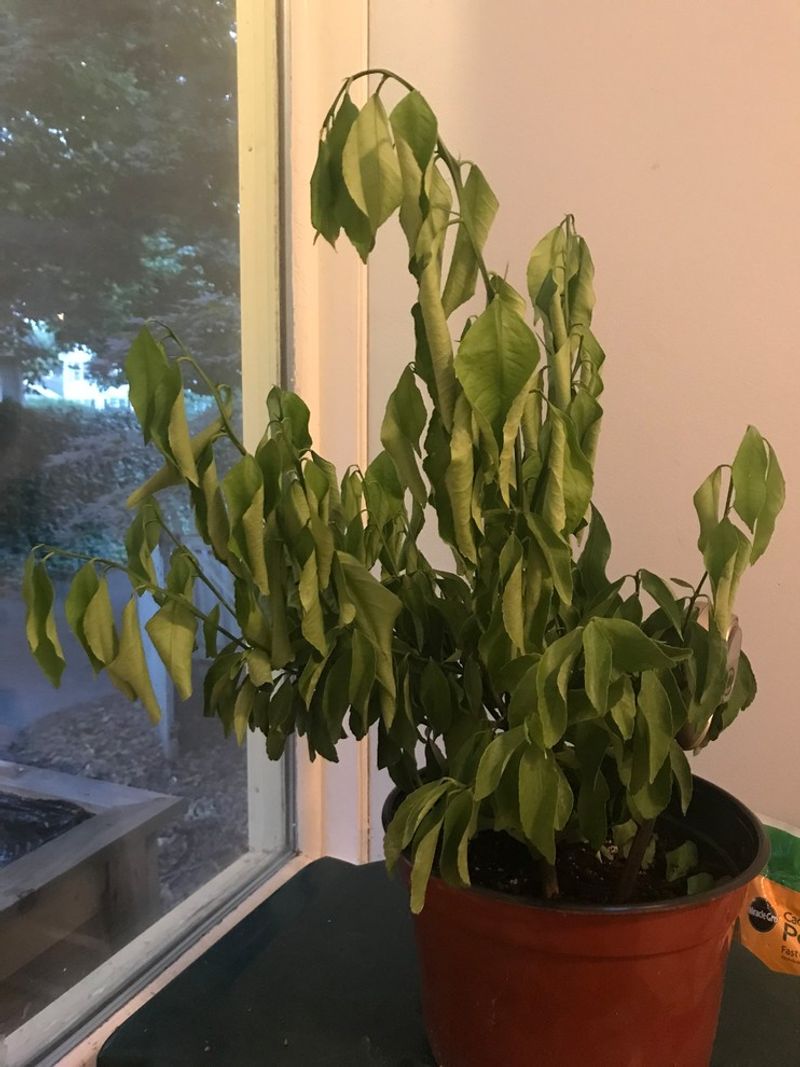
Leaves are honest, but they speak in a tricky dialect. Thirst and soggy roots can both cause drooping, which confuses plenty of gardeners.
A thirsty tree often shows leaves curling inward along the midrib, especially in the afternoon. The leaves may feel dry or stiff, and young fruit can shrivel or drop. Potted trees feel surprisingly light when you tip the container.
An overwatered tree tends to look limp even in the cool morning. Leaves may turn pale or yellow and fall while still partly green. New growth slows, and the soil feels heavy and cold days after watering.
The quickest way to tell them apart is still the soil. Dry and crumbly points to thirst. Damp and dense points to too much water, even if the leaves look sad.
Fruit offers clues too. Navel oranges and mandarins ripening in fall need steady moisture, and swings between dry and soaked can lead to split fruit.
Wind and cold snaps can cause leaf curl as well, so check the weather report before deciding. One mild wilting episode is no emergency. A pattern of symptoms, paired with a soil check, gives you the real answer.