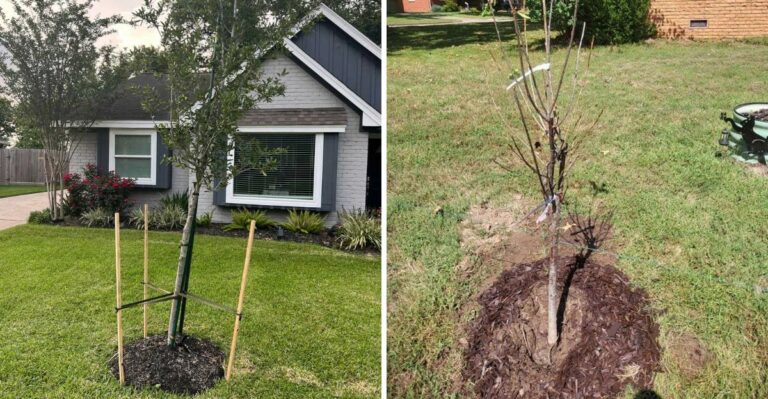
Foundation Plants That Thrive In California Heat And Clay Soil
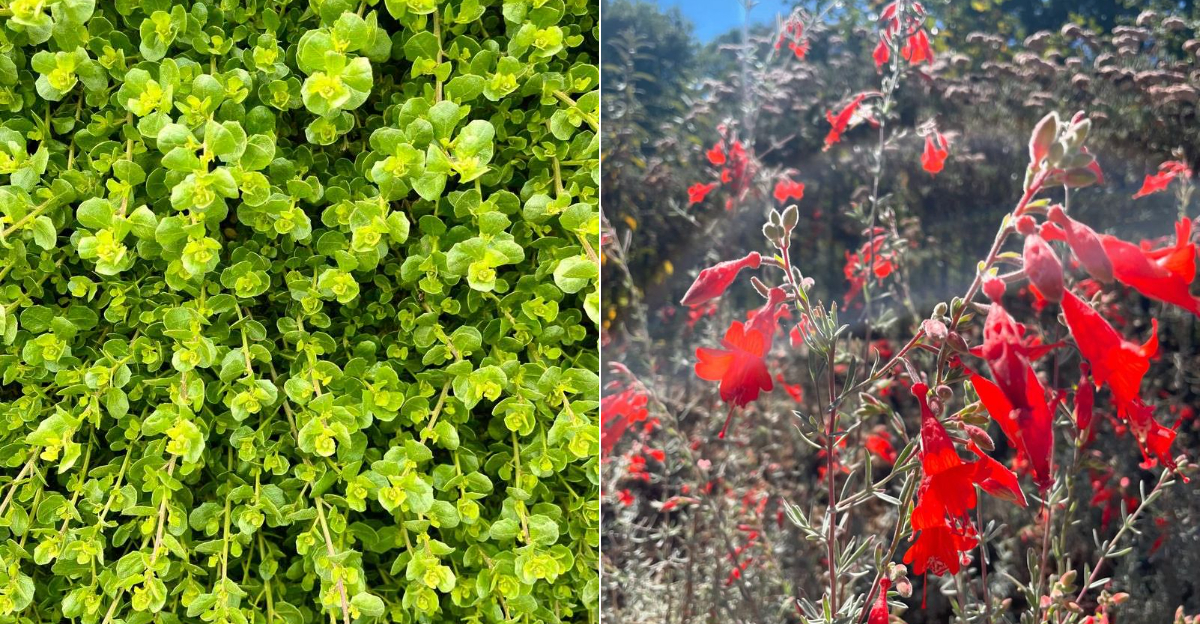
California foundation beds ask a lot from a plant.
The soil can be heavy enough to crack in summer and hold winter rain longer than expected.
Stucco walls bounce heat back into narrow planting strips. Walkways trap warmth. Rooflines shift water in strange patterns.
A plant that looked perfect at the nursery can start looking regretful once July settles in.
That is why plant choice matters so much.
The best foundation plants for California homes need structure, heat tolerance, clay patience, and enough drought resilience to handle long dry stretches once established.
They also need to behave near walls, paths, windows, and entries without demanding constant pruning or rescue watering.
A good foundation planting should soften the house, not start a maintenance project with monthly consequences.
So which plants can handle California clay, reflected heat, and tight front-yard spaces without falling apart?
Start with tough native and climate-adapted choices that already understand dry summers, wet winters, and sun-baked edges. With the right spacing and a little establishment care, they can turn a difficult foundation bed into one of the sharpest parts of the landscape.
1. Toyon
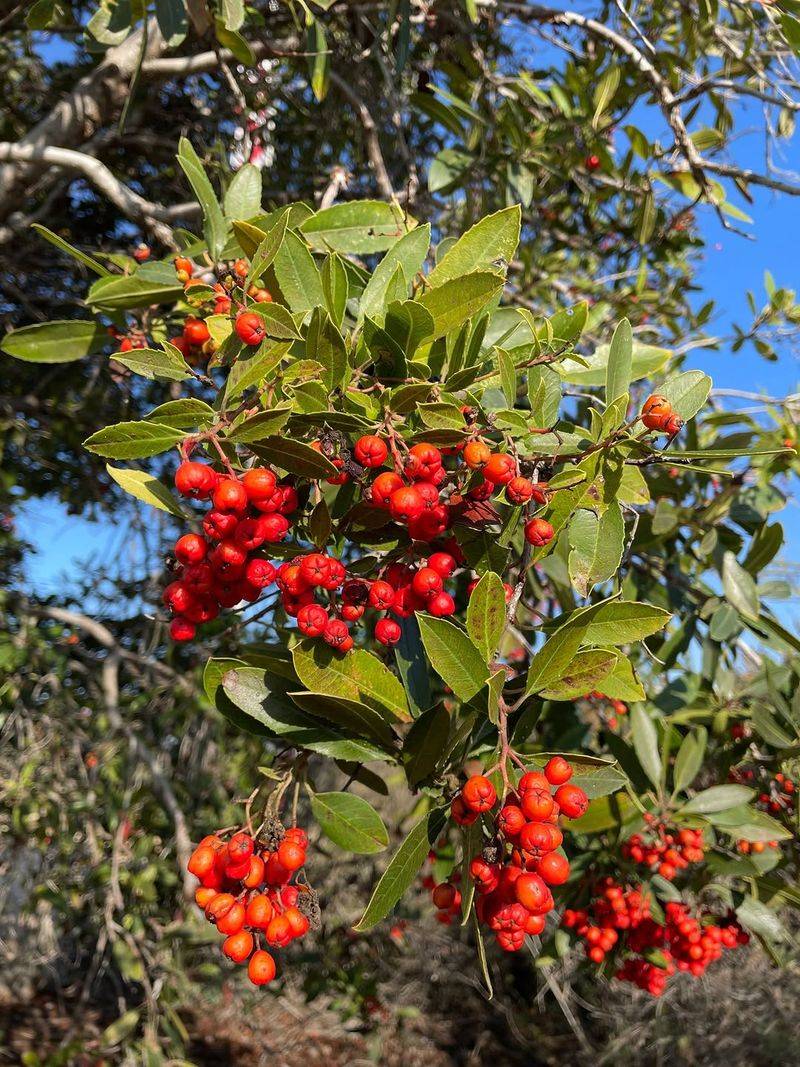
Toyon brings evergreen backbone to a hot California foundation bed.
Also called California holly or Christmas berry, this native shrub keeps glossy leaves through summer heat and winter rain.
By late fall and winter, clusters of red berries add bright seasonal color right when many front yards start looking quiet.
It is a strong choice for larger foundation areas.
Toyon can reach six to ten feet tall and wide, sometimes more with age and mild conditions. That means spacing matters.
Plant it several feet away from the wall, walkway, and windows so it can grow into its natural shape without becoming a yearly pruning argument.
Clay soil is usually manageable.
The main concern is water sitting around the crown during wet months. A slightly raised planting area, broad basin, or improved drainage around the root zone helps the plant settle in without trouble.
Once established, toyon becomes impressively drought tolerant.
Give it regular water during the first couple of dry seasons, then reduce irrigation as roots spread. A deep soak now and then during extreme heat can keep it looking fresher near reflective walls.
Birds love the berries.
That wildlife value makes the plant more than curb appeal. It becomes a living stop for local birds while still giving the house structure and privacy.
Toyon is not a tiny foundation filler.
It is a California classic with presence, shine, berries, and enough toughness to make stucco heat look less intimidating.
2. Coffeeberry
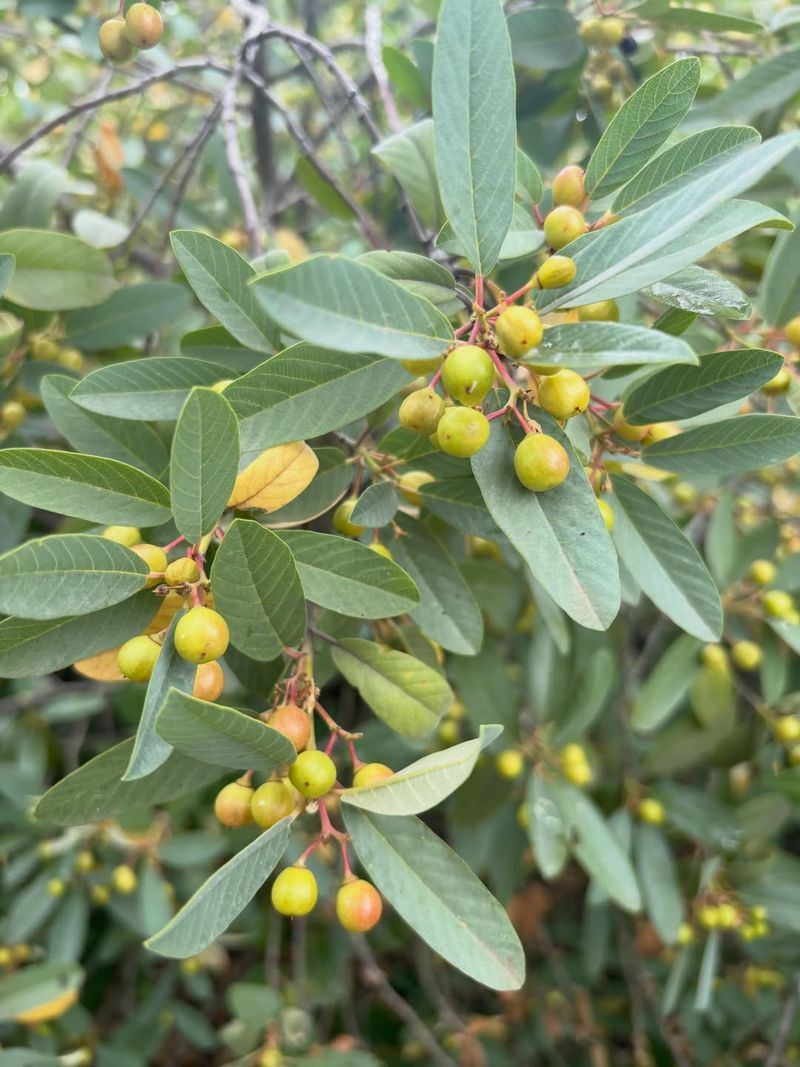
Shaded foundation pockets need something tougher than a fussy ornamental.
Coffeeberry is one of the best answers for those north-facing walls, east-facing entries, and narrow beds where afternoon sun barely shows up.
Many California natives demand brighter exposure, but this one handles part shade beautifully.
The foliage is handsome year-round.
Glossy green leaves give the plant a clean, settled look without much fuss. Depending on the selection and site, the shrub may stay compact or grow into a larger screen.
Your California Garden Changes Every Week. Your Plan Should Too.
Gardening in California changes quickly throughout the season. Every Friday you’ll receive a simple weekly plan showing exactly what to plant, prune, fertilize, harvest, and protect so you never miss the right timing.
Compact varieties such as ‘Eve Case’ or ‘Mound San Bruno’ are especially useful near homes because they stay more manageable.
The berries are a bonus.
They shift through green, red, and dark purple-black as they ripen, creating a long season of interest. Birds notice. A coffeeberry near the house can become a steady little wildlife corner without looking messy.
Clay soil is usually fine with reasonable drainage.
The plant does not want to sit in a winter puddle, but it handles heavier soil better than many shrubs sold for dry gardens.
Give it regular water during establishment, especially through the first two summers. After that, it becomes much more drought tolerant.
Spacing is still important.
Keep it far enough from the wall for airflow and mature width. Crowding any shrub against a hot foundation creates problems later.
Coffeeberry does not demand attention.
It simply fills shade, feeds birds, handles California conditions, and looks good doing the quiet work.
3. Cleveland Sage
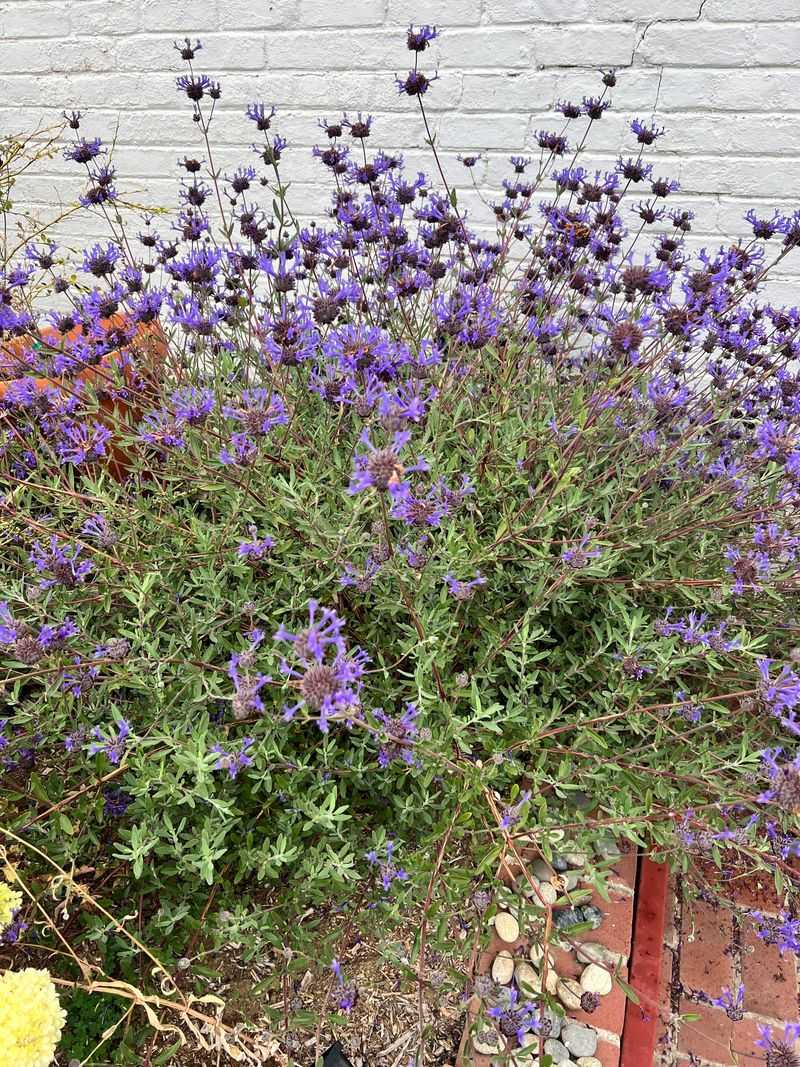
A sunny entry can change completely when this fragrant shrub warms up.
Cleveland sage releases a clean, herbal scent from its gray-green leaves, especially on hot afternoons. That fragrance feels unmistakably California, and it makes a south or west-facing foundation bed feel alive instead of baked.
This plant loves sun and reflected heat.
Dry, exposed spots that ruin softer ornamentals are often where Cleveland sage looks most comfortable. Against stucco, stone, gravel, or decomposed granite, its silvery foliage brings texture before the flowers even arrive.
The bloom season adds even more.
In late spring and early summer, violet-blue flower clusters rise above the plant and bring bees, hummingbirds, and serious color to the foundation edge.
Cleveland sage usually grows three to five feet tall and wide.
That makes it useful in mid-depth beds, corners, and sunny entries where a shrub needs presence without blocking windows. Give it room, because tight pruning can ruin the natural shape and reduce flowering.
Clay soil needs a little care.
This plant strongly prefers drainage around the crown. In heavy clay, plant it slightly high, use a raised mound, or place it where water naturally moves away after winter rain. Dense wet clay around the base can make the plant struggle.
Once established, summer water should stay minimal.
Too much irrigation can shorten the plant’s life and encourage floppy growth. A deep drink during extreme heat is usually better than frequent shallow watering.
Trim lightly after bloom.
Remove spent flower stems and shape gently, but avoid cutting hard into old woody growth.
Cleveland sage brings fragrance, pollinators, heat tolerance, and a very California sense of place right to the front walk.
4. California Buckwheat
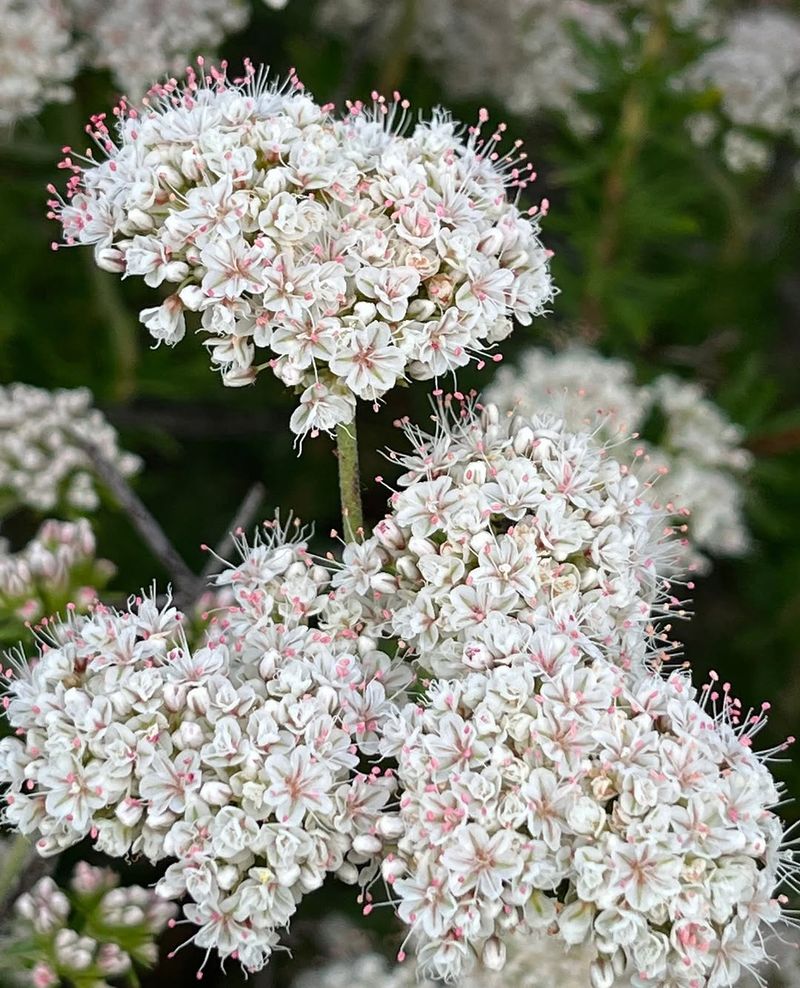
By late summer, a dry foundation strip needs a plant with real stamina.
California buckwheat often looks strongest right when other plants start tiring out. Creamy flower clusters appear in late spring, then slowly age into warm rust and tan tones that carry the planting through summer and into fall.
That long color shift is incredibly useful.
It gives the foundation bed months of interest with very little water once the plant is established. South and west-facing walls can create punishing conditions, but California buckwheat handles reflected heat well when drainage is reasonable.
The wildlife value is huge.
Bees, butterflies, and beneficial insects visit the flowers constantly during bloom. A planting that looks simple from the sidewalk may be one of the busiest pollinator stops in the yard.
Mature size depends on the variety and site.
Many plants land around two to four feet tall and three to six feet wide. That spreading habit can soften hard lines along the base of a house, but it needs space. Keep it away from narrow walkways unless light trimming will be part of the plan.
Clay soil can work with drainage.
Avoid planting it in a low wet pocket near downspouts or roof runoff. Raised or sloped spots are better.
Prune with restraint.
A light shaping after bloom keeps it tidy. Hard cuts into old woody stems may not recover the way gardeners hope.
California buckwheat is rugged, useful, and quietly beautiful. It turns difficult heat into a pollinator show.
5. Coyote Brush
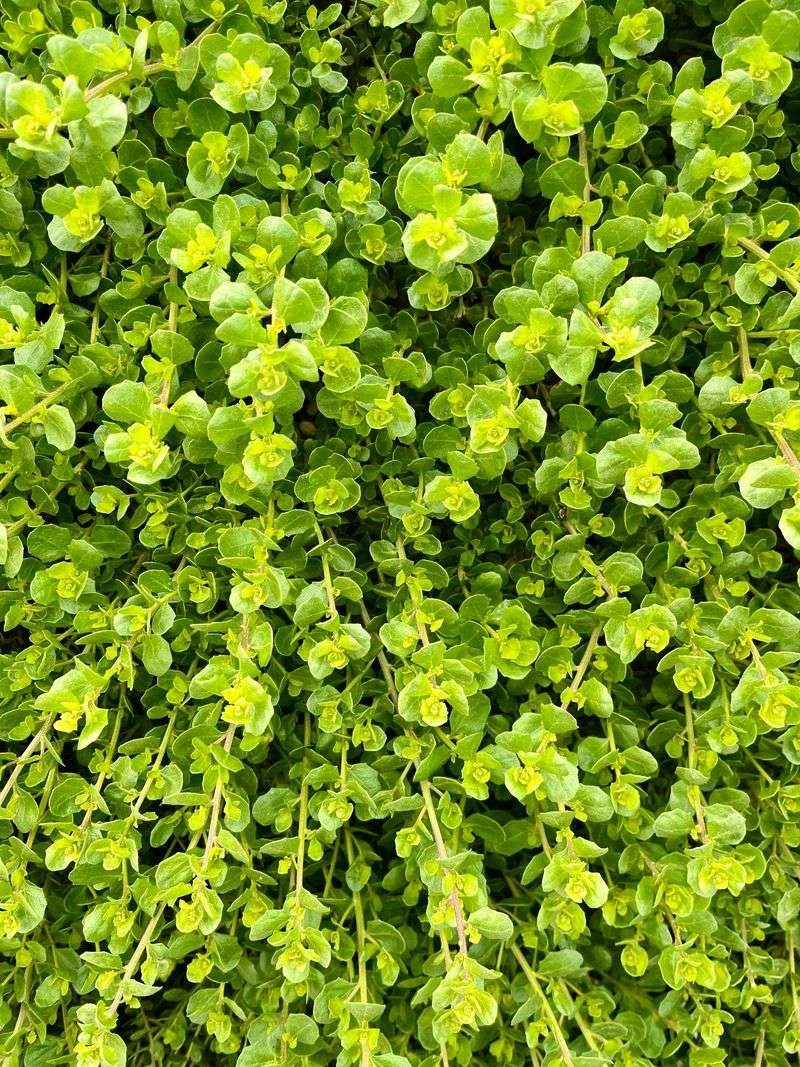
Low evergreen coverage can solve a lot of foundation-bed problems.
Coyote brush brings that coverage with very little drama. It handles heat, poor soil, wind, and dry summer stretches with a calmness that makes fussier plants look embarrassing.
The low-growing selections are especially valuable around homes.
They create evergreen mass without turning into window-blocking shrubs. Look for compact, mounding forms such as ‘Pigeon Point’ and ‘Twin Peaks,’ which often stay only one to two feet tall while spreading several feet wide.
That shape works well along foundations.
It covers bare soil, softens hard edges, and helps stabilize slopes or driveway banks. The small green leaves stay fresh-looking through tough seasons, and the dense growth can reduce weed pressure once plants fill in.
Clay soil is usually workable.
The plant does best where water does not sit around the roots through winter. A slight grade, raised bed, or open soil surface helps keep it happier in heavy ground.
Summer irrigation should be light after establishment.
Regular deep watering during the first year or two helps roots settle. After that, too much water can make growth overly lush and less durable.
Shearing can keep it tidy, but do not overdo it.
Light shaping in fall or after active growth is enough for most foundation plantings.
One note matters.
Female plants can produce fluffy seed heads. Male cultivars avoid that mess while keeping the same tough evergreen coverage.
Coyote brush is not flashy. It is reliable, and in a California foundation bed, reliable is gold.
6. Deergrass
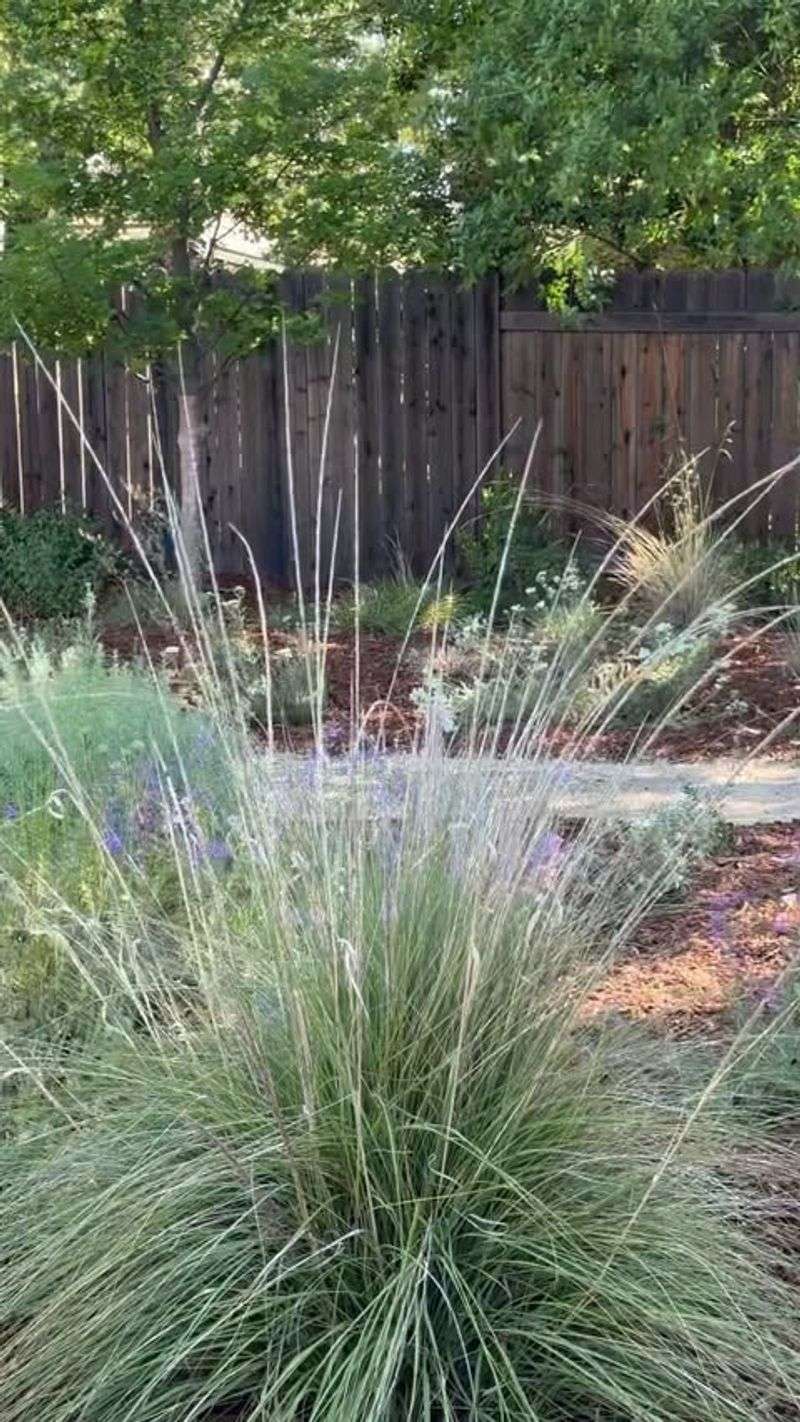
Hard walls need movement, and this native grass brings it beautifully.
Deergrass softens stucco, concrete, walkways, and blank foundation lines without looking messy. Its upright clumps of arching green blades add texture, while tall flower stalks rise in late summer and catch the light.
That form makes a big difference near a house.
Foundation beds can feel stiff when every plant is rounded or clipped. Deergrass adds rhythm and motion while still looking clean enough for a front yard.
It also handles clay better than many ornamental grasses.
That makes it especially useful for homes with heavy soil that stays sticky in winter and firm in summer. Once established, it also manages dry conditions well, though an occasional deep watering during extreme heat keeps it looking cleaner.
Mature clumps often reach three to four feet tall and wide.
Use that size to create rhythm along a wall or path. Space plants several feet apart so each clump can hold its fountain shape instead of crowding into a tangled mass.
Deergrass pairs well with flowering natives.
Cleveland sage, California fuchsia, and buckwheat all look natural beside it. The grass gives structure while the flowering plants bring seasonal color and pollinator activity.
Maintenance is simple.
Cut the clump back in late winter before new growth pushes. That refreshes the plant and keeps old blades from building into a tired center. Avoid chopping during the hottest part of summer, when the foliage helps shade the crown.
Deergrass moves, glows, softens, and handles the kind of California conditions that make many decorative grasses reconsider their life choices.
7. California Fuchsia
© wildearthart
The late-season color show arrives when the rest of the bed starts getting tired.
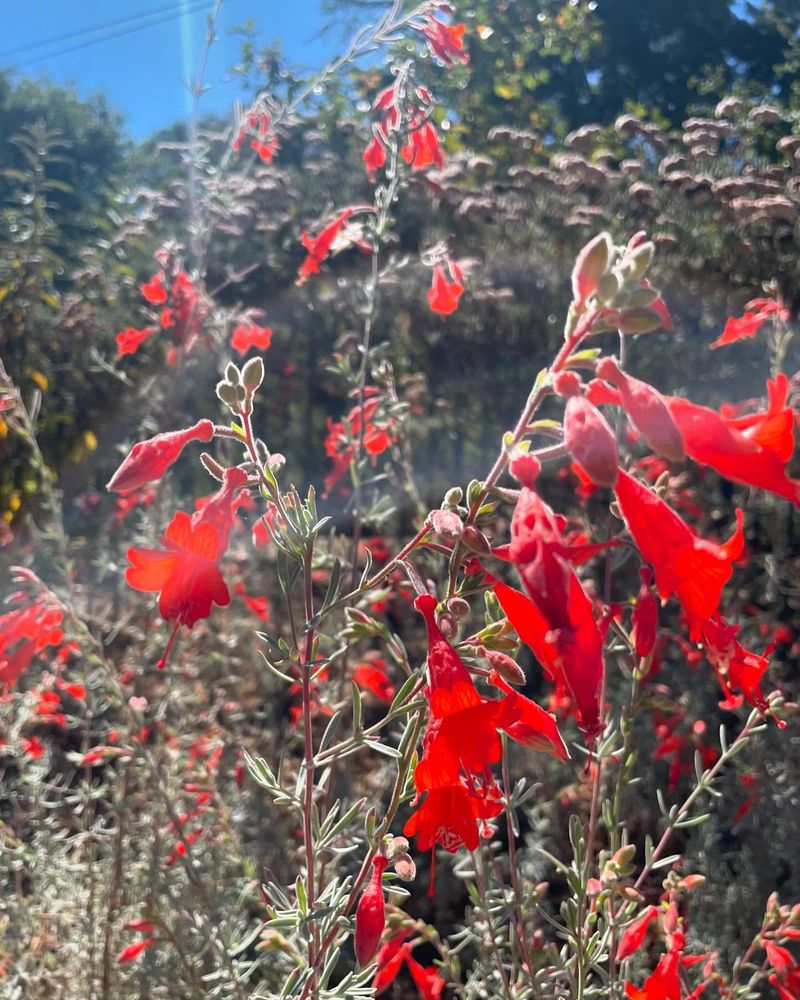
California fuchsia saves its best bloom for late summer, sending out brilliant red-orange tubular flowers just as many foundation plants begin to fade. Hummingbirds usually find it fast.
That timing is the magic.
August and September can be rough in California gardens. Soil is dry, heat lingers, and many flowering plants are finished. California fuchsia steps into that gap with color that looks almost too vivid for the season.
It loves sun and heat.
South and west-facing foundation beds can be perfect, especially where reflected warmth builds through the afternoon.
The silver-gray foliage helps the plant look good even before bloom, and the color contrast against mulch, gravel, or stucco can be striking.
Most garden selections stay low.
Many grow one to two feet tall and spread two to three feet wide, making them useful along the front edge of a bed, near walkways, or between larger shrubs.
Some forms spread more eagerly than others, so choose named selections suited to the space.
Clay soil can work with drainage. The plant does not want to sit in winter wet around the crown. A slightly raised planting spot or well-drained edge helps it return strongly each year.
Do not overwater once established.
California fuchsia is built for dry summer conditions. Too much irrigation can make it floppy and less compact. A deep soak during intense heat is fine, but constant moisture is not the goal.
Cut it back in late winter.
That encourages fresh, tidy growth and better flowering the next season.
This plant brings one of the best late-season rewards in a California yard: hummingbirds at the foundation just when the garden looked ready to take a nap.
8. Island Alum Root
North-facing pockets become much less frustrating with this compact perennial.
Island alum root handles lower light, clay soil with decent drainage, and tight foundation spaces where larger shrubs would crowd the wall or walkway.
It is a strong choice for the shaded side of the house, narrow entry beds, or the gap between a wall and fence.
The leaves are the main feature. Large rounded foliage forms tidy mounds in shades of green, soft bronze, or deeper tones depending on the cultivar.
That texture makes shaded foundation beds look intentional even when flowers are not the focus.
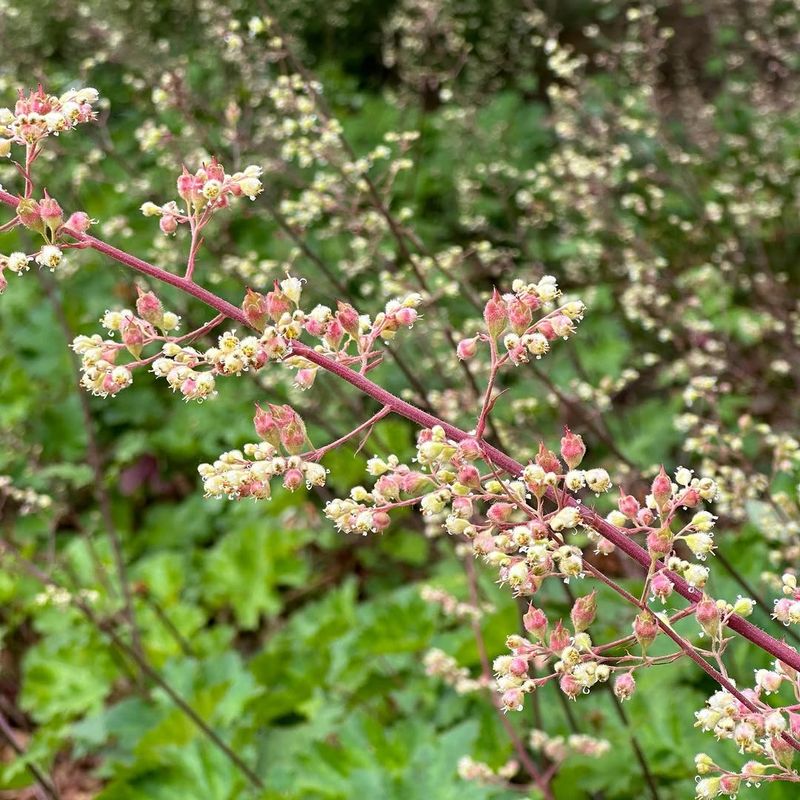
Late spring brings slender flower stems. Small white to pale pink blooms rise above the foliage and add lightness without overwhelming the plant.
They also help bridge the gap between low groundcover and larger shrubs in a layered foundation design.
Island alum root usually stays one to two feet tall and spreads two to three feet. That makes it ideal for front edges, under windows, shaded entries, and small gaps where larger shrubs would crowd the wall or walkway.
Clay soil is acceptable with decent drainage.
The crown should not sit in standing water. Plant slightly high in heavy soil, mulch lightly around the plant, and keep mulch away from the crown itself.
Some summer water helps.
A deep drink every week or two during dry heat can keep foliage lush, especially near warm walls or under roof overhangs where rain never reaches well.
Pair it with coffeeberry for a shade-tolerant foundation combination.
One brings structure. The other brings texture. Together, they make the difficult side of the house look like part of the plan.