Why Sealing Up Your Indiana Attic This Winter Could Trap Sleeping Bats
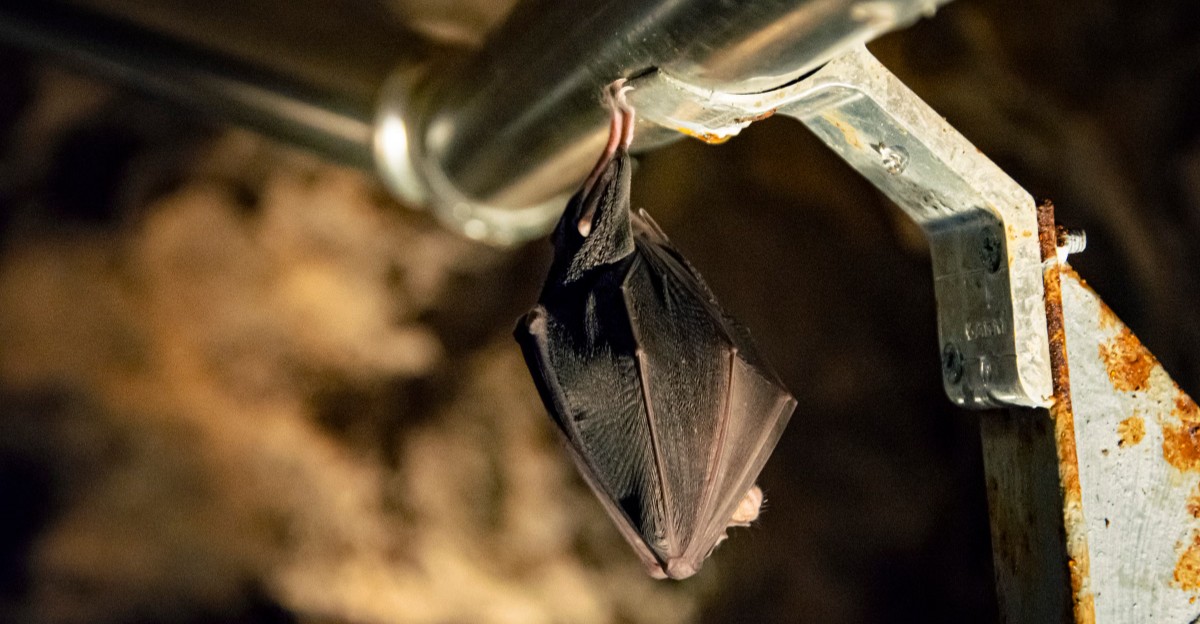
Some of your quietest winter neighbors can slow their heartbeat from hundreds of beats a minute to fewer than twenty. They tuck into tight spaces, drop their body temperature, and wait out the cold for months.
Not going to lie, I had no clue one of those hideouts could be right above my bedroom ceiling. Attics, wall gaps, and soffits make cozy winter shelters for at least one common Indiana species. Many homeowners go years without spotting a single clue.
Every fall, I get the urge to caulk every crack and stuff every gap before the first hard freeze. It feels responsible and thrifty. Truth is, that tidy instinct can backfire in a big way.
Winter warm spells stir up more activity than most people realize. So what happens when a sleepy guest wakes up on a mild February night and finds the front door gone?
Something Furry Might Be Snoozing Above Your Attic Insulation
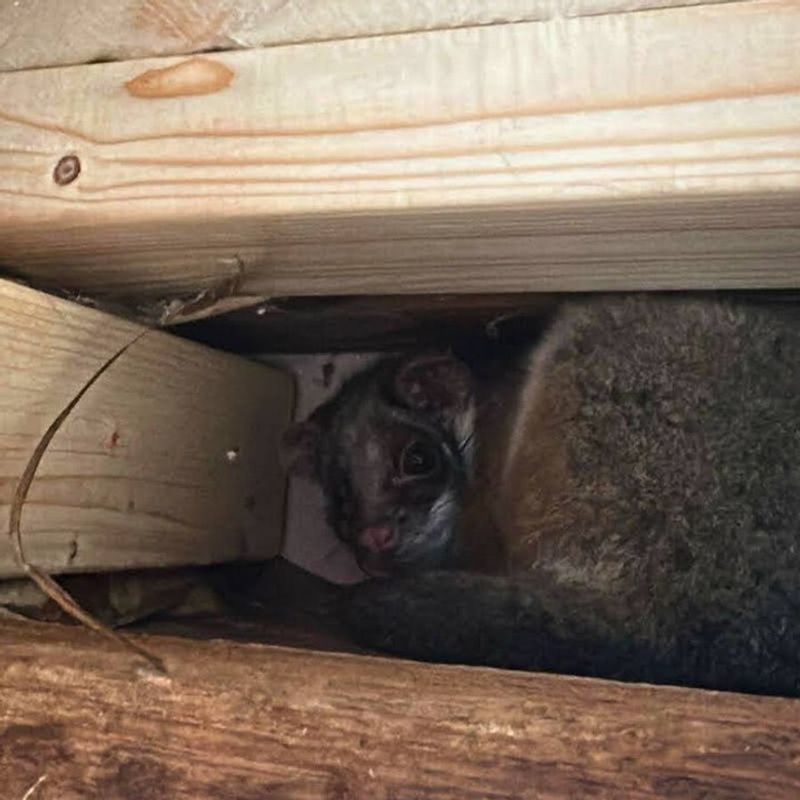
Attics feel lifeless in winter, which is exactly why some bats like them. The space stays dark, quiet, and a bit warmer than the outdoors. A small group can tuck into a rafter joint or a gap behind the soffit and settle in for months.
Here in Indiana, most of our 13 bat species head for caves, mines, or warmer southern areas once insects disappear. A few hardy ones stay behind and pick buildings instead. The big brown bat is the champion of this habit, and it handles chilly attic air better than most of its relatives.
During hibernation, a bat lowers its body temperature close to the air around it. Its breathing slows, and it can go long stretches without moving at all. You could walk right past a cluster wedged between boards and not notice a thing.
Quiet does not mean empty, though. That slowed-down state is fragile, and every disturbance burns stored fat a bat cannot replace until spring insects return. Before you start any winter sealing project, find out whether anyone has already moved in. A slow look with a flashlight around vents, ridge lines, and chimney edges makes a smart first step.
Sealed Attic Gaps Can Leave Hibernating Bats With No Way Out
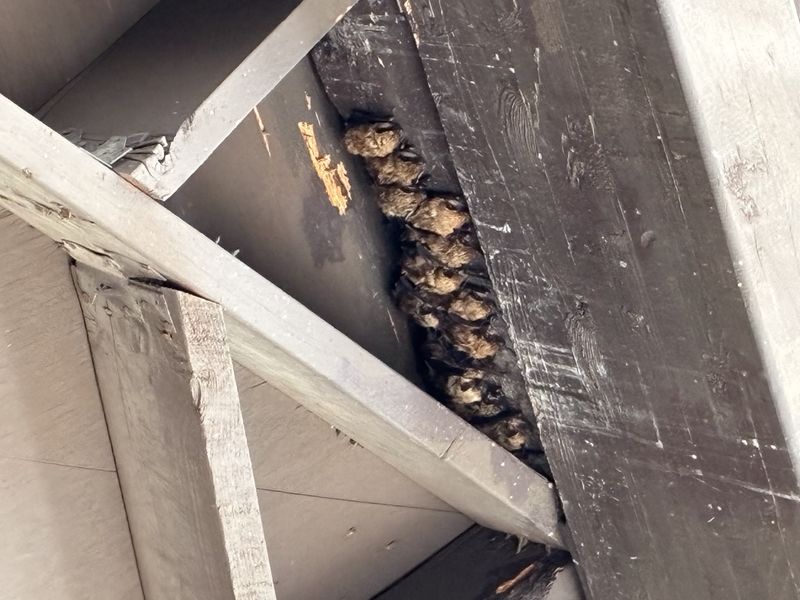
I learned the hard way that a good caulking job can create a bad problem. Hibernating bats are not frozen in place all winter. They wake up now and then to shift spots, get a drink, or slip outside during a mild spell.
Close their usual gap while they sleep, and that wake-up call turns into a trap. Bats cannot chew through wood or foam the way mice can, so a sealed opening leaves them stuck with no insects to eat and no water. Many will wander along the walls searching for light and fresh air.
That search often ends in your living space. A trapped bat may squeeze through an attic hatch, a gap around a light fixture, or a loose duct and show up fluttering in a hallway. Others stay hidden and quietly decline, which can leave odors and a cleanup job you did not plan for.
Big brown bats also raise only one or two pups a year. Losing a whole winter cluster takes a real bite out of a local population that eats huge numbers of beetles and moths. Sealing at the wrong time hurts the bats and creates more work for you.
Big Brown Bats Are the Usual Attic Tenants in Winter
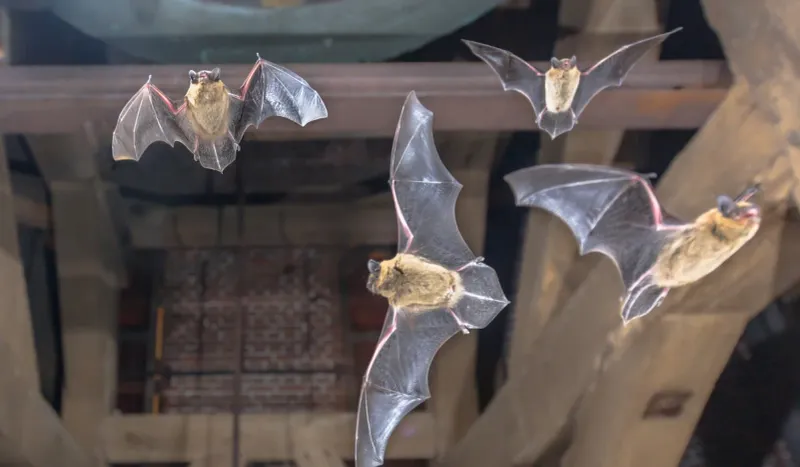
Glossy brown fur and a wingspan around 12 inches make the big brown bat easy to recognize up close. It ranks among the most common bats in the state and shows up in barns, churches, and homes from Evansville to South Bend.
What sets it apart is toughness. Big brown bats tolerate colder, drier conditions than many cave-loving species, so attics, wall voids, and the space behind a chimney work fine for winter. Some colonies use the same building year after year.
Fun fact: these bats can stir and relocate during winter warm spells, sometimes moving from an attic into a wall or out to another building. That habit explains why people spot a bat in February and feel confused about where it came from.
The famous Indiana bat is a different story. That federally endangered species hibernates mainly in limestone caves in the southern part of the state, not in attics. Little brown bats also prefer caves for winter, though they may use homes as summer nurseries.
So if you have winter attic guests, odds are strong they are big brown bats. Knowing who is up there helps you and any wildlife pro choose the right plan.
Bat Droppings and Rub Marks Tell You Who Is Upstairs
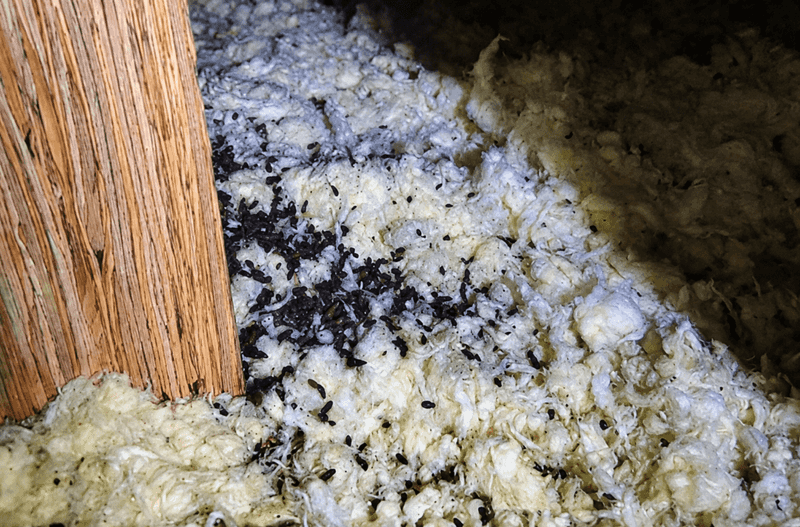
Ever found what looked like mouse droppings piled under the ridge beam? Take a closer look. Bat guano is dark, about the size of a rice grain, and crumbles into shiny specks when crushed, thanks to all the insect parts inside.
Mouse droppings stay hard and tend to scatter along travel paths. Bat droppings pile up right under a roost or stick to siding below an entry point. Brown greasy smudges around a gap, called rub marks, come from oils in bat fur as they squeeze in and out.
Sound helps too. On a mild evening you might hear faint squeaking or scratching inside a wall or ceiling. In warmer months, sitting outside at dusk and watching the roofline for 30 minutes can reveal exactly where bats exit.
Please skip the bare hands. Wear gloves and an N95 mask if you need to clean up guano, because dried droppings can carry fungal spores linked to histoplasmosis. A light mist of water keeps dust down while you work.
Bats can also carry rabies, though only a small share do. Avoid handling any bat, and keep pets out of the attic if you spot activity.
Indiana Bat Laws Put a Clock on Exclusion Work
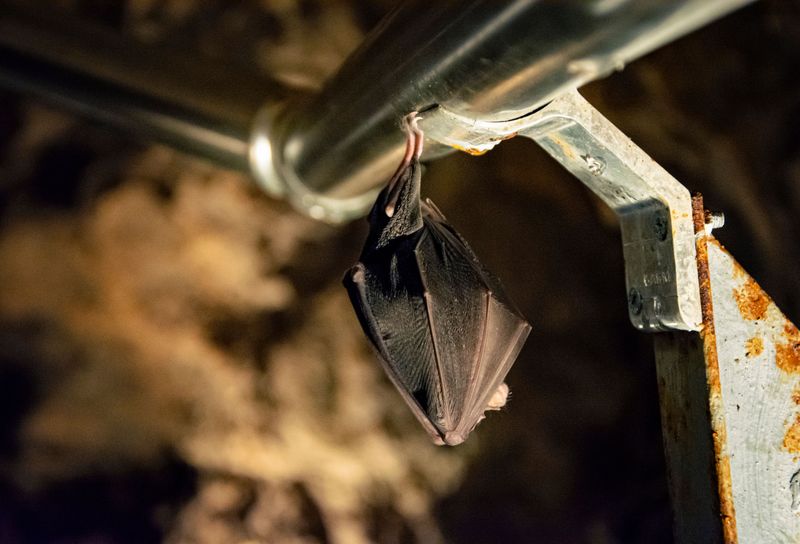
Truth is, bats in Indiana have legal protection, and you cannot simply poison or trap them. The Indiana Department of Natural Resources says bats should not be excluded from buildings between May 15 and August 15. That window covers the season when mothers raise flightless pups.
Poisons are off the table year-round. No pesticide is registered for bats, and using one is illegal and dangerous for your family. Glue traps and sticky barriers fall into the same unwise category.
Several species carry extra protection. The Indiana bat and northern long-eared bat are federally endangered, and the tricolored bat has been proposed for listing. Harming them can bring serious penalties, which is one more reason to hire help rather than guess.
Winter is not on the restricted calendar, but it is still a poor time for exclusion. Hibernating bats pushed out through a one-way device in freezing weather have nowhere to go and little chance of finding food. Most licensed operators recommend waiting.
If you hire someone, ask whether they hold a state wildlife control permit and use exclusion-only methods. A trustworthy operator will explain timing before they ever pick up a ladder.
One-Way Bat Exclusion Devices Work Best in Spring or Late Summer
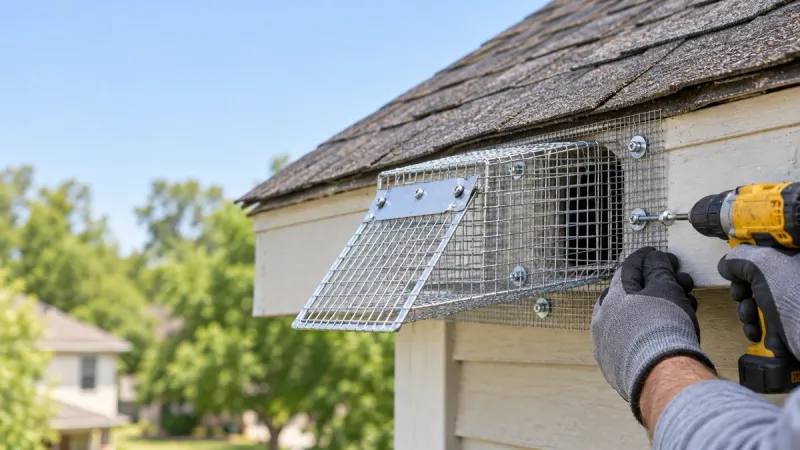
Patience pays off with bats. The best windows for exclusion in Indiana run from mid-August through about October, after pups can fly, and again in spring once nights warm up and insects return, usually before mid-May.
The method is simple in idea. A technician seals every gap except the main exits, then installs one-way devices over those openings. Common styles include netting that hangs loose at the bottom, plastic tubes, or cone-shaped funnels.
Bats crawl out at night to hunt, then cannot find their way back in. After about a week with no activity, the devices come down and the final openings get sealed with caulk, mesh, or flashing.
Temperature matters. Many experts like evening lows staying above roughly 50 degrees so bats are active and feeding. Cold snaps can slow the whole process.
I get it, waiting until spring feels frustrating. Still, a spring exclusion done right gives you a bat-free attic without the guilt or the smell of trapped animals.
Use winter for planning instead. Get quotes, book a spring inspection, and mark every suspicious gap on a rough sketch of your roof so nothing gets missed.
A Bat Flying Through Your Living Room in January Needs a Different Plan
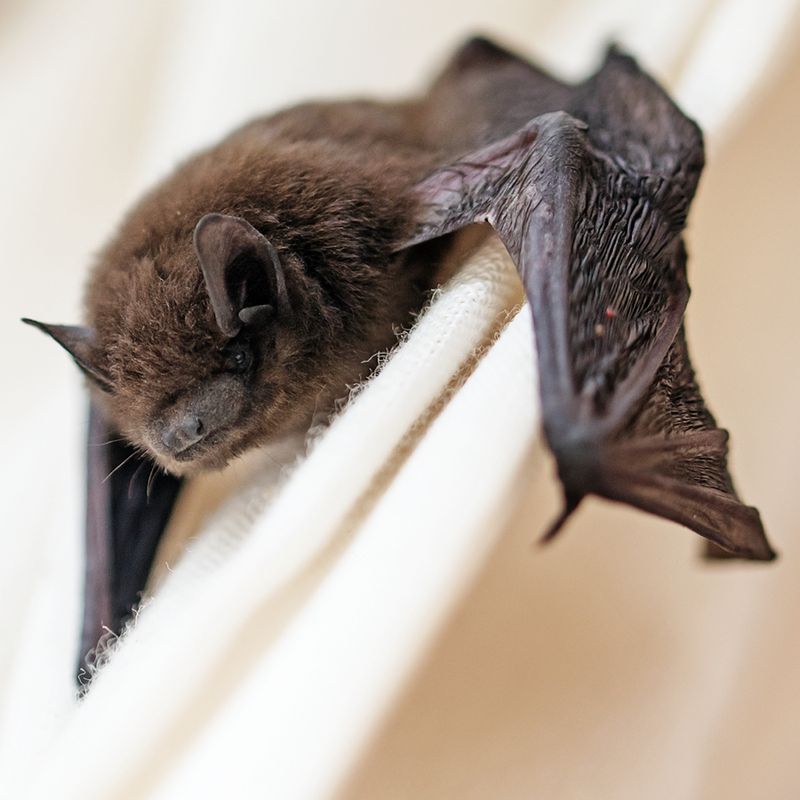
A bat swooping past your TV on a snowy night is startling, but it is a separate problem from a colony upstairs. Single bats that wander indoors can be handled right away.
Stay calm and close interior doors to limit its space. Open an outside window or door, turn off the lights in that room, and give it time. Many bats find the exit within an hour.
If it lands, wear thick leather gloves and gently cover it with a small box or plastic container. Slide cardboard underneath and carry it outside. In freezing weather, a licensed wildlife operator or rehabber may be a better choice, since a sleepy bat tossed into the cold may struggle.
Rabies deserves real attention. Bats have tiny teeth, and a bite may not leave an obvious mark. If a bat was in a room with a sleeping person, a young child, or a pet, do not release it.
Call your county health department for advice on testing. Catch the bat safely in a container if you can, because a tested bat can spare someone a round of shots. Health officials would much rather hear from you early than late.
Seal Your Roofline at the Right Time and Keep Bats Outdoors for Good
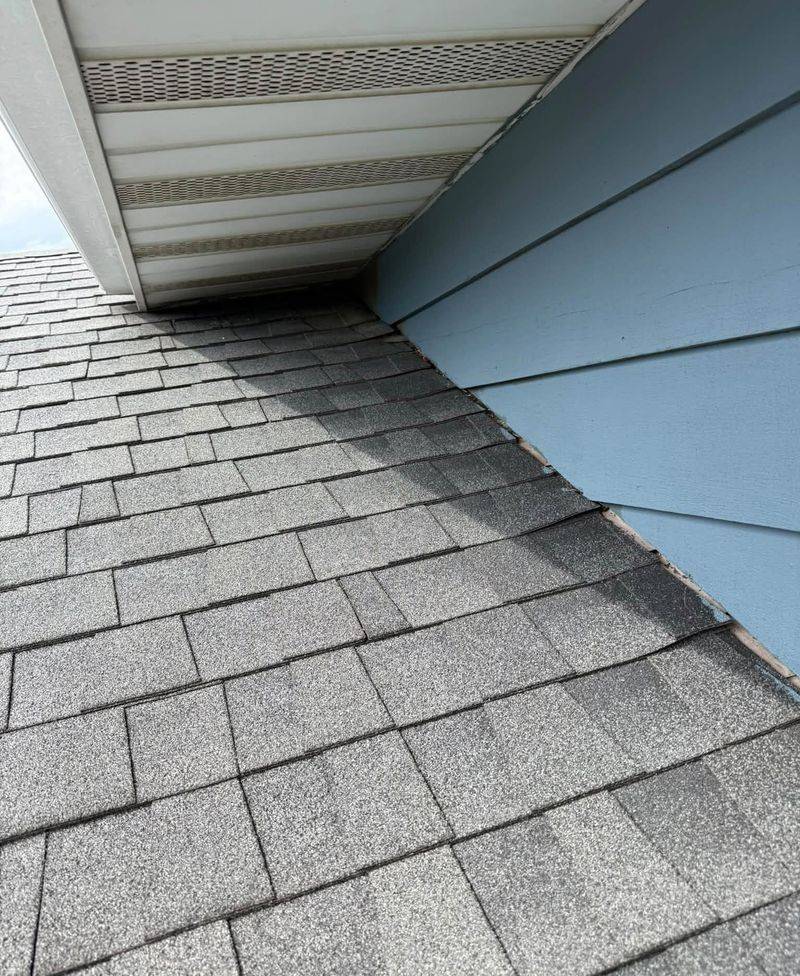
Once spring exclusion is finished, the real win comes from closing the door for good. Bats can slip through gaps about 3/8 inch wide, roughly the thickness of a pencil. Check gable vents, ridge vents, soffit joints, loose fascia, chimney flashing, and spots where siding meets the roof.
Choose durable materials. Hardware cloth, copper mesh, exterior caulk, and sealant foam behind trim all hold up well. Screens on attic vents keep air moving while blocking entry.
Timing still matters here. Do the sealing in the safe windows, ideally right after a confirmed exclusion, not in the middle of winter or nursery season.
Bats are worth having around, just not in your attic. A single big brown bat can eat thousands of insects over a summer, including cucumber beetles and other garden pests. Many Indiana gardeners hang a bat house on a sunny pole or building wall 12 to 20 feet up to give evicted bats a nearby option.
For now, take a slow walk around your house with binoculars and a notepad. Spotting the gaps this winter means your spring fix goes faster, and your night-flying insect eaters stay in the neighborhood where they belong.