8 Things To Do If You Uncover A Hibernating Turtle In Your Indiana Yard
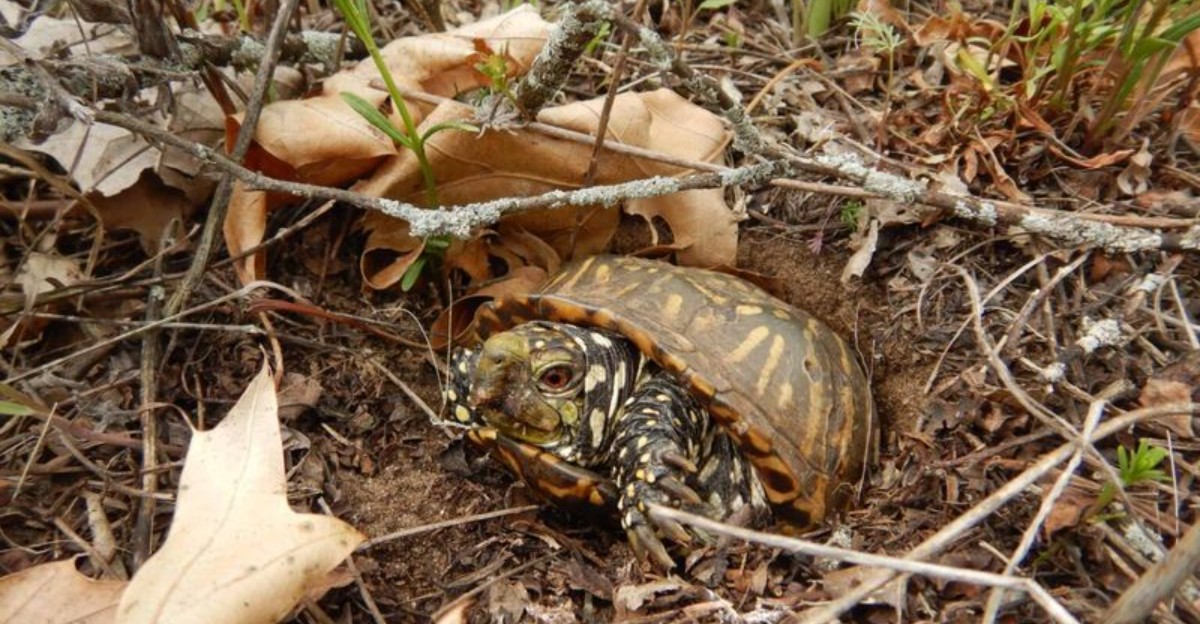
Some backyard reptiles can live past 100 years, and a few quietly spend every winter under garden soil. I learned this the hard way, when my spade hit something solid and rounded beside the hosta bed.
That lump was no rock, and it was not as lifeless as it first looked in the cold dirt. Across Indiana, several native reptiles slow their hearts and breathing to ride out the frosty months underground.
Not going to lie, my first instinct was to scoop it up and rush it inside to warm. That kind gesture turns out to be one of the worst choices a well-meaning gardener can make.
Fall cleanup in Indiana can turn up these quiet sleepers beneath leaf piles and along shady garden edges. So what should you actually do when your rake or shovel bumps into one this season?
1. Stop Digging And Set The Shovel Aside
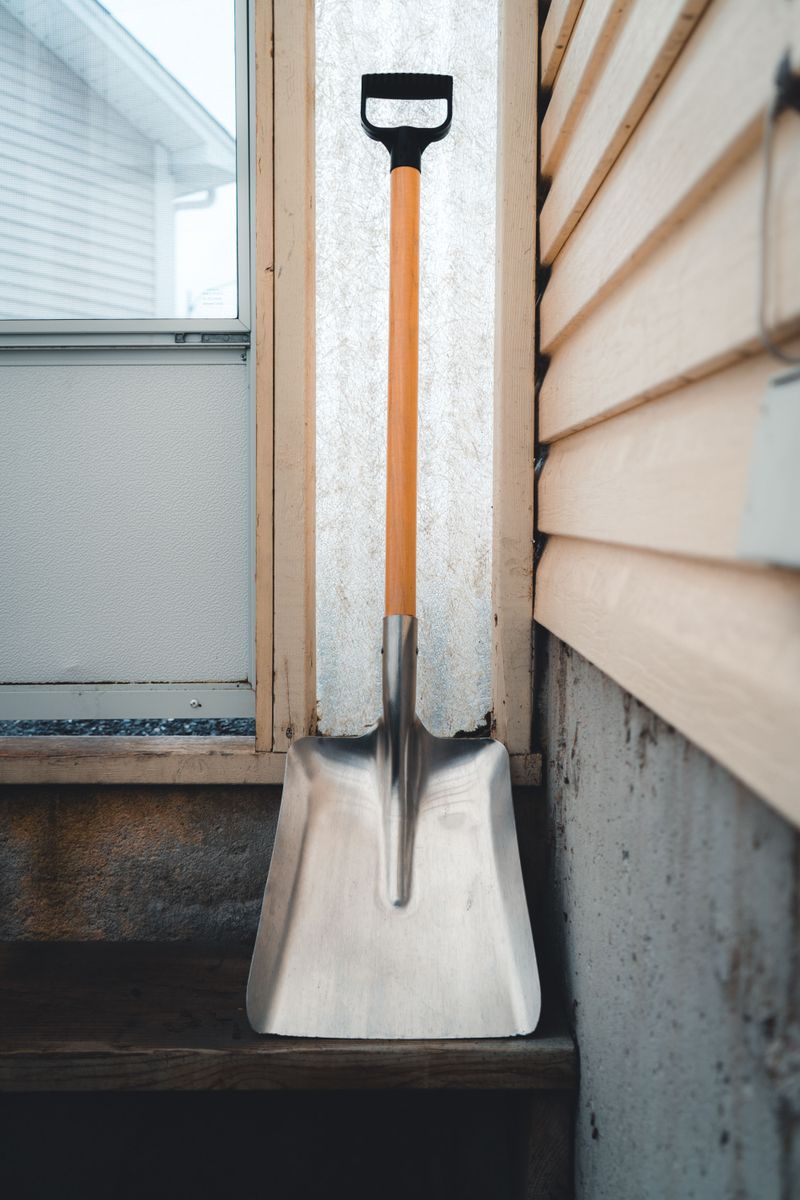
The moment metal scrapes a shell, your best move is to freeze like a garden statue and breathe. A sleepy box turtle cannot scramble away, so the next few seconds really matter for its safety.
Eastern box turtles often burrow just a few inches down, tucked under leaf litter or loose soil. That shallow hideout makes them easy to bump with a spade or tiller during late fall chores.
I’m the first to admit my heart pounded the first time, and I nearly kept digging out of habit. Take a slow breath, step back, and look carefully before you move any more dirt around.
Brush the soil away from the shell with your fingers rather than a tool, working slowly and lightly. Gloves are a smart idea here, since turtles can carry salmonella bacteria on their shells and skin.
Avoid flipping the turtle over or tugging at its legs, because a startled turtle may clamp shut tightly. Box turtles have a hinged lower shell, which lets them seal up like a little treasure chest.
Pause any power equipment nearby too, since vibrations and noise add stress to a creature trying to rest. Kids and dogs will want a closer look, so keep them a few steps back for now.
Stopping early gives you time to make calm decisions instead of rushed ones you might later regret. Honestly, that brief pause is the kindest thing you can offer your surprise winter guest right away.
2. Look For Cracks Or Wounds On The Turtle Shell
A brumating turtle often looks lifeless, which fools plenty of kind-hearted gardeners into thinking the worst. Its legs may stay tucked in, and its breathing can slow so much you barely notice anything.
Cold turtles move sluggishly, so a slow response to a gentle touch is normal during this season. Their metabolism drops sharply in winter, letting them get by on stored fat for several months underground.
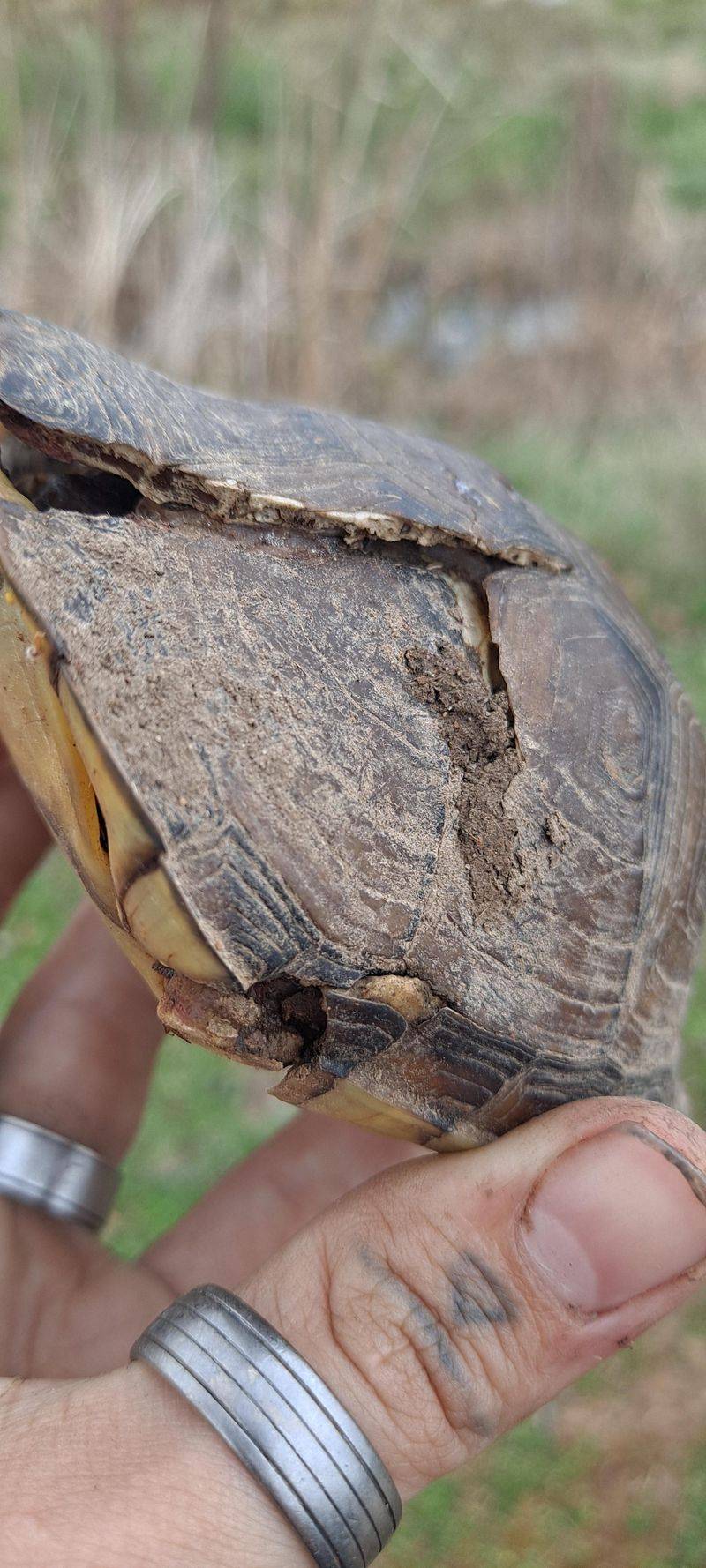
Do a quick visual check without poking too much, focusing on the shell first and then the skin. Look for fresh cracks or bleeding spots where your shovel or rake may have made contact.
Next, peek at the head if it is visible, checking for swollen eyes or bubbly discharge from the nose. Those signs can point to illness, which a turtle may struggle to fight off while it is so cold.
Truth is, a healthy sleeper usually feels solid and heavy for its size, not light or hollow. A noticeably light turtle may be underweight, and that deserves a call to an expert for advice.
Keep this inspection short, ideally just a minute or two, so the turtle does not warm and wake. Waking up mid-winter burns precious energy reserves that the animal needs to last until spring returns.
If everything looks fine, you can move on to tucking it back in where you found it. If you spot an injury, skip ahead to finding a wildlife rehabber before doing anything else.
3. Rebury The Box Turtle In The Exact Same Spot
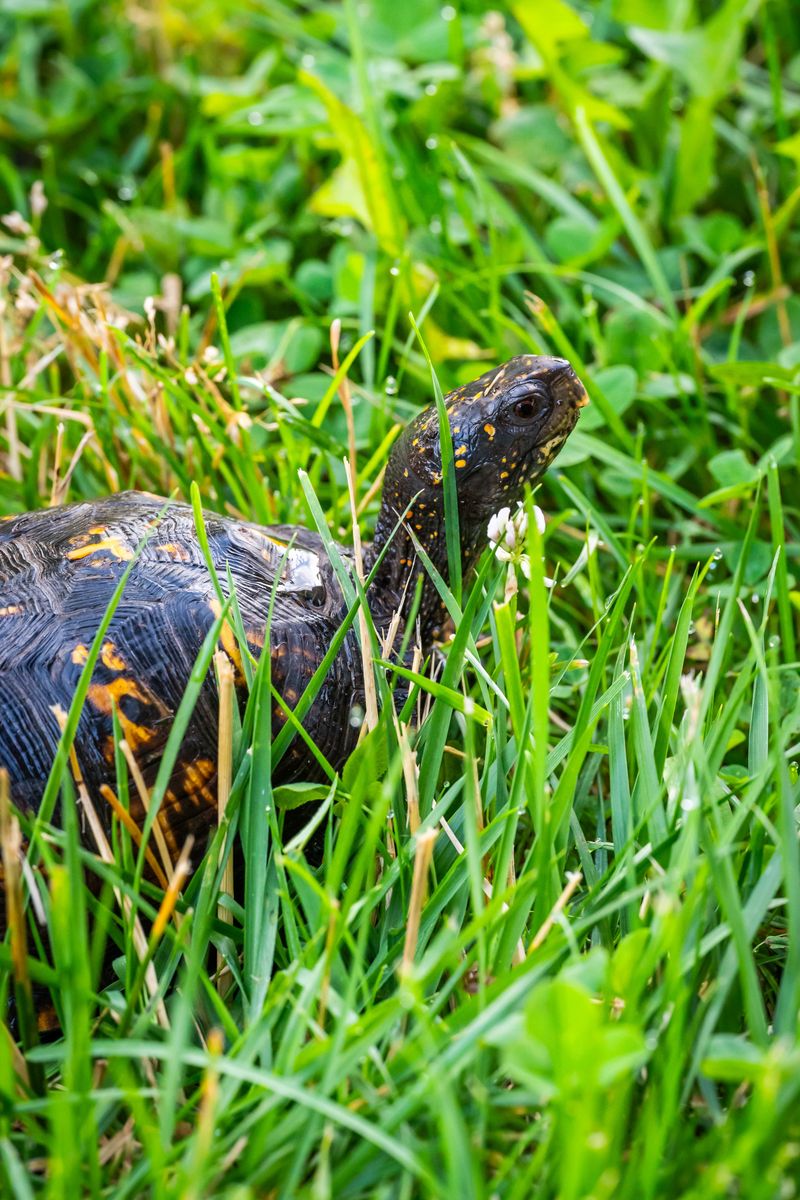
Box turtles are homebodies, often spending their whole lives within a home range of a few acres. Researchers have found that moved turtles frequently wander for long distances trying to get back home again.
That homing urge is why the spot where you found your turtle is the best spot for it now. Moving it to a corner of the yard that feels safer to you can confuse and stress it badly.
Gently set the turtle back into its hollow in the same position, right side up and facing the same way. Then sprinkle the loose soil back over the shell by hand, letting it settle naturally without hard packing.
Aim for roughly the same depth it chose, since the turtle picked that spot for a good reason. Top everything off with a generous layer of fallen leaves to help hold steady temperature and moisture.
I used to think a thicker soil pile would help more, but loose and airy covering works best. Heavy packed dirt can make it hard for the turtle to dig out when spring warmth finally arrives.
In much of Indiana, box turtles usually stay tucked away until roughly April, when soils warm up again. Your job is simply to give it the cozy blanket it had before your shovel came along.
Once the leaves are back in place, step away and resist the urge to keep checking on it. Every peek lets cold air in and nudges the turtle toward an untimely, energy-draining wake-up call.
4. Keep The Sleeping Turtle Outdoors Not In The Garage
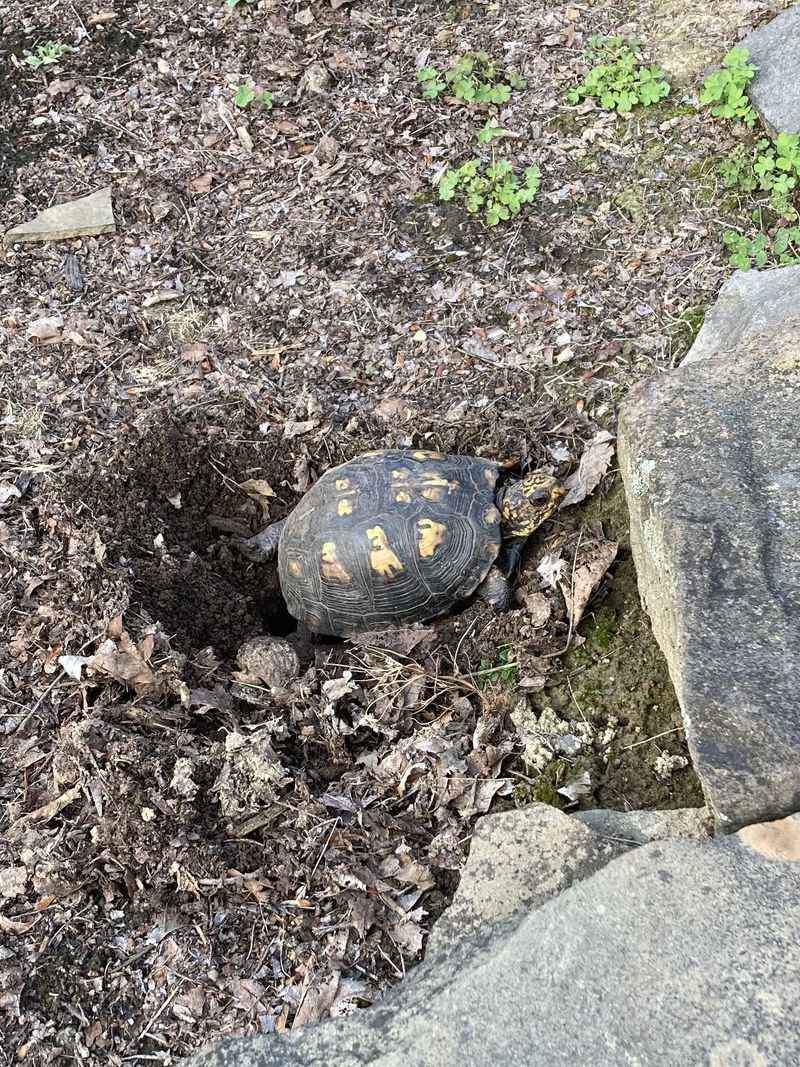
Bringing a wild turtle into your warm kitchen feels like a rescue, but it often backfires quickly. Indoor heat can rouse the turtle fully, burning through fat reserves it carefully stored all summer long.
Once awake, it will need food and steady warmth that a cardboard box simply cannot provide for months. Then putting it back outside in freezing weather creates a dangerous shock it may not handle well.
Garages and sheds seem like a handy middle ground, yet their temperatures swing up and down too much. Warm afternoons followed by icy nights can trick a turtle into waking and settling over and over.
Don’t laugh, but I once considered a heated aquarium for a box turtle I found in November. A quick call to a local nature center changed my mind and taught me to trust the turtle.
Indiana rules also protect eastern box turtles, so keeping one from the wild is not allowed. Even temporary indoor care is best left to licensed rehabilitators who know the proper setup and permits.
Turtles have survived cold winters outdoors for millions of years, and their bodies are built for it. Box turtles can even tolerate brief freezing of some body fluids, which still amazes me every time.
So leave your guest in the soil and enjoy knowing it is right where nature intends. Your warm living room can wait for houseplants and people who actually want to be there.
5. Skip The Lettuce And Water Dish For Your Turtle
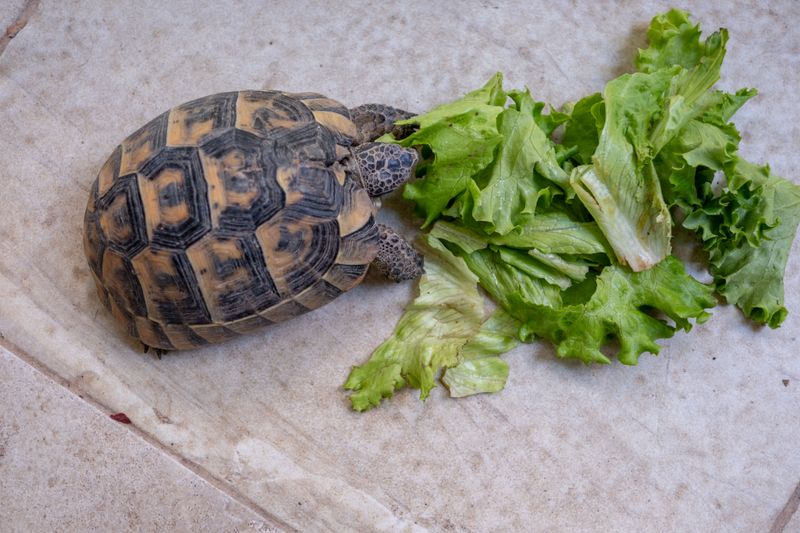
Offering a strawberry to a sleepy turtle might feel generous, yet its stomach is basically closed for winter. Digestion slows to a crawl in cold temperatures, so food just sits in the gut instead of breaking down.
Undigested food can rot inside the turtle, leading to serious infections that are hard to treat later. Keepers of pet turtles empty the gut before brumation for this exact reason, and wild turtles do it naturally.
Wild box turtles stop eating on their own as fall days shorten and nighttime temperatures drop. By the time you find one underground, it has likely gone weeks without a meal on purpose.
Water bowls cause trouble too, since a dish set beside the burrow can freeze or attract raccoons. Moist soil and leaf litter already help the turtle hold onto the hydration it needs to get by.
Call me stubborn, but I still feel the pull to leave a little snack out every fall. Now I remind myself that the best gift is a quiet, undisturbed bed and some patience until spring.
Come spring, box turtles wake hungry and happily munch on slugs, worms, berries, and mushrooms in your yard. Leaving native fruiting shrubs like serviceberry and wild strawberry gives them a natural buffet without any handouts.
So keep the treats in your pocket and let the turtle follow its own seasonal schedule. Its body knows exactly how to stretch those fat reserves until warm days return to the garden.
6. Mark The Turtle Burrow With A Garden Stake
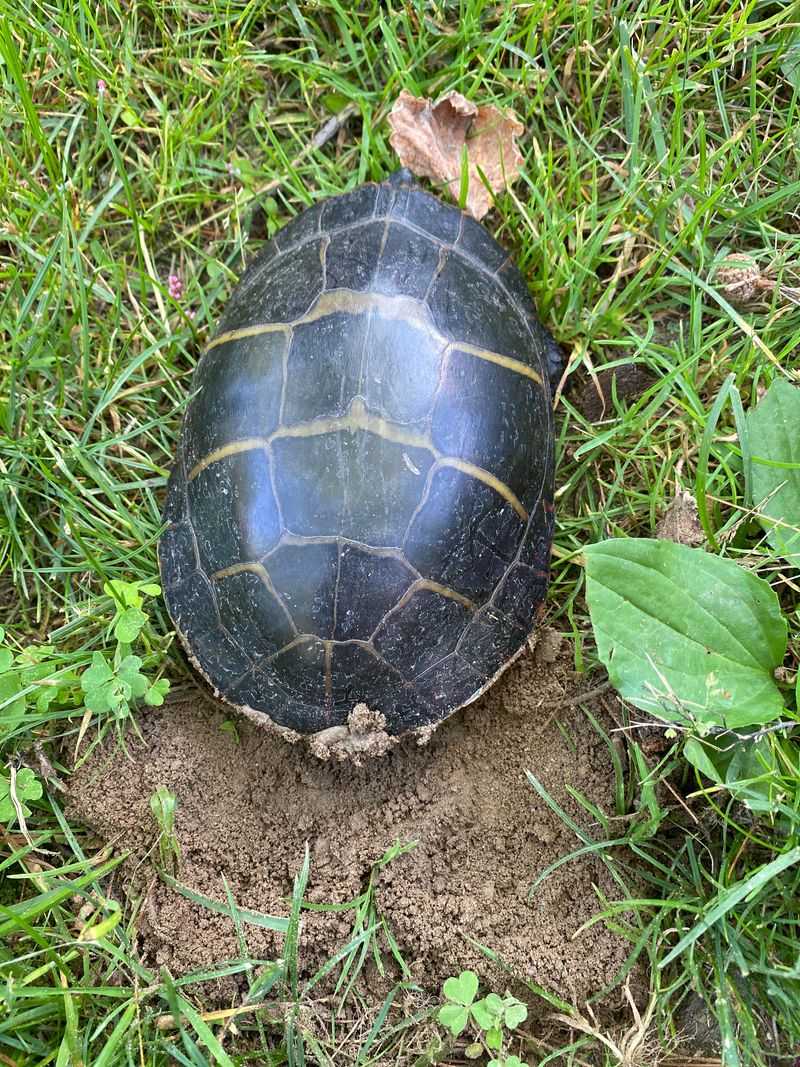
Fall gardens rarely stay quiet, and one more round of bulb planting could land right on your sleeping friend. A simple marker keeps everyone in the household from digging in the same spot twice this winter.
A wooden stake or a bright plant flag works nicely as a gentle reminder near the burrow. Place it about a foot away rather than directly on top, so you avoid poking the turtle.
I’m a sucker for handmade garden signs, so mine says Turtle Asleep in faded blue letters. It sparks fun conversations with neighbors and keeps curious kids from treating the spot like a sandbox.
Write the location down too, because snow cover can hide even the brightest marker by midwinter. A quick phone photo with a landmark nearby, like a fence post, helps you find the spot later.
That record matters most in early spring, when the urge to till and plant starts creeping back. Holding off on deep digging near the marker until mid to late spring gives the turtle time to emerge.
Watch the spot on warm April afternoons, and you might catch your turtle poking its head out. Once you see a little exit hole, you can remove the marker and garden normally again.
Mowers deserve extra caution too, since box turtles often wander through tall grass soon after they wake. Raising the mower deck and walking the lawn first can spare a turtle from painful shell injuries.
7. Call A Licensed Wildlife Rehabber For An Injured Turtle
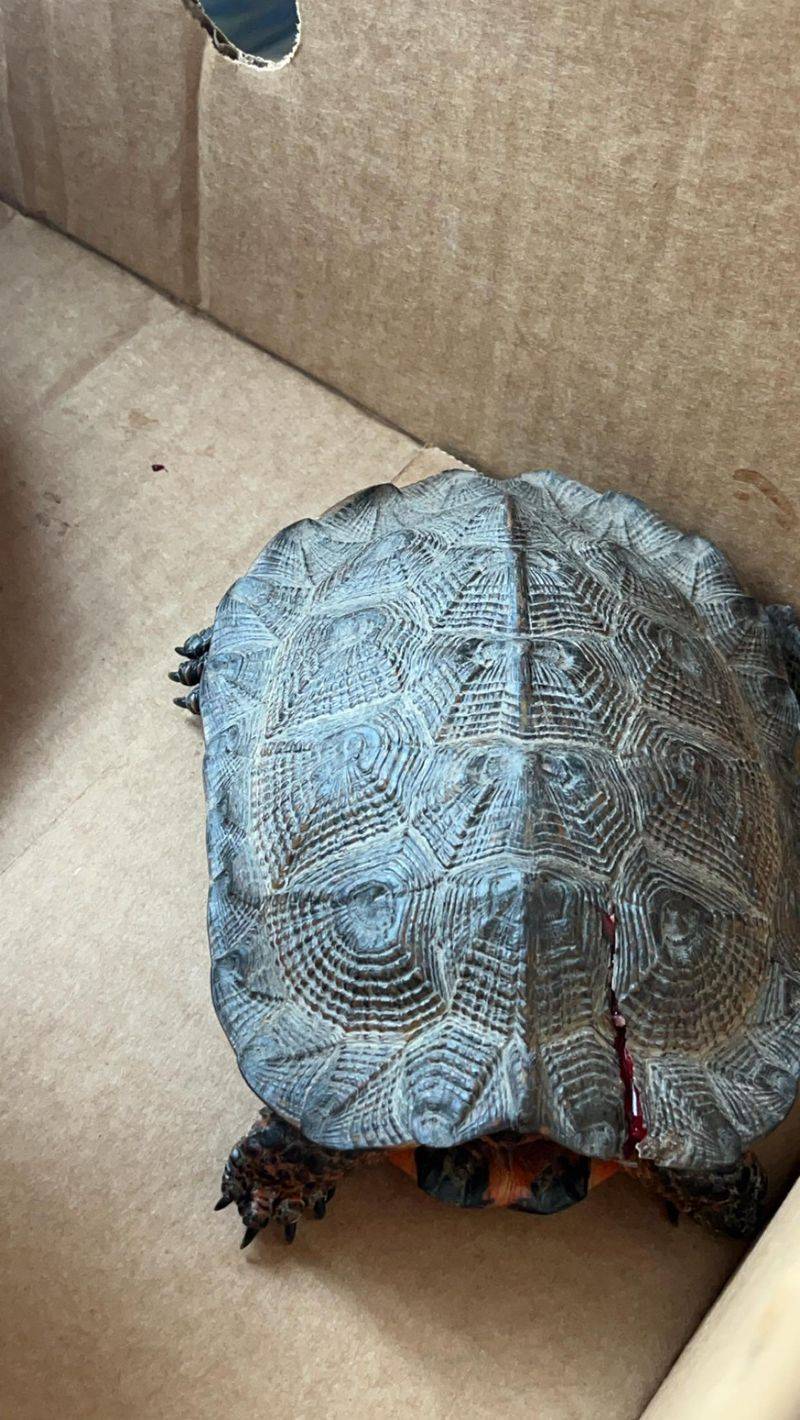
Turtle shells can heal surprisingly well, but only with proper care from someone trained to treat them. A cracked shell is a living wound, packed with nerves and blood vessels, not just a hard covering.
If your shovel caused bleeding or a visible break, it is time to bring in professional help quickly. The Indiana Department of Natural Resources keeps an online list of permitted wildlife rehabilitators across the state.
Place the injured turtle in a ventilated box with a towel, and keep it somewhere cool and quiet. Avoid tape or homemade glue repairs, since those can trap bacteria and make proper shell repairs harder.
Fair warning, rehabbers can be busy, so you may need to call a few before reaching someone. Local nature centers and some veterinarians who treat reptiles can often point you in the right direction.
Write down exactly where you found the turtle, since rehabbers usually release healed turtles back near home. Box turtles struggle when released far from their home range, so that location note truly matters.
Rehabbers can also help identify the species, which helps because some turtles found here are state endangered. The ornate box turtle, for example, is listed as endangered in Indiana and lives mainly in sandy areas.
Making that phone call might feel like overreacting, but experts would much rather hear from you early. Quick action gives an injured turtle its best shot at another long life wandering your garden.
8. Leave Fallen Leaves And Brush Piles For Box Turtles
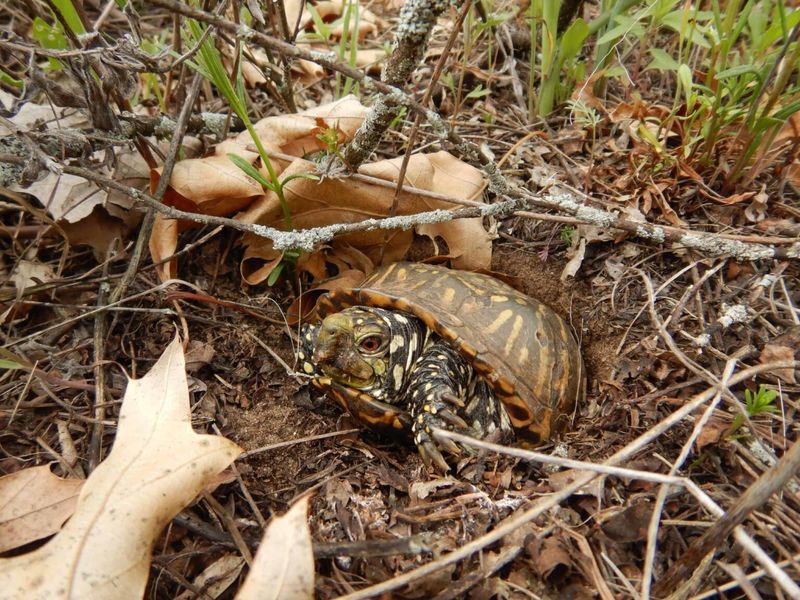
Your messy flower bed might be the most popular winter hotel in the neighborhood for small wildlife. Leaf litter traps warmth and moisture, which is exactly what overwintering box turtles look for each fall.
I get it, tidy yards feel satisfying, and raking every last leaf is a hard habit to break. Still, leaving a few sheltered corners untouched gives turtles and overwintering insects safe places to rest until spring.
Brush piles and log stacks along the edge of a yard add even more cozy hiding spots. Try keeping them in shady areas with loose soil, since box turtles like to dig in easily.
Native plants help year-round by supporting the insects and berries that box turtles eat during warmer months. Mayapple and wild strawberry are well-known turtle favorites, and turtles often help spread those seeds around afterward.
Cutting back on pesticides helps too, since turtles eat many of the insects and slugs those sprays target. A healthy, lively garden usually means healthier reptiles living quietly right under your nose all year.
Every fall, I now leave one back corner wild, and it has become my favorite part of the yard. Finding a turtle there felt like a reward for being a little lazy with the rake, honestly.
Small habitat choices add up, especially for long-lived turtles that take many years to reach adulthood. Your yard can become a safe winter refuge that supports these ancient-looking neighbors for decades to come.