Turn Your Indiana Fall Decor Straw Bales Into Winter Mulch For The Garden
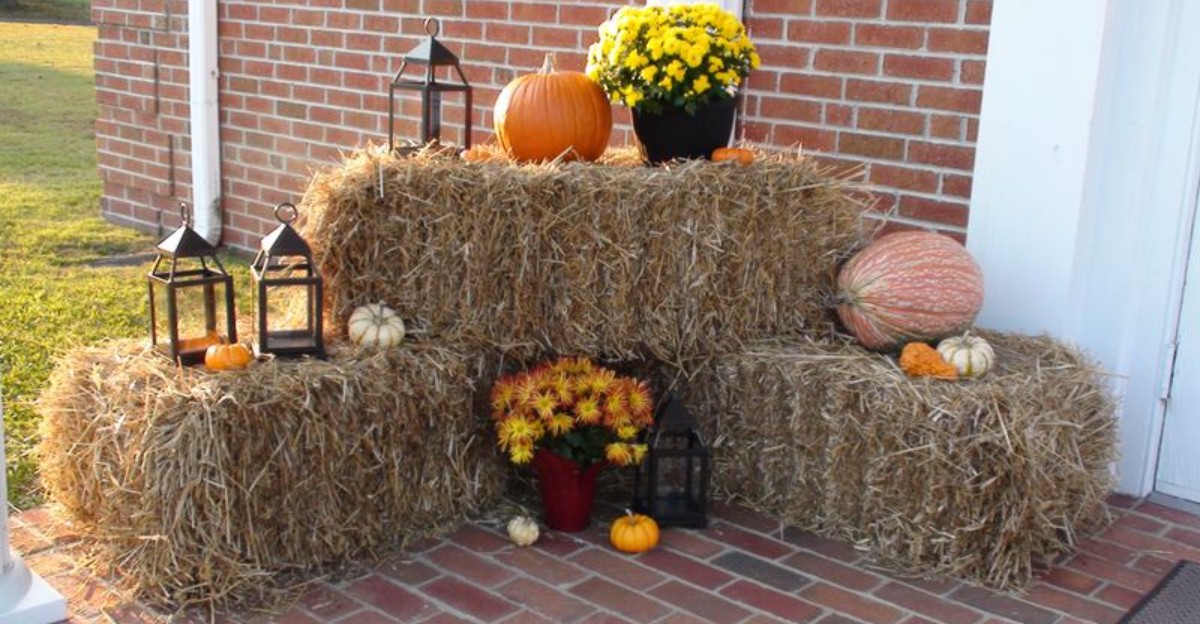
Those golden bales holding up your pumpkins are mostly hollow wheat stems, and that hollow shape traps insulating air. I love that the same bundle sitting by my front door can protect garden roots through a cold winter.
In Indiana, the ground often freezes and thaws many times between December and March each year. That repeated swelling can push shallow-rooted plants right out of the soil, leaving their crowns bare and exposed.
Many people toss their porch bales into the trash once Halloween and Thanksgiving decorations finally come down. You can save money by keeping them dry in a garage or shed until your garden truly needs them.
I believe there is real satisfaction in watching one decoration quietly turn into a useful garden tool. Who knew the scarecrow’s favorite seat could end up tucking your Indiana flower beds in for winter?
Winter Mulch Pulled Straight From Your Fall Decor
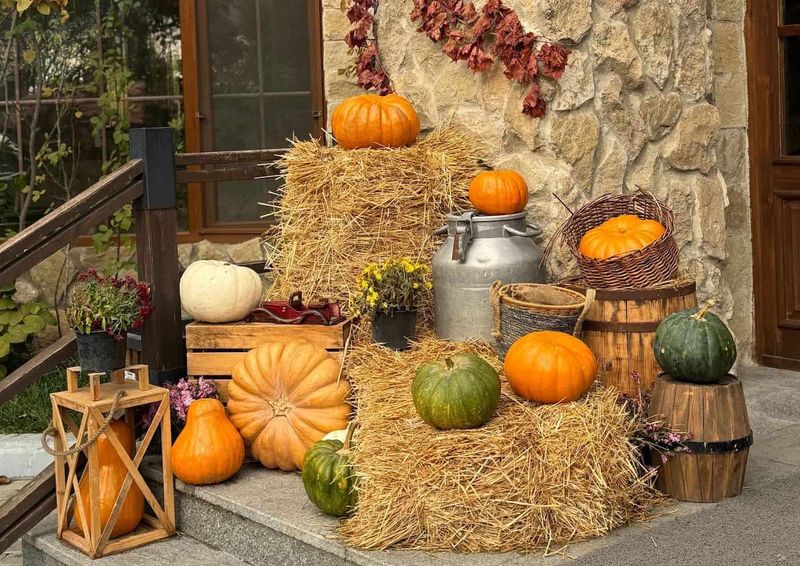
Straw bales make excellent winter mulch, and Purdue Extension often suggests straw for protecting perennials in Indiana gardens. The loose stems hold air between them, and that air slows heat loss from the soil underneath.
Winter mulch is not meant to keep soil warm like a heater running all season in your home. Its real job is keeping the frozen ground frozen, so roots avoid the stress of constant thawing cycles.
Plants like heuchera, mums, and newly planted perennials benefit most because their roots sit close to the surface. Those shallow roots are the first to lift when the soil heaves during a sudden January warm spell.
A standard square bale weighs around forty pounds and can cover a surprising amount of garden bed space. Many gardeners find one or two bales handle a typical front border spread about three to four inches deep.
Keep your decorative bales off wet concrete through November, because soggy straw can mold and grow heavy. A spare pallet in the garage or under a tarp keeps them dry and ready for garden duty.
When you finally break a bale apart, the straw separates into thick slabs that gardeners call flakes. Fluff those flakes with your hands before spreading, since packed layers block air and can trap extra moisture.
Any leftover straw is useful later as a path cover, compost ingredient, or bedding for next year’s vegetables. Very little from that cheerful porch display needs to end up at the curb with your weekly trash.
Straw Differs From Hay In One Important Way
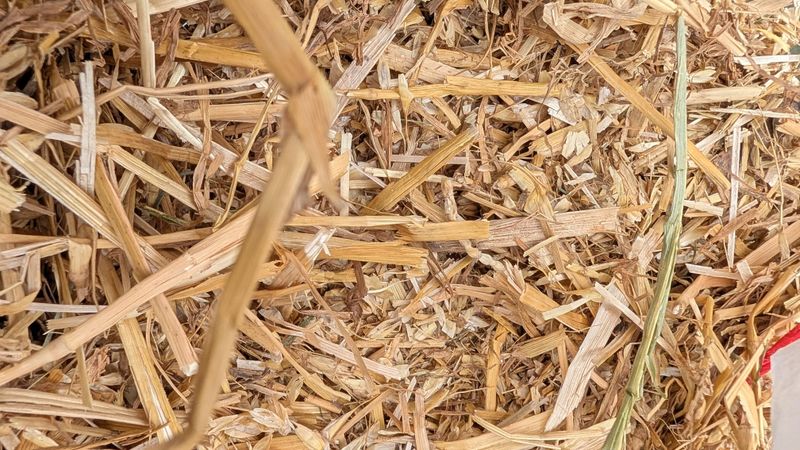
Farm stores sometimes stack straw and hay side by side, but the two bales do very different jobs. Straw is the leftover stalk from grain crops like wheat, oats, or barley after the seed heads are harvested.
Hay is cut grass or alfalfa grown as animal feed, and it often carries plenty of mature seeds. Spread hay across a flower bed, and you may be planting a fresh crop of weeds for spring.
That one detail, the seed content, is the main reason extension experts usually recommend straw for mulching gardens. Straw still may hold a few stray grain seeds, so expect some wheat or oat sprouts next season.
Your Indiana Garden Changes Every Week. Your Plan Should Too.
Gardening in Indiana changes quickly throughout the season. Every Friday you’ll receive a simple weekly plan showing exactly what to plant, prune, fertilize, harvest, and protect so you never miss the right timing.
Oat sprouts usually fade during hard freezes, and wheat sprouts pull out easily by hand in early spring. Straw also tends to look brighter gold, while hay looks greener and feels softer with leafy bits inside.
Decorative bales sold at grocery stores and pumpkin patches each October are usually straw, but labels can vary. Pull a handful from the center and look closely for seed heads, leaves, or clumps of green stems.
Another concern is herbicide residue, since some hay fields are treated with products that linger for months. Certain long-lasting weed sprays can harm tomatoes and beans, so asking the seller about field treatments is smart.
If your porch bale turns out to be hay, it can still go into a hot compost pile. A well-heated pile reaches temperatures high enough to reduce many weed seeds before the finished compost is used.
The Right Moment To Spread It Around Perennials
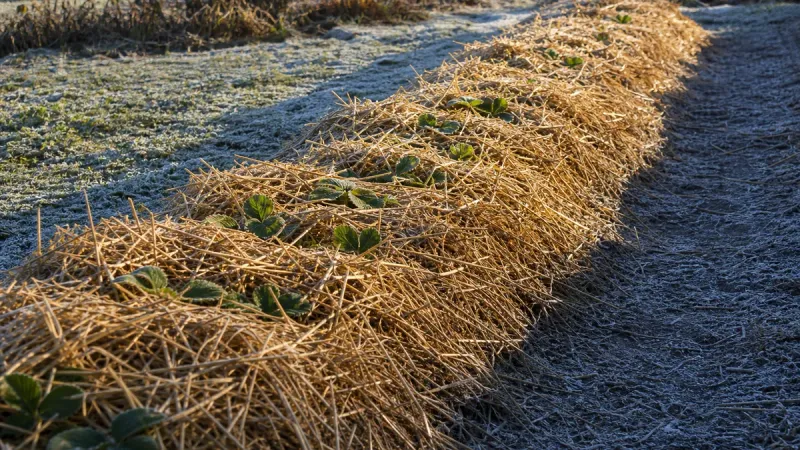
Patience pays off here, because spreading straw too early in October can actually cause more trouble than help. Purdue Extension and other Midwest programs suggest waiting until the top inch or two of soil has frozen.
In much of Indiana, that usually happens from late November through mid-December, depending on your location. Northern counties near Lake Michigan often freeze sooner than southern counties along the Ohio River valley.
Mulching warm soil can trap heat, which keeps plants growing when they should be settling into dormancy. Early mulch also gives mice and voles a cozy hiding spot right next to tasty plant crowns.
October is still a fine month to prepare, so cut back soggy foliage and remove spent blooms now. Water perennials deeply before the ground freezes, especially if fall rains have been light in your area.
Once the freeze arrives, spread loose straw about three to four inches deep around and over each crown. Newly planted perennials from this fall need the cover most, since their roots have had little time to anchor.
Leave a small gap around woody stems of roses or shrubs to discourage rodents from chewing the bark. On windy sites, a few evergreen boughs laid on top can hold the straw in place all winter.
I like checking the soil with a garden trowel each week once Thanksgiving passes and nights stay below freezing. When the trowel struggles to break the crust, your stored porch bales are finally ready for their second job.
Fall-Planted Garlic Welcomes A Thick Straw Blanket
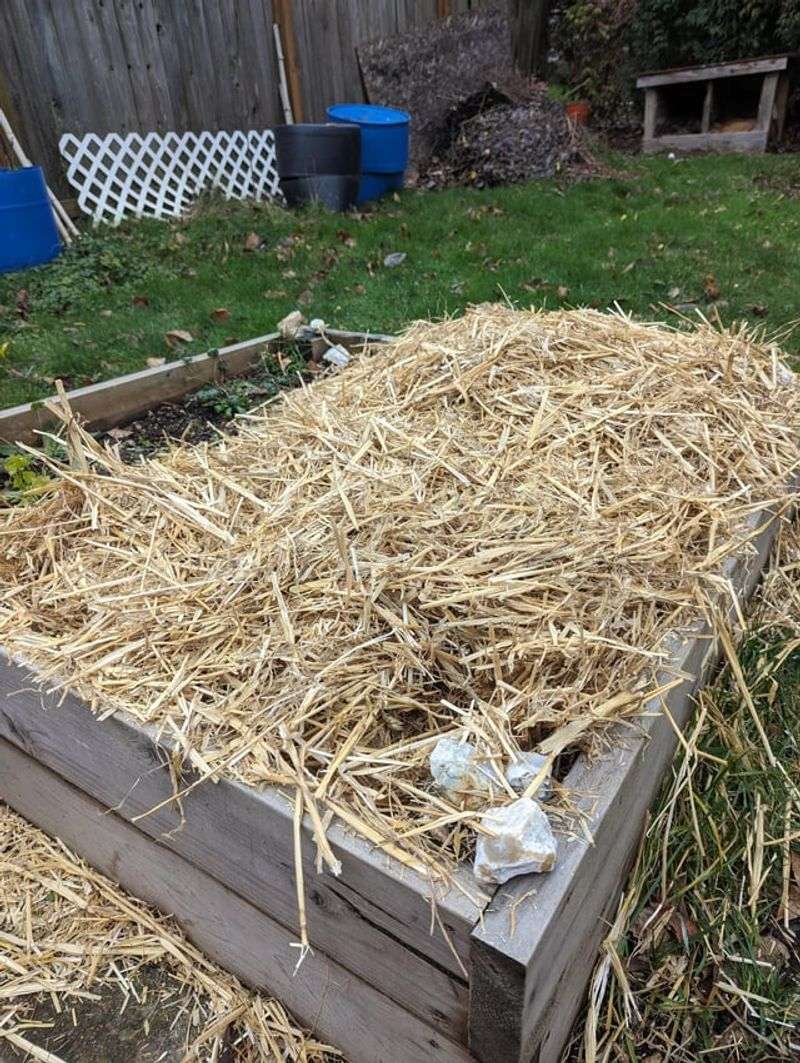
Garlic cloves tucked into Indiana soil this October will spend the whole winter quietly building roots underground. Purdue Extension notes that fall planting gives garlic the cold period it needs to form full, plump bulbs.
Most Indiana gardeners plant cloves from early to late October, about two inches deep and six inches apart. Pointed ends face up, and the flat root end sits down, much like a tiny rocket ready to launch.
Garlic handles a heavier straw layer than many perennials, so four to six inches works well over the bed. Many growers spread it right after planting, while others wait until the soil starts to freeze in late fall.
Either approach protects the cloves from heaving, which can shove them up and leave them sitting on the surface. Green shoots sometimes poke through the straw during a mild November, and that is normal for fall-planted garlic.
Those leaf tips may brown a little in deep cold, but the bulb below usually stays healthy. Unlike flower beds, garlic beds can keep their straw through spring and summer as a weed-blocking mulch.
Thin the layer to about two inches in March, so the soil warms and shoots push up freely. Straw left in place also holds moisture during dry June weeks, when bulbs swell most quickly underground.
Fun fact, the scapes that curl up from hardneck garlic in late spring are tasty in stir-fries and pesto. Snapping them off early also helps the plant send more energy down into the bulb you harvest in July.
Strawberry Plants Rest Safely Under A Loose Cover
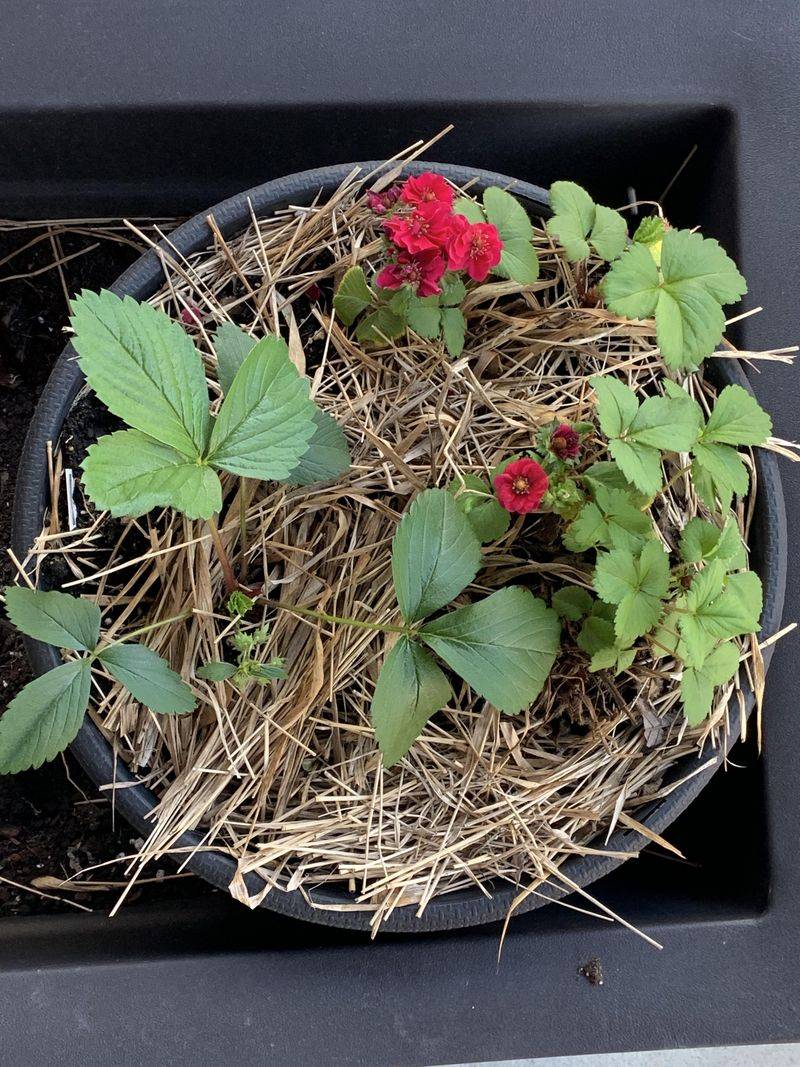
Strawberries got their name long ago, and one popular story links it to the straw farmers spread beneath them. Whatever the true origin, straw remains the classic winter cover for June-bearing and everbearing strawberry beds across Indiana.
Strawberry crowns can suffer injury when temperatures drop below about twenty degrees Fahrenheit without any protection. Flower buds for next spring already formed inside those crowns this fall, so cold damage can shrink your harvest.
Purdue Extension suggests covering beds after plants go dormant, often following a few nights in the low twenties. In most Indiana yards, that timing lands somewhere between late November and the first week of December.
Leaves that flatten and darken a bit are a helpful sign the plants have slowed down for winter. Spread about two to four inches of loose straw over the whole bed, covering the plants and the paths.
A light, fluffy layer lets air move, which helps prevent rot and mold from forming around the crowns. Avoid matted leaves or grass clippings here, since those materials pack down tightly and can smother small plants.
Kids often love helping with this chore, and the job feels a bit like tucking blankets onto little beds. Pull extra straw into the paths between rows in spring, where it keeps berries clean and off muddy soil.
That same straw layer also slows rain splash, which can spread fruit rot spores onto ripening strawberries. Your porch bale may end up guarding both the plants in winter and the berries during June picking.
Spring Removal Before New Growth Gets Smothered
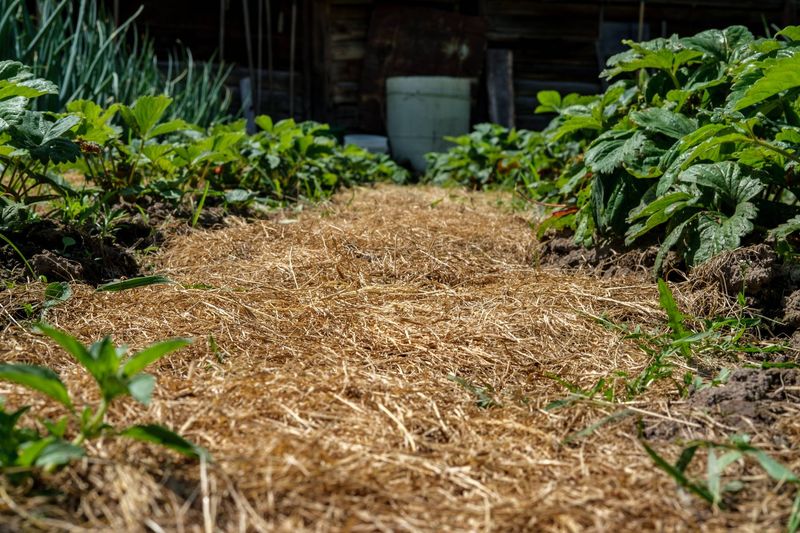
Every March, a quick peek under the straw can save weeks of frustration for anyone growing perennials in Indiana. Winter mulch that stays too long can block light, hold cold in the soil, and smother tender new shoots.
Pale new shoots poking up underneath are a clear sign the plants are ready for fresh air. Most extension guides suggest pulling mulch back gradually as soon as new growth begins in early spring.
For strawberries, Purdue recommends removing straw once the soil at 4 inches averages about 40 to 43 degrees, usually in mid to late March in central Indiana. Keep that straw close by in the paths, because a late frost may send you running to recover blossoms.
A cloudy day works best for uncovering plants, since sudden bright sun can scorch pale, tender leaves. Use your hands or a gentle leaf rake, and work slowly so you avoid snapping brittle young stems.
The straw you remove still has value, so pile it in a compost bin or around vegetable rows. Tomatoes, peppers, and potatoes all appreciate a straw layer once the soil warms in late May or June.
Watch for mice nests while clearing beds, and wear gloves since rodents often shelter in mulch over winter. Sprouted wheat or oat seedlings from the straw pull out easily before their roots dig in deeply.
Next October, you might pick up an extra bale at the pumpkin patch, already knowing its winter plans. One simple purchase can decorate your porch, protect your plants, and feed your compost pile all year long.